

 Preservatives(food)
 Flavors
 Acidulants
 Sweeteners
 Antioxidants
 Colorants(food)
 Nutraceutical Ingredients (food)
 Nutrient Supplements
 Emulsifiers
 Collectors
 Dust Suppressants
 Explosives and Blasting Agents
 Flocculants and Coagulants
 Frothers
 Leaching Agents
 pH Modifiers
 Precious Metal Extraction Agents
 Antioxidants(plastic)
 Colorants (Pigments, Dyes)
 Fillers and Reinforcements
 Flame Retardants
 Monomers
 Plasticizers
 Polymerization Initiators
 Stabilizers (UV, Heat)
 Antifoaming Agents
 Chelating Agents
 Coagulants and Flocculants
 Corrosion Inhibitors
 Disinfectants and Biocides
 Oxidizing Agents
 pH Adjusters
 Scale Inhibitors( water)
 Antioxidants(cosmetic)
 Emollients
 Oils
Oils Carrier Oills
 Essential Oils
 Humectants
 Preservatives
 Surfactants(cosmetic)
 Thickeners
 UV Filters
 Fragrance (Cosmetics)
 Fertilizers
 Soil Conditioners
 Plant Growth Regulators
 Animal Feed Additives
 Biostimulants
 Pesticides (Herbicides, Insecticides, Fungicides)
 Active Pharmaceutical Ingredients (APIs)
 Excipients
 Solvents(pharmaceutical)
 Antibiotics
 Antiseptics and Disinfectants
 Vaccine Adjuvants
 Nutraceutical Ingredients (pharmaceutical)
 Analgesics & Antipyretics
 Analytical Reagents
 Solvents(lab)
 Chromatography Chemicals
 Spectroscopy Reagents
 microbiology-and-cell-culture-reagents
 Molecular Biology Reagents
 Biochemical Reagents
 Inorganic and Organic Standards
 Laboratory Safety Chemicals
 Specialty Laboratory Chemicals(Special Laboratory Equipment)
 Demulsifiers
 Hydraulic Fracturing Fluids
 Scale Inhibitors(oil)
 Surfactants(oil)
 Drilling Fluids
 Dyes and Pigments
 Bleaching Agents
 Softening Agents
 Finishing Agents
 Antistatic Agents
 Admixtures
 Waterproofing Agents
 Sealants and Adhesives
 Curing Compounds
 Concrete Repair Chemicals
 Anti-Corrosion Coatings
 Surfactants(cleaning)
 Builders
 Enzymes
 Solvents (Cleaning)
 Electronic Chemicals
 Catalysts
 Lubricants
 Photographic Chemicals
 Refrigerants
 Automotive chemicals
 Pyrotechnic Chemicals
 Biodegradable Surfactants
 Bio-based Solvents
 Renewable Polymers
 Carbon Capture Chemicals
 Wastewater Treatment Chemicals
 Pigments
 Solvents(paint)
 Specialty Coatings
 Binders/Resins
 Additives
 Driers
 Anti-Corrosion Agents
 Functional Coatings
 Application-Specific Coatings
 Leavening Agents
 Dough Conditioners
 Flour Treatments
 Fat Replacers
 Decoratives
 Preservatives(baking)
 Plasticizers & Softeners
 Reinforcing Agents
 Adhesion Promoters
 Vulcanizing Agents
 Antidegradants
 Blowing Agents
 Fillers & Extenders
 Accelerators & Retarders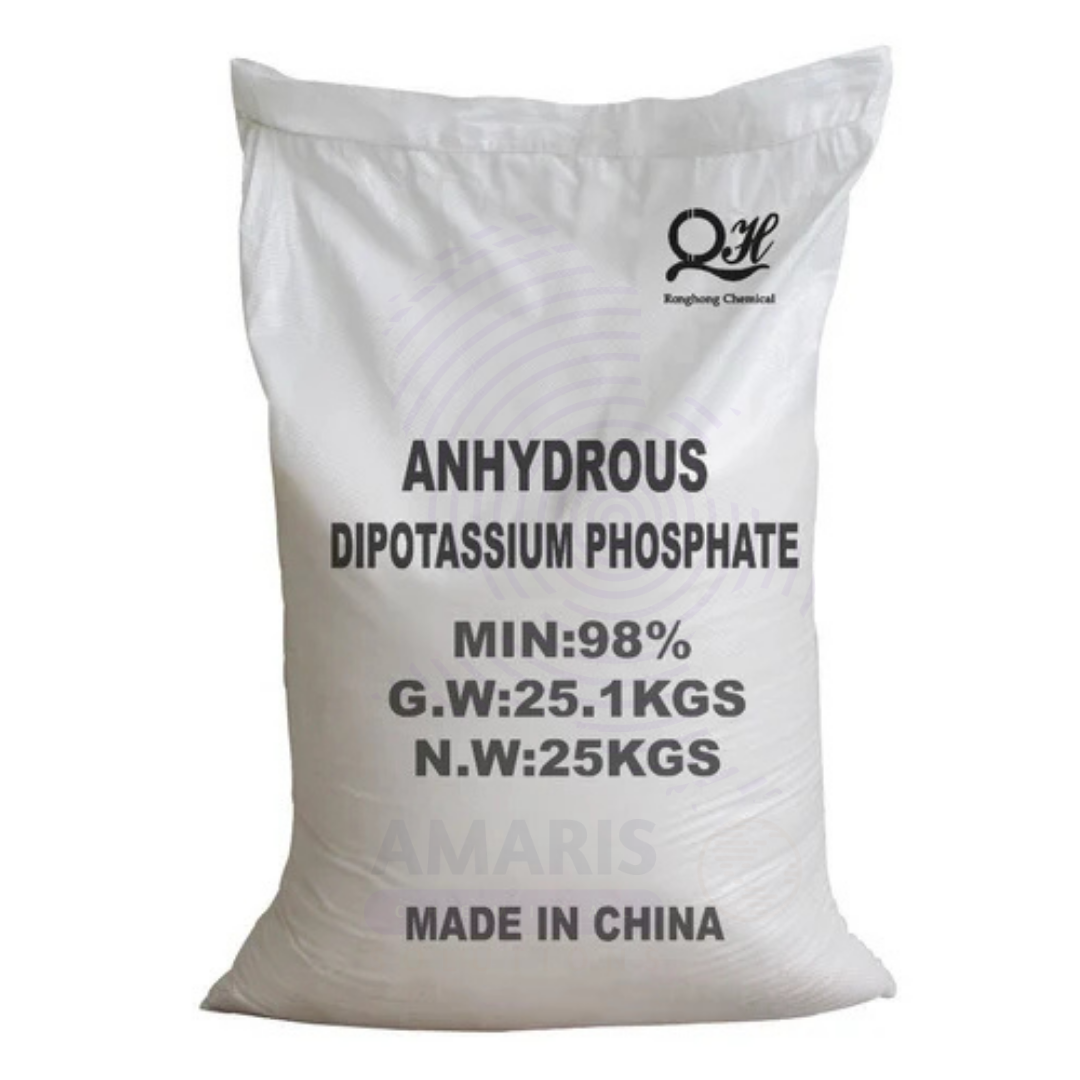


Dipotassium Hydrogen Phosphate
Dipotassium Hydrogen Phosphate (also known as dipotassium phosphate, DKP) is an inorganic salt used widely as a buffering agent, emulsifier, and nutritional supplement in various industries. It is a white, crystalline, highly water-soluble powder with alkaline properties. DKP plays a vital role in food processing, pharmaceuticals, water treatment, and agriculture due to its ability to stabilize pH, improve texture, and supply essential potassium and phosphate ions.
Dipotassium Hydrogen Phosphate
Primary Uses
- Food & Beverage Industry
- Functions as a buffering agent to control acidity and alkalinity in processed foods and beverages.
- Used as an emulsifier and stabilizer in dairy products like cheese and cream to improve texture and prevent separation.
- Acts as a sequestrant to bind metal ions, thereby enhancing shelf life and flavor stability.
- Used in meat processing as a humectant and water-binding agent to maintain moisture.
- Added to nutritional supplements and infant formulas as a source of potassium and phosphate.Pharmaceuticals & Healthcare
- Utilized as a buffering agent in intravenous (IV) fluids and oral rehydration salts to maintain pH stability.
- Serves as an excipient in tablet and capsule formulations for controlled-release mechanisms.
- Used in parenteral nutrition formulations to supply essential electrolytes.Agriculture & Fertilizers
- Applied as a potassium and phosphorus fertilizer component to improve soil fertility and promote plant growth.
- Used in hydroponics nutrient solutions as an essential source of potassium and phosphate ions.Water Treatment
- Acts as a corrosion inhibitor and pH regulator in boiler water treatment and cooling systems.
- Helps prevent scale formation and corrosion in industrial water systems.Industrial Applications
- Used in detergents and cleaning products as a builder and pH regulator.
- Employed in ceramics and textile industries as a buffering agent during processing.
Secondary Uses
- Laboratory Reagent
- Used as a standard buffer component in biochemical and molecular biology experiments.
- Helps maintain stable pH in enzyme assays and protein purification processes.Cosmetics
- Included in personal care formulations as a pH adjuster and emulsifier in creams and lotions.Animal Feed
- Added to animal feed supplements to provide essential minerals and improve nutritional value.
1. Basic Identification Attributes
- Chemical Name (IUPAC): Dipotassium hydrogen phosphate
- Common/Trade Name: Dipotassium Phosphate, DKP
- CAS Number: 7758-11-4
- HS Code: 2835.39.00
- Molecular Formula: K₂HPO₄
- Synonyms:
- Dipotassium phosphate
- Dipotassium hydrogen orthophosphate
- Potassium phosphate dibasic
2. Physical & Chemical Properties
- Physical State: White crystalline powder or granules
- Odor: Odorless
- Melting Point: Decomposes before melting at ~253°C
- Solubility: Highly soluble in water; insoluble in alcohol and ether
- pH (1% solution): Approximately 9–10 (alkaline)
- Stability: Stable under normal storage; hygroscopic
3. Safety & Hazard Attributes
- Hazard Class (GHS): Not classified as hazardous
- Toxicity: Low toxicity; generally recognized as safe (GRAS) for food use
- Exposure Limits: No specific occupational limits established
4. Storage & Handling Attributes
- Storage Conditions: Store in a cool, dry place in airtight containers to prevent moisture absorption
- Container Type: Paper bags with polyethylene lining, or plastic drums
- Shelf Life: 2–3 years if stored properly
- Handling Precautions: Avoid dust formation; use dust extraction when handling bulk powder
5. Regulatory & Compliance Attributes
- Approved for use as a food additive and pharmaceutical excipient globally
- Listed in USP, EP, and FCC (Food Chemicals Codex)
- Compliant with REACH and other international chemical regulations
6. Environmental & Health Impact
- Ecotoxicity: Low environmental toxicity
- Persistence: Biodegradable and non-persistent
- Bioaccumulation: Not expected
- Carcinogenicity/Mutagenicity: Not classified
Safety Handling Precautions
PPE Required:
- Dust mask or respirator (if dust levels are high)
- Safety goggles
- Gloves (nitrile or latex)
- Lab coat or protective clothing
Handling Guidelines:
- Handle in well-ventilated areas to avoid dust inhalation
- Avoid contact with eyes and skin
- Use dust suppression methods during bulk transfer
Storage Measures:
- Keep containers tightly sealed
- Store away from moisture and incompatible substances such as strong acids
- Avoid storage near strong oxidizers
Hygiene Practices:
- Wash hands thoroughly after handling
- Do not eat, drink, or smoke during handling
- Use clean working environment to avoid contamination
First Aid Measures
- Inhalation: Move to fresh air; seek medical attention if respiratory irritation occurs
- Skin Contact: Wash with plenty of soap and water; seek medical advice if irritation develops
- Eye Contact: Rinse immediately with water for at least 15 minutes; seek medical attention if irritation persists
- Ingestion: Rinse mouth; generally low toxicity but seek medical advice if large quantities ingested
Firefighting Measures
- Fire Hazards: Non-flammable and non-combustible
- Extinguishing Media: Use water spray, foam, dry chemical, or CO₂ to extinguish fires in surrounding materials
- Special Precautions: None specific; use standard firefighting procedures
- Decomposition Products: May produce potassium oxides and phosphorus oxides under extreme heat
Related products
Ammonia Acetate
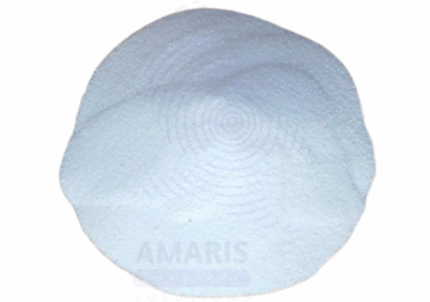
Ammonia Acetate is a white crystalline solid or granular powder with a mild ammoniacal odor. It is a salt formed from ammonia and acetic acid, widely used in laboratories, industrial processes, and some niche food and pharmaceutical applications. Ammonium Acetate is highly soluble in water and often utilized as a buffer solution in biochemical and analytical chemistry due to its ability to maintain pH. It also serves as a precursor in the synthesis of various chemicals and acts as a neutralizing agent in several industrial applications.
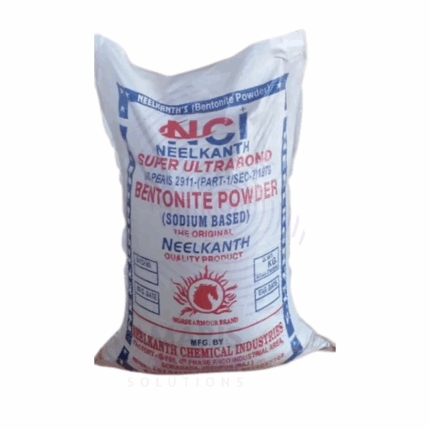
Bentonite Powder
Bentonite powder is a naturally occurring absorbent clay primarily composed of montmorillonite, a type of smectite clay mineral. It exhibits excellent swelling and water absorption properties, making it highly versatile in industrial and commercial applications. Bentonite forms a gel-like substance when mixed with water, which imparts viscosity and plasticity. It is used extensively for its binding, sealing, and adsorptive characteristics. Its fine powder form allows for easy incorporation in various processes including drilling, foundry, cosmetics, pharmaceuticals, and agriculture.
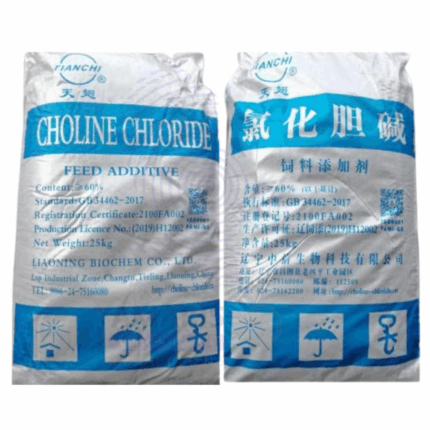
Choline Chloride Powder
Choline Chloride Powder is a white to off-white crystalline powder containing 60% choline chloride, a quaternary ammonium salt essential as a nutrient in animal and poultry feed. It serves as a vital source of choline, an important component in fat metabolism, liver function, and cell membrane integrity. Produced through chemical synthesis, this powder form is highly soluble in water, making it easy to incorporate into feed premixes and supplements. Choline chloride is widely used in the agriculture industry to prevent choline deficiency, enhance growth performance, and improve overall health in livestock. Beyond animal nutrition, it finds applications in chemical manufacturing and pharmaceuticals.
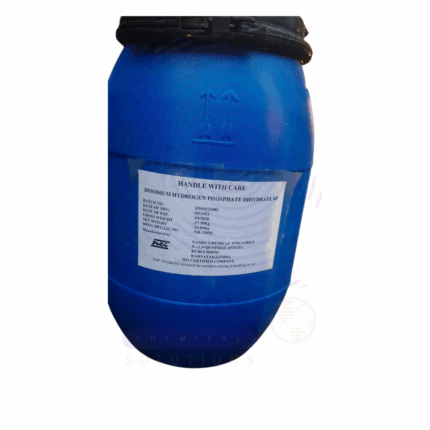
Disodium Hydrogen Phosphate Dihydrate
Disodium Hydrogen Phosphate Dihydrate is the hydrated form of disodium hydrogen phosphate, a white crystalline powder commonly used as a buffering agent, emulsifier, and sequestrant. The dihydrate form contains two water molecules per formula unit, which affects its physical properties such as melting point and solubility. It is widely applied in food, pharmaceutical, water treatment, and industrial processes to maintain pH stability, improve texture, and supply essential sodium and phosphate ions.
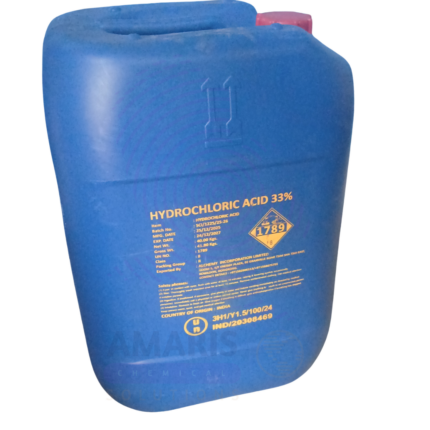
Hydrochloric Acid (HCL)
Hydrochloric Acid is a clear, colorless to slightly yellow aqueous solution of hydrogen chloride gas. It is a strong, highly corrosive mineral acid with a sharp, pungent odor. The chemical formula is HCl with a molecular weight of 36.46 g/mol. Hydrochloric Acid is completely miscible with water and many organic solvents. It is non-flammable but extremely corrosive to metals and human tissue. Technical grade Hydrochloric Acid is manufactured for industrial applications including chemical manufacturing, steel pickling, oil well acidizing, water treatment, and pH adjustment. It is available in various concentrations, typically ranging from 30% to 38% by weight.
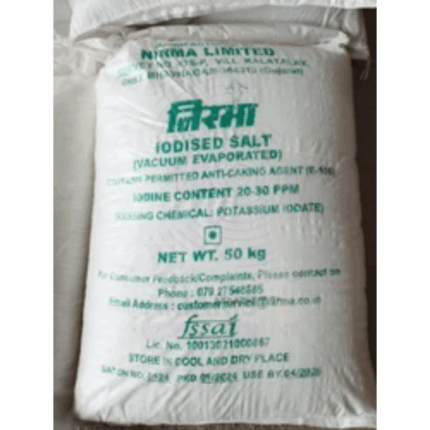
Iodised Salt
Iodised Salt is table salt (sodium chloride) fortified with a small, controlled amount of iodine, typically in the form of potassium iodate or potassium iodide. It appears as fine white crystalline granules, odorless, and with a characteristic salty taste. The addition of iodine helps prevent iodine deficiency disorders (IDD) such as goiter, mental impairment, and developmental abnormalities. Iodised Salt is widely used in households, food processing, and animal nutrition to ensure adequate dietary iodine intake.

Sodium Bisulphate Monohydrate
Sodium Bisulphate Monohydrate, also known as sodium hydrogen sulphate, is a white crystalline powder or granular solid commonly used as an acidic cleaning agent, pH adjuster, and bleaching accelerator. It is a dry acid that releases sulfur dioxide when dissolved in water, making it effective in various industrial, food, and water treatment applications. This compound is valued for its ability to lower pH safely and is widely used where a controlled acidification is required without handling hazardous liquid acids.
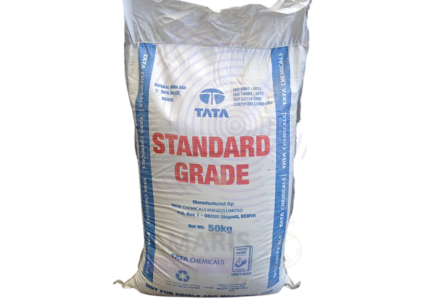
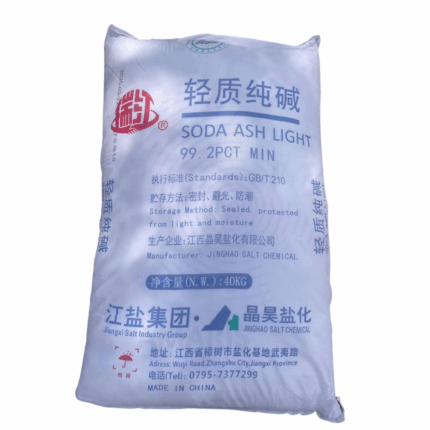
Sodium Carbonate (Magadi Soda)
Sodium Carbonate (Magadi Soda) is an inorganic white powder with the chemical formula Na₂CO₃. It is a key industrial alkali used in glass manufacturing, water treatment, and chemical production. This light-density form is highly soluble and reacts with acids to form salts, making it essential for pH regulation and as a cleaning agent in various industrial processes.












