

 Preservatives(food)
 Flavors
 Acidulants
 Sweeteners
 Antioxidants
 Colorants(food)
 Nutraceutical Ingredients (food)
 Nutrient Supplements
 Emulsifiers
 Collectors
 Dust Suppressants
 Explosives and Blasting Agents
 Flocculants and Coagulants
 Frothers
 Leaching Agents
 pH Modifiers
 Precious Metal Extraction Agents
 Antioxidants(plastic)
 Colorants (Pigments, Dyes)
 Fillers and Reinforcements
 Flame Retardants
 Monomers
 Plasticizers
 Polymerization Initiators
 Stabilizers (UV, Heat)
 Antifoaming Agents
 Chelating Agents
 Coagulants and Flocculants
 Corrosion Inhibitors
 Disinfectants and Biocides
 Oxidizing Agents
 pH Adjusters
 Scale Inhibitors( water)
 Antioxidants(cosmetic)
 Emollients
 Oils
Oils Carrier Oills
 Essential Oils
 Humectants
 Preservatives
 Surfactants(cosmetic)
 Thickeners
 UV Filters
 Fertilizers
 Soil Conditioners
 Plant Growth Regulators
 Animal Feed Additives
 Biostimulants
 Pesticides (Herbicides, Insecticides, Fungicides)
 Active Pharmaceutical Ingredients (APIs)
 Excipients
 Solvents(pharmaceutical)
 Antibiotics
 Antiseptics and Disinfectants
 Vaccine Adjuvants
 Nutraceutical Ingredients (pharmaceutical)
 Analgesics & Antipyretics
 Analytical Reagents
 Solvents(lab)
 Chromatography Chemicals
 Spectroscopy Reagents
 microbiology-and-cell-culture-reagents
 Molecular Biology Reagents
 Biochemical Reagents
 Inorganic and Organic Standards
 Laboratory Safety Chemicals
 Specialty Laboratory Chemicals(Special Laboratory Equipment)
 Demulsifiers
 Hydraulic Fracturing Fluids
 Scale Inhibitors(oil)
 Surfactants(oil)
 Drilling Fluids
 Dyes and Pigments
 Bleaching Agents
 Softening Agents
 Finishing Agents
 Antistatic Agents
 Admixtures
 Waterproofing Agents
 Sealants and Adhesives
 Curing Compounds
 Concrete Repair Chemicals
 Anti-Corrosion Coatings
 Surfactants(cleaning)
 Builders
 Enzymes
 Solvents (Cleaning)
 Fragrances (Cleaning)
 Electronic Chemicals
 Catalysts
 Lubricants
 Photographic Chemicals
 Refrigerants
 Automotive chemicals
 Pyrotechnic Chemicals
 Biodegradable Surfactants
 Bio-based Solvents
 Renewable Polymers
 Carbon Capture Chemicals
 Wastewater Treatment Chemicals
 Pigments
 Solvents(paint)
 Specialty Coatings
 Binders/Resins
 Additives
 Driers
 Anti-Corrosion Agents
 Functional Coatings
 Application-Specific Coatings
 Leavening Agents
 Dough Conditioners
 Flour Treatments
 Fat Replacers
 Decoratives
 Preservatives(baking)
 Plasticizers & Softeners
 Reinforcing Agents
 Adhesion Promoters
 Vulcanizing Agents
 Antidegradants
 Blowing Agents
 Fillers & Extenders
 Accelerators & Retarders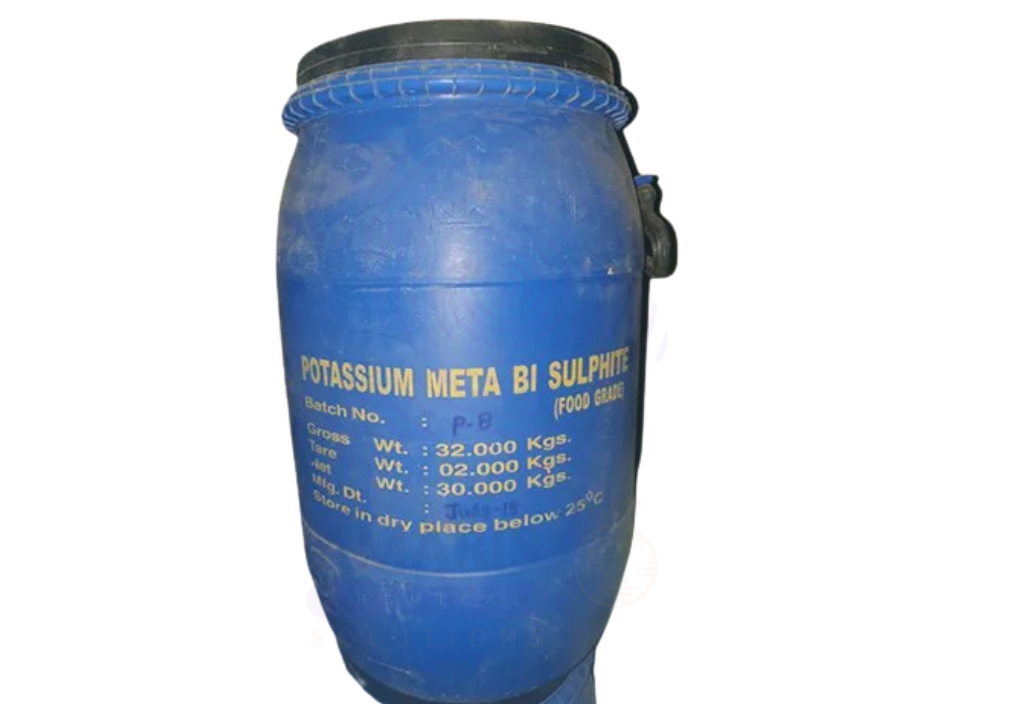




Potassium Metabisulphite Food Grade
Potassium Metabisulphite Food Grade is a white crystalline powder with strong antioxidant and preservative properties. It is widely used in the food and beverage industry as a disinfectant, antioxidant, and preservative to prevent spoilage and microbial growth. It also acts as a bleaching agent and sulfur dioxide (SO₂) source. This compound is critical in winemaking, brewing, and food processing to maintain product quality and extend shelf life.
Potassium Metabisulphite Food Grade
Primary Uses
- Food and Beverage Industry
- Used as a preservative and antioxidant in wine, beer, fruit juices, and soft drinks to prevent oxidation and microbial contamination.
- Acts as a sanitizer and disinfectant for equipment and surfaces in food processing facilities.
- Employed in dried fruits and vegetables to preserve color and prevent enzymatic browning.
- Used in baking powder as a dough conditioner and to control yeast growth.
- Winemaking and Brewing
- Serves as a sterilizing agent to inhibit wild yeast and bacteria during fermentation and storage.
- Prevents oxidation and spoilage in wine and beer production, maintaining flavor and aroma integrity.
Secondary Uses
- Pharmaceuticals
- Used as a reducing agent and preservative in certain pharmaceutical formulations.
- Water Treatment
- Applied to remove excess chlorine and disinfect water in small-scale water treatment.
- Cosmetics
- Utilized in low concentrations as an antioxidant and preservative in cosmetic products.
- Chemical Industry
- Used as a sulfur dioxide donor in chemical synthesis and as a bleaching agent.
1. Basic Identification Attributes
- Chemical Name (IUPAC): Potassium metabisulphite
- Common/Trade Name: Potassium Metabisulphite Food Grade
- CAS Number: 16731-55-8
- HS Code: 2833.29
- Synonyms: Potassium pyrosulfite; E224; dipotassium disulfite
2. Physical & Chemical Properties
- Physical State: White crystalline powder
- Color & Odor: White; sulfur dioxide odor when dissolved
- Solubility: Soluble in water, releasing SO₂ gas
- Melting Point: Decomposes at approximately 150°C
- Density: ~2.19 g/cm³
- Stability: Stable when dry; releases SO₂ on contact with moisture
3. Safety & Hazard Attributes
- GHS Classification: Harmful if swallowed; respiratory irritant; may cause allergic reactions
- Toxicity: Moderate; avoid inhalation and ingestion
- Exposure Limits: Follow occupational exposure limits; use respiratory protection if necessary
4. Storage & Handling Attributes
- Storage Conditions: Store in a cool, dry, well-ventilated area, away from moisture and acids
- Container Type: Sealed plastic or metal containers
- Shelf Life: Typically 1–2 years if stored properly
- Handling Precautions: Use gloves, masks, and eye protection; avoid dust inhalation
5. Regulatory & Compliance Attributes
- Approved as a food additive (E224) by FDA, EFSA, and other regulatory bodies
- Complies with food safety and quality standards
6. Environmental & Health Impact
- Biodegradability: Breaks down to sulfur compounds; environmentally degradable
- Ecotoxicity: Toxic to aquatic life at high concentrations
- Bioaccumulation: Not significant
Safety Handling Precautions
- PPE Required: Gloves, goggles, and dust mask recommended
- Handling Guidelines: Avoid inhalation of dust and contact with skin or eyes
- Storage Measures: Keep containers tightly closed and dry
First Aid Measures
- Inhalation: Move to fresh air; seek medical attention if respiratory irritation persists
- Skin Contact: Wash with plenty of water; seek medical help if irritation develops
- Eye Contact: Rinse with water for at least 15 minutes; seek immediate medical attention
- Ingestion: Rinse mouth; do not induce vomiting; seek urgent medical assistance
Firefighting Measures
- Fire Hazards: Non-flammable but releases toxic sulfur dioxide gas when heated
- Extinguishing Media: Use water spray, foam, or dry chemical extinguishers
- Special Precautions: Firefighters must wear protective gear and self-contained breathing apparatus
- Hazardous Combustion Products: Sulfur oxides (SOx)
Related products

Almond Bitter Oil
Almond Bitter Oil, derived from the kernels of bitter almonds (Prunus amygdalus var. amara), is an essential oil known for its sharp, nutty, and marzipan-like aroma. This oil is produced through steam distillation of crushed bitter almond kernels and contains a naturally occurring compound called benzaldehyde, which gives it its characteristic scent. In purified form (free of hydrogen cyanide), bitter almond oil is used in fragrance, flavoring, and pharmaceutical applications.
Due to its potent aroma and biochemical properties, it is widely used in perfumery, baked goods flavoring (in controlled quantities), aromatherapy, and traditional topical remedies. It is important to distinguish between natural bitter almond oil, which must be detoxified, and synthetic benzaldehyde, which is commonly used as a substitute in commercial formulations.
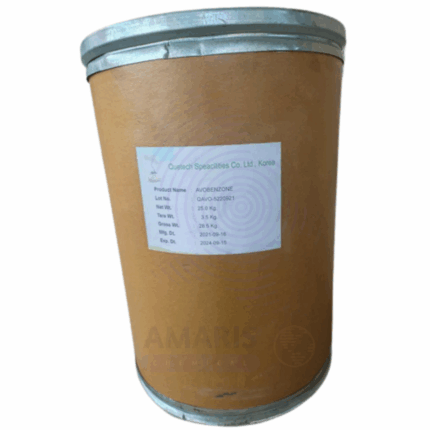
Avobenzone
Avobenzone (chemical name: Butyl Methoxydibenzoylmethane) is an oil-soluble organic compound widely used as a UVA filter in sunscreen formulations. It is valued for its ability to absorb a broad spectrum of ultraviolet A (UVA) rays (320–400 nm), protecting the skin from premature aging and damage caused by sun exposure. Avobenzone is often combined with other UV filters to provide broad-spectrum sun protection. It is a pale yellow liquid or crystalline powder, soluble in oils and alcohols but unstable in sunlight unless stabilized with other agents.
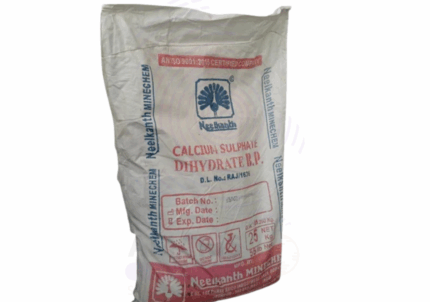
Calcium Sulphate Dihydrate
Calcium Sulphate Dihydrate, commonly known as gypsum, is a naturally occurring mineral widely used in agriculture, construction, and various industrial processes. It appears as a white or slightly translucent crystalline powder with moderate solubility in water. The compound is primarily used as a soil conditioner to improve soil structure and supply calcium and sulfur nutrients essential for plant growth. It also finds applications in the manufacture of plaster, cement, and as a filler in various products.
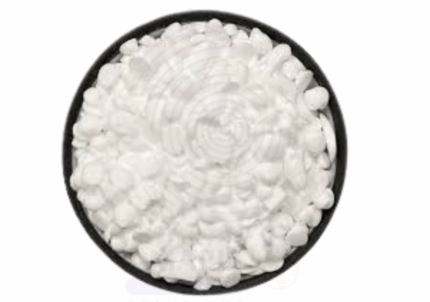
Cetyl Alcohol Flakes
Cetyl Alcohol Flakes is a high-purity fatty alcohol derived mainly from natural sources such as palm oil and coconut oil. Presented as white to off-white waxy flakes, this product contains at least 98% pure cetyl alcohol, ensuring consistent performance and quality. It is valued for its excellent emollient, thickening, and emulsifying properties and is widely used in personal care, pharmaceutical, and industrial formulations. The flake form facilitates easy handling, melting, and dosing in manufacturing processes. Cetyl Alcohol 98% Flakes contributes to the texture, stability, and moisturizing properties of various formulations, providing a non-greasy, smooth finish.
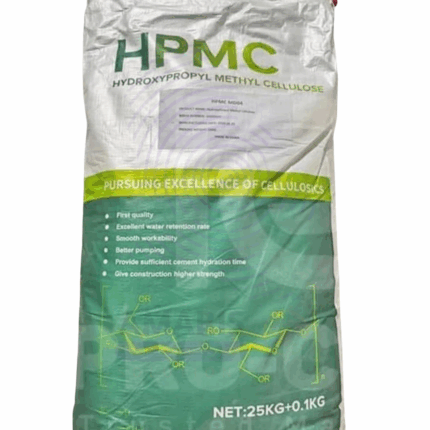
HPMC Vivapharm E50
HPMC Vivapharm is a high-quality, pharmaceutical-grade hydroxypropyl methylcellulose polymer widely used as an excipient and functional ingredient. It appears as a fine, white to off-white, odorless powder with excellent solubility in cold water and forms clear, viscous solutions. This cellulose ether derivative offers excellent film-forming, thickening, emulsifying, and controlled-release properties. Vivapharm E50 is prized in pharmaceutical, food, and cosmetic industries for its versatility, stability, and safety profile.
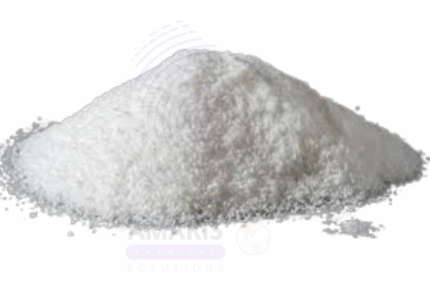
Methyl Cellulose 400mpc
Methyl Cellulose 400mpc is a chemically modified cellulose derivative in powder form. It is a non-ionic, water-soluble polymer widely used as a thickener, binder, emulsifier, and film former. It exhibits excellent water retention, viscosity control, and thermal gelation properties, making it ideal for applications in construction, pharmaceuticals, food, and cosmetics.

Passion Liquid Flavor
Passion Liquid Flavor is a concentrated, vibrant flavoring agent designed to impart the sweet and tangy taste of passion fruit in food and beverage products. This high-quality liquid flavor is formulated for excellent solubility and stability in various aqueous and non-aqueous food systems. It is widely used in confectionery, beverages, dairy products, bakery, and snacks to deliver a natural tropical fruit flavor profile. Manufactured following stringent food safety standards, Passion Liquid Flavor ensures consistent taste, purity, and compliance with regulatory requirements for food-grade ingredients.
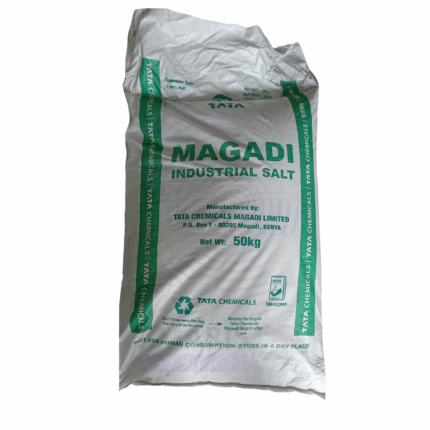
Sodium Chloride (Industrial Salt)
Sodium Chloride (Industrial Salt) is a highly purified, sterile, and non-pyrogenic salt intended for intravenous, intramuscular, and subcutaneous administration. It is commonly used in medical and pharmaceutical settings as a key component of intravenous fluids, for rehydration therapy, electrolyte replenishment, and as a diluent for injectable drugs. This grade meets stringent pharmacopoeial standards (British Pharmacopoeia) ensuring safety and compatibility with parenteral use.












