

 Preservatives(food)
 Flavors
 Acidulants
 Sweeteners
 Antioxidants
 Colorants(food)
 Nutraceutical Ingredients (food)
 Nutrient Supplements
 Emulsifiers
 Collectors
 Dust Suppressants
 Explosives and Blasting Agents
 Flocculants and Coagulants
 Frothers
 Leaching Agents
 pH Modifiers
 Precious Metal Extraction Agents
 Antioxidants(plastic)
 Colorants (Pigments, Dyes)
 Fillers and Reinforcements
 Flame Retardants
 Monomers
 Plasticizers
 Polymerization Initiators
 Stabilizers (UV, Heat)
 Antifoaming Agents
 Chelating Agents
 Coagulants and Flocculants
 Corrosion Inhibitors
 Disinfectants and Biocides
 Oxidizing Agents
 pH Adjusters
 Scale Inhibitors( water)
 Antioxidants(cosmetic)
 Emollients
 Oils
Oils Carrier Oills
 Essential Oils
 Humectants
 Preservatives
 Surfactants(cosmetic)
 Thickeners
 UV Filters
 Fertilizers
 Soil Conditioners
 Plant Growth Regulators
 Animal Feed Additives
 Biostimulants
 Pesticides (Herbicides, Insecticides, Fungicides)
 Active Pharmaceutical Ingredients (APIs)
 Excipients
 Solvents(pharmaceutical)
 Antibiotics
 Antiseptics and Disinfectants
 Vaccine Adjuvants
 Nutraceutical Ingredients (pharmaceutical)
 Analgesics & Antipyretics
 Analytical Reagents
 Solvents(lab)
 Chromatography Chemicals
 Spectroscopy Reagents
 microbiology-and-cell-culture-reagents
 Molecular Biology Reagents
 Biochemical Reagents
 Inorganic and Organic Standards
 Laboratory Safety Chemicals
 Specialty Laboratory Chemicals(Special Laboratory Equipment)
 Demulsifiers
 Hydraulic Fracturing Fluids
 Scale Inhibitors(oil)
 Surfactants(oil)
 Drilling Fluids
 Dyes and Pigments
 Bleaching Agents
 Softening Agents
 Finishing Agents
 Antistatic Agents
 Admixtures
 Waterproofing Agents
 Sealants and Adhesives
 Curing Compounds
 Concrete Repair Chemicals
 Anti-Corrosion Coatings
 Surfactants(cleaning)
 Builders
 Enzymes
 Solvents (Cleaning)
 Fragrances (Cleaning)
 Electronic Chemicals
 Catalysts
 Lubricants
 Photographic Chemicals
 Refrigerants
 Automotive chemicals
 Pyrotechnic Chemicals
 Biodegradable Surfactants
 Bio-based Solvents
 Renewable Polymers
 Carbon Capture Chemicals
 Wastewater Treatment Chemicals
 Pigments
 Solvents(paint)
 Specialty Coatings
 Binders/Resins
 Additives
 Driers
 Anti-Corrosion Agents
 Functional Coatings
 Application-Specific Coatings
 Leavening Agents
 Dough Conditioners
 Flour Treatments
 Fat Replacers
 Decoratives
 Preservatives(baking)
 Plasticizers & Softeners
 Reinforcing Agents
 Adhesion Promoters
 Vulcanizing Agents
 Antidegradants
 Blowing Agents
 Fillers & Extenders
 Accelerators & Retarders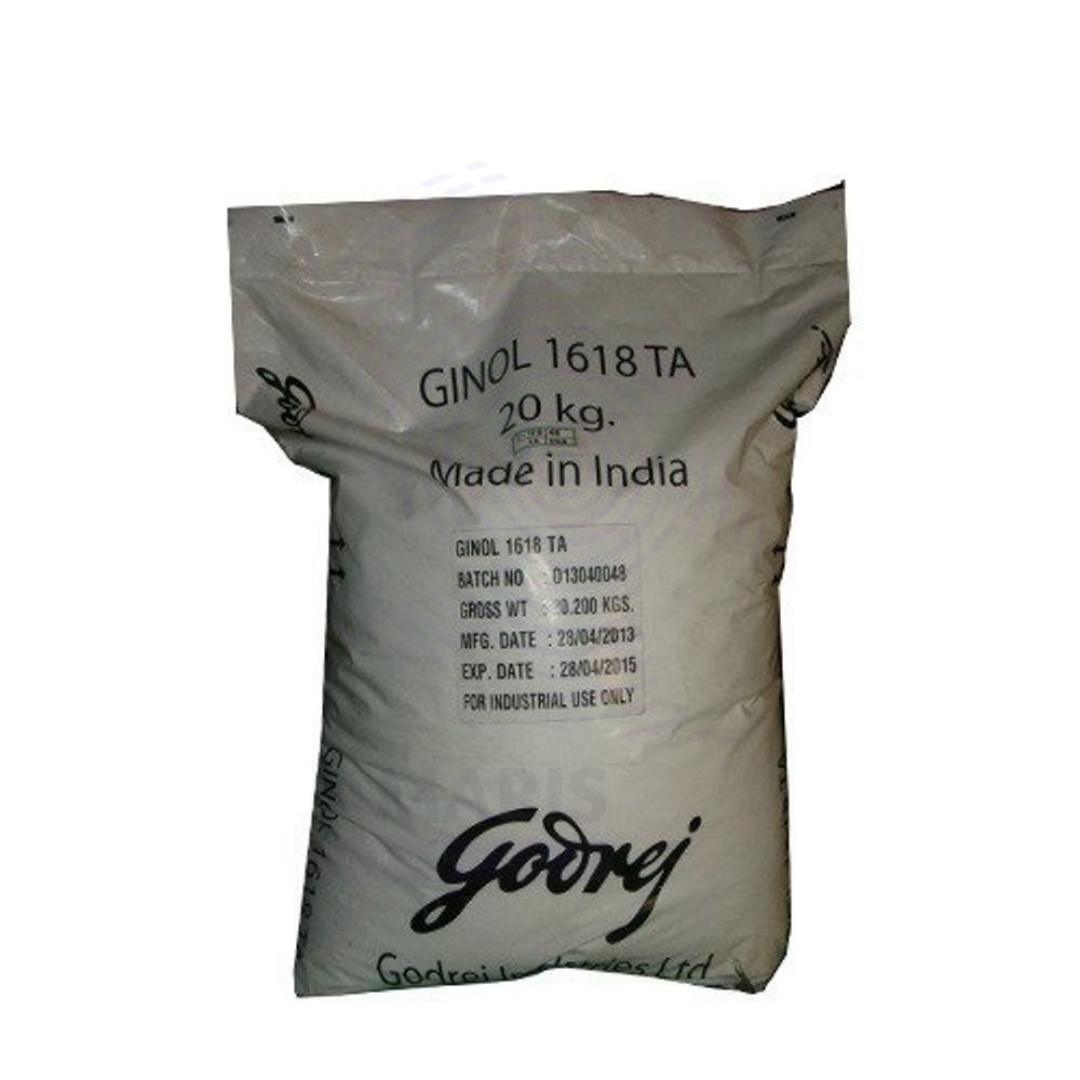

Stearyl Alcohol
Stearyl Alcohol is a high-purity, long-chain fatty alcohol derived from natural fats and oils. It is widely used across various industries due to its emulsifying, thickening, and lubricating properties. In industrial and cosmetic formulations, it functions as a non-ionic surfactant, emollient, and viscosity modifier. The 98% purity ensures consistent performance in applications requiring high-grade material.
Stearyl Alcohol
Primary Uses
- Cosmetic & Personal Care Industry
- Emollient: Provides a smooth, soft feel on skin and hair in lotions, creams, conditioners, and ointments.
- Thickening Agent: Increases the viscosity of emulsions, enhancing texture and application.
- Co-emulsifier: Stabilizes oil-in-water and water-in-oil formulations.
- Pharmaceutical Industry
- Tablet Binder & Coating Agent: Used in controlled-release drug delivery systems and topical formulations.
- Industrial Applications
- Lubricant Base: Acts as a lubricant and anti-corrosion agent in metalworking fluids and textile finishes.
- Plastic Additive: Functions as a dispersing agent and process lubricant in polymer compounding.
Secondary Uses
- Food Industry (where approved)
- Food Additive (Ethanol Replacement): May serve as a carrier or processing aid in food flavoring systems.
- Agrochemical Industry
- Formulation Aid: Enhances stability and delivery of active ingredients in pesticide and herbicide emulsions.
1. Basic Identification Attributes
- Chemical Name (IUPAC): Octadecan-1-ol
- Common/Trade Name: Stearyl Alcohol 98%
- CAS Number: 112-92-5
- HS Code: 2905.17.00
- Synonyms: Octadecanol, 1-Octadecanol, Stearyl Alcohol
2. Physical & Chemical Properties
- Physical State: Solid (waxy flakes or pellets)
- Color & Odor: White; faint, fatty odor
- Melting Point: 58–60 °C
- Solubility: Insoluble in water; soluble in alcohol, ether, and oils
- Density: Approx. 0.81 g/cm³ at 20°C
3. Safety & Hazard Attributes
- GHS Classification: Not classified as hazardous
- Toxicity: Low toxicity; generally recognized as safe for intended uses
- Exposure Limits: No established occupational exposure limits
4. Storage & Handling Attributes
- Storage Conditions: Store in cool, dry, well-ventilated area, away from strong oxidizers
- Container Type: Poly-lined bags, fiber drums, or HDPE containers
- Shelf Life: 24 months under recommended storage
- Handling Precautions: Avoid dust formation; keep away from heat and open flames
5. Regulatory & Compliance Attributes
- Complies with REACH and other major international chemical safety regulations
- Manufactured under Good Manufacturing Practices (GMP)
- Conforms to ISO 9001 quality standards
- Listed under TSCA (USA) and EINECS (EU) inventories
- Suitable for cosmetic and pharmaceutical applications per FDA/EC regulations
- Not classified under UN hazardous materials for transport
6. Environmental & Health Impact
- Biodegradability: Readily biodegradable
- Ecotoxicity: Low aquatic toxicity
- Bioaccumulation: Potential is low; breaks down under environmental conditions
Safety Handling Precautions
- PPE Required: Gloves and safety goggles recommended; dust mask in powder-handling areas
- Handling Guidelines: Use adequate ventilation; avoid breathing dust
- Storage Measures: Keep sealed and stored below 30°C
First Aid Measures
- Inhalation: Move to fresh air; seek medical attention if symptoms persist
- Skin Contact: Wash with soap and water
- Eye Contact: Rinse cautiously with water for several minutes; consult a doctor if irritation develops
- Ingestion: Rinse mouth; consult a physician if necessary
Firefighting Measures
- Fire Hazards: Combustible solid
- Extinguishing Media: Use water spray, dry chemical, foam, or CO₂
- Hazardous Combustion Products: Carbon oxides, irritating vapors
Related products
Almond Butter
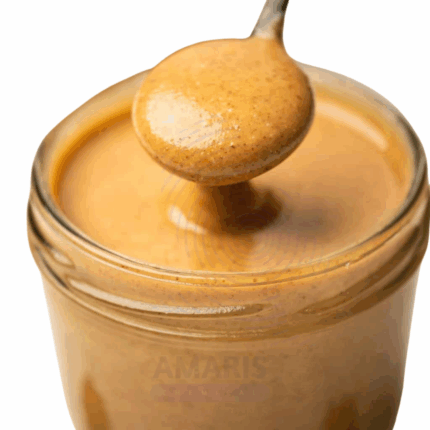
Almond Butter is a smooth, creamy paste made by grinding roasted or raw almonds into a nutrient-rich spread. It retains the natural oils and flavor of almonds, offering a mild, nutty aroma and rich, buttery texture. Almond Butter is packed with monounsaturated fats, protein, vitamin E, magnesium, and antioxidants, making it a highly valued ingredient in the food, nutraceutical, and personal care industries.
In cosmetics and skincare, Almond Butter is prized for its emollient properties, making it a popular base for creams, balms, and body butters. It provides skin-softening, moisturizing, and barrier-protecting benefits. In the food and beverage industry, it is used as a spread, in smoothies, baked goods, energy bars, and dairy alternatives. It is also included in specialty pet food and wellness formulations.
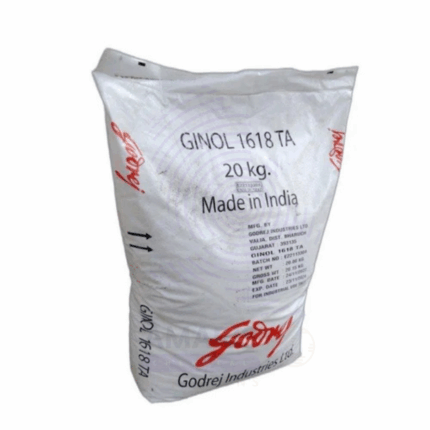
Ceto Stearyl Alcohol
Ceto Stearyl Alcohol 1618TA is a high-quality fatty alcohol blend primarily composed of cetyl (C16) and stearyl (C18) alcohols. It appears as a white, waxy solid or flakes with a mild fatty odor. This blend is widely used as an emollient, thickener, and co-emulsifier in cosmetic, pharmaceutical, and industrial formulations. Ceto Stearyl Alcohol 1618TA offers excellent lubricity, thickening, and stabilizing properties, enhancing the texture, consistency, and moisturizing characteristics of creams, lotions, and hair care products. It serves as a skin conditioning agent and contributes to the structural integrity of emulsions.
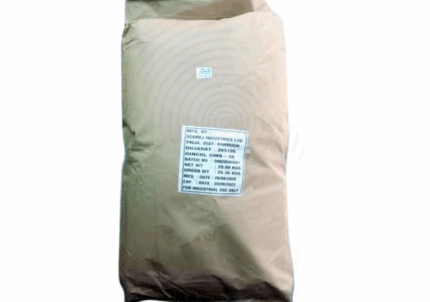
Cetyl Palmitate
Cetyl Palmitate is a naturally derived ester formed by the reaction of cetyl alcohol and palmitic acid. It appears as a white to off-white waxy solid with a mild fatty odor. This compound is widely used in cosmetic, pharmaceutical, and industrial formulations for its emollient, thickening, and texture-enhancing properties. Cetyl Palmitate imparts a smooth, creamy feel to products and contributes to improved stability and consistency in creams, lotions, balms, and ointments. Its film-forming and skin-conditioning attributes make it a preferred ingredient in personal care products as well as in specialty industrial applications.
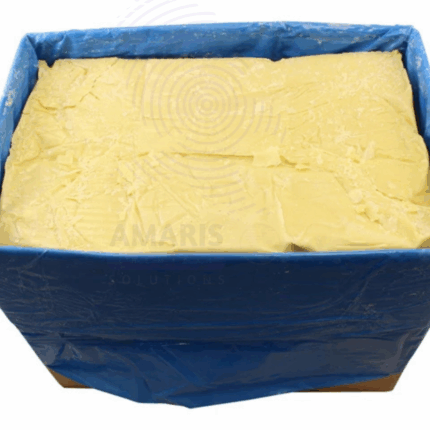
Cocoa Butter
Cocoa Butter, also known as Theobroma oil, is a pale-yellow, edible fat extracted from cocoa beans, primarily from Theobroma cacao. It has a smooth, creamy texture and a mild, characteristic chocolate aroma. Cocoa Butter is solid at room temperature but melts near body temperature, which gives it a luxurious feel when applied to skin or consumed. It is highly valued for its emollient, moisturizing, and protective properties. Cocoa Butter is widely used in cosmetics, pharmaceuticals, food, and confectionery industries. Its stable composition rich in fatty acids such as stearic, palmitic, and oleic acids imparts excellent oxidative stability and a long shelf life.
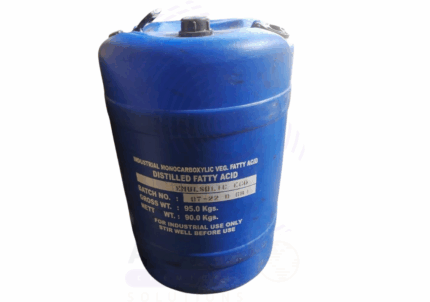
Fatty Acid
Fatty acids are a group of carboxylic acids consisting of long aliphatic chains, which can be either saturated or unsaturated. They are typically derived from natural fats and oils through hydrolysis or saponification and appear as colorless to pale yellow liquids or solids depending on the chain length and degree of saturation. Fatty acids are fundamental building blocks in biochemistry and industrial chemistry, serving as raw materials in the manufacture of soaps, detergents, lubricants, cosmetics, plastics, and food additives. Their amphiphilic nature—containing both hydrophilic (carboxyl group) and hydrophobic (alkyl chain) components—makes them versatile for various chemical and industrial applications.

Jojoba Wax
Jojoba Wax is a natural, golden-yellow to amber-colored wax ester extracted from the seeds of the jojoba plant (Simmondsia chinensis). Unlike traditional vegetable oils, jojoba wax is chemically a liquid wax, known for its excellent stability, moisturizing properties, and similarity to human sebum. It is odorless or mildly nutty and is widely used in cosmetics, personal care, and pharmaceutical applications as an emollient, thickener, and skin conditioning agent.
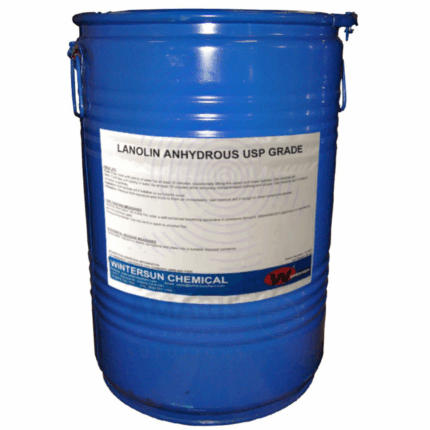
Lanolin Anhydrous
Lanolin Anhydrous is a purified, waxy substance derived from the sebaceous glands of sheep’s wool. It appears as a yellow to amber, semi-solid wax with a characteristic mild odor. Lanolin is highly valued for its excellent emollient, moisturizing, and protective properties, making it widely used in cosmetic, pharmaceutical, and personal care formulations. The anhydrous form is free from water, which enhances its stability and shelf life, and allows it to act as a natural barrier to lock moisture into the skin.
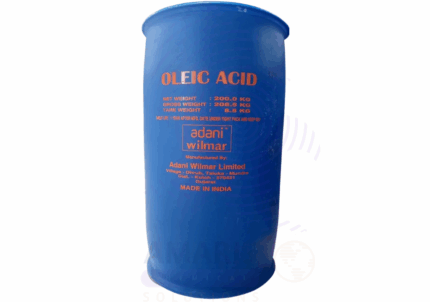
Oleic Acid
Oleic Acid is a naturally occurring monounsaturated fatty acid commonly derived from vegetable oils such as olive, sunflower, and canola oils. This oily liquid is widely used in the chemical, pharmaceutical, cosmetic, and food industries due to its excellent emollient, surfactant, and stabilizing properties. Oleic Acid 75% is a key raw material in manufacturing soaps, detergents, lubricants, and personal care products. Its amphiphilic nature makes it an effective emulsifier and penetration enhancer.












