

 Preservatives(food)
 Flavors
 Acidulants
 Sweeteners
 Antioxidants
 Colorants(food)
 Nutraceutical Ingredients (food)
 Nutrient Supplements
 Emulsifiers
 Collectors
 Dust Suppressants
 Explosives and Blasting Agents
 Flocculants and Coagulants
 Frothers
 Leaching Agents
 pH Modifiers
 Precious Metal Extraction Agents
 Antioxidants(plastic)
 Colorants (Pigments, Dyes)
 Fillers and Reinforcements
 Flame Retardants
 Monomers
 Plasticizers
 Polymerization Initiators
 Stabilizers (UV, Heat)
 Antifoaming Agents
 Chelating Agents
 Coagulants and Flocculants
 Corrosion Inhibitors
 Disinfectants and Biocides
 Oxidizing Agents
 pH Adjusters
 Scale Inhibitors( water)
 Antioxidants(cosmetic)
 Emollients
 Oils
Oils Carrier Oills
 Essential Oils
 Humectants
 Preservatives
 Surfactants(cosmetic)
 Thickeners
 UV Filters
 Fertilizers
 Soil Conditioners
 Plant Growth Regulators
 Animal Feed Additives
 Biostimulants
 Pesticides (Herbicides, Insecticides, Fungicides)
 Active Pharmaceutical Ingredients (APIs)
 Excipients
 Solvents(pharmaceutical)
 Antibiotics
 Antiseptics and Disinfectants
 Vaccine Adjuvants
 Nutraceutical Ingredients (pharmaceutical)
 Analgesics & Antipyretics
 Analytical Reagents
 Solvents(lab)
 Chromatography Chemicals
 Spectroscopy Reagents
 microbiology-and-cell-culture-reagents
 Molecular Biology Reagents
 Biochemical Reagents
 Inorganic and Organic Standards
 Laboratory Safety Chemicals
 Specialty Laboratory Chemicals(Special Laboratory Equipment)
 Demulsifiers
 Hydraulic Fracturing Fluids
 Scale Inhibitors(oil)
 Surfactants(oil)
 Drilling Fluids
 Dyes and Pigments
 Bleaching Agents
 Softening Agents
 Finishing Agents
 Antistatic Agents
 Admixtures
 Waterproofing Agents
 Sealants and Adhesives
 Curing Compounds
 Concrete Repair Chemicals
 Anti-Corrosion Coatings
 Surfactants(cleaning)
 Builders
 Enzymes
 Solvents (Cleaning)
 Fragrances (Cleaning)
 Electronic Chemicals
 Catalysts
 Lubricants
 Photographic Chemicals
 Refrigerants
 Automotive chemicals
 Pyrotechnic Chemicals
 Biodegradable Surfactants
 Bio-based Solvents
 Renewable Polymers
 Carbon Capture Chemicals
 Wastewater Treatment Chemicals
 Pigments
 Solvents(paint)
 Specialty Coatings
 Binders/Resins
 Additives
 Driers
 Anti-Corrosion Agents
 Functional Coatings
 Application-Specific Coatings
 Leavening Agents
 Dough Conditioners
 Flour Treatments
 Fat Replacers
 Decoratives
 Preservatives(baking)
 Plasticizers & Softeners
 Reinforcing Agents
 Adhesion Promoters
 Vulcanizing Agents
 Antidegradants
 Blowing Agents
 Fillers & Extenders
 Accelerators & Retarders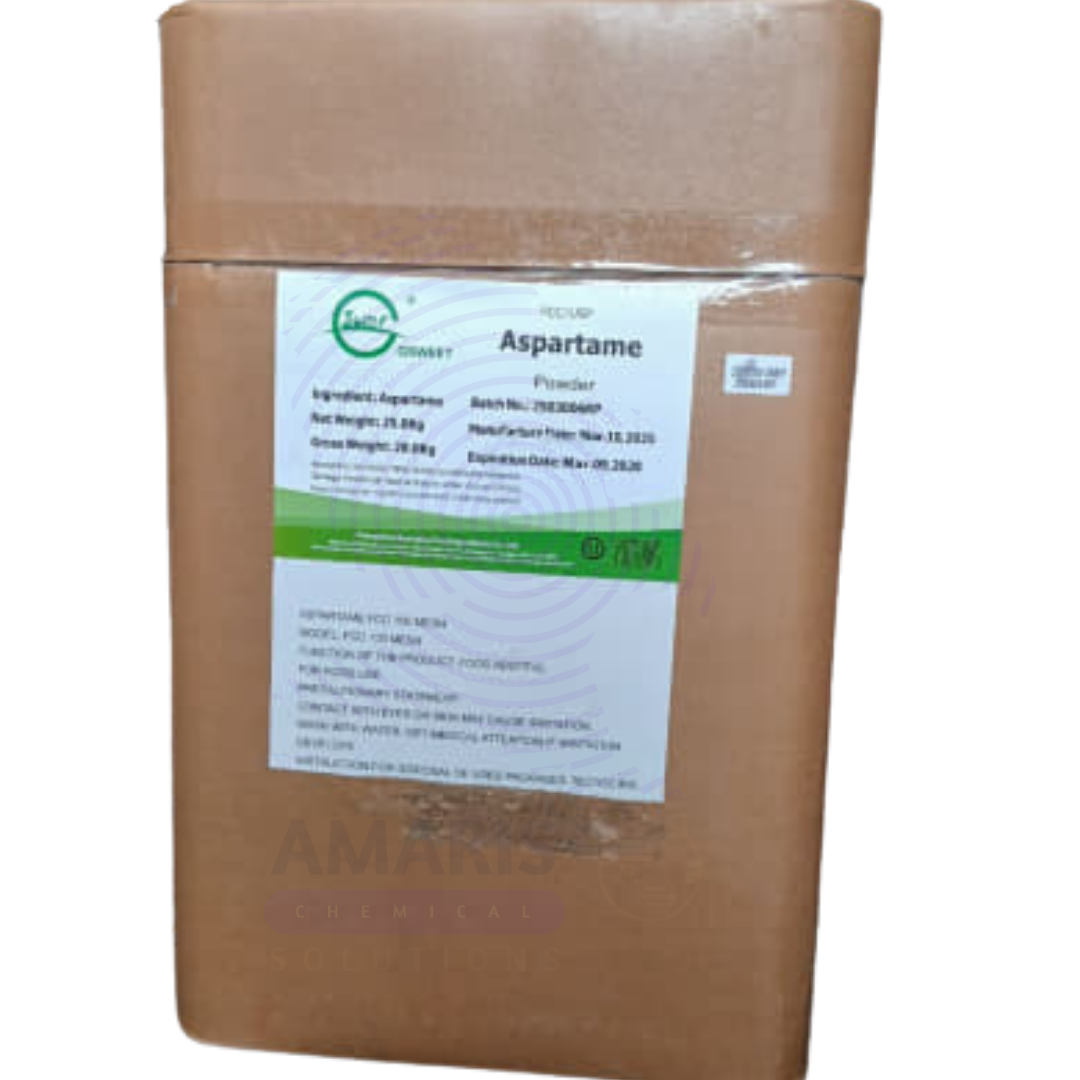


Aspartame
Original price was: $ 18.75.$ 18.64Current price is: $ 18.64.
Aspartame is a low-calorie artificial sweetener approximately 200 times sweeter than sucrose (table sugar). It is a methyl ester of the dipeptide composed of aspartic acid and phenylalanine. Due to its intense sweetness and low-calorie nature, aspartame is widely used as a sugar substitute in various food and beverage products. It is popular among consumers seeking to reduce caloric intake, especially diabetics and those on weight management programs. Aspartame breaks down at high temperatures, limiting its use in certain cooking or baking applications. It is approved by numerous global food safety authorities, including the FDA and EFSA.
Aspartame
Primary Uses
Food & Beverages
- Used as a sugar substitute in soft drinks, diet sodas, and flavored waters.
- Added to sugar-free chewing gums, candies, and breath mints.
- Used in powdered drink mixes and tabletop sweeteners.
- Incorporated in low-calorie desserts like sugar-free yogurts, ice creams, and puddings.
- Used in baked goods, though less heat-stable than other sweeteners (mainly in low-heat applications).
Pharmaceuticals
- Added to chewable tablets, syrups, and vitamins to improve taste without adding calories.
- Used in diabetic-friendly formulations.
Personal Care Products
- Incorporated into toothpaste and mouthwashes as a sweetening agent without promoting tooth decay.
Secondary Uses
Dietary Supplements
- Utilized in protein shakes, meal replacements, and vitamin powders.
Animal Feed
- Occasionally used in palatable veterinary formulations for flavor enhancement.
Industrial Uses
- Used in certain biotechnological applications where sweetness is required but caloric input must be minimized.
Food Packaging
Incorporated in oxygen scavenging systems to preserve freshness indirectly by reducing microbial growth (less common).
1. Basic Identification Attributes
- Chemical Name (IUPAC): L-α-Aspartyl-L-phenylalanine methyl ester
- Common/Trade Name: Aspartame, NutraSweet, Equal
- CAS Number: 22839-47-0
- HS Code: 2932.19.00
- Molecular Formula: C₁₄H₁₈N₂O₅
- Synonyms:
- N-L-α-Aspartyl-L-phenylalanine 1-methyl ester
- E951 (EU food additive code)
2. Physical & Chemical Properties
- Physical State: White crystalline powder
- Color & Odor: White, odorless or slightly sweet aroma
- Melting Point: ~246 °C (decomposes)
- Boiling Point: N/A (decomposes)
- Density: ~1.3 g/cm³
- Solubility: Soluble in water (~50 g/L at 20°C), slightly soluble in ethanol
- pH Level: Stable in pH 4–6 range
- Vapor Pressure: Negligible
- Flash Point: Non-flammable
- Autoignition Temperature: N/A
- Viscosity: N/A (solid)
3. Safety & Hazard Attributes
- Hazard Class (GHS): Generally Recognized as Safe (GRAS)
- NFPA Ratings: Health 1, Flammability 0, Reactivity 0
- Exposure Limits: No specific OSHA/ACGIH limits due to low toxicity
- Reactivity: Stable under normal conditions; sensitive to high heat and prolonged storage in moisture
4. Storage & Handling Attributes
- Storage Conditions: Store in a cool, dry place, away from heat and moisture
- Container Type: Airtight containers, typically HDPE or glass
- Shelf Life: Typically 2–3 years if stored properly
- Special Handling: Avoid exposure to high temperatures and humidity to prevent breakdown
5. Regulatory & Compliance Attributes
- FDA (USA): Approved as food additive (21 CFR 172.804)
- EFSA (EU): Approved (E951)
- JECFA: Acceptable Daily Intake (ADI) = 40 mg/kg body weight
- Hazard Symbols (GHS): None
- Transportation Restrictions: Not regulated as hazardous
- Waste Disposal: Dispose in accordance with local regulations; non-hazardous
6. Environmental & Health Impact
- Ecotoxicity: Low toxicity to aquatic life
- Persistence: Breaks down into amino acids; not persistent in the environment
- Carcinogenicity/Mutagenicity: Not classified as carcinogenic or mutagenic
- Biodegradability: Readily biodegradable under aerobic conditions
Safety Handling Precautions
- PPE: Use gloves and dust masks when handling powder to avoid inhalation and skin contact.
- Handling: Avoid inhaling dust; work in well-ventilated areas.
- Storage: Keep container tightly closed and store in cool, dry place away from sunlight.
- Hygiene: Wash hands thoroughly after handling; avoid eating, drinking, or smoking in work area.
- Dust Control: Use local exhaust ventilation to control airborne particles.
First Aid Measures
- Inhalation: Move to fresh air immediately; seek medical attention if breathing difficulties occur.
- Skin Contact: Wash with soap and water; seek medical advice if irritation develops.
- Eye Contact: Rinse eyes thoroughly with water for 15 minutes; consult physician if irritation persists.
- Ingestion: Rinse mouth with water; seek medical attention if large amounts are swallowed.
Firefighting Measures
- Fire Hazards: Non-flammable under normal conditions; may decompose releasing irritant gases at high temperatures.
- Extinguishing Media: Use water spray, foam, or dry chemical powder.
- Special Precautions: Firefighters should use protective gear and breathing apparatus due to potential irritant gases during decomposition.
Related products
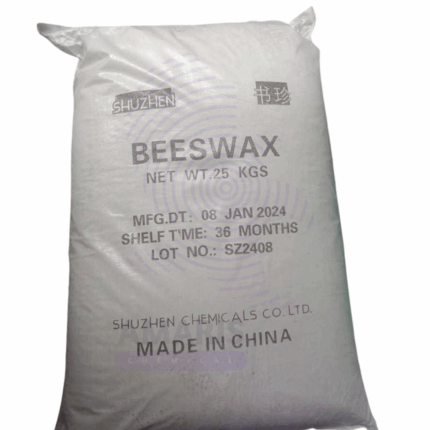
Beeswax
Beeswax is a natural wax produced by honeybees of the genus Apis. It is secreted by worker bees from specialized glands and used to build honeycomb cells. Beeswax is a complex mixture of esters, fatty acids, and hydrocarbons, characterized by a pale yellow to brown color, a pleasant honey-like aroma, and a firm yet pliable texture. It has excellent emulsifying, binding, and protective properties, making it widely used in cosmetics, pharmaceuticals, food, and industrial applications. Beeswax is prized for its natural origin, biodegradability, and skin-friendly characteristics.
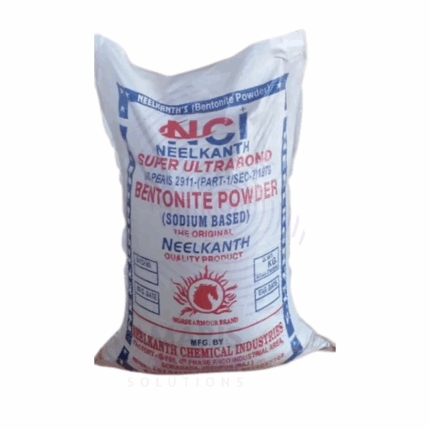
Bentonite Powder
Bentonite powder is a naturally occurring absorbent clay primarily composed of montmorillonite, a type of smectite clay mineral. It exhibits excellent swelling and water absorption properties, making it highly versatile in industrial and commercial applications. Bentonite forms a gel-like substance when mixed with water, which imparts viscosity and plasticity. It is used extensively for its binding, sealing, and adsorptive characteristics. Its fine powder form allows for easy incorporation in various processes including drilling, foundry, cosmetics, pharmaceuticals, and agriculture.
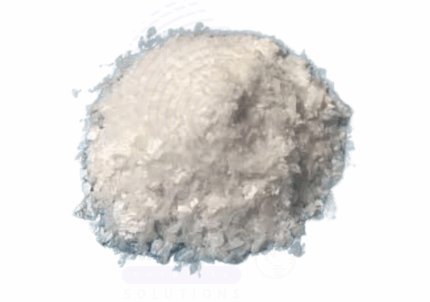
Calcium Saccharin
Calcium Saccharin is the calcium salt form of saccharin, a synthetic sweetener. It appears as a white to off-white crystalline powder with a sweet taste that is several hundred times sweeter than sucrose (table sugar). Calcium Saccharin is water-soluble and widely used as a non-nutritive sweetener in food and beverage products, pharmaceuticals, and oral care formulations. Due to its stability under heat and acidic conditions, it is ideal for baked goods and beverages. It serves as a sugar substitute for diabetic and calorie-restricted diets and is often used in combination with other sweeteners to improve taste profiles.
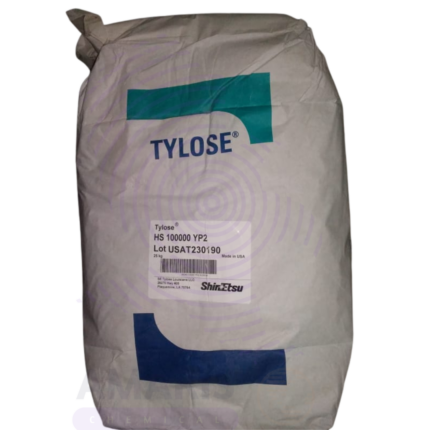
Cellozize Tylose
Cellozize Tylose, commonly known by the trade name Tylose, is a brand of hydroxyethyl cellulose (HEC), a non-ionic, water-soluble cellulose ether derived from natural cellulose. It appears as a white to off-white powder with excellent thickening, binding, and film-forming properties. Tylose is widely used as a rheology modifier, stabilizer, and thickener in various industries including construction, pharmaceuticals, cosmetics, and food. It provides viscosity control, improves texture, and enhances water retention in formulations. Due to its inert, non-toxic, and biodegradable nature, Tylose is favored as a versatile polymer in many applications.
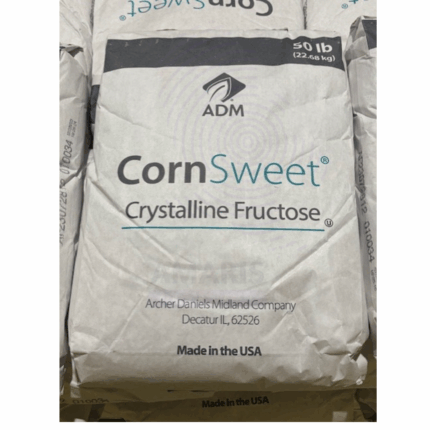
Fructose
Fructose, also known as fruit sugar, is a naturally occurring monosaccharide found in many plants, fruits, honey, and root vegetables. It is a simple sugar with a sweet taste and is one of the three dietary monosaccharides, alongside glucose and galactose. Fructose appears as a white crystalline powder, highly soluble in water, and is commonly used as a sweetener in food and beverage industries due to its high relative sweetness. It plays important roles in metabolism and is used extensively in the production of high-fructose corn syrup (HFCS) and other sweetening agents.
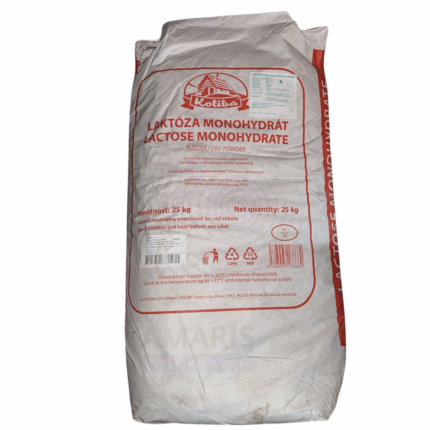
Lactose Monohydrate 200 Mesh
Lactose Monohydrate 200 Mesh is a fine, white, crystalline powder derived from milk sugar with a particle size of 200 mesh, indicating very fine granules. It is widely used in pharmaceutical, food, and confectionery industries as a filler, binder, and stabilizer. Lactose Monohydrate is valued for its excellent compressibility, low hygroscopicity, and compatibility with many active pharmaceutical ingredients (APIs). The monohydrate form contains one molecule of water, enhancing its stability and flow properties.
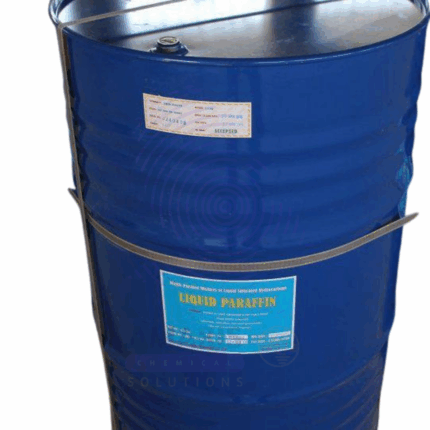
Liquid Paraffin
Liquid Paraffin, also known as mineral oil, is a clear, colorless, odorless, and tasteless petroleum-derived liquid hydrocarbon. It is composed primarily of saturated hydrocarbons and is highly refined to meet pharmaceutical and cosmetic grade standards. Liquid Paraffin is widely used for its lubricating, moisturizing, and protective properties. It is non-volatile, chemically stable, and insoluble in water, making it ideal for applications in personal care, pharmaceuticals, and industrial lubrication.

Sugar Slurry
Sugar Slurry is a concentrated aqueous solution of sucrose, prepared by dissolving refined sugar in water to create a viscous, pumpable syrup. It is used extensively in food, beverage, and industrial applications where liquid sweeteners are preferred over granulated sugar for ease of mixing, consistency, and handling. Sugar slurry ensures uniform sweetness and rapid dissolution in various processes and formulations.












