Preservatives(food)
 Flavors
 Acidulants
 Sweeteners
 Antioxidants
 Colorants(food)
 Nutraceutical Ingredients (food)
 Nutrient Supplements
 Emulsifiers
 Collectors
 Dust Suppressants
 Explosives and Blasting Agents
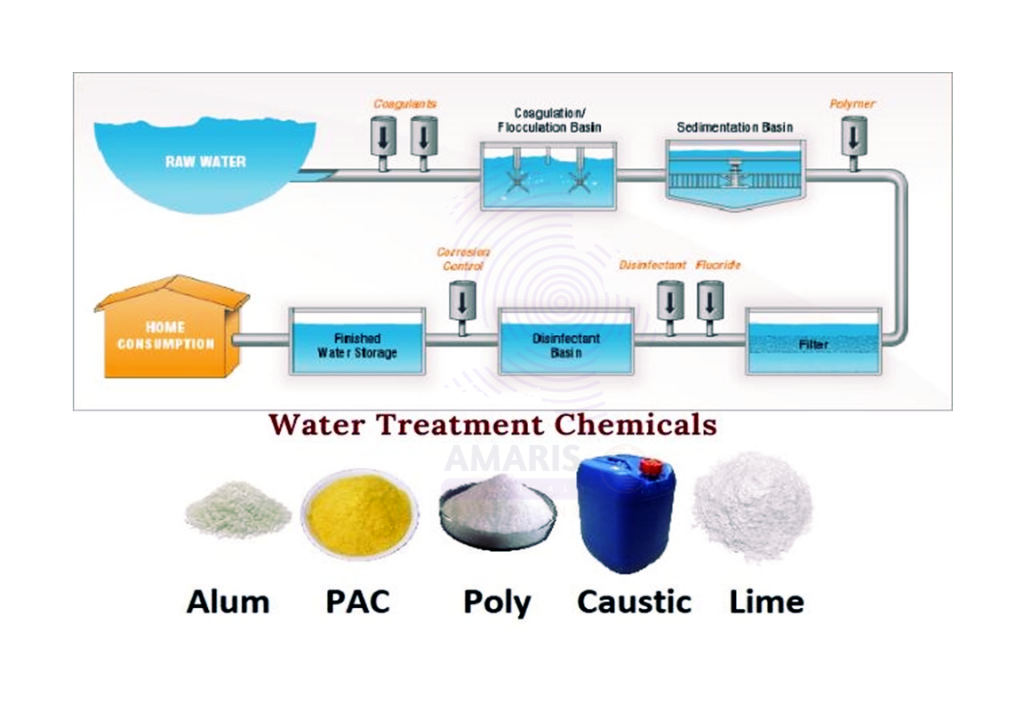
 Flocculants and Coagulants
 Frothers
 Leaching Agents
 pH Modifiers
 Precious Metal Extraction Agents
 Antioxidants(plastic)
 Colorants (Pigments, Dyes)
 Fillers and Reinforcements
 Flame Retardants
 Monomers
 Plasticizers
 Polymerization Initiators
 Stabilizers (UV, Heat)
 Antifoaming Agents
 Chelating Agents
 Coagulants and Flocculants
 Corrosion Inhibitors
 Disinfectants and Biocides
 Oxidizing Agents
 pH Adjusters
 Scale Inhibitors( water)
 Antioxidants(cosmetic)
 Emollients
 Oils
Oils Carrier Oills
 Essential Oils
 Humectants
 Preservatives
 Surfactants(cosmetic)
 Thickeners
 UV Filters
 Fragrance (Cosmetics)
 Fertilizers
 Soil Conditioners
 Plant Growth Regulators
 Animal Feed Additives
 Biostimulants
 Pesticides (Herbicides, Insecticides, Fungicides)
 Active Pharmaceutical Ingredients (APIs)
 Excipients
 Solvents(pharmaceutical)
 Antibiotics
 Antiseptics and Disinfectants
 Vaccine Adjuvants
 Nutraceutical Ingredients (pharmaceutical)
 Analgesics & Antipyretics
 Analytical Reagents
 Solvents(lab)
 Chromatography Chemicals
 Spectroscopy Reagents
 microbiology-and-cell-culture-reagents
 Molecular Biology Reagents
 Biochemical Reagents
 Inorganic and Organic Standards
 Laboratory Safety Chemicals
 Specialty Laboratory Chemicals(Special Laboratory Equipment)
 Demulsifiers
 Hydraulic Fracturing Fluids
 Scale Inhibitors(oil)
 Surfactants(oil)
 Drilling Fluids
 Dyes and Pigments
 Bleaching Agents
 Softening Agents
 Finishing Agents
 Antistatic Agents
 Admixtures
 Waterproofing Agents
 Sealants and Adhesives
 Curing Compounds
 Concrete Repair Chemicals
 Anti-Corrosion Coatings
 Surfactants(cleaning)
 Builders
 Enzymes
 Solvents (Cleaning)
 Electronic Chemicals
 Catalysts
 Lubricants
 Photographic Chemicals
 Refrigerants
 Automotive chemicals
 Pyrotechnic Chemicals
 Biodegradable Surfactants
 Bio-based Solvents
 Renewable Polymers
 Carbon Capture Chemicals
 Wastewater Treatment Chemicals
 Pigments
 Solvents(paint)
 Specialty Coatings
 Binders/Resins
 Additives
 Driers
 Anti-Corrosion Agents
 Functional Coatings
 Application-Specific Coatings
 Leavening Agents
 Dough Conditioners
 Flour Treatments
 Fat Replacers
 Decoratives
 Preservatives(baking)
 Plasticizers & Softeners
 Reinforcing Agents
 Adhesion Promoters
 Vulcanizing Agents
 Antidegradants
 Blowing Agents
 Fillers & Extenders
 Accelerators & Retarders
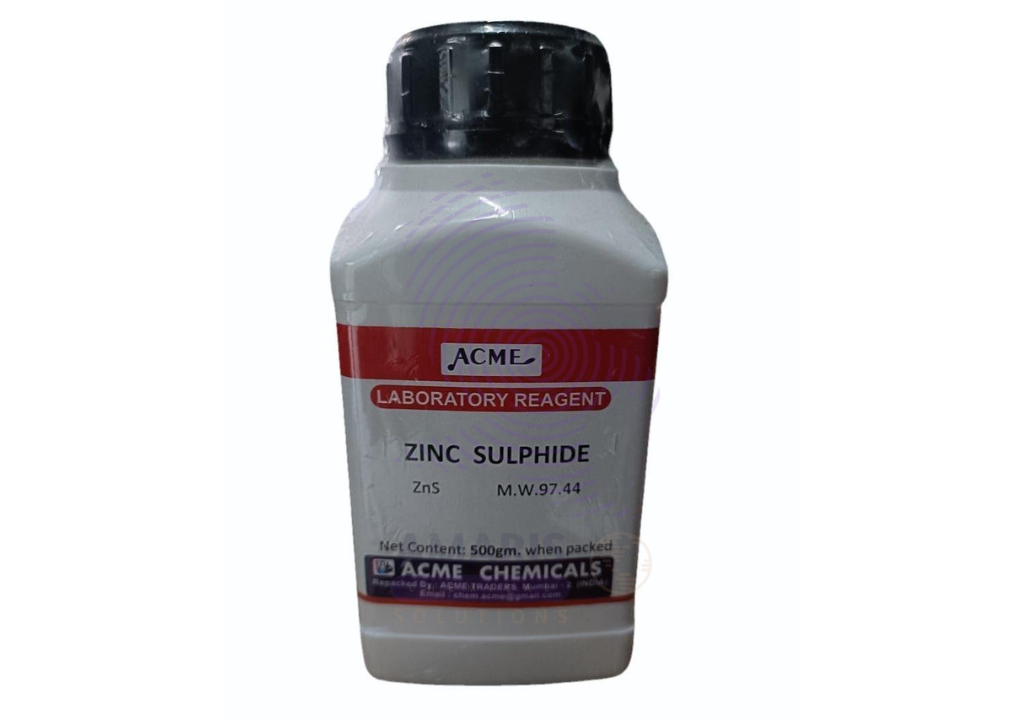
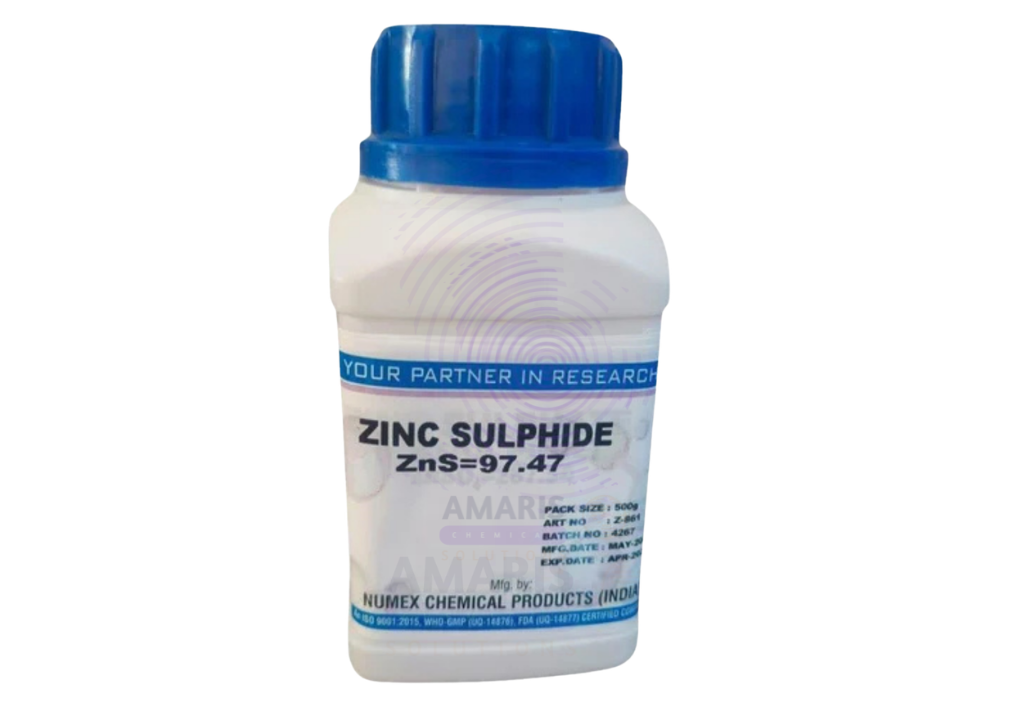
Zinc Sulphide Extra Pure: The High-Performance Luminescent Compound Powering Optics, Electronics, and Advanced Materials ⚪✨🧪

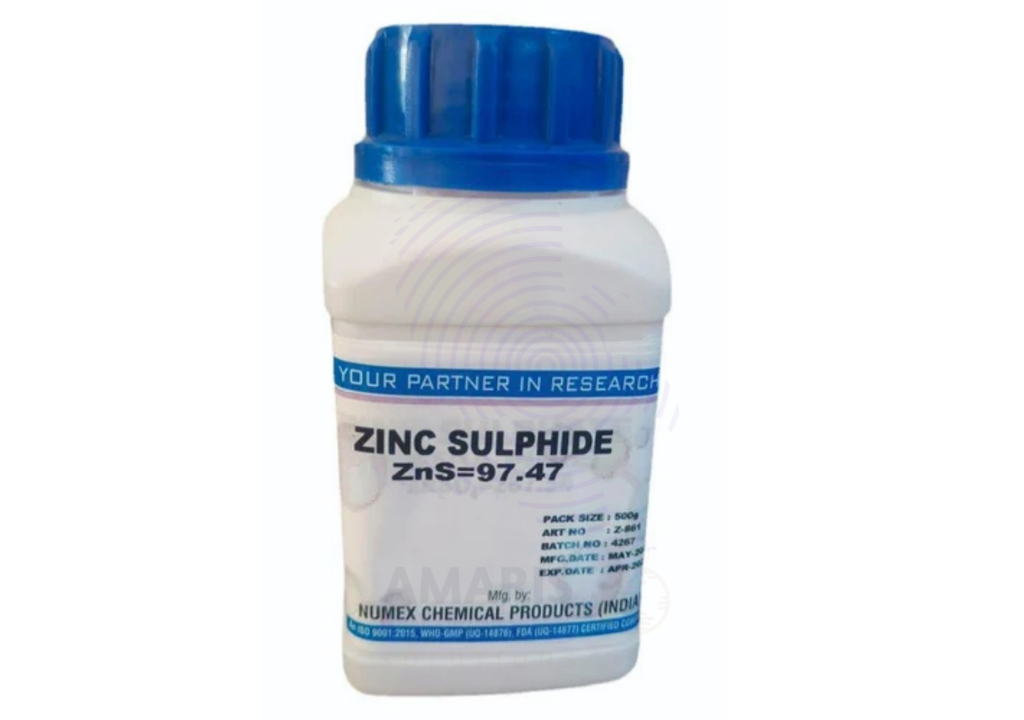
In the realm of advanced inorganic compounds, Zinc Sulphide Extra Pure stands out as a highly versatile and technologically significant material. Known for its optical clarity, luminescent properties, and chemical stability, this compound plays a crucial role in industries such as electronics, optics, pigments, coatings, and laboratory research.
With its unique ability to emit light under certain conditions and transmit infrared radiation, zinc sulphide has become an essential material in applications that require precision, performance, and reliability. The extra pure grade further enhances its value by ensuring minimal impurities and consistent behavior, making it ideal for both industrial and scientific use.
From glow-in-the-dark materials to infrared optical systems, Zinc Sulphide Extra Pure continues to drive innovation across multiple high-tech sectors.
What is Zinc Sulphide Extra Pure?
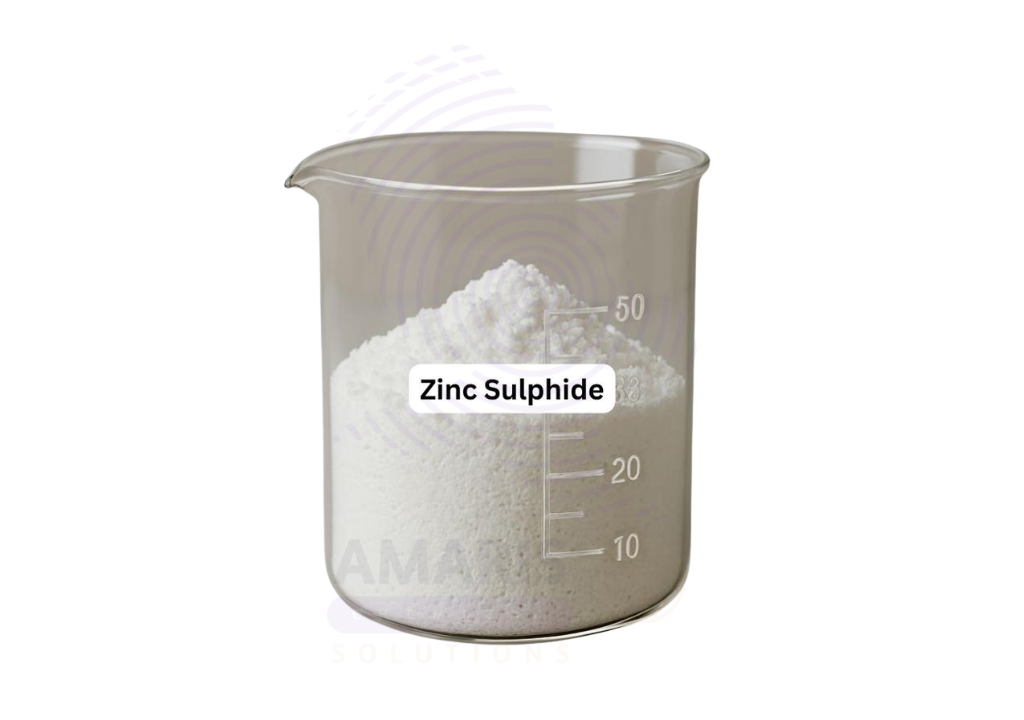
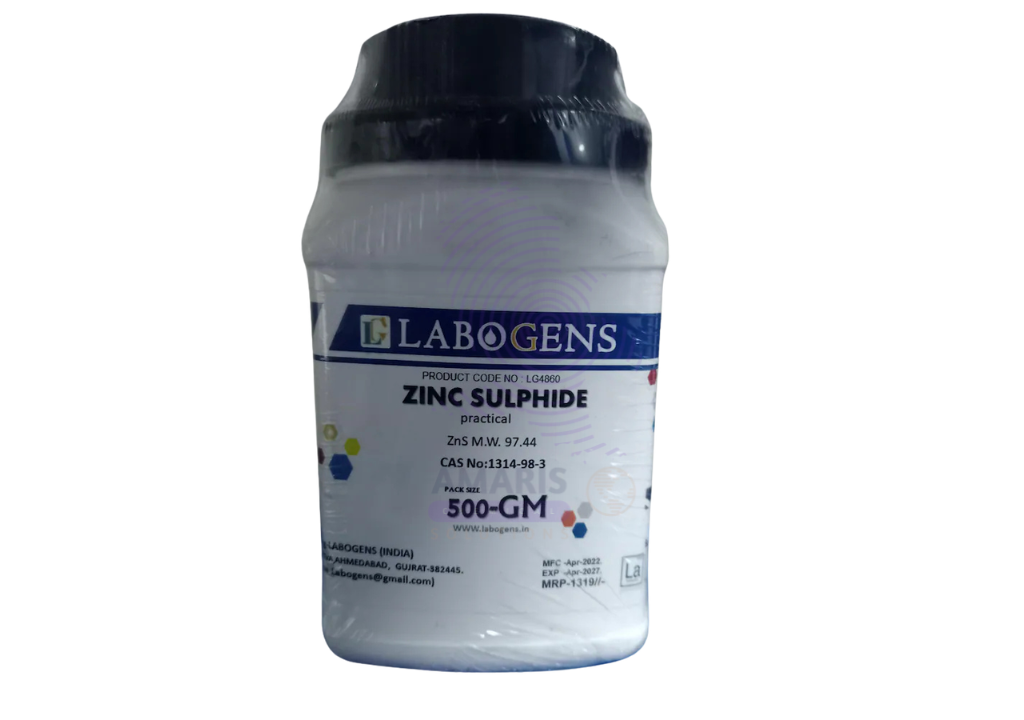
Zinc sulphide (ZnS) is an inorganic compound that typically appears as a white to pale yellow powder. It exists in crystalline forms and is known for its wide band gap, making it useful in optical and electronic applications.
The “Extra Pure” grade indicates a high level of refinement, ensuring:
• High chemical purity
• Uniform particle size
• Reliable optical and electronic properties
Zinc sulphide is insoluble in water but reacts under certain conditions, and it exhibits fascinating properties such as photoluminescence and phosphorescence.
These characteristics make it a valuable compound in both practical applications and scientific research.
Luminescent and Phosphorescent Applications ✨
One of the most well-known uses of Zinc Sulphide is in luminescent materials. When activated with certain elements (such as copper or silver), zinc sulphide can emit light after exposure to energy sources.
It is widely used in:
• Glow-in-the-dark paints
• Safety signage and emergency markings
• Watch dials and instrument panels
• Decorative luminous products
These materials absorb energy from light and release it slowly, creating a visible glow in dark environments.
This property makes zinc sulphide essential in applications where visibility and safety are important.
Optical and Infrared Applications 🔍
Zinc sulphide is also highly valued in the optical industry due to its ability to transmit infrared (IR) radiation.
It is used in:
• Infrared windows
• Optical lenses
• Thermal imaging systems
• Night vision equipment
Because of its optical clarity and durability, zinc sulphide is suitable for use in precision optical components that operate in harsh environments.
Its performance in infrared systems makes it particularly important in defense, aerospace, and scientific instrumentation.
Role in Electronics and Semiconductor Industry ⚙️
Zinc sulphide plays a role in the electronics and semiconductor industries, where its properties are utilized in specialized applications.
It may be used in:
• Electroluminescent devices
• Display technologies
• Sensors and detectors
• Photonic materials
Its wide band gap and luminescent characteristics make it useful in light-emitting and sensing technologies.
Researchers and manufacturers continue to explore its potential in advanced electronic materials and devices.
Applications in Paints and Pigments 🎨
Zinc sulphide is also used as a pigment and additive in paints and coatings.
It is often combined with other compounds to produce:
• White pigments
• Anti-corrosion coatings
• Specialty paints
Its chemical stability and resistance to environmental conditions make it suitable for coatings that require durability and long-lasting performance.
Additionally, its non-toxic nature compared to some older pigments makes it a safer alternative in many applications.
Laboratory and Scientific Applications 🔬
In laboratories, Zinc Sulphide Extra Pure is widely used in analytical chemistry, materials science, and optical research.
It is used for:
• Studying luminescent materials
• Semiconductor research
• Optical property analysis
• Nanotechnology experiments
Because laboratory work requires precision, the extra pure grade ensures accurate and reproducible results.
Its unique properties make it a valuable subject in advanced scientific studies.
Advantages of Zinc Sulphide Extra Pure
Zinc sulphide offers several advantages that contribute to its widespread use:
• Excellent luminescent properties
• High optical clarity and infrared transmission
• Chemical and thermal stability
• Versatility across industries
• Compatibility with advanced technologies
These benefits make it a high-performance material for both industrial and research applications.
Importance of Purity and Quality
The extra pure grade of zinc sulphide is critical for applications that demand precision and consistency.
High purity ensures:
• Reliable optical performance
• Consistent luminescent behavior
• Reduced interference from impurities
• Enhanced product quality
Industries such as optics and electronics rely on high-quality materials to meet strict technical standards.
Final Thoughts
Zinc Sulphide Extra Pure is a powerful and versatile compound that continues to play a key role in modern science and industry. Its ability to emit light, transmit infrared radiation, and perform reliably in demanding conditions makes it an essential material in optics, electronics, coatings, and research.
From glow-in-the-dark materials and safety applications to advanced optical systems and semiconductor technologies, zinc sulphide demonstrates how inorganic compounds can drive innovation and functionality across diverse fields.
As technology advances and demand for high-performance materials grows, Zinc Sulphide Extra Pure will remain a critical component in shaping the future of optical science, electronics, and material engineering. ⚪✨🧪