

 Preservatives(food)
 Flavors
 Acidulants
 Sweeteners
 Antioxidants
 Colorants(food)
 Nutraceutical Ingredients (food)
 Nutrient Supplements
 Emulsifiers
 Collectors
 Dust Suppressants
 Explosives and Blasting Agents
 Flocculants and Coagulants
 Frothers
 Leaching Agents
 pH Modifiers
 Precious Metal Extraction Agents
 Antioxidants(plastic)
 Colorants (Pigments, Dyes)
 Fillers and Reinforcements
 Flame Retardants
 Monomers
 Plasticizers
 Polymerization Initiators
 Stabilizers (UV, Heat)
 Antifoaming Agents
 Chelating Agents
 Coagulants and Flocculants
 Corrosion Inhibitors
 Disinfectants and Biocides
 Oxidizing Agents
 pH Adjusters
 Scale Inhibitors( water)
 Antioxidants(cosmetic)
 Emollients
 Oils
Oils Carrier Oills
 Essential Oils
 Humectants
 Preservatives
 Surfactants(cosmetic)
 Thickeners
 UV Filters
 Fragrance (Cosmetics)
 Fertilizers
 Soil Conditioners
 Plant Growth Regulators
 Animal Feed Additives
 Biostimulants
 Pesticides (Herbicides, Insecticides, Fungicides)
 Active Pharmaceutical Ingredients (APIs)
 Excipients
 Solvents(pharmaceutical)
 Antibiotics
 Antiseptics and Disinfectants
 Vaccine Adjuvants
 Nutraceutical Ingredients (pharmaceutical)
 Analgesics & Antipyretics
 Analytical Reagents
 Solvents(lab)
 Chromatography Chemicals
 Spectroscopy Reagents
 microbiology-and-cell-culture-reagents
 Molecular Biology Reagents
 Biochemical Reagents
 Inorganic and Organic Standards
 Laboratory Safety Chemicals
 Specialty Laboratory Chemicals(Special Laboratory Equipment)
 Demulsifiers
 Hydraulic Fracturing Fluids
 Scale Inhibitors(oil)
 Surfactants(oil)
 Drilling Fluids
 Dyes and Pigments
 Bleaching Agents
 Softening Agents
 Finishing Agents
 Antistatic Agents
 Admixtures
 Waterproofing Agents
 Sealants and Adhesives
 Curing Compounds
 Concrete Repair Chemicals
 Anti-Corrosion Coatings
 Surfactants(cleaning)
 Builders
 Enzymes
 Solvents (Cleaning)
 Electronic Chemicals
 Catalysts
 Lubricants
 Photographic Chemicals
 Refrigerants
 Automotive chemicals
 Pyrotechnic Chemicals
 Biodegradable Surfactants
 Bio-based Solvents
 Renewable Polymers
 Carbon Capture Chemicals
 Wastewater Treatment Chemicals
 Pigments
 Solvents(paint)
 Specialty Coatings
 Binders/Resins
 Additives
 Driers
 Anti-Corrosion Agents
 Functional Coatings
 Application-Specific Coatings
 Leavening Agents
 Dough Conditioners
 Flour Treatments
 Fat Replacers
 Decoratives
 Preservatives(baking)
 Plasticizers & Softeners
 Reinforcing Agents
 Adhesion Promoters
 Vulcanizing Agents
 Antidegradants
 Blowing Agents
 Fillers & Extenders
 Accelerators & Retarders



Dioctyl Adipate (DOA)
$ 1.00
Dioctyl Adipate (DOA) is a clear, colorless, oily liquid that acts as a highly efficient, cold-resistant plasticizer. It is an organic compound produced from the reaction of adipic acid with 2-ethylhexanol. DOA is known for imparting excellent low-temperature flexibility and good lubricity to polymer systems. It is insoluble in water but dissolves readily in organic solvents. Technical grade Dioctyl Adipate is manufactured for industrial applications including plastic and rubber processing, coatings, and lubricants.
Dioctyl Adipate (DOA)
Primary Uses
1. Plastics and Polymer Manufacturing Chemicals
-
Primary plasticizer for polyvinyl chloride (PVC) applications requiring superior low-temperature flexibility including freezer films, refrigerator gaskets, and outdoor cables
-
Used in food-grade PVC films, wraps, and food contact materials where low migration and low toxicity are required
-
Applied in medical grade PVC products including blood bags, IV tubing, and medical gloves
-
Used in plastisol formulations for dip molding, slush molding, and rotational molding applications
-
Added to polyvinyl butyral (PVB) interlayers for laminated safety glass
-
Used in cellulose acetate and other polar polymer systems as a processing aid
-
Applied in polymer dispersions and emulsion formulations
2. Rubber Processing Chemicals
-
Softener and plasticizer for synthetic rubbers including nitrile rubber (NBR), chloroprene rubber (CR), and styrene-butadiene rubber (SBR)
-
Used in low-temperature rubber compounds for automotive seals, gaskets, and hoses
-
Applied in rubber footwear and soling compounds for improved flexibility at cold temperatures
-
Used in rubber rollers, belts, and industrial rubber goods requiring low-temperature performance
3. Specialty and Fine Chemicals
-
Used as a lubricant base oil and viscosity modifier in industrial lubricant formulations
-
Applied as a low-temperature hydraulic fluid additive for cold weather operations
-
Used in refrigeration compressor oils as a base fluid
-
Added to metalworking fluids and cutting oils as a lubricity additive
4. Adhesives and Sealants
-
Used as a plasticizer in pressure sensitive adhesives (PSAs) for tapes, labels, and decals
-
Applied in contact adhesives and construction adhesives requiring low-temperature flexibility
-
Used in sealants for automotive, building, and industrial applications
5. Paints and Coatings Chemicals
-
Used as a coalescing agent and film-forming aid in water-based coating formulations
-
Applied as a plasticizer in nitrocellulose lacquers and coatings
-
Used in automotive refinish paints and industrial coatings
Secondary Uses
1. Inks and Printing Products
-
Used as a plasticizer in flexographic and gravure printing inks for improved film flexibility
-
Applied in screen printing inks for textiles and industrial applications
2. Cosmetic and Personal Care Chemicals
-
Used as a plasticizer and film former in nail polish, nail lacquer, and hairspray formulations
-
Applied as an emollient and spreading agent in creams, lotions, and sunscreens
3. Textile Chemicals
-
Used as a lubricant and softening agent in textile fiber processing and finishing
-
Applied in synthetic fiber spinning formulations as a drawing lubricant
4. Wire and Cable Industry
-
Used in low-temperature wire and cable insulation compounds for cold weather applications
-
Applied in flexible cord jackets, appliance wiring, and automotive cables
5. Automotive Industry
-
Used in automotive interior components including dashboards, door panels, and seating requiring cold flexibility
-
Applied in weatherstripping, window seals, and hose compounds
6. Packaging Industry
-
Used in flexible packaging films for frozen food storage and cold chain applications
-
Applied in shrink wrap, stretch film, and food packaging films
1. Basic Identification Attributes
-
Chemical Name (IUPAC): Bis(2-ethylhexyl) hexanedioate
-
Common/Trade Name: Dioctyl Adipate; DOA; DEHA; Adipic acid dioctyl ester
-
CAS Number: 103-23-1
-
HS Code: 2917.12
-
EINECS Number: 203-090-1
-
Molecular Formula: C₂₂H₄₂O₄
-
Molecular Weight: 370.57 g/mol
-
Synonyms: Bis(2-ethylhexyl) adipate, DEHA, Adipol 2EH, BEHA, Di(2-ethylhexyl) adipate
2. Physical & Chemical Properties
-
Physical State: Clear, oily liquid
-
Color: Colorless to pale yellow
-
Odor: Mild, characteristic odor
-
Purity: 99.0% to 99.5% typical
-
Acid Value: 0.1 mg KOH/g maximum
-
Water Content: 0.1% maximum
-
Boiling Point: 214°C at 5 mmHg; 335°C to 400°C at atmospheric pressure
-
Melting Point: -67°C to -70°C
-
Flash Point: 193°C to 196°C (closed cup)
-
Fire Point: 217°C
-
Density: 0.924 to 0.928 g/cm³ at 20°C
-
Viscosity: 12 to 15 cP at 25°C
-
Refractive Index: 1.446 to 1.448 at 20°C
-
Solubility: Insoluble in water; soluble in most organic solvents including alcohols, ketones, esters, and hydrocarbons
-
Evaporation Rate: Very slow (negligible at room temperature)
3. Safety & Hazard Attributes
-
GHS Classification: Not classified as hazardous under normal conditions of use
-
Toxicity: Low acute toxicity; LD₅₀ oral rat > 3,000 mg/kg
-
Irritation: May cause mild eye and skin irritation
-
Flammability: Combustible liquid (but high flash point)
-
Environmental: Low aquatic toxicity
4. Storage & Handling Attributes
-
Storage Conditions: Store in a cool, dry, well-ventilated area away from heat sources and direct sunlight. Keep containers tightly closed. Protect from moisture.
-
Container Type: Steel drums, IBC totes, bulk tankers, or HDPE containers
-
Shelf Life: 24 months when stored under recommended conditions
-
Handling Precautions: Avoid contact with eyes and skin; use with adequate ventilation; avoid breathing mists or vapors; wash hands thoroughly after handling
-
Storage Measures: Keep away from strong oxidizing agents and strong acids; protect from moisture ingress; maintain moderate temperature conditions
5. Regulatory & Compliance Attributes
-
Regulatory Status:
-
FDA: Approved for food contact applications under 21 CFR 175.105, 175.300, 176.170, 177.1210, 177.2600, 178.3740
-
EU: Compliant with food contact regulations (EU 10/2011)
-
TSCA (USA): Listed
-
DSL (Canada): Listed
-
EINECS: 203-090-1
-
REACH: Registered for industrial use
-
Swiss Ordinance: Compliant with food contact requirements
-
-
Labeling Requirements: Standard industrial chemical labeling; food grade requires specific certification
-
Use Restrictions: Not for direct human consumption; specific migration limits apply for food contact applications
6. Environmental & Health Impact
-
Biodegradability: Readily biodegradable (OECD 301)
-
Ecotoxicity: Low toxicity to aquatic organisms
-
Bioaccumulation: Low potential for bioaccumulation
-
VOC Status: Low volatility; not classified as VOC in most jurisdictions
1. Safety Handling Precautions
-
PPE Required: Safety glasses or chemical goggles; chemical-resistant gloves (nitrile recommended); protective clothing; use respiratory protection if mists are generated
-
Handling Guidelines: Use in well-ventilated areas; avoid generating mists or aerosols; do not eat, drink, or smoke in handling areas; wash hands thoroughly after handling; remove contaminated clothing and launder before reuse
-
Storage Measures: Store in original, labeled containers with tight-fitting lids; secondary containment recommended for bulk storage; keep away from strong oxidizing agents
-
Hygiene Practices: Wash hands thoroughly after handling; shower at the end of each work shift
2. First Aid Measures
-
Inhalation: Move a person to fresh air. If breathing is difficult, administer oxygen. Seek medical attention if symptoms persist.
-
Skin Contact: Wash skin with plenty of soap and water. Remove contaminated clothing. Seek medical attention if irritation develops.
-
Eye Contact: Rinse cautiously with lukewarm, gently flowing water for at least fifteen minutes while holding eyelids open. Remove contact lenses if present. Seek medical attention if irritation persists.
-
Ingestion: Rinse mouth thoroughly with water. Do NOT induce vomiting. Seek medical attention if large quantities are swallowed.
3. Firefighting Measures
-
Fire Hazards: Combustible liquid. May evolve toxic fumes including carbon monoxide and carbon dioxide when heated to decomposition.
-
Flash Point: 193°C to 196°C (closed cup)
-
Extinguishing Media: Use water spray, fog, or mist; alcohol-resistant foam; dry chemical; carbon dioxide. Water spray is preferred for cooling containers.
-
Special Firefighting Procedures: Wear full protective clothing and self-contained breathing apparatus (SCBA); use water spray to cool exposed containers; contain firefighting runoff to prevent environmental contamination
-
Hazardous Combustion Products: Carbon monoxide, carbon dioxide, acrid smoke and fumes
Related products
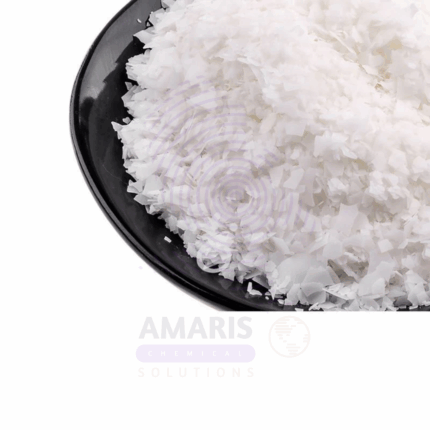
Almond Wax
Almond Wax is a natural, plant-based wax derived from the hydrogenation of almond oil (Prunus amygdalus dulcis). It is a creamy to white, semi-solid wax with a mild, nutty scent and excellent emollient properties. Almond Wax is rich in fatty acids and has a smooth, soft texture, making it ideal for use in cosmetic, personal care, and candle formulations.
Due to its gentle consistency, skin-friendly profile, and moisturizing capabilities, Almond Wax is widely used in body butters, balms, lip care products, massage bars, and artisan soaps. It functions as a natural alternative to petroleum-based waxes and provides structure, viscosity, and glide to formulations. It also finds application in soft wax blends for natural candle products.
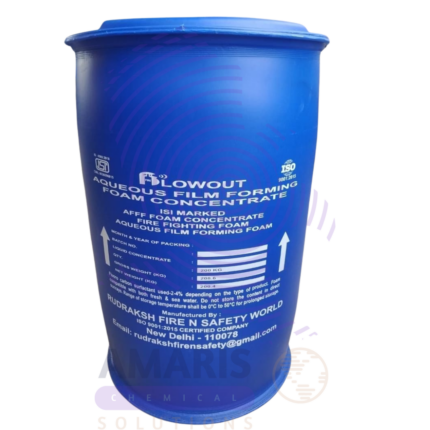
Aqueous Film-Forming Foam (AFF)
Aqueous Film-Forming Foam (AFF) is a highly effective synthetic firefighting foam concentrate designed to extinguish flammable liquid fires (Class B) by forming a water-based film that rapidly cuts off oxygen and halts vapor release. Modern formulations are increasingly fluorine-free (PFAS-free), providing high-performance fire suppression while addressing significant environmental and health concerns associated with legacy PFAS-containing foams. It is used in fixed systems and portable equipment across aviation, maritime, petrochemical, and industrial sectors.
Cade Crude 2 Oil
Cade Crude 2 Oil is a dark, viscous essential oil obtained through destructive distillation of the wood of the Juniperus oxycedrus tree (also known as prickly juniper). Known for its intense smoky, tar-like aroma and antiseptic qualities, this crude-grade cade oil is widely used in traditional skin remedies, veterinary care, and industrial cosmetic applications—especially in products aimed at treating chronic skin conditions such as psoriasis, eczema, and dandruff.
While not as refined as rectified Cade oil, Cade Crude 2 Oil retains a high concentration of phenols, cresols, and other active compounds that contribute to its strong antimicrobial, antifungal, and antipruritic effects. It is used cautiously in topical formulations at low dilution levels and is valued in rustic and smoky fragrance compositions.
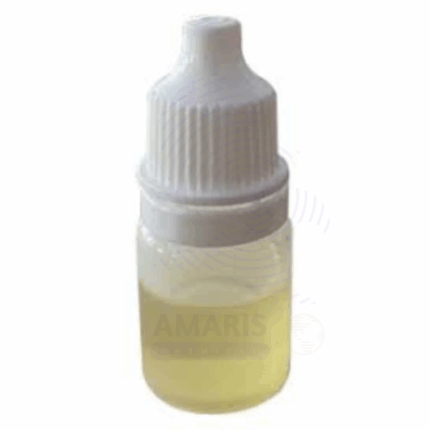
Immersion Oil
Immersion Oil is a high-purity, optically transparent oil used primarily in microscopy to enhance the resolution of high-power objectives. Applied between the microscope objective lens and the cover glass, immersion oil reduces light refraction and increases numerical aperture, allowing for clearer and more detailed imaging. It is colorless, non-drying, and has a refractive index closely matching that of glass (typically around 1.515).
This 50ml volume is ideal for laboratory, clinical, and educational settings where precision microscopy work is performed. Immersion oil is formulated to be chemically stable, non-drying, and safe for delicate optics when used correctly.
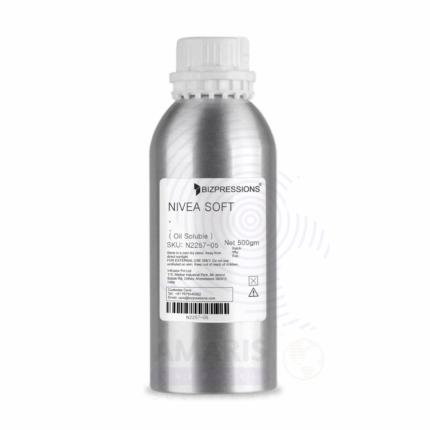
Nivea Type Fragrance Oil
Nivea Type Fragrance Oil is a premium-grade aromatic oil formulated to mimic the clean, soft, and classic scent profile associated with Nivea skincare products. This fragrance features a balanced blend of fresh florals, creamy musk, and light powdery undertones that evoke feelings of comfort, care, and softness. It is widely used in cosmetic and personal care formulations, as well as in household products where a gentle, soothing scent is desired. Due to its stability and compatibility, it can be incorporated into a variety of oil-based or water-based systems.
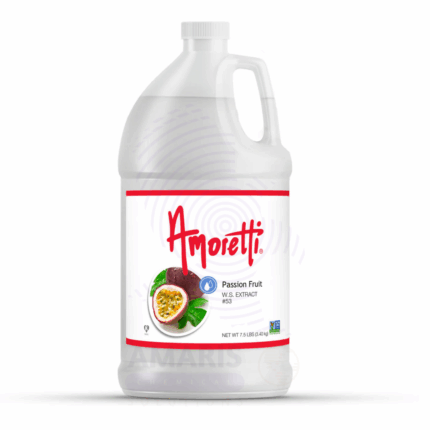
Passion Water Soluble Fragrance
Passion Water Soluble Fragrance is a fresh and vibrant fragrance designed to deliver the sweet, tropical aroma of passion fruit in water-based formulations. Its excellent solubility in water makes it ideal for use in a variety of cosmetic, personal care, and household products such as body sprays, lotions, shampoos, and air fresheners. This fragrance oil is formulated to maintain scent stability and longevity in aqueous systems while providing a clean, refreshing tropical note. Manufactured under strict quality standards, it ensures consistent performance and safety for various applications.
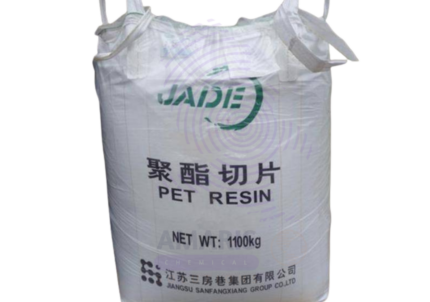
PET Resin (Polyethylene Terephthalate)
PET Resin (Polyethylene Terephthalate) is a thermoplastic polymer resin of the polyester family, produced primarily from purified terephthalic acid (PTA) and monoethylene glycol (MEG). It exists in two main forms: amorphous (transparent) and semi-crystalline (opaque). In its technical/industrial grade, it is a clear, strong, and lightweight plastic material renowned for its excellent barrier properties against moisture and gases, high impact strength, and chemical resistance. It is a key raw material for manufacturing rigid containers and packaging but is not typically used for high-heat applications (like ovenware) or high-purity pharmaceutical uses in this grade. It is 100% recyclable (#1 plastic).

Sassafras Oil
Sassafras Oil is a potent essential oil distilled primarily from the bark of the Sassafras albidum tree, native to North America. Steam distillation yields a yellow to reddish-brown oil with a strong, sweet, root beer–like aroma due to its primary constituent, safrole. Historically used in perfumery, flavoring, and herbal medicine, Sassafras Oil possesses aromatic, antiseptic, and stimulant properties.
Despite its traditional applications, safrole-containing Sassafras Oil is strictly regulated in many countries due to potential hepatotoxicity and carcinogenicity associated with safrole. As such, modern uses are limited, and safrole-free versions are required for legal use in personal care or flavoring. In compliant forms, it finds niche use in natural fragrances, industrial solvents, and botanical extracts.












