Preservatives(food)
 Flavors
 Acidulants
 Sweeteners
 Antioxidants
 Colorants(food)
 Nutraceutical Ingredients (food)
 Nutrient Supplements
 Emulsifiers
 Collectors
 Dust Suppressants
 Explosives and Blasting Agents
 Flocculants and Coagulants
 Frothers
 Leaching Agents
 pH Modifiers
 Precious Metal Extraction Agents
 Antioxidants(plastic)
 Colorants (Pigments, Dyes)
 Fillers and Reinforcements
 Flame Retardants
 Monomers
 Plasticizers
 Polymerization Initiators
 Stabilizers (UV, Heat)
 Antifoaming Agents
 Chelating Agents
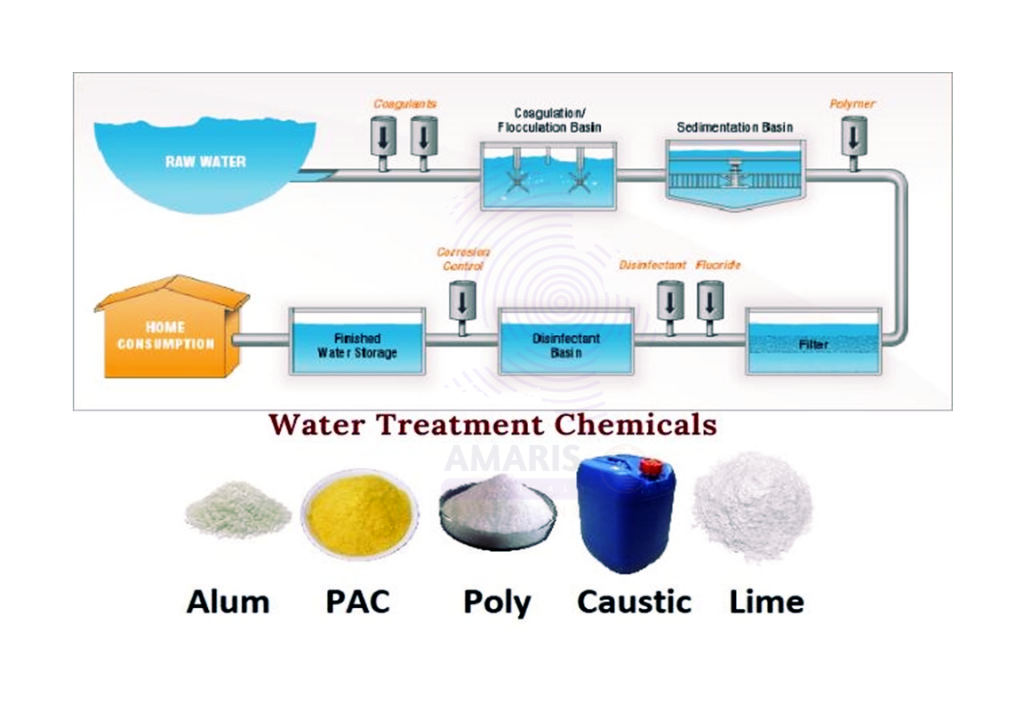
 Coagulants and Flocculants
 Corrosion Inhibitors
 Disinfectants and Biocides
 Oxidizing Agents
 pH Adjusters
 Scale Inhibitors( water)
 Antioxidants(cosmetic)
 Emollients
 Oils
Oils Carrier Oills
 Essential Oils
 Humectants
 Preservatives
 Surfactants(cosmetic)
 Thickeners
 UV Filters
 Fragrance (Cosmetics)
 Fertilizers
 Soil Conditioners
 Plant Growth Regulators
 Animal Feed Additives
 Biostimulants
 Pesticides (Herbicides, Insecticides, Fungicides)
 Active Pharmaceutical Ingredients (APIs)
 Excipients
 Solvents(pharmaceutical)
 Antibiotics
 Antiseptics and Disinfectants
 Vaccine Adjuvants
 Nutraceutical Ingredients (pharmaceutical)
 Analgesics & Antipyretics
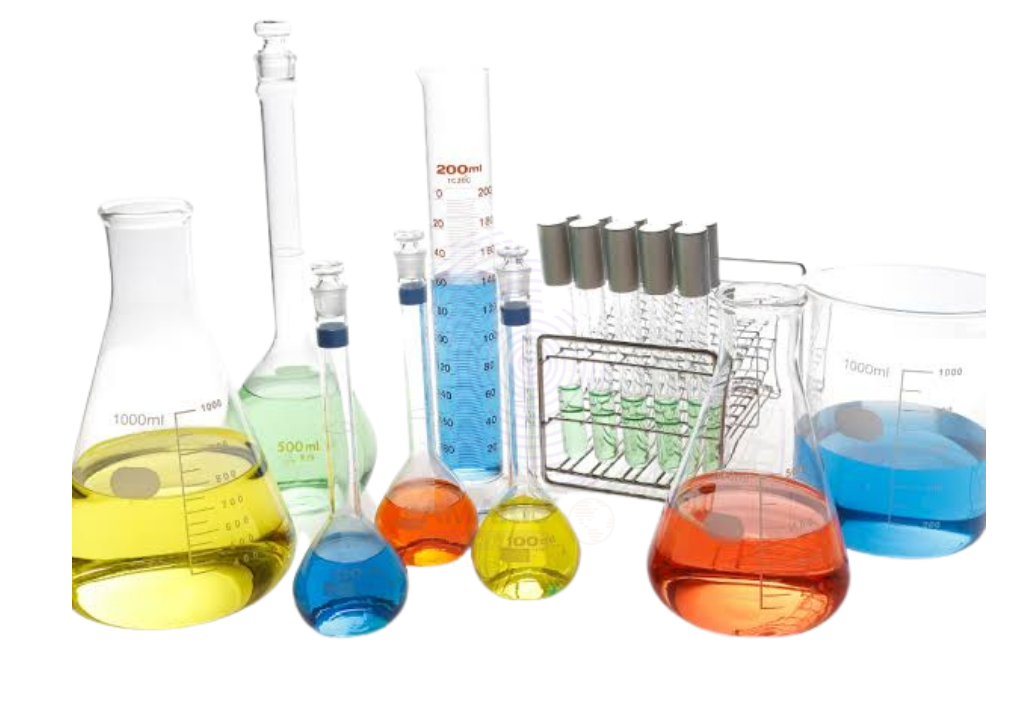
 Analytical Reagents
 Solvents(lab)
 Chromatography Chemicals
 Spectroscopy Reagents
 microbiology-and-cell-culture-reagents
 Molecular Biology Reagents
 Biochemical Reagents
 Inorganic and Organic Standards
 Laboratory Safety Chemicals
 Specialty Laboratory Chemicals(Special Laboratory Equipment)
 Demulsifiers
 Hydraulic Fracturing Fluids
 Scale Inhibitors(oil)
 Surfactants(oil)
 Drilling Fluids
 Dyes and Pigments
 Bleaching Agents
 Softening Agents
 Finishing Agents
 Antistatic Agents
 Admixtures
 Waterproofing Agents
 Sealants and Adhesives
 Curing Compounds
 Concrete Repair Chemicals
 Anti-Corrosion Coatings
 Surfactants(cleaning)
 Builders
 Enzymes
 Solvents (Cleaning)
 Electronic Chemicals
 Catalysts
 Lubricants
 Photographic Chemicals
 Refrigerants
 Automotive chemicals
 Pyrotechnic Chemicals
 Biodegradable Surfactants
 Bio-based Solvents
 Renewable Polymers
 Carbon Capture Chemicals
 Wastewater Treatment Chemicals
 Pigments
 Solvents(paint)
 Specialty Coatings
 Binders/Resins
 Additives
 Driers
 Anti-Corrosion Agents
 Functional Coatings
 Application-Specific Coatings
 Leavening Agents
 Dough Conditioners
 Flour Treatments
 Fat Replacers
 Decoratives
 Preservatives(baking)
 Plasticizers & Softeners
 Reinforcing Agents
 Adhesion Promoters
 Vulcanizing Agents
 Antidegradants
 Blowing Agents
 Fillers & Extenders
 Accelerators & Retarders
🌍 The Future of Chemical Distribution in Emerging Markets 🚚🧪📈

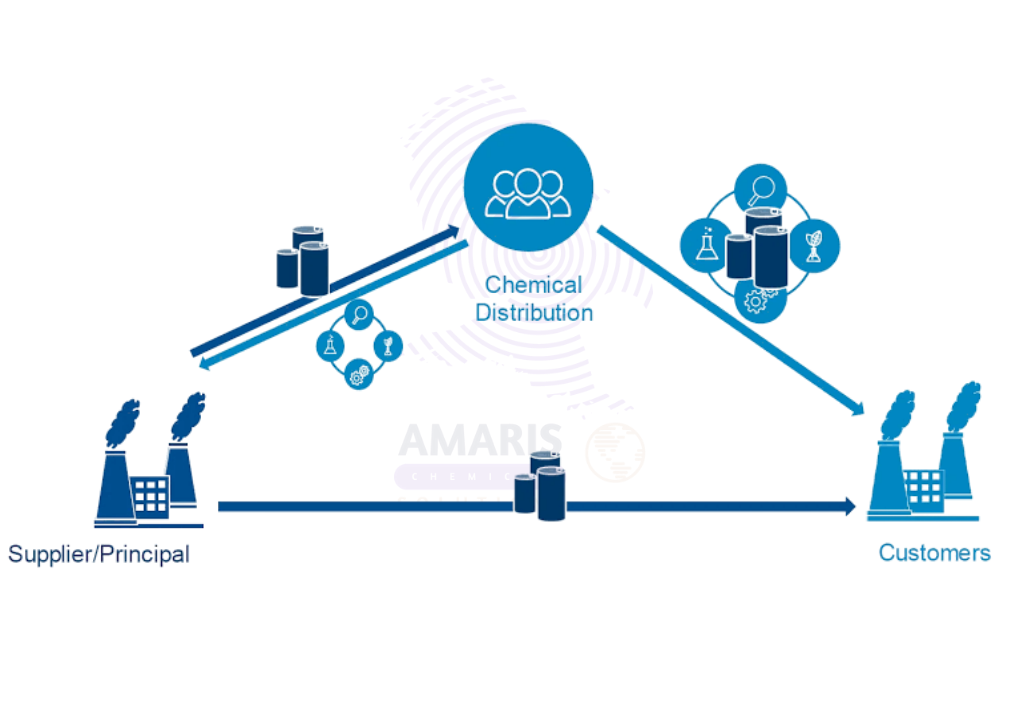
The global chemical industry is undergoing a remarkable transformation, and emerging markets are playing an increasingly important role in its future. Countries across Africa, Asia, Latin America, and parts of the Middle East are experiencing rapid industrialization, urbanization, and economic growth, creating strong demand for industrial, laboratory, agricultural, and specialty chemicals. As these markets continue to expand, chemical distribution is evolving from a simple supply function into a strategic driver of industrial development, innovation, and business growth.
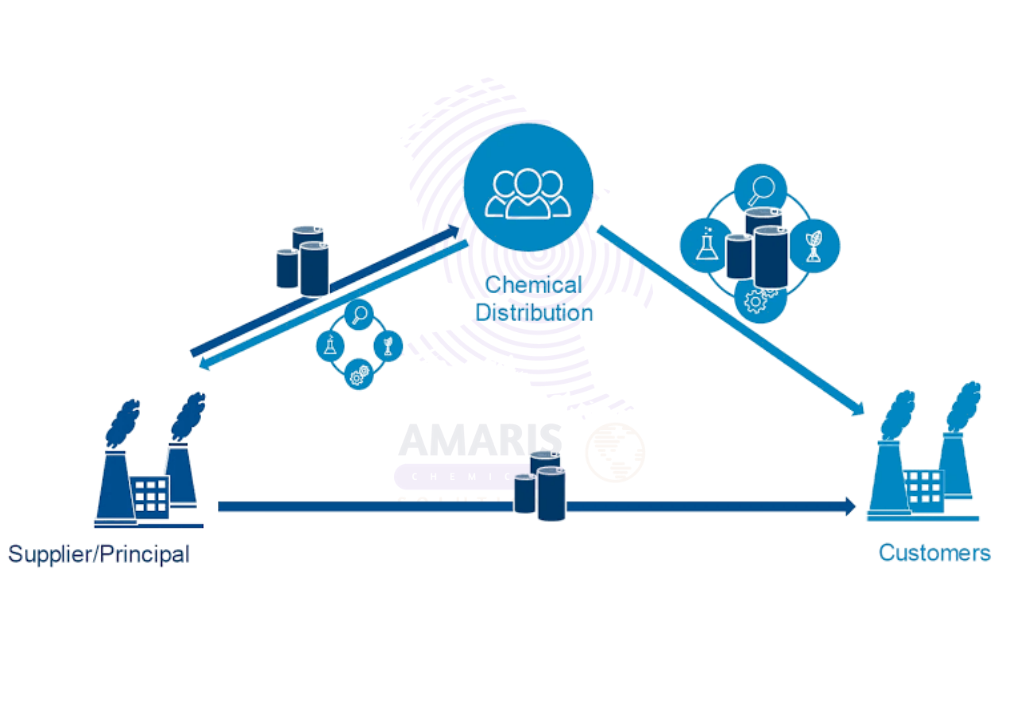
Chemical distributors are no longer just intermediaries moving products from manufacturers to customers. Today, they provide technical support, product expertise, inventory management, logistics solutions, and regulatory guidance. This shift is helping manufacturers, research institutions, and businesses access high-quality chemical products more efficiently while improving operational reliability across multiple industries.
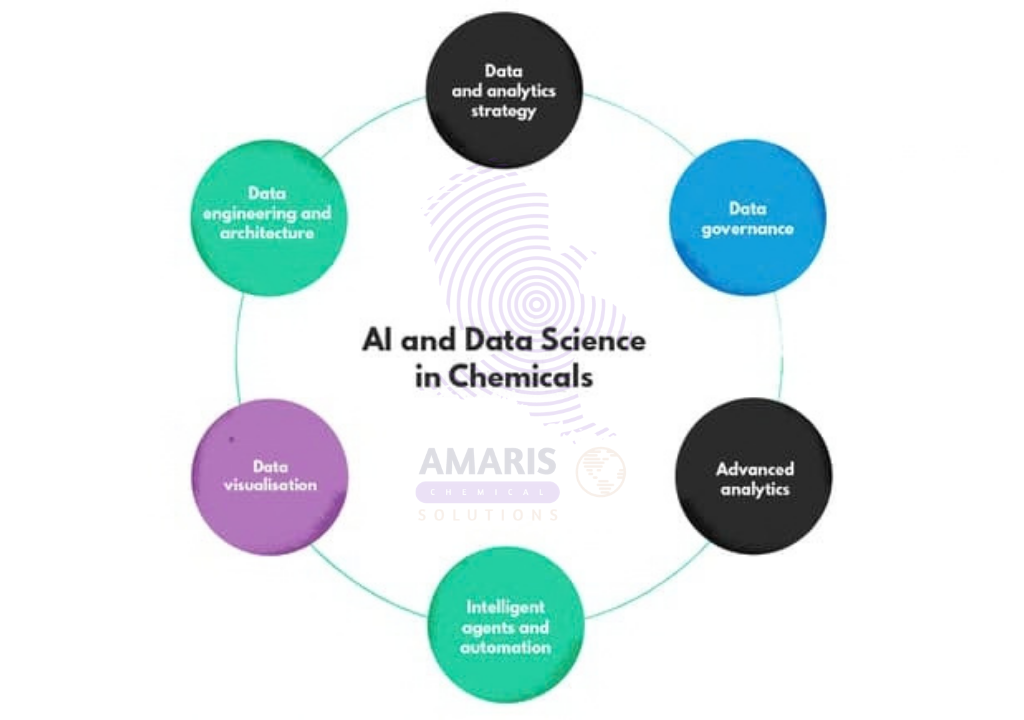
One of the biggest trends shaping the future of chemical distribution is digital transformation. Modern distributors are adopting e-commerce platforms, digital catalogues, online ordering systems, and inventory management software to simplify procurement. Customers can now browse extensive product ranges, compare specifications, request quotations, and place orders more efficiently than ever before. Digital technologies also allow distributors to forecast demand more accurately, optimize inventory, and reduce delivery times. 💻📦
Another important development is the growing demand for specialty chemicals. Industries such as pharmaceuticals, food processing, cosmetics, water treatment, renewable energy, electronics, and advanced manufacturing require highly specialized products with strict quality standards. Distributors are expanding their product portfolios to include high-purity laboratory chemicals, performance additives, specialty solvents, and customized formulations that meet the evolving needs of modern industries.
Supply chain resilience has also become a major priority. Businesses have learned the importance of diversified sourcing and reliable inventory management. Chemical distributors are building stronger relationships with multiple global manufacturers while expanding regional warehousing to ensure consistent product availability. This approach helps minimize disruptions caused by transportation delays, geopolitical changes, or fluctuations in global production. 🚢🏭
In emerging markets, local distribution networks are becoming increasingly sophisticated. Investments in transportation infrastructure, warehousing facilities, and logistics technology are improving the movement of chemicals from ports to industrial centers. Faster delivery times and improved inventory management allow manufacturers to reduce downtime and maintain consistent production schedules, strengthening the competitiveness of local industries.



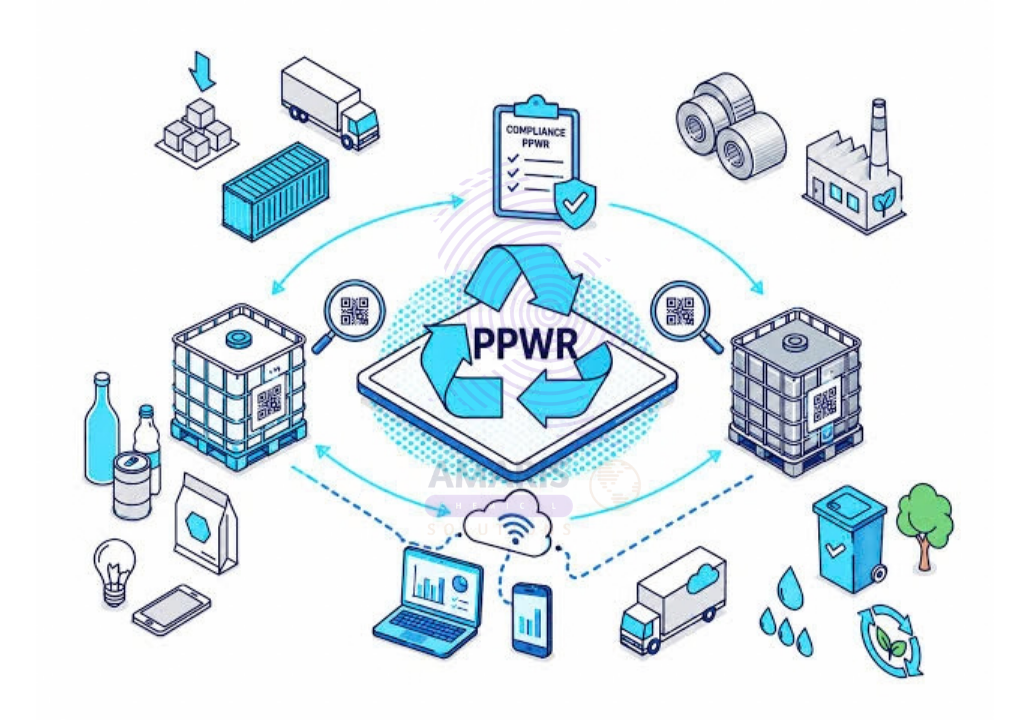
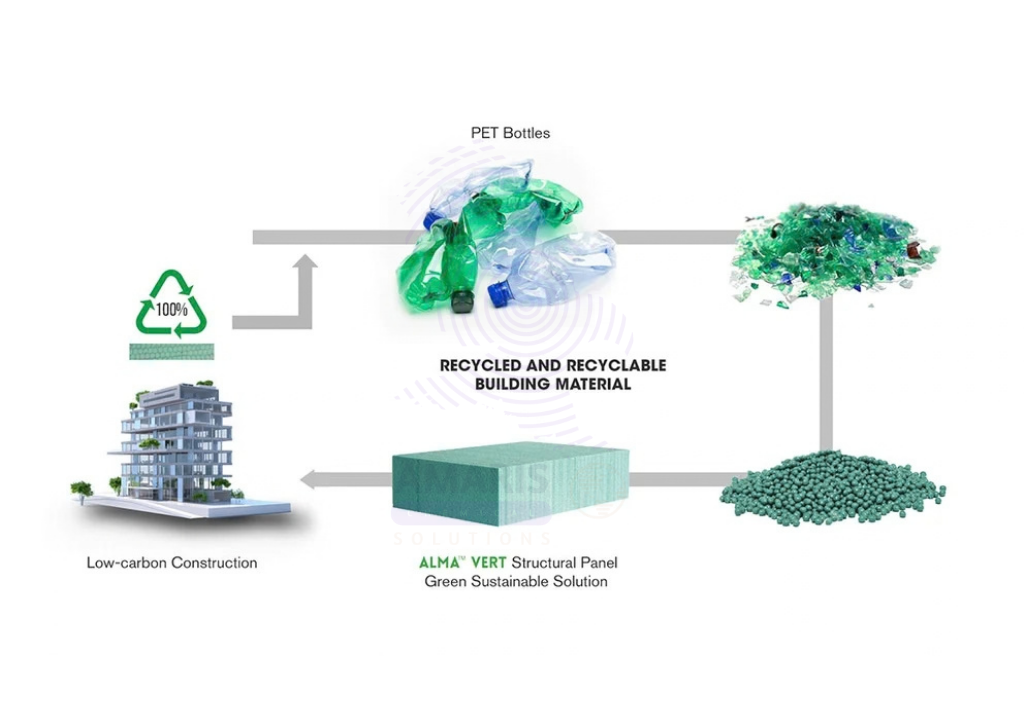
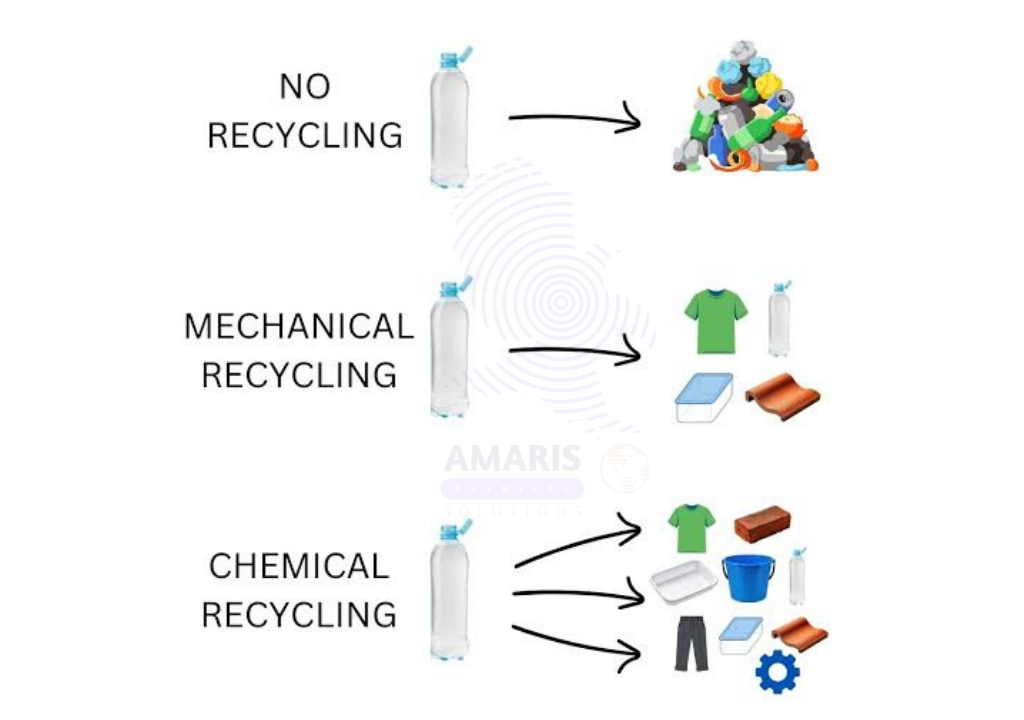
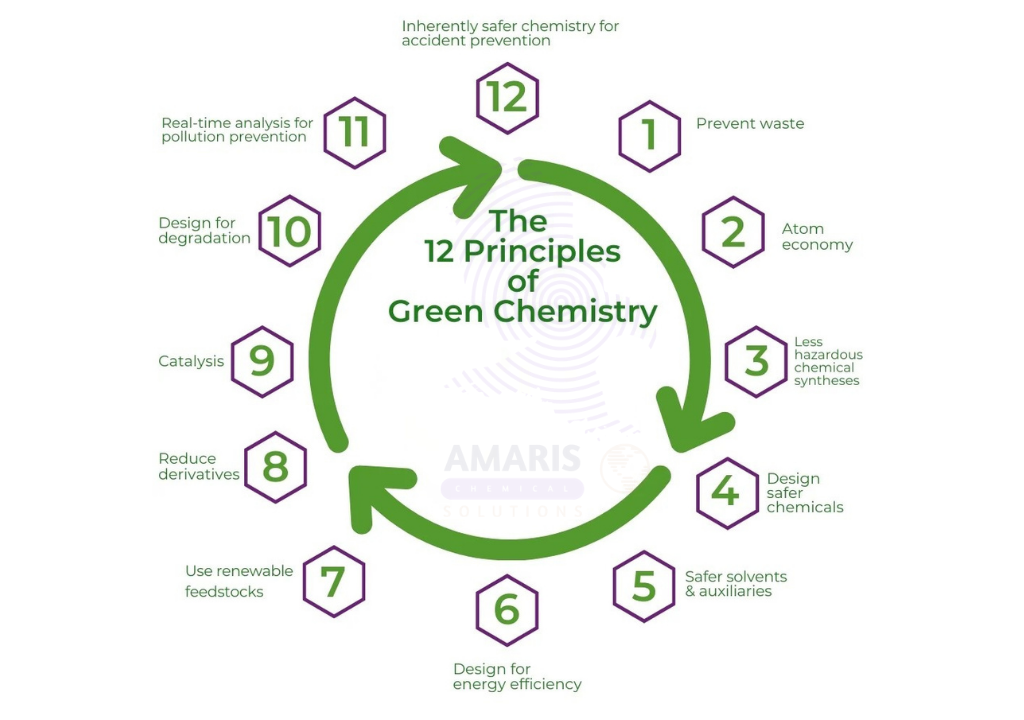
Sustainability is another key factor influencing the future of chemical distribution. Customers are increasingly seeking environmentally responsible products and supply partners that prioritize sustainable business practices. Many distributors are responding by offering biodegradable chemicals, eco-friendly formulations, recyclable packaging, and products manufactured using cleaner production technologies. Sustainable logistics, optimized transportation routes, and energy-efficient warehousing are also helping reduce the environmental impact of chemical distribution. ♻️🌱
Technical support is becoming an increasingly valuable service provided by chemical distributors. Beyond supplying products, distributors now assist customers with product selection, application guidance, regulatory compliance, and technical troubleshooting. This consultative approach helps businesses improve product performance, increase efficiency, and select the most appropriate chemical solutions for their specific applications. As industries become more specialized, access to technical expertise will continue to be a significant competitive advantage.
Regulatory compliance is also shaping the future of the industry. Governments are strengthening standards related to chemical handling, transportation, labeling, storage, and environmental protection. Distributors must ensure that products meet national and international regulations while providing customers with accurate documentation, safety data sheets (SDS), and technical information. Businesses that work with compliant and reputable suppliers reduce operational risks and strengthen customer confidence.
Emerging markets, particularly across Africa, present enormous opportunities for chemical distribution. Rapid growth in construction, agriculture, mining, manufacturing, healthcare, water treatment, and education is driving demand for a diverse range of chemical products. As local industries continue to expand, distributors that invest in modern logistics, reliable sourcing, customer service, and digital capabilities will be well positioned to support long-term economic development. 🌍🚜🏗️
In conclusion, the future of chemical distribution in emerging markets is defined by innovation, resilience, sustainability, and customer-focused solutions. Digital technologies, stronger supply chains, specialized product offerings, and enhanced technical support are transforming how chemicals reach industries around the world. For businesses operating in fast-growing economies, partnering with dependable chemical distributors will be essential for maintaining efficiency, ensuring product quality, and supporting sustainable industrial growth. As emerging markets continue to shape the global economy, modern chemical distribution will remain a cornerstone of industrial progress and opportunity. 🧪🚚✨