Preservatives(food)
 Flavor Enhancers
 Acidulants
 Sweeteners
 Antioxidants
 Colorants(food)
 Nutraceutical Ingredients (food)
 Nutrient Supplements
 Emulsifiers
 Collectors
 Dust Suppressants
 Explosives and Blasting Agents
 Flocculants and Coagulants
 Frothers
 Leaching Agents
 pH Modifiers
 Precious Metal Extraction Agents
 Antioxidants(plastic)
 Colorants (Pigments, Dyes)
 Fillers and Reinforcements
 Flame Retardants
 Monomers
 Plasticizers
 Polymerization Initiators
 Stabilizers (UV, Heat)
 Antifoaming Agents
 Chelating Agents
 Coagulants and Flocculants
 Corrosion Inhibitors
 Disinfectants and Biocides
 Oxidizing Agents
 pH Adjusters
 Scale Inhibitors( water)
 Antioxidants(cosmetic)
 Emollients
 Fragrances and Essential Oils
 Humectants
 Preservatives
 Surfactants(cosmetic)
 Thickeners
 UV Filters
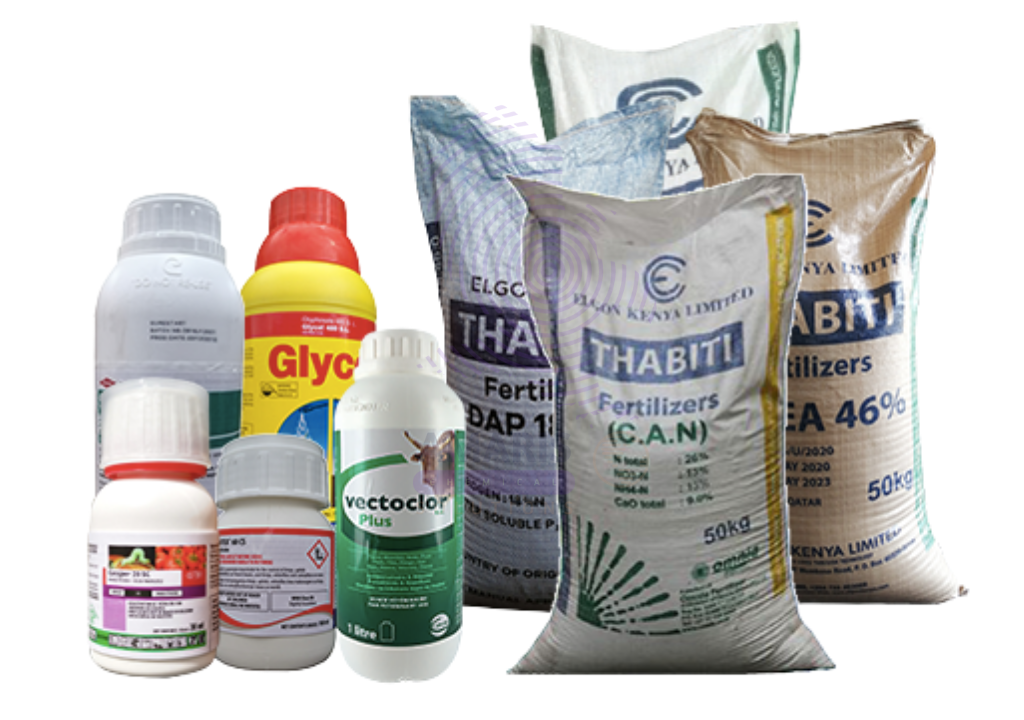
 Fertilizers
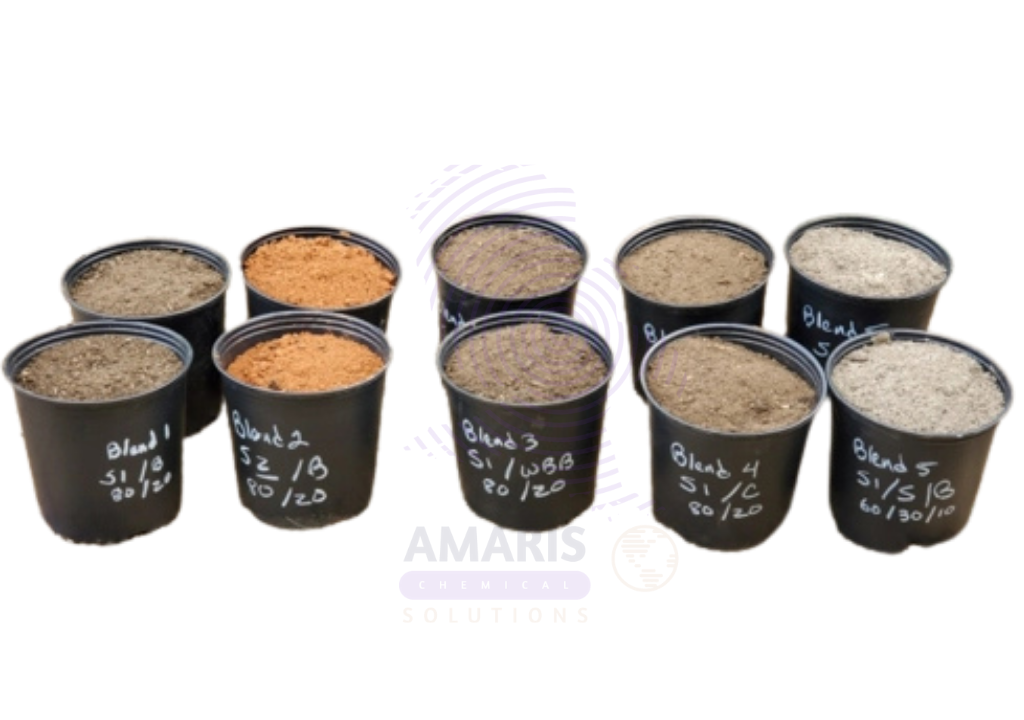
 Soil Conditioners
 Plant Growth Regulators
 Animal Feed Additives
 Biostimulants
 Pesticides (Herbicides, Insecticides, Fungicides)
 Active Pharmaceutical Ingredients (APIs)
 Excipients
 Solvents(pharmaceutical)
 Antibiotics
 Antiseptics and Disinfectants
 Vaccine Adjuvants
 Nutraceutical Ingredients (pharmaceutical)
 Analgesics & Antipyretics
 Analytical Reagents
 Solvents(lab)
 Chromatography Chemicals
 Spectroscopy Reagents
 microbiology-and-cell-culture-reagents
 Molecular Biology Reagents
 Biochemical Reagents
 Inorganic and Organic Standards
 Laboratory Safety Chemicals
 Specialty Laboratory Chemicals(Special Laboratory Equipment)
 Demulsifiers
 Hydraulic Fracturing Fluids
 Scale Inhibitors(oil)
 Surfactants(oil)
 Drilling Fluids
 Dyes and Pigments
 Bleaching Agents
 Softening Agents
 Finishing Agents
 Antistatic Agents
 Admixtures
 Waterproofing Agents
 Sealants and Adhesives
 Curing Compounds
 Concrete Repair Chemicals
 Anti-Corrosion Coatings
 Surfactants(cleaning)
 Builders
 Enzymes
 Solvents (Cleaning)
 Fragrances
 Electronic Chemicals
 Catalysts
 Lubricants
 Photographic Chemicals
 Refrigerants
 Automotive chemicals
 Pyrotechnic Chemicals
 Biodegradable Surfactants
 Bio-based Solvents
 Renewable Polymers
 Carbon Capture Chemicals
 Wastewater Treatment Chemicals
 Pigments
 Solvents(paint)
 Specialty Coatings
 Binders/Resins
 Additives
 Driers
 Anti-Corrosion Agents
 Functional Coatings
 Application-Specific Coatings
 Leavening Agents
 Dough Conditioners
 Flour Treatments
 Fat Replacers
 Decoratives
 Preservatives(baking)
 Plasticizers & Softeners
 Reinforcing Agents
 Adhesion Promoters
 Vulcanizing Agents
 Antidegradants
 Blowing Agents
 Fillers & Extenders
 Accelerators & Retarders
🧪 Avoiding Common Laboratory Contamination Mistakes: A Practical Guide 🔬🧤✨

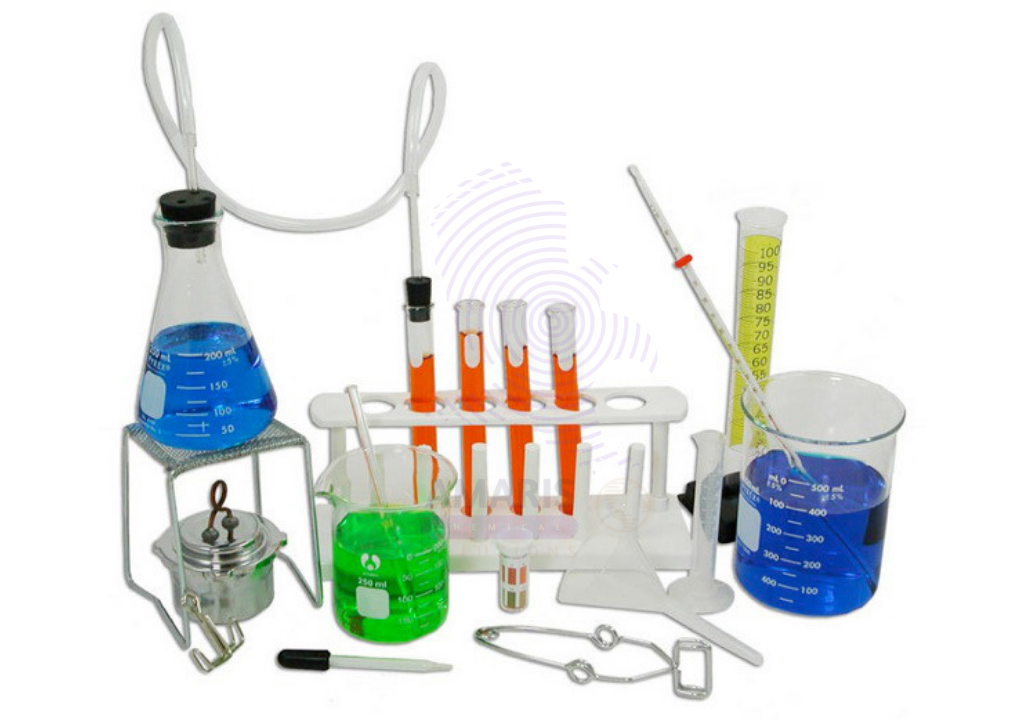
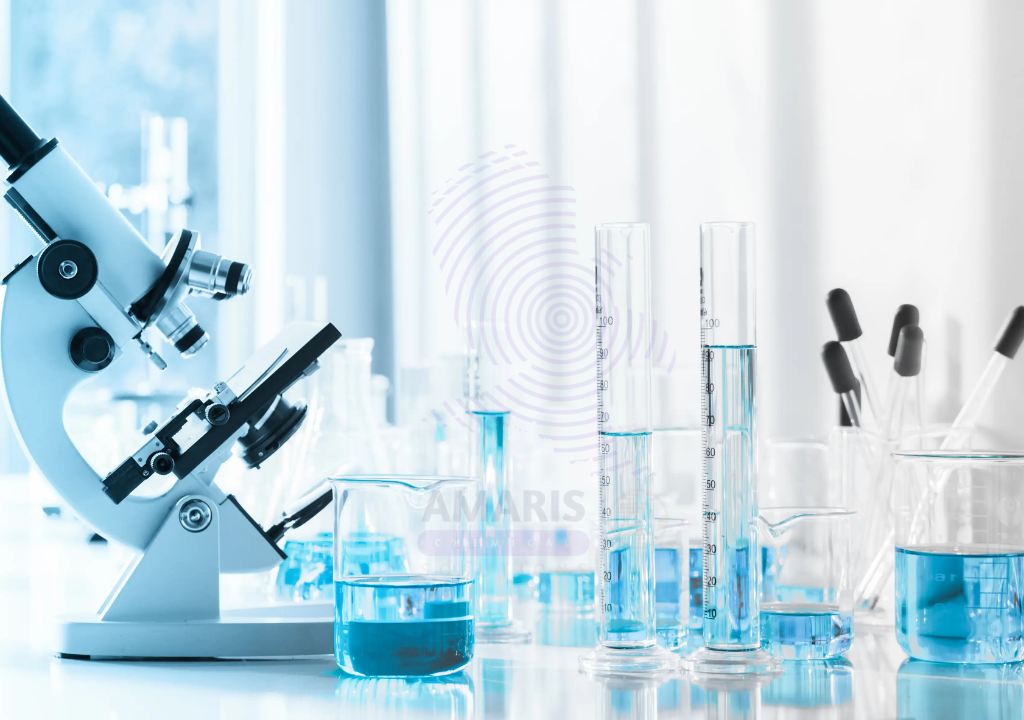
Laboratory contamination is one of the most common challenges that can affect the accuracy, reliability, and reproducibility of scientific work. Whether a laboratory is conducting chemical analysis, pharmaceutical testing, microbiology, environmental testing, or academic research, even small amounts of unwanted material can interfere with results. Preventing contamination therefore requires careful procedures, proper storage, clean equipment, and consistent laboratory practices.
One of the biggest sources of contamination is poor handling of chemicals and samples. Leaving containers open for longer than necessary can allow dust, moisture, airborne particles, or other substances to enter. Chemical containers should be opened only when needed and closed securely immediately after use. Avoid touching the inside of caps, bottles, or other containers, as contact can introduce unwanted substances into otherwise pure materials. 🧪🏷️
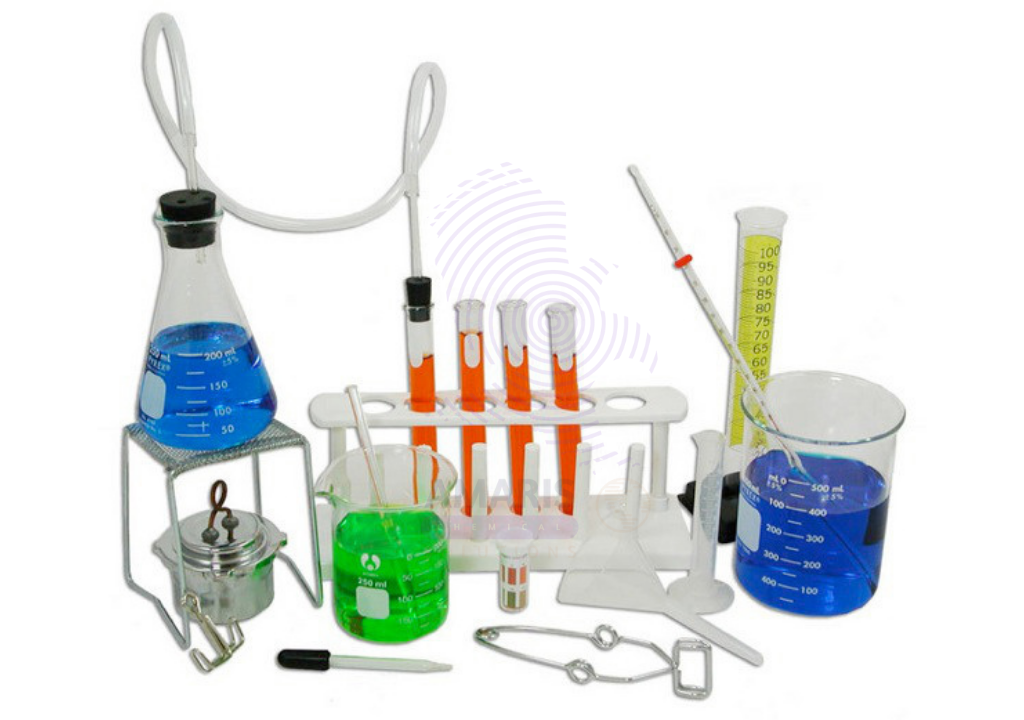
Using the wrong or contaminated equipment is another common mistake. Glassware, pipettes, spatulas, measuring cylinders, and other laboratory tools should be appropriately cleaned before use. Equipment used for one chemical or sample should not automatically be used for another without proper cleaning. Even tiny residues from previous experiments can alter chemical reactions or affect analytical measurements.
Cross-contamination can also occur when laboratory personnel use the same tools or containers for different materials. Dedicated equipment may be appropriate for particularly sensitive applications. Where equipment is shared, laboratories should establish clear cleaning and decontamination procedures. Proper organization makes it easier for staff to identify which equipment is ready for use and which requires cleaning. 🧤🔬
Improper storage can create additional contamination risks. Chemicals and samples should be stored in suitable containers under recommended environmental conditions. Bottles should remain tightly sealed, and products should be protected from excessive heat, moisture, light, or incompatible substances where applicable. Laboratory storage areas should also be kept clean and organized so that spills or damaged containers can be identified quickly.
Personal hygiene and appropriate personal protective equipment (PPE) are equally important. Laboratory personnel should wash their hands appropriately before and after laboratory activities and wear suitable gloves, laboratory coats, and eye protection when required. Gloves should be changed when contaminated or when moving between tasks where cross-contamination could occur. Wearing gloves does not eliminate the need for good hand hygiene. 🥽🧤
Another frequent mistake is failing to maintain a clean working environment. Work surfaces should be cleaned according to laboratory procedures before and after relevant activities. Spills should be addressed promptly using appropriate procedures, while waste should be placed in designated containers. Keeping workspaces free from unnecessary items also reduces the chance of accidentally contaminating samples or reagents.
Airborne contamination can be particularly important in sensitive laboratory environments. Dust, aerosols, and other particles can enter exposed samples or interfere with procedures. Laboratories should maintain appropriate ventilation and use specialized equipment, such as fume hoods or biological safety cabinets, when required for particular activities. These controls should always be used according to established safety procedures. 🌬️🧪
Labeling and organization are simple but powerful contamination-control measures. Every sample and chemical container should be clearly identified to reduce the possibility of mix-ups. Unlabeled or poorly labeled containers can lead to incorrect material selection and compromised experiments. Organized storage also makes it easier to separate clean materials from used or potentially contaminated items.
Laboratories should also avoid returning unused chemicals or reagents to their original containers unless the manufacturer’s instructions or laboratory procedure specifically permits it. Once removed, a substance may have been exposed to other materials or environmental contaminants. Returning it can compromise the entire container. Using appropriate quantities and disposing of excess material according to laboratory procedures is generally safer.
Regular training is essential for preventing contamination mistakes. Laboratory personnel should understand contamination risks, cleaning procedures, chemical handling requirements, and the importance of following standard operating procedures. Consistent training creates a stronger laboratory safety culture and ensures that good practices are followed even during busy periods. 📚🔬
In conclusion, laboratory contamination can often be prevented through simple but consistent habits. Keeping containers closed, using clean equipment, maintaining organized workspaces, following appropriate storage procedures, practicing good hygiene, and clearly labeling materials can significantly reduce contamination risks. When laboratories combine these practices with proper training, documentation, and quality control, they can improve the reliability and reproducibility of their results while creating a safer and more efficient working environment. 🧪🌍✨