
 Preservatives(food)
 Flavors
 Acidulants
 Sweeteners
 Antioxidants
 Colorants(food)
 Nutraceutical Ingredients (food)
 Nutrient Supplements
 Emulsifiers
 Collectors
 Dust Suppressants
 Explosives and Blasting Agents
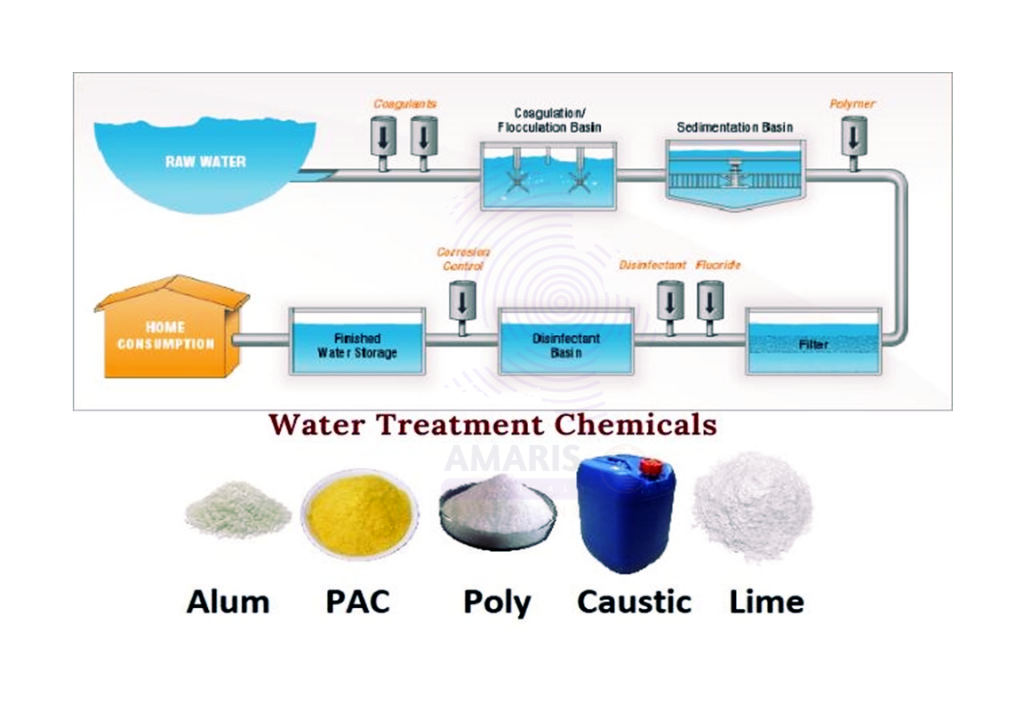
 Flocculants and Coagulants
 Frothers
 Leaching Agents
 pH Modifiers
 Precious Metal Extraction Agents
 Antioxidants(plastic)
 Colorants (Pigments, Dyes)
 Fillers and Reinforcements
 Flame Retardants
 Monomers
 Plasticizers
 Polymerization Initiators
 Stabilizers (UV, Heat)
 Antifoaming Agents
 Chelating Agents
 Coagulants and Flocculants
 Corrosion Inhibitors
 Disinfectants and Biocides
 Oxidizing Agents
 pH Adjusters
 Scale Inhibitors( water)
 Antioxidants(cosmetic)
 Emollients
 Oils
Oils Carrier Oills
 Essential Oils
 Humectants
 Preservatives
 Surfactants(cosmetic)
 Thickeners
 UV Filters
 Fragrance (Cosmetics)
 Fertilizers
 Soil Conditioners
 Plant Growth Regulators
 Animal Feed Additives
 Biostimulants
 Pesticides (Herbicides, Insecticides, Fungicides)
 Active Pharmaceutical Ingredients (APIs)
 Excipients
 Solvents(pharmaceutical)
 Antibiotics
 Antiseptics and Disinfectants
 Vaccine Adjuvants
 Nutraceutical Ingredients (pharmaceutical)
 Analgesics & Antipyretics
 Analytical Reagents
 Solvents(lab)
 Chromatography Chemicals
 Spectroscopy Reagents
 microbiology-and-cell-culture-reagents
 Molecular Biology Reagents
 Biochemical Reagents
 Inorganic and Organic Standards
 Laboratory Safety Chemicals
 Specialty Laboratory Chemicals(Special Laboratory Equipment)
 Demulsifiers
 Hydraulic Fracturing Fluids
 Scale Inhibitors(oil)
 Surfactants(oil)
 Drilling Fluids
 Dyes and Pigments
 Bleaching Agents
 Softening Agents
 Finishing Agents
 Antistatic Agents
 Admixtures
 Waterproofing Agents
 Sealants and Adhesives
 Curing Compounds
 Concrete Repair Chemicals
 Anti-Corrosion Coatings
 Surfactants(cleaning)
 Builders
 Enzymes
 Solvents (Cleaning)
 Electronic Chemicals
 Catalysts
 Lubricants
 Photographic Chemicals
 Refrigerants
 Automotive chemicals
 Pyrotechnic Chemicals
 Biodegradable Surfactants
 Bio-based Solvents
 Renewable Polymers
 Carbon Capture Chemicals
 Wastewater Treatment Chemicals
 Pigments
 Solvents(paint)
 Specialty Coatings
 Binders/Resins
 Additives
 Driers
 Anti-Corrosion Agents
 Functional Coatings
 Application-Specific Coatings
 Leavening Agents
 Dough Conditioners
 Flour Treatments
 Fat Replacers
 Decoratives
 Preservatives(baking)
 Plasticizers & Softeners
 Reinforcing Agents
 Adhesion Promoters
 Vulcanizing Agents
 Antidegradants
 Blowing Agents
 Fillers & Extenders
 Accelerators & Retarders
The Chemistry Behind Sustainable Construction: Low-Carbon Materials and Modern Building Solutions 🏗️🌱

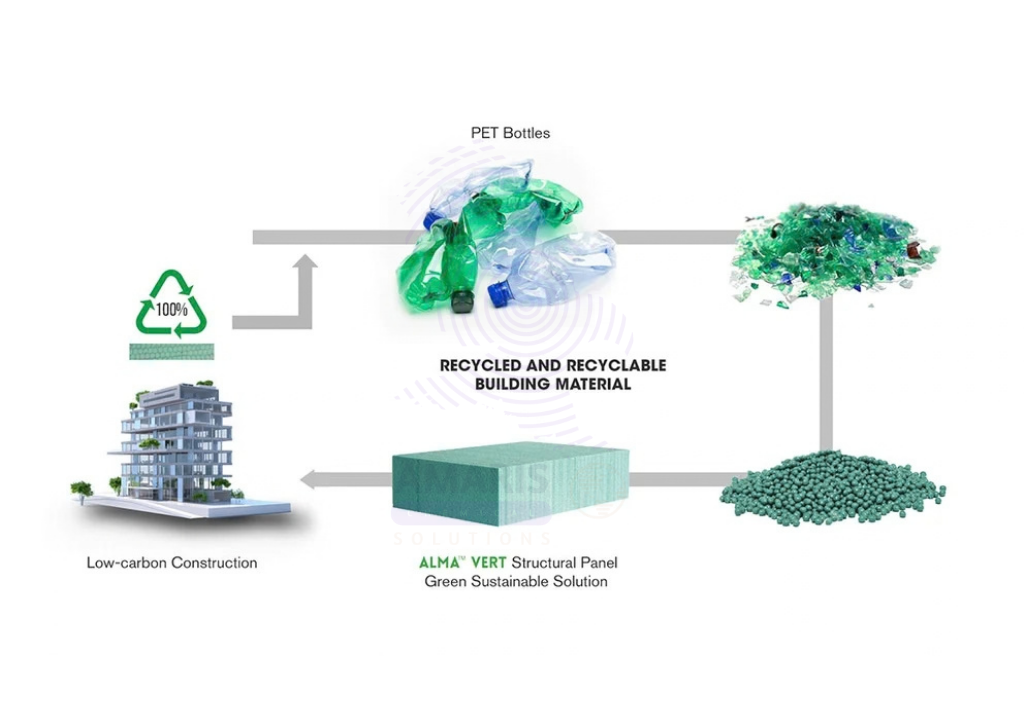
Construction is changing. As the world looks for ways to reduce carbon emissions, conserve resources, and build more efficiently, chemistry is becoming an increasingly important part of the solution. From cement alternatives to high-performance admixtures, coatings, insulation and recycled materials, chemical innovation is helping the construction industry achieve better performance with fewer environmental impacts. 🌱
Why Does Construction Need Lower-Carbon Materials?
Traditional construction relies heavily on materials such as cement, steel and conventional plastics. While these materials provide strength and durability, their production can require significant amounts of energy and raw materials.
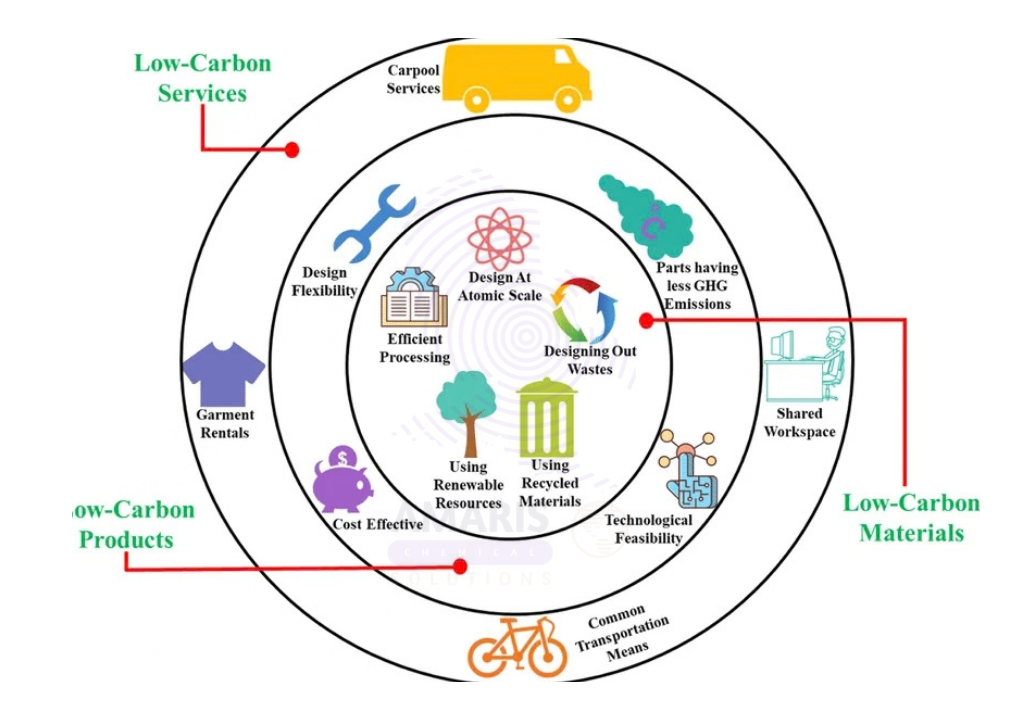
The challenge is therefore not simply to build less, but to build smarter. Sustainable construction focuses on reducing the environmental impact of materials while maintaining the strength, safety, durability and performance required in modern buildings.
This is where chemistry plays a crucial role.
The Chemistry Behind Low-Carbon Cement
Cement is one of the most widely used construction materials, making improvements in cement technology particularly important. Researchers and manufacturers are exploring ways to reduce the amount of conventional clinker used in cement by incorporating supplementary materials and alternative mineral components.
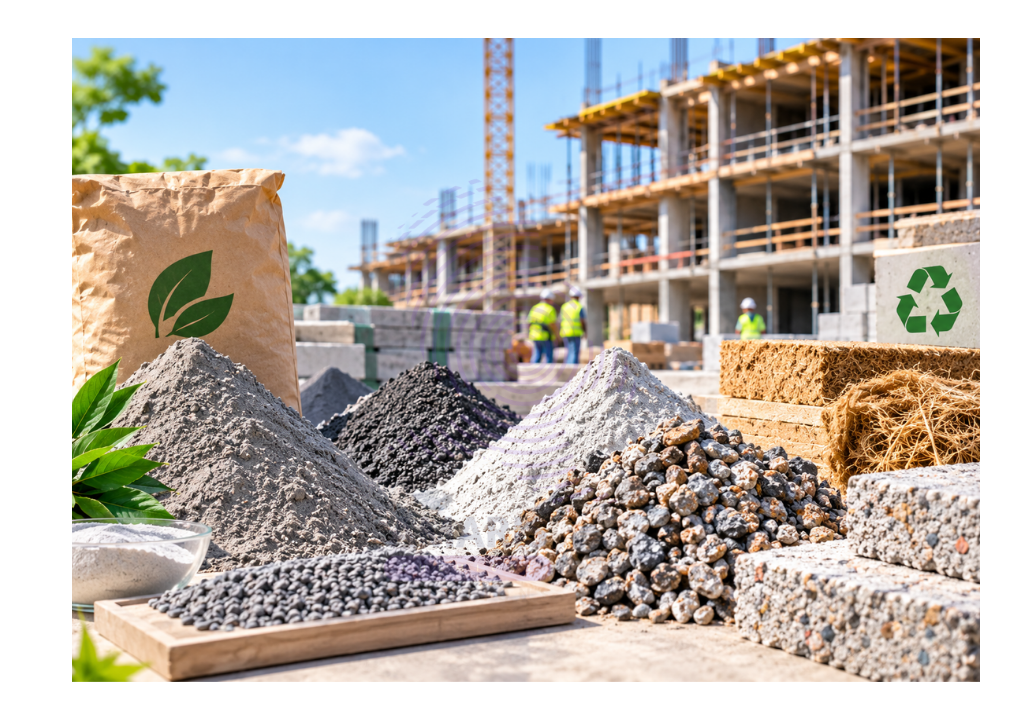
Materials such as fly ash, slag and certain processed mineral additions can help reduce clinker demand while contributing to desired performance characteristics. 🧪
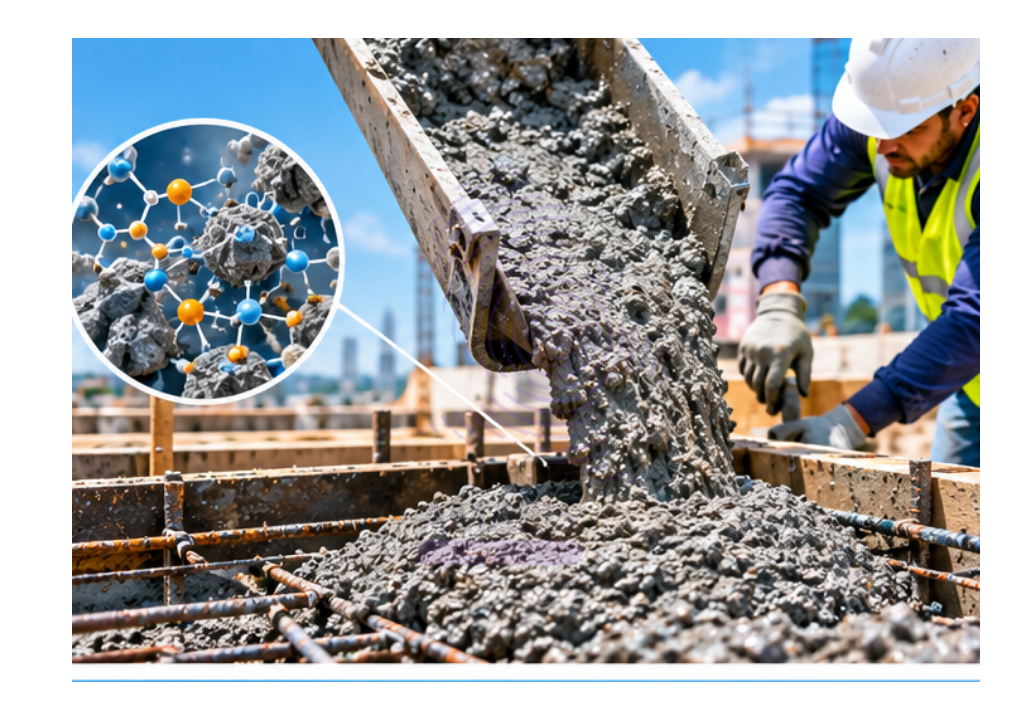
Chemical admixtures also allow concrete manufacturers to improve workability, strength development and durability while potentially reducing the amount of cement or water needed for a particular application.
Advanced Construction Chemicals
Sustainability is not only about the basic building material. Construction chemicals can significantly influence how efficiently a material performs.
Concrete admixtures, waterproofing compounds, curing agents, sealants, protective coatings and bonding agents can improve durability and extend the service life of buildings and infrastructure.
For example, waterproofing technologies can help protect structures from moisture-related deterioration, while specialised coatings can improve resistance to weathering, chemicals and wear. A longer-lasting structure may require fewer repairs and replacements over its lifetime.
Recycled and Alternative Materials ♻️
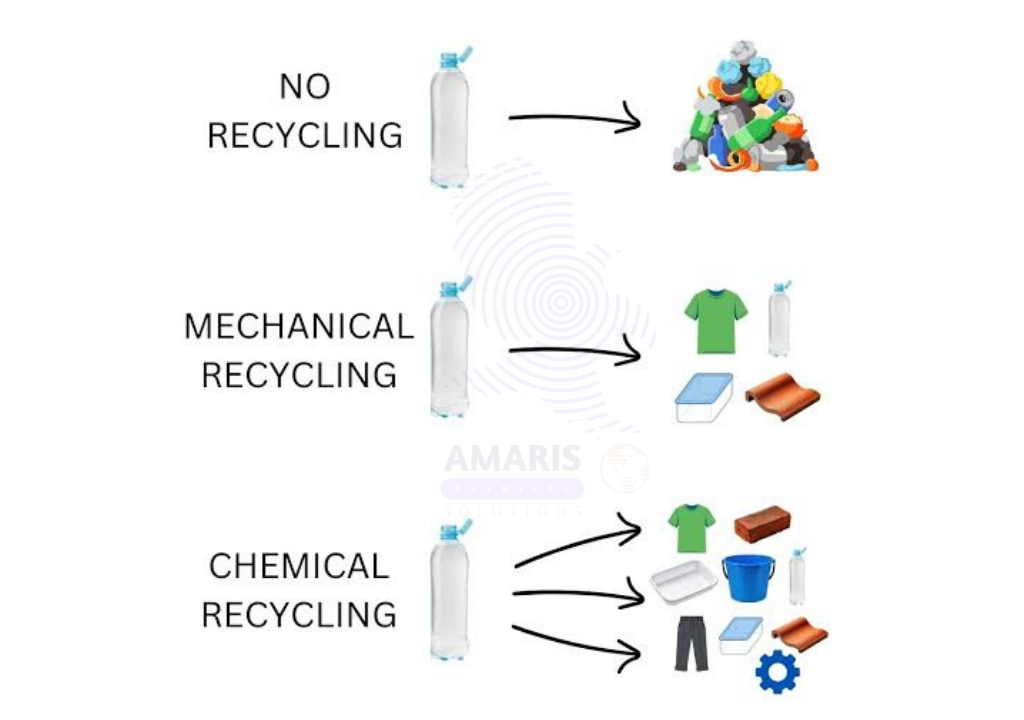
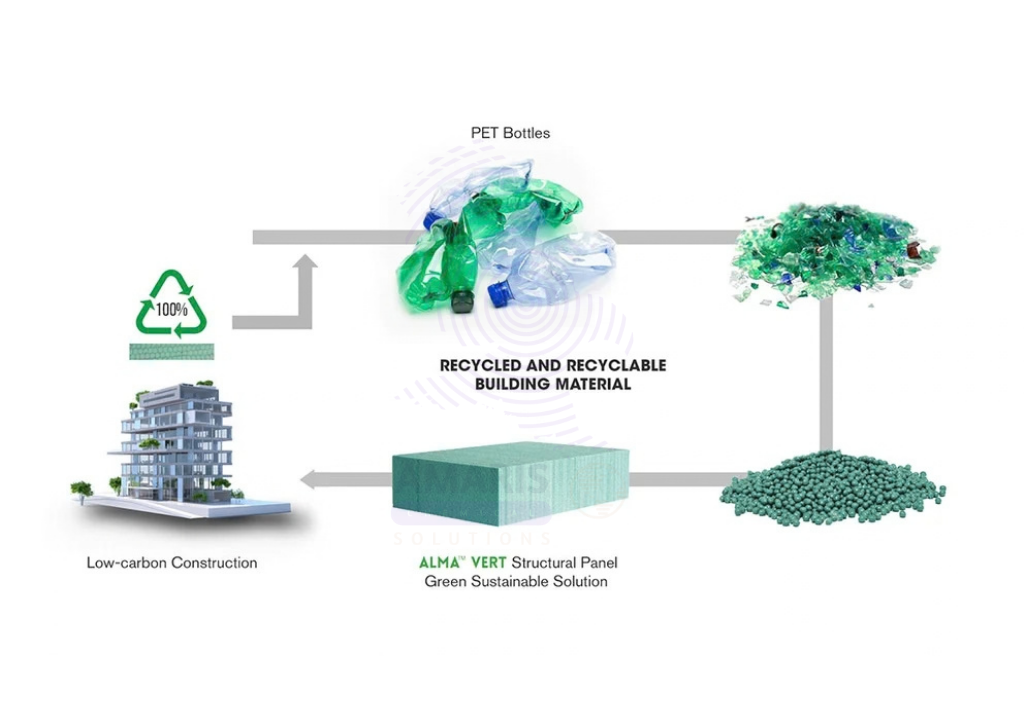
Another major area of innovation is the use of recycled and alternative raw materials. Recycled aggregates, reclaimed industrial materials and certain waste-derived components can reduce dependence on virgin resources when properly processed and tested.
Chemistry helps determine whether these materials are suitable by analysing their composition, compatibility, durability and performance.
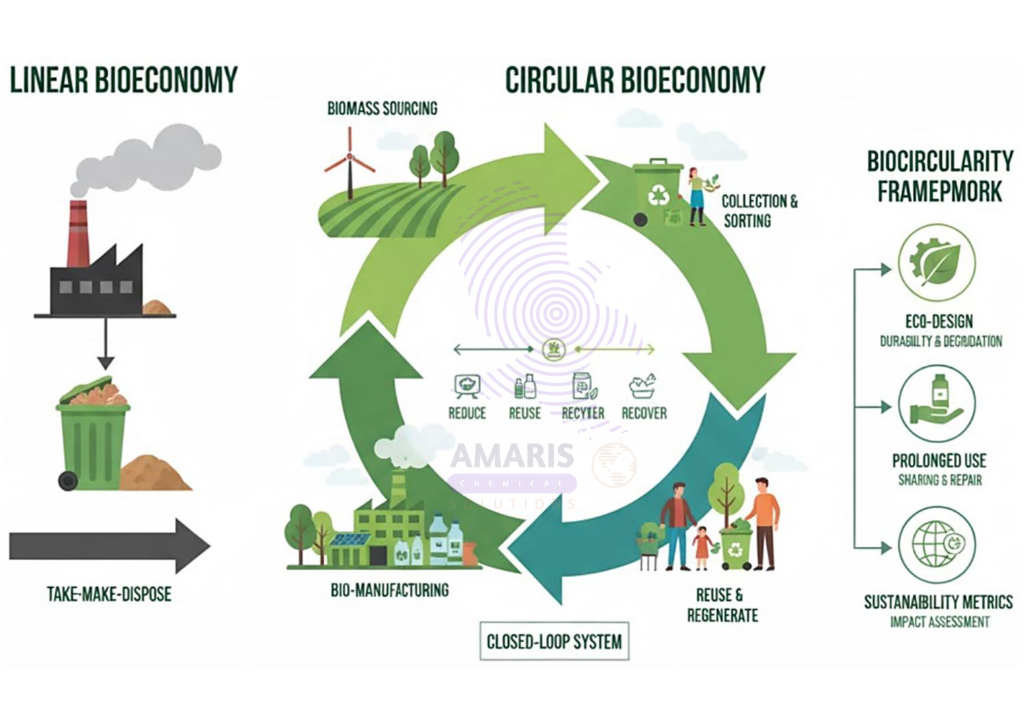
This approach supports the development of a more circular construction industry, where useful materials are recovered and incorporated into new products instead of being treated simply as waste.
The Role of Insulation, Coatings and Smart Materials
Sustainable construction also extends beyond structural materials. High-performance insulation can improve energy efficiency by reducing heating and cooling requirements, while reflective and protective coatings can contribute to improved building performance.
New generations of polymers, composites and functional materials are also being developed for applications ranging from insulation and sealants to lightweight structural components.
These innovations demonstrate an important principle: sustainability and performance do not have to be competing goals.
Building a More Sustainable Future
The future of construction will depend on a combination of better materials, improved manufacturing processes, responsible sourcing and smarter chemical technologies.
For Kenya, Africa and the wider global construction industry, the opportunity is significant. By investing in material science, local manufacturing, recycling and innovative construction chemicals, the industry can work toward buildings that are stronger, longer-lasting and more resource-efficient. 🌍
Ultimately, sustainable construction is not simply about using fewer materials. It is about understanding materials better—and using chemistry to make every material work smarter.