Preservatives(food)
 Flavors
 Acidulants
 Sweeteners
 Antioxidants
 Colorants(food)
 Nutraceutical Ingredients (food)
 Nutrient Supplements
 Emulsifiers
 Collectors
 Dust Suppressants
 Explosives and Blasting Agents
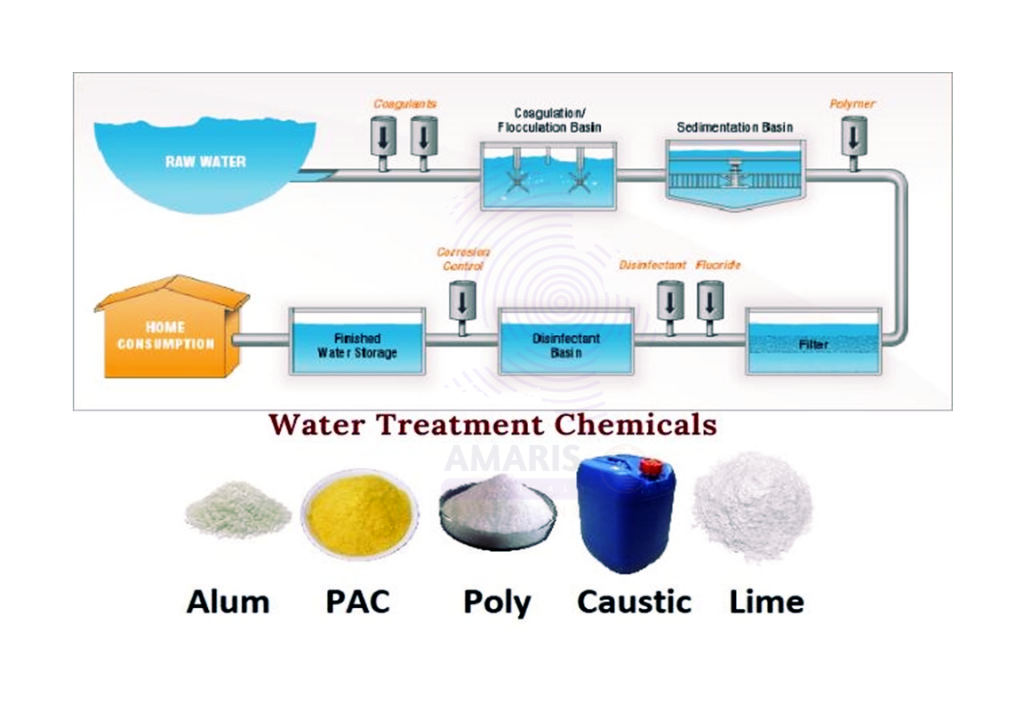
 Flocculants and Coagulants
 Frothers
 Leaching Agents
 pH Modifiers
 Precious Metal Extraction Agents
 Antioxidants(plastic)
 Colorants (Pigments, Dyes)
 Fillers and Reinforcements
 Flame Retardants
 Monomers
 Plasticizers
 Polymerization Initiators
 Stabilizers (UV, Heat)
 Antifoaming Agents
 Chelating Agents
 Coagulants and Flocculants
 Corrosion Inhibitors
 Disinfectants and Biocides
 Oxidizing Agents
 pH Adjusters
 Scale Inhibitors( water)
 Antioxidants(cosmetic)
 Emollients
 Oils
Oils Carrier Oills
 Essential Oils
 Humectants
 Preservatives
 Surfactants(cosmetic)
 Thickeners
 UV Filters
 Fragrance (Cosmetics)
 Fertilizers
 Soil Conditioners
 Plant Growth Regulators
 Animal Feed Additives
 Biostimulants
 Pesticides (Herbicides, Insecticides, Fungicides)
 Active Pharmaceutical Ingredients (APIs)
 Excipients
 Solvents(pharmaceutical)
 Antibiotics
 Antiseptics and Disinfectants
 Vaccine Adjuvants
 Nutraceutical Ingredients (pharmaceutical)
 Analgesics & Antipyretics
 Analytical Reagents
 Solvents(lab)
 Chromatography Chemicals
 Spectroscopy Reagents
 microbiology-and-cell-culture-reagents
 Molecular Biology Reagents
 Biochemical Reagents
 Inorganic and Organic Standards
 Laboratory Safety Chemicals
 Specialty Laboratory Chemicals(Special Laboratory Equipment)
 Demulsifiers
 Hydraulic Fracturing Fluids
 Scale Inhibitors(oil)
 Surfactants(oil)
 Drilling Fluids
 Dyes and Pigments
 Bleaching Agents
 Softening Agents
 Finishing Agents
 Antistatic Agents
 Admixtures
 Waterproofing Agents
 Sealants and Adhesives
 Curing Compounds
 Concrete Repair Chemicals
 Anti-Corrosion Coatings
 Surfactants(cleaning)
 Builders
 Enzymes
 Solvents (Cleaning)
 Electronic Chemicals
 Catalysts
 Lubricants
 Photographic Chemicals
 Refrigerants
 Automotive chemicals
 Pyrotechnic Chemicals
 Biodegradable Surfactants
 Bio-based Solvents
 Renewable Polymers
 Carbon Capture Chemicals
 Wastewater Treatment Chemicals
 Pigments
 Solvents(paint)
 Specialty Coatings
 Binders/Resins
 Additives
 Driers
 Anti-Corrosion Agents
 Functional Coatings
 Application-Specific Coatings
 Leavening Agents
 Dough Conditioners
 Flour Treatments
 Fat Replacers
 Decoratives
 Preservatives(baking)
 Plasticizers & Softeners
 Reinforcing Agents
 Adhesion Promoters
 Vulcanizing Agents
 Antidegradants
 Blowing Agents
 Fillers & Extenders
 Accelerators & Retarders
Why Chemical Traceability Is Becoming Essential for Modern Manufacturing 🔍🧪

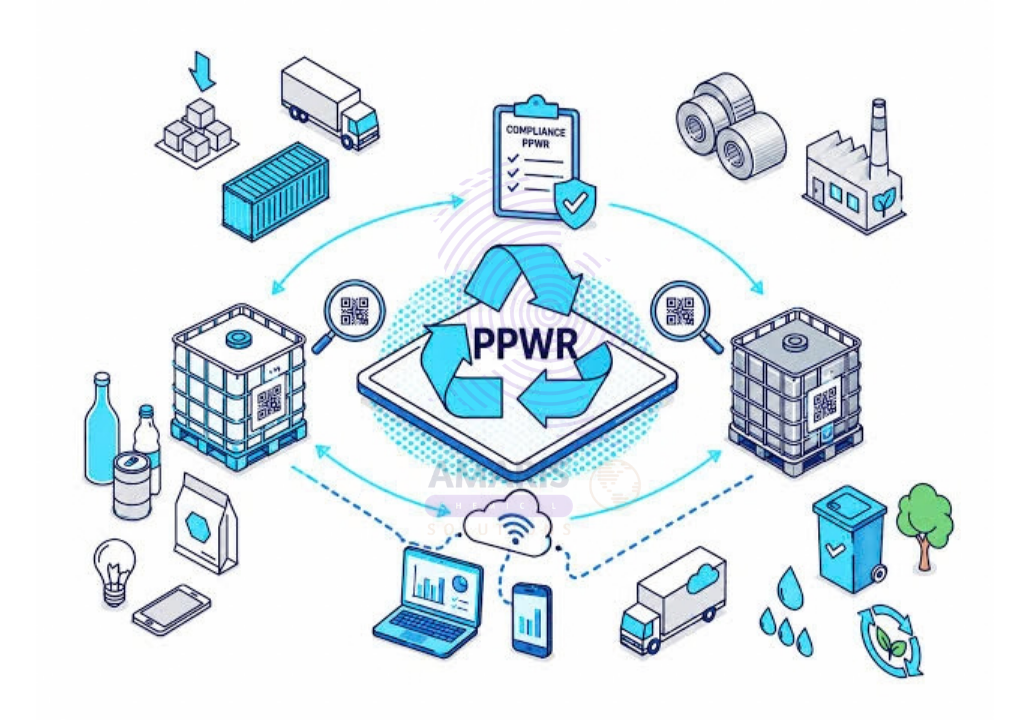
Modern manufacturing depends on thousands of raw materials moving through complex supply chains. From solvents and acids to pigments, polymers, additives, and specialty chemicals, manufacturers need to know exactly what materials are entering their production processes. This is where chemical traceability becomes increasingly important.
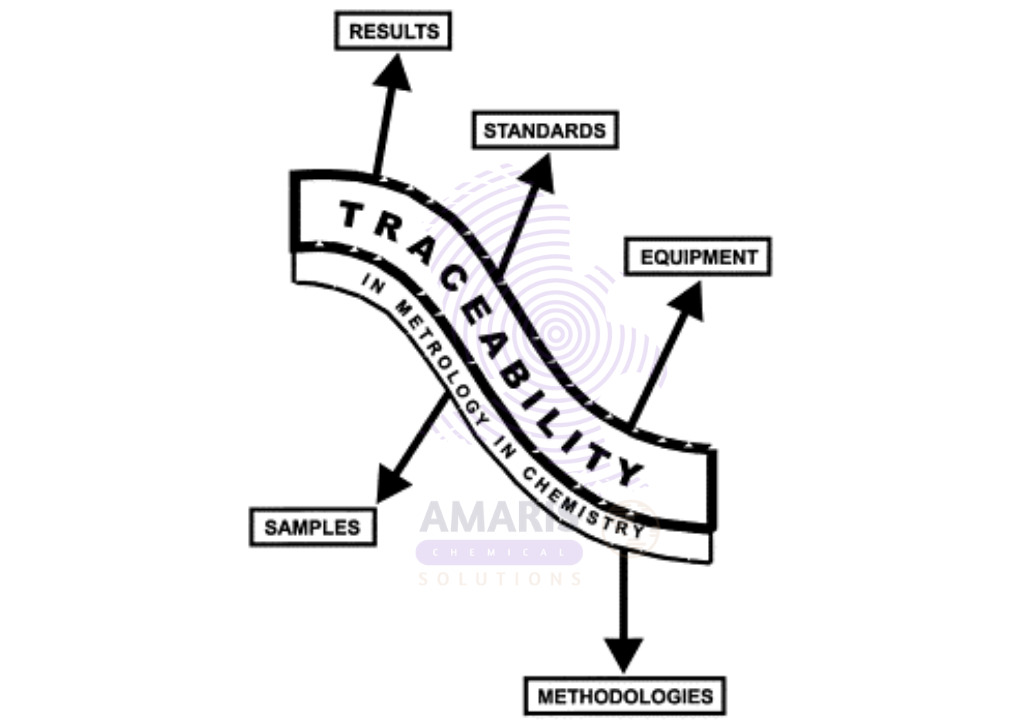
Chemical traceability is the ability to track a chemical or raw material through different stages of its journey—from sourcing and delivery to storage, production, and ultimately the finished product. For manufacturers, having this information readily available can improve quality control, safety, compliance, and supply-chain management. 🏭
What Does Chemical Traceability Mean?
At its simplest, chemical traceability answers important questions such as: Where did this chemical come from? Which batch was supplied? When was it received? Where was it used?
Documentation such as batch numbers, certificates of analysis, safety data sheets, product specifications, supplier information, and delivery records can help create a traceable history for each material.
This becomes particularly important when a manufacturer works with multiple suppliers or receives the same chemical in different batches. Keeping accurate records makes it easier to identify exactly which materials were used in a particular production process.
Why Is Traceability Important for Quality? 🔬
Chemical quality can influence everything from production efficiency to the characteristics of the finished product. Even when two materials have the same chemical name, differences in purity, concentration, grade, or specification can affect how they perform.
Traceability allows manufacturers to connect a finished product or production batch back to the raw materials used. If an unexpected quality issue occurs, this information can help investigators identify potential causes more efficiently.
Without proper records, identifying the source of a problem can become significantly more difficult, potentially resulting in additional testing, production delays, or material wastage.
Improving Chemical Safety
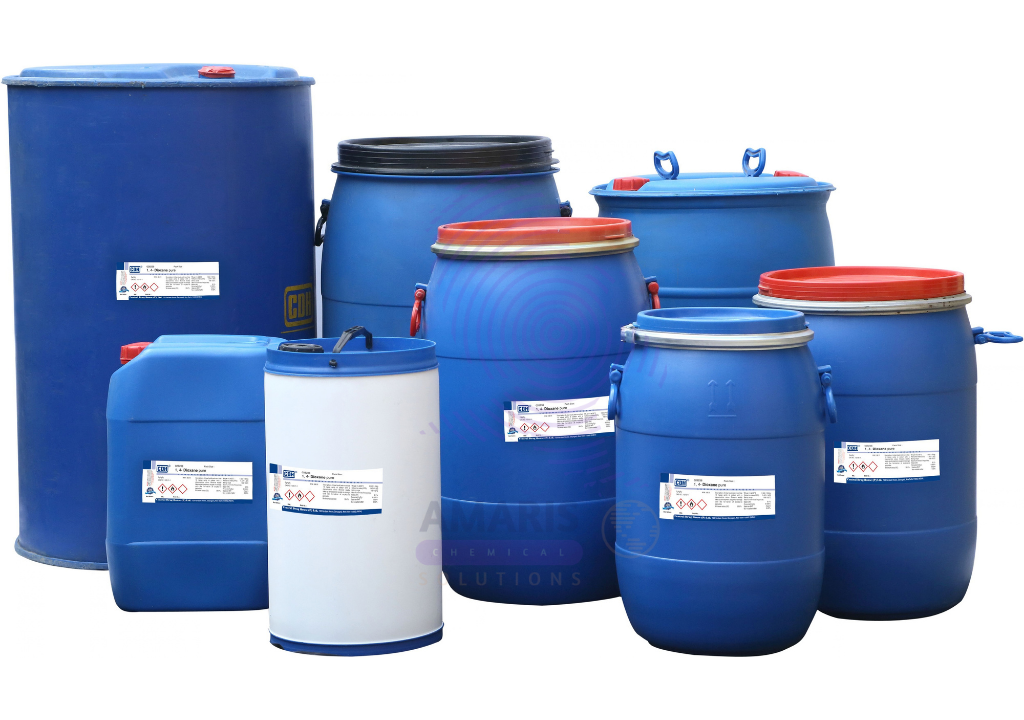
Traceability also supports safer chemical management. Manufacturers often handle materials with specific storage, handling, transportation, and emergency requirements.
Accurate records can help employees quickly identify what substances are present, where they are stored, and which safety documentation applies to them. This can be particularly important during incidents such as spills, leaks, or accidental exposure.
Maintaining current Safety Data Sheets (SDSs) and appropriate chemical identification records is therefore an important part of responsible chemical management. 🥽
Supporting Regulatory Compliance
Manufacturers operate within various regulatory and quality requirements depending on their industry, location, and products. Traceability can help demonstrate that appropriate materials were sourced, handled, tested, and incorporated into production.
For companies involved in pharmaceuticals, food processing, cosmetics, laboratory products, construction materials, and other regulated sectors, detailed documentation can be particularly valuable.
Good traceability systems can also make audits and quality assessments more organized by providing a clear record of material movement and usage.
Traceability and Supply-Chain Resilience 🌍
Global supply chains can be complex. Chemicals may pass through manufacturers, distributors, warehouses, transport companies, and other intermediaries before reaching their final user.
Traceability provides greater visibility across this chain. If a particular batch is affected by a quality issue or supply disruption, manufacturers with accurate records can identify affected materials more quickly.
This can help businesses make informed decisions about inventory, alternative suppliers, and production planning.
The Role of Technology
Technology is making chemical traceability easier to manage. Digital inventory systems, barcode and QR-code tracking, enterprise resource planning platforms, and cloud-based documentation can reduce reliance on paper records.
A digital system can connect a chemical’s supplier, batch number, certificate of analysis, SDS, storage location, and production usage in one accessible record.
For growing manufacturers, this can improve efficiency while reducing the risk of misplaced or outdated information. 💻🧪
Building More Transparent Manufacturing
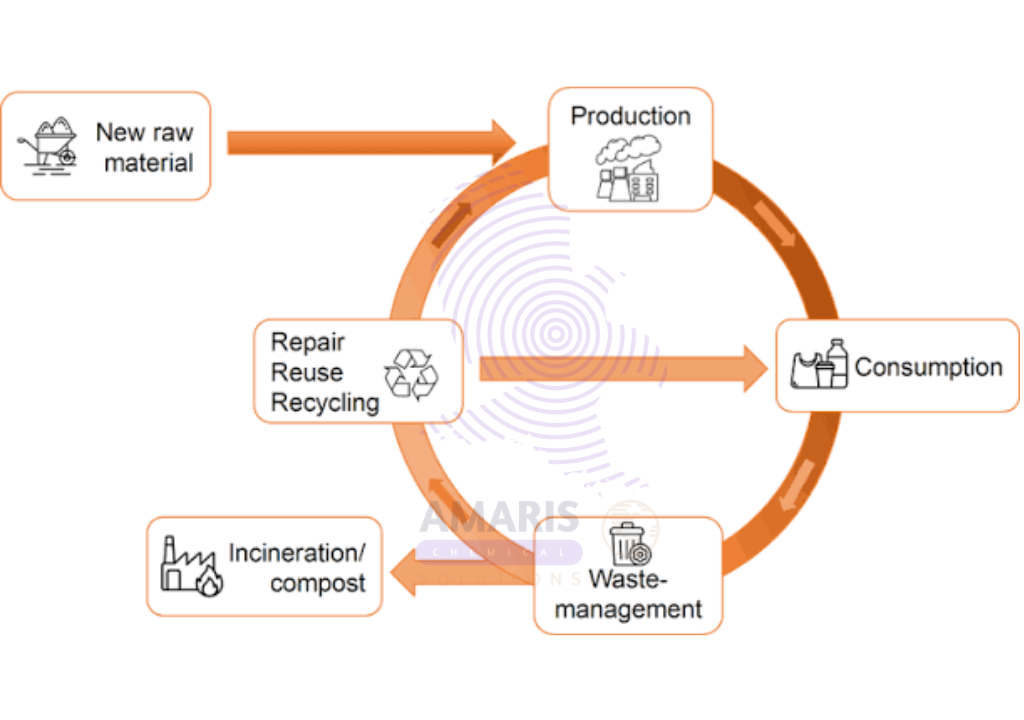
Chemical traceability is no longer simply a record-keeping exercise. It is becoming an important part of modern quality management and responsible manufacturing.
By knowing where chemicals come from, how they are stored, where they are used, and which products they enter, manufacturers can strengthen quality control, improve safety, respond more effectively to problems, and support regulatory requirements.
As manufacturing becomes more connected and supply chains become increasingly complex, knowing your chemicals means knowing your process. Strong traceability systems can help manufacturers build greater confidence in their raw materials, their production processes, and the products they deliver to customers. 🔍🏭🌱