Preservatives(food)
 Flavors
 Acidulants
 Sweeteners
 Antioxidants
 Colorants(food)
 Nutraceutical Ingredients (food)
 Nutrient Supplements
 Emulsifiers
 Collectors
 Dust Suppressants
 Explosives and Blasting Agents
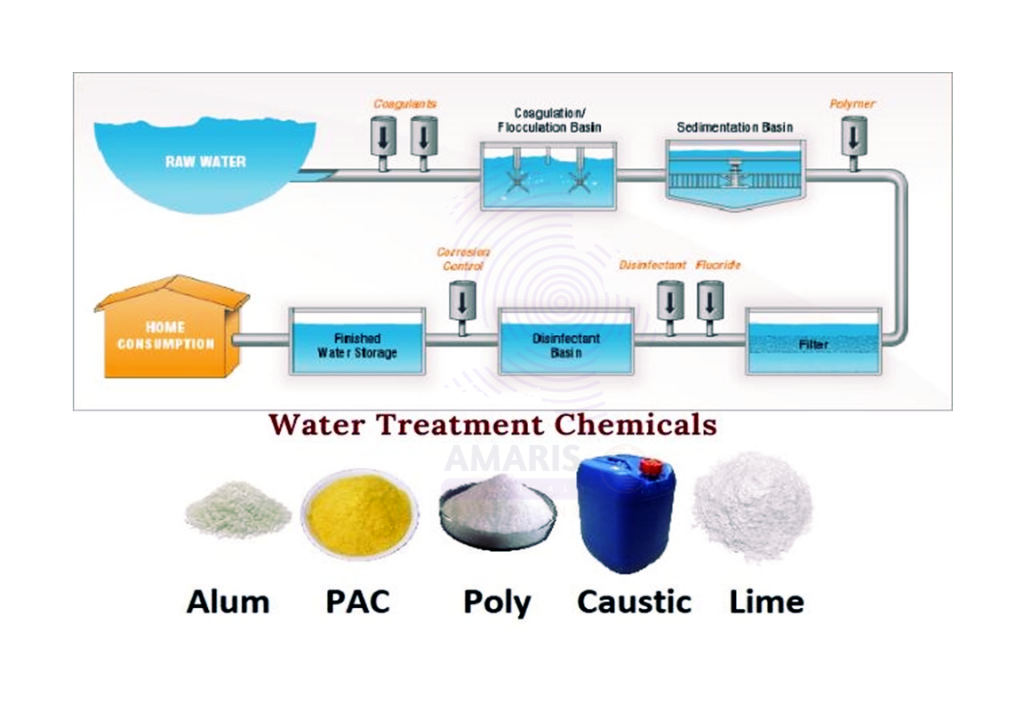
 Flocculants and Coagulants
 Frothers
 Leaching Agents
 pH Modifiers
 Precious Metal Extraction Agents
 Antioxidants(plastic)
 Colorants (Pigments, Dyes)
 Fillers and Reinforcements
 Flame Retardants
 Monomers
 Plasticizers
 Polymerization Initiators
 Stabilizers (UV, Heat)
 Antifoaming Agents
 Chelating Agents
 Coagulants and Flocculants
 Corrosion Inhibitors
 Disinfectants and Biocides
 Oxidizing Agents
 pH Adjusters
 Scale Inhibitors( water)
 Antioxidants(cosmetic)
 Emollients
 Oils
Oils Carrier Oills
 Essential Oils
 Humectants
 Preservatives
 Surfactants(cosmetic)
 Thickeners
 UV Filters
 Fragrance (Cosmetics)
 Fertilizers
 Soil Conditioners
 Plant Growth Regulators
 Animal Feed Additives
 Biostimulants
 Pesticides (Herbicides, Insecticides, Fungicides)
 Active Pharmaceutical Ingredients (APIs)
 Excipients
 Solvents(pharmaceutical)
 Antibiotics
 Antiseptics and Disinfectants
 Vaccine Adjuvants
 Nutraceutical Ingredients (pharmaceutical)
 Analgesics & Antipyretics
 Analytical Reagents
 Solvents(lab)
 Chromatography Chemicals
 Spectroscopy Reagents
 microbiology-and-cell-culture-reagents
 Molecular Biology Reagents
 Biochemical Reagents
 Inorganic and Organic Standards
 Laboratory Safety Chemicals
 Specialty Laboratory Chemicals(Special Laboratory Equipment)
 Demulsifiers
 Hydraulic Fracturing Fluids
 Scale Inhibitors(oil)
 Surfactants(oil)
 Drilling Fluids
 Dyes and Pigments
 Bleaching Agents
 Softening Agents
 Finishing Agents
 Antistatic Agents
 Admixtures
 Waterproofing Agents
 Sealants and Adhesives
 Curing Compounds
 Concrete Repair Chemicals
 Anti-Corrosion Coatings
 Surfactants(cleaning)
 Builders
 Enzymes
 Solvents (Cleaning)
 Electronic Chemicals
 Catalysts
 Lubricants
 Photographic Chemicals
 Refrigerants
 Automotive chemicals
 Pyrotechnic Chemicals
 Biodegradable Surfactants
 Bio-based Solvents
 Renewable Polymers
 Carbon Capture Chemicals
 Wastewater Treatment Chemicals
 Pigments
 Solvents(paint)
 Specialty Coatings
 Binders/Resins
 Additives
 Driers
 Anti-Corrosion Agents
 Functional Coatings
 Application-Specific Coatings
 Leavening Agents
 Dough Conditioners
 Flour Treatments
 Fat Replacers
 Decoratives
 Preservatives(baking)
 Plasticizers & Softeners
 Reinforcing Agents
 Adhesion Promoters
 Vulcanizing Agents
 Antidegradants
 Blowing Agents
 Fillers & Extenders
 Accelerators & Retarders
Chemical Waste vs Chemical By-Products: Understanding the Difference ♻️🧪

Chemical manufacturing and industrial processes often generate materials that are not part of the primary product. These materials may be discarded, treated, recovered, or sometimes used for another purpose. But are all these materials considered chemical waste?
Not necessarily. Understanding the difference between chemical waste and chemical by-products is important for manufacturers, laboratories, and businesses because it can influence how materials are handled, stored, reused, treated, and disposed of. 🌍
What Is Chemical Waste?
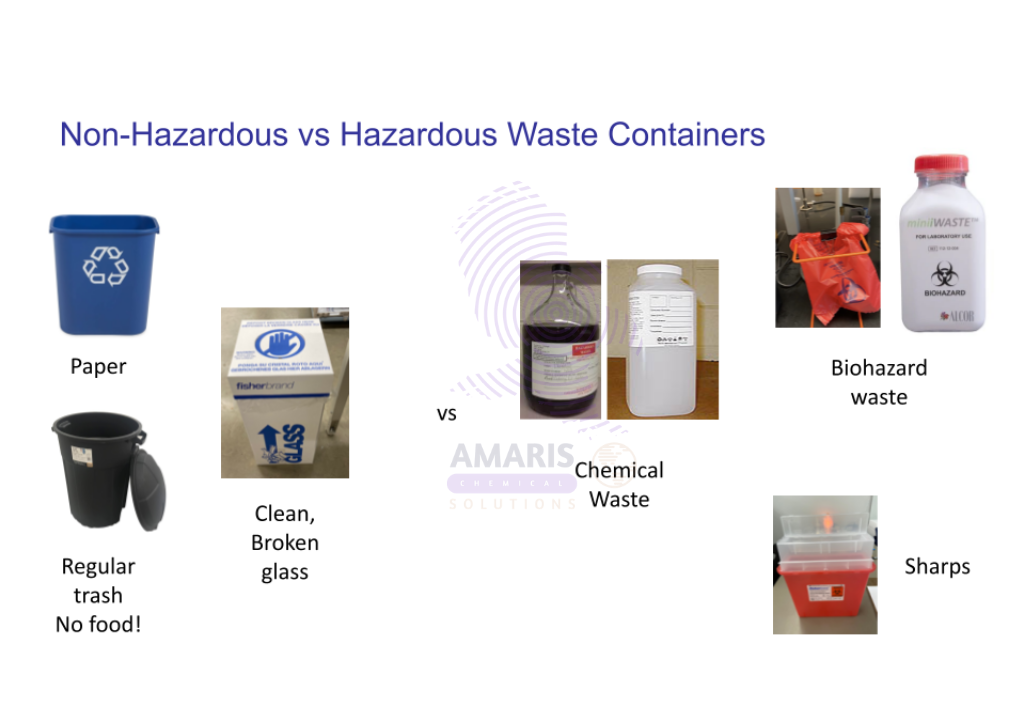
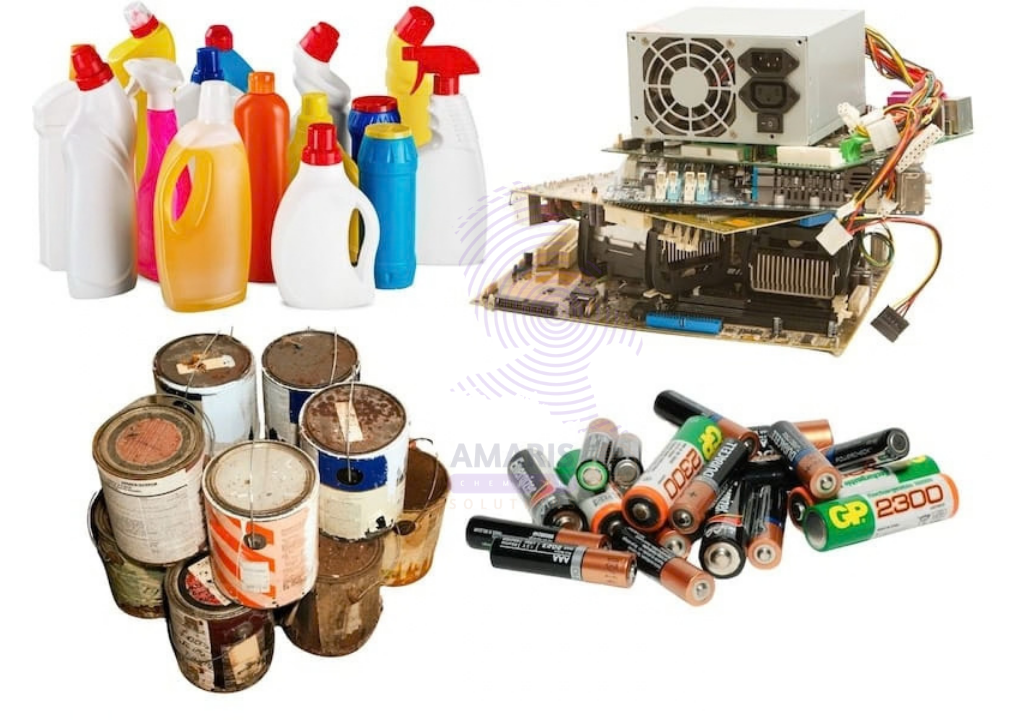
Chemical waste generally refers to a chemical substance or material that is no longer wanted or intended for its original purpose and requires appropriate management or disposal.
It can come from manufacturing processes, laboratories, cleaning operations, expired products, contaminated materials, or chemical spills. Depending on its properties, chemical waste may present risks to people or the environment.
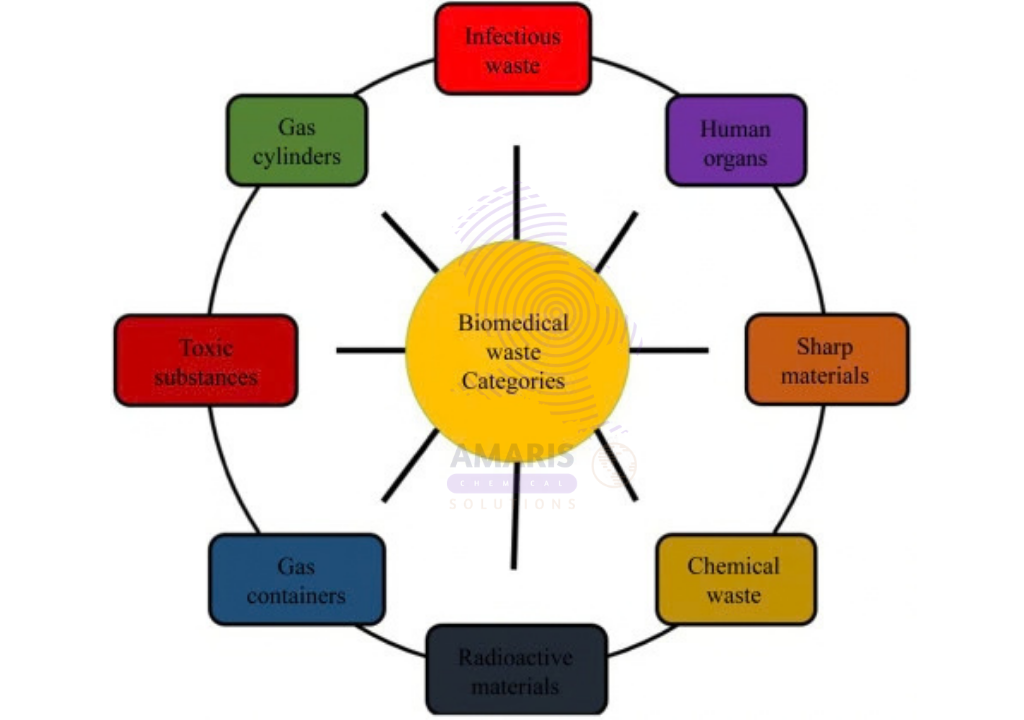
Some chemical wastes may be hazardous because they are flammable, corrosive, reactive, toxic, or otherwise harmful. This means they cannot simply be poured down a drain, placed in ordinary rubbish, or released into the environment.
Proper identification, segregation, storage, treatment, and disposal are therefore essential. 🥽
What Is a Chemical By-Product?
A chemical by-product is a secondary material generated during a manufacturing or chemical process alongside the primary product.
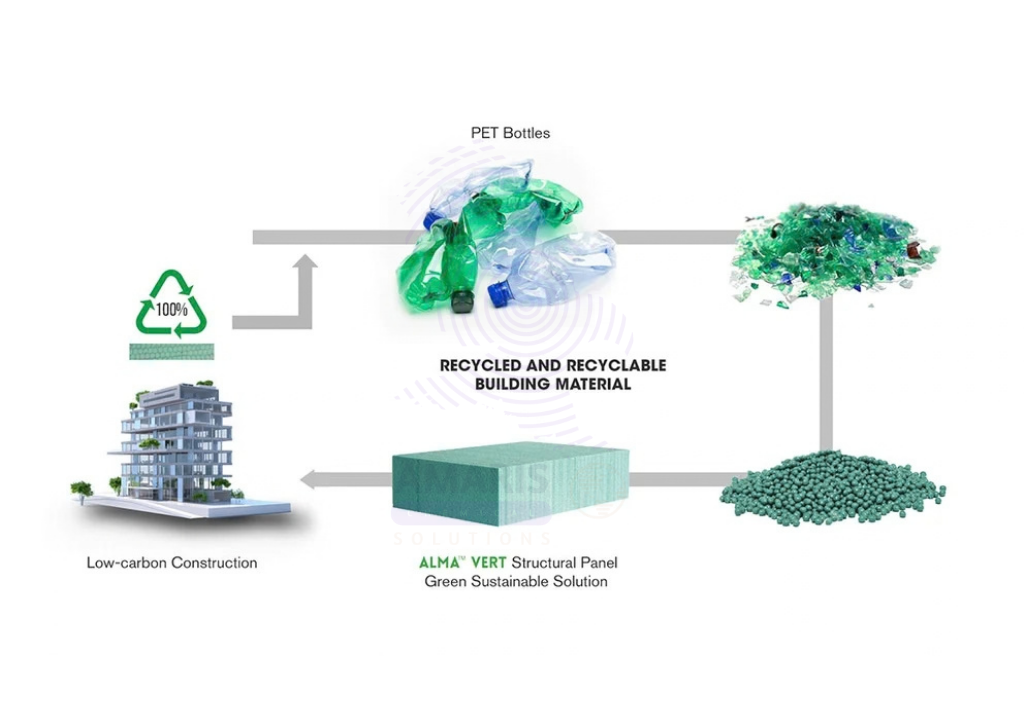
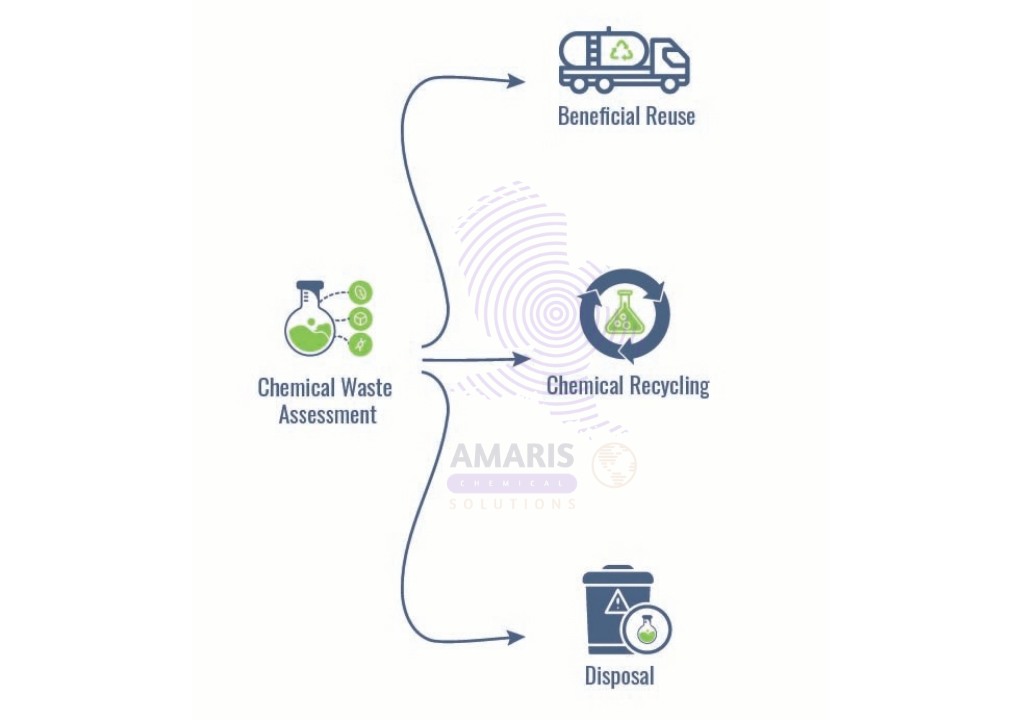
Unlike waste, a by-product may have a useful purpose or economic value. It may be recovered, purified, sold, recycled into another process, or used as a raw material for a different application.
For example, a chemical manufacturing process may produce a secondary material that can be further processed into another useful industrial ingredient. In such cases, the material does not necessarily have to become waste.
The important distinction is whether the secondary material has a planned and practical use rather than simply being something the manufacturer wants to get rid of.
Why Does the Difference Matter? 🏭
The distinction matters because treating every secondary material as waste can result in lost economic opportunities.
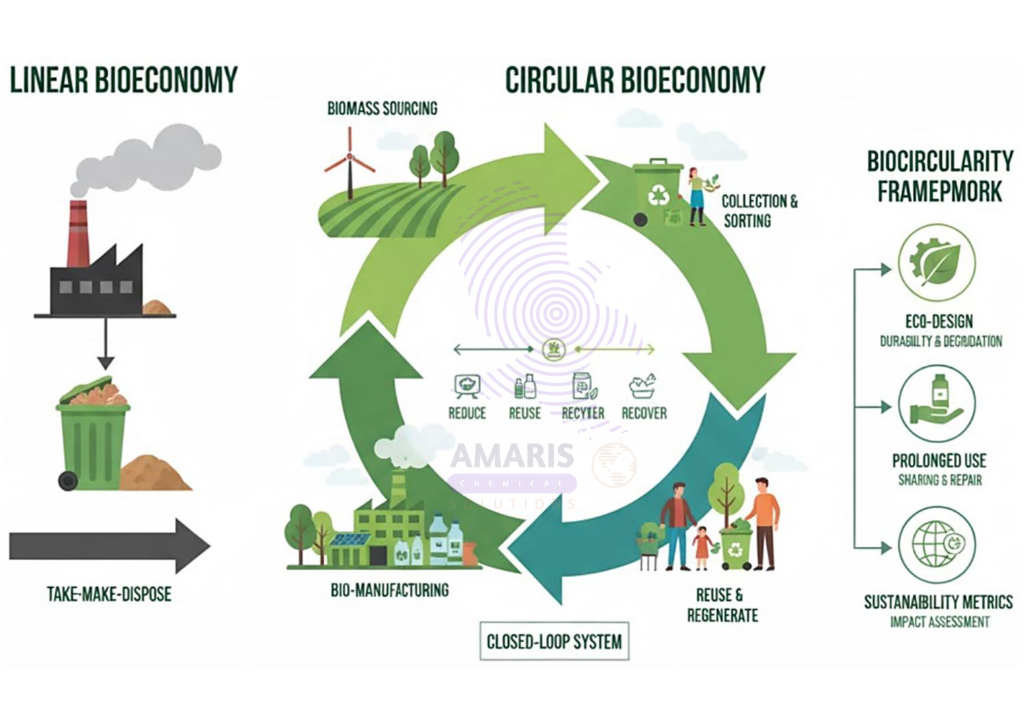
If a material can safely and consistently be recovered and reused, it may reduce the demand for virgin raw materials and lower disposal requirements. This supports more efficient manufacturing and contributes to the principles of the circular economy.
For manufacturers, identifying useful by-products can therefore turn what might initially appear to be a waste stream into a potential resource.
However, a material should not automatically be classified as a useful by-product simply because someone believes it might have value. Its properties, quality, intended use, safety, and applicable regulatory requirements must all be considered.
From Waste to Resource ♻️
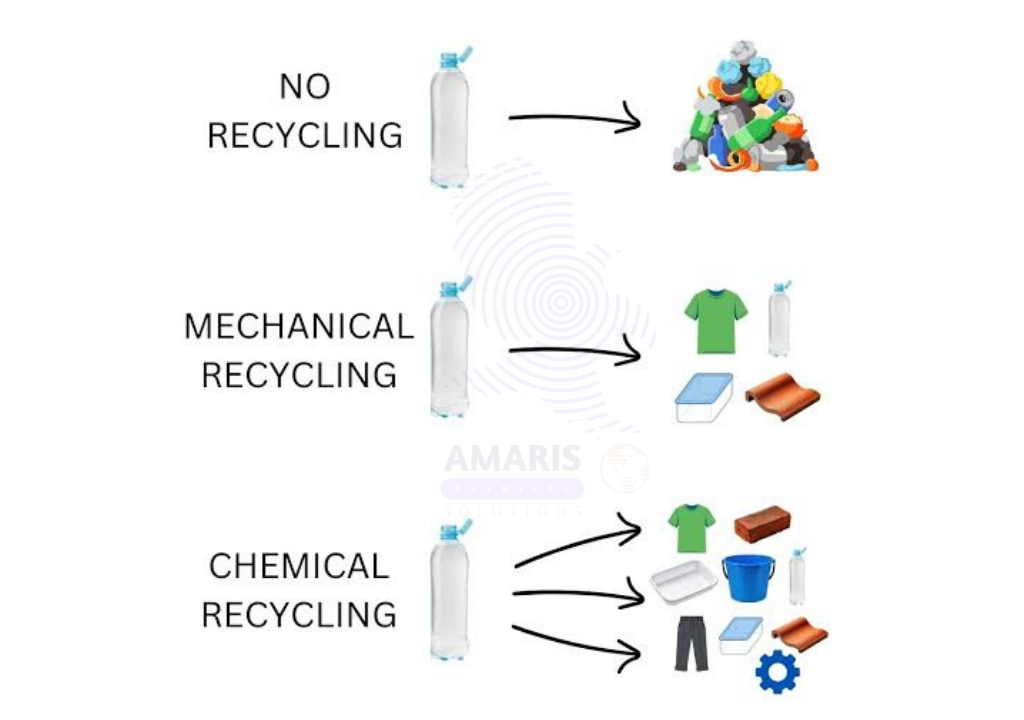
Modern manufacturing is increasingly focused on finding ways to prevent waste rather than simply managing it after production.
A company may investigate whether a secondary chemical can be recovered, purified, reused within the same facility, or supplied to another industry. This approach can improve material efficiency while potentially reducing disposal costs.
Industrial symbiosis takes this idea even further, with the waste or by-product from one industrial process becoming a useful input for another process.
This can create connections between different industries and help keep valuable materials in circulation.
What About Chemical Safety?
Whether a material is classified as waste or a by-product, safety remains essential.
A secondary material should be properly identified and its chemical properties understood before it is stored, transported, reused, or supplied to another user. Appropriate documentation, labelling, storage conditions, and handling procedures are important.
Testing may also be necessary to determine composition, purity, contamination levels, or suitability for a particular application. 🔬
This is especially important when materials contain hazardous substances or when their composition can vary between production batches.
The Role of Better Process Design
One of the most effective ways to reduce chemical waste is to improve the production process itself.
Better raw-material selection, optimized formulations, improved reaction efficiency, accurate process control, and appropriate recovery systems can reduce the quantity of unwanted materials generated.
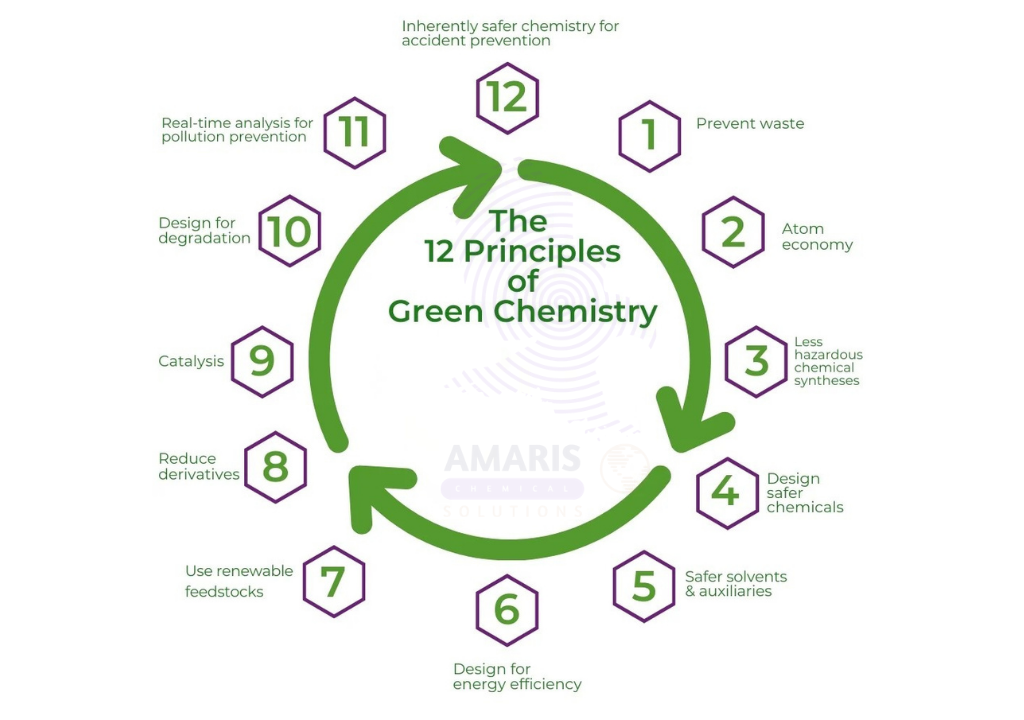
This connects closely with green chemistry, which emphasizes preventing waste at its source rather than relying solely on treatment and disposal after it has been created. 🌱
Building a More Circular Chemical Industry
Chemical waste and chemical by-products are not necessarily the same thing. Waste generally requires appropriate management because it no longer has a useful intended purpose, while a by-product may have value and a defined application.
Understanding this difference can help businesses identify opportunities for recovery, reuse, recycling, and resource efficiency while maintaining appropriate safety and regulatory controls.
For Kenya and the wider African chemical industry, improving the management of secondary materials could support more efficient manufacturing and contribute to a more circular industrial economy.
The future of chemical manufacturing is not simply about producing more. It is also about using resources more intelligently, minimizing waste, and finding value in materials that were once overlooked. 🧪♻️🌍