

 Preservatives(food)
 Flavor Enhancers
 Acidulants
 Sweeteners
 Antioxidants
 Colorants(food)
 Nutraceutical Ingredients (food)
 Nutrient Supplements
 Emulsifiers
 Collectors
 Dust Suppressants
 Explosives and Blasting Agents
 Flocculants and Coagulants
 Frothers
 Leaching Agents
 pH Modifiers
 Precious Metal Extraction Agents
 Antioxidants(plastic)
 Colorants (Pigments, Dyes)
 Fillers and Reinforcements
 Flame Retardants
 Monomers
 Plasticizers
 Polymerization Initiators
 Stabilizers (UV, Heat)
 Antifoaming Agents
 Chelating Agents
 Coagulants and Flocculants
 Corrosion Inhibitors
 Disinfectants and Biocides
 Oxidizing Agents
 pH Adjusters
 Scale Inhibitors( water)
 Antioxidants(cosmetic)
 Emollients
 Fragrances and Essential Oils
 Humectants
 Preservatives
 Surfactants(cosmetic)
 Thickeners
 UV Filters
 Fertilizers
 Soil Conditioners
 Plant Growth Regulators
 Animal Feed Additives
 Biostimulants
 Pesticides (Herbicides, Insecticides, Fungicides)
 Active Pharmaceutical Ingredients (APIs)
 Excipients
 Solvents(pharmaceutical)
 Antibiotics
 Antiseptics and Disinfectants
 Vaccine Adjuvants
 Nutraceutical Ingredients (pharmaceutical)
 Analgesics & Antipyretics
 Analytical Reagents
 Solvents(lab)
 Chromatography Chemicals
 Spectroscopy Reagents
 microbiology-and-cell-culture-reagents
 Molecular Biology Reagents
 Biochemical Reagents
 Inorganic and Organic Standards
 Laboratory Safety Chemicals
 Specialty Laboratory Chemicals(Special Laboratory Equipment)
 Demulsifiers
 Hydraulic Fracturing Fluids
 Scale Inhibitors(oil)
 Surfactants(oil)
 Drilling Fluids
 Dyes and Pigments
 Bleaching Agents
 Softening Agents
 Finishing Agents
 Antistatic Agents
 Admixtures
 Waterproofing Agents
 Sealants and Adhesives
 Curing Compounds
 Concrete Repair Chemicals
 Anti-Corrosion Coatings
 Surfactants(cleaning)
 Builders
 Enzymes
 Solvents (Cleaning)
 Fragrances
 Electronic Chemicals
 Catalysts
 Lubricants
 Photographic Chemicals
 Refrigerants
 Automotive chemicals
 Pyrotechnic Chemicals
 Biodegradable Surfactants
 Bio-based Solvents
 Renewable Polymers
 Carbon Capture Chemicals
 Wastewater Treatment Chemicals
 Pigments
 Solvents(paint)
 Specialty Coatings
 Binders/Resins
 Additives
 Driers
 Anti-Corrosion Agents
 Functional Coatings
 Application-Specific Coatings
 Leavening Agents
 Dough Conditioners
 Flour Treatments
 Fat Replacers
 Decoratives
 Preservatives(baking)
 Plasticizers & Softeners
 Reinforcing Agents
 Adhesion Promoters
 Vulcanizing Agents
 Antidegradants
 Blowing Agents
 Fillers & Extenders
 Accelerators & Retarders
















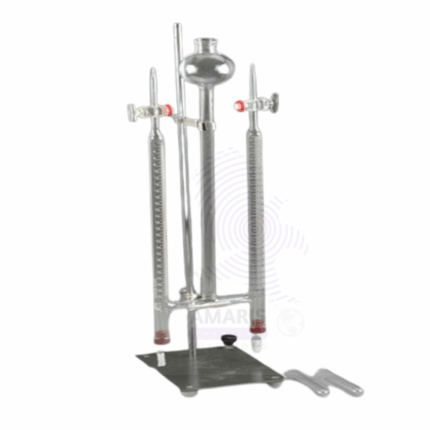
Hoffman Voltameter
Hoffman Voltameter is a specialized laboratory apparatus used to demonstrate and measure the electrolysis of water into hydrogen and oxygen gases. It consists of a central reservoir connected to two vertical graduated gas-collection tubes (electrodes) and is typically made from borosilicate glass for chemical resistance and clarity. Platinum or carbon electrodes are used at the base of each tube to conduct electric current. This apparatus is widely used in chemistry and physics education to visually demonstrate the principles of electrolysis, electrochemical reactions, gas laws, and stoichiometry.
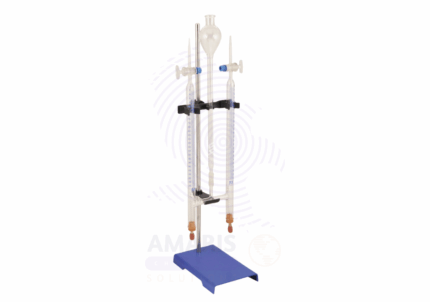
Hoffman Voltameter Complete
Hoffman Voltameter Complete is a comprehensive electrolysis apparatus designed for the demonstration and measurement of water decomposition into hydrogen and oxygen gases. The complete setup includes a borosilicate glass main body with two graduated vertical tubes, platinum or carbon electrodes, rubber stoppers or connections, and an electrode support stand for stability. It is widely used in educational, research, and analytical settings to demonstrate the fundamental principles of electrolysis, redox reactions, and gas laws. The apparatus allows for accurate measurement of the gas volumes produced, typically in a 2:1 hydrogen-to-oxygen ratio, verifying stoichiometric relationships in chemical reactions.
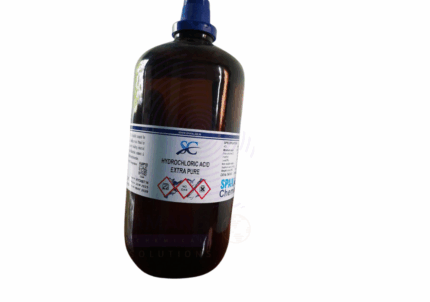
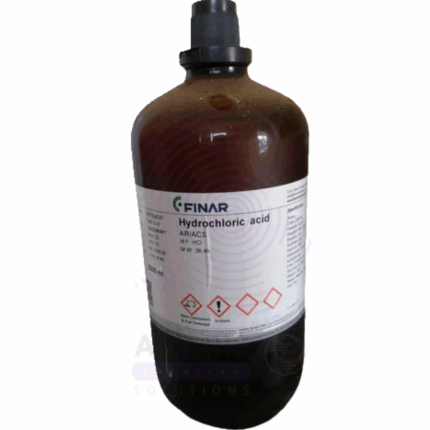
Hydrochloric Acid Extra Pure
Hydrochloric Acid Extra Pure is a highly concentrated and refined form of HCl, known for its exceptional purity and reliability in laboratory and analytical applications. This strong, corrosive mineral acid is commonly used for pH regulation, sample digestion, metal cleaning, and inorganic compound synthesis. Its extra pure grade ensures minimal impurities, making it suitable for high-precision chemical analysis, reagent preparation, and critical industrial processes. Due to its reactive and volatile nature, it must be handled with care under well-ventilated conditions and stored in corrosion-resistant containers.
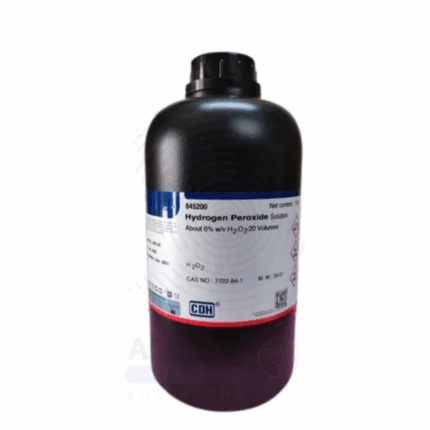
Hydrogen Peroxide Extra Pure
Hydrogen Peroxide Extra Pure is a clear, colorless liquid widely used as a strong oxidizing agent in laboratory and industrial settings. This high-purity grade ensures minimal contamination, making it ideal for analytical chemistry, disinfection, bleaching, and redox reactions. In research labs, it serves as a reliable reagent for oxidation processes and sterilization. Its extra pure formulation enhances consistency and accuracy in sensitive procedures. Due to its reactive and potentially unstable nature, it should be stored in cool, dark conditions in vented containers and handled with appropriate protective equipment.
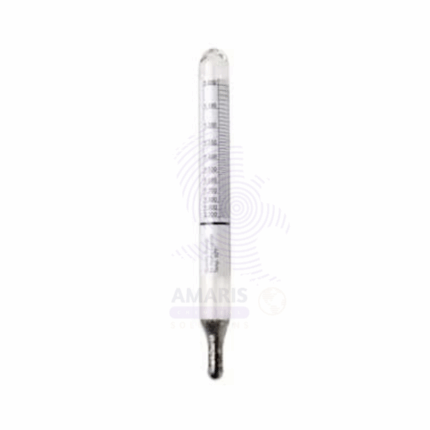
Hydrometer Heavy and Light
Hydrometer Heavy and Light is a laboratory instrument designed to measure the relative density (specific gravity) of liquids. It consists of a sealed, calibrated glass tube with a weighted bulb at the bottom to ensure vertical floating. The “heavy” hydrometer is used for measuring denser liquids, while the “light” hydrometer is used for measuring less dense liquids. These instruments are essential in laboratories, industry, and education for determining concentration levels, purity, and solution characteristics across various fluid types. Each hydrometer is calibrated to float at a specific level based on the liquid's density, making it a reliable tool for quick and accurate measurements.
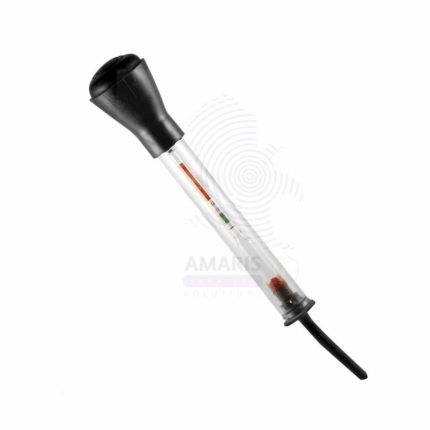
Hydrometer Simple Battery Tester
Hydrometer Simple Battery Tester is a compact, user-friendly device designed to measure the specific gravity of electrolyte solutions in lead-acid batteries. It consists of a transparent body, a suction bulb, and a calibrated float indicator that shows the state of battery charge based on electrolyte density. This simple hydrometer provides a fast and visual way to assess the health and charge level of automotive, industrial, or backup power batteries. Constructed from chemically resistant plastic or glass, it is durable, portable, and ideal for both professional and personal battery maintenance applications.
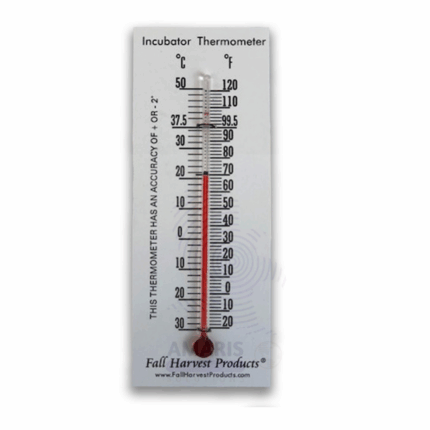
Incubator Thermometer
Incubator Thermometer is a precision temperature-measuring instrument specifically designed for use in laboratory and medical incubators. It provides accurate and consistent readings within the temperature range typically required for biological growth, microbial cultures, egg incubation, or chemical reactions. These thermometers are usually made from high-grade glass or digital components and come with a clear, easy-to-read scale calibrated in degrees Celsius (°C). Some models may be filled with alcohol or other safe fluids instead of mercury. They are essential for monitoring and maintaining optimal incubation conditions to ensure experimental accuracy and biological viability.
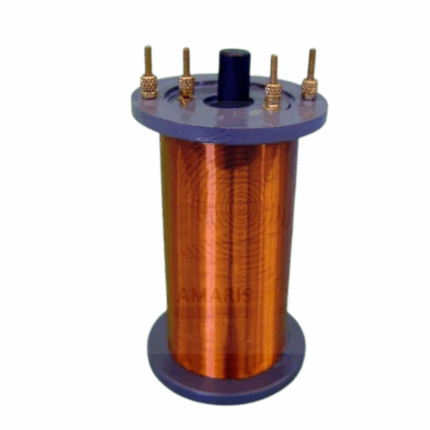
Induction Coil
Induction Coil is an electrical device used to generate high-voltage pulses from a low-voltage direct current (DC) supply. It typically consists of two coils of insulated wire (primary and secondary) wound around a shared iron core. When current is interrupted in the primary coil, a high voltage is induced in the secondary coil through electromagnetic induction. Induction coils are crucial in physics education, laboratory experiments, and ignition systems for demonstrating and utilizing high-voltage phenomena. They are widely used in applications involving spark generation, ionization, and electromagnetic studies.
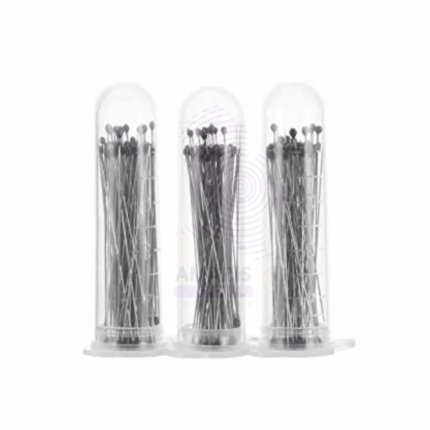
Insect Needle
Insect Needle is a specialized fine-pointed needle used in entomology and biological laboratories for mounting, dissecting, or manipulating small insects and delicate biological specimens. These needles are typically made from stainless steel or nickel-plated steel and are mounted on lightweight plastic or wooden handles for precise control. Insect needles are essential tools in taxonomy, specimen preparation, and microscopic analysis. Available in various gauges and lengths, they allow researchers to pin, sort, or dissect fragile insect bodies without causing damage.
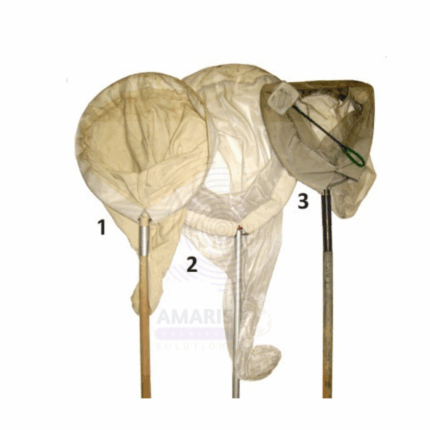
Insect Net
Insect Net is a specialized tool used for capturing flying or crawling insects for study, collection, or observation. It typically consists of a lightweight, durable mesh net attached to a long handle, allowing the user to sweep through the air or vegetation with minimal resistance. The mesh is fine enough to trap small insects without harming them, making it ideal for entomological fieldwork, biodiversity surveys, and educational demonstrations. Insect nets are essential in zoology, ecology, and pest control studies for collecting live specimens for classification, behavioral observation, or laboratory analysis.
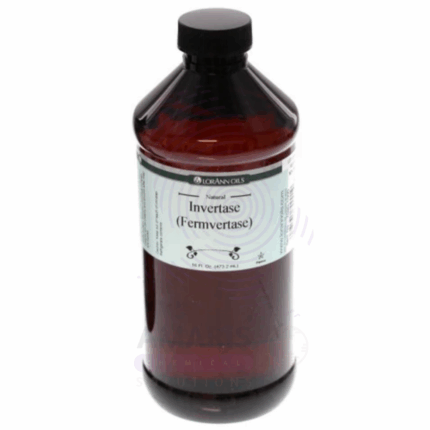
Invertase Extra Pure
Invertase Extra Pure is a high-grade enzyme preparation that catalyzes the hydrolysis of sucrose into glucose and fructose. Valued for its exceptional purity and enzymatic activity, it is extensively used in biochemical research, food analysis, and industrial applications where accurate sugar conversion is critical. This enzyme plays a crucial role in fermentation processes, enzymatic assays, and carbohydrate studies. Its stability and efficiency make it a preferred choice in laboratories requiring consistent, reproducible results. For best performance, it should be stored in a cool, dry place and handled with care to preserve its enzymatic integrity.
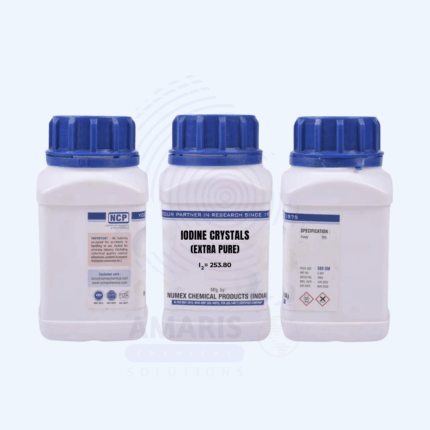
Iodine Crystals Extra Pure
Iodine Crystals Extra Pure are dark violet, lustrous flakes known for their high purity and reliable reactivity. They are widely used in analytical chemistry, pharmaceutical formulations, and as a key reagent in iodine value determination, starch testing, and microbial staining. Their antiseptic properties also make them useful in disinfection and laboratory microbiology. Due to their sublimation tendency, iodine crystals should be stored in tightly sealed containers in a cool, dry, and well-ventilated area. Their purity ensures minimal contamination, making them ideal for precision work in research and educational laboratories.
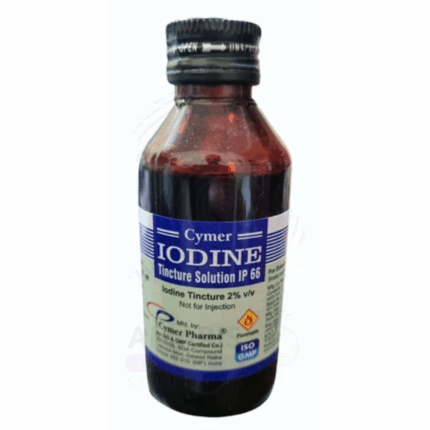
Iodine Tincture Extra Pure
Iodine Tincture Extra Pure is a high-quality antiseptic solution composed of elemental iodine dissolved in a mixture of alcohol and potassium iodide. It is widely used for disinfecting wounds, sterilizing skin before medical procedures, and as a laboratory reagent in various analytical and microbiological applications. Its fast-acting antimicrobial properties make it effective against bacteria, viruses, and fungi. In laboratory settings, it serves as a reliable indicator and staining agent. Due to its volatility and staining nature, the tincture should be handled with care and stored in tightly closed, amber-colored bottles to preserve stability and prevent degradation.
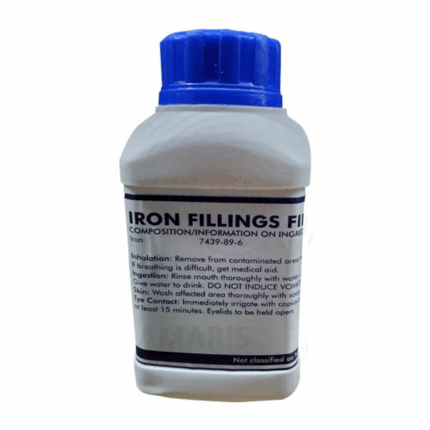
Iron Fillings Extra Pure
Iron Fillings Extra Pure consist of finely divided iron particles produced from high-grade iron, offering high purity and excellent reactivity. These filings are widely used in educational laboratories for demonstrating magnetic field lines and for experiments involving magnetism and ferromagnetism. In chemical reactions, they serve as a convenient source of iron for redox and displacement reactions. Their consistent particle size and minimal impurities make them suitable for analytical applications, metallurgical studies, and various industrial processes where controlled iron content is required. Iron fillings should be stored in a dry environment to prevent oxidation and rust formation.
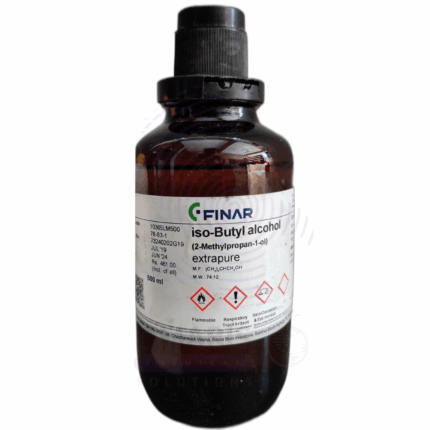
Isobutyl Alcohol Extra Pure
Isobutyl Alcohol Extra Pure is a high-purity, branched-chain aliphatic alcohol with the chemical formula C₄H₁₀O. It appears as a clear, colorless liquid with a characteristic odor and is highly soluble in organic solvents while only moderately soluble in water. This compound is commonly used in laboratories as a solvent for resins, oils, and other organic compounds, as well as in the synthesis of esters and plasticizers. Due to its volatility and purity, Isobutyl Alcohol is valuable in analytical procedures, chemical research, and as a standard in gas chromatography. Proper storage in tightly sealed containers away from heat and ignition sources is essential due to its flammability.
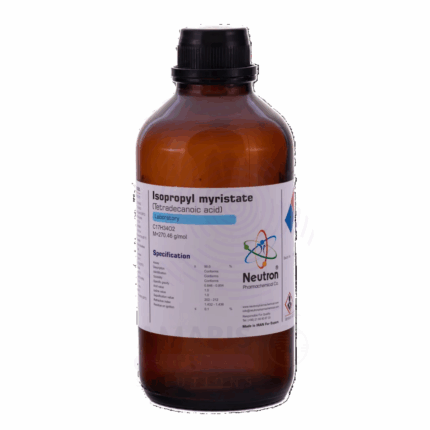
Isopropyl Myristate Extra Pure
Isopropyl Myristate Extra Pure is a high-purity ester derived from isopropyl alcohol and myristic acid, commonly used for its excellent solvent and emollient properties. It appears as a colorless to slightly yellow, oily liquid with a faint odor. In laboratory and cosmetic settings, it serves as a solvent and carrier for active ingredients, particularly in topical formulations, where it enhances skin absorption without leaving a greasy residue. Its purity makes it suitable for precise formulation work in pharmaceutical, cosmetic, and personal care research. Isopropyl Myristate is also used in the preparation of perfumes and as a penetration enhancer in transdermal drug delivery systems.
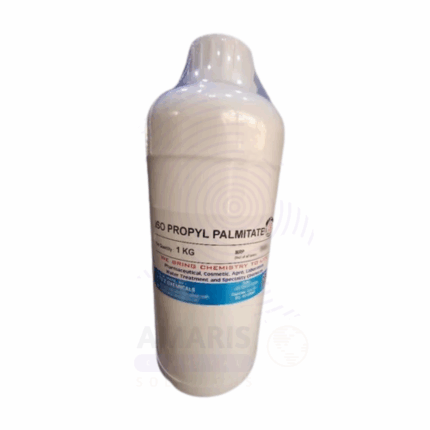
Isopropyl Palmitate Extra Pure
Isopropyl Palmitate Extra Pure is a highly refined ester of isopropyl alcohol and palmitic acid, known for its exceptional emollient, spreading, and moisturizing properties. This clear, colorless to pale yellow liquid is widely used in laboratory formulations focused on cosmetic, pharmaceutical, and personal care research. It is especially valued for its ability to impart a smooth, silky texture without an oily feel, making it ideal for lotions, creams, and topical products. In experimental applications, Isopropyl Palmitate serves as a non-greasy carrier, solvent, or skin-conditioning agent, aiding in the delivery of active compounds through the skin. Its extra pure grade ensures consistent performance and minimal impurities for sensitive applications.

Italtext Premium Extra Pure
Italtext Premium Extra Pure is a specialized industrial-grade formulation designed for high-performance cleaning, degreasing, or maintenance applications in laboratories, workshops, and technical environments. Known for its powerful action and superior purity, it effectively breaks down heavy soils, stubborn residues, and oily contaminants without compromising sensitive surfaces. This heavy-duty product is ideal for use in precision equipment care, lab bench sanitation, and pre-treatment of surfaces requiring strict cleanliness. Its “Extra Pure” classification guarantees consistent results with minimal interference in analytical or sensitive processes, making it a reliable choice for demanding professional settings.

Italtext Premium Heavy Duty
Italtext Premium Heavy Duty is a robust, high-quality laboratory apparatus engineered for rigorous and extended use in demanding lab environments. Designed with durability and stability in mind, this heavy-duty apparatus supports a wide range of laboratory operations, from analytical procedures to sample processing. Its premium construction ensures consistent performance under mechanical stress, high-frequency use, and exposure to chemicals. Ideal for laboratory professionals requiring reliable and long-lasting equipment, Italtext Premium offers an optimal balance of strength, precision, and ergonomic handling in both research and industrial settings.
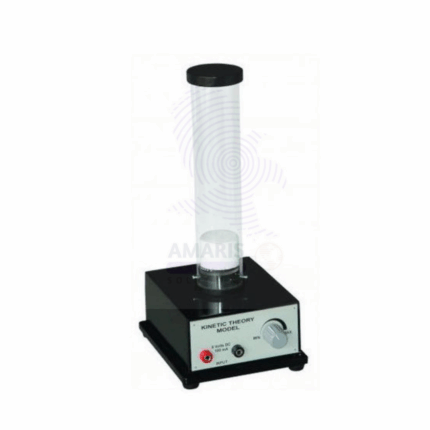
Kinetic Theory Model
The Kinetic Theory Model is a precise and educational laboratory apparatus designed to demonstrate and simulate the fundamental principles of kinetic theory in gases. This model helps visualize the behavior of gas particles, including motion, collisions, and pressure relationships, making it an essential tool in physics and chemistry laboratories. Constructed with durable materials for repeated classroom or research use, it provides clear and accurate representation of particle dynamics under varying conditions such as temperature and volume. Widely used in academic institutions and research centers, the Kinetic Theory Model supports deeper understanding of thermodynamic principles and molecular motion.
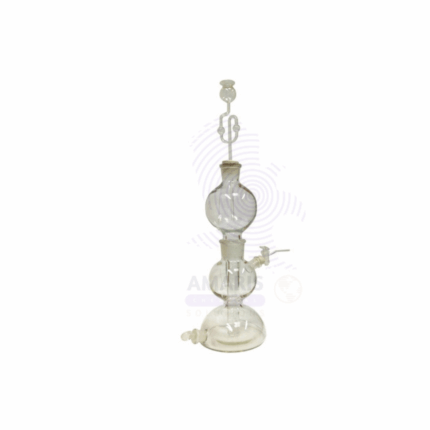
Kipps Apparatus Glass
Kipps Apparatus Glass is a classic laboratory apparatus designed for the generation of gases through controlled chemical reactions. Made from high-quality, chemically resistant glass, it provides durability and clear visibility of internal reactions. The apparatus features multiple chambers that allow reactants to combine safely, generating gases such as hydrogen sulfide, hydrogen, or carbon dioxide on demand. Commonly used in educational and research laboratories, the glass construction ensures resistance to chemical corrosion and thermal stress, making it ideal for repeated use in qualitative and quantitative gas experiments.
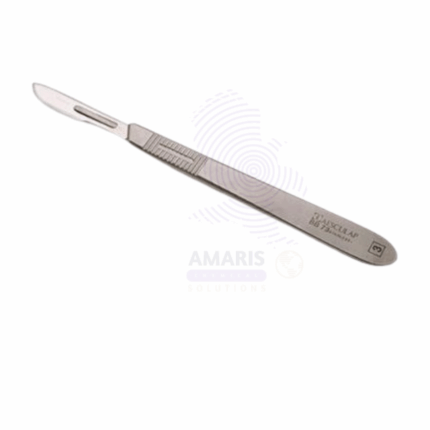
Knife Edge Scalpel
The Knife Edge Scalpel is a precision cutting instrument designed for fine dissection and surgical procedures in laboratory and medical settings. Featuring an extremely sharp, tapered blade with a knife-edge profile, this scalpel ensures clean, accurate cuts with minimal tissue damage. Constructed from high-quality stainless steel or specialized alloys, the Knife Edge Scalpel offers excellent corrosion resistance and durability. It is widely used in pathology, biological research, microsurgery, and other applications requiring meticulous cutting performance.
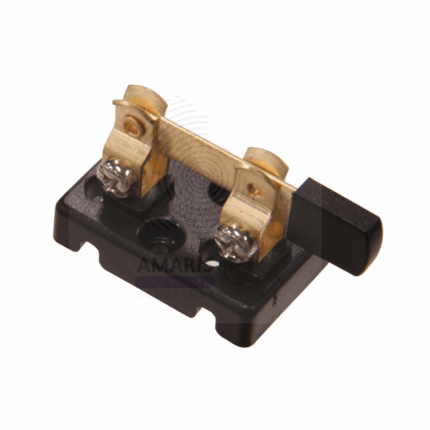
Knife Switch
The Knife Switch is a durable, manually operated electrical switch designed for controlling the flow of current in low to medium voltage circuits. Featuring a robust metal lever (the "knife") that pivots into a contact, this switch provides a visible break in the circuit, making it ideal for both safety and operational clarity in laboratory, educational, and industrial electrical applications. Constructed from high-quality, corrosion-resistant materials, the Knife Switch ensures reliable operation and easy maintenance. It is widely used for isolating electrical equipment, testing circuits, and demonstrating electrical principles in academic and research environments.
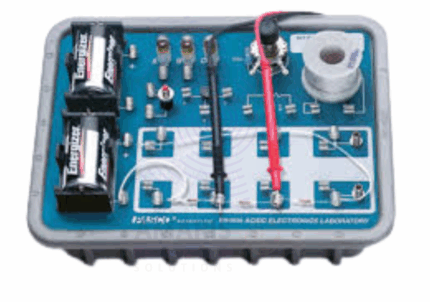
Lab Circuit Boards
Lab Circuit Boards are precision-engineered platforms designed for assembling, testing, and experimenting with electrical and electronic circuits in educational and research laboratory settings. These boards provide a versatile and reusable foundation for constructing complex circuits, enabling hands-on learning and rapid prototyping. Made from durable, insulating materials with conductive pathways, lab circuit boards facilitate easy insertion and removal of components such as resistors, capacitors, ICs, and wires. Widely used in physics, electronics, and engineering laboratories, they support experimentation, troubleshooting, and demonstration of electronic principles.

Lab Coat
A Lab Coat is a protective garment worn primarily in laboratory, medical, and industrial environments to safeguard the wearer’s clothing and skin from hazardous substances, chemical splashes, biological contaminants, and other workplace hazards. Typically made from durable, breathable, and sometimes flame-resistant fabrics such as cotton, polyester, or blended materials, lab coats provide an essential barrier during experiments, clinical work, and manufacturing processes. Designed with a comfortable fit and functional features like pockets and button or snap closures, lab coats promote safety and professionalism in various laboratory and healthcare settings.
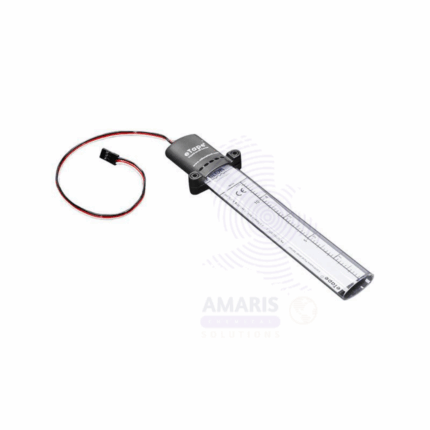
Lab liquid level
The Lab Liquid Level is a precision measuring instrument used to detect and indicate the level of liquids in laboratory containers, tanks, or systems. Designed for accuracy and ease of use, it helps scientists and technicians monitor fluid levels during experiments, processing, or storage. Typically constructed from chemically resistant materials, Lab Liquid Levels are compatible with various liquids including corrosive and volatile substances. They are essential tools for maintaining controlled conditions in chemical, pharmaceutical, and research laboratories.

Lab pinch clip
Lab Pinch Clips are small, spring-loaded clamps designed to securely hold flexible tubing, glassware joints, or small apparatus components in laboratory setups. Made from durable materials such as plastic or metal, these clips provide quick, reliable closure to prevent leaks, fluid flow, or contamination during experiments. They are widely used in chemistry, biology, and medical labs for tubing control, sealing connections, and ensuring the integrity of fluid systems. Their compact size and ease of use make them essential accessories for efficient laboratory workflow.
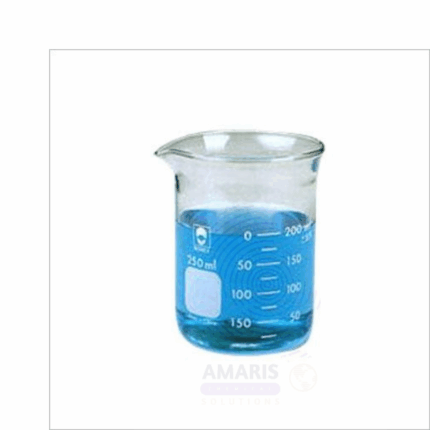
Laboratory beaker
Product Description
Laboratory Beakers are versatile cylindrical glass or plastic containers used widely in scientific laboratories for mixing, stirring, heating, and measuring liquids. Made typically from borosilicate glass or durable plastic, they offer excellent chemical resistance and thermal stability. Their wide mouths and spouted rims allow easy pouring and handling during experiments. Laboratory Beakers are fundamental lab apparatus for qualitative and quantitative analysis in chemistry, biology, and industrial research.

Laboratory beaker borosil
Laboratory Beaker Borosil is a high-quality, durable beaker made from borosilicate glass, renowned for its excellent chemical and thermal resistance. Designed for versatile use in laboratories, this beaker withstands rapid temperature changes and exposure to corrosive chemicals, making it ideal for heating, mixing, and chemical reactions. Its clear, transparent body allows easy observation of contents, and the spouted rim facilitates safe pouring. It is a fundamental tool in chemical, pharmaceutical, and research laboratories.

laboratory electric water bath
The Laboratory Electric Water Bath is a precision temperature-controlled apparatus used in laboratories to incubate samples in water at consistent temperatures. It features an electrically heated water reservoir with adjustable temperature settings, digital or analog controls, and safety features such as over-temperature protection. This device is essential for applications requiring uniform heating, such as incubation, warming reagents, melting solids, or enzymatic reactions. Constructed with corrosion-resistant materials and insulated housing, it provides stable temperature conditions for a wide range of laboratory procedures in chemical, biological, pharmaceutical, and industrial settings.
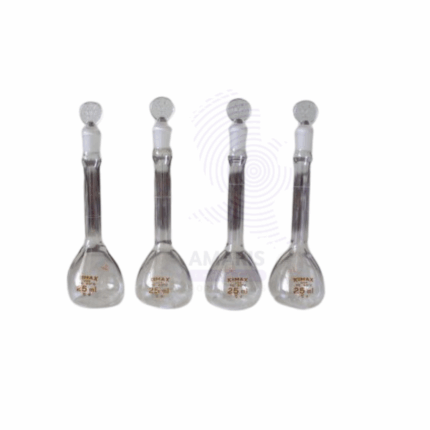
laboratory glass Volumetric flask with glass stopper
Laboratory Glass Volumetric Flask with Glass Stopper is a precision laboratory container used for preparing and measuring exact volumes of liquid solutions. Made from chemically resistant borosilicate glass, it features a flat bottom and a narrow neck with a precise calibration mark. The glass stopper ensures an airtight seal, preventing evaporation or contamination. Essential in analytical chemistry, pharmaceutical labs, and research, this flask allows accurate dilution, standard solution preparation, and volumetric analysis with high reliability and chemical stability.
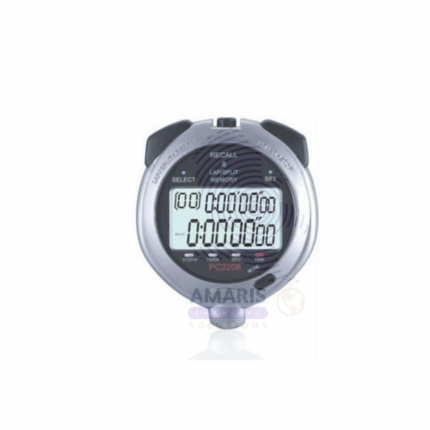
Laboratory stop watch
The Laboratory Stop Watch is a precision timing device used in laboratories to accurately measure time intervals during experiments and processes. Designed for reliability and ease of use, it features start, stop, and reset functions, often with digital or analog displays. This stopwatch is essential for kinetic studies, reaction timing, process control, and any experiment requiring precise time measurement. Durable and portable, it is suitable for various scientific, educational, and industrial laboratory applications.

Laboratory tripod stand
Laboratory Tripod Stand is a sturdy, three-legged support structure used in laboratories to hold and support equipment such as beakers, flasks, and crucibles during heating or experimental setups. Typically made from corrosion-resistant metal, it provides a stable base for apparatus over Bunsen burners or other heat sources. Its design facilitates even heating and secure positioning of lab glassware and equipment during various chemical, biological, and industrial procedures.
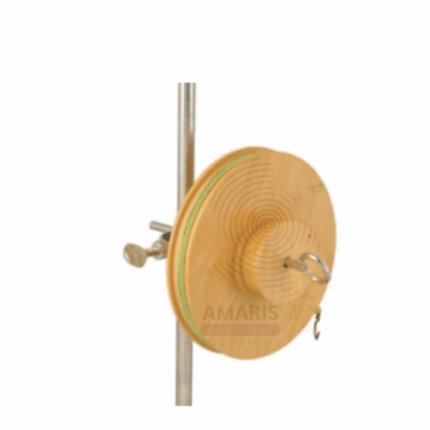
Laboratory wheel and axel
The Laboratory Wheel and Axle is a mechanical apparatus used in physics and engineering laboratories to demonstrate principles of rotational motion, mechanical advantage, and torque. It consists of a wheel attached to a central axle, allowing students and researchers to explore fundamental mechanics concepts. Constructed from durable materials, it is designed for educational demonstrations, experimental setups, and mechanical testing.
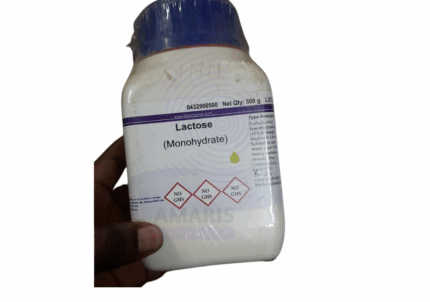
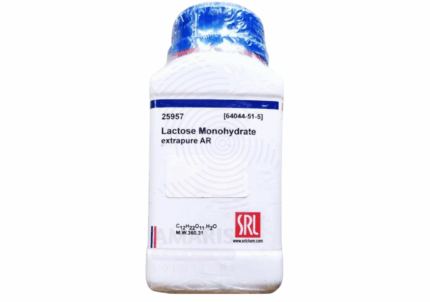
Lactose Monohydrate Extra Pure
Lactose Monohydrate Extra Pure is a high-purity, crystalline disaccharide composed of glucose and galactose, containing one molecule of water per lactose unit. It is widely used in laboratory settings for biochemical research, nutrient media preparation, and as an excipient in pharmaceutical formulation studies. Its consistent solubility and stability make it ideal for carbohydrate analysis, fermentation experiments, and as a mild reducing sugar in analytical reactions. The extra pure grade ensures low impurity levels, supporting accurate and reproducible results in sensitive scientific applications. Proper storage in a cool, dry environment is essential to maintain its crystalline form and prevent caking.
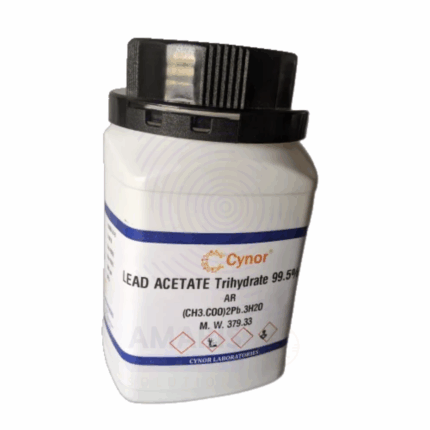
Lead Acetate Extra Pure
Lead Acetate Extra Pure is a crystalline compound with the chemical formula Pb(C₂H₃O₂)₂·3H₂O, often referred to as sugar of lead due to its sweet taste (though it is highly toxic). In laboratory environments, it is primarily used for analytical chemistry, precipitation reactions, and as a reagent for detecting hydrogen sulfide gas, with which it forms black lead sulfide. It is also utilized in organic synthesis and historical pigment studies. Due to its toxicity, handling requires strict safety measures, including gloves, goggles, and proper ventilation. Its extra pure grade ensures minimal contaminants, making it suitable for precise experimental procedures.
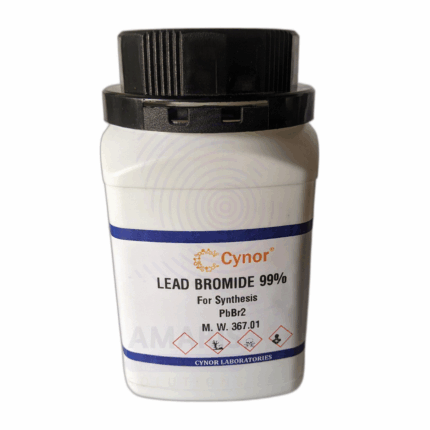
Lead Bromide Extra Pure
Lead Bromide Extra Pure is a high-purity inorganic compound with the formula PbBr₂, appearing as a white to pale yellow crystalline solid. It is commonly used in laboratory settings for materials research, particularly in the development of photovoltaic cells, optoelectronic devices, and perovskite-based semiconductors. In analytical chemistry, it can serve as a reagent or intermediate in complex synthesis. Due to its low solubility in water and its thermal properties, it is also explored in crystal growth studies. As with all lead compounds, strict safety precautions must be observed during handling due to its toxic nature.
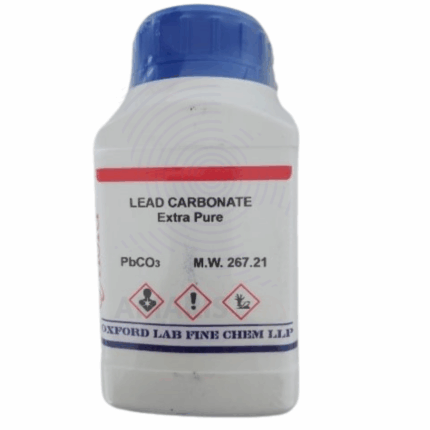
Lead Carbonate Extra Pure
Lead Carbonate Extra Pure is a fine white powder with the chemical formula PbCO₃, valued for its high purity and stability. Historically known as "white lead," it has been used as a pigment in paints, though this application is now limited due to its toxicity. In modern laboratory and industrial settings, it is primarily used in chemical synthesis, ceramics, and material science research. Lead carbonate plays a role in catalyst preparation and in the manufacture of other lead compounds. Its insolubility in water makes it useful in specific controlled-reaction systems. Proper protective measures are essential when handling this compound due to the health risks associated with lead exposure.
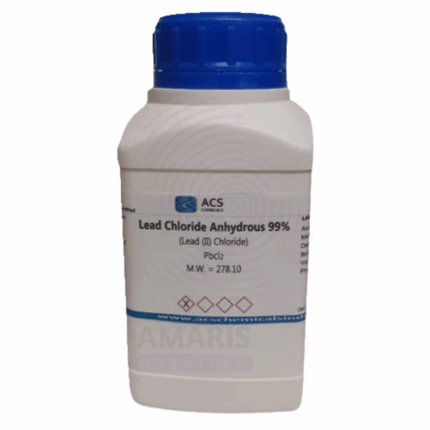
Lead Chloride Anhydrous Extra Pure
Lead Chloride Anhydrous Extra Pure is a white crystalline compound with the chemical formula PbCl₂, offered in its high-purity, moisture-free form for specialized applications. It is only sparingly soluble in cold water but dissolves more readily in hot water, forming a clear solution upon heating. This compound is used in laboratory synthesis, particularly in the preparation of other lead-based reagents, and plays a role in ceramic glazing, pigment production, and electrochemical processes. In research, it is also employed in photographic materials, optical devices, and inorganic analysis. Due to the toxic nature of lead compounds, strict safety protocols are necessary during storage and handling.
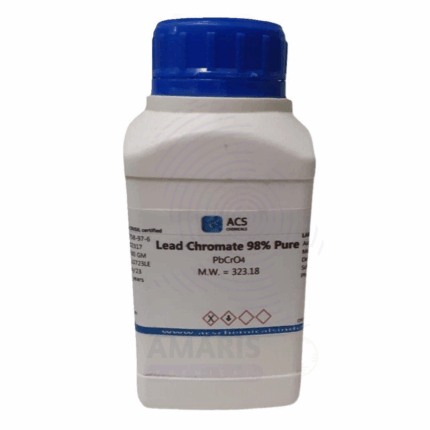
Lead Chromate Extra Pure
Lead Chromate Extra Pure is a bright yellow crystalline powder with the chemical formula PbCrO₄, known for its vivid pigmentation and high stability. This high-purity grade is commonly used in analytical laboratories, academic research, and historical pigment studies, particularly in the creation of reference standards and specialized reactions. It was historically used as a pigment (chrome yellow) in paints, plastics, and ceramics, although such applications have declined due to toxicity concerns. Lead chromate remains relevant in educational demonstrations, qualitative analysis, and scientific formulations where precise chemical behavior is required. Due to its carcinogenic and toxic nature, it must be handled with appropriate protective equipment and stored securely.
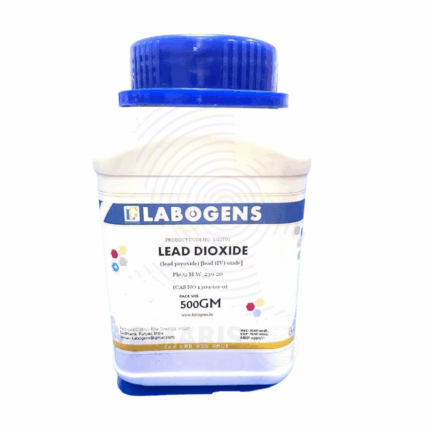
Lead Dioxide Extra Pure
Lead Dioxide Extra Pure is a dark brown or black crystalline powder with the chemical formula PbO₂, recognized for its strong oxidizing properties and high purity suitable for laboratory-grade applications. This compound is primarily used in electrochemical experiments, oxidation reactions, and battery research, especially in the development and maintenance of lead-acid batteries where it functions as the active material on the positive plate. In analytical chemistry, it is employed as an oxidizing agent and for synthesizing other lead compounds. Its stability and performance under controlled conditions make it valuable for advanced scientific research and industrial formulation trials. Due to its toxic and environmentally hazardous nature, strict safety protocols are necessary during handling and disposal.
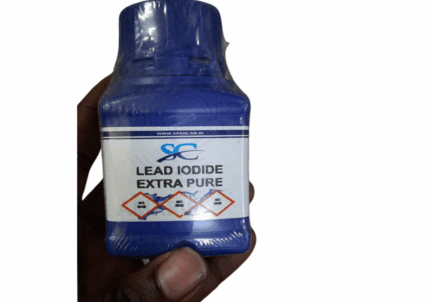
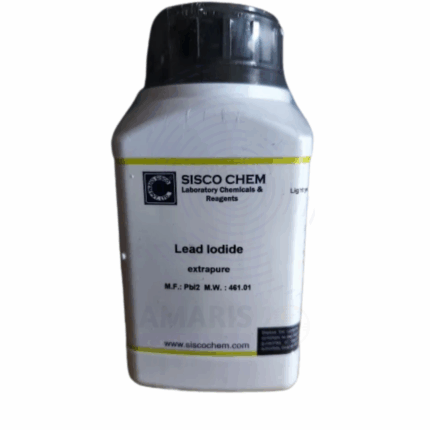
Lead Iodide Extra Pure
Lead Iodide Extra Pure is a bright yellow crystalline compound with the formula PbI₂, known for its striking color and high chemical purity, making it ideal for laboratory and research use. It is commonly used in materials science, especially in the fabrication of perovskite solar cells and semiconductors, due to its optical properties and ability to form thin films. In academic research, it plays a role in crystal growth experiments, and its distinct color change upon heating serves as a classic demonstration in chemistry education. Owing to its lead content, appropriate handling precautions and environmental safeguards are essential when working with this compound.
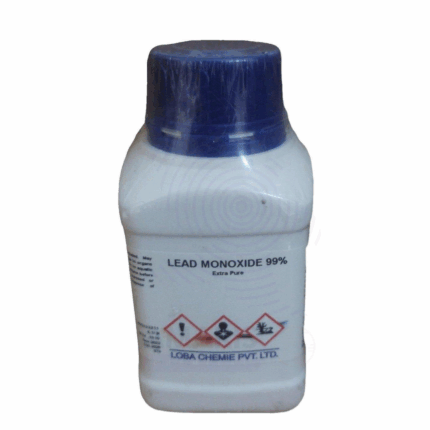
Lead Monoxide Extra Pure
Lead Monoxide Extra Pure, also known as litharge (PbO), is a fine yellow or reddish powder widely used in analytical chemistry and industrial processes. Its high purity makes it suitable for laboratory-grade reactions, especially in the manufacture of lead-based compounds, ceramics, glass, and batteries. In the ceramics and glass industries, it enhances the brilliance and stability of glazes and optical glass. In metallurgy, it is used as a fluxing agent during refining. Due to its toxicity and lead content, it requires strict safety handling procedures and controlled storage conditions to prevent contamination or exposure.
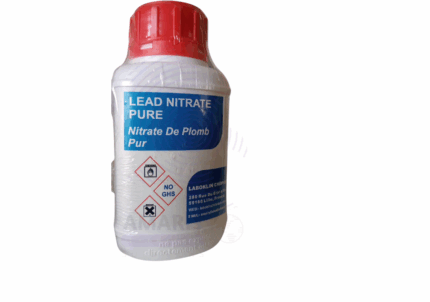
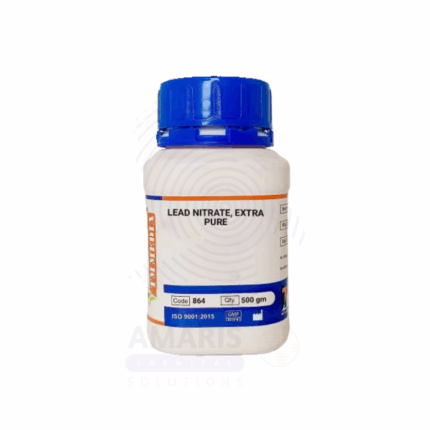
Lead Nitrate Extra Pure
Lead Nitrate Extra Pure is a white crystalline compound (Pb(NO₃)₂) known for its excellent solubility in water and reliable reactivity, making it a key reagent in analytical and industrial chemistry. It is frequently used in laboratory synthesis, qualitative analysis, and in the production of other lead compounds. In pyrotechnics, it's valued for its role as an oxidizing agent, while in metallurgy, it assists in gold leaching and ore processing. Its high purity ensures consistent performance in controlled experiments and manufacturing. Due to its toxic and oxidizing nature, it must be handled with careful PPE protocols and stored securely away from organics or combustible materials.
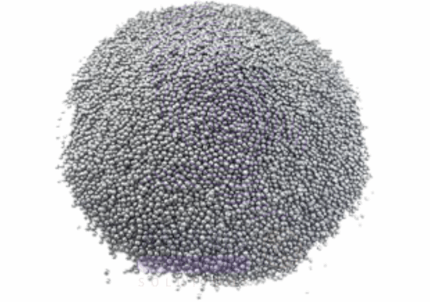
Lead Shot Extra Pure
Lead Shot Extra Pure consists of small, spherical pellets of high-purity lead, typically used in specialized industrial, laboratory, and ballistic applications. In laboratories, it serves as a dense, inert mass ideal for radiation shielding, counterweights, or ball-milling media due to its excellent malleability and high atomic mass. In metallurgy, it can be employed in alloy preparation or as a reducing agent under specific conditions. Its consistent size and purity make it especially useful where uniformity and minimal contamination are critical. Safe handling is essential, as lead is toxic, and prolonged exposure can pose serious health hazards. Proper PPE, ventilation, and disposal methods are mandatory.
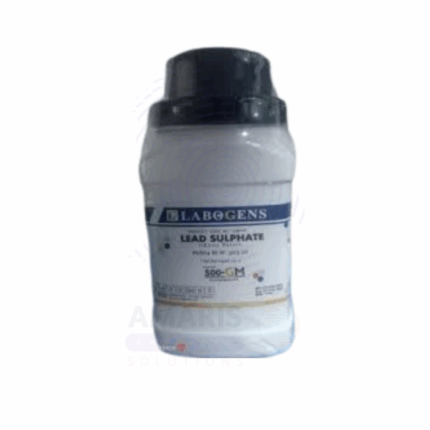
Lead Sulphate Extra Pure
Lead Sulphate Extra Pure is a fine, white crystalline powder composed of highly purified lead(II) sulfate (PbSO₄), valued for its stability and controlled chemical properties. It is primarily used in analytical chemistry, electrochemical research, and in the manufacture of lead-acid batteries, where it plays a key role in the discharge and recharge cycles. Its low solubility in water makes it suitable for precipitation reactions, and it's also utilized in the study of insoluble salts in academic laboratories. Despite its stability, lead sulphate is toxic if inhaled or ingested, and appropriate safety measures—such as gloves, masks, and proper ventilation—must be enforced during handling and storage.

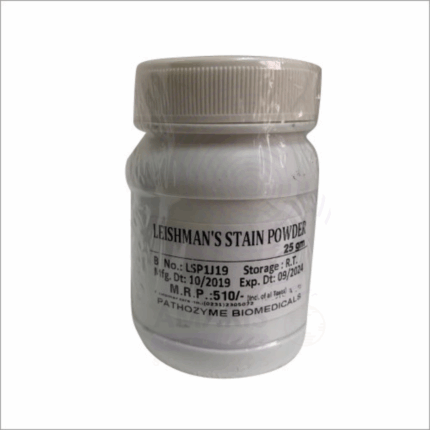
Leishman Stainpowder Extra Pure
Leishman Stainpowder Extra Pure is a high-quality, finely milled formulation used extensively in hematology and parasitology for the microscopic staining of blood smears. Comprising mainly methylene blue and eosin, this stain is essential for differentiating white and red blood cells, as well as detecting malarial parasites and other blood-borne pathogens. Its excellent staining clarity and consistency make it a staple in clinical laboratories, diagnostic centers, and research institutions. The powder is reconstituted in methanol before use and must be handled with care, avoiding inhalation or contact with skin and eyes. Proper storage in a dry, cool environment ensures long-term stability and performance.

Lens cleaning tissue
Lens Cleaning Tissue is a soft, lint-free paper designed specifically for cleaning optical lenses, microscope eyepieces, camera lenses, and other delicate glass or plastic surfaces. It effectively removes dust, fingerprints, oils, and smudges without scratching or leaving residue. Widely used in laboratories, photography, and electronics, lens cleaning tissue helps maintain clarity and prolong the lifespan of sensitive optical components.
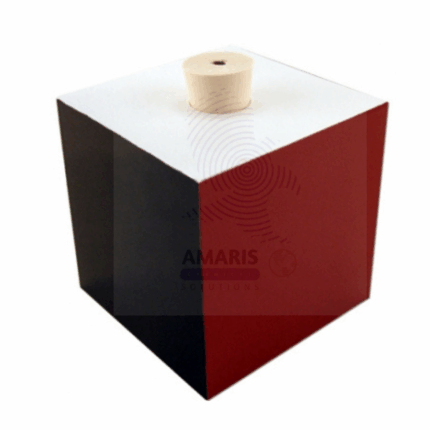
Leslie cubes
Leslie Cubes are metal cubes used in physics laboratories to demonstrate the principles of thermal radiation and emissivity. Each face of the cube has a different surface finish—such as polished, blackened, or white—which affects its heat radiation properties. When heated, Leslie Cubes allow students and researchers to observe how surface texture and color influence heat emission, making them essential for studies in thermodynamics and heat transfer.

Linear expansion apparatus
Linear Expansion Apparatus is a laboratory device used to measure the expansion of materials when heated. It helps in studying the thermal expansion properties of solids by precisely quantifying the change in length as temperature varies. Typically made from durable metals and fitted with precise measurement scales or sensors, this apparatus is essential in physics and materials science labs for investigating thermal behavior of materials.












