

 Preservatives(food)
 Flavors
 Acidulants
 Sweeteners
 Antioxidants
 Colorants(food)
 Nutraceutical Ingredients (food)
 Nutrient Supplements
 Emulsifiers
 Collectors
 Dust Suppressants
 Explosives and Blasting Agents
 Flocculants and Coagulants
 Frothers
 Leaching Agents
 pH Modifiers
 Precious Metal Extraction Agents
 Antioxidants(plastic)
 Colorants (Pigments, Dyes)
 Fillers and Reinforcements
 Flame Retardants
 Monomers
 Plasticizers
 Polymerization Initiators
 Stabilizers (UV, Heat)
 Antifoaming Agents
 Chelating Agents
 Coagulants and Flocculants
 Corrosion Inhibitors
 Disinfectants and Biocides
 Oxidizing Agents
 pH Adjusters
 Scale Inhibitors( water)
 Antioxidants(cosmetic)
 Emollients
 Oils
Oils Carrier Oills
 Essential Oils
 Humectants
 Preservatives
 Surfactants(cosmetic)
 Thickeners
 UV Filters
 Fertilizers
 Soil Conditioners
 Plant Growth Regulators
 Animal Feed Additives
 Biostimulants
 Pesticides (Herbicides, Insecticides, Fungicides)
 Active Pharmaceutical Ingredients (APIs)
 Excipients
 Solvents(pharmaceutical)
 Antibiotics
 Antiseptics and Disinfectants
 Vaccine Adjuvants
 Nutraceutical Ingredients (pharmaceutical)
 Analgesics & Antipyretics
 Analytical Reagents
 Solvents(lab)
 Chromatography Chemicals
 Spectroscopy Reagents
 microbiology-and-cell-culture-reagents
 Molecular Biology Reagents
 Biochemical Reagents
 Inorganic and Organic Standards
 Laboratory Safety Chemicals
 Specialty Laboratory Chemicals(Special Laboratory Equipment)
 Demulsifiers
 Hydraulic Fracturing Fluids
 Scale Inhibitors(oil)
 Surfactants(oil)
 Drilling Fluids
 Dyes and Pigments
 Bleaching Agents
 Softening Agents
 Finishing Agents
 Antistatic Agents
 Admixtures
 Waterproofing Agents
 Sealants and Adhesives
 Curing Compounds
 Concrete Repair Chemicals
 Anti-Corrosion Coatings
 Surfactants(cleaning)
 Builders
 Enzymes
 Solvents (Cleaning)
 Fragrances (Cleaning)
 Electronic Chemicals
 Catalysts
 Lubricants
 Photographic Chemicals
 Refrigerants
 Automotive chemicals
 Pyrotechnic Chemicals
 Biodegradable Surfactants
 Bio-based Solvents
 Renewable Polymers
 Carbon Capture Chemicals
 Wastewater Treatment Chemicals
 Pigments
 Solvents(paint)
 Specialty Coatings
 Binders/Resins
 Additives
 Driers
 Anti-Corrosion Agents
 Functional Coatings
 Application-Specific Coatings
 Leavening Agents
 Dough Conditioners
 Flour Treatments
 Fat Replacers
 Decoratives
 Preservatives(baking)
 Plasticizers & Softeners
 Reinforcing Agents
 Adhesion Promoters
 Vulcanizing Agents
 Antidegradants
 Blowing Agents
 Fillers & Extenders
 Accelerators & Retarders



















Emollients are moisturizing agents used in cosmetics and personal care products to soften, smooth, and hydrate the skin by forming a protective barrier that prevents moisture loss. Common emollients include natural oils (like jojoba or coconut oil), butters (such as shea or cocoa butter), and synthetic compounds (like silicones or fatty alcohols). They are key ingredients in lotions, creams, lip balms, and conditioners, helping to improve skin texture and relieve dryness. Emollients are especially beneficial for sensitive or eczema-prone skin, providing long-lasting hydration and improving skin elasticity.
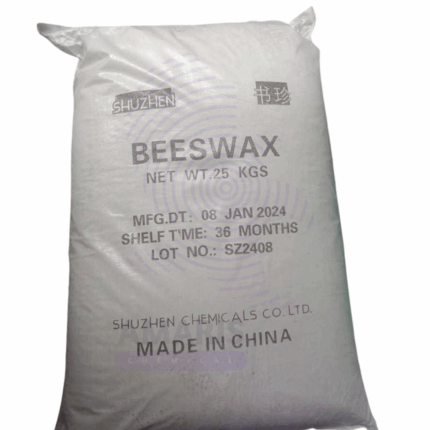
Beeswax
Beeswax is a natural wax produced by honeybees of the genus Apis. It is secreted by worker bees from specialized glands and used to build honeycomb cells. Beeswax is a complex mixture of esters, fatty acids, and hydrocarbons, characterized by a pale yellow to brown color, a pleasant honey-like aroma, and a firm yet pliable texture. It has excellent emulsifying, binding, and protective properties, making it widely used in cosmetics, pharmaceuticals, food, and industrial applications. Beeswax is prized for its natural origin, biodegradability, and skin-friendly characteristics.
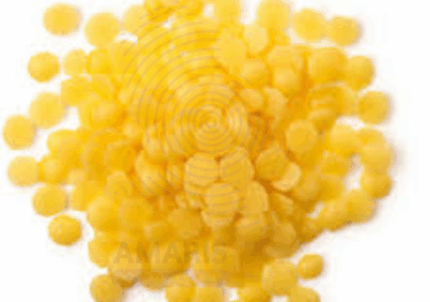
Candelilla Wax
Candelilla Wax is a natural vegetable wax derived from the leaves of the Euphorbia cerifera shrub, native to northern Mexico and the southwestern United States. It appears as a hard, brittle, light yellow to brown wax with a mild, characteristic odor. This wax is valued for its high melting point, gloss-enhancing properties, and excellent binding capabilities. It is widely used in cosmetics, pharmaceuticals, food, and industrial applications as a vegan alternative to beeswax. Its film-forming, emollient, and stabilizing attributes make it a multifunctional ingredient across several industries.
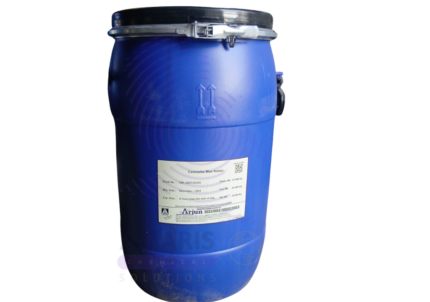
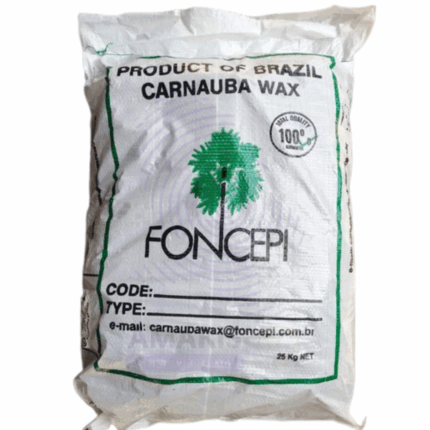
Carnauba Wax
Carnauba Wax is a natural vegetable wax obtained from the leaves of the Copernicia prunifera palm tree, native to northeastern Brazil. It appears as a hard, brittle, yellow to brownish-yellow wax with a faint, characteristic odor. Known as the “queen of waxes,” Carnauba Wax is prized for its exceptionally high melting point, glossy finish, and excellent hardness. It is a premium wax widely used in cosmetics, food, pharmaceuticals, automotive, and industrial applications as a natural, biodegradable alternative to synthetic waxes. Its film-forming, emulsifying, and protective properties make it highly versatile for use in coatings, polishes, and skincare products.
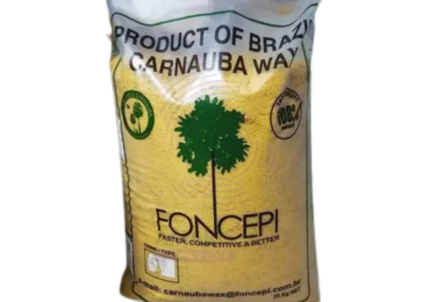
Carnauba Wax Prime Yellow
Carnauba Wax Prime Yellow, also known as Type 1 or Prime Yellow Grade, is the highest quality and purest form of carnauba wax derived from the leaves of the Copernicia cerifera palm tree, native to Brazil. It is a natural, vegetable-based wax prized for its exceptional hardness, high gloss, high melting point, and emulsification properties. Prime Yellow grade represents the finest classification, characterized by its light yellow to pale amber color, low impurities, and superior film-forming characteristics. It is obtained through a meticulous process of harvesting, drying, and processing the palm leaves to extract the waxy coating, which is then refined and graded. Carnauba Wax is often referred to as the "Queen of Waxes" due to its unique combination of properties unmatched by synthetic alternatives. Technical grade Carnauba Wax Prime Yellow is used across numerous industries for its ability to impart gloss, hardness, slip resistance, and moisture barrier properties. It is not intended for direct food consumption but is widely used in food-contact applications such as coatings and packaging.
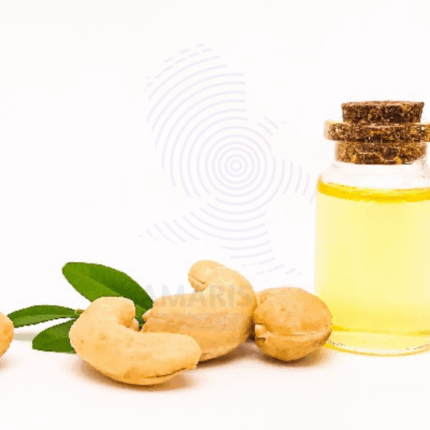
Cashew Nut Oil
Cashew Nut Oil is a light, golden to pale yellow oil extracted from the kernels of the cashew tree (Anacardium occidentale), native to tropical regions such as Brazil, India, and parts of Africa. The oil is obtained through cold-pressing or solvent extraction methods and is known for its emollient, antioxidant, and skin-conditioning properties.
Rich in oleic, linoleic, and palmitic acids, as well as vitamin E, phytosterols, and phenolic compounds, Cashew Nut Oil is used extensively in cosmetic and personal care applications, as well as in certain food and pharmaceutical formulations. Its light texture and high skin compatibility make it ideal for dry and sensitive skin, while its nutritive properties contribute to hair and scalp health.
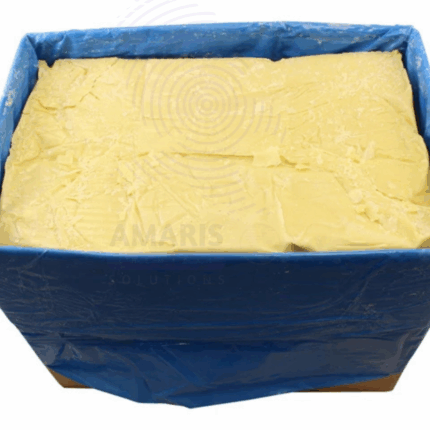
Cocoa Butter
Cocoa Butter, also known as Theobroma oil, is a pale-yellow, edible fat extracted from cocoa beans, primarily from Theobroma cacao. It has a smooth, creamy texture and a mild, characteristic chocolate aroma. Cocoa Butter is solid at room temperature but melts near body temperature, which gives it a luxurious feel when applied to skin or consumed. It is highly valued for its emollient, moisturizing, and protective properties. Cocoa Butter is widely used in cosmetics, pharmaceuticals, food, and confectionery industries. Its stable composition rich in fatty acids such as stearic, palmitic, and oleic acids imparts excellent oxidative stability and a long shelf life.
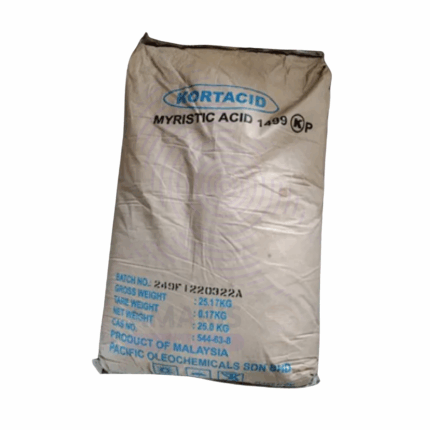
Myristic Acid
Myristic Acid is a saturated fatty acid with a 14-carbon chain, naturally found in nutmeg, coconut oil, palm kernel oil, and butter fat. It appears as a white crystalline solid with a faint odor. It is widely used in the manufacture of soaps, cosmetics, surfactants, and food additives due to its emollient and cleansing properties. Myristic Acid acts as a key intermediate in the production of esters, detergents, and lubricants.
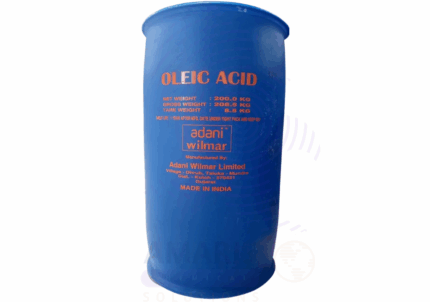
Oleic Acid
Oleic Acid is a naturally occurring monounsaturated fatty acid commonly derived from vegetable oils such as olive, sunflower, and canola oils. This oily liquid is widely used in the chemical, pharmaceutical, cosmetic, and food industries due to its excellent emollient, surfactant, and stabilizing properties. Oleic Acid 75% is a key raw material in manufacturing soaps, detergents, lubricants, and personal care products. Its amphiphilic nature makes it an effective emulsifier and penetration enhancer.

Safflower Oil
Safflower Oil is a high-quality, cold-pressed or expeller-extracted vegetable oil derived from the seeds of the Carthamus tinctorius plant. Pale yellow in color and light in texture, this oil is rich in linoleic and oleic acids, making it a valuable source of essential fatty acids. It is prized for its moisturizing, anti-inflammatory, and antioxidant properties and has been used for centuries in traditional medicine, culinary applications, and skin and hair care routines.
Due to its non-comedogenic and quick-absorbing nature, Safflower Oil is widely used in cosmetic formulations such as lotions, serums, and hair treatments. It is also commonly incorporated into massage oils, therapeutic balms, and healthy cooking oils. In industrial and pharmaceutical contexts, it serves as an excipient, emollient, or carrier oil in active ingredient delivery systems.
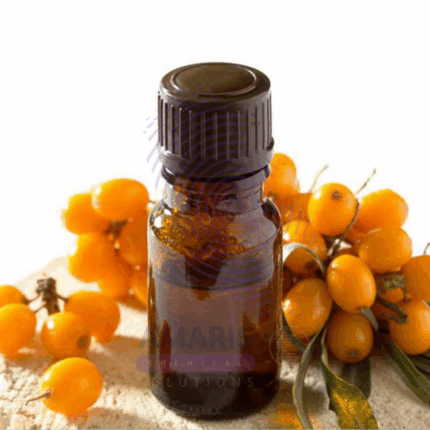
Sea Buckthorn Oil
Sea Buckthorn Oil is a vibrant orange-red oil extracted primarily from the berries (and sometimes seeds) of Hippophae rhamnoides, a hardy shrub native to the coastal and mountainous regions of Europe and Asia. Renowned for its rich composition of essential fatty acids (including omega-3, 6, 7, and 9), carotenoids, vitamins (notably vitamin C and E), flavonoids, and antioxidants, Sea Buckthorn Oil is prized for its regenerative, anti-inflammatory, and moisturizing properties. It has a distinctive fruity, slightly tart aroma and is valued in traditional medicine for skin healing, immune support, and cardiovascular health.
In modern applications, Sea Buckthorn Oil is a sought-after ingredient in high-performance skincare, nutraceuticals, hair care, and therapeutic formulations. It also finds uses in dietary supplements and functional foods for its nutrient-dense profile.
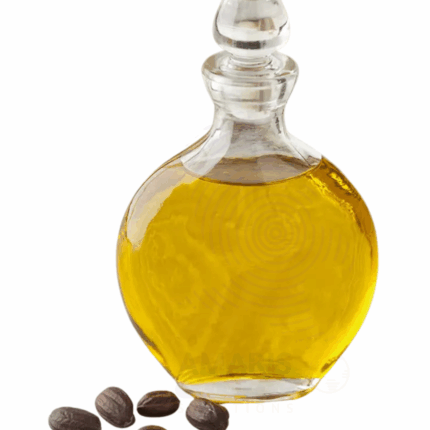
Squalene Oil
Squalene Oil is a naturally occurring hydrocarbon derived primarily from olive oil, sugarcane, or deep-sea shark liver. Its light, silicone‑like texture and excellent emollient properties make it highly valued in skin and hair care applications. Squalene is known for its deep moisturizing, antioxidant, and regenerative abilities, aiding in skin barrier repair and supporting hydration without comedogenic effects. Widely used in cosmetic and personal care formulations, it is also included in nutraceuticals and pharmaceutical excipient systems for its biocompatibility and stability.
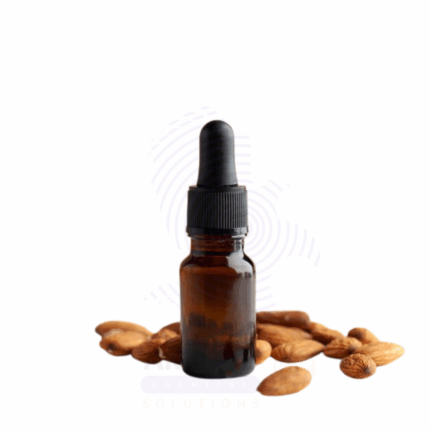
Sweet Almond Oil
Sweet Almond Oil is a nutrient-rich vegetable oil cold‑pressed or solvent‑extracted from the kernels of Prunus amygdalus var. dulcis, widely cultivated in Mediterranean and subtropical regions. It offers a light, non-greasy texture and a subtle nutty aroma. Rich in oleic and linoleic fatty acids, vitamin E (tocopherols), phytosterols, and antioxidants, it provides moisturizing, anti-inflammatory, softening, and skin barrier–strengthening properties. Sweet Almond Oil is popular in culinary applications, skincare, hair care, massage blends, and therapeutic formulations.












