Preservatives(food)
 Flavor Enhancers
 Acidulants
 Sweeteners
 Antioxidants
 Colorants(food)
 Nutraceutical Ingredients (food)
 Nutrient Supplements
 Emulsifiers
 Collectors
 Dust Suppressants
 Explosives and Blasting Agents
 Flocculants and Coagulants
 Frothers
 Leaching Agents
 pH Modifiers
 Precious Metal Extraction Agents
 Antioxidants(plastic)
 Colorants (Pigments, Dyes)
 Fillers and Reinforcements
 Flame Retardants
 Monomers
 Plasticizers
 Polymerization Initiators
 Stabilizers (UV, Heat)
 Antifoaming Agents
 Chelating Agents
 Coagulants and Flocculants
 Corrosion Inhibitors
 Disinfectants and Biocides
 Oxidizing Agents
 pH Adjusters
 Scale Inhibitors( water)
 Antioxidants(cosmetic)
 Emollients
 Fragrances and Essential Oils
 Humectants
 Preservatives
 Surfactants(cosmetic)
 Thickeners
 UV Filters
 Fertilizers
 Soil Conditioners
 Plant Growth Regulators
 Animal Feed Additives
 Biostimulants
 Pesticides (Herbicides, Insecticides, Fungicides)
 Active Pharmaceutical Ingredients (APIs)
 Excipients
 Solvents(pharmaceutical)
 Antibiotics
 Antiseptics and Disinfectants
 Vaccine Adjuvants
 Nutraceutical Ingredients (pharmaceutical)
 Analgesics & Antipyretics
 Analytical Reagents
 Solvents(lab)
 Chromatography Chemicals
 Spectroscopy Reagents
 microbiology-and-cell-culture-reagents
 Molecular Biology Reagents
 Biochemical Reagents
 Inorganic and Organic Standards
 Laboratory Safety Chemicals
 Specialty Laboratory Chemicals(Special Laboratory Equipment)
 Demulsifiers
 Hydraulic Fracturing Fluids
 Scale Inhibitors(oil)
 Surfactants(oil)
 Drilling Fluids
 Dyes and Pigments
 Bleaching Agents
 Softening Agents
 Finishing Agents
 Antistatic Agents
 Admixtures
 Waterproofing Agents
 Sealants and Adhesives
 Curing Compounds
 Concrete Repair Chemicals
 Anti-Corrosion Coatings
 Surfactants(cleaning)
 Builders
 Enzymes
 Solvents (Cleaning)
 Fragrances
 Electronic Chemicals
 Catalysts
 Lubricants
 Photographic Chemicals
 Refrigerants
 Automotive chemicals
 Pyrotechnic Chemicals
 Biodegradable Surfactants
 Bio-based Solvents
 Renewable Polymers
 Carbon Capture Chemicals
 Wastewater Treatment Chemicals
 Pigments
 Solvents(paint)
 Specialty Coatings
 Binders/Resins
 Additives
 Driers
 Anti-Corrosion Agents
 Functional Coatings
 Application-Specific Coatings
 Leavening Agents
 Dough Conditioners
 Flour Treatments
 Fat Replacers
 Decoratives
 Preservatives(baking)
 Plasticizers & Softeners
 Reinforcing Agents
 Adhesion Promoters
 Vulcanizing Agents
 Antidegradants
 Blowing Agents
 Fillers & Extenders
 Accelerators & Retarders


L-Threonine Feed Grade
L-Threonine Feed Grade is a high-purity essential amino acid used primarily as a nutritional supplement in animal feed. It appears as a white crystalline powder and is vital for protein synthesis, growth, and overall health in livestock. This feed-grade form of L-Threonine helps balance amino acid profiles in animal diets, especially in monogastric animals like poultry and swine, improving feed efficiency and production performance.
L-Threonine Feed Grade
Primary Uses
- Animal Feed Industry
- Nutritional Supplement: Added to feed to provide essential threonine, supporting protein synthesis and tissue development in poultry, swine, cattle, and aquaculture species.
- Amino Acid Balancer: Corrects amino acid deficiencies in corn- and soybean-based diets to enhance growth rates and feed conversion.
- Immune System Support: Enhances immune function and gut health, reducing disease susceptibility in livestock.
- Growth Promoter: Supports optimal weight gain and muscle development by ensuring adequate threonine intake.
- Pet Food Industry
- Used in pet foods to fulfill the essential amino acid requirements of dogs, cats, and other companion animals for healthy growth and maintenance.
- Pharmaceutical and Nutritional Products
- Used as an ingredient in specialized nutritional supplements and medical foods designed for animals with specific amino acid needs.
Secondary Uses
- Biotechnology and Research
- Utilized in cell culture media and fermentation processes requiring essential amino acids for optimal cell growth and protein production.
- Food Fortification
- Occasionally employed in specialized human food formulations to improve amino acid balance in vegetarian or medical nutrition products.
- Aquaculture Feed Additive
- Enhances feed quality and nutrient balance in fish and shrimp farming diets.
1. Basic Identification Attributes
- Chemical Name (IUPAC): (2S,3R)-2-Amino-3-hydroxybutanoic acid
- Common/Trade Name: L-Threonine Feed Grade
- CAS Number: 72-19-5
- HS Code: 2922.49.00
- Synonyms: L-Threonine; Threonine; 2-Amino-3-hydroxybutyric acid
2. Physical & Chemical Properties
- Physical State: Crystalline powder
- Color & Odor: White; odorless
- Melting Point: 256 °C (decomposes)
- Solubility: Soluble in water; insoluble in alcohol
- pH (1% solution): Approximately 5.5 – 6.5
3. Safety & Hazard Attributes
- GHS Classification: Not classified as hazardous
- Toxicity: Low toxicity; safe for use in animal feed at recommended levels
- Exposure Limits: No specific occupational exposure limits established
4. Storage & Handling Attributes
- Storage Conditions: Store in a cool, dry place, protected from moisture and contamination
- Container Type: Packaged in sealed moisture-proof bags or drums
- Shelf Life: Typically 2-3 years under proper storage conditions
- Handling Precautions: Avoid dust inhalation and prolonged skin contact; use PPE when handling large quantities
5. Regulatory & Compliance Attributes
- Approved as a feed additive by regulatory bodies such as FDA and EFSA
- Meets feed-grade quality standards for amino acid content and purity
- Labeling complies with relevant animal nutrition and safety regulations
6. Environmental & Health Impact
- Biodegradability: Readily biodegradable
- Ecotoxicity: Low ecotoxicity; poses minimal environmental risk when used appropriately
- Bioaccumulation: Not expected to bioaccumulate
- Carcinogenicity/Mutagenicity: Not classified as carcinogenic or mutagenic
Safety Handling Precautions
- PPE Required: Gloves, dust mask, and safety goggles recommended when handling bulk powder
- Handling Guidelines: Use in well-ventilated areas; avoid dust generation and inhalation
- Storage Measures: Keep containers tightly sealed; store away from moisture and incompatible substances
First Aid Measures
- Inhalation: Move to fresh air; seek medical attention if respiratory irritation develops
- Skin Contact: Wash affected area with soap and water; seek medical advice if irritation occurs
- Eye Contact: Rinse thoroughly with water for at least 15 minutes; get medical attention if irritation persists
- Ingestion: Generally safe at feed levels; if large amounts ingested, seek medical attention
Firefighting Measures
- Fire Hazards: Non-flammable
- Extinguishing Media: Use water spray, foam, or dry chemical extinguishers for surrounding fires
- Special Precautions: Avoid dust cloud formation, which may pose explosion risk
- Hazardous Combustion Products: May produce nitrogen oxides and carbon oxides upon combustion
Related products
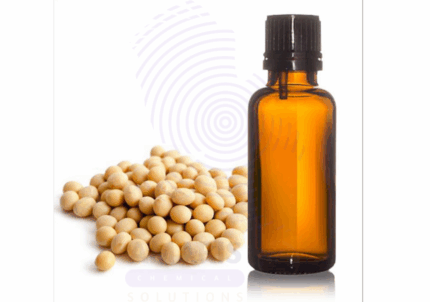
Acid Oil Soya
Acid Oil Soya is a byproduct derived from the refining of soybean oil. It is a dark-colored, free fatty acid-rich liquid containing mainly oleic and linoleic acids. Acid Oil Soya is commonly used in industrial applications such as soap making, animal feed, and as a raw material in the production of biodiesel, lubricants, and other chemicals.
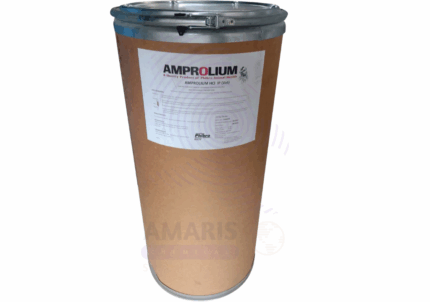
Amprolium Hydrochloride
Amprolium Hydrochloride is a white, odorless, crystalline powder used primarily as a coccidiostat, which means it inhibits the growth of Eimeria species (protozoan parasites) responsible for coccidiosis in poultry and other animals. It works by mimicking thiamine (vitamin B1), thereby competitively inhibiting thiamine uptake by the parasite, disrupting its metabolism, and preventing its proliferation. Amprolium HCl is widely used in veterinary medicine, especially in poultry farming, and is often included in feed or drinking water. It complies with BP 2008 and USP 32 pharmacopeial standards.
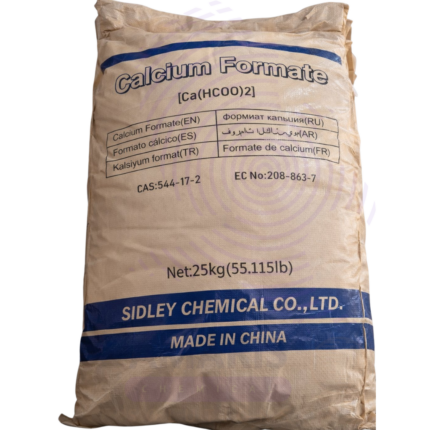
Calcium Formate
Calcium Formate is the calcium salt of formic acid, appearing as a white, free-flowing crystalline powder or granules. It is an odorless compound with a slightly bitter taste and is non-toxic. The chemical formula is Ca(HCOO)₂ with a molecular weight of 130.0 g/mol. Calcium Formate is slightly hygroscopic and readily soluble in water, with solubility of approximately 16.1 g/100 mL at 20°C. Its water solution is neutral with a pH of 6.0 to 8.0. The compound is stable under normal storage conditions and has a decomposition temperature exceeding 400°C. Technical grade Calcium Formate is manufactured for industrial applications including construction, animal feed, leather processing, and water treatment.
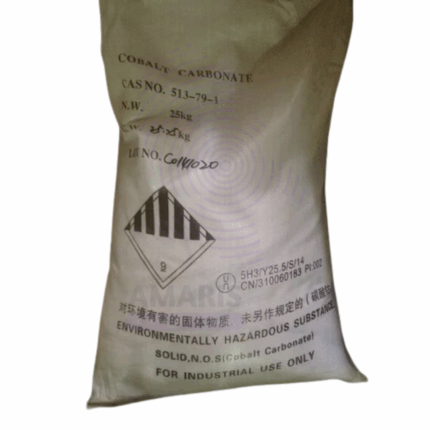
Cobalt Carbonate
Cobalt Carbonate is a rose-red to purplish powder with a metal content of approximately 46% cobalt by weight. It is an inorganic compound primarily used as a source of cobalt, either as a raw material in chemical synthesis or as a micronutrient in various formulations. It is slightly soluble in water and decomposes upon heating, releasing carbon dioxide and leaving cobalt oxide (CoO). Cobalt Carbonate is used in ceramics, catalysts, animal nutrition, batteries, and metal surface treatments. Its controlled release of cobalt makes it useful in both industrial and biological applications.
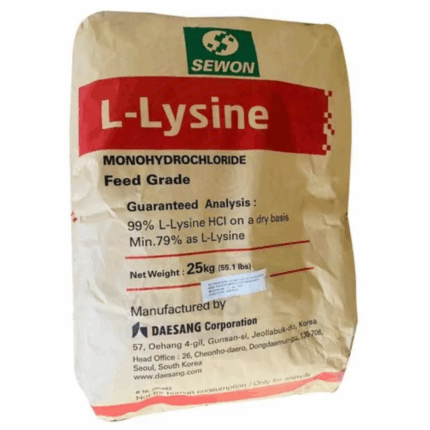
L-Lysine HCL Feed Grade
L-Lysine HCL Feed Grade is a highly pure form of the essential amino acid lysine combined with hydrochloric acid to improve its stability and solubility. It appears as a white crystalline powder and is widely used as a dietary supplement in animal feed to enhance growth, improve feed efficiency, and balance amino acid profiles. L-Lysine HCL is critical in poultry, swine, and aquaculture nutrition, helping to meet animals’ lysine requirements for protein synthesis and overall health.

Magnesium Sulphate (Epsom Salt)
Magnesium Sulphate Epsom Salt, commonly known as Epsom Salt, is an inorganic salt composed of magnesium, sulfur, and oxygen with the formula MgSO₄. It typically appears as colorless or white crystalline granules and is highly soluble in water. In its heptahydrate form (MgSO₄·7H₂O), it is widely used in agriculture, pharmaceuticals, food, and industrial applications. Epsom Salt is valued for its muscle relaxant, laxative, and magnesium supplementation properties, as well as for its role in improving soil fertility and plant growth.
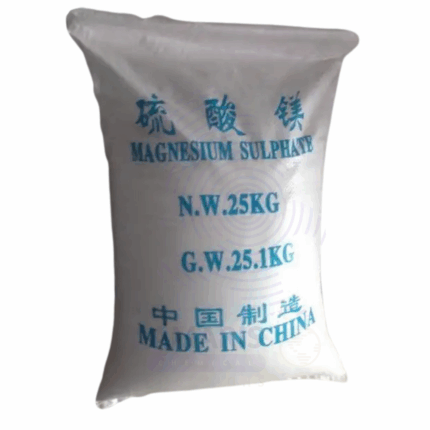
Manganese Sulphate Monohydrate
Manganese Sulphate Monohydrate is an inorganic chemical compound with the formula MnSO₄·H₂O. It appears as a pale pink crystalline powder and is highly soluble in water. It is primarily used as a source of manganese, an essential micronutrient, in fertilizers, animal feed, and industrial processes. This monohydrate form is the most stable and commonly used in agriculture and feed-grade applications. It also finds use in various chemical syntheses, electroplating, and as a reagent in laboratories.