

 Preservatives(food)
 Flavor Enhancers
 Acidulants
 Sweeteners
 Antioxidants
 Colorants(food)
 Nutraceutical Ingredients (food)
 Nutrient Supplements
 Emulsifiers
 Collectors
 Dust Suppressants
 Explosives and Blasting Agents
 Flocculants and Coagulants
 Frothers
 Leaching Agents
 pH Modifiers
 Precious Metal Extraction Agents
 Antioxidants(plastic)
 Colorants (Pigments, Dyes)
 Fillers and Reinforcements
 Flame Retardants
 Monomers
 Plasticizers
 Polymerization Initiators
 Stabilizers (UV, Heat)
 Antifoaming Agents
 Chelating Agents
 Coagulants and Flocculants
 Corrosion Inhibitors
 Disinfectants and Biocides
 Oxidizing Agents
 pH Adjusters
 Scale Inhibitors( water)
 Antioxidants(cosmetic)
 Emollients
 Fragrances and Essential Oils
 Humectants
 Preservatives
 Surfactants(cosmetic)
 Thickeners
 UV Filters
 Fertilizers
 Soil Conditioners
 Plant Growth Regulators
 Animal Feed Additives
 Biostimulants
 Pesticides (Herbicides, Insecticides, Fungicides)
 Active Pharmaceutical Ingredients (APIs)
 Excipients
 Solvents(pharmaceutical)
 Antibiotics
 Antiseptics and Disinfectants
 Vaccine Adjuvants
 Nutraceutical Ingredients (pharmaceutical)
 Analgesics & Antipyretics
 Analytical Reagents
 Solvents(lab)
 Chromatography Chemicals
 Spectroscopy Reagents
 microbiology-and-cell-culture-reagents
 Molecular Biology Reagents
 Biochemical Reagents
 Inorganic and Organic Standards
 Laboratory Safety Chemicals
 Specialty Laboratory Chemicals(Special Laboratory Equipment)
 Demulsifiers
 Hydraulic Fracturing Fluids
 Scale Inhibitors(oil)
 Surfactants(oil)
 Drilling Fluids
 Dyes and Pigments
 Bleaching Agents
 Softening Agents
 Finishing Agents
 Antistatic Agents
 Admixtures
 Waterproofing Agents
 Sealants and Adhesives
 Curing Compounds
 Concrete Repair Chemicals
 Anti-Corrosion Coatings
 Surfactants(cleaning)
 Builders
 Enzymes
 Solvents (Cleaning)
 Fragrances
 Electronic Chemicals
 Catalysts
 Lubricants
 Photographic Chemicals
 Refrigerants
 Automotive chemicals
 Pyrotechnic Chemicals
 Biodegradable Surfactants
 Bio-based Solvents
 Renewable Polymers
 Carbon Capture Chemicals
 Wastewater Treatment Chemicals
 Pigments
 Solvents(paint)
 Specialty Coatings
 Binders/Resins
 Additives
 Driers
 Anti-Corrosion Agents
 Functional Coatings
 Application-Specific Coatings
 Leavening Agents
 Dough Conditioners
 Flour Treatments
 Fat Replacers
 Decoratives
 Preservatives(baking)
 Plasticizers & Softeners
 Reinforcing Agents
 Adhesion Promoters
 Vulcanizing Agents
 Antidegradants
 Blowing Agents
 Fillers & Extenders
 Accelerators & Retarders


















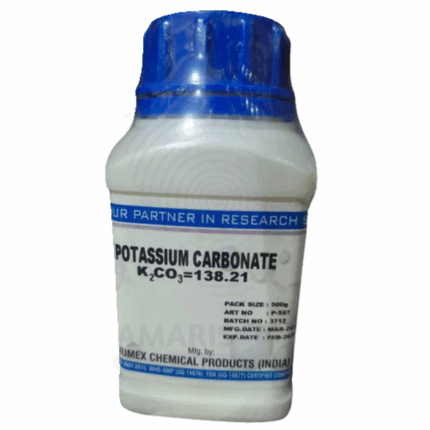
Potassium Carbonate Extra Pure
Potassium Carbonate Extra Pure is a high-purity, white, hygroscopic, water-soluble salt with the chemical formula K₂CO₃. It is known for its alkaline properties and exceptional solubility in water, forming a strongly basic solution that is widely used in laboratory and industrial processes. Its Extra Pure grade ensures it meets stringent standards for research, analytical, and high-spec formulation work.
This compound is essential in buffer preparation, pH adjustment, and titration analysis in laboratory chemistry. It also serves as a drying agent for certain solvents and gases due to its moisture-absorbing nature. In industrial applications, Potassium Carbonate is a key ingredient in the manufacture of glass, soaps, and dyes, and is also used in fermentation processes to control acidity. In the food industry, it functions as a food additive (E501), commonly used as a buffering or raising agent in baking.
To maintain its quality, Potassium Carbonate Extra Pure should be stored in a tightly sealed container, in a dry and cool environment, away from acids and moisture, as it readily absorbs water and carbon dioxide from the air. Proper handling using protective gloves and eye protection is advised, especially in concentrated solutions, due to its caustic nature.
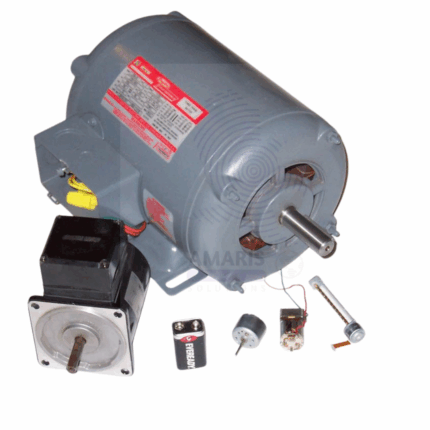
Electric Motor
Electric Motor is an electromechanical device that converts electrical energy into mechanical energy through the interaction of magnetic fields and current-carrying conductors. Commonly used in industrial machinery, laboratory equipment, and household appliances, electric motors come in various types such as AC, DC, synchronous, and induction motors. Constructed from components including stator, rotor, bearings, and windings, these motors provide reliable and efficient rotational motion essential for powering pumps, fans, compressors, and other mechanical systems. Electric motors are fundamental in automation, manufacturing, and scientific research due to their precision, efficiency, and adaptability to various power sources and load requirements.

Lens cleaning tissue
Lens Cleaning Tissue is a soft, lint-free paper designed specifically for cleaning optical lenses, microscope eyepieces, camera lenses, and other delicate glass or plastic surfaces. It effectively removes dust, fingerprints, oils, and smudges without scratching or leaving residue. Widely used in laboratories, photography, and electronics, lens cleaning tissue helps maintain clarity and prolong the lifespan of sensitive optical components.
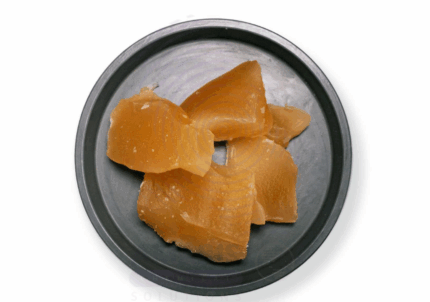
Polyglyceryl Extra Pure
Polyglyceryl Extra Pure refers to a high-purity class of non-ionic surfactants and emulsifiers derived from glycerol units. These compounds are widely used in cosmetics, pharmaceuticals, and food formulations due to their excellent skin compatibility, emulsifying properties, and biodegradability.
Polyglyceryls come in various forms (e.g., Polyglyceryl-3, Polyglyceryl-6, Polyglyceryl-10), each offering different levels of hydrophilicity and emulsifying strength. In cosmetics, they help create stable oil-in-water emulsions, ideal for lotions, creams, cleansers, and sunscreens. In pharmaceuticals, their non-toxic and non-irritating nature makes them suitable carriers for active ingredients. In food products, they function as safe emulsifiers and stabilizers, supporting clean-label and natural product development.
This extra pure grade ensures low impurity levels, minimal odor, and consistent performance, making it ideal for sensitive applications. Store tightly sealed in a cool, dry place away from heat and light to maintain its stability and quality.
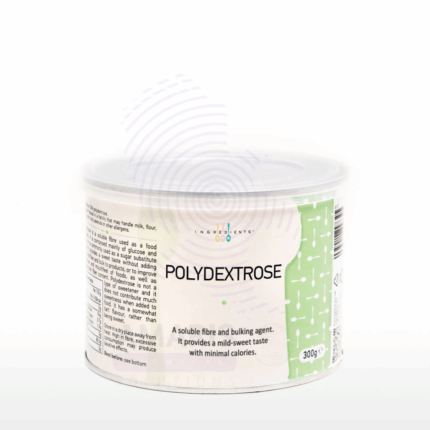
Polydextrose Extra Pure
Polydextrose Extra Pure is a premium-grade synthetic polymer of glucose, widely used as a dietary fiber, bulking agent, and low-calorie carbohydrate substitute in food, pharmaceutical, and nutraceutical applications. Its high purity ensures suitability for laboratory, formulation, and quality-sensitive uses.
This compound is valued for its excellent solubility, neutral taste, and stability across a wide pH range and temperatures. It is commonly incorporated into sugar-free, low-calorie, or high-fiber food products such as baked goods, beverages, and nutritional supplements. In pharmaceutical formulations, it may serve as an excipient or filler in tablets and capsules.
Polydextrose is generally recognized as safe (GRAS) and well-tolerated, though excessive intake may have a mild laxative effect. It should be stored in a cool, dry place, sealed tightly to avoid moisture absorption.
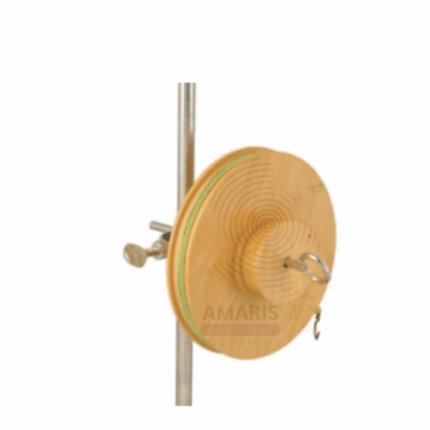
Laboratory wheel and axel
The Laboratory Wheel and Axle is a mechanical apparatus used in physics and engineering laboratories to demonstrate principles of rotational motion, mechanical advantage, and torque. It consists of a wheel attached to a central axle, allowing students and researchers to explore fundamental mechanics concepts. Constructed from durable materials, it is designed for educational demonstrations, experimental setups, and mechanical testing.
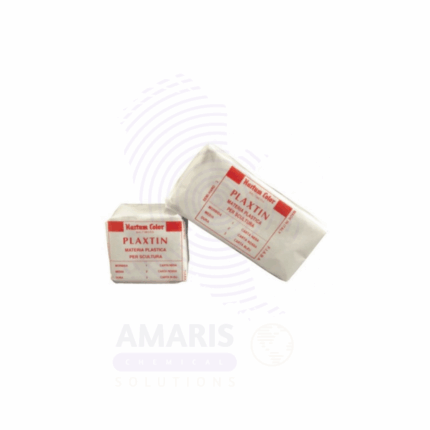
Plasticine Extra Pure
Plasticine Extra Pure is a soft, pliable, and non-drying modeling compound formulated for precision use in educational, artistic, and scientific applications. Unlike traditional clays, this extra pure grade contains high-quality, non-toxic ingredients that ensure safety, smooth texture, and ease of molding without hardening over time.
It is commonly used in schools, laboratories, design studios, and animation, offering excellent workability for crafting models, prototypes, or anatomical structures. Its stable composition allows repeated reuse without loss of quality, making it both economical and environmentally friendly.
Plasticine should be kept sealed in a cool, dust-free environment to preserve its flexibility. Although non-toxic, it should not be ingested, and basic hygiene should be practiced after handling, especially in laboratory or classroom settings.
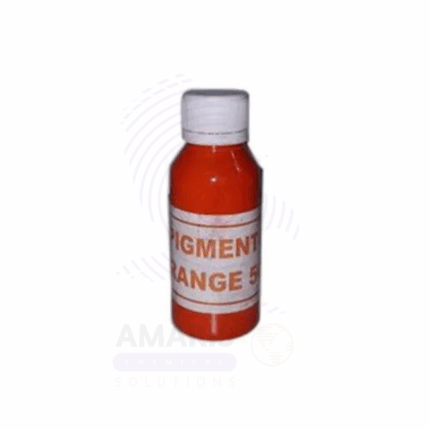
Pigment Orange Extra Pure
Pigment Orange Extra Pure is a high-quality organic pigment known for its bright, vibrant orange hue and excellent tinting strength. Comprising 20% active pigment content in a stable carrier base, this formulation ensures consistent dispersion and color intensity in various applications. It is finely milled for enhanced performance in both aqueous and solvent-based systems.
This pigment is widely used in paints, plastics, inks, coatings, and cosmetic formulations, where color consistency, purity, and chemical stability are critical. Its resistance to light, heat, and chemical degradation makes it ideal for both indoor and outdoor applications, particularly in artistic, industrial, and educational settings.
Due to its powdery nature, appropriate dust control and personal protective equipment (PPE) are recommended during handling. Store it in a cool, dry place away from direct sunlight and moisture to maintain its quality and performance.

Laboratory tripod stand
Laboratory Tripod Stand is a sturdy, three-legged support structure used in laboratories to hold and support equipment such as beakers, flasks, and crucibles during heating or experimental setups. Typically made from corrosion-resistant metal, it provides a stable base for apparatus over Bunsen burners or other heat sources. Its design facilitates even heating and secure positioning of lab glassware and equipment during various chemical, biological, and industrial procedures.
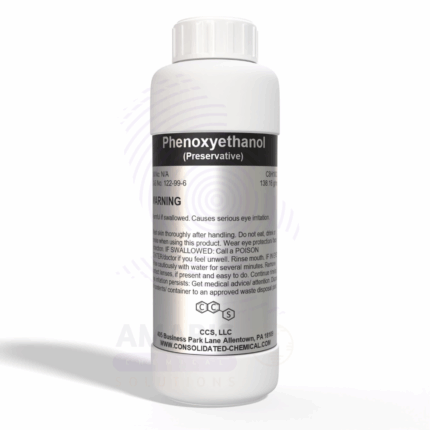
Phenoxyethano Extra Pure
Phenoxyethano Extra Pure is a high-purity aromatic glycol ether widely used as a preservative, solvent, and stabilizer in pharmaceutical, cosmetic, and laboratory formulations. This colorless, slightly viscous liquid possesses a mild pleasant odor and offers effective antimicrobial properties, particularly against Gram-negative bacteria.
Due to its excellent solvency and low volatility, Phenoxyethanol is ideal for use in creams, lotions, serums, and vaccines, where it extends shelf life by preventing microbial growth. In laboratory settings, it serves as a dependable solvent for dyes, resins, and plasticizers. Its low toxicity and compatibility with other preservatives make it a preferred alternative to parabens in personal care products.
Phloretin Extra Pure
Phloretin Extra Pure is a high-grade dihydrochalcone flavonoid renowned for its antioxidant, anti-inflammatory, and skin-penetration-enhancing properties. Derived from apples and certain other fruits, this compound appears as a pale-yellow crystalline powder and is sparingly soluble in water but dissolves well in ethanol and other organic solvents.
In cosmetic and dermatological applications, Phloretin is used to combat oxidative stress, brighten skin tone, and reduce the appearance of fine lines, pigmentation, and UV-induced damage. It also enhances the absorption of active ingredients across the skin barrier, making it a valuable addition to advanced skincare formulations.
In laboratory and pharmaceutical settings, it is utilized for research into cell signaling, anti-cancer mechanisms, and metabolic modulation, given its biological activity on various enzyme systems.

Laboratory stop watch
The Laboratory Stop Watch is a precision timing device used in laboratories to accurately measure time intervals during experiments and processes. Designed for reliability and ease of use, it features start, stop, and reset functions, often with digital or analog displays. This stopwatch is essential for kinetic studies, reaction timing, process control, and any experiment requiring precise time measurement. Durable and portable, it is suitable for various scientific, educational, and industrial laboratory applications.
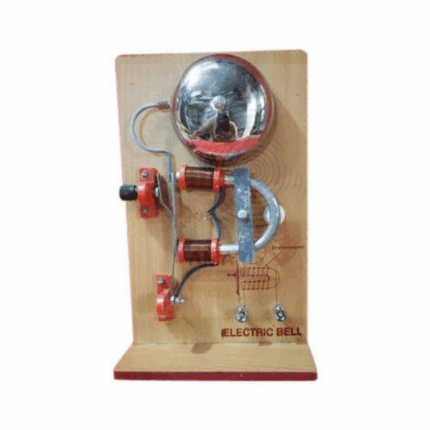
Electric Bell
Electric Bell is a mechanical signaling device that produces a ringing sound when energized by an electric current. It typically consists of an electromagnet, an armature, a striker, and a bell or gong mounted on a sturdy base. When an electric current passes through the coil of the electromagnet, it attracts the armature, causing the striker to hit the bell and produce sound. The armature then releases due to a spring mechanism, allowing repeated strikes as long as the circuit is closed. Electric Bells are widely used in educational laboratories, industrial setups, and domestic applications for alerting, signaling, and notification purposes. The device is valued for its reliability, simple design, and ease of integration into electrical circuits. In physics education, the electric bell demonstrates fundamental electromagnetic principles such as electromagnetism, magnetic attraction, and electric circuit operation.
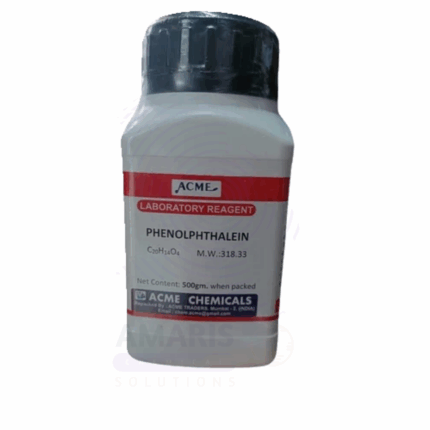
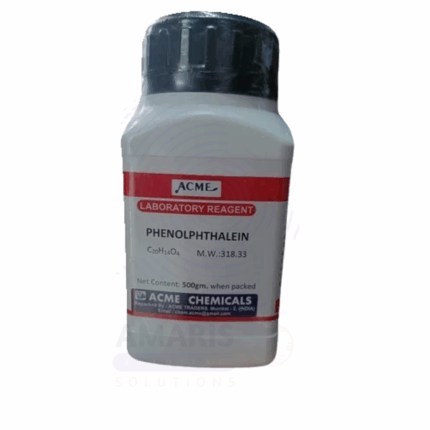
Phenolphthalein Powder Extra Pure
Phenolphthalein Powder Extra Pure is a high-purity pH indicator extensively used in analytical chemistry and laboratory applications. This fine, white to pale pink crystalline powder is colorless in acidic solutions but turns a vivid pink to deep magenta in basic environments, typically transitioning around a pH of 8.2 to 10.0. Its sharp and distinct color change makes it ideal for acid-base titrations, particularly in educational, industrial, and research settings.
In addition to its primary role in titrations, Phenolphthalein is also used in various chemical formulations, soil pH testing, and sometimes as a dye component in forensic applications. Although previously used as a laxative, it is now restricted to laboratory use due to health concerns. It should be handled with care—using gloves, protective eyewear, and in well-ventilated areas—to avoid inhalation or prolonged contact. Store in a cool, dry place, away from strong oxidizers and light.
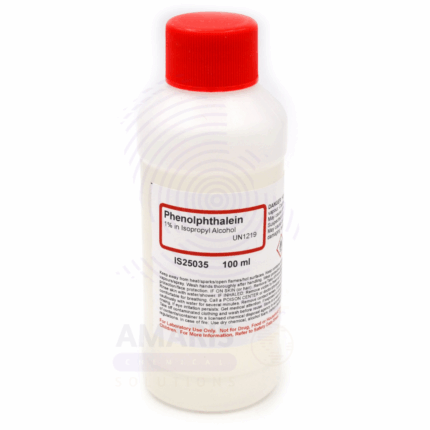
Phenolphthalein Solution Extra Pure
Phenolphthalein Solution Extra Pure is a laboratory-grade pH indicator solution, commonly used in titration procedures to determine the endpoint of acid-base reactions. It is prepared by dissolving phenolphthalein powder in an appropriate solvent, typically ethanol or water-alcohol mixtures, resulting in a clear, colorless solution that turns vivid pink in basic conditions—usually in the pH range of 8.2 to 10.0.
This high-purity solution offers excellent sensitivity and reliability for analytical chemistry, quality control, and educational demonstrations. It is especially favored in alkalinity testing, neutralization reactions, and various standard laboratory protocols. Proper handling is essential, including the use of gloves and eye protection, as the solution may cause skin or eye irritation upon contact. Store tightly sealed, away from direct light and incompatible substances like strong acids or oxidizers, to maintain its stability and effectiveness.
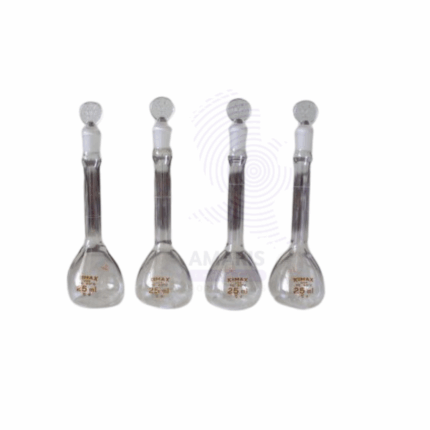
laboratory glass Volumetric flask with glass stopper
Laboratory Glass Volumetric Flask with Glass Stopper is a precision laboratory container used for preparing and measuring exact volumes of liquid solutions. Made from chemically resistant borosilicate glass, it features a flat bottom and a narrow neck with a precise calibration mark. The glass stopper ensures an airtight seal, preventing evaporation or contamination. Essential in analytical chemistry, pharmaceutical labs, and research, this flask allows accurate dilution, standard solution preparation, and volumetric analysis with high reliability and chemical stability.

laboratory electric water bath
The Laboratory Electric Water Bath is a precision temperature-controlled apparatus used in laboratories to incubate samples in water at consistent temperatures. It features an electrically heated water reservoir with adjustable temperature settings, digital or analog controls, and safety features such as over-temperature protection. This device is essential for applications requiring uniform heating, such as incubation, warming reagents, melting solids, or enzymatic reactions. Constructed with corrosion-resistant materials and insulated housing, it provides stable temperature conditions for a wide range of laboratory procedures in chemical, biological, pharmaceutical, and industrial settings.
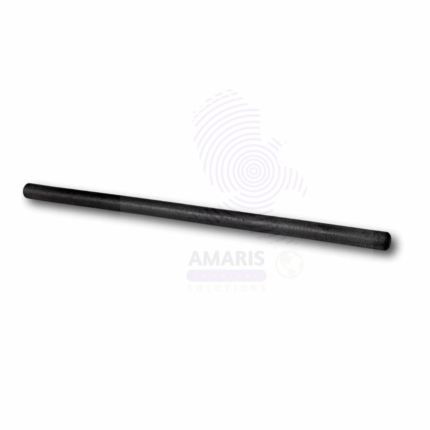
Ebonite Rod
Ebonite Rod is a solid, hard, and chemically resistant rod made from vulcanized natural rubber, commonly used in scientific and technical settings for its excellent electrical insulating properties. Due to the vulcanization process, ebonite becomes highly rigid and durable, exhibiting strong resistance to heat, chemicals, and mechanical wear. Its smooth, black surface is ideal for laboratory experiments involving static electricity where it can easily acquire and hold electric charge when rubbed with materials such as fur or wool. This makes the ebonite rod indispensable in physics demonstrations of electrostatics, including charging by friction and static force interactions. Besides educational use, ebonite rods are also utilized in manufacturing industries for producing components that require robust insulating materials. The rod’s chemical resistance ensures longevity even in harsh laboratory environments, making it a reliable tool for repeated use. Its non-conductive nature allows it to act as a barrier preventing electrical current flow, thus providing safety and control in experimental setups.

Laboratory beaker borosil
Laboratory Beaker Borosil is a high-quality, durable beaker made from borosilicate glass, renowned for its excellent chemical and thermal resistance. Designed for versatile use in laboratories, this beaker withstands rapid temperature changes and exposure to corrosive chemicals, making it ideal for heating, mixing, and chemical reactions. Its clear, transparent body allows easy observation of contents, and the spouted rim facilitates safe pouring. It is a fundamental tool in chemical, pharmaceutical, and research laboratories.
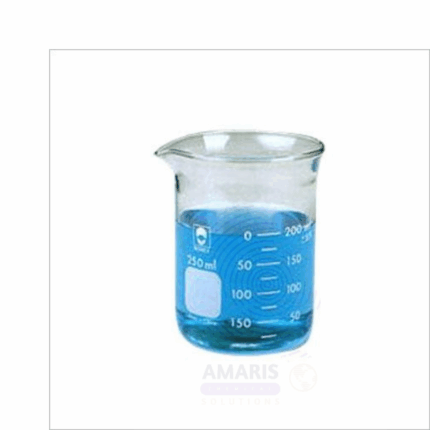
Laboratory beaker
Product Description
Laboratory Beakers are versatile cylindrical glass or plastic containers used widely in scientific laboratories for mixing, stirring, heating, and measuring liquids. Made typically from borosilicate glass or durable plastic, they offer excellent chemical resistance and thermal stability. Their wide mouths and spouted rims allow easy pouring and handling during experiments. Laboratory Beakers are fundamental lab apparatus for qualitative and quantitative analysis in chemistry, biology, and industrial research.

Pepsin Extra Pure
Pepsin Extra Pure is a highly refined proteolytic enzyme derived from porcine gastric mucosa, widely recognized for its ability to break down proteins into peptides. Appearing as a white to off-white, amorphous powder, it retains strong enzymatic activity and is soluble in dilute acids, making it ideal for biological and analytical applications.
This Extra Pure grade is extensively used in biochemical research, pharmaceutical formulations, digestive studies, and food processing, particularly in the production of protein hydrolysates. It plays a crucial role in simulating gastric digestion in lab experiments and is also employed in diagnostic preparations and enzyme assays. Pepsin should be stored in a tightly sealed container under refrigerated conditions to maintain its activity, and care should be taken to avoid exposure to moisture and alkaline conditions, which can denature the enzyme.
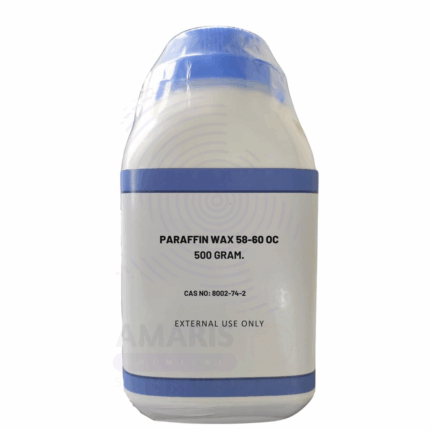
Paraffin Wax Extra Pure
Paraffin Wax Extra Pure is a refined, high-purity hydrocarbon compound derived from petroleum. It appears as a white, odorless, and tasteless solid with a smooth, waxy texture and a relatively low melting point, making it easy to mold and blend with other substances.
This Extra Pure grade is especially suited for laboratory use, cosmetic formulations, pharmaceutical applications, and specialized industrial processes. It is commonly employed in the preparation of ointments, candles, sealing agents, and coating materials due to its excellent insulating, water-repellent, and moisture-barrier properties. Its chemical inertness also makes it a safe choice for embedding biological samples and for use as a lubricant or mold-release agent. Paraffin Wax should be stored in a cool, dry place, away from heat sources, and handled with care to prevent unwanted melting or contamination.

Dynamo Working Model
Dynamo Working Model is a functional educational device designed to demonstrate the conversion of mechanical energy into electrical energy through electromagnetic induction. It includes components such as a rotating armature, coil windings, and magnets to simulate real-life dynamo operation. This model is widely used in physics and engineering laboratories, schools, and technical institutions for practical understanding of electricity generation and electromechanical energy conversion.

Lab pinch clip
Lab Pinch Clips are small, spring-loaded clamps designed to securely hold flexible tubing, glassware joints, or small apparatus components in laboratory setups. Made from durable materials such as plastic or metal, these clips provide quick, reliable closure to prevent leaks, fluid flow, or contamination during experiments. They are widely used in chemistry, biology, and medical labs for tubing control, sealing connections, and ensuring the integrity of fluid systems. Their compact size and ease of use make them essential accessories for efficient laboratory workflow.
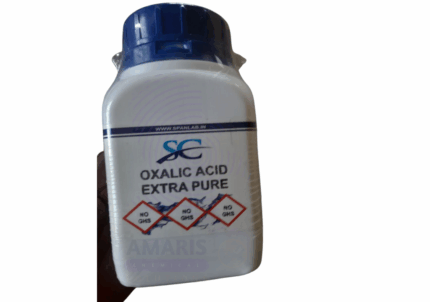
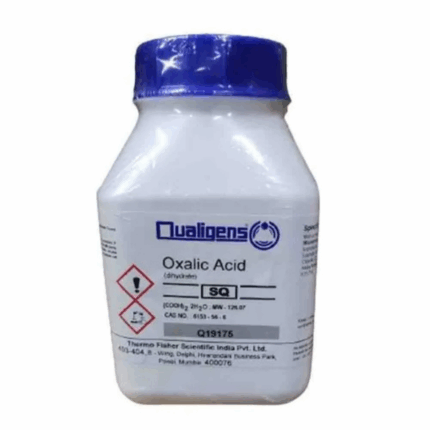
Oxalic Acid Extra Pure
Oxalic Acid Extra Pure is a high-purity, crystalline organic compound known for its strong reducing and chelating properties. Appearing as a white, odorless solid, it is highly soluble in water and widely utilized in both laboratory and industrial settings.
This Extra Pure grade ensures reliable performance in analytical chemistry, metal cleaning, rust removal, and rare earth element processing. In the laboratory, it is commonly used to precipitate calcium ions and to prepare standard solutions for titration. In industries, Oxalic Acid is valued for its effectiveness in bleaching wood, cleaning marble, and removing iron stains from surfaces and textiles. Due to its toxicity and corrosiveness, it must be handled with appropriate personal protective equipment and stored securely in a cool, dry, well-ventilated area.
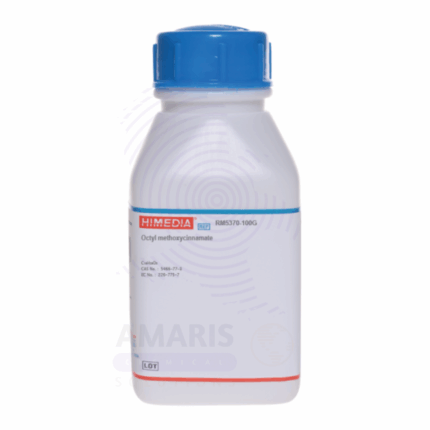
Octyl Methoxycinnamate Extra Pure
Octyl Methoxycinnamate Extra Pure is a high-purity organic compound widely used as a UV-B filter in sunscreen formulations and personal care products. Known chemically as Ethylhexyl Methoxycinnamate, it functions by absorbing ultraviolet light in the 280–320 nm range, thereby protecting skin from sunburn and photoaging.
In its Extra Pure form, OMC offers exceptional quality for cosmetic-grade applications, pharmaceutical formulations, and research requiring stringent purity levels. It is typically a clear, oily liquid with good solubility in oils and alcohols, making it ideal for incorporation into emulsions, creams, and lotions. Aside from its cosmetic uses, it is occasionally used in plastic and polymer stabilization where UV protection is needed. It should be stored in cool, dark conditions to maintain its stability and efficacy.

Dynamic Trolley
Dynamic Trolley is a durable equipment designed for safe and efficient transportation of materials, instruments, or chemicals within laboratory and industrial settings. Built with sturdy frames and smooth wheels, it aids in moving heavy or bulky items, improving workflow and minimizing physical strain. Essential for organized handling and transport in labs, manufacturing plants, and warehouses.
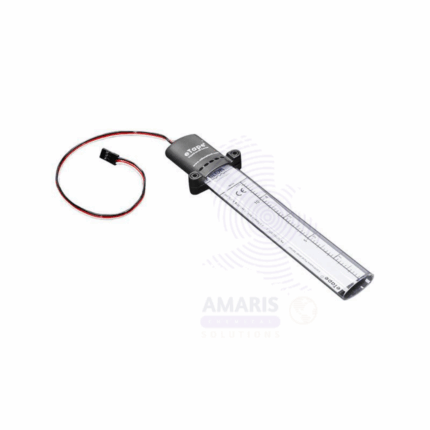
Lab liquid level
The Lab Liquid Level is a precision measuring instrument used to detect and indicate the level of liquids in laboratory containers, tanks, or systems. Designed for accuracy and ease of use, it helps scientists and technicians monitor fluid levels during experiments, processing, or storage. Typically constructed from chemically resistant materials, Lab Liquid Levels are compatible with various liquids including corrosive and volatile substances. They are essential tools for maintaining controlled conditions in chemical, pharmaceutical, and research laboratories.
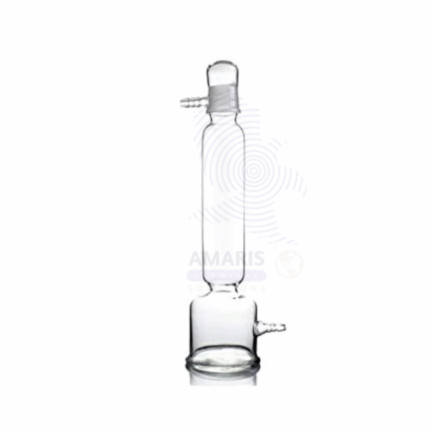
Drying Tower
Drying Tower is a vertical apparatus designed for moisture removal from gases in laboratory and industrial settings. It typically contains desiccants that absorb water vapor to supply dry gases necessary for sensitive chemical processes, gas purification, and environmental applications. Constructed from chemically resistant materials, Drying Towers maintain controlled humidity levels critical for consistent laboratory and industrial operations.
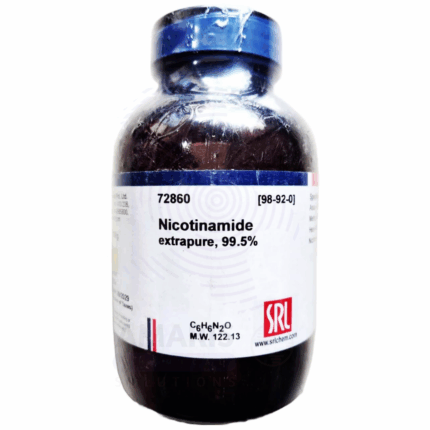
Nicotinamide Extra Pure
Nicotinamide Extra Pure is a refined, high-purity form of vitamin B3, widely recognized for its essential role in human and animal health. It serves as a vital component in the synthesis of NAD⁺ and NADP⁺, coenzymes that are fundamental to numerous metabolic and enzymatic reactions in living cells. In laboratory settings, it is frequently used in biochemical research, cell culture media, and vitamin assays due to its stable and bioactive nature.
In pharmaceutical applications, nicotinamide is commonly used in the formulation of supplements and dermatological treatments, where it supports skin barrier function, reduces inflammation, and helps alleviate acne and hyperpigmentation. Its presence in cosmetic products is valued for promoting smoother, more even-toned skin. The Extra Pure grade guarantees minimal impurities, making it ideal for sensitive applications in health care, research, and personal care products. It should be stored in a cool, dry environment away from light to maintain its integrity.
![Nickel Sulphate [NiSO4(H2O)6] Extra Pure Amaris Chemicals](https://amarischemicalsolutions.com/wp-content/uploads/2025/08/Nickel-Sulphate-NiSO4H2O6-Extra-Pure-Amaris-Chemicals-430x430.png)
Nickel Sulphate Extra Pure
Nickel Sulphate Extra Pure is a crystalline, green-colored compound of high purity, widely utilized in analytical, electrochemical, and industrial applications. It is primarily used in electroplating processes to deposit a uniform layer of nickel onto metal surfaces, enhancing corrosion resistance and aesthetic appeal. Its consistent composition makes it ideal for high-precision electroforming and battery component manufacturing, especially in nickel-cadmium and nickel-metal hydride batteries.
In laboratories, it serves as a reagent for chemical analysis, particularly in qualitative and quantitative detection of nickel ions. It is also involved in catalyst production, ceramic coloring, and metal surface treatment. The Extra Pure grade guarantees minimal impurities, ensuring reliable performance in sensitive experimental setups. Due to its toxic and irritant nature, it should be handled with appropriate personal protective equipment and stored in a cool, dry place in tightly closed containers.
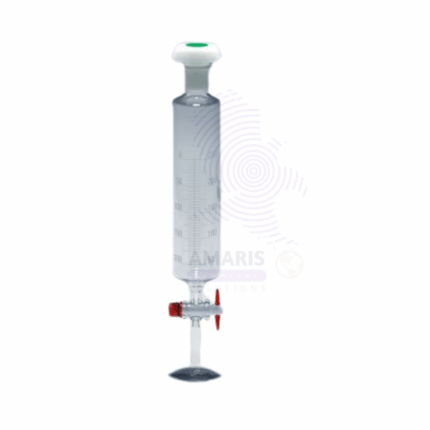
Dropping Funnel with Tap
Dropping Funnel with Tap is a precision laboratory glassware apparatus designed to add liquids dropwise or in a controlled flow to a reaction vessel or system. Typically made from chemically resistant borosilicate glass, this funnel features a conical body with a ground glass joint and an integrated stopcock (tap) at the bottom for precise flow regulation. It allows gradual addition of reactants during sensitive chemical processes, minimizing splashing, sudden reactions, or contamination. Widely used in organic synthesis, titrations, and controlled mixing procedures, it ensures safety and accuracy in laboratory operations.
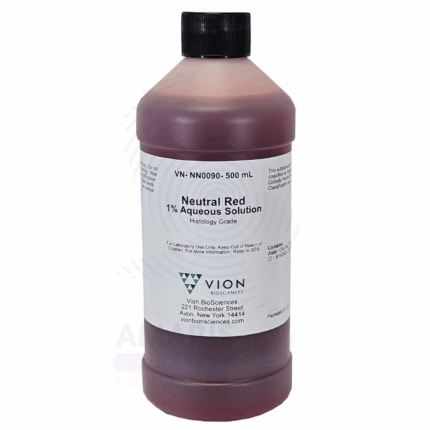
Neutral Red Solution Extra Pure
Neutral Red Solution Extra Pure is a high-purity, ready-to-use solution of the pH indicator dye Neutral Red, widely employed in biological, biochemical, and analytical laboratories. Known for its distinct color change—red in acidic environments and yellow in alkaline—it is commonly used to stain lysosomes in viable cells, making it invaluable in cell viability assays, cytotoxicity studies, and microscopic cell structure investigations.
This Extra Pure grade ensures excellent clarity and precision in results, especially in sensitive microbiological and histological procedures. It is frequently used in conjunction with culture media to observe metabolic activities and in vital staining techniques to differentiate between live and dead cells. Proper handling involves storing it in tightly sealed amber containers away from light and heat to maintain its stability and effectiveness.
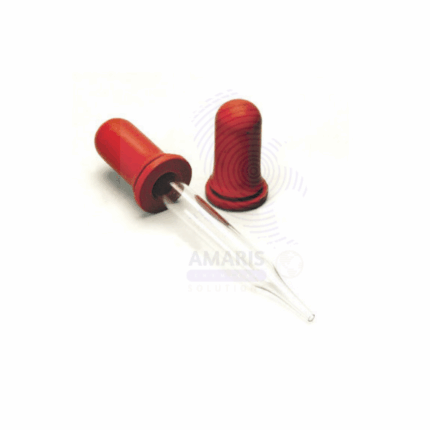
Dropper with Teats
Dropper with Teats is a combined liquid dispensing tool consisting of a transparent glass or plastic tube fitted with a flexible rubber or silicone teat (bulb) at the top. This integrated design enables precise suction and controlled dropwise release of liquids, widely used in pharmaceutical, laboratory, and infant care settings. The teat provides comfortable squeezing to draw up liquid into the dropper tube and release it accurately in small volumes, making it ideal for delicate dosing, sample handling, and medicinal applications. These droppers are available in various sizes and materials to suit diverse fluid types and usage scenarios.
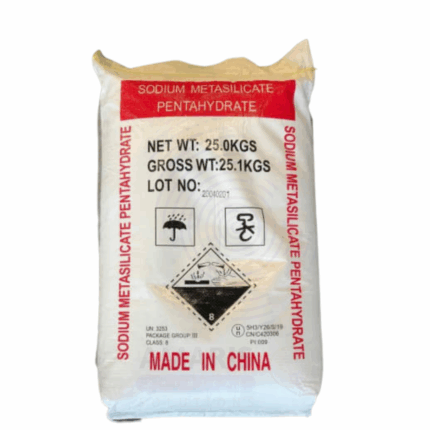
Sodium Metasilicate Pentahydrate
Sodium Metasilicate Pentahydrate is a white crystalline solid containing five molecules of water of crystallization. It is widely used for its alkaline and detergent properties, making it effective in cleaning, water treatment, and as a corrosion inhibitor. The pentahydrate form is commonly preferred in detergent and industrial applications where controlled moisture content is beneficial. It dissolves readily in water, forming strongly alkaline solutions useful in various industries.
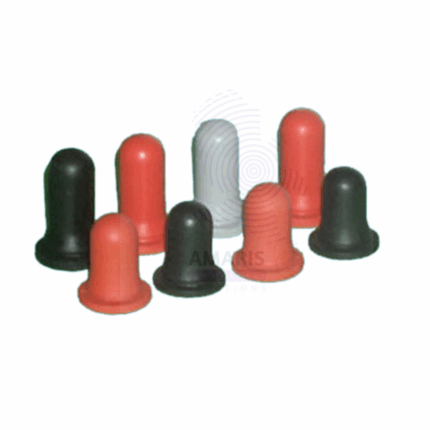
Dropper Teat
A Dropper Teat is a soft, flexible rubber or silicone component designed to fit onto a dropper bottle or pipette, facilitating controlled dispensing of liquids in drops. Commonly used in pharmaceutical, laboratory, and infant care applications, the teat provides a safe and precise way to transfer small amounts of liquid. Its pliable material allows easy squeezing to draw up and release fluids dropwise, ensuring accuracy and minimizing waste or contamination. Dropper teats are essential for eyedrops, medicines, feeding bottles, and various chemical dispensing needs.
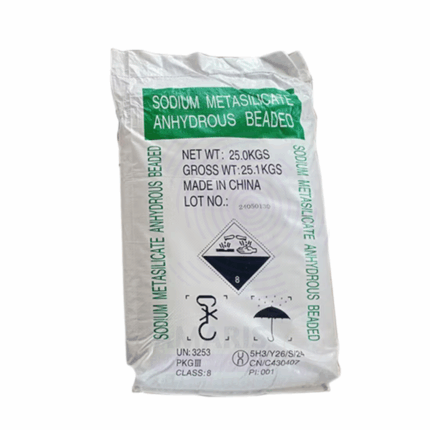
Sodium Metasilicate Anhydrous
Sodium Metasilicate Anhydrous is a white crystalline solid known for its alkaline properties and high solubility in water. It is widely used in industrial cleaning, detergent formulations, water treatment, and as a corrosion inhibitor. The anhydrous form is preferred where moisture sensitivity is a concern. It acts as a strong alkaline builder, improving the effectiveness of detergents and degreasers. This product is also used in adhesives, cement, and ceramics due to its binding and strengthening properties.
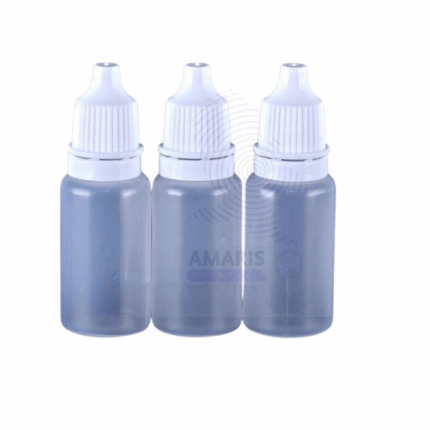
Dropper Bottle Eyedrop
Dropper Bottle Eyedrop is a specialized small bottle equipped with an integrated dropper tip designed for the precise administration of liquid medications, particularly for ophthalmic use. These bottles are typically made from medical-grade plastic or glass and include a squeezable body with a built-in dropper nozzle for controlled drop dispensing. Designed to maintain sterility and prevent contamination, Dropper Bottle Eyedrops are widely used in pharmaceutical, clinical, and personal care settings for the safe delivery of eye medications, vitamins, or lubricants.
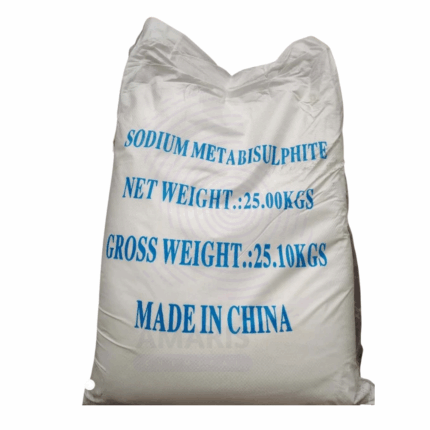
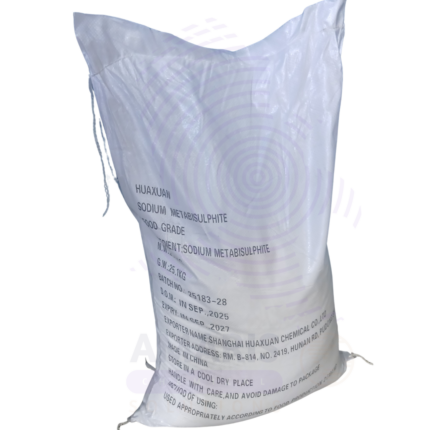
Sodium Metabisulphite
Sodium Metabisulphite is a white crystalline powder widely used as an antioxidant, disinfectant, and preservative. It dissolves readily in water, releasing sulfur dioxide, which acts as a powerful antimicrobial and antioxidant agent. This chemical finds broad applications in food processing, water treatment, pharmaceuticals, and industrial manufacturing to prevent spoilage, control microbial growth, and protect equipment from corrosion.
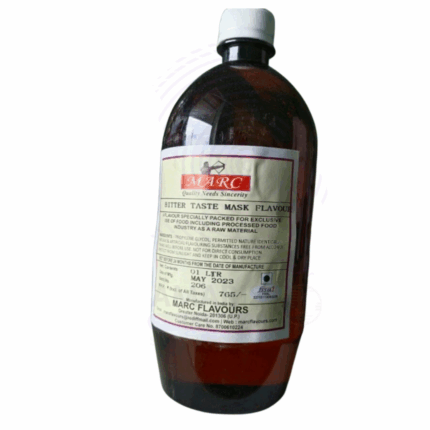
Bitter Masking Pharmaceutical Liquid Flavors Extra Pure
Bitter Masking Pharmaceutical Liquid Flavors Extra Pure is a high-quality formulation designed to effectively mask unpleasant or bitter tastes in oral pharmaceutical preparations during laboratory research and development. This flavoring agent is essential in the compounding of liquid medications, syrups, and suspensions, particularly for pediatric and geriatric studies, where palatability is crucial for compliance. It is crafted to maintain chemical compatibility with active ingredients while preserving the stability and efficacy of the formulation. The extra pure grade ensures low impurity levels, consistent performance, and safety in sensitive pharmaceutical applications. It should be stored in a tightly sealed container, away from light and heat, to preserve its flavor integrity and quality.
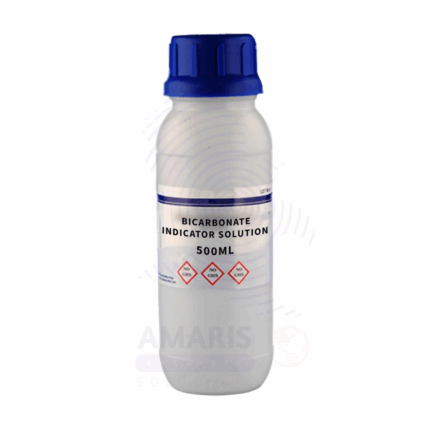
Bicarbonate Indicator Extra Pure
Bicarbonate Indicator Extra Pure is a high-purity, specially formulated solution used in laboratory settings to detect and monitor changes in bicarbonate ion concentration, particularly in biological and environmental experiments. It typically contains a pH-sensitive dye that changes color in response to shifts in carbon dioxide or bicarbonate levels, making it valuable in studies of respiration, photosynthesis, and water quality. This indicator is often employed in teaching labs to visually demonstrate gas exchange or acid-base balance. The extra pure grade ensures consistent performance, color clarity, and minimal background interference in precise analytical work. It should be stored in a cool, dark place in a tightly closed container to maintain its sensitivity and stability.

Dropper
Dropper is a small laboratory tool used to transfer precise volumes of liquids in drops. Typically composed of a glass or plastic tube with a squeezable rubber bulb at one end, the dropper allows controlled dispensing of liquids for experiments, titrations, or sample preparations. Its simple design enables easy handling and measurement of small quantities, making it indispensable in chemical, biological, pharmaceutical, and educational laboratories. Droppers are ideal for adding reagents dropwise, conducting qualitative tests, or transferring liquids without contamination.
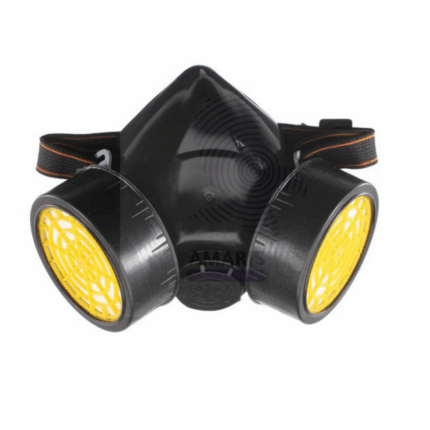
Double Gas Mask
Double Gas Mask is a protective respiratory device designed to safeguard users from inhaling hazardous airborne substances, including toxic gases, vapors, fumes, and particulate matter. Featuring two filter cartridges or canisters, this mask provides enhanced filtration capacity and extended protection time. Constructed from durable, chemical-resistant materials such as rubber or silicone, the mask forms a tight seal around the face to prevent contaminant ingress. Equipped with adjustable straps and clear visors, Double Gas Masks are widely used in industrial, laboratory, military, and emergency response settings where exposure to harmful airborne chemicals or biological agents is a risk.
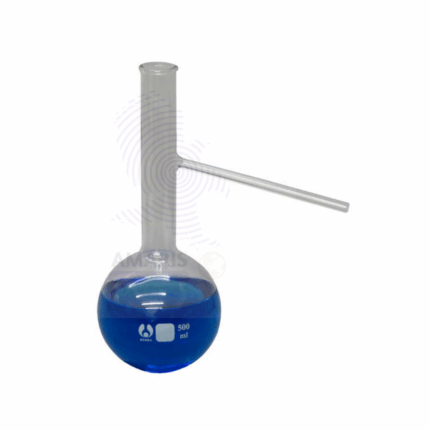
Distillation Flask with Side Arm
Distillation Flask with Side Arm is a specialized piece of laboratory glassware designed for use in distillation processes. Made from chemically resistant borosilicate glass, this flask features a round or pear-shaped body with a side arm outlet for vapor to pass through to the condenser. It serves as the container in which liquid mixtures are heated and vaporized, enabling separation based on boiling points. The side arm allows vapors to exit efficiently while minimizing the risk of leaks or contamination. This flask is essential in organic synthesis, chemical purification, and analytical laboratories, facilitating precise and safe distillation operations.

Distillation Apparatus
Distillation Apparatus is a laboratory setup designed for the separation, purification, and collection of liquid mixtures based on differences in boiling points. It typically consists of components such as a distillation flask, condenser, receiving flask, and connecting tubes, often made from chemically resistant borosilicate glass. This apparatus allows controlled heating, vaporization, condensation, and collection of volatile substances. Widely used in chemical laboratories, pharmaceutical manufacturing, food and beverage processing, and research, the distillation apparatus is essential for isolating pure liquids, removing impurities, and analyzing complex mixtures.

Dissecting Soft Board
Dissecting Soft Board is a pliable, cushioned platform used in laboratories and educational settings to securely pin and stabilize biological specimens during dissection. Made from resilient, non-toxic materials such as foam, rubber, or silicone, the soft board provides an ideal surface that allows easy insertion and repositioning of pins without damaging the specimen or the work surface. It enhances precision and control, making dissections cleaner and more manageable. The board is lightweight, easy to clean, and reusable, commonly used in medical, veterinary, and research laboratories.
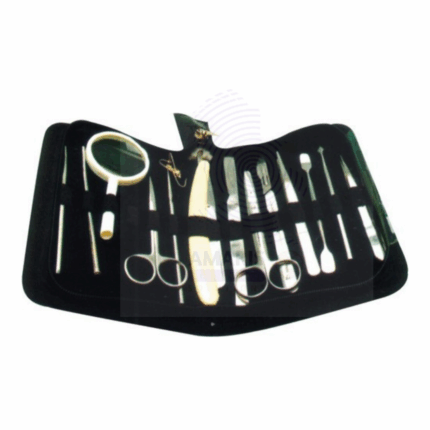
Dissecting Set (Fourteen Instruments)
A Dissecting Set (Fourteen Instruments) is a comprehensive collection of essential surgical and laboratory tools designed to facilitate detailed dissection, anatomical study, and specimen manipulation. Typically crafted from high-quality stainless steel or surgical-grade materials, this set includes a variety of instruments such as scalpels, forceps, scissors, probes, needles, and pins, each tailored for specific tasks. The set provides versatility and precision for medical, veterinary, biological research, and educational applications. Instruments are organized in a sturdy case or tray for convenient storage, sterilization, and transport, ensuring readiness for laboratory or surgical use.
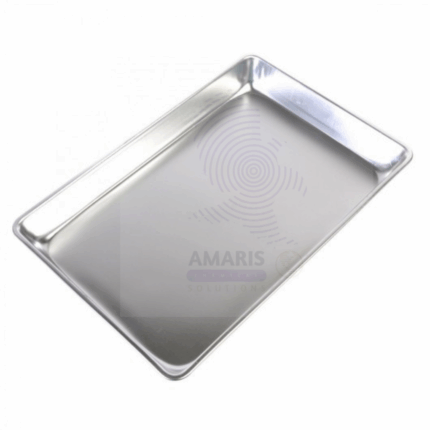
Dissecting scissors
Dissecting Pan with Wax is a specialized laboratory tool consisting of a shallow metal or plastic pan filled with a layer of soft, moldable wax used to securely position biological specimens during dissection. The wax surface allows specimens to be pinned or stabilized without damage, providing a firm and adjustable platform for precise anatomical work. This setup is commonly used in medical, veterinary, and educational laboratories to facilitate detailed examination, surgical practice, and teaching demonstrations. The pan is typically durable, easy to clean, and compatible with standard dissection instruments.
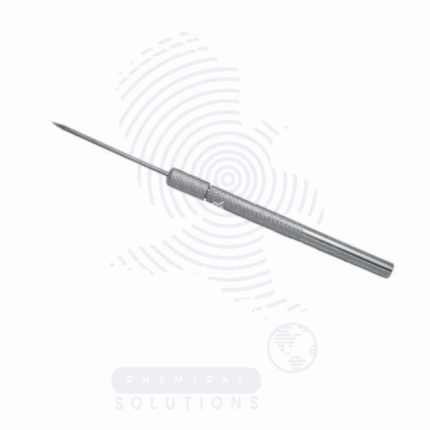
Dissecting Needle
A Dissecting Needle is a fine, pointed instrument used in biological and medical dissections to tease apart tissues, separate layers, and manipulate small structures. Typically constructed from stainless steel or surgical-grade metal, the needle has a sharp tip mounted on a rigid handle, providing precision and control during delicate procedures. Dissecting needles are essential tools in anatomy labs, research facilities, and surgical settings for detailed tissue work, facilitating clearer visibility and accurate separation without causing unnecessary damage.
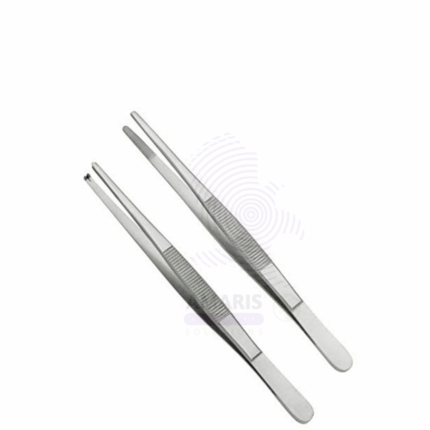
Dissecting Forceps
Dissecting Forceps are precision hand tools designed for grasping, holding, and manipulating tissues or small objects during dissection or surgical procedures. Typically made from high-quality stainless steel or surgical-grade metal, these forceps offer durability, corrosion resistance, and ease of sterilization. They come in various shapes and sizes, including straight or curved tips, serrated or smooth jaws, to suit different dissection needs in medical, veterinary, biological research, and educational settings. Their ergonomic design allows fine control and minimizes tissue damage during delicate operations.












