Preservatives(food)
 Flavors
 Acidulants
 Sweeteners
 Antioxidants
 Colorants(food)
 Nutraceutical Ingredients (food)
 Nutrient Supplements
 Emulsifiers
 Collectors
 Dust Suppressants
 Explosives and Blasting Agents
 Flocculants and Coagulants
 Frothers
 Leaching Agents
 pH Modifiers
 Precious Metal Extraction Agents
 Antioxidants(plastic)
 Colorants (Pigments, Dyes)
 Fillers and Reinforcements
 Flame Retardants
 Monomers
 Plasticizers
 Polymerization Initiators
 Stabilizers (UV, Heat)
 Antifoaming Agents
 Chelating Agents
 Coagulants and Flocculants
 Corrosion Inhibitors
 Disinfectants and Biocides
 Oxidizing Agents
 pH Adjusters
 Scale Inhibitors( water)
 Antioxidants(cosmetic)
 Emollients
 Oils
Oils Carrier Oills
 Essential Oils
 Humectants
 Preservatives
 Surfactants(cosmetic)
 Thickeners
 UV Filters
 Fertilizers
 Soil Conditioners
 Plant Growth Regulators
 Animal Feed Additives
 Biostimulants
 Pesticides (Herbicides, Insecticides, Fungicides)
 Active Pharmaceutical Ingredients (APIs)
 Excipients
 Solvents(pharmaceutical)
 Antibiotics
 Antiseptics and Disinfectants
 Vaccine Adjuvants
 Nutraceutical Ingredients (pharmaceutical)
 Analgesics & Antipyretics
 Analytical Reagents
 Solvents(lab)
 Chromatography Chemicals
 Spectroscopy Reagents
 microbiology-and-cell-culture-reagents
 Molecular Biology Reagents
 Biochemical Reagents
 Inorganic and Organic Standards
 Laboratory Safety Chemicals
 Specialty Laboratory Chemicals(Special Laboratory Equipment)
 Demulsifiers
 Hydraulic Fracturing Fluids
 Scale Inhibitors(oil)
 Surfactants(oil)
 Drilling Fluids
 Dyes and Pigments
 Bleaching Agents
 Softening Agents
 Finishing Agents
 Antistatic Agents
 Admixtures
 Waterproofing Agents
 Sealants and Adhesives
 Curing Compounds
 Concrete Repair Chemicals
 Anti-Corrosion Coatings
 Surfactants(cleaning)
 Builders
 Enzymes
 Solvents (Cleaning)
 Fragrances (Cleaning)
 Electronic Chemicals
 Catalysts
 Lubricants
 Photographic Chemicals
 Refrigerants
 Automotive chemicals
 Pyrotechnic Chemicals
 Biodegradable Surfactants
 Bio-based Solvents
 Renewable Polymers
 Carbon Capture Chemicals
 Wastewater Treatment Chemicals
 Pigments
 Solvents(paint)
 Specialty Coatings
 Binders/Resins
 Additives
 Driers
 Anti-Corrosion Agents
 Functional Coatings
 Application-Specific Coatings
 Leavening Agents
 Dough Conditioners
 Flour Treatments
 Fat Replacers
 Decoratives
 Preservatives(baking)
 Plasticizers & Softeners
 Reinforcing Agents
 Adhesion Promoters
 Vulcanizing Agents
 Antidegradants
 Blowing Agents
 Fillers & Extenders
 Accelerators & Retarders
Sunflower Oil: The Versatile Plant-Based Oil Powering Food, Cosmetics, and Industrial Innovation 🌻🧴🧪


Among the most widely used natural oils in the world, Sunflower Oil stands out for its light texture, nutritional value, and exceptional versatility. Extracted from sunflower seeds, this golden oil has become a staple ingredient in food production, cosmetic formulations, pharmaceutical applications, and industrial processes.
Its balanced composition of fatty acids, natural antioxidants, and stability makes sunflower oil a preferred choice for manufacturers and consumers alike. From cooking and skincare to laboratory research and industrial use, sunflower oil continues to play a vital role in modern applications that demand efficiency, safety, and natural origin.
What is Sunflower Oil?
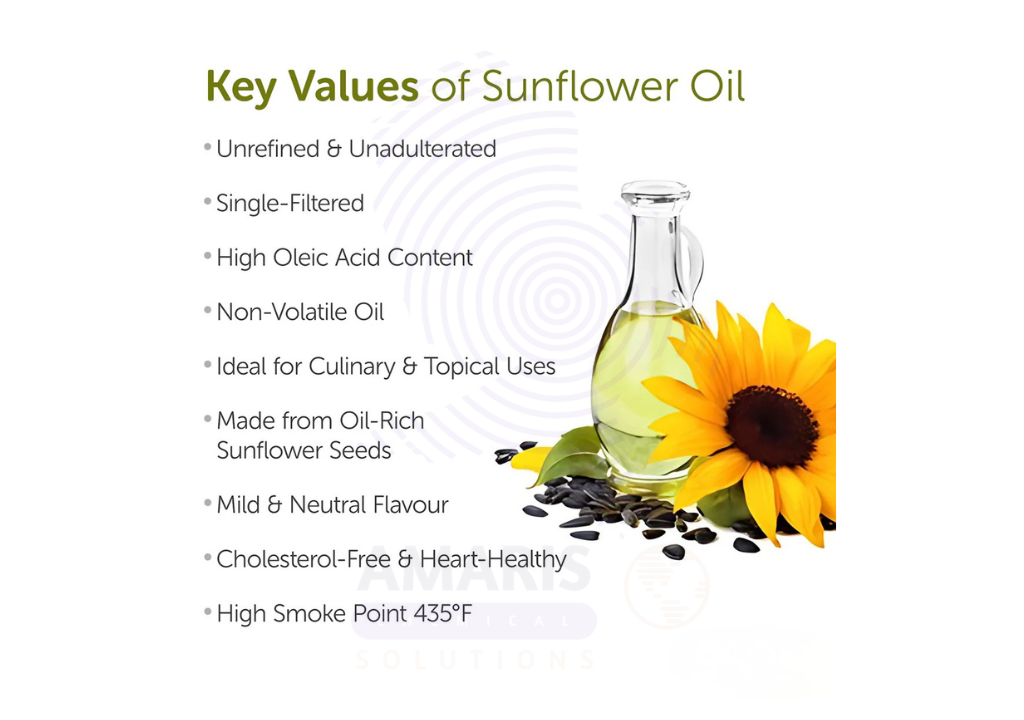
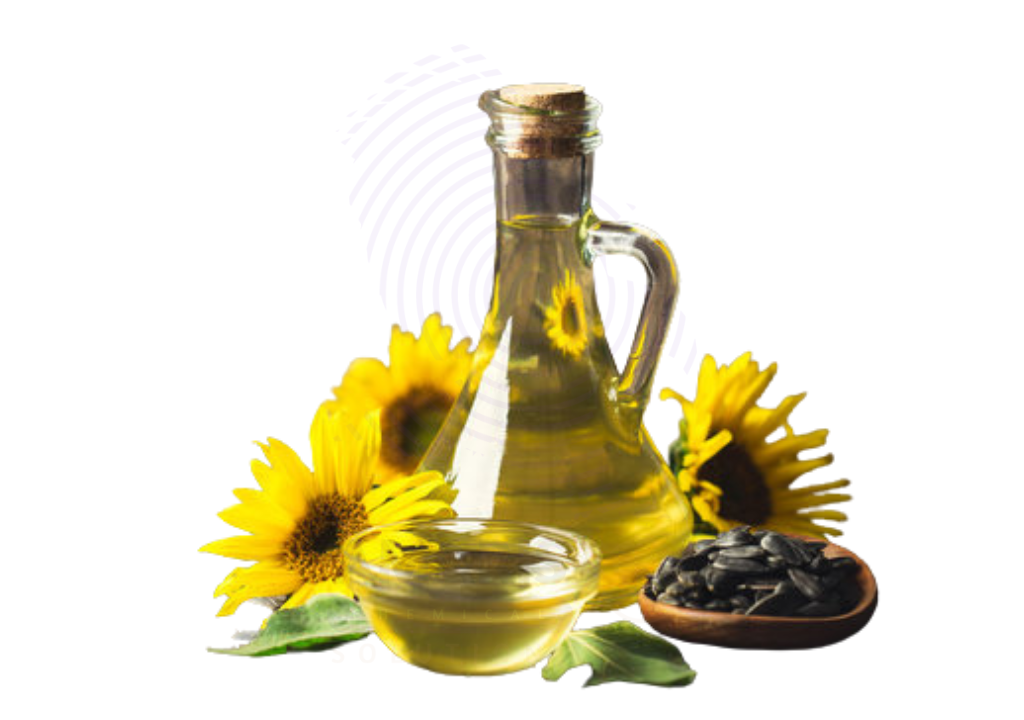
Sunflower oil is a vegetable oil obtained from the seeds of the sunflower plant. It is typically produced through pressing or solvent extraction methods, resulting in a clear, light yellow oil with a mild aroma.
Chemically, sunflower oil is rich in unsaturated fatty acids, particularly linoleic acid and oleic acid, depending on the variety. It also contains natural antioxidants such as vitamin E (tocopherols), which help improve its stability and shelf life.
Because of its neutral flavor and light consistency, sunflower oil is widely used in applications that require subtlety, compatibility, and performance.
Culinary Applications and Food Industry 🍳
Sunflower oil is best known for its extensive use in the food and beverage industry. Its mild taste and high smoke point make it suitable for a wide range of cooking methods.
It is commonly used in:
• Frying and deep-frying
• Baking and cooking
• Salad dressings and sauces
• Margarine and processed foods
Its light flavor allows it to enhance food without overpowering other ingredients, making it a favorite among chefs and food manufacturers.
Additionally, sunflower oil’s composition of unsaturated fats makes it a popular choice in modern diets focused on balanced nutrition.
Cosmetic and Personal Care Uses 🧴
Sunflower oil is also a key ingredient in the cosmetic and personal care industry. Its smooth texture and nourishing properties make it ideal for skincare and haircare formulations.
It is widely used in:
• Moisturizers and body lotions
• Hair oils and conditioners
• Baby care products
• Massage oils
• Natural soaps and cleansers
The oil helps retain moisture, improve skin softness, and support barrier function, making it suitable for dry and sensitive skin.
Because of its gentle nature, sunflower oil is often included in products designed for daily use and sensitive skin types.
Pharmaceutical and Nutraceutical Applications 💊
In the pharmaceutical sector, sunflower oil is used as a carrier oil and formulation base for various medicinal products.
It may be used in:
• Topical ointments and creams
• Oil-based drug formulations
• Nutritional supplements
Its stability and compatibility with other compounds make it useful in delivering active ingredients effectively and safely.
In nutraceuticals, sunflower oil is valued for its contribution to dietary fat intake and overall wellness formulations.

Industrial Applications ⚙️
Sunflower oil also plays a role in several industrial processes, particularly as industries shift toward renewable and plant-based materials.
It can be used in:
• Biodegradable lubricants
• Paints and coatings
• Bio-based polymers
• Soap and detergent manufacturing
Its natural origin and biodegradability make it an attractive option for industries seeking environmentally friendly alternatives to synthetic oils.
Laboratory and Research Applications 🔬
In laboratory environments, sunflower oil is sometimes used in chemical and biological studies, particularly in research involving lipids, emulsions, and natural product chemistry.
Researchers may study sunflower oil to understand:
• Fatty acid composition
• Oxidation and stability
• Emulsion behavior
• Interaction with active compounds
Its consistent composition makes it a useful material in food science, organic chemistry, and formulation research.
Advantages of Sunflower Oil
Sunflower oil offers several advantages that contribute to its widespread use:
• Light texture and neutral aroma
• Rich in unsaturated fatty acids
• Contains natural antioxidants
• Highly versatile across industries
• Biodegradable and plant-based
These qualities make it a preferred choice for applications requiring natural performance and adaptability.
Importance of Quality and Processing
The quality of sunflower oil depends on factors such as seed quality, extraction method, and refining process. High-quality oil ensures consistent performance and safety across applications.
Proper processing helps maintain:
• Nutritional value
• Stability and shelf life
• Purity and clarity
• Compatibility with formulations
Manufacturers and laboratories rely on high-grade sunflower oil to ensure reliable and high-quality outcomes.
Final Thoughts
Sunflower Oil is a remarkable natural product that continues to support industries ranging from food and cosmetics to pharmaceuticals and industrial manufacturing. Its balanced composition, gentle nature, and wide applicability make it one of the most versatile plant-based oils available today.
From enhancing meals and nourishing the skin to supporting advanced formulations and sustainable industrial practices, sunflower oil demonstrates the power of natural ingredients in modern innovation.
As demand for sustainable and high-performance materials continues to grow, sunflower oil will remain a key player in delivering quality, functionality, and environmental responsibility across diverse industries. 🌻🧪🌍