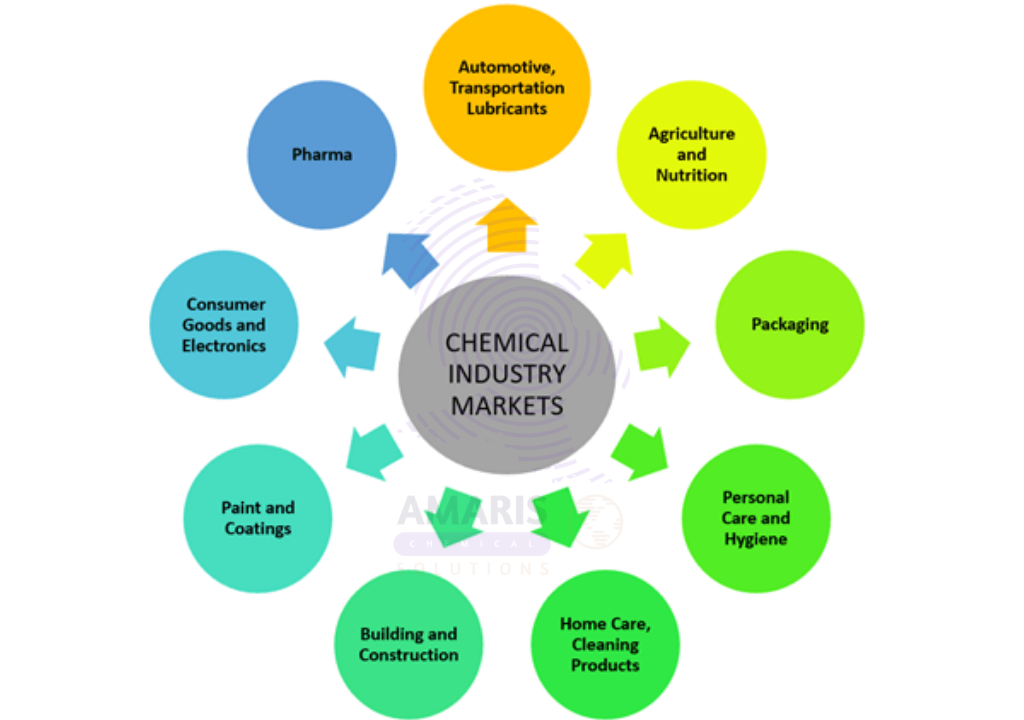
Preservatives(food)
 Flavors
 Acidulants
 Sweeteners
 Antioxidants
 Colorants(food)
 Nutraceutical Ingredients (food)
 Nutrient Supplements
 Emulsifiers
 Collectors
 Dust Suppressants
 Explosives and Blasting Agents
 Flocculants and Coagulants
 Frothers
 Leaching Agents
 pH Modifiers
 Precious Metal Extraction Agents
 Antioxidants(plastic)
 Colorants (Pigments, Dyes)
 Fillers and Reinforcements
 Flame Retardants
 Monomers
 Plasticizers
 Polymerization Initiators
 Stabilizers (UV, Heat)
 Antifoaming Agents
 Chelating Agents
 Coagulants and Flocculants
 Corrosion Inhibitors
 Disinfectants and Biocides
 Oxidizing Agents
 pH Adjusters
 Scale Inhibitors( water)
 Antioxidants(cosmetic)
 Emollients
 Oils
Oils Carrier Oills
 Essential Oils
 Humectants
 Preservatives
 Surfactants(cosmetic)
 Thickeners
 UV Filters
 Fertilizers
 Soil Conditioners
 Plant Growth Regulators
 Animal Feed Additives
 Biostimulants
 Pesticides (Herbicides, Insecticides, Fungicides)
 Active Pharmaceutical Ingredients (APIs)
 Excipients
 Solvents(pharmaceutical)
 Antibiotics
 Antiseptics and Disinfectants
 Vaccine Adjuvants
 Nutraceutical Ingredients (pharmaceutical)
 Analgesics & Antipyretics
 Analytical Reagents
 Solvents(lab)
 Chromatography Chemicals
 Spectroscopy Reagents
 microbiology-and-cell-culture-reagents
 Molecular Biology Reagents
 Biochemical Reagents
 Inorganic and Organic Standards
 Laboratory Safety Chemicals
 Specialty Laboratory Chemicals(Special Laboratory Equipment)
 Demulsifiers
 Hydraulic Fracturing Fluids
 Scale Inhibitors(oil)
 Surfactants(oil)
 Drilling Fluids
 Dyes and Pigments
 Bleaching Agents
 Softening Agents
 Finishing Agents
 Antistatic Agents
 Admixtures
 Waterproofing Agents
 Sealants and Adhesives
 Curing Compounds
 Concrete Repair Chemicals
 Anti-Corrosion Coatings
 Surfactants(cleaning)
 Builders
 Enzymes
 Solvents (Cleaning)
 Fragrances (Cleaning)
 Electronic Chemicals
 Catalysts
 Lubricants
 Photographic Chemicals
 Refrigerants
 Automotive chemicals
 Pyrotechnic Chemicals
 Biodegradable Surfactants
 Bio-based Solvents
 Renewable Polymers
 Carbon Capture Chemicals
 Wastewater Treatment Chemicals
 Pigments
 Solvents(paint)
 Specialty Coatings
 Binders/Resins
 Additives
 Driers
 Anti-Corrosion Agents
 Functional Coatings
 Application-Specific Coatings
 Leavening Agents
 Dough Conditioners
 Flour Treatments
 Fat Replacers
 Decoratives
 Preservatives(baking)
 Plasticizers & Softeners
 Reinforcing Agents
 Adhesion Promoters
 Vulcanizing Agents
 Antidegradants
 Blowing Agents
 Fillers & Extenders
 Accelerators & Retarders
🌍 The Role of Agrochemicals in Achieving Food Security in 2026 🌾🧪🚜

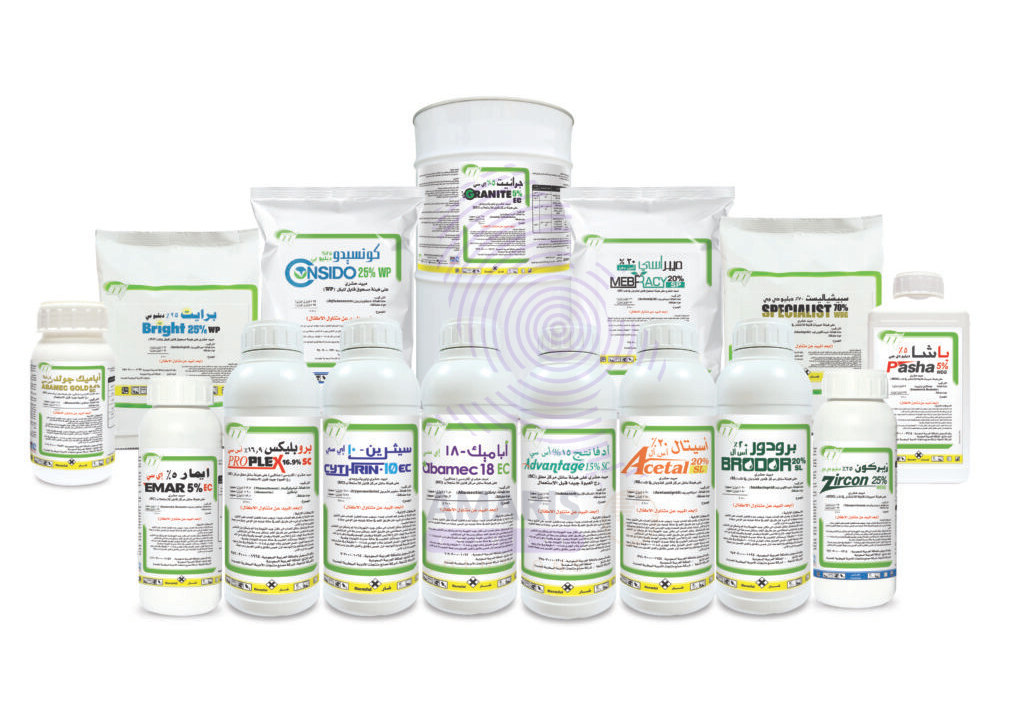
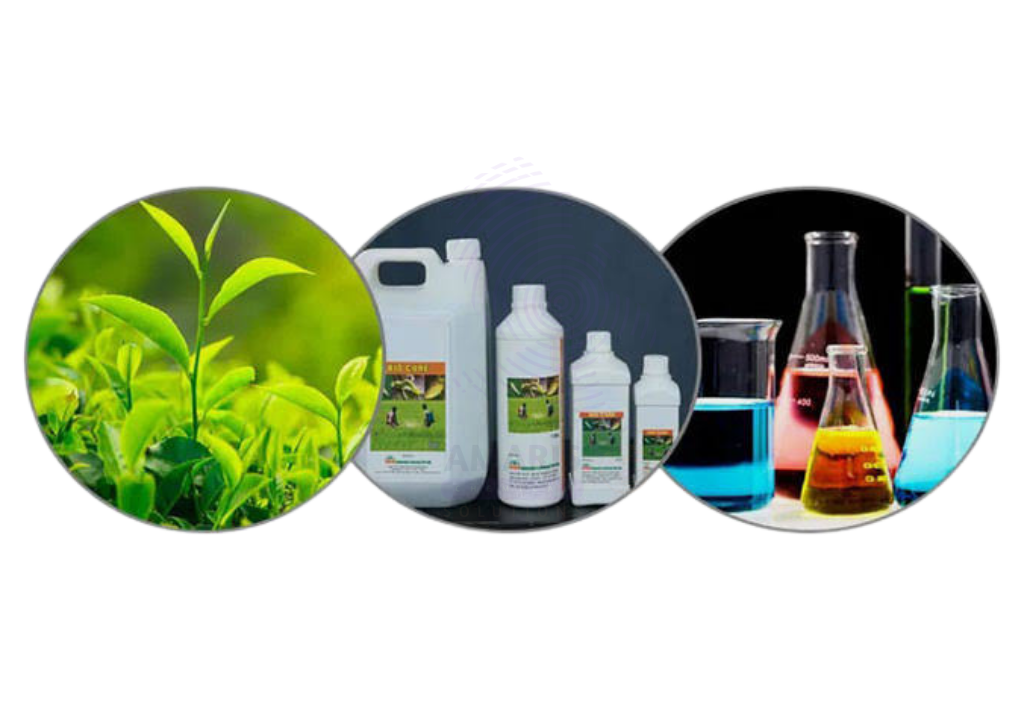
As the global population continues to grow and climate challenges become more complex, ensuring a stable and reliable food supply remains one of the world’s greatest priorities. In 2026, food security is no longer just about producing more crops—it is about producing them efficiently, sustainably, and with minimal losses. This is where agrochemicals play a vital role. From improving soil fertility and protecting crops against pests to increasing yields and supporting modern farming practices, agrochemicals continue to be essential tools in strengthening food production across the world.
Food security means that people have consistent access to sufficient, safe, and nutritious food. However, farmers today face numerous obstacles, including declining soil fertility, changing weather patterns, pest infestations, crop diseases, and limited arable land. Without effective crop management solutions, these challenges can significantly reduce agricultural productivity. Responsible use of agrochemicals helps farmers overcome many of these barriers while making agriculture more resilient and productive.
One of the most important contributions of agrochemicals is improving crop yields. Fertilizers supply essential nutrients such as nitrogen, phosphorus, and potassium, enabling crops to grow stronger, develop healthier root systems, and produce larger harvests. When soils become depleted after repeated cultivation, fertilizers restore nutrient balance and help maintain consistent productivity. Higher yields from the same area of land are particularly important as demand for food continues to increase. 🌱
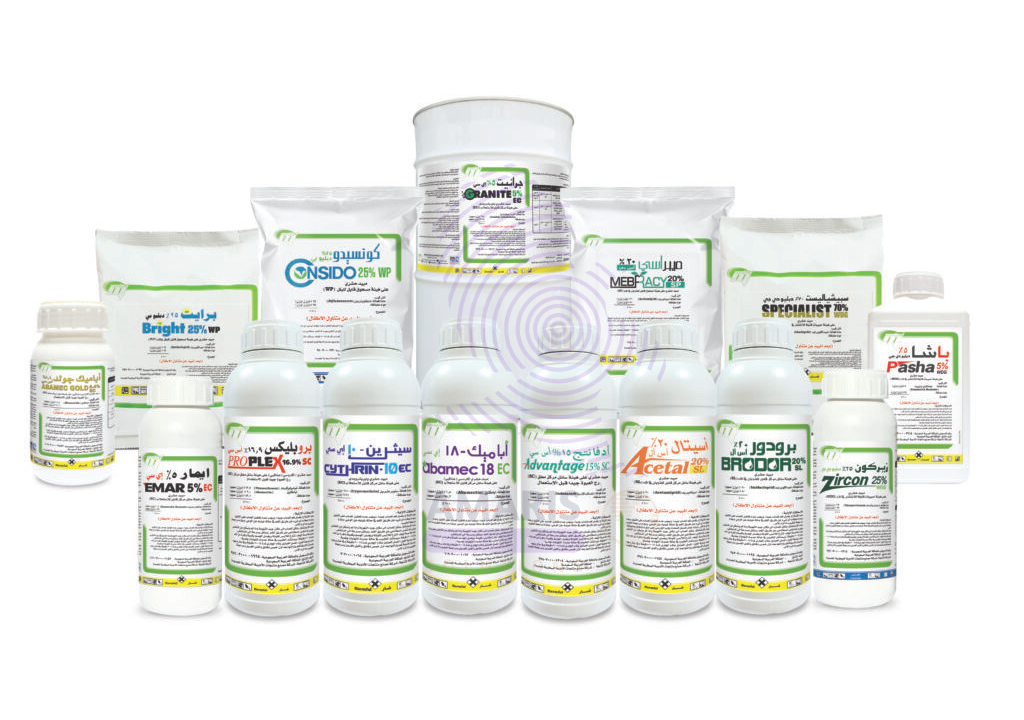
Crop protection products are equally important in reducing agricultural losses. Every year, weeds, insects, fungi, and plant diseases destroy significant portions of global food production. Herbicides help control weeds that compete with crops for water, nutrients, and sunlight, while insecticides and fungicides protect plants from destructive pests and diseases. By reducing these losses, farmers are able to harvest more of what they plant, improving both food availability and farm profitability.
Agrochemicals also contribute to better crop quality. Healthy, well-nourished crops often produce grains, fruits, and vegetables with improved size, appearance, and nutritional value. Better-quality produce meets market standards more easily, reduces post-harvest losses, and increases income opportunities for farmers. This strengthens agricultural value chains while ensuring consumers have access to safe and nutritious food.
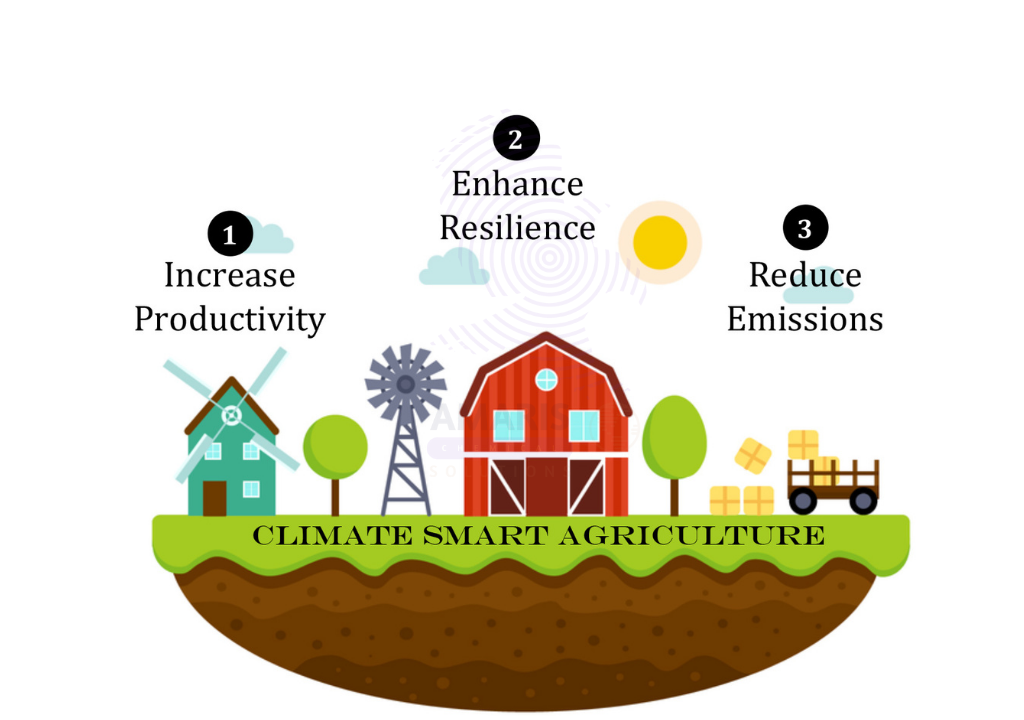
Another important role of agrochemicals is supporting climate-smart agriculture. Changing rainfall patterns, prolonged droughts, and extreme weather events are making farming increasingly challenging. Modern fertilizers, soil conditioners, and plant growth regulators help crops use nutrients and water more efficiently, making them better equipped to withstand environmental stress. Combined with improved farming techniques, these products help farmers adapt to changing climatic conditions while maintaining productivity. 🌦️💧
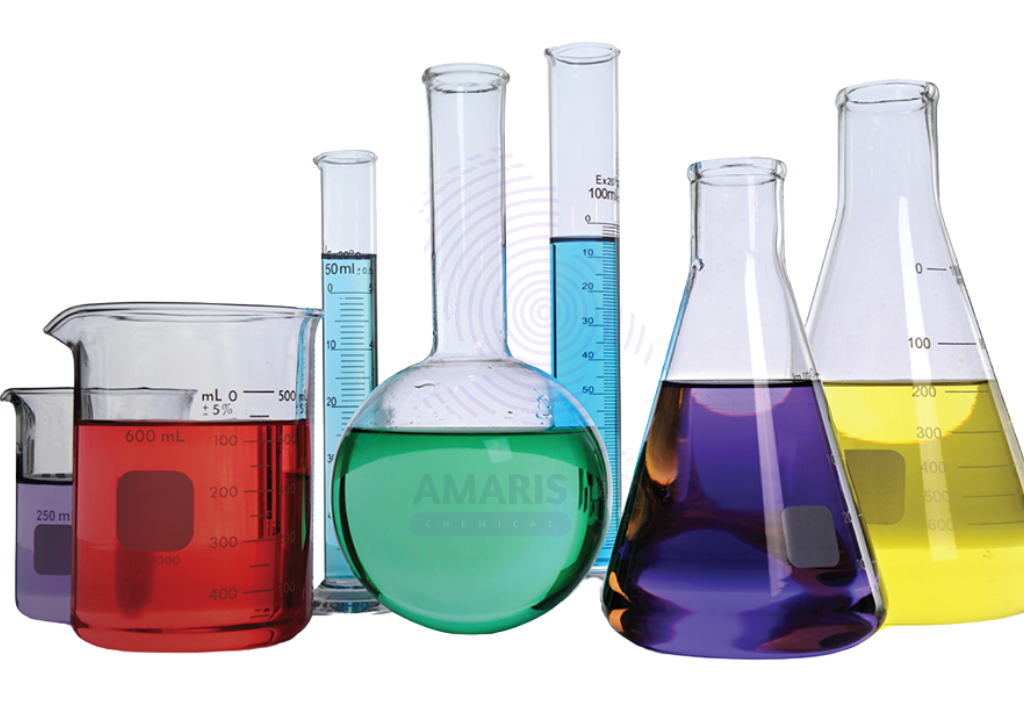
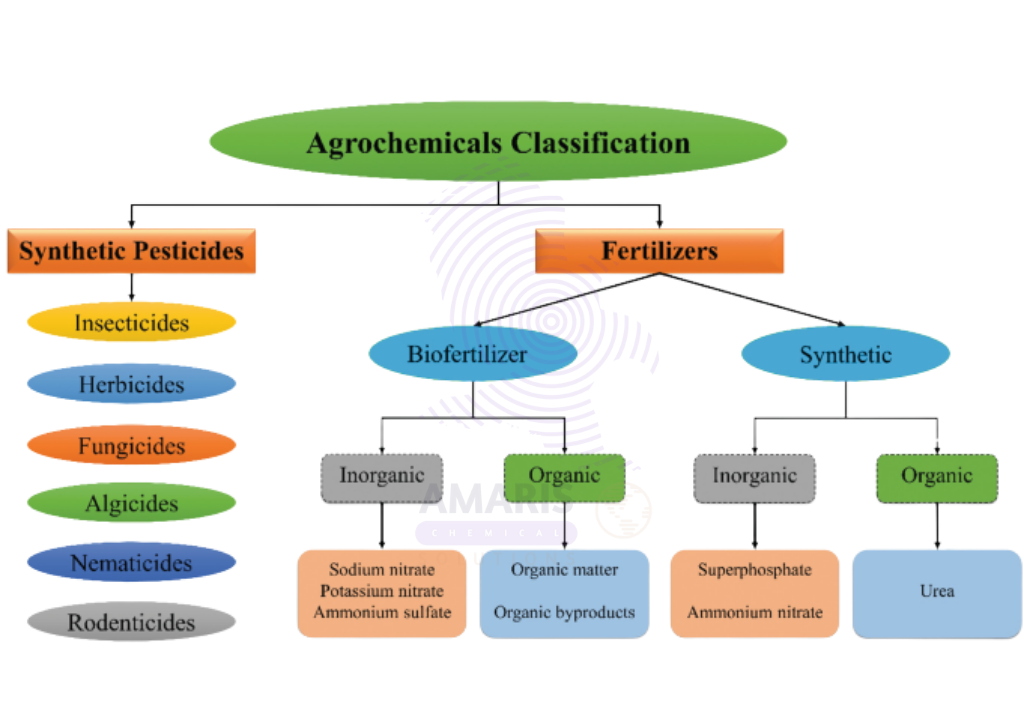
Sustainability is becoming a key focus in agriculture, and modern agrochemicals are evolving to meet this challenge. Precision farming technologies now allow farmers to apply fertilizers and crop protection products only where they are needed and in the correct amounts. This reduces waste, improves efficiency, lowers production costs, and minimizes environmental impact. Responsible chemical use, combined with soil testing and integrated pest management, supports long-term agricultural sustainability while protecting natural resources. ♻️🌍
Across Africa and many other developing regions, agrochemicals are helping farmers increase the production of staple crops such as maize, wheat, rice, beans, coffee, tea, and horticultural products. Improved productivity strengthens rural economies, creates employment opportunities, and contributes to national food security. Reliable access to quality agricultural inputs also enables farmers to compete in regional and international markets, supporting economic growth alongside increased food production.
Education and responsible use remain essential to maximizing the benefits of agrochemicals. Farmers should always follow manufacturer recommendations, wear appropriate personal protective equipment (PPE), calibrate application equipment correctly, and store agricultural chemicals safely. Proper training helps ensure effective pest control and nutrient management while reducing risks to people, animals, and the environment.
In conclusion, agrochemicals continue to play a significant role in achieving food security in 2026 by helping farmers produce more food with greater efficiency and resilience. Through improved soil fertility, effective crop protection, enhanced crop quality, and support for sustainable farming practices, these products contribute to stronger agricultural systems capable of meeting the needs of growing populations. When used responsibly alongside modern farming technologies and sound agricultural practices, agrochemicals will remain an important part of building a more productive, sustainable, and food-secure future. 🌾🧪🚜