Preservatives(food)
 Flavors
 Acidulants
 Sweeteners
 Antioxidants
 Colorants(food)
 Nutraceutical Ingredients (food)
 Nutrient Supplements
 Emulsifiers
 Collectors
 Dust Suppressants
 Explosives and Blasting Agents
 Flocculants and Coagulants
 Frothers
 Leaching Agents
 pH Modifiers
 Precious Metal Extraction Agents
 Antioxidants(plastic)
 Colorants (Pigments, Dyes)
 Fillers and Reinforcements
 Flame Retardants
 Monomers
 Plasticizers
 Polymerization Initiators
 Stabilizers (UV, Heat)
 Antifoaming Agents
 Chelating Agents
 Coagulants and Flocculants
 Corrosion Inhibitors
 Disinfectants and Biocides
 Oxidizing Agents
 pH Adjusters
 Scale Inhibitors( water)
 Antioxidants(cosmetic)
 Emollients
 Oils
Oils Carrier Oills
 Essential Oils
 Humectants
 Preservatives
 Surfactants(cosmetic)
 Thickeners
 UV Filters
 Fertilizers
 Soil Conditioners
 Plant Growth Regulators
 Animal Feed Additives
 Biostimulants
 Pesticides (Herbicides, Insecticides, Fungicides)
 Active Pharmaceutical Ingredients (APIs)
 Excipients
 Solvents(pharmaceutical)
 Antibiotics
 Antiseptics and Disinfectants
 Vaccine Adjuvants
 Nutraceutical Ingredients (pharmaceutical)
 Analgesics & Antipyretics
 Analytical Reagents
 Solvents(lab)
 Chromatography Chemicals
 Spectroscopy Reagents
 microbiology-and-cell-culture-reagents
 Molecular Biology Reagents
 Biochemical Reagents
 Inorganic and Organic Standards
 Laboratory Safety Chemicals
 Specialty Laboratory Chemicals(Special Laboratory Equipment)
 Demulsifiers
 Hydraulic Fracturing Fluids
 Scale Inhibitors(oil)
 Surfactants(oil)
 Drilling Fluids
 Dyes and Pigments
 Bleaching Agents
 Softening Agents
 Finishing Agents
 Antistatic Agents
 Admixtures
 Waterproofing Agents
 Sealants and Adhesives
 Curing Compounds
 Concrete Repair Chemicals
 Anti-Corrosion Coatings
 Surfactants(cleaning)
 Builders
 Enzymes
 Solvents (Cleaning)
 Fragrances (Cleaning)
 Electronic Chemicals
 Catalysts
 Lubricants
 Photographic Chemicals
 Refrigerants
 Automotive chemicals
 Pyrotechnic Chemicals
 Biodegradable Surfactants
 Bio-based Solvents
 Renewable Polymers
 Carbon Capture Chemicals
 Wastewater Treatment Chemicals
 Pigments
 Solvents(paint)
 Specialty Coatings
 Binders/Resins
 Additives
 Driers
 Anti-Corrosion Agents
 Functional Coatings
 Application-Specific Coatings
 Leavening Agents
 Dough Conditioners
 Flour Treatments
 Fat Replacers
 Decoratives
 Preservatives(baking)
 Plasticizers & Softeners
 Reinforcing Agents
 Adhesion Promoters
 Vulcanizing Agents
 Antidegradants
 Blowing Agents
 Fillers & Extenders
 Accelerators & Retarders
🚚 Chemical Logistics: Challenges and Opportunities in East Africa 🌍🧪📦

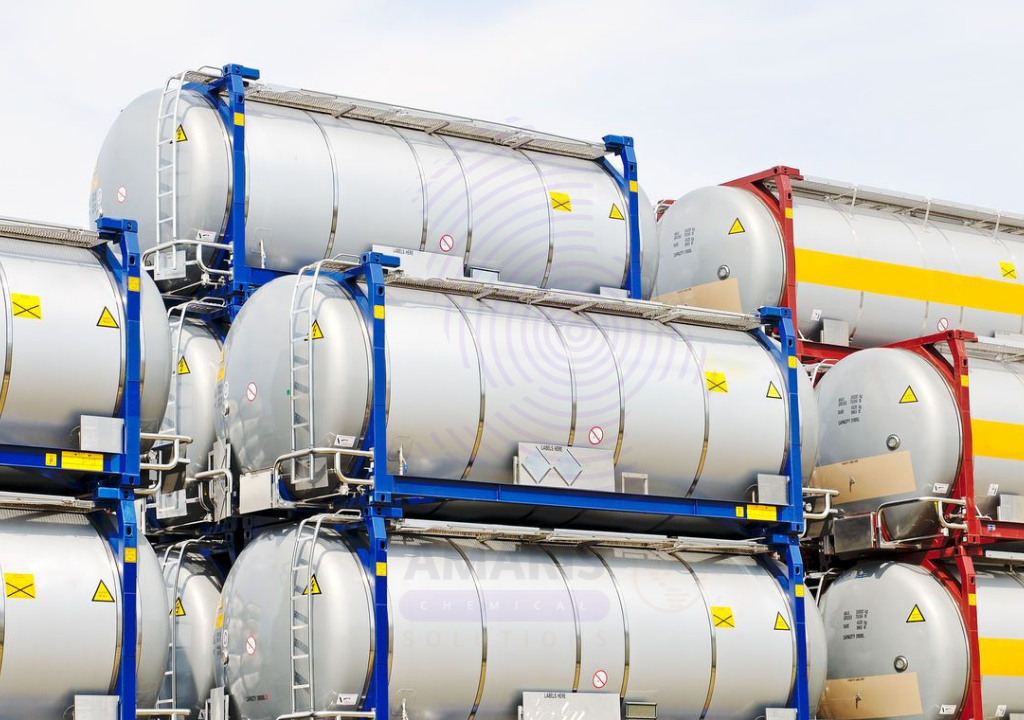
Chemical logistics is a vital part of East Africa’s growing industrial economy. From manufacturing and agriculture to healthcare, mining, construction, and water treatment, countless industries depend on the safe and timely movement of chemicals. As countries across the region continue to industrialize, the demand for reliable chemical supply chains is increasing. While East Africa presents enormous opportunities for growth, it also faces logistical challenges that businesses must overcome to ensure chemicals are delivered safely, efficiently, and in compliance with regulations.
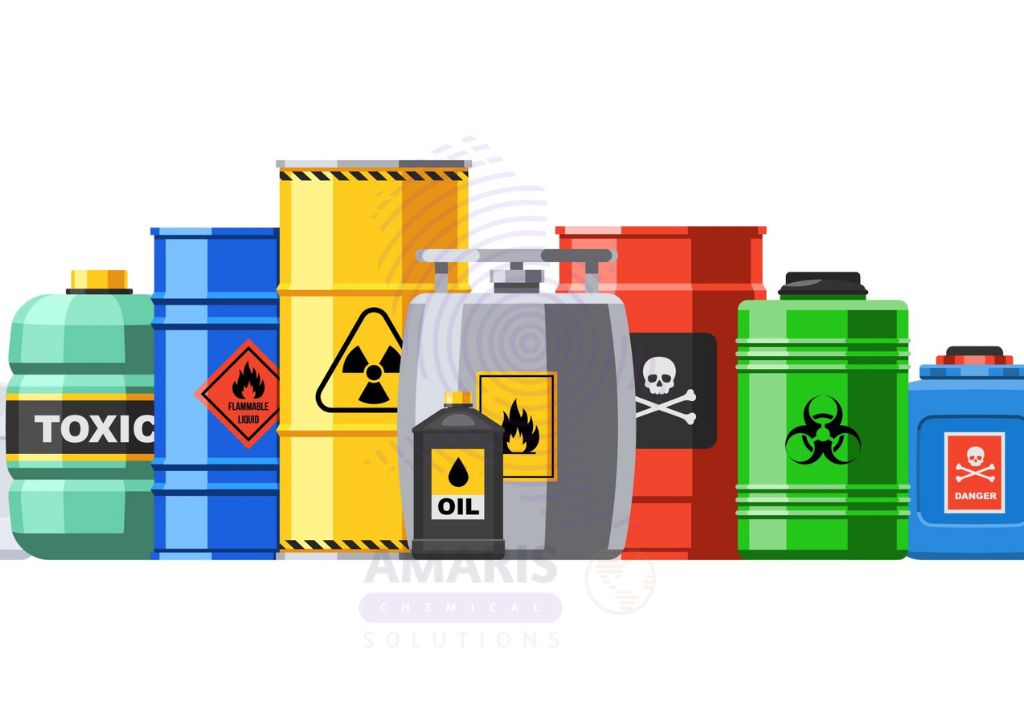
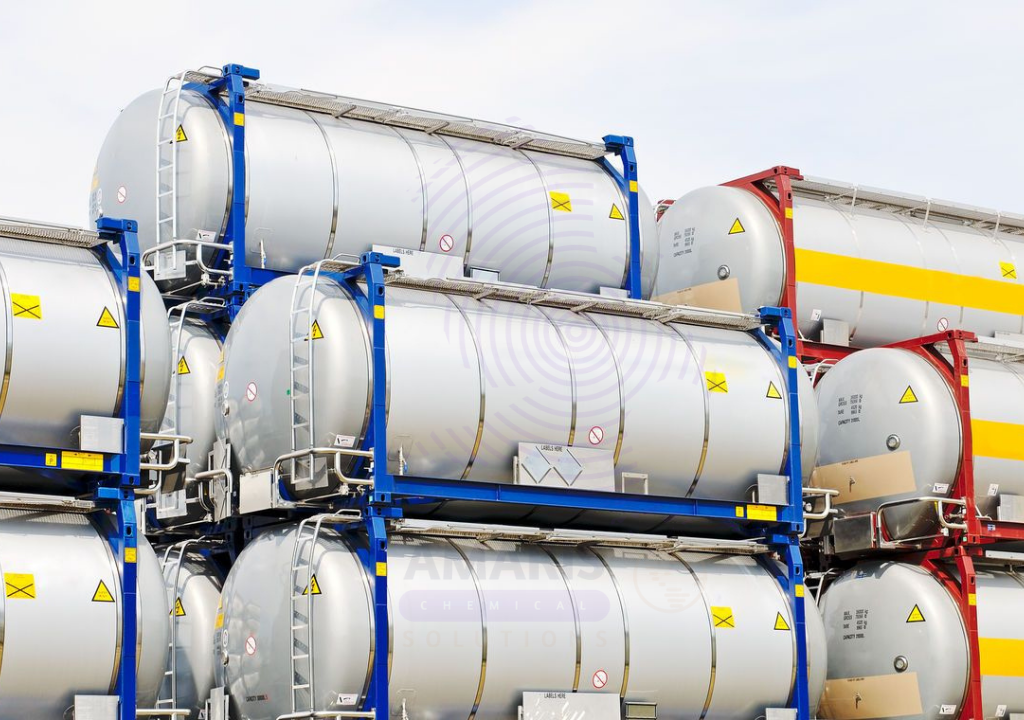
Unlike many other products, chemicals require specialized handling throughout the supply chain. Some are hazardous, temperature-sensitive, corrosive, or highly reactive, meaning they must be transported, stored, and packaged according to strict safety standards. Maintaining product quality while protecting people and the environment requires careful planning, trained personnel, and appropriate infrastructure at every stage of distribution.
One of the biggest challenges facing chemical logistics in East Africa is transportation infrastructure. Although significant investments have been made in roads, ports, and rail networks, some regions still experience delays caused by poor road conditions, congestion, or limited transport capacity. Since many industrial chemicals are imported through major ports before being distributed inland, efficient transport networks are essential for maintaining reliable supply and minimizing delivery times. 🚢🛣️
Cross-border trade is another important aspect of chemical logistics. East African countries continue to strengthen regional trade through initiatives that simplify customs procedures and improve the movement of goods. However, businesses may still encounter documentation requirements, regulatory differences, and customs clearance processes that can affect delivery schedules. Working with experienced logistics providers and maintaining accurate documentation helps minimize these challenges while supporting smoother regional trade.
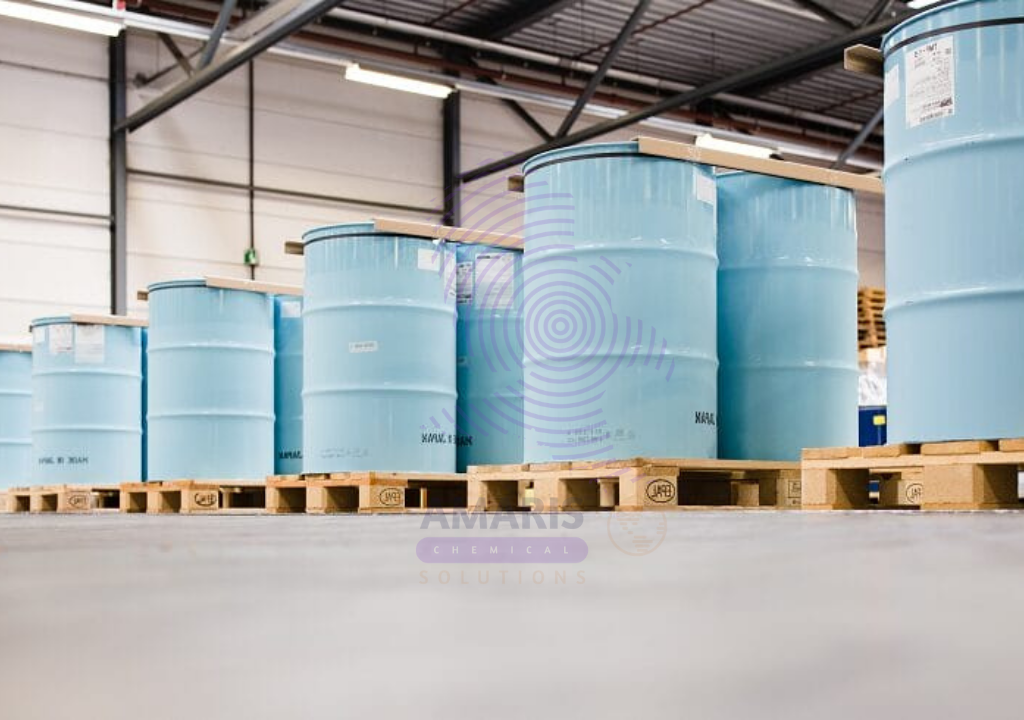
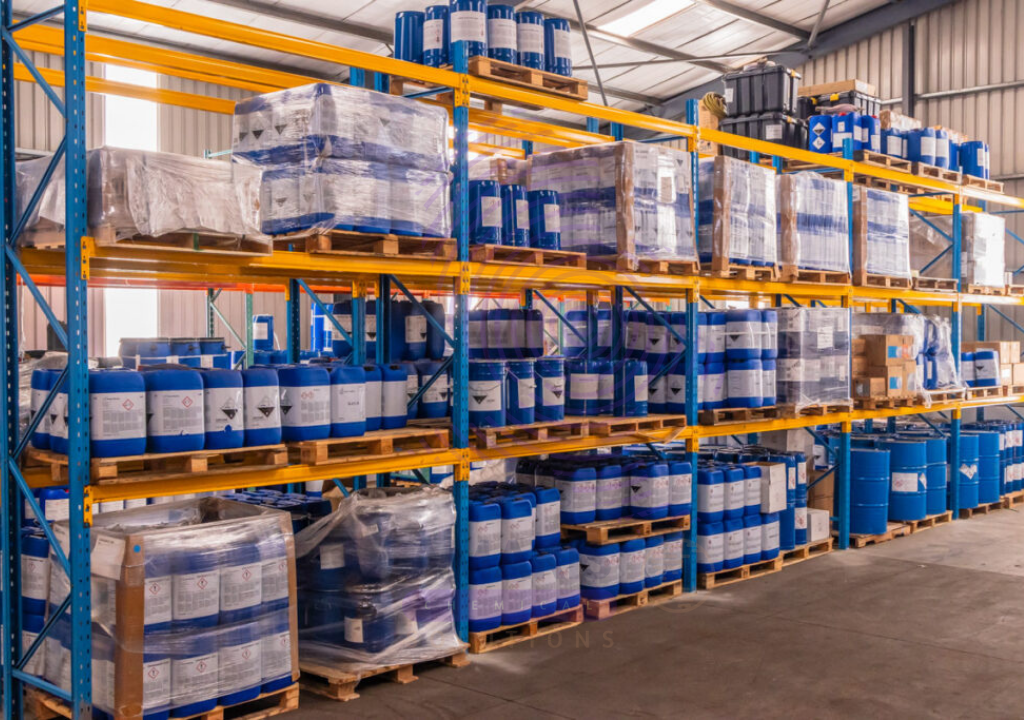
Storage is equally critical in chemical distribution. Many chemicals require controlled environments to preserve their quality and ensure safe handling. Proper warehouses should provide adequate ventilation, temperature control where necessary, spill containment systems, fire protection measures, and clear product segregation. Investing in modern storage facilities not only protects products but also helps businesses comply with health, safety, and environmental regulations. 🏭🧯
Safety remains the highest priority throughout the chemical supply chain. Employees involved in transportation, warehousing, and distribution should receive regular training on safe handling procedures, emergency response, and the correct use of personal protective equipment (PPE). Vehicles transporting hazardous materials must also meet regulatory requirements, while products should be clearly labeled and accompanied by appropriate Safety Data Sheets (SDS). Strong safety practices reduce operational risks and build customer confidence.
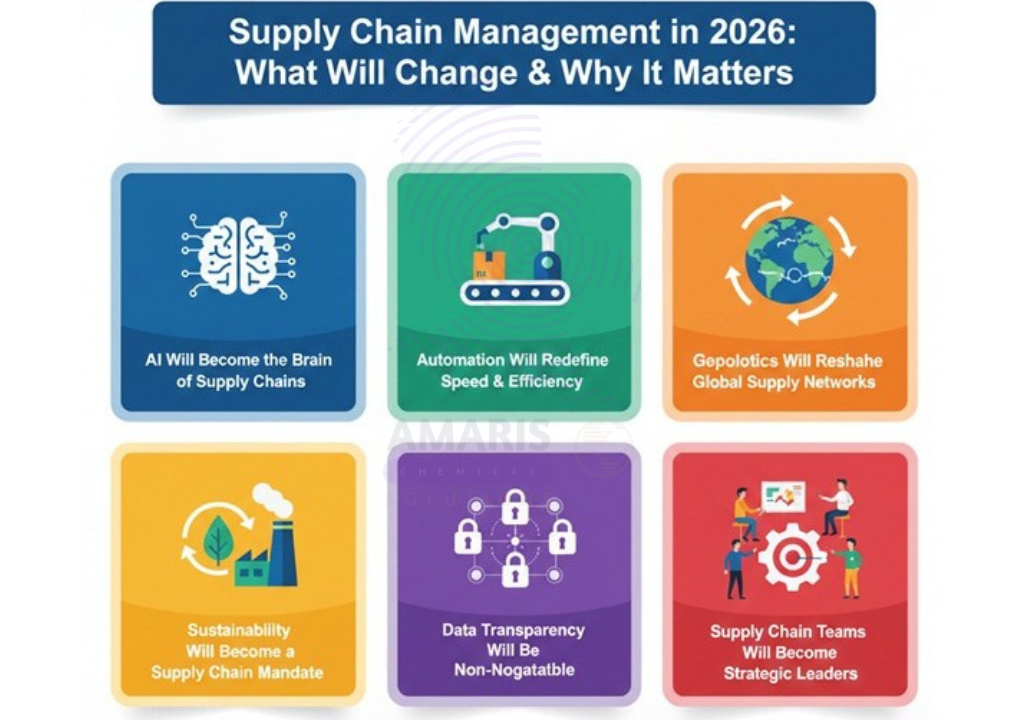
Technology is transforming chemical logistics across the region. Digital inventory systems, GPS fleet tracking, warehouse management software, and real-time shipment monitoring are helping businesses improve visibility across the supply chain. These technologies enable distributors to optimize delivery routes, monitor stock levels, reduce delays, and respond quickly to unexpected disruptions. As digital adoption continues to grow, East African businesses are becoming more efficient and competitive in both local and international markets. 📱📊
Sustainability is also influencing the future of chemical logistics. Companies are increasingly adopting environmentally responsible practices such as optimizing transport routes, improving fuel efficiency, reducing packaging waste, and using reusable containers where appropriate. Sustainable logistics not only lowers environmental impact but also improves operational efficiency and supports long-term business growth. ♻️🌱
Despite existing challenges, East Africa offers significant opportunities for chemical distributors and manufacturers. Rapid urbanization, expanding manufacturing industries, infrastructure development, and increasing investment in agriculture, healthcare, mining, and water treatment are driving demand for a wide range of chemical products. Growing regional integration and improved transport corridors are also creating new opportunities for businesses to serve customers across multiple countries more efficiently.
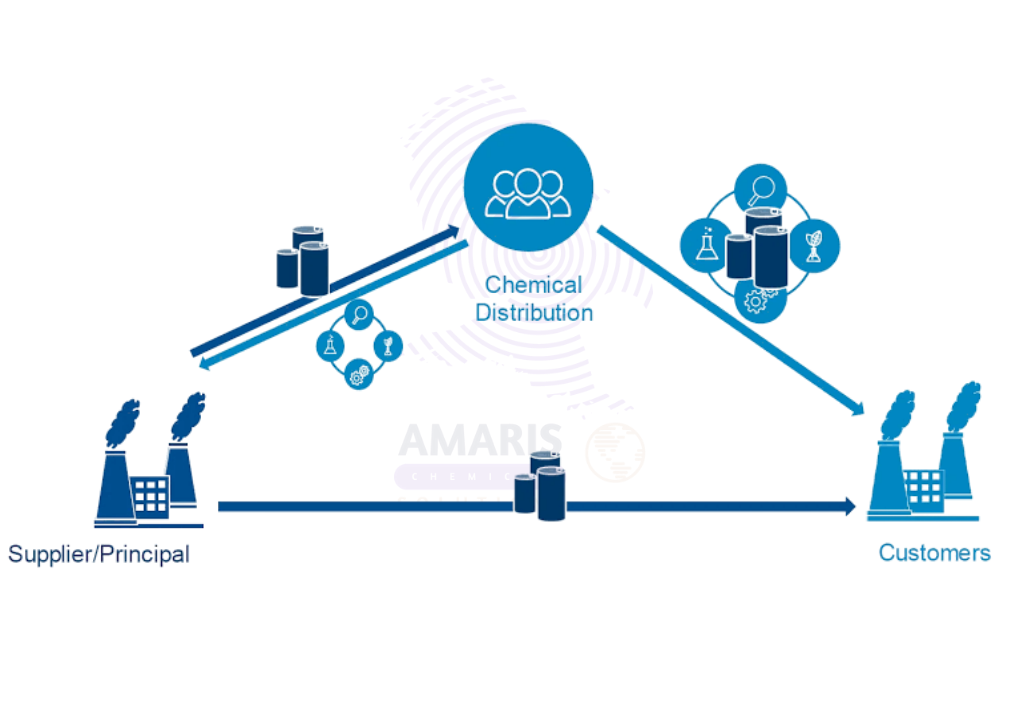
Building strong partnerships throughout the supply chain is becoming increasingly important. Reliable chemical suppliers, logistics providers, warehouse operators, and regulatory authorities all play essential roles in ensuring products reach customers safely and on time. Businesses that invest in trusted partnerships, staff training, digital technologies, and modern logistics infrastructure will be well positioned to meet growing market demand while maintaining high standards of quality and safety.
In conclusion, chemical logistics is a cornerstone of industrial growth in East Africa. Although challenges such as transportation infrastructure, regulatory compliance, and specialized storage remain, advances in technology, regional trade integration, and supply chain management are creating exciting new opportunities. Companies that prioritize safety, efficiency, sustainability, and strong partnerships will be better equipped to navigate the region’s evolving logistics landscape and support the continued growth of East Africa’s industrial economy. 🚚🌍🧪