Preservatives(food)
 Flavors
 Acidulants
 Sweeteners
 Antioxidants
 Colorants(food)
 Nutraceutical Ingredients (food)
 Nutrient Supplements
 Emulsifiers
 Collectors
 Dust Suppressants
 Explosives and Blasting Agents
 Flocculants and Coagulants
 Frothers
 Leaching Agents
 pH Modifiers
 Precious Metal Extraction Agents
 Antioxidants(plastic)
 Colorants (Pigments, Dyes)
 Fillers and Reinforcements
 Flame Retardants
 Monomers
 Plasticizers
 Polymerization Initiators
 Stabilizers (UV, Heat)
 Antifoaming Agents
 Chelating Agents
 Coagulants and Flocculants
 Corrosion Inhibitors
 Disinfectants and Biocides
 Oxidizing Agents
 pH Adjusters
 Scale Inhibitors( water)
 Antioxidants(cosmetic)
 Emollients
 Oils
Oils Carrier Oills
 Essential Oils
 Humectants
 Preservatives
 Surfactants(cosmetic)
 Thickeners
 UV Filters
 Fertilizers
 Soil Conditioners
 Plant Growth Regulators
 Animal Feed Additives
 Biostimulants
 Pesticides (Herbicides, Insecticides, Fungicides)
 Active Pharmaceutical Ingredients (APIs)
 Excipients
 Solvents(pharmaceutical)
 Antibiotics
 Antiseptics and Disinfectants
 Vaccine Adjuvants
 Nutraceutical Ingredients (pharmaceutical)
 Analgesics & Antipyretics
 Analytical Reagents
 Solvents(lab)
 Chromatography Chemicals
 Spectroscopy Reagents
 microbiology-and-cell-culture-reagents
 Molecular Biology Reagents
 Biochemical Reagents
 Inorganic and Organic Standards
 Laboratory Safety Chemicals
 Specialty Laboratory Chemicals(Special Laboratory Equipment)
 Demulsifiers
 Hydraulic Fracturing Fluids
 Scale Inhibitors(oil)
 Surfactants(oil)
 Drilling Fluids
 Dyes and Pigments
 Bleaching Agents
 Softening Agents
 Finishing Agents
 Antistatic Agents
 Admixtures
 Waterproofing Agents
 Sealants and Adhesives
 Curing Compounds
 Concrete Repair Chemicals
 Anti-Corrosion Coatings
 Surfactants(cleaning)
 Builders
 Enzymes
 Solvents (Cleaning)
 Fragrances (Cleaning)
 Electronic Chemicals
 Catalysts
 Lubricants
 Photographic Chemicals
 Refrigerants
 Automotive chemicals
 Pyrotechnic Chemicals
 Biodegradable Surfactants
 Bio-based Solvents
 Renewable Polymers
 Carbon Capture Chemicals
 Wastewater Treatment Chemicals
 Pigments
 Solvents(paint)
 Specialty Coatings
 Binders/Resins
 Additives
 Driers
 Anti-Corrosion Agents
 Functional Coatings
 Application-Specific Coatings
 Leavening Agents
 Dough Conditioners
 Flour Treatments
 Fat Replacers
 Decoratives
 Preservatives(baking)
 Plasticizers & Softeners
 Reinforcing Agents
 Adhesion Promoters
 Vulcanizing Agents
 Antidegradants
 Blowing Agents
 Fillers & Extenders
 Accelerators & Retarders
🧪 Why Quality Chemicals Reduce Product Defects 🏭✨

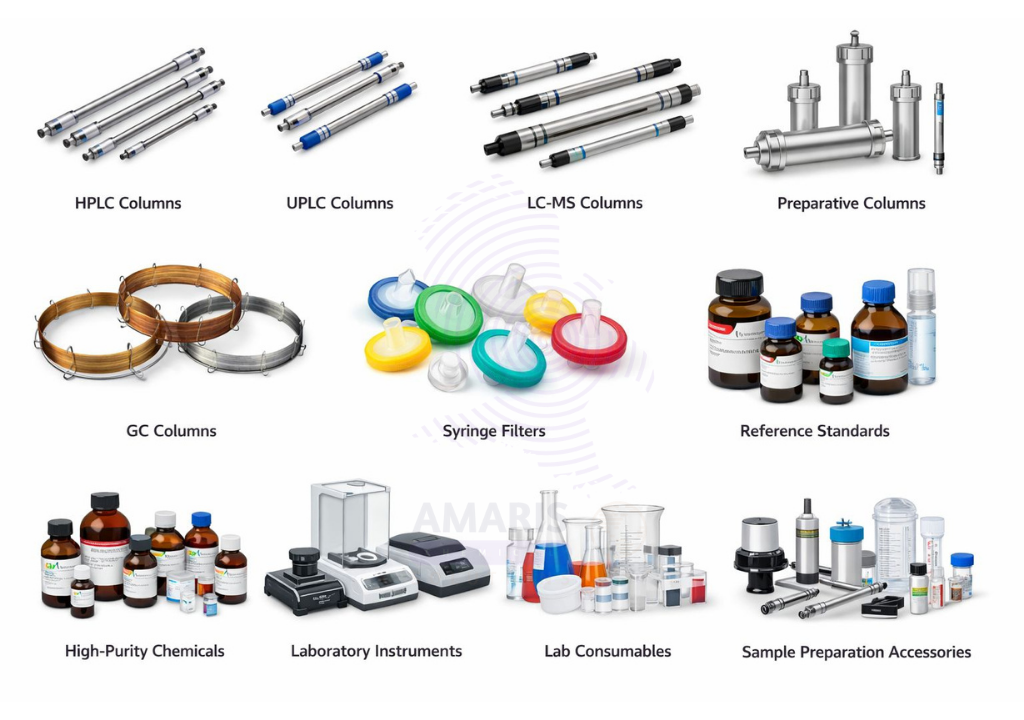
In modern manufacturing, product quality is closely connected to the quality of the raw materials used during production. Whether a company manufactures paints, detergents, cosmetics, plastics, pharmaceuticals, construction materials, or other industrial products, chemicals often form a critical part of the production process. Using reliable, consistent, and appropriately specified chemicals can significantly reduce product defects, improve manufacturing efficiency, and support consistent results. 🔬📦
A product defect can occur when a finished product fails to meet its required specifications. Problems may include incorrect color, poor texture, weak performance, separation, inconsistent viscosity, contamination, or reduced shelf life. While many factors can contribute to these issues, poor-quality or inconsistent raw materials can be an important source of manufacturing problems.
One of the biggest advantages of quality chemicals is consistency. Reliable chemical suppliers provide products that meet defined specifications from one batch to another. Consistent raw materials help manufacturers maintain stable production processes because the same formulation is more likely to produce similar results each time. This is especially important for products where precise chemical properties influence performance. 🧪📊
Purity is another important factor. Unwanted impurities can interfere with chemical reactions, affect product stability, or introduce unexpected characteristics into a formulation. For example, impurities in a raw material may alter color, odor, pH, viscosity, or reaction behavior. Using appropriately purified chemicals reduces the likelihood of these unwanted interactions and makes it easier for manufacturers to maintain product specifications.
Quality chemicals can also improve formulation stability. Many products contain several ingredients that must work together in carefully controlled proportions. If one raw material varies significantly in composition or purity, the balance of the formulation may be affected. This can result in separation, changes in texture, reduced effectiveness, or other defects. Consistent chemical inputs make formulation development and production control more predictable. ⚙️🔬
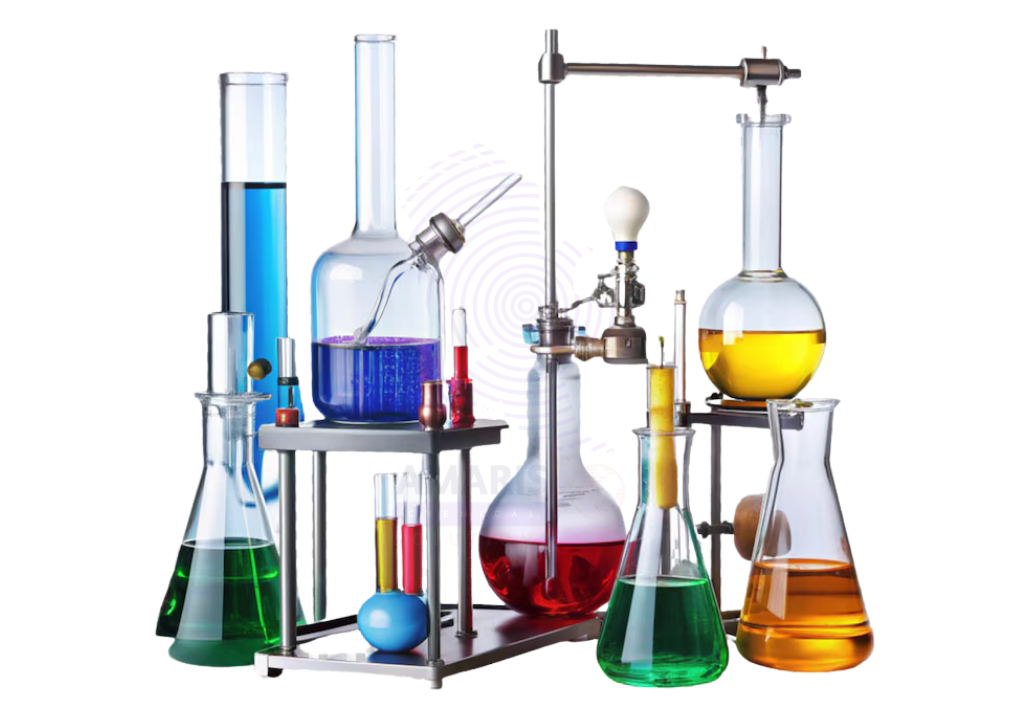
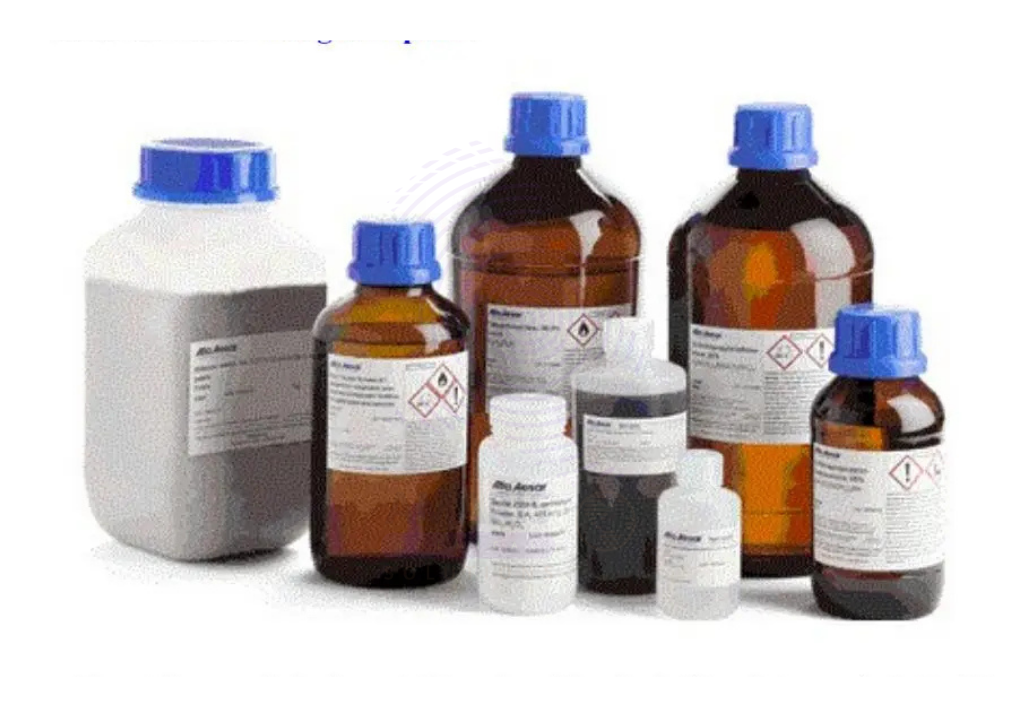
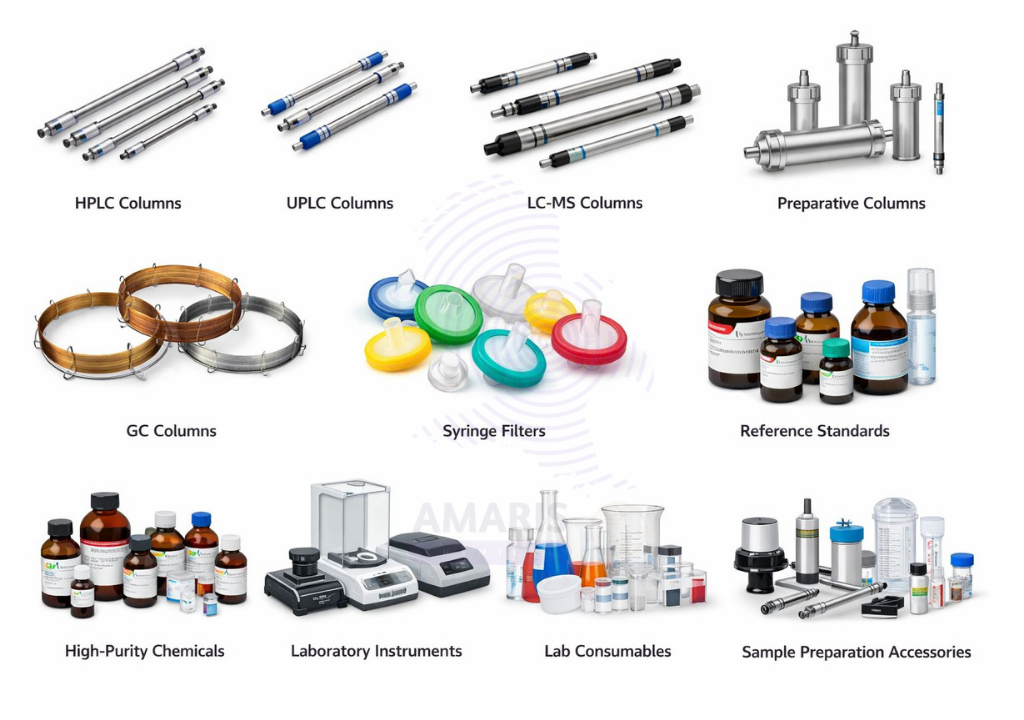
Another important benefit is improved process efficiency. Poor-quality raw materials may cause production interruptions, equipment problems, failed batches, or additional processing requirements. These issues can increase production costs and consume valuable time. Reliable chemicals help manufacturers maintain smoother operations, reduce rework, and minimize the amount of material that must be discarded.
Quality chemicals are particularly important in industries with strict product specifications. Pharmaceutical, food, cosmetic, laboratory, and specialty chemical manufacturers often operate under detailed quality control systems. Raw materials must meet defined requirements before they can be used in production. Proper chemical specifications and supplier documentation help manufacturers verify that incoming materials are suitable for their intended applications. 📋✅
Supplier reliability also plays an important role in reducing defects. A reputable chemical supplier should provide appropriate product information, consistent specifications, and relevant documentation such as Safety Data Sheets and certificates of analysis where applicable. Good communication between suppliers and manufacturers makes it easier to identify potential quality issues and resolve them before they affect production.
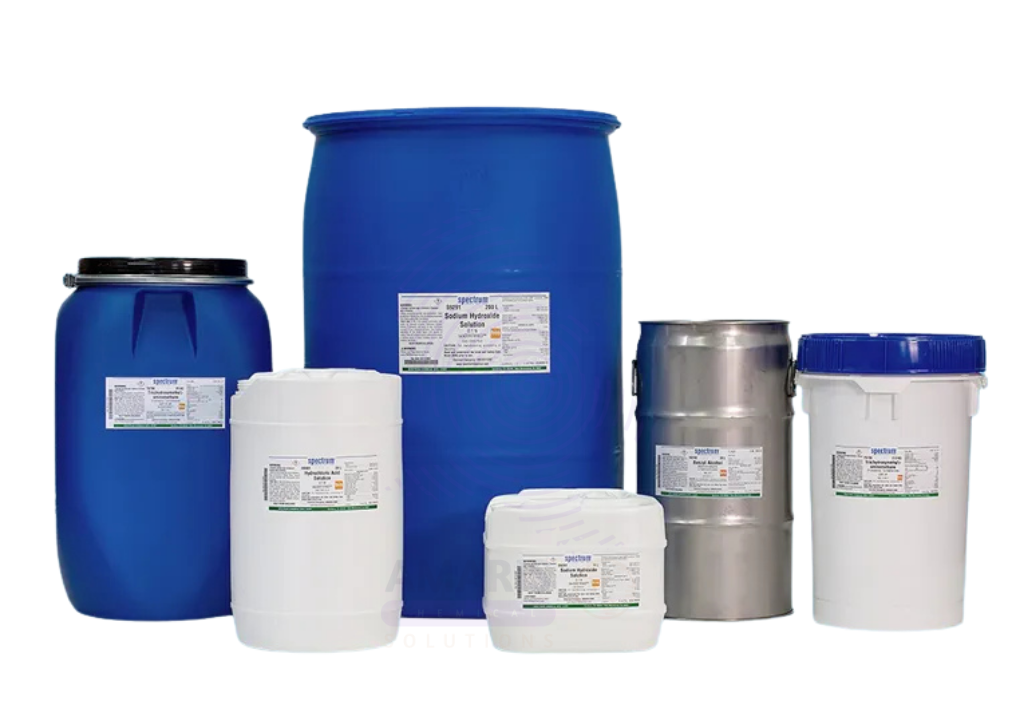
Storage and handling should not be overlooked. Even high-quality chemicals can deteriorate or become contaminated if they are stored incorrectly. Exposure to moisture, heat, light, air, or incompatible materials can change the properties of certain chemicals. Manufacturers should follow recommended storage conditions, maintain clean storage areas, and use appropriate handling procedures to preserve raw material quality. 🏷️📦
Quality control testing provides another layer of protection. Manufacturers can inspect and test incoming chemicals before incorporating them into production. Depending on the material and application, testing may include checking appearance, purity, concentration, pH, moisture content, viscosity, or other relevant properties. Early detection of unsuitable materials prevents larger problems later in the manufacturing process.
Investing in quality chemicals can also support long-term cost savings. Although high-quality materials may sometimes have a higher purchase price, they can reduce rejected batches, product recalls, rework, waste, customer complaints, and production downtime. Better raw materials therefore contribute not only to product quality but also to overall operational efficiency and profitability. 💰📈
In conclusion, quality chemicals are a fundamental part of reliable manufacturing. Consistent purity, stable properties, proper documentation, responsible storage, and effective quality control all help reduce the risk of product defects. By choosing dependable chemical suppliers and maintaining strong raw material management practices, manufacturers can improve production consistency, reduce waste, control costs, and deliver products that meet customer expectations. 🏭🧪🌍✨