Preservatives(food)
 Flavors
 Acidulants
 Sweeteners
 Antioxidants
 Colorants(food)
 Nutraceutical Ingredients (food)
 Nutrient Supplements
 Emulsifiers
 Collectors
 Dust Suppressants
 Explosives and Blasting Agents
 Flocculants and Coagulants
 Frothers
 Leaching Agents
 pH Modifiers
 Precious Metal Extraction Agents
 Antioxidants(plastic)
 Colorants (Pigments, Dyes)
 Fillers and Reinforcements
 Flame Retardants
 Monomers
 Plasticizers
 Polymerization Initiators
 Stabilizers (UV, Heat)
 Antifoaming Agents
 Chelating Agents
 Coagulants and Flocculants
 Corrosion Inhibitors
 Disinfectants and Biocides
 Oxidizing Agents
 pH Adjusters
 Scale Inhibitors( water)
 Antioxidants(cosmetic)
 Emollients
 Oils
Oils Carrier Oills
 Essential Oils
 Humectants
 Preservatives
 Surfactants(cosmetic)
 Thickeners
 UV Filters
 Fragrance (Cosmetics)
 Fertilizers
 Soil Conditioners
 Plant Growth Regulators
 Animal Feed Additives
 Biostimulants
 Pesticides (Herbicides, Insecticides, Fungicides)
 Active Pharmaceutical Ingredients (APIs)
 Excipients
 Solvents(pharmaceutical)
 Antibiotics
 Antiseptics and Disinfectants
 Vaccine Adjuvants
 Nutraceutical Ingredients (pharmaceutical)
 Analgesics & Antipyretics
 Analytical Reagents
 Solvents(lab)
 Chromatography Chemicals
 Spectroscopy Reagents
 microbiology-and-cell-culture-reagents
 Molecular Biology Reagents
 Biochemical Reagents
 Inorganic and Organic Standards
 Laboratory Safety Chemicals
 Specialty Laboratory Chemicals(Special Laboratory Equipment)
 Demulsifiers
 Hydraulic Fracturing Fluids
 Scale Inhibitors(oil)
 Surfactants(oil)
 Drilling Fluids
 Dyes and Pigments
 Bleaching Agents
 Softening Agents
 Finishing Agents
 Antistatic Agents
 Admixtures
 Waterproofing Agents
 Sealants and Adhesives
 Curing Compounds
 Concrete Repair Chemicals
 Anti-Corrosion Coatings
 Surfactants(cleaning)
 Builders
 Enzymes
 Solvents (Cleaning)
 Electronic Chemicals
 Catalysts
 Lubricants
 Photographic Chemicals
 Refrigerants
 Automotive chemicals
 Pyrotechnic Chemicals
 Biodegradable Surfactants
 Bio-based Solvents
 Renewable Polymers
 Carbon Capture Chemicals
 Wastewater Treatment Chemicals
 Pigments
 Solvents(paint)
 Specialty Coatings
 Binders/Resins
 Additives
 Driers
 Anti-Corrosion Agents
 Functional Coatings
 Application-Specific Coatings
 Leavening Agents
 Dough Conditioners
 Flour Treatments
 Fat Replacers
 Decoratives
 Preservatives(baking)
 Plasticizers & Softeners
 Reinforcing Agents
 Adhesion Promoters
 Vulcanizing Agents
 Antidegradants
 Blowing Agents
 Fillers & Extenders
 Accelerators & Retarders
The Future of Water Reuse: Can Treated Wastewater Support Africa’s Growing Industries? 💧🌍

Africa’s industries are growing, and with that growth comes a major challenge: water demand. Manufacturing, agriculture, mining, food processing, construction, hospitality, and other industries all require reliable water supplies to operate.
At the same time, many African regions face increasing pressure on freshwater resources due to population growth, urbanization, changing weather patterns, and rising industrial activity. This raises an important question: Can treated wastewater become part of the solution? 💧
Water reuse is gaining attention as industries look for more sustainable ways to manage water. Instead of treating wastewater as something that simply needs to be discarded, it can potentially be treated and reused for suitable applications.
What Is Water Reuse?
Water reuse involves treating wastewater so that it can be safely used again for an appropriate purpose. Depending on the source and the required quality, treated water may be suitable for applications such as industrial processes, cleaning, cooling, irrigation, or other non-potable uses.
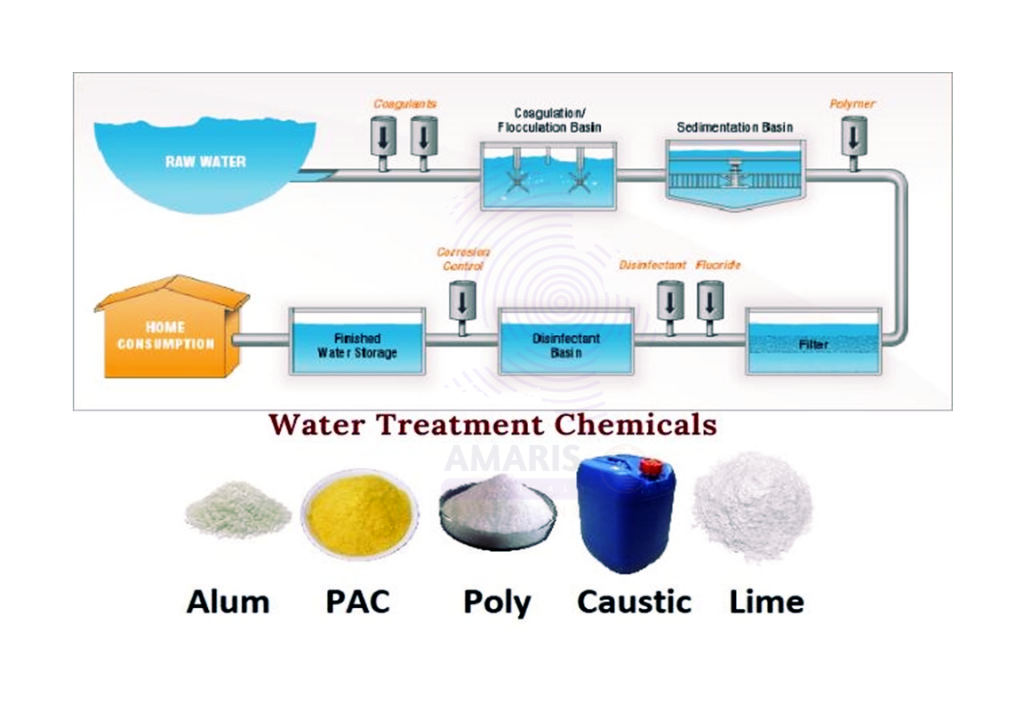
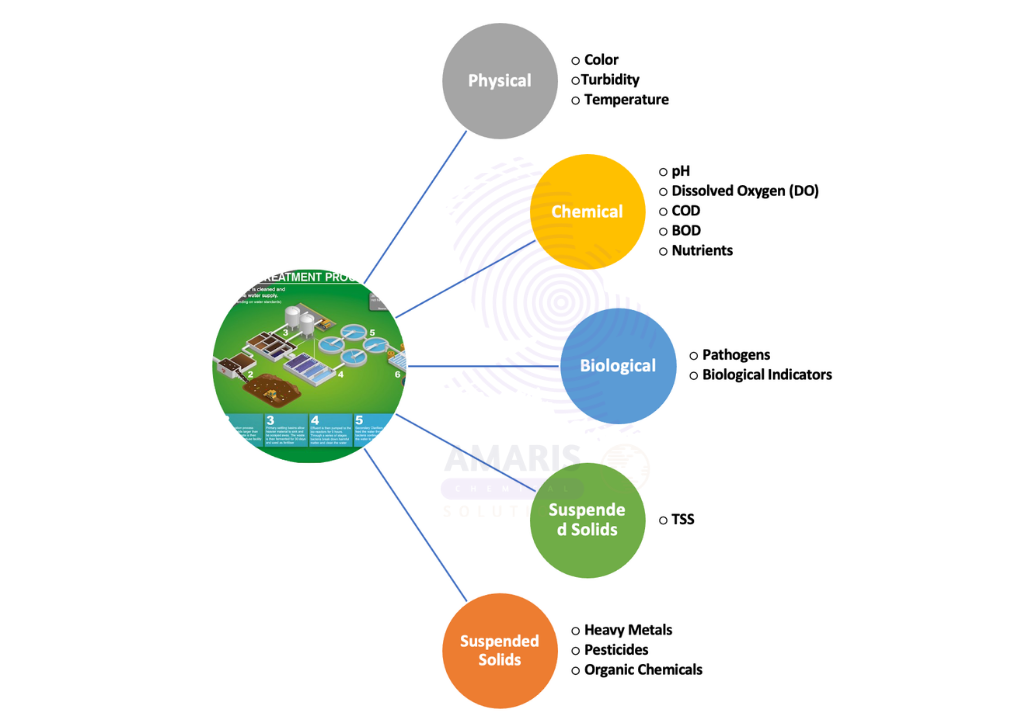
The treatment process can involve several stages designed to remove unwanted substances, suspended particles, microorganisms, and other contaminants. The exact treatment required depends on the quality of the incoming wastewater and the intended reuse application. 🧪
This means that water reuse is not simply about recycling water—it is about treating water to a quality appropriate for its next use.
Why Does This Matter to African Industries?
For industries that consume large quantities of water, improving water efficiency can have significant operational and environmental benefits.
Manufacturing facilities, for example, may use water for processing, cleaning, cooling, or equipment operations. Mining operations can also require substantial quantities of water, while food and beverage facilities need water for processing and sanitation.
Reusing appropriately treated water can help reduce pressure on freshwater sources and potentially improve the resilience of industrial operations.
For rapidly developing cities and industrial areas, this approach could become increasingly important as competition for freshwater resources grows.
From Wastewater to a Resource ♻️
One of the biggest changes in thinking around water management is the idea that wastewater can contain recoverable value.
Instead of viewing wastewater only as waste, industries can consider opportunities to recover and reuse water where technically and economically appropriate.
Modern treatment technologies can help remove contaminants and improve water quality. Depending on the application, treatment systems may incorporate filtration, biological processes, disinfection, membranes, and chemical treatment.
The objective is to create water that meets the required quality standards for its intended purpose.
What About Kenya and Africa?
For countries such as Kenya, water reuse could become increasingly relevant as cities expand and industries develop. Water-intensive sectors need reliable supplies, while communities and ecosystems also depend on available freshwater.
The opportunity is particularly significant in areas where water resources are under pressure. Industrial facilities can explore ways to reduce unnecessary consumption, improve wastewater treatment, and identify suitable opportunities for reuse.
However, water reuse must always be approached carefully. Not all treated wastewater is suitable for every application. The required treatment level, water quality, regulations, and health considerations must be evaluated before reuse. 🔬
The Role of Water Treatment Chemicals
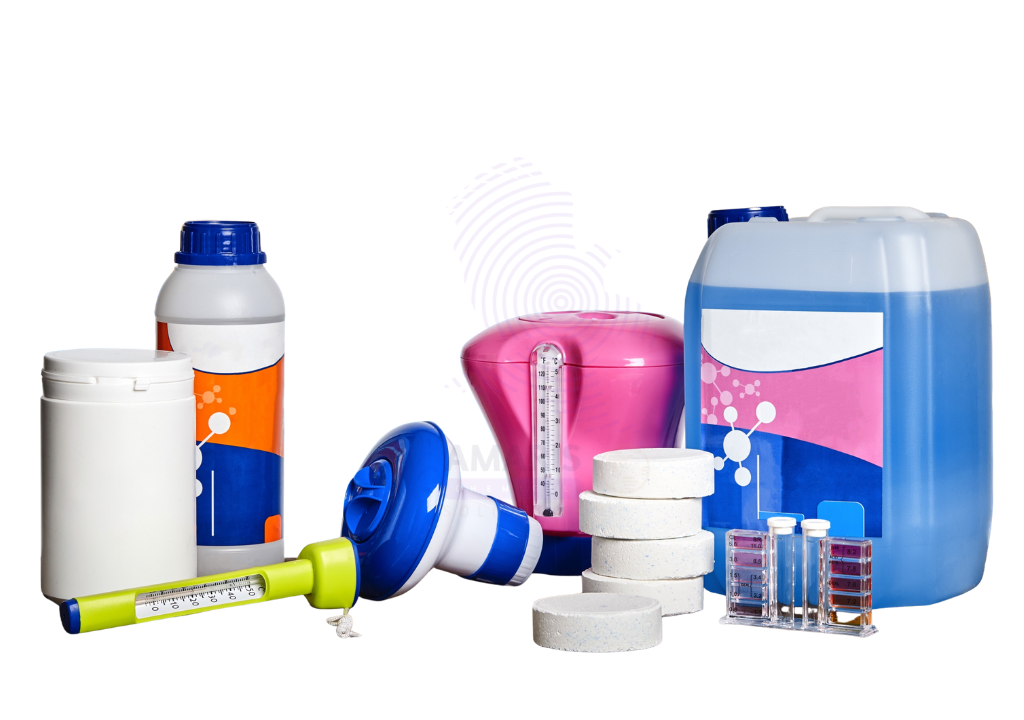
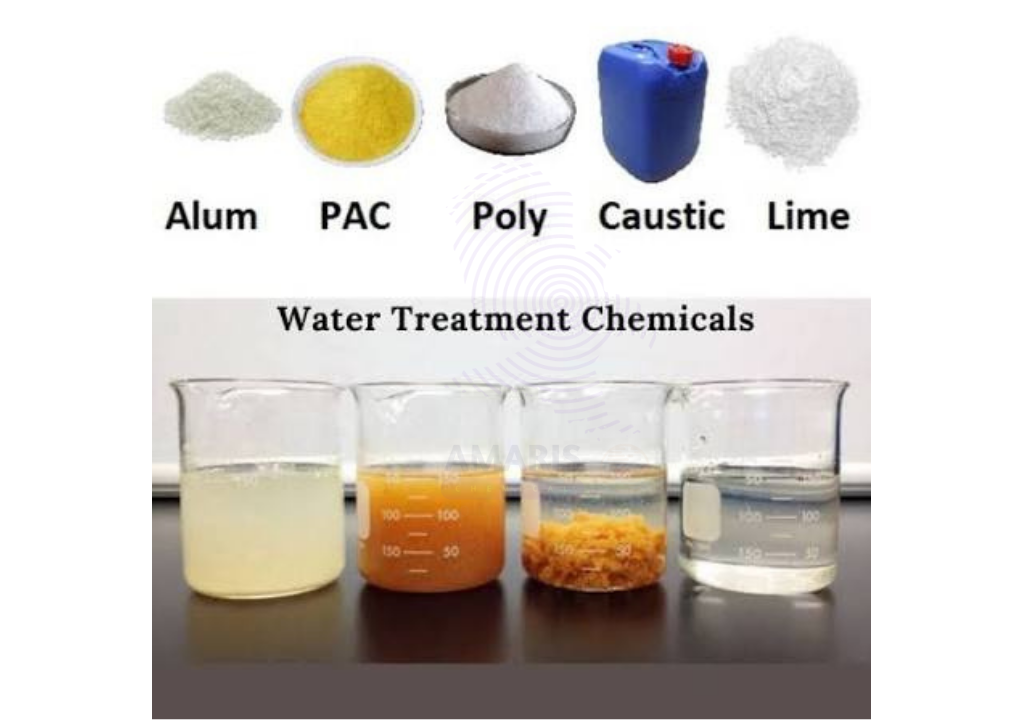
Water treatment chemicals can form an important part of many treatment systems. Depending on the treatment process, different chemicals may assist with coagulation, flocculation, pH adjustment, disinfection, scale control, or other treatment requirements.
Selecting appropriate treatment chemicals and maintaining proper treatment processes can help facilities achieve the water quality required for their intended application.
This highlights the connection between chemical technology and sustainable water management.
Could Water Reuse Shape Africa’s Industrial Future?
As Africa’s industries continue to grow, water efficiency will become an increasingly important part of sustainable development.
Water reuse cannot solve every water challenge, but it can provide another tool for industries seeking to reduce freshwater consumption and improve resource efficiency.
The future of industrial water management may therefore involve a shift from a simple “use and discharge” approach toward a more circular model where water is treated, recovered, reused, and managed responsibly. 🌍💧
For Africa’s growing industries, the question may no longer be whether wastewater can be reused, but rather where, how, and under what conditions it can be safely and effectively reused.