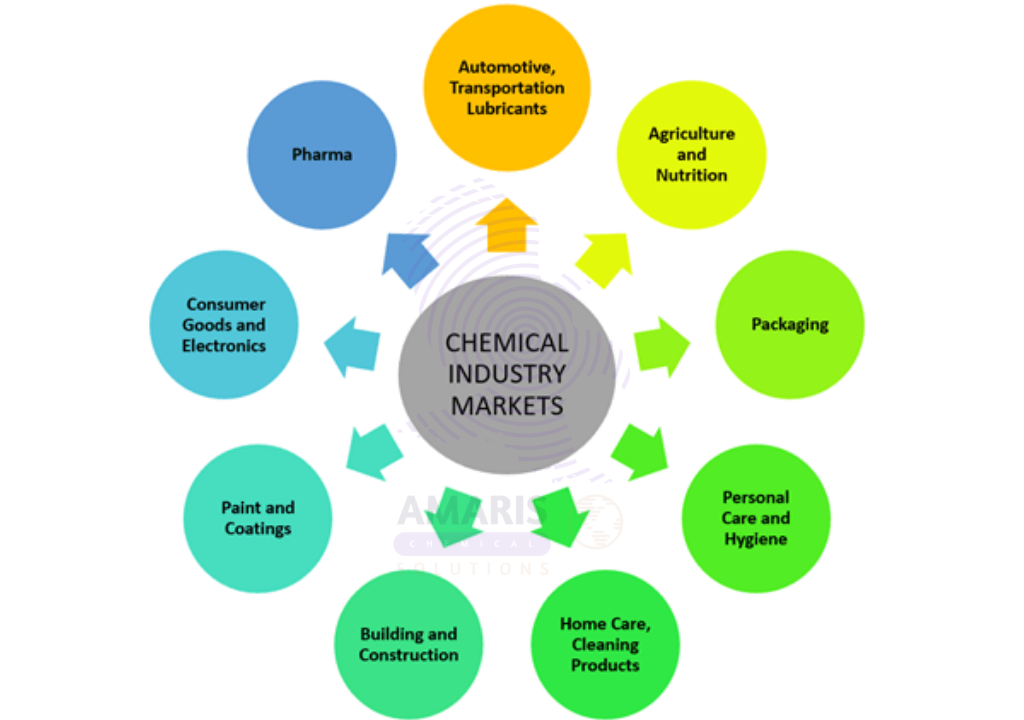
Preservatives(food)
 Flavors
 Acidulants
 Sweeteners
 Antioxidants
 Colorants(food)
 Nutraceutical Ingredients (food)
 Nutrient Supplements
 Emulsifiers
 Collectors
 Dust Suppressants
 Explosives and Blasting Agents
 Flocculants and Coagulants
 Frothers
 Leaching Agents
 pH Modifiers
 Precious Metal Extraction Agents
 Antioxidants(plastic)
 Colorants (Pigments, Dyes)
 Fillers and Reinforcements
 Flame Retardants
 Monomers
 Plasticizers
 Polymerization Initiators
 Stabilizers (UV, Heat)
 Antifoaming Agents
 Chelating Agents
 Coagulants and Flocculants
 Corrosion Inhibitors
 Disinfectants and Biocides
 Oxidizing Agents
 pH Adjusters
 Scale Inhibitors( water)
 Antioxidants(cosmetic)
 Emollients
 Oils
Oils Carrier Oills
 Essential Oils
 Humectants
 Preservatives
 Surfactants(cosmetic)
 Thickeners
 UV Filters
 Fragrance (Cosmetics)
 Fertilizers
 Soil Conditioners
 Plant Growth Regulators
 Animal Feed Additives
 Biostimulants
 Pesticides (Herbicides, Insecticides, Fungicides)
 Active Pharmaceutical Ingredients (APIs)
 Excipients
 Solvents(pharmaceutical)
 Antibiotics
 Antiseptics and Disinfectants
 Vaccine Adjuvants
 Nutraceutical Ingredients (pharmaceutical)
 Analgesics & Antipyretics
 Analytical Reagents
 Solvents(lab)
 Chromatography Chemicals
 Spectroscopy Reagents
 microbiology-and-cell-culture-reagents
 Molecular Biology Reagents
 Biochemical Reagents
 Inorganic and Organic Standards
 Laboratory Safety Chemicals
 Specialty Laboratory Chemicals(Special Laboratory Equipment)
 Demulsifiers
 Hydraulic Fracturing Fluids
 Scale Inhibitors(oil)
 Surfactants(oil)
 Drilling Fluids
 Dyes and Pigments
 Bleaching Agents
 Softening Agents
 Finishing Agents
 Antistatic Agents
 Admixtures
 Waterproofing Agents
 Sealants and Adhesives
 Curing Compounds
 Concrete Repair Chemicals
 Anti-Corrosion Coatings
 Surfactants(cleaning)
 Builders
 Enzymes
 Solvents (Cleaning)
 Electronic Chemicals
 Catalysts
 Lubricants
 Photographic Chemicals
 Refrigerants
 Automotive chemicals
 Pyrotechnic Chemicals
 Biodegradable Surfactants
 Bio-based Solvents
 Renewable Polymers
 Carbon Capture Chemicals
 Wastewater Treatment Chemicals
 Pigments
 Solvents(paint)
 Specialty Coatings
 Binders/Resins
 Additives
 Driers
 Anti-Corrosion Agents
 Functional Coatings
 Application-Specific Coatings
 Leavening Agents
 Dough Conditioners
 Flour Treatments
 Fat Replacers
 Decoratives
 Preservatives(baking)
 Plasticizers & Softeners
 Reinforcing Agents
 Adhesion Promoters
 Vulcanizing Agents
 Antidegradants
 Blowing Agents
 Fillers & Extenders
 Accelerators & Retarders
Chemical Recycling vs Mechanical Recycling: What’s the Difference? ♻️🧪

Plastic has become an essential material in modern life, but managing plastic waste remains a major global challenge. From packaging and construction materials to automotive components and consumer products, plastics are used across countless industries. As businesses and governments look for better ways to manage waste, recycling has become an increasingly important part of the circular economy. 🌍
But recycling does not always happen in the same way. Two approaches that are receiving significant attention are mechanical recycling and chemical recycling. Although both aim to recover value from plastic waste, they work in very different ways.
What Is Mechanical Recycling?
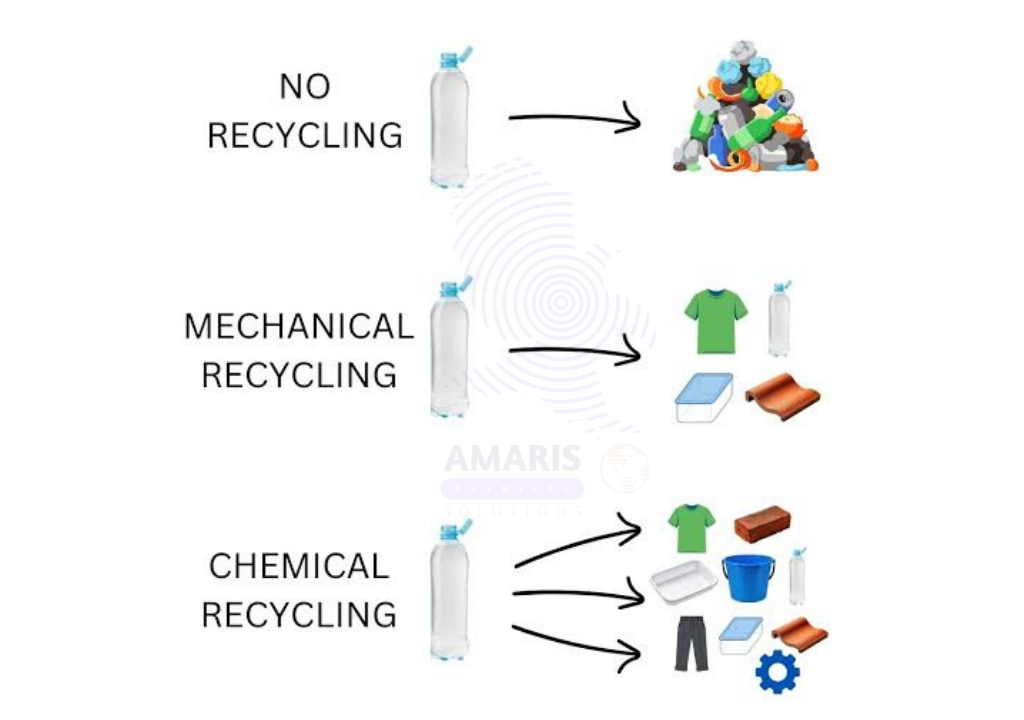
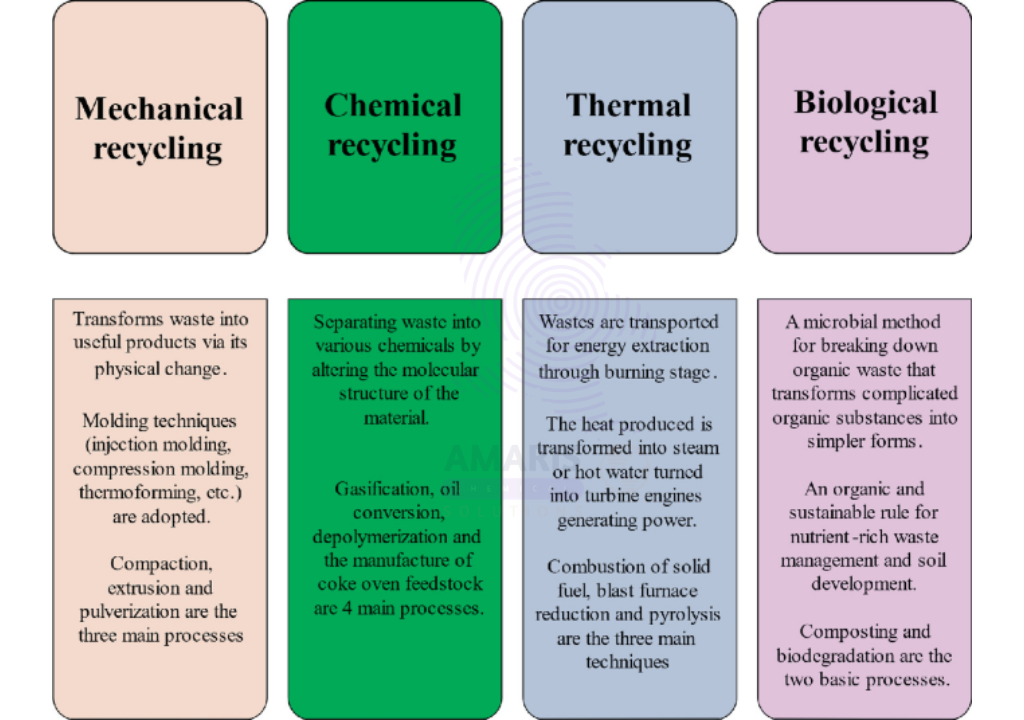
Mechanical recycling is the more established approach and involves physically processing plastic waste without fundamentally changing its chemical structure.
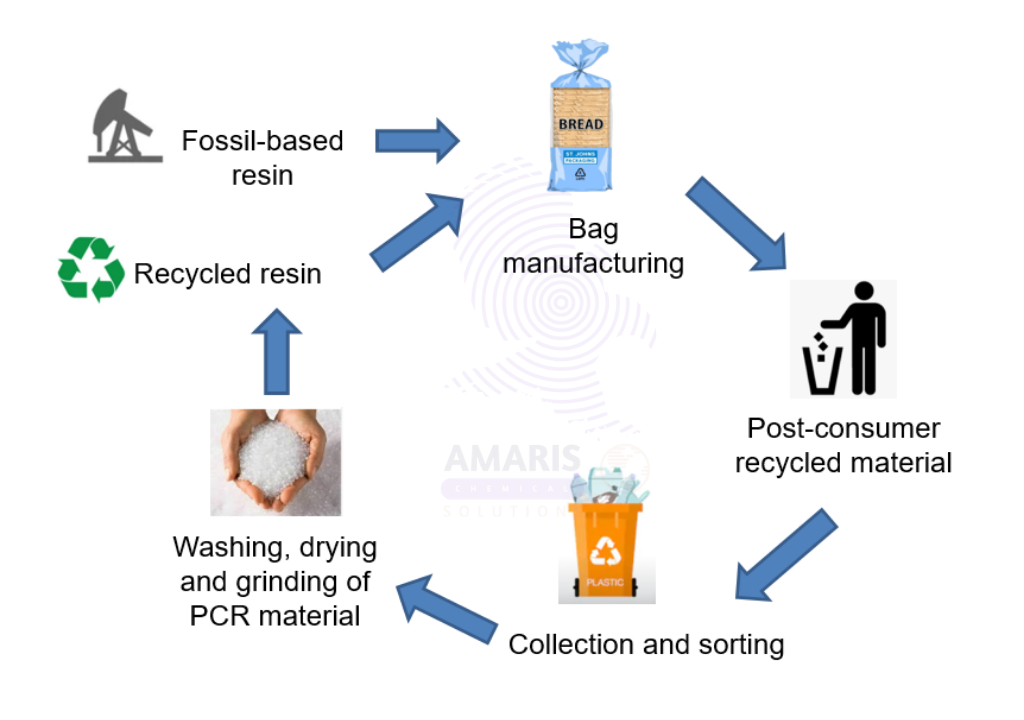
The process generally involves collecting and sorting plastic, cleaning it, shredding it into smaller pieces, and processing it into recycled material that can be used to manufacture new products.
One of the major advantages of mechanical recycling is that it can be relatively straightforward and energy-efficient compared with more complex recycling technologies.
However, the quality of recycled plastic can be affected by contamination, mixing different types of plastics, and repeated processing. Over time, some materials may experience changes in their physical properties, limiting the number of applications for which they are suitable.
What Is Chemical Recycling? 🧪
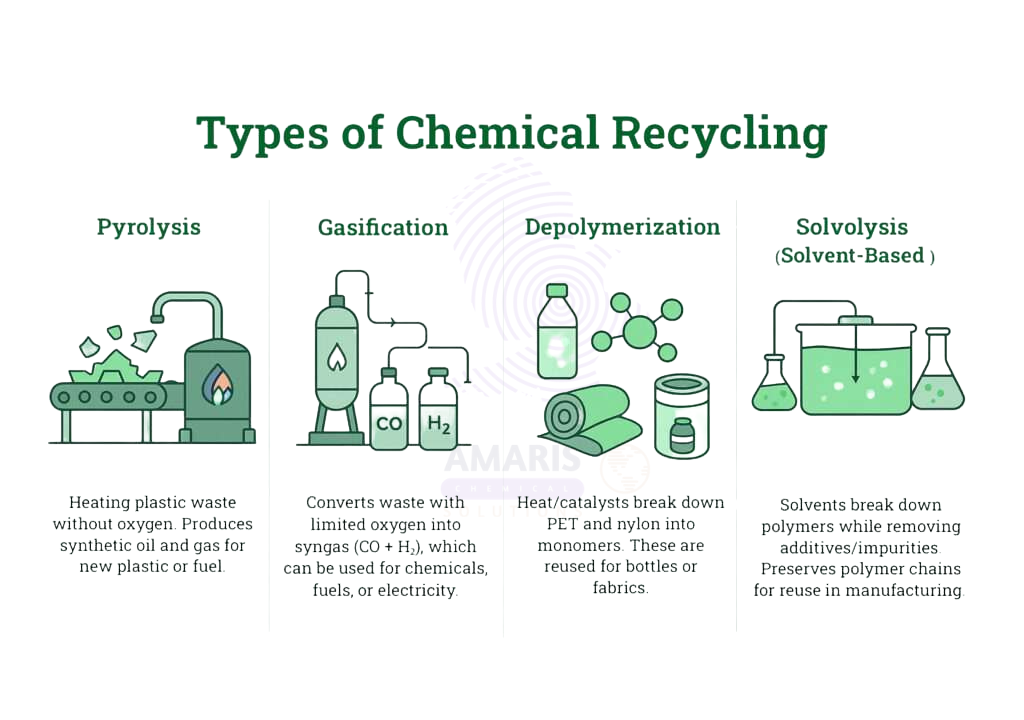
Chemical recycling takes a different approach. Instead of simply processing plastic physically, certain technologies use chemical or thermal processes to break polymers down into smaller molecules or their constituent building blocks.
These recovered materials can potentially be used as feedstocks to produce new plastics or other chemical products.
The major attraction of chemical recycling is its potential to process certain plastic waste streams that can be difficult to handle through conventional mechanical recycling. This can include some contaminated, mixed, or difficult-to-recycle materials, depending on the specific technology.
However, chemical recycling technologies can require more sophisticated equipment, energy, and process controls. Their environmental and economic performance can also vary considerably depending on the technology, feedstock, energy source, and final application.
So, Which One Is Better?
There is no simple answer. Mechanical and chemical recycling can serve different purposes.
Mechanical recycling is often well suited to relatively clean and properly sorted plastic waste. It can provide an effective way to keep suitable materials in circulation while reducing the need for virgin plastic.
Chemical recycling may offer additional possibilities for waste streams that are challenging to process mechanically.
Rather than viewing the two approaches as competitors, they can potentially form part of a broader recycling system where different technologies are used for different types of waste. ♻️
Why Does This Matter for Africa?
For Kenya and other African countries, plastic waste management presents both an environmental challenge and an industrial opportunity.
As urban populations grow and consumption increases, effective collection, sorting, recycling infrastructure, and responsible waste management become increasingly important.
Developing stronger recycling systems could create opportunities for local businesses, manufacturers, waste-management companies, and innovators. It could also support the development of a more circular plastics industry where materials remain useful for longer rather than becoming waste after a single use.
However, successful recycling requires more than technology. Collection systems, waste segregation, market demand, investment, appropriate regulations, and public participation all play important roles. 🇰🇪🌍
The Role of Chemical Innovation
Chemistry has an important role to play in the future of plastics recycling. Researchers and manufacturers continue to explore ways of improving polymer recovery, reducing energy requirements, managing contamination, and converting waste into useful raw materials.
At the same time, recycling should be considered alongside other strategies such as reducing unnecessary plastic use, designing products for recyclability, reusing materials, and improving waste collection.
The most effective solution is unlikely to be one single technology. Instead, it will involve combining different approaches according to the type of material and the needs of each market.
Building a More Circular Plastics Future 🌱
Mechanical recycling and chemical recycling represent two different pathways toward recovering value from plastic waste.
Mechanical recycling focuses primarily on physical processing, while chemical recycling seeks to transform polymers into chemical feedstocks or smaller molecular components.
Understanding this distinction helps businesses and consumers appreciate why different recycling technologies exist and why each has a role to play.
As Kenya, Africa, and the rest of the world work toward more sustainable manufacturing, innovations in recycling could help turn plastic waste from an environmental challenge into a valuable resource. The future of plastics may not simply be about producing more—it could be about recovering, reusing, and redesigning what we already have. ♻️🧪🌍