

 Preservatives(food)
 Flavor Enhancers
 Acidulants
 Sweeteners
 Antioxidants
 Colorants(food)
 Nutraceutical Ingredients (food)
 Nutrient Supplements
 Emulsifiers
 Collectors
 Dust Suppressants
 Explosives and Blasting Agents
 Flocculants and Coagulants
 Frothers
 Leaching Agents
 pH Modifiers
 Precious Metal Extraction Agents
 Antioxidants(plastic)
 Colorants (Pigments, Dyes)
 Fillers and Reinforcements
 Flame Retardants
 Monomers
 Plasticizers
 Polymerization Initiators
 Stabilizers (UV, Heat)
 Antifoaming Agents
 Chelating Agents
 Coagulants and Flocculants
 Corrosion Inhibitors
 Disinfectants and Biocides
 Oxidizing Agents
 pH Adjusters
 Scale Inhibitors( water)
 Antioxidants(cosmetic)
 Emollients
 Fragrances and Essential Oils
 Humectants
 Preservatives
 Surfactants(cosmetic)
 Thickeners
 UV Filters
 Fertilizers
 Soil Conditioners
 Plant Growth Regulators
 Animal Feed Additives
 Biostimulants
 Pesticides (Herbicides, Insecticides, Fungicides)
 Active Pharmaceutical Ingredients (APIs)
 Excipients
 Solvents(pharmaceutical)
 Antibiotics
 Antiseptics and Disinfectants
 Vaccine Adjuvants
 Nutraceutical Ingredients (pharmaceutical)
 Analgesics & Antipyretics
 Analytical Reagents
 Solvents(lab)
 Chromatography Chemicals
 Spectroscopy Reagents
 microbiology-and-cell-culture-reagents
 Molecular Biology Reagents
 Biochemical Reagents
 Inorganic and Organic Standards
 Laboratory Safety Chemicals
 Specialty Laboratory Chemicals(Special Laboratory Equipment)
 Demulsifiers
 Hydraulic Fracturing Fluids
 Scale Inhibitors(oil)
 Surfactants(oil)
 Drilling Fluids
 Dyes and Pigments
 Bleaching Agents
 Softening Agents
 Finishing Agents
 Antistatic Agents
 Admixtures
 Waterproofing Agents
 Sealants and Adhesives
 Curing Compounds
 Concrete Repair Chemicals
 Anti-Corrosion Coatings
 Surfactants(cleaning)
 Builders
 Enzymes
 Solvents (Cleaning)
 Fragrances
 Electronic Chemicals
 Catalysts
 Lubricants
 Photographic Chemicals
 Refrigerants
 Automotive chemicals
 Pyrotechnic Chemicals
 Biodegradable Surfactants
 Bio-based Solvents
 Renewable Polymers
 Carbon Capture Chemicals
 Wastewater Treatment Chemicals
 Pigments
 Solvents(paint)
 Specialty Coatings
 Binders/Resins
 Additives
 Driers
 Anti-Corrosion Agents
 Functional Coatings
 Application-Specific Coatings
 Leavening Agents
 Dough Conditioners
 Flour Treatments
 Fat Replacers
 Decoratives
 Preservatives(baking)
 Plasticizers & Softeners
 Reinforcing Agents
 Adhesion Promoters
 Vulcanizing Agents
 Antidegradants
 Blowing Agents
 Fillers & Extenders
 Accelerators & Retarders

















Animal Feed Additives are substances added to livestock and poultry feed to enhance nutrition, improve growth, and maintain animal health. These additives include vitamins, minerals, amino acids, probiotics, enzymes, and antibiotics. They help optimize digestion, boost immunity, and increase feed efficiency, leading to better meat, milk, and egg production. Some additives, like prebiotics and phytogenics, promote gut health naturally, while others, such as antioxidants, preserve feed quality.
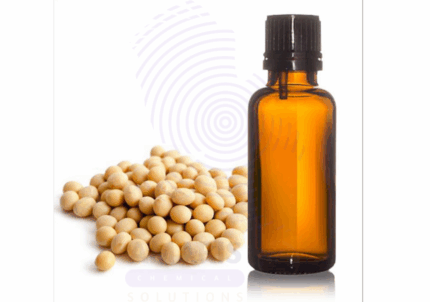
Acid Oil Soya
Acid Oil Soya is a byproduct derived from the refining of soybean oil. It is a dark-colored, free fatty acid-rich liquid containing mainly oleic and linoleic acids. Acid Oil Soya is commonly used in industrial applications such as soap making, animal feed, and as a raw material in the production of biodiesel, lubricants, and other chemicals.
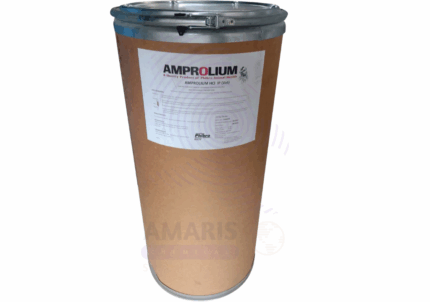
Amprolium Hydrochloride
Amprolium Hydrochloride is a white, odorless, crystalline powder used primarily as a coccidiostat, which means it inhibits the growth of Eimeria species (protozoan parasites) responsible for coccidiosis in poultry and other animals. It works by mimicking thiamine (vitamin B1), thereby competitively inhibiting thiamine uptake by the parasite, disrupting its metabolism, and preventing its proliferation. Amprolium HCl is widely used in veterinary medicine, especially in poultry farming, and is often included in feed or drinking water. It complies with BP 2008 and USP 32 pharmacopeial standards.
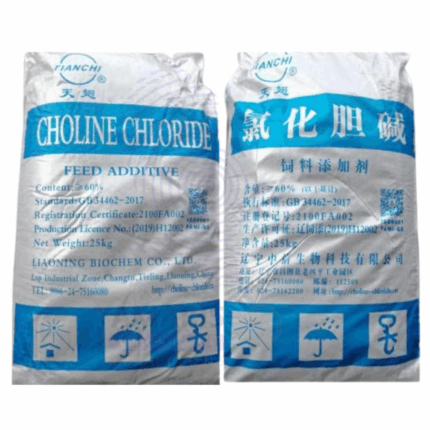
Choline Chloride Powder
Choline Chloride Powder is a white to off-white crystalline powder containing 60% choline chloride, a quaternary ammonium salt essential as a nutrient in animal and poultry feed. It serves as a vital source of choline, an important component in fat metabolism, liver function, and cell membrane integrity. Produced through chemical synthesis, this powder form is highly soluble in water, making it easy to incorporate into feed premixes and supplements. Choline chloride is widely used in the agriculture industry to prevent choline deficiency, enhance growth performance, and improve overall health in livestock. Beyond animal nutrition, it finds applications in chemical manufacturing and pharmaceuticals.
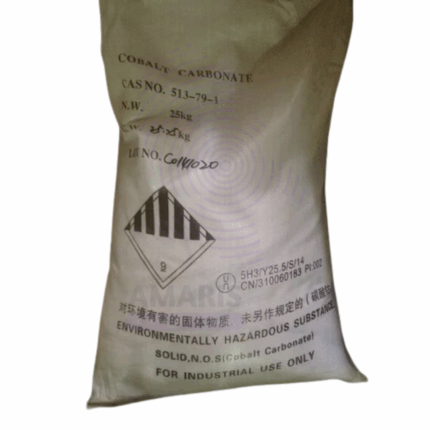
Cobalt Carbonate
Cobalt Carbonate is a rose-red to purplish powder with a metal content of approximately 46% cobalt by weight. It is an inorganic compound primarily used as a source of cobalt, either as a raw material in chemical synthesis or as a micronutrient in various formulations. It is slightly soluble in water and decomposes upon heating, releasing carbon dioxide and leaving cobalt oxide (CoO). Cobalt Carbonate is used in ceramics, catalysts, animal nutrition, batteries, and metal surface treatments. Its controlled release of cobalt makes it useful in both industrial and biological applications.

Magnesium Oxide
Magnesium Oxide (MgO) is a white, odorless, alkaline earth metal oxide powder. It is produced by calcining magnesium carbonate or hydroxide at high temperatures, resulting in a fine, white powder with a high melting point. Magnesium Oxide is widely used for its refractory properties, chemical stability, and ability to neutralize acids. It serves important roles in pharmaceuticals, agriculture, environmental applications, and various industrial processes.

Magnesium Sulphate (Epsom Salt)
Magnesium Sulphate Epsom Salt, commonly known as Epsom Salt, is an inorganic salt composed of magnesium, sulfur, and oxygen with the formula MgSO₄. It typically appears as colorless or white crystalline granules and is highly soluble in water. In its heptahydrate form (MgSO₄·7H₂O), it is widely used in agriculture, pharmaceuticals, food, and industrial applications. Epsom Salt is valued for its muscle relaxant, laxative, and magnesium supplementation properties, as well as for its role in improving soil fertility and plant growth.
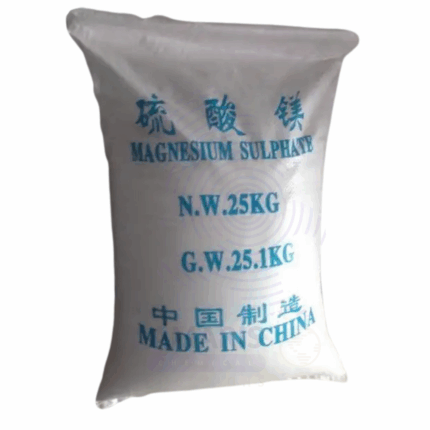
Manganese Sulphate Monohydrate
Manganese Sulphate Monohydrate is an inorganic chemical compound with the formula MnSO₄·H₂O. It appears as a pale pink crystalline powder and is highly soluble in water. It is primarily used as a source of manganese, an essential micronutrient, in fertilizers, animal feed, and industrial processes. This monohydrate form is the most stable and commonly used in agriculture and feed-grade applications. It also finds use in various chemical syntheses, electroplating, and as a reagent in laboratories.
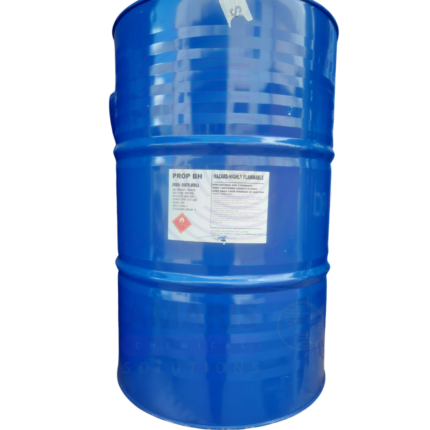
Propylparaben (Prop BH)
Prop BH, also known as Propylparaben or Propyl 4-Hydroxybenzoate, is an organic compound belonging to the paraben family of preservatives. It appears as colorless small crystals or a white crystalline powder with a characteristic mild odor and a slightly bitter taste. The compound is practically insoluble in cold water but readily soluble in alcohols, ethers, and other organic solvents. Propylparaben is widely recognized for its broad-spectrum antimicrobial activity, particularly effective against molds, yeasts, and bacteria. Propylparaben is manufactured for use as a preservative in various industrial applications and is not intended for direct human consumption without appropriate certification.
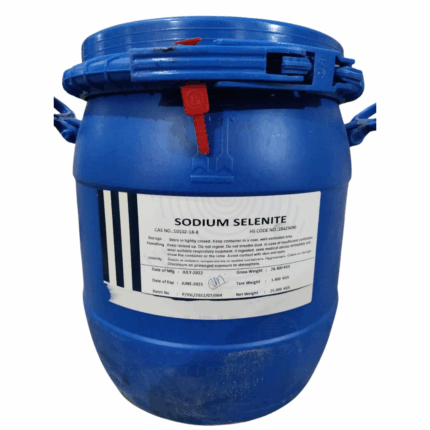
Sodium Selenite
Sodium Selenite is an inorganic selenium compound with the formula Na₂SeO₃. In its commercial 45% concentration, it is typically supplied as a colorless to slightly yellow aqueous solution or as a crystalline solid with 45% selenium content. It is primarily used as a micronutrient additive in animal nutrition, a reagent in the pharmaceutical and glass industries, and in various research applications. Highly bioavailable, it serves as a key selenium source where controlled selenium supplementation is critical. This 25kg product offers precise dosing, stability, and ease of handling in industrial and agricultural settings.

Tylosin Tartrate
Tylosin Tartrate is a water-soluble macrolide antibiotic derived from Streptomyces fradiae, primarily used in veterinary medicine. It is the tartrate salt form of tylosin, enhancing its solubility and making it ideal for administration via drinking water or injectable solutions. Tylosin Tartrate is active against a wide range of Gram-positive bacteria and some Gram-negative organisms, as well as Mycoplasma spp. It is particularly effective for treating respiratory, gastrointestinal, and reproductive infections in livestock and poultry.
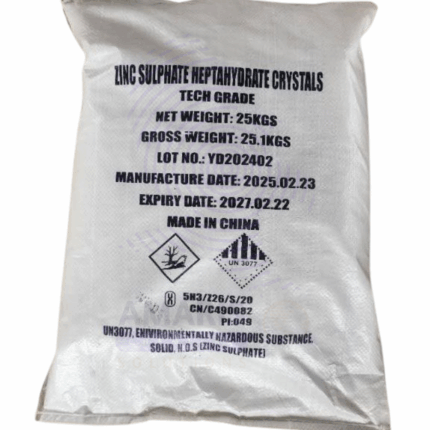
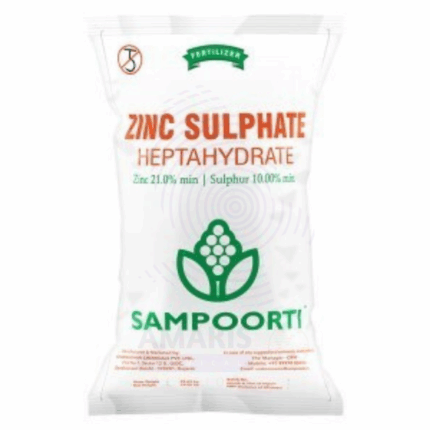
Zinc Sulphate Heptahydrate
Zinc Sulphate Heptahydrate (ZnSO₄·7H₂O) is a white, crystalline, water-soluble compound commonly used as a dietary supplement to treat zinc deficiency. It serves as a key ingredient in fertilizers, animal feeds, and industrial applications like water treatment and dyeing. The heptahydrate form contains seven water molecules, making it highly soluble and effective for various agricultural, medical, and chemical uses.












