

 Preservatives(food)
 Flavor Enhancers
 Acidulants
 Sweeteners
 Antioxidants
 Colorants(food)
 Nutraceutical Ingredients (food)
 Nutrient Supplements
 Emulsifiers
 Collectors
 Dust Suppressants
 Explosives and Blasting Agents
 Flocculants and Coagulants
 Frothers
 Leaching Agents
 pH Modifiers
 Precious Metal Extraction Agents
 Antioxidants(plastic)
 Colorants (Pigments, Dyes)
 Fillers and Reinforcements
 Flame Retardants
 Monomers
 Plasticizers
 Polymerization Initiators
 Stabilizers (UV, Heat)
 Antifoaming Agents
 Chelating Agents
 Coagulants and Flocculants
 Corrosion Inhibitors
 Disinfectants and Biocides
 Oxidizing Agents
 pH Adjusters
 Scale Inhibitors( water)
 Antioxidants(cosmetic)
 Emollients
 Fragrances and Essential Oils
 Humectants
 Preservatives
 Surfactants(cosmetic)
 Thickeners
 UV Filters
 Fertilizers
 Soil Conditioners
 Plant Growth Regulators
 Animal Feed Additives
 Biostimulants
 Pesticides (Herbicides, Insecticides, Fungicides)
 Active Pharmaceutical Ingredients (APIs)
 Excipients
 Solvents(pharmaceutical)
 Antibiotics
 Antiseptics and Disinfectants
 Vaccine Adjuvants
 Nutraceutical Ingredients (pharmaceutical)
 Analgesics & Antipyretics
 Analytical Reagents
 Solvents(lab)
 Chromatography Chemicals
 Spectroscopy Reagents
 microbiology-and-cell-culture-reagents
 Molecular Biology Reagents
 Biochemical Reagents
 Inorganic and Organic Standards
 Laboratory Safety Chemicals
 Specialty Laboratory Chemicals(Special Laboratory Equipment)
 Demulsifiers
 Hydraulic Fracturing Fluids
 Scale Inhibitors(oil)
 Surfactants(oil)
 Drilling Fluids
 Dyes and Pigments
 Bleaching Agents
 Softening Agents
 Finishing Agents
 Antistatic Agents
 Admixtures
 Waterproofing Agents
 Sealants and Adhesives
 Curing Compounds
 Concrete Repair Chemicals
 Anti-Corrosion Coatings
 Surfactants(cleaning)
 Builders
 Enzymes
 Solvents (Cleaning)
 Fragrances
 Electronic Chemicals
 Catalysts
 Lubricants
 Photographic Chemicals
 Refrigerants
 Automotive chemicals
 Pyrotechnic Chemicals
 Biodegradable Surfactants
 Bio-based Solvents
 Renewable Polymers
 Carbon Capture Chemicals
 Wastewater Treatment Chemicals
 Pigments
 Solvents(paint)
 Specialty Coatings
 Binders/Resins
 Additives
 Driers
 Anti-Corrosion Agents
 Functional Coatings
 Application-Specific Coatings
 Leavening Agents
 Dough Conditioners
 Flour Treatments
 Fat Replacers
 Decoratives
 Preservatives(baking)
 Plasticizers & Softeners
 Reinforcing Agents
 Adhesion Promoters
 Vulcanizing Agents
 Antidegradants
 Blowing Agents
 Fillers & Extenders
 Accelerators & Retarders

















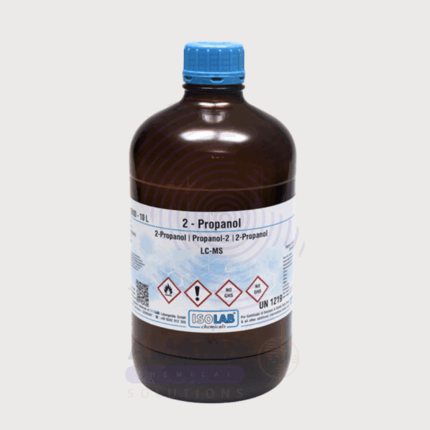
2 Propanol Extra Pure
2 Propanol Extra Pure, also known as isopropanol or isopropyl alcohol, is a clear, colorless, and highly volatile liquid with a distinctive alcoholic odor. Renowned for its high level of purity, it is widely utilized in laboratory analysis, pharmaceutical manufacturing, and electronics cleaning where precision and minimal residue are critical. Its excellent solvency properties make it effective for dissolving oils, resins, and various organic compounds, while its rapid evaporation rate and low toxicity enhance its usability in surface sterilization and disinfection applications. Fully miscible with water and many organic solvents, 2-Propanol Extra Pure plays a key role in the formulation of antiseptics, cosmetics, inks, coatings, and cleaning agents. Due to its flammability and vapor pressure, proper storage and handling are essential to ensure safety and maintain product integrity.
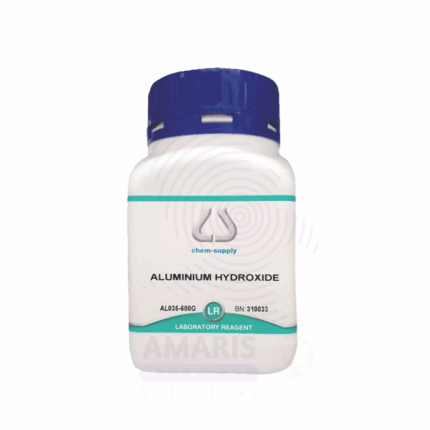
Aluminium Hydroxide Extra Pure
Aluminium Hydroxide Extra Pure is a high-purity, white, odorless, and amorphous powder widely used in laboratory research and analytical applications. As an amphoteric compound, it reacts with both acids and bases, making it ideal for studying neutralization reactions, buffer systems, and solubility equilibria. In inorganic and coordination chemistry, it serves as a precursor for various aluminum compounds and plays a role in ion exchange and adsorption studies. Its extra pure grade ensures low interference in sensitive analytical procedures such as gravimetric analysis. Due to its tendency to absorb carbon dioxide from the air, it should be stored in tightly sealed containers under dry conditions to maintain its chemical integrity and performance in laboratory environments.
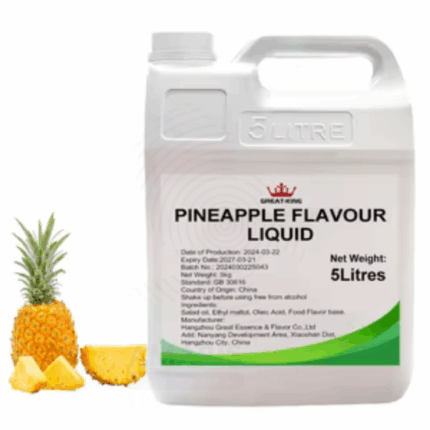
Pineapple Sweet Liquid Flavour
Pineapple Sweet Liquid Flavour is a high-quality synthetic flavour designed to replicate the sweet, tangy, and tropical taste of fresh pineapple. This flavouring is widely used in the food and beverage industry to enhance the sensory appeal of products such as beverages, baked goods, confectionery, and dairy items. It delivers a consistent, natural-like pineapple taste with excellent stability during processing and storage. Pineapple Liquid Flavour is water-soluble and blends well in both liquid and semi-solid food matrices, making it a versatile ingredient for a variety of formulations.
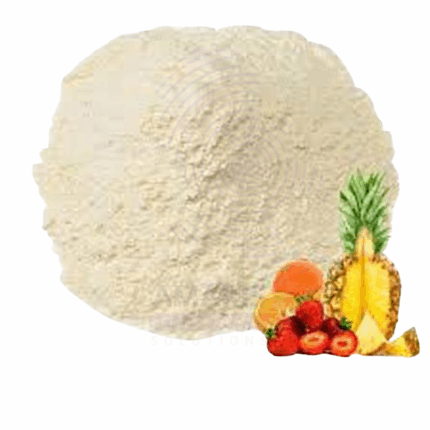
Mixed Fruit Powder Flavour
Mixed Fruit Powder Flavour is a finely milled, dry powder flavoring blend that delivers a vibrant and balanced mix of fruit notes including apple, orange, pineapple, and berry. Formulated from natural and nature-identical flavor compounds, this powder is ideal for applications where a dry, stable, and easy-to-handle flavoring agent is required. It offers excellent solubility in water and other aqueous systems, making it suitable for instant beverages, powdered drink mixes, confectionery, bakery products, and dairy powders. Its concentrated fruity aroma and taste enhance the sensory appeal of food products while ensuring consistent flavor release.
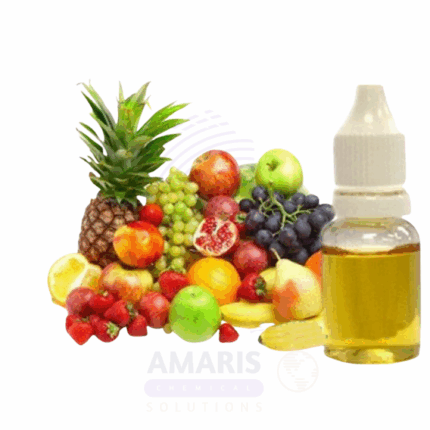
Mixed Fruit Liquid Flavour
Mixed Fruit Liquid Flavour is a concentrated, water-soluble liquid flavoring designed to deliver a balanced and vibrant blend of various fruit notes, including apple, orange, pineapple, and berry nuances. This flavor is formulated using natural and nature-identical flavor compounds, providing a fresh, sweet, and tangy aroma and taste. Ideal for a wide range of food and beverage applications, the liquid format allows for easy blending, rapid dissolution, and consistent flavor delivery. It is commonly used to enhance juices, sodas, confectioneries, dairy products, and flavored snacks. Additionally, its pleasant fruity scent makes it suitable for incorporation into cleaning products and personal care formulations.
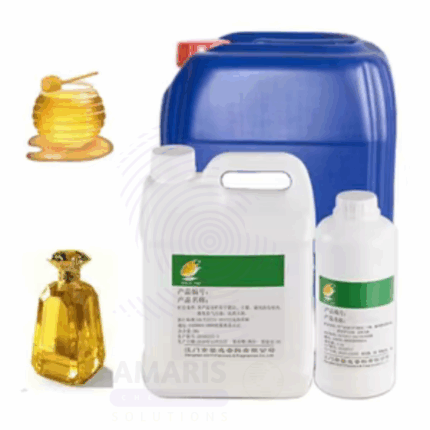
Honey Fragrance Oil
Honey Fragrance Oil is a richly aromatic oil designed to replicate the warm, sweet, and inviting scent of natural honey. This high-quality fragrance oil is widely used in personal care, cosmetic formulations, and household products to impart a comforting honey aroma. It blends seamlessly with other fragrance components and offers excellent scent longevity and stability. Manufactured with premium ingredients and adhering to industry standards, Honey Fragrance Oil is ideal for candles, soaps, lotions, perfumes, and air fresheners, providing a natural and pleasant honey fragrance experience.
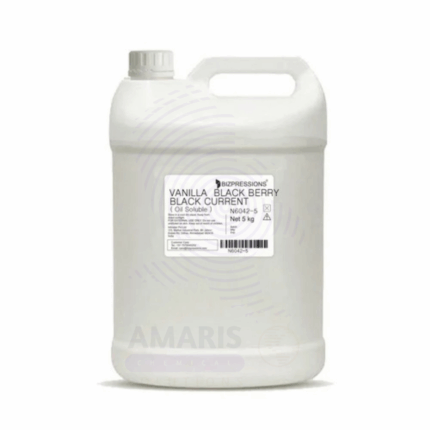
Blackcurrant and Vanilla Fragrance Water Soluble
Blackcurrant and Vanilla Fragrance Water Soluble is a sophisticated aromatic blend that combines the tart, fruity notes of ripe blackcurrant with the creamy sweetness of vanilla. Designed specifically for water-based formulations, this fragrance ensures excellent solubility and stability without separation or cloudiness. It offers a well-balanced, long-lasting scent ideal for personal care products, household cleaners, and specialty formulations. Its dual character of freshness and warmth adds sensory richness to products while maintaining clarity and performance.
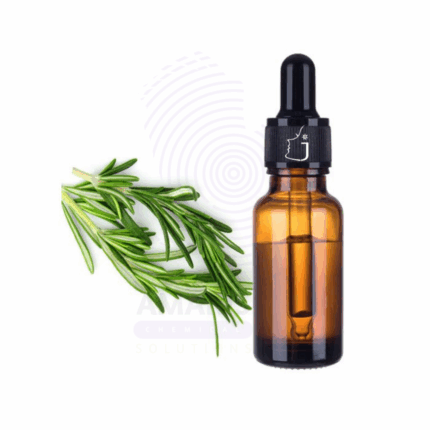
Rosemary Oil
Rosemary Oil is an essential oil extracted through steam distillation from the leaves and flowering tops of the Rosmarinus officinalis plant. It possesses a fresh, herbaceous, and slightly woody aroma. Rich in cineole, camphor, and α-pinene, Rosemary Oil is widely valued for its stimulating, antioxidant, and antimicrobial properties. It is extensively used in aromatherapy, cosmetics, pharmaceuticals, and natural personal care products. Rosemary Oil promotes scalp health, enhances hair growth, supports respiratory function, and is used in massage blends to invigorate the body and mind.
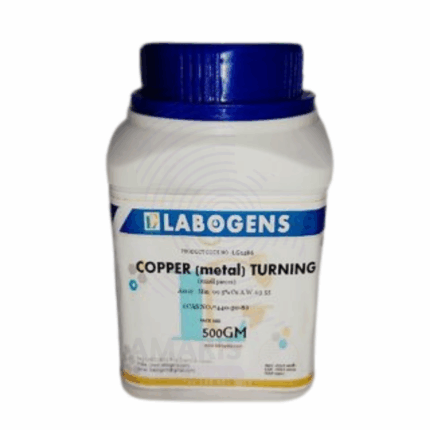
Copper Turnings Extra Pure
Copper Turnings Extra Pure are thin, spiral-shaped shavings of elemental copper, produced from high-purity metal and widely used in laboratory applications requiring clean, reactive metal surfaces. Their large surface area makes them ideal for redox reactions, hydrogen generation experiments, and the preparation of copper salts through acid reactions. In educational and research settings, they are preferred for demonstrations involving displacement reactions and metal activity series studies. The extra pure grade guarantees minimal contamination, ensuring accurate and reproducible results. To prevent oxidation and maintain reactivity, copper turnings should be stored in dry, airtight containers.

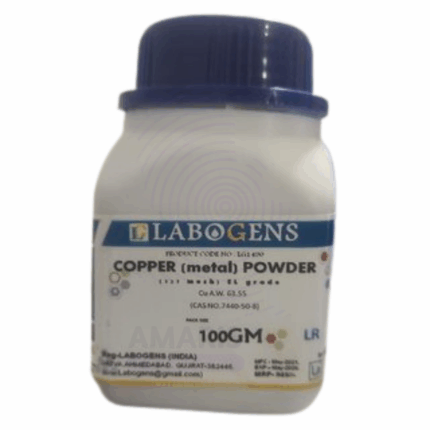
Copper powder Extra Pure
Copper Powder Extra Pure is a fine, reddish-brown metallic powder used extensively in laboratory applications involving redox reactions, catalysis, and the synthesis of organometallic compounds. Its high purity ensures minimal interference from contaminants, making it suitable for analytical studies, electrochemical experiments, and educational demonstrations of metal reactivity and conductivity. This powder also serves as a reducing agent in specific chemical reactions and is often utilized in material science research for investigating particle behavior and surface area effects. It should be handled in a dry, inert environment and stored in tightly sealed containers to prevent oxidation.
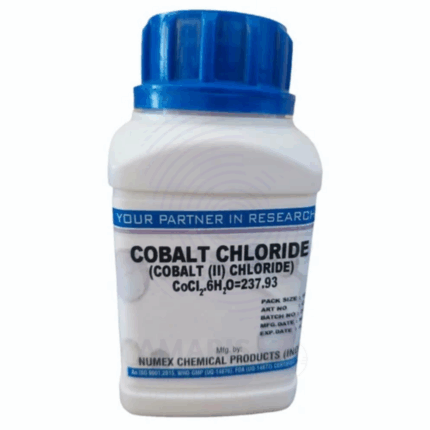
Cobalt Chloride Extra Pure
Cobalt Chloride Extra Pure is a high-purity, pink to deep purple crystalline compound widely used in laboratories for analytical, inorganic, and coordination chemistry. It is especially valued as a humidity indicator, turning from blue (anhydrous) to pink (hydrated) depending on moisture levels. In research settings, it serves as a precursor for synthesizing other cobalt compounds, as well as a reagent in qualitative tests for water, ammonium ions, and complex formation studies. Its extra pure grade ensures precise, contamination-free results, making it ideal for experiments requiring high accuracy. Proper handling with gloves and storage in airtight containers are recommended due to its toxic and moisture-sensitive nature.
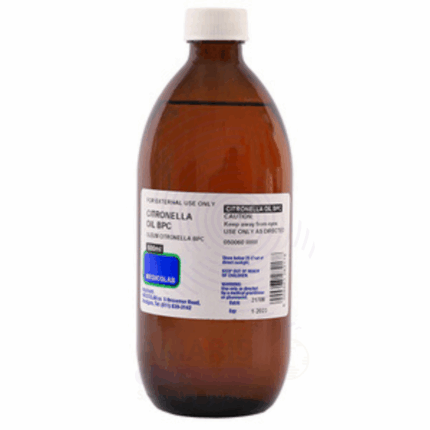
Citronella Extra Pure
Citronella Extra Pure is a laboratory-grade essential oil distilled primarily from Cymbopogon species, known for its strong, lemon-like aroma and high content of citronellal, geraniol, and citronellol. In lab settings, it is used in analytical chemistry, fragrance analysis, natural product research, and biological assays due to its volatile organic profile. The extra pure grade ensures the oil is free from synthetic additives and contaminants, offering consistent performance in both qualitative and quantitative studies. It also serves as a reference standard in olfactory testing and is handled with care due to its high volatility and sensitivity to light and air.

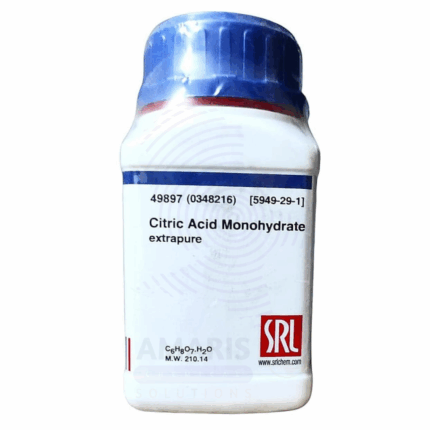
Citric Acid Monohydrate Extra Pure
Citric Acid Monohydrate Extra Pure is a highly refined, crystalline organic acid commonly used in laboratory settings for its chelating, buffering, and acidifying properties. With one molecule of water of crystallization, it serves as a reliable pH adjuster and complexing agent in analytical chemistry, titrations, and biochemical experiments. Its extra pure grade ensures minimal contaminants, making it suitable for sensitive applications in pharmaceutical research, food analysis, and preparation of reagent solutions. Soluble in water and ethanol, it is stable under normal lab conditions but should be stored in a cool, dry place in tightly sealed containers to prevent clumping and moisture absorption.
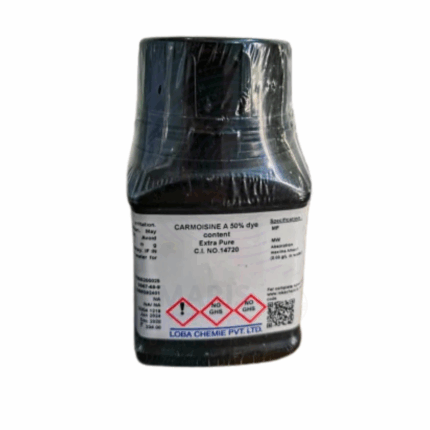
Carmoisine Red Extra Pure
Carmoisine Red Extra Pure is a high-purity synthetic azo dye widely used in laboratory settings for analytical and diagnostic applications, especially in colorimetric assays, pH studies, and chromatographic analysis. Known for its vibrant red hue and excellent solubility in water, it provides consistent and stable coloration under controlled conditions. In biochemical and pharmaceutical research, it serves as a model compound for dye interaction studies and compound tracing. The extra pure grade ensures low levels of impurities, offering high reliability in sensitive experimental work. It should be handled with care, stored in a cool, dry area, and protected from light to maintain its structural and color integrity.
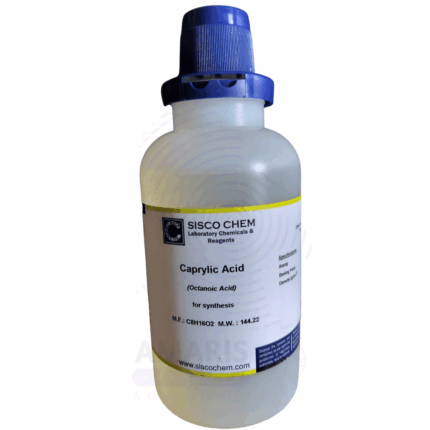
Caprylic/Capric Acid Extra Pure
Caprylic/Capric Acid Extra Pure is a high-purity blend of medium-chain saturated fatty acids—primarily octanoic (caprylic) and decanoic (capric) acids—used in laboratory environments for studying lipid chemistry, esterification, and antimicrobial properties. Its dual-chain composition makes it valuable for investigating emulsion systems, fatty acid metabolism, and as a reference standard in chromatographic analysis. This acid mixture is also employed in the synthesis of esters, surfactants, and as a model compound in solubility and partition coefficient experiments. The extra pure grade ensures minimal contamination, supporting consistent and accurate results in biochemical and organic chemistry applications. It should be stored in a cool, dry place in tightly sealed containers to maintain stability and prevent oxidation.
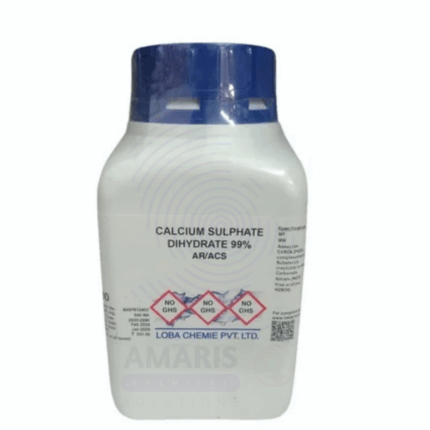
Calcium Sulphate Dihydrate Extra Pure
Calcium Sulphate Dihydrate Extra Pure is a high-purity, white crystalline compound commonly used in laboratory settings for controlled experiments involving hydration and crystallization. Also known as gypsum, it serves as a reliable source of calcium and sulfate ions in analytical chemistry and is often used in preparing culture media, setting-time studies, and thermogravimetric analysis. Its stable dihydrate form makes it ideal for demonstrating water crystallization and thermal decomposition when converted to hemihydrate or anhydrous forms. The extra pure grade guarantees minimal impurities, ensuring accuracy in sensitive applications. It should be stored in a cool, dry place to maintain its hydration state and analytical integrity.
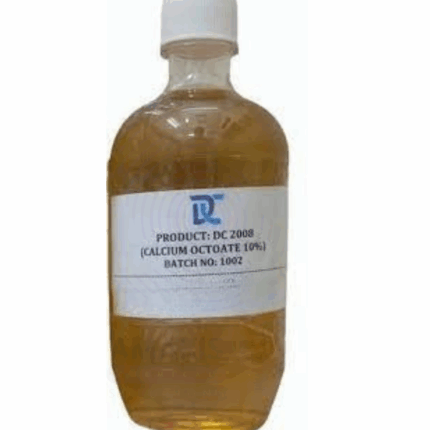
Calcium Octoate Extra Pure
Calcium Octoate Extra Pure is a high-purity laboratory-grade solution containing 10% calcium in the form of calcium salts of 2-ethylhexanoic acid (octanoic acid). It is primarily used in laboratory settings for studying coordination chemistry, organic-metallic interactions, and as a model compound in catalyst formulation research. Known for its solubility in organic solvents and thermal stability, it is also employed in experiments related to surface coatings, resin curing, and polymer additive behavior. The extra pure grade ensures low contamination, essential for accurate analytical and synthetic procedures. It should be stored in tightly sealed containers, away from moisture and heat, to maintain its chemical integrity.
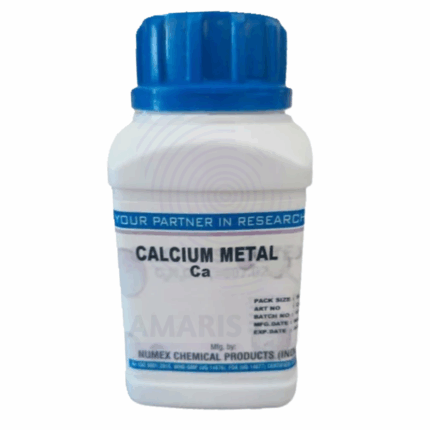
Calcium Metal Extra Pure
Calcium Metal Extra Pure is a high-purity, silvery-white alkaline earth metal used extensively in laboratory settings for its strong reducing properties and high reactivity. It plays a vital role in metallothermic reductions, particularly for extracting reactive metals like uranium, thorium, and zirconium from their oxides or halides. In controlled experiments, it is also used to generate hydrogen gas when reacted with water and to study exothermic redox reactions. The extra pure grade ensures low impurity levels, which is critical for precise synthesis and analytical work. Due to its high reactivity with air and moisture, it must be handled under inert conditions and stored in airtight containers or under oil to prevent oxidation.
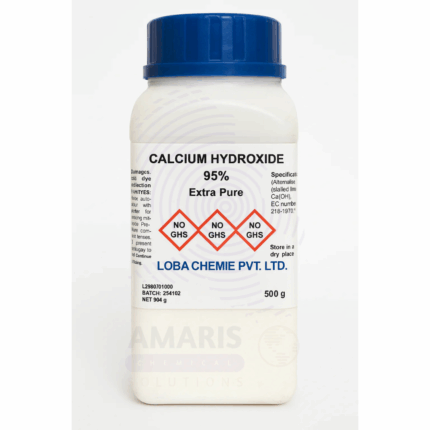
Calcium Hyroxide Extra Pure
Calcium Hyroxide Extra Pure is a finely powdered, high-purity inorganic compound commonly used in laboratories as a strong base, pH adjuster, and reagent in qualitative and quantitative analysis. It is widely employed in acid-base titrations, preparation of limewater for carbon dioxide detection, and precipitation reactions involving metal ions. Its strong alkalinity also makes it useful in studying saponification, neutralization, and hydration processes. The extra pure grade ensures minimal impurities, making it suitable for sensitive analytical procedures and educational demonstrations. It should be stored in tightly sealed containers to prevent carbonation and moisture absorption, which can affect its chemical properties.
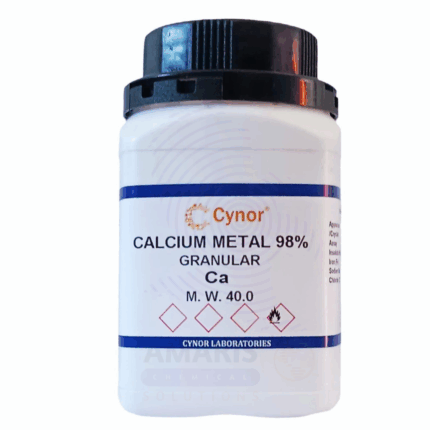
Calcium Granular Extra Pure
Calcium Granular Extra Pure consists of high-purity metallic calcium in granulated form, primarily used in laboratory environments for chemical synthesis, metallothermic reduction reactions, and moisture-sensitive experiments. It serves as a strong reducing agent, especially in the preparation of metals from their oxides and halides. Due to its high reactivity with water and oxygen, it is also used in experiments involving hydrogen generation and exothermic metal-acid reactions. The extra pure grade ensures minimal contamination, essential for precise analytical and preparative applications. It should be stored in sealed, inert-atmosphere containers or under mineral oil to prevent oxidation and preserve its reactivity.
Calcium Chloride Fused Extra Pure
Calcium Chloride Fused Extra Pure is a high-quality, anhydrous form of calcium chloride produced by heating to remove water content, resulting in a dense, granular material with excellent moisture-absorbing properties. It is commonly used in laboratories as a powerful desiccant for drying gases and organic solvents, as well as in thermal and freezing point depression studies. Its high calcium ion content also makes it suitable for use in analytical chemistry, precipitation reactions, and electrolyte preparation. The 95% purity ensures reliable results while maintaining good thermal stability. Proper storage in airtight containers is essential to prevent rehydration and maintain its effectiveness.
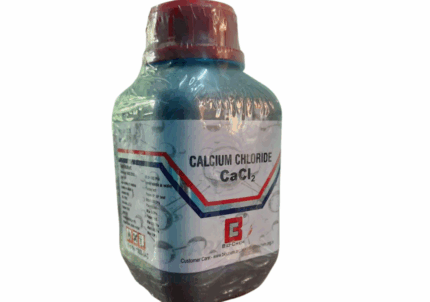
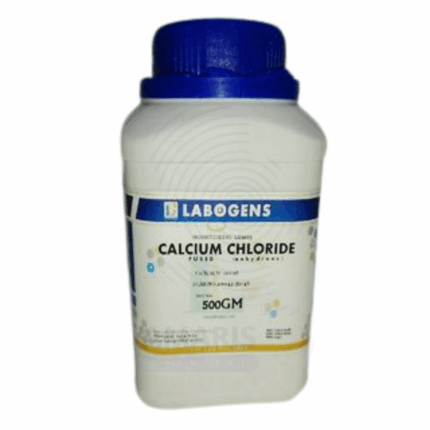
Calcium Chloride Extra Pure
Calcium Chloride Extra Pure is a highly pure, hygroscopic compound widely used in laboratory applications as a desiccant, electrolyte source, and reagent in analytical chemistry. It is effective in moisture control, gas drying, and as a coagulant in biological and biochemical processes. Its strong affinity for water also makes it valuable in experiments involving freezing point depression, exothermic dissolution, and ionic reactions. The extra pure grade ensures minimal impurities, which is critical for accuracy in quantitative analysis, buffer preparation, and synthesis. It should be stored in well-sealed containers in a dry environment to prevent clumping and preserve its chemical performance.
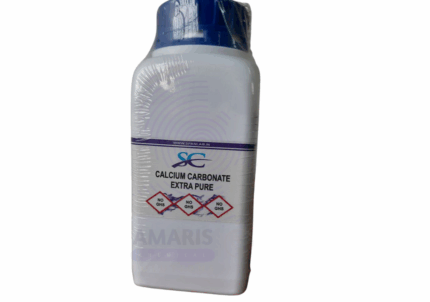
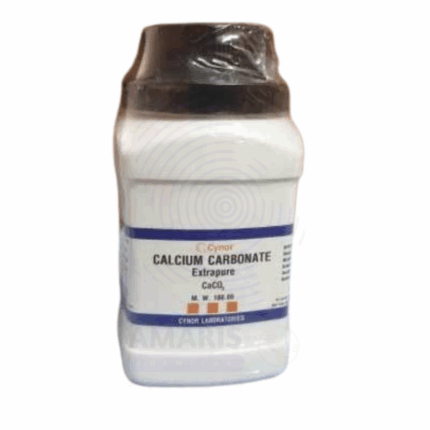
Calcium Carbonate Extra Pure
Calcium Carbonate Extra Pure is a high-purity, fine white powder widely used in laboratory settings as a buffering agent, a source of calcium ions, and a standard for acid-base titrations. It plays a key role in chemical analysis, gravimetric studies, and as a neutralizing agent in various reactions. In educational and research laboratories, it is also used to demonstrate decomposition reactions upon heating, releasing carbon dioxide and forming calcium oxide. The extra pure grade guarantees minimal impurities, making it suitable for precise analytical applications. It should be stored in tightly sealed containers in a dry environment to maintain its stability and reactivity.
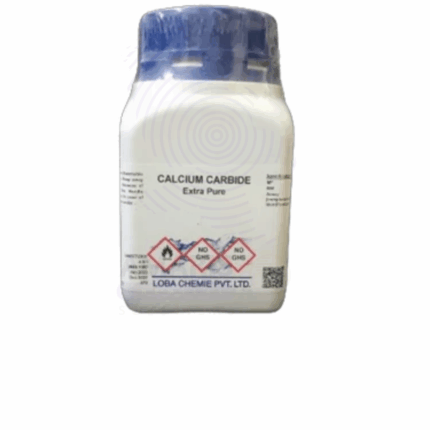
Calcium Carbide Extra Pure
Calcium Carbide Extra Pure is a high-purity inorganic compound primarily used in laboratories for the generation of acetylene gas through hydrolysis, making it valuable for gas evolution experiments and flame tests. It is also utilized in organic synthesis reactions where acetylene is required as a precursor. The extra pure grade ensures minimal impurities, which is essential for consistent reaction performance and accuracy in analytical or instructional settings. Due to its high reactivity with water and release of flammable gases, it must be handled with care under dry conditions and stored in tightly sealed, moisture-resistant containers away from heat sources.
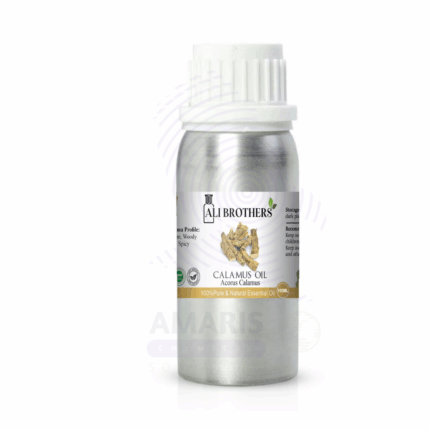
Calamus Oil Extra Pure
Calamus Oil Extra Pure is a high-purity essential oil extracted from the roots of Acorus calamus, valued in laboratory research for its complex composition of aromatic compounds, including asarone and other volatile constituents. In scientific studies, it is often used for phytochemical analysis, antimicrobial testing, and natural product chemistry. Researchers explore its potential bioactive properties, such as antioxidant, neuroprotective, and insecticidal effects. The extra pure grade ensures high consistency, low residue, and minimal contamination, making it suitable for analytical applications. It should be stored in amber glass containers, away from light and heat, to preserve its stability and aromatic integrity.
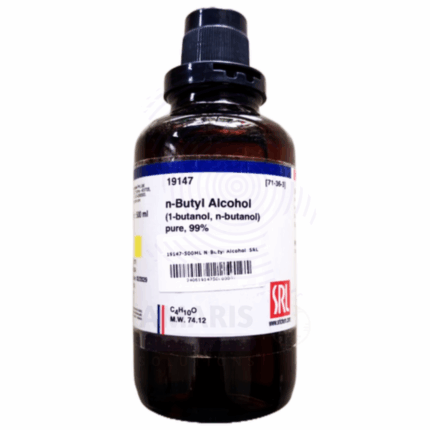
Butanol Extra Pure
Butanol Extra Pure is a high-purity aliphatic alcohol commonly used in laboratory environments as a solvent, reagent, and intermediate in organic synthesis. Its moderate polarity and ability to dissolve a wide range of compounds make it ideal for use in extractions, chromatography, and spectrophotometric analysis. It also serves as a starting material for producing esters, plasticizers, and pharmaceuticals. The 99.4% purity ensures minimal water and impurity content, providing reliable consistency in sensitive procedures. With a relatively low evaporation rate and good miscibility with many organic solvents, it is suitable for both preparative and analytical applications. Proper storage in a cool, ventilated area in tightly sealed containers is essential to preserve its quality and reduce volatility.
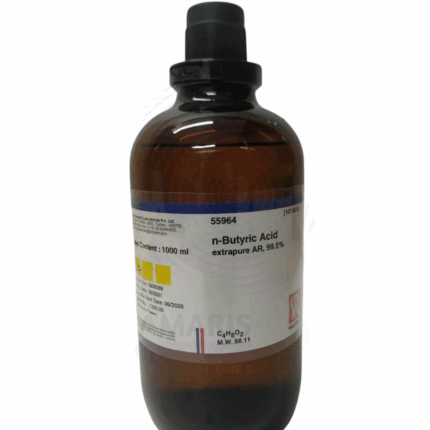
Butanoic Acid Extra Pure
Butanoic Acid Extra Pure, also known as butyric acid, is a high-purity carboxylic acid used in laboratory research for organic synthesis, esterification studies, and biochemical analysis. It serves as a building block in the preparation of esters, polymers, and pharmaceuticals, and is also studied for its role in metabolic and microbial pathways. With its strong, characteristic odor and reactive carboxyl group, it is valuable in reaction mechanism investigations and as a standard in acid-base titrations. The extra pure grade ensures low levels of moisture and contaminants, offering consistent performance in sensitive experiments. It should be handled in well-ventilated areas and stored in tightly sealed containers, away from heat and oxidizing agents.
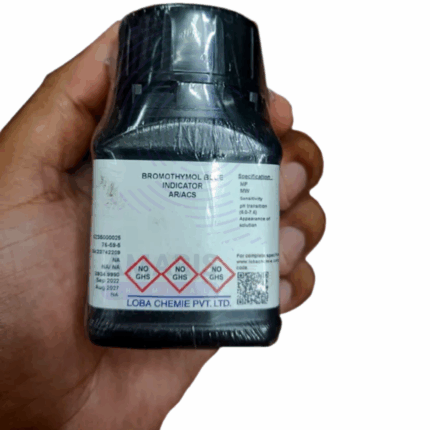
Bromothymol Blue Extra Pure
Bromothymol Blue Extra Pure is a high-purity pH indicator dye widely used in laboratory experiments, especially in acid-base titrations and biological research. It exhibits a distinct color change from yellow in acidic solutions (pH < 6.0) to blue in basic conditions (pH > 7.6), making it valuable for monitoring pH changes in aqueous systems. This dye is also employed in respiratory experiments to detect CO₂ levels through pH shifts. The extra pure grade ensures excellent color stability, high sensitivity, and minimal impurities, making it suitable for precise analytical and educational applications. It should be stored in a tightly closed container, protected from light and moisture to maintain its integrity.
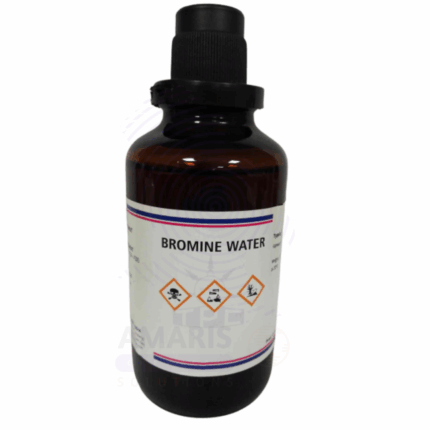
Bromine Water Extra Pure
Bromine Water Extra Pure is a highly purified aqueous solution of bromine, commonly used in laboratory settings for qualitative analysis, halogenation reactions, and redox studies. It acts as a powerful oxidizing and electrophilic brominating agent, making it ideal for detecting unsaturation in organic compounds—such as alkenes and alkynes—through decolorization tests. In inorganic chemistry, it is utilized for oxidation of specific ions and elements in solution. The extra pure grade ensures low contamination and consistent bromine concentration, crucial for reproducible analytical results. It should be stored in amber, airtight containers in a cool, well-ventilated area, and handled with proper protective equipment due to its corrosive and volatile nature.
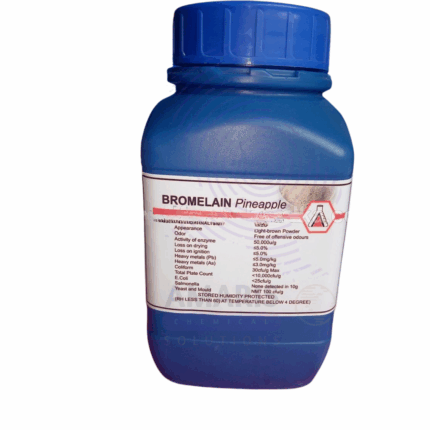
Bromelain Extra Pure
Bromelain Extra Pure is a high-purity proteolytic enzyme derived from pineapple, widely used in laboratory research involving protein digestion, enzymatic reactions, and biochemical assays. It is particularly valued for its ability to hydrolyze a broad range of protein substrates, making it useful in studies of protein structure, enzyme kinetics, and tissue dissociation. In pharmaceutical and biomedical laboratories, it is also investigated for its anti-inflammatory, fibrinolytic, and mucolytic properties. The extra pure grade ensures minimal contamination from other enzymes or plant materials, offering consistent and reliable enzymatic activity. Bromelain should be stored in a cool, dry place in tightly sealed containers to maintain its stability and effectiveness.
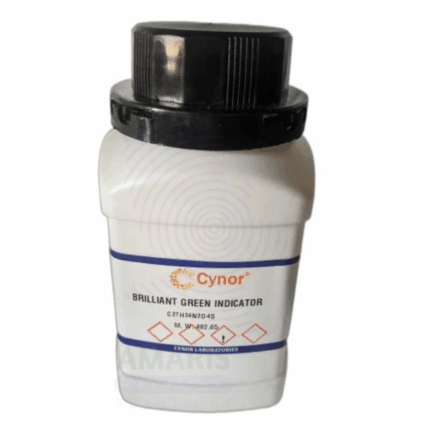
Brilliant Green Extra Pure
Brilliant Green Extra Pure is a high-purity, intense green dye primarily used in microbiology and analytical laboratories for staining and selective microbial inhibition. It is especially effective in culture media to isolate specific bacterial strains, such as Salmonella spp., by suppressing the growth of gram-positive organisms. In addition to its antimicrobial role, it serves as a histological stain in biological research and is used in tracing, titration, and other colorimetric assays. The extra pure grade guarantees high dye content, minimal impurities, and excellent consistency, ensuring reliable results in sensitive and precise laboratory work. It should be stored in a tightly sealed container, away from direct light and heat, to preserve its stability and effectiveness.
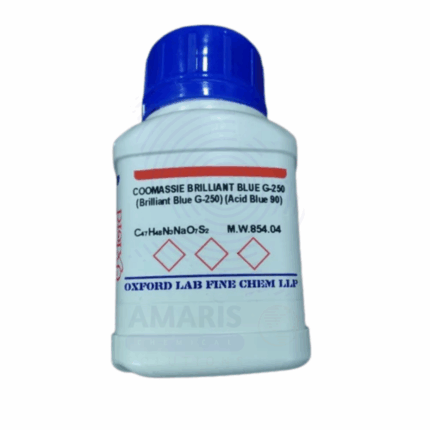
Brilliant Blue Extra Pure
Brilliant Blue Extra Pure is a high-purity synthetic dye extensively used in laboratory research, particularly in biochemistry, molecular biology, and microbiology. It is commonly employed as a protein stain in techniques such as SDS-PAGE, where it binds to proteins for visualization and quantification. Additionally, it is used in spectrophotometric assays, as a pH indicator, and in dye tracing studies to monitor fluid movement or diffusion. The extra pure grade ensures consistent dye intensity, minimal impurities, and high solubility, making it ideal for precise analytical and experimental applications. It should be stored in a cool, dry environment, protected from light and tightly sealed to maintain its color integrity and stability.
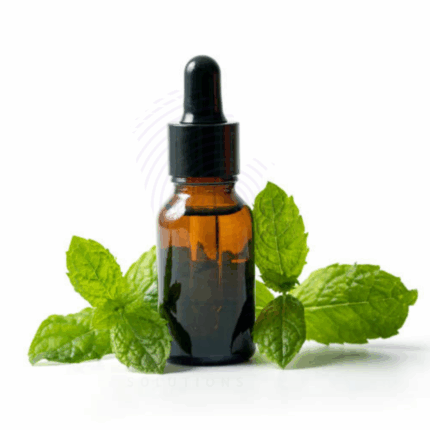
Peppermint Oil
Peppermint Oil is a refreshing essential oil obtained by steam distillation of the leaves and flowering tops of the Mentha × piperita plant. Renowned for its sharp, cool, and invigorating menthol aroma, it contains high levels of menthol and menthone, which contribute to its cooling, analgesic, and antimicrobial effects. Peppermint Oil is widely used across aromatherapy, pharmaceuticals, personal care, food flavoring, and cleaning products. Its stimulating and soothing properties make it popular for relieving headaches, muscle pain, digestive issues, and respiratory problems, while also adding a fresh scent to many formulations.
Palmarosa Oil
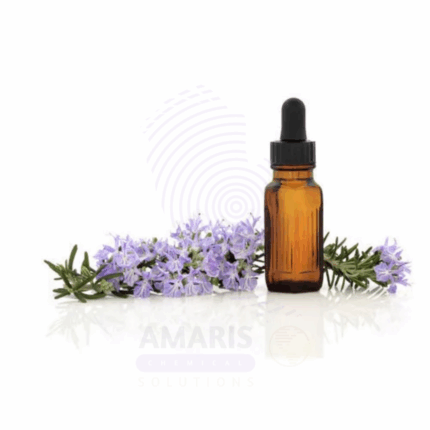
Palmarosa Oil is a highly valued essential oil obtained through steam distillation of the fresh grass Cymbopogon martinii, native to India. Known for its sweet, floral, and rose-like aroma, it is rich in geraniol, a natural compound with potent antimicrobial and anti-inflammatory properties. Palmarosa Oil is widely used in aromatherapy, natural skincare, and personal care formulations for its hydrating and rejuvenating effects. Its antimicrobial activity makes it popular in therapeutic blends, natural preservatives, and fragrance products. Additionally, it has applications in pharmaceutical, cleaning, and flavoring industries.
Olive Oil Virgin
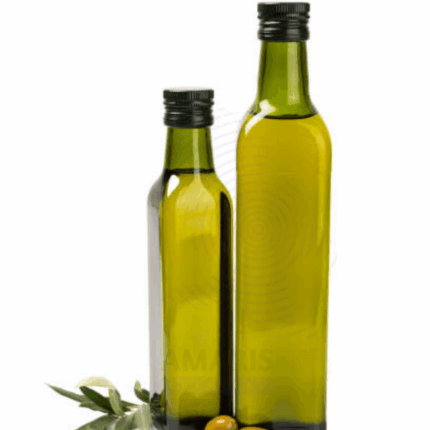
Olive Oil Virgin is a natural oil obtained from the first cold pressing of olives without the use of chemicals or excessive heat, preserving its rich flavor and nutritional qualities. It is characterized by a fruity aroma and a balanced taste, containing high levels of monounsaturated fatty acids, particularly oleic acid, as well as antioxidants such as polyphenols and vitamin E. Virgin olive oil is widely valued for its health benefits, culinary versatility, and skin conditioning properties. It is extensively used in food preparation, cosmetic formulations, and pharmaceutical applications, offering moisturizing, antioxidant, and anti-inflammatory effects.
Lemongrass Oil
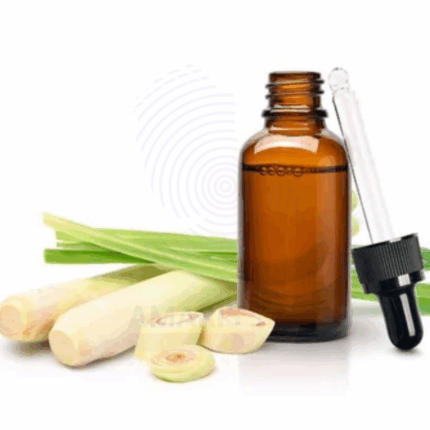
Lemongrass Oil is a pale yellow to amber essential oil extracted primarily through steam distillation from the leaves and stalks of the Cymbopogon citratus or Cymbopogon flexuosus plants. Renowned for its fresh, citrusy, lemon-like aroma with subtle grassy undertones, this oil contains high levels of citral and limonene, compounds known for their antimicrobial, anti-inflammatory, and insect-repellent properties. Widely utilized in aromatherapy, personal care, pharmaceuticals, and natural cleaning products, lemongrass oil offers both fragrance and functional benefits. It is valued for its ability to invigorate the senses, reduce stress, and support skin health.
Grape Seed Oil
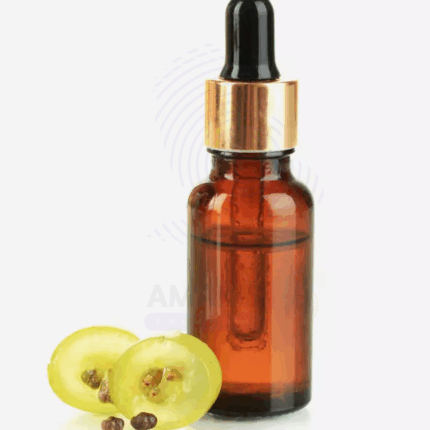
Grape Seed Oil is a light, pale-yellow oil extracted from the seeds of grapes (Vitis vinifera), typically obtained through cold pressing or solvent extraction. Renowned for its high content of polyunsaturated fatty acids, especially linoleic acid, as well as antioxidants like vitamin E and phenolic compounds, Grape Seed Oil is prized for its nourishing, moisturizing, and anti-inflammatory properties. Widely used in cosmetics, skincare, pharmaceutical formulations, and culinary applications, it is valued for its non-greasy texture and rapid absorption. Grape Seed Oil supports skin elasticity, helps repair damaged skin, and provides a protective barrier against environmental stressors.
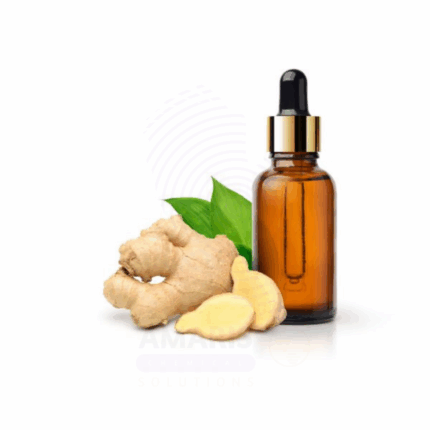
Ginger Oil
Ginger Oil is an essential oil extracted from the rhizomes of the Zingiber officinale plant, primarily through steam distillation. Known for its warm, spicy, and invigorating aroma, Ginger Oil contains bioactive compounds such as gingerol, zingiberene, and beta-bisabolene, which contribute to its therapeutic properties. Traditionally valued in Ayurveda and traditional medicine for digestive, anti-inflammatory, and analgesic benefits, Ginger Oil is widely used today in pharmaceuticals, cosmetics, flavoring, and aromatherapy. Its stimulating nature makes it effective for promoting circulation, relieving muscle pain, and enhancing mood.
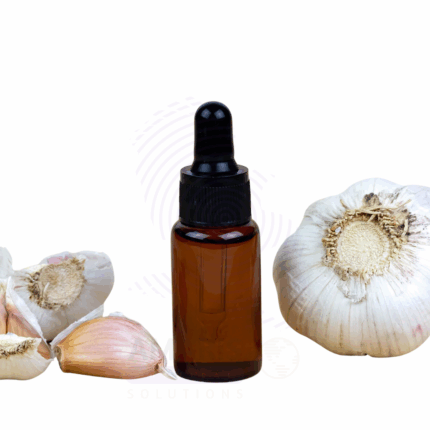
Garlic Oil
Garlic Oil is a potent essential oil extracted from the bulbs of the Allium sativum plant, primarily through steam distillation or solvent extraction. Known for its strong, pungent aroma and rich sulfur-containing compounds such as allicin, diallyl disulfide, and ajoene, Garlic Oil is widely recognized for its antimicrobial, antifungal, antiviral, and antioxidant properties. Traditionally used in herbal medicine, it has applications in pharmaceuticals, natural personal care products, food flavoring, and agricultural pest management. Its therapeutic properties also make it a valuable ingredient in formulations aimed at cardiovascular health and immune system support.
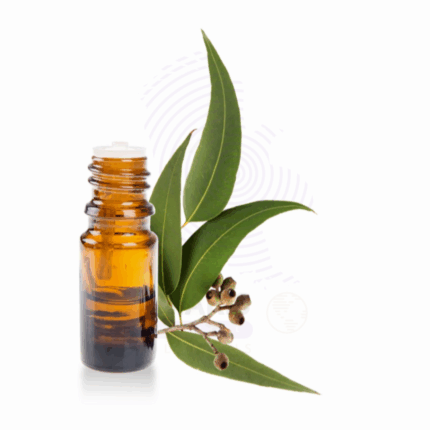
Eucalyptus Oil
Eucalyptus Oil is an essential oil extracted by steam distillation from the leaves of the Eucalyptus globulus tree. Known for its fresh, camphoraceous, and invigorating aroma, this oil is rich in cineole (eucalyptol), which imparts powerful antiseptic, decongestant, and anti-inflammatory properties. Widely used in pharmaceuticals, personal care, and cleaning products, eucalyptus oil supports respiratory health, acts as a natural insect repellent, and serves as a refreshing fragrance ingredient in aromatherapy and household applications. Its antimicrobial activity makes it valuable in topical formulations and natural disinfectants.
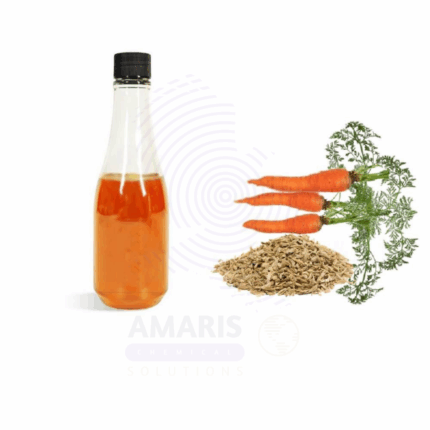
Carrot Seed Oil
Carrot Seed Oil is a highly concentrated essential oil extracted via steam distillation from the dried seeds of the wild carrot plant (Daucus carota). It should not be confused with carrot carrier oil (infused from the root). Carrot Seed Oil is rich in carotol, a key component contributing to its antioxidant, antifungal, and anti-aging effects. The oil is pale yellow to amber-colored and has a warm, earthy, herbaceous aroma.
Widely recognized for its skin-rejuvenating and detoxifying benefits, Carrot Seed Oil is a staple in cosmetic formulations, particularly for mature or sun-damaged skin. It also finds use in pharmaceuticals and aromatherapy, supporting liver function, immunity, and cell regeneration. Due to its potency, it is typically used in diluted concentrations or synergistic blends.
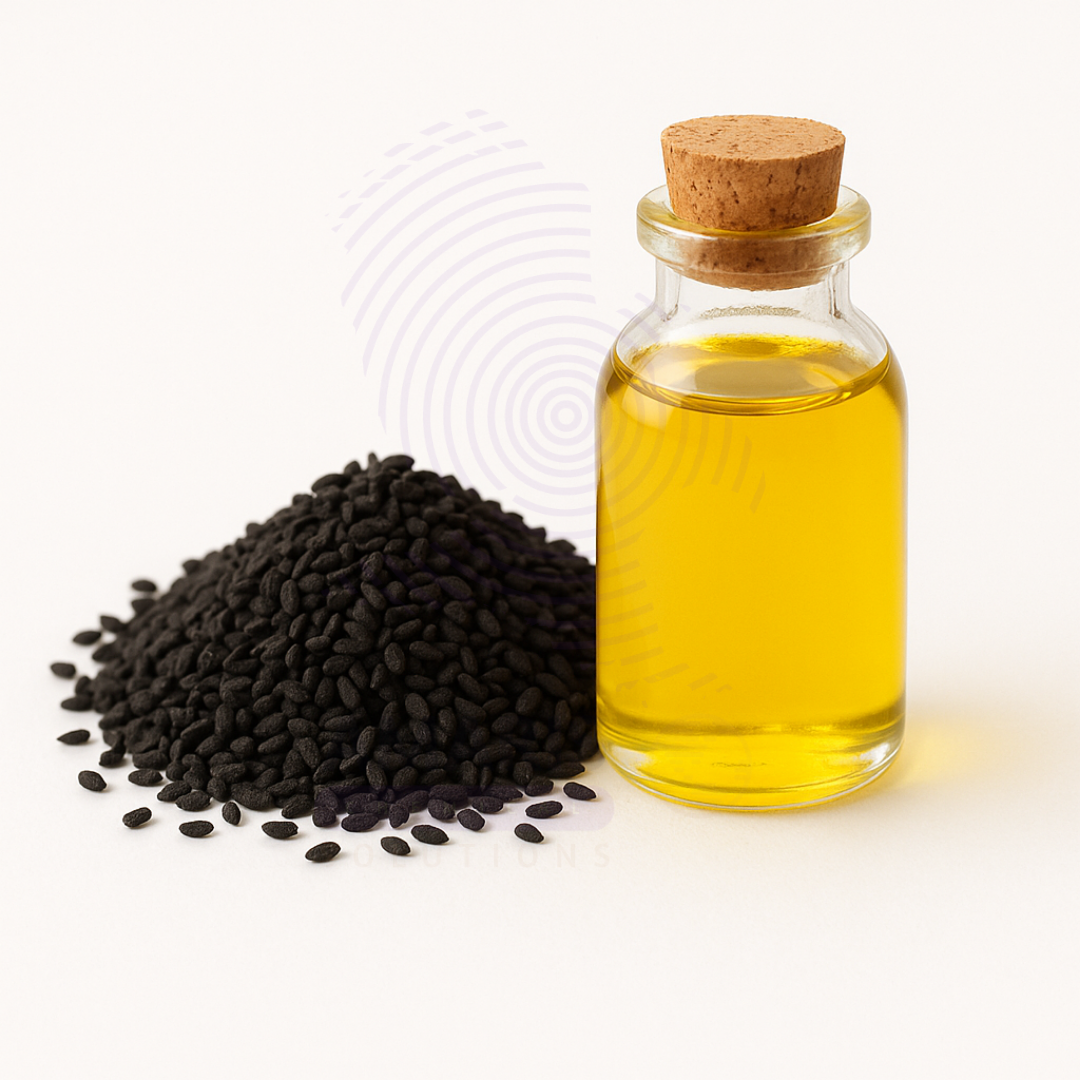
Black Cumin Seed Oil
Black Cumin Seed Oil, also known as Nigella Sativa Oil or Black Seed Oil, is a cold-pressed oil extracted from the seeds of the Nigella sativa plant. Revered for centuries in traditional medicine systems like Ayurveda and Unani, this oil is packed with thymoquinone, essential fatty acids, vitamins, and antioxidants that contribute to its potent anti-inflammatory, antimicrobial, and immune-boosting properties.
It is widely used in cosmetic, pharmaceutical, and nutraceutical formulations. Black Cumin Seed Oil supports skin healing, helps reduce acne and inflammation, and can nourish scalp and hair follicles. Internally, it is known to promote digestive health, respiratory wellness, and immune system support. The oil has a slightly bitter, pungent aroma and golden to dark amber color. It is available in cosmetic, pharmaceutical, and food grades for varied applications.
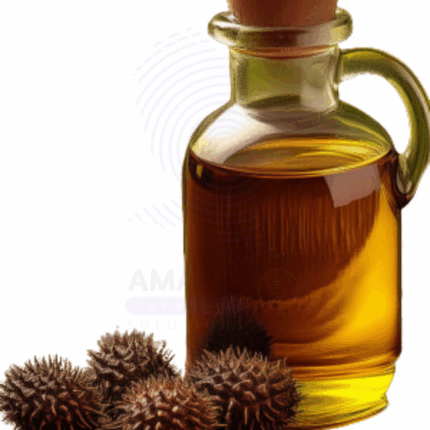
Black Castor Oil
Black Castor Oil is a highly viscous, nutrient-dense oil extracted from roasted castor beans (Ricinus communis). Unlike traditional castor oil, this variant is produced by roasting the beans before pressing, resulting in a dark amber to black hue and a distinct, smoky aroma. The roasting process enhances the oil’s ricinoleic acid content, giving it superior anti-inflammatory, antimicrobial, and moisturizing properties.
It is widely used in cosmetic, personal care, and pharmaceutical formulations due to its ability to promote hair growth, strengthen roots, hydrate dry skin, and soothe scalp conditions. It also acts as a natural humectant, drawing moisture into skin and hair. In traditional wellness and therapeutic practices, Black Castor Oil is valued for its warming and circulatory-boosting effects.
Argan Oil
Argan Oil is a nutrient-rich natural oil derived from the kernels of the Argan tree (Argania spinosa), native to Morocco. Extracted through cold pressing, it is golden-yellow in color and has a mildly nutty aroma. Renowned for its high content of essential fatty acids (oleic and linoleic acid), vitamin E (tocopherol), polyphenols, and antioxidants, Argan Oil is widely used in cosmetic, personal care, pharmaceutical, and nutraceutical formulations.
This oil is a potent emollient, moisturizer, and skin rejuvenator, making it highly effective in skincare and hair care products. Argan Oil also offers anti-inflammatory and wound-healing properties and is commonly used in anti-aging formulations. Its light texture and quick absorption make it ideal for both leave-on and rinse-off applications. Additionally, edible-grade Argan Oil is used in culinary preparations, contributing both flavor and nutritional benefits.
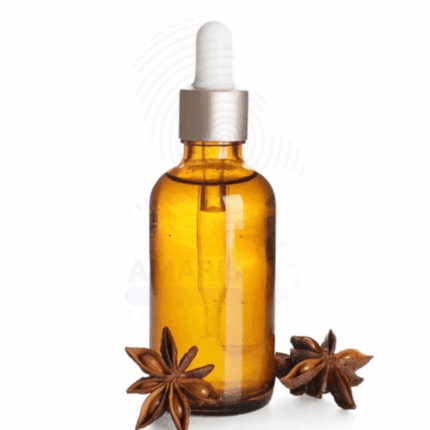
Aniseed Oil
Aniseed Oil is a natural essential oil extracted through steam distillation from the dried seeds of the anise plant (Pimpinella anisum). It is rich in anethole, which imparts a sweet, licorice-like aroma and taste. This oil is widely used in flavoring, perfumery, aromatherapy, and traditional medicine. Aniseed Oil possesses antimicrobial, antifungal, and carminative properties, making it valuable in both personal care and pharmaceutical applications. It blends well with other essential oils like fennel, clove, and cinnamon, and is commonly incorporated into oral care products, cough syrups, and digestive tonics.
Its highly concentrated aromatic profile and volatility make it effective even at low usage rates. With both functional and aromatic benefits, Aniseed Oil remains a versatile and in-demand natural extract across various industries.
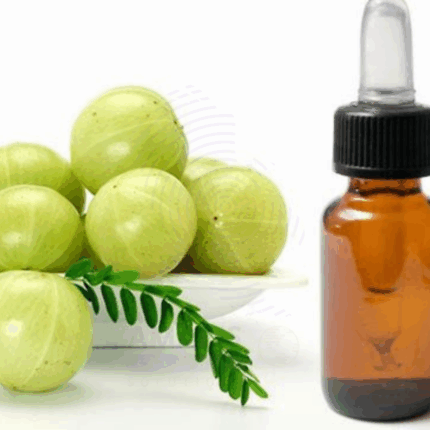
Amla Oil
Amla Oil, also known as Indian Gooseberry Oil, is a natural oil derived from the fruit of the Phyllanthus emblica tree, either through infusion of dried amla fruits in a carrier oil (like coconut or sesame) or via cold pressing. Rich in vitamin C, tannins, flavonoids, and essential fatty acids, amla oil is renowned for its rejuvenating and nourishing properties. It is widely used in hair care formulations to promote hair growth, strengthen follicles, and reduce hair fall and premature greying. Amla oil is also applied topically to skin for its antioxidant, anti-inflammatory, and moisturizing benefits. With a slightly earthy aroma and light to medium viscosity, it blends easily with other cosmetic ingredients and essential oils.
It is a staple in Ayurvedic formulations and finds use in both personal care and traditional wellness products. Its versatility also extends to massage blends and herbal preparations in the cosmetic and nutraceutical sectors.
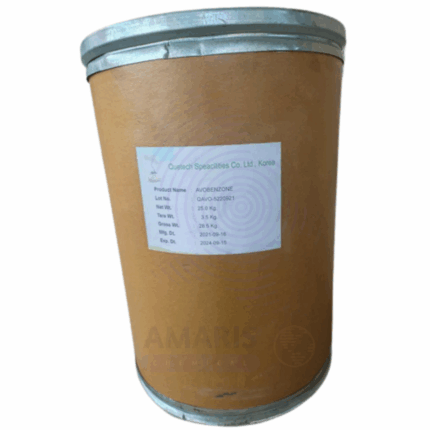
Avobenzone
Avobenzone (chemical name: Butyl Methoxydibenzoylmethane) is an oil-soluble organic compound widely used as a UVA filter in sunscreen formulations. It is valued for its ability to absorb a broad spectrum of ultraviolet A (UVA) rays (320–400 nm), protecting the skin from premature aging and damage caused by sun exposure. Avobenzone is often combined with other UV filters to provide broad-spectrum sun protection. It is a pale yellow liquid or crystalline powder, soluble in oils and alcohols but unstable in sunlight unless stabilized with other agents.
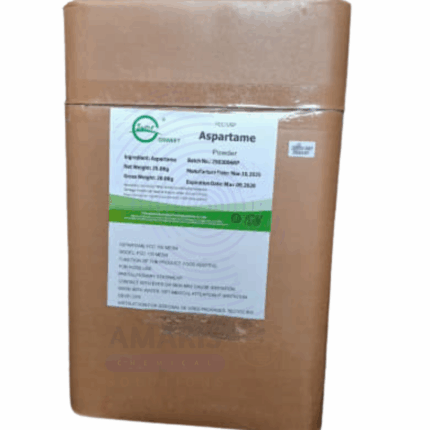
Aspartame
Aspartame is a low-calorie artificial sweetener approximately 200 times sweeter than sucrose (table sugar). It is a methyl ester of the dipeptide composed of aspartic acid and phenylalanine. Due to its intense sweetness and low-calorie nature, aspartame is widely used as a sugar substitute in various food and beverage products. It is popular among consumers seeking to reduce caloric intake, especially diabetics and those on weight management programs. Aspartame breaks down at high temperatures, limiting its use in certain cooking or baking applications. It is approved by numerous global food safety authorities, including the FDA and EFSA.
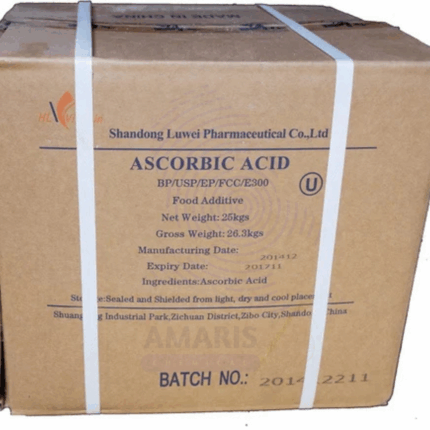
Ascorbic Acid
Ascorbic Acid, commonly known as Vitamin C, is a water-soluble vitamin and potent antioxidant essential for collagen synthesis, immune function, and protection against oxidative stress. It is widely used as a nutritional supplement, food preservative, and additive to enhance shelf life and nutritional value. Naturally present in citrus fruits and various vegetables, ascorbic acid is also important in pharmaceutical, cosmetic, and animal feed industries due to its health benefits and preservative qualities.
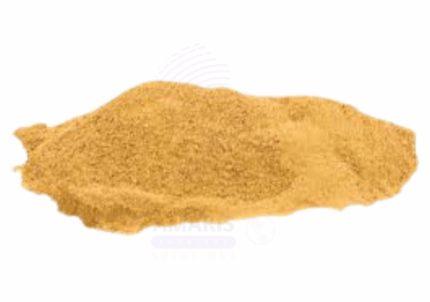
Apricot Powder
Apricot powder is a dehydrated, finely ground form of apricot fruit, retaining much of the natural flavor, aroma, and nutritional properties of fresh apricots. It is typically made by drying fresh apricots through spray drying, freeze drying, or drum drying, then milling into a fine powder. Apricot powder is rich in vitamins, minerals, dietary fiber, and antioxidants such as beta-carotene and vitamin C. It is widely used as a natural flavoring agent, colorant, and nutritional supplement in food and beverage products, as well as in cosmetics and dietary supplements. Its convenient powdered form allows for easy incorporation into dry mixes and processed goods without the perishability of fresh fruit.












