

 Preservatives(food)
 Flavors
 Acidulants
 Sweeteners
 Antioxidants
 Colorants(food)
 Nutraceutical Ingredients (food)
 Nutrient Supplements
 Emulsifiers
 Collectors
 Dust Suppressants
 Explosives and Blasting Agents
 Flocculants and Coagulants
 Frothers
 Leaching Agents
 pH Modifiers
 Precious Metal Extraction Agents
 Antioxidants(plastic)
 Colorants (Pigments, Dyes)
 Fillers and Reinforcements
 Flame Retardants
 Monomers
 Plasticizers
 Polymerization Initiators
 Stabilizers (UV, Heat)
 Antifoaming Agents
 Chelating Agents
 Coagulants and Flocculants
 Corrosion Inhibitors
 Disinfectants and Biocides
 Oxidizing Agents
 pH Adjusters
 Scale Inhibitors( water)
 Antioxidants(cosmetic)
 Emollients
 Oils
Oils Carrier Oills
 Essential Oils
 Humectants
 Preservatives
 Surfactants(cosmetic)
 Thickeners
 UV Filters
 Fertilizers
 Soil Conditioners
 Plant Growth Regulators
 Animal Feed Additives
 Biostimulants
 Pesticides (Herbicides, Insecticides, Fungicides)
 Active Pharmaceutical Ingredients (APIs)
 Excipients
 Solvents(pharmaceutical)
 Antibiotics
 Antiseptics and Disinfectants
 Vaccine Adjuvants
 Nutraceutical Ingredients (pharmaceutical)
 Analgesics & Antipyretics
 Analytical Reagents
 Solvents(lab)
 Chromatography Chemicals
 Spectroscopy Reagents
 microbiology-and-cell-culture-reagents
 Molecular Biology Reagents
 Biochemical Reagents
 Inorganic and Organic Standards
 Laboratory Safety Chemicals
 Specialty Laboratory Chemicals(Special Laboratory Equipment)
 Demulsifiers
 Hydraulic Fracturing Fluids
 Scale Inhibitors(oil)
 Surfactants(oil)
 Drilling Fluids
 Dyes and Pigments
 Bleaching Agents
 Softening Agents
 Finishing Agents
 Antistatic Agents
 Admixtures
 Waterproofing Agents
 Sealants and Adhesives
 Curing Compounds
 Concrete Repair Chemicals
 Anti-Corrosion Coatings
 Surfactants(cleaning)
 Builders
 Enzymes
 Solvents (Cleaning)
 Fragrances (Cleaning)
 Electronic Chemicals
 Catalysts
 Lubricants
 Photographic Chemicals
 Refrigerants
 Automotive chemicals
 Pyrotechnic Chemicals
 Biodegradable Surfactants
 Bio-based Solvents
 Renewable Polymers
 Carbon Capture Chemicals
 Wastewater Treatment Chemicals
 Pigments
 Solvents(paint)
 Specialty Coatings
 Binders/Resins
 Additives
 Driers
 Anti-Corrosion Agents
 Functional Coatings
 Application-Specific Coatings
 Leavening Agents
 Dough Conditioners
 Flour Treatments
 Fat Replacers
 Decoratives
 Preservatives(baking)
 Plasticizers & Softeners
 Reinforcing Agents
 Adhesion Promoters
 Vulcanizing Agents
 Antidegradants
 Blowing Agents
 Fillers & Extenders
 Accelerators & Retarders

















Water Treatment Chemicals are specialized substances used to purify and improve water quality for various applications, including drinking water, industrial processes, wastewater treatment, and cooling systems. These chemicals help remove contaminants, control microbial growth, prevent scaling and corrosion, and adjust pH levels.
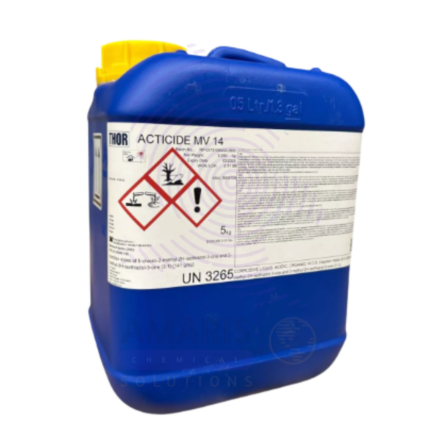
Acticide EPW (Dry Film)
Acticide EPW is a VOC-free, water-based dry film biocide manufactured by Thor Group specifically formulated to protect exterior and interior water-based coatings, paints, and inks from surface fungal and algal growth. It appears as a white to off-white milky dispersion or suspension with a mild odor. The product is based on a synergistic blend of active ingredients including benzimidazole carbamate, 2-n-octyl-4-isothiazolin-3-one (OIT), and a urea derivative with AMME™ technology. This alkali-stable and UV-stable formulation is free from AOX (Adsorbable Organic Halogens) and VOC (Volatile Organic Compounds), making it suitable for low-VOC and environmentally conscious product formulations. Acticide EPW is manufactured for industrial use and is not intended for direct human consumption, medical applications, or food preservation.
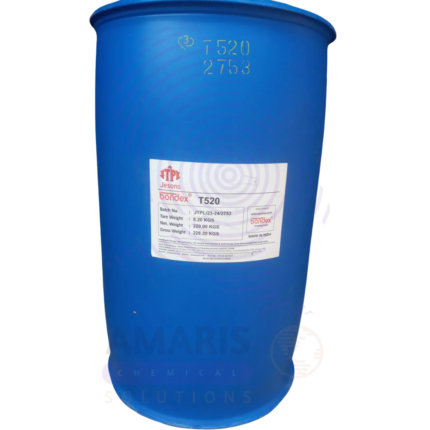
Acticide HF (Incan)
Acticide HF is a proven, broad-spectrum industrial biocide manufactured by Thor Group specifically for in-can preservation of water-based industrial products. It is a clear, colorless to pale blue or pale green liquid with a mild odor, designed for easy incorporation into aqueous formulations. The product is based on a synergistic combination of active ingredients including 5-Chloro-2-methyl-4-isothiazolin-3-one (CIT), 2-Methyl-4-isothiazolin-3-one (MIT), and formaldehyde. This well-established formulation protects water-based formulations against bacteria, molds, and yeasts, ensuring product stability and extended shelf life across demanding conditions. Technical grade Acticide HF is manufactured for industrial use and is not intended for direct human consumption, medical applications, or food preservation.
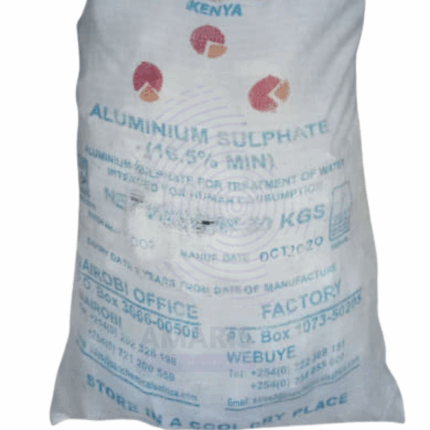
Aluminium Sulphate Alum Rock
Aluminium Sulphate Alum Rock, commonly referred to as simply Aluminum Sulphate or Alum Rock, is a white crystalline solid widely used across various industries. It is primarily known for its strong coagulating properties, making it essential in water purification, wastewater treatment, and paper manufacturing. When dissolved in water, it reacts to form aluminum hydroxide, which binds with impurities and suspended particles, facilitating their removal. In addition, alum rock finds applications in dyeing, tanning, and as a mordant in textile industries. It has astringent and antiseptic properties, making it useful in cosmetics and personal care products such as deodorants and styptic pencils. Its cost-effectiveness and multifunctionality make it a staple chemical in environmental, industrial, and consumer sectors.
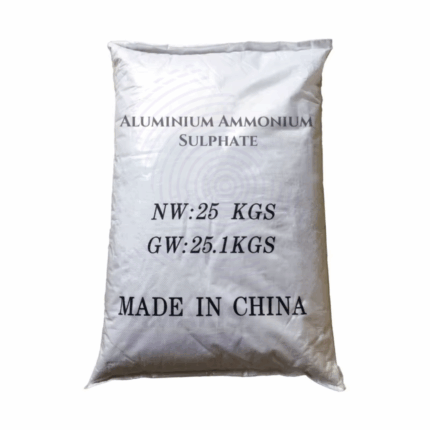
Aluminum Ammonium Sulphate
Aluminum ammonium sulphate, commonly known as ammonium alum or ammonium aluminum sulfate, is a crystalline chemical compound consisting of aluminum, ammonium, and sulfate ions. It typically appears as a colorless or white crystalline solid with astringent properties. It is widely used for its excellent coagulating, clarifying, and antiseptic properties. Aluminum ammonium sulphate finds applications in water purification, cosmetics, food processing, textile dyeing, and pharmaceuticals. Its ability to precipitate impurities and act as a mordant makes it invaluable in industries requiring precise control of chemical reactions, such as in the preparation of baking powder and fireproof textiles.
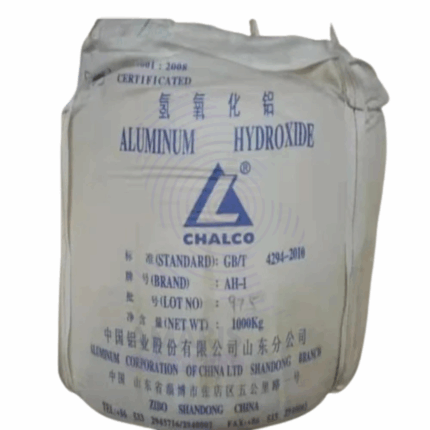
Aluminum hydroxide
Aluminum Hydroxide, chemically known as Al(OH)₃, is a white, odorless, and odorless powder or gelatinous substance. It is widely used in pharmaceuticals as an antacid to neutralize stomach acid and relieve indigestion and heartburn. Beyond healthcare, aluminum hydroxide is a crucial component in water purification, fire retardants, and as a precursor or filler in various industrial applications. It functions as a flame retardant by releasing water upon heating, thus cooling the material and diluting flammable gases. Due to its amphoteric nature, it can react both as an acid and base, enhancing its versatility. Aluminum hydroxide is often utilized in manufacturing aluminum salts and in producing aluminum oxide.
Ammonia Acetate
Ammonia Acetate is a white crystalline solid or granular powder with a mild ammoniacal odor. It is a salt formed from ammonia and acetic acid, widely used in laboratories, industrial processes, and some niche food and pharmaceutical applications. Ammonium Acetate is highly soluble in water and often utilized as a buffer solution in biochemical and analytical chemistry due to its ability to maintain pH. It also serves as a precursor in the synthesis of various chemicals and acts as a neutralizing agent in several industrial applications.
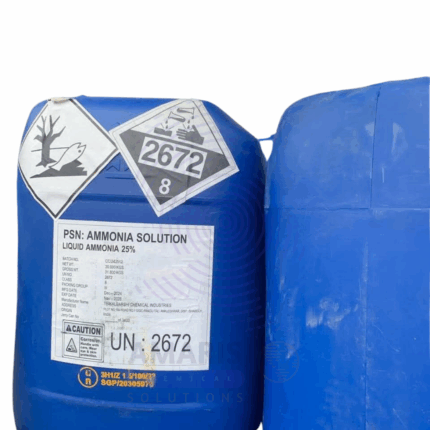
Ammonia solution
Ammonia solutions, often referred to as aqueous ammonia or ammonium hydroxide, are clear, colorless liquids consisting of ammonia gas dissolved in water. The concentration of ammonia in these solutions typically ranges from 5% to 35% by weight. Ammonia solutions possess a pungent odor characteristic of ammonia gas and are alkaline with a pH typically between 11 and 12.5. This solution is widely used across various industries due to its excellent cleaning properties, reactivity, and role as a nitrogen source.
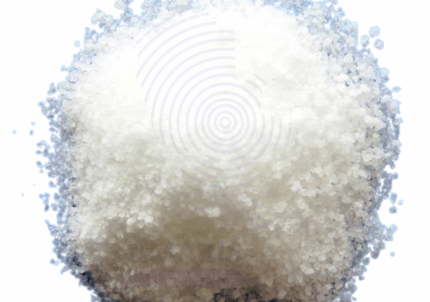
Ammonium Cupric Chloride
Ammonium Cupric Chloride is a blue-green crystalline inorganic compound composed of copper, ammonium, and chloride ions. It is widely used as a source of copper in agricultural fungicides and bactericides, as well as in electroplating, chemical synthesis, and textile dyeing. Its antimicrobial properties make it valuable for controlling fungal and bacterial infections in plants. Additionally, it serves as a precursor in various industrial and laboratory applications.

Calcium Chloride
Calcium Chloride is an inorganic salt composed of calcium and chlorine with the chemical formula CaCl₂. It typically appears as a white crystalline solid or granular powder, highly soluble in water and exhibiting strong hygroscopic properties. Calcium Chloride is widely used for its moisture-absorbing ability, de-icing, dust control, and as a firming agent in food processing. It finds extensive applications across industrial, pharmaceutical, agricultural, and food sectors due to its efficacy in modifying physical and chemical properties of products and environments.
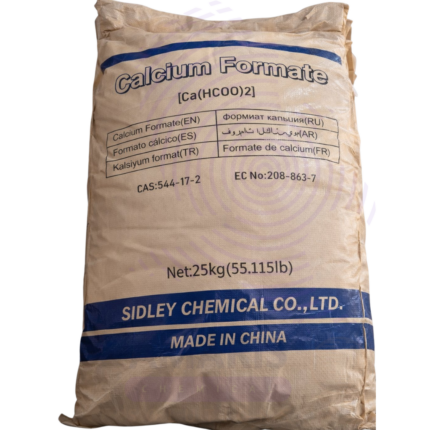
Calcium Formate
Calcium Formate is the calcium salt of formic acid, appearing as a white, free-flowing crystalline powder or granules. It is an odorless compound with a slightly bitter taste and is non-toxic. The chemical formula is Ca(HCOO)₂ with a molecular weight of 130.0 g/mol. Calcium Formate is slightly hygroscopic and readily soluble in water, with solubility of approximately 16.1 g/100 mL at 20°C. Its water solution is neutral with a pH of 6.0 to 8.0. The compound is stable under normal storage conditions and has a decomposition temperature exceeding 400°C. Technical grade Calcium Formate is manufactured for industrial applications including construction, animal feed, leather processing, and water treatment.
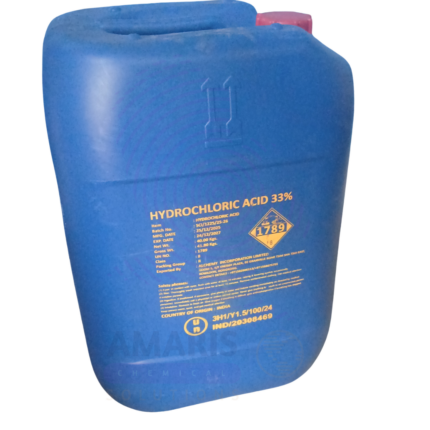
Hydrochloric Acid (HCL)
Hydrochloric Acid is a clear, colorless to slightly yellow aqueous solution of hydrogen chloride gas. It is a strong, highly corrosive mineral acid with a sharp, pungent odor. The chemical formula is HCl with a molecular weight of 36.46 g/mol. Hydrochloric Acid is completely miscible with water and many organic solvents. It is non-flammable but extremely corrosive to metals and human tissue. Technical grade Hydrochloric Acid is manufactured for industrial applications including chemical manufacturing, steel pickling, oil well acidizing, water treatment, and pH adjustment. It is available in various concentrations, typically ranging from 30% to 38% by weight.

Poly Aluminum Chloride (PAC)
Poly Aluminum Chloride (PAC) is an inorganic polymer coagulant used extensively for water treatment and purification. It is a highly efficient flocculating agent, derived from aluminum salts and partially neutralized with chloride, forming polymerized aluminum complexes. PAC is preferred over traditional alum for its rapid floc formation, broader pH range, and lower sludge production. Available in both liquid and powder forms, it is widely applied in municipal, industrial, and commercial sectors for clarification, separation, and purification processes.
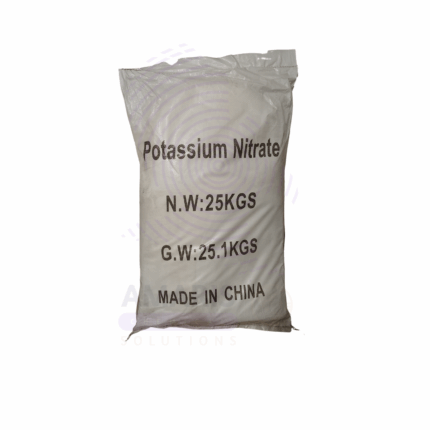
Potassium Nitrate
Potassium Nitrate is a white crystalline salt commonly known as saltpeter. It is a key oxidizing agent widely used in fertilizers, food preservation, pyrotechnics, and chemical manufacturing. Potassium Nitrate provides essential potassium and nitrogen nutrients in agriculture and acts as a source of oxygen in combustion reactions. Its stability and solubility make it valuable across various industries from agriculture to explosives.
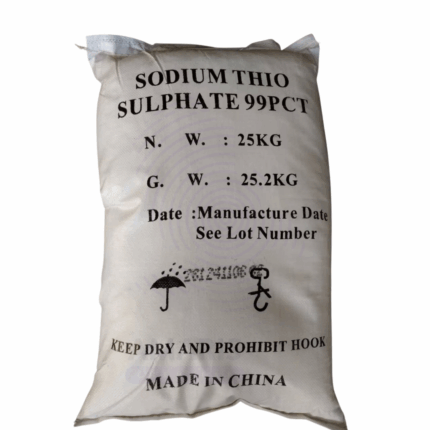
Sodium Thiosulphate
Sodium Thiosulphate (Na₂S₂O₃) is a white, crystalline, odorless powder or granular solid highly soluble in water. This 25kg packaged chemical is widely used in photographic processing, water treatment, chemical synthesis, and medicine. Known for its reducing and complexing properties, it acts as an effective dechlorinating agent and fixer in photography by dissolving silver halides. It is stable under normal conditions and easily handled for industrial and laboratory applications.
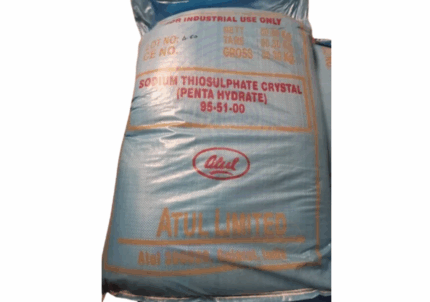
Sodium Thiosulphate Pentahydrate
Sodium Thiosulphate Pentahydrate (Na₂S₂O₃·5H₂O) is a white crystalline solid that is highly soluble in water. It is commonly used as a photographic fixer, reducing agent, and in water treatment processes. This 25kg packaged product contains five molecules of water of crystallization, which makes it more stable and easier to handle in industrial and laboratory applications. It is widely used to dechlorinate water, remove heavy metals, and in analytical chemistry for iodometric titrations.












