

 Preservatives(food)
 Flavors
 Acidulants
 Sweeteners
 Antioxidants
 Colorants(food)
 Nutraceutical Ingredients (food)
 Nutrient Supplements
 Emulsifiers
 Collectors
 Dust Suppressants
 Explosives and Blasting Agents
 Flocculants and Coagulants
 Frothers
 Leaching Agents
 pH Modifiers
 Precious Metal Extraction Agents
 Antioxidants(plastic)
 Colorants (Pigments, Dyes)
 Fillers and Reinforcements
 Flame Retardants
 Monomers
 Plasticizers
 Polymerization Initiators
 Stabilizers (UV, Heat)
 Antifoaming Agents
 Chelating Agents
 Coagulants and Flocculants
 Corrosion Inhibitors
 Disinfectants and Biocides
 Oxidizing Agents
 pH Adjusters
 Scale Inhibitors( water)
 Antioxidants(cosmetic)
 Emollients
 Oils
Oils Carrier Oills
 Essential Oils
 Humectants
 Preservatives
 Surfactants(cosmetic)
 Thickeners
 UV Filters
 Fertilizers
 Soil Conditioners
 Plant Growth Regulators
 Animal Feed Additives
 Biostimulants
 Pesticides (Herbicides, Insecticides, Fungicides)
 Active Pharmaceutical Ingredients (APIs)
 Excipients
 Solvents(pharmaceutical)
 Antibiotics
 Antiseptics and Disinfectants
 Vaccine Adjuvants
 Nutraceutical Ingredients (pharmaceutical)
 Analgesics & Antipyretics
 Analytical Reagents
 Solvents(lab)
 Chromatography Chemicals
 Spectroscopy Reagents
 microbiology-and-cell-culture-reagents
 Molecular Biology Reagents
 Biochemical Reagents
 Inorganic and Organic Standards
 Laboratory Safety Chemicals
 Specialty Laboratory Chemicals(Special Laboratory Equipment)
 Demulsifiers
 Hydraulic Fracturing Fluids
 Scale Inhibitors(oil)
 Surfactants(oil)
 Drilling Fluids
 Dyes and Pigments
 Bleaching Agents
 Softening Agents
 Finishing Agents
 Antistatic Agents
 Admixtures
 Waterproofing Agents
 Sealants and Adhesives
 Curing Compounds
 Concrete Repair Chemicals
 Anti-Corrosion Coatings
 Surfactants(cleaning)
 Builders
 Enzymes
 Solvents (Cleaning)
 Fragrances (Cleaning)
 Electronic Chemicals
 Catalysts
 Lubricants
 Photographic Chemicals
 Refrigerants
 Automotive chemicals
 Pyrotechnic Chemicals
 Biodegradable Surfactants
 Bio-based Solvents
 Renewable Polymers
 Carbon Capture Chemicals
 Wastewater Treatment Chemicals
 Pigments
 Solvents(paint)
 Specialty Coatings
 Binders/Resins
 Additives
 Driers
 Anti-Corrosion Agents
 Functional Coatings
 Application-Specific Coatings
 Leavening Agents
 Dough Conditioners
 Flour Treatments
 Fat Replacers
 Decoratives
 Preservatives(baking)
 Plasticizers & Softeners
 Reinforcing Agents
 Adhesion Promoters
 Vulcanizing Agents
 Antidegradants
 Blowing Agents
 Fillers & Extenders
 Accelerators & Retarders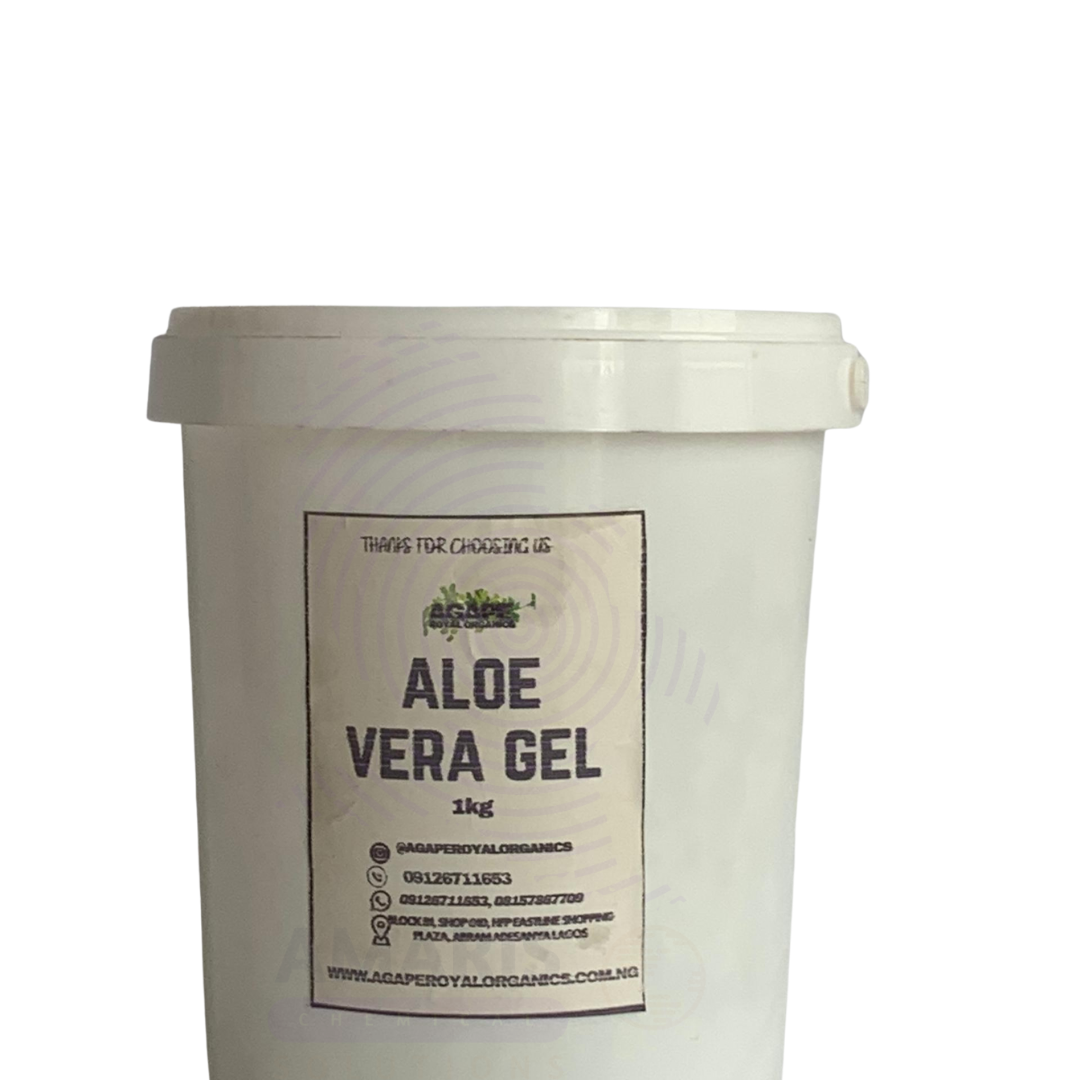



Aloe Vera Gel
Original price was: $ 13.66.$ 13.55Current price is: $ 13.55.
Aloe Vera Gel is a clear, jelly-like substance extracted from the inner leaf of the Aloe vera plant. It is widely used in skincare for its soothing, hydrating, and healing properties. Rich in vitamins (especially A, C, and E), enzymes, and amino acids, Aloe Vera Gel is commonly applied to treat sunburns, minor cuts, skin irritation, and dryness. It also has mild anti-inflammatory and antibacterial effects, making it a popular natural remedy in both cosmetic and medicinal products.
Aloe Vera Gel
Primary Uses
- Skincare & Cosmetics
- Moisturizer: Hydrates dry skin without greasiness.
- Sunburn Relief: Soothes UV damage and reduces redness.
- Acne Treatment: Anti-inflammatory and antibacterial properties help reduce breakouts.
- Anti-Aging: Promotes collagen production and reduces fine lines.
- Haircare
- Scalp Health: Reduces dandruff and itching.
- Hair Growth: Stimulates follicles and strengthens hair.
- Conditioner: Adds shine and softness.
- Wound Healing & First Aid
- Burns & Cuts: Accelerates healing and prevents infections.
- Post-Surgical Recovery: Used in dermatology for skin repair.
- Digestive Health (When Ingested)
- Constipation Relief: Acts as a mild laxative.
- Gut Health: Soothes acid reflux and ulcers.
Secondary Uses
- Food & Beverages
- Added to juices, yogurts, and health drinks for its nutrients.
- Used as a vegan egg substitute in baking.
- Pet Care
- Applied topically to soothe animal skin irritations.
- Textile Industry
- Used in anti-microbial fabric coatings.
- Agriculture
- Acts as a natural plant growth enhancer.
1. Basic Identification Attributes
- Chemical Name: Aloe barbadensis Miller gel
- CAS Number: 94349-62-9 (for Aloe vera gel extract)
- HS Code: 1302.39.00 (Other vegetable saps and extracts)
- Molecular Formula: Complex mixture (polysaccharides, glycoproteins, etc.)
- Key Components:
- Acemannan (primary bioactive polysaccharide)
- Aloin (trace amounts, varies by processing)
- Amino acids, enzymes, vitamins
- Synonyms:
- Aloe gel
- Aloe barbadensis leaf juice
- Aloe mucilage
2. Physical & Chemical Properties
- Physical State: Viscous liquid or gel (depending on concentration)
- Color & Odor: Clear to pale yellow; faint characteristic odor
- pH Level: 4.0–4.5 (naturally acidic)
- Density: ~1.0–1.1 g/cm³
- Solubility:
- Water-soluble
- Insoluble in oils, ethanol (>50%)
- Viscosity: 2000–5000 cP (1% gel, Brookfield LV)
- Stability:
- Sensitive to heat (>40°C degrades polysaccharides)
- Light-sensitive (dark storage recommended)
3. Safety & Hazard Attributes
- Hazard Class: Non-hazardous (GHS: Not classified)
- NFPA Ratings: Health (0), Flammability (0), Reactivity (0)
- Exposure Limits: No OSHA PEL/ACGIH TLV
- Allergen Potential: Low (but potential for contact dermatitis in sensitive individuals)
- Contraindications:
- Raw/unprocessed gel may contain aloin (potential laxative effects)
4. Storage & Handling Attributes
- Storage Conditions:
- Refrigerated (2–8°C) for stability
- Airtight, opaque containers (prevents oxidation)
- Shelf Life:
- Stabilized gel: 12–24 months
- Fresh gel: 7–10 days (refrigerated)
- Special Handling:
- Avoid contamination (high water activity supports microbial growth)
5. Regulatory & Compliance Attributes
- Regulatory Status:
- FDA: GRAS (21 CFR 182.20) for food use
- EU: Approved cosmetic ingredient (INCI: Aloe Barbadensis Leaf Juice)
- ISO: Standard 30516 (2017) for Aloe vera raw materials
- Certifications:
- IASC (International Aloe Science Council) certification for purity
- Organic (USDA, ECOCERT for organic formulations)
6. Environmental & Health Impact
- Ecotoxicity: Non-toxic (LC50 > 1000 mg/L for aquatic organisms)
- Biodegradability: Fully biodegradable (polysaccharides break down readily)
- Carcinogenicity: Not listed by IARC/NTP (purified gel without aloin)
Safety Precautions
Personal Protective Equipment (PPE)
- Gloves (nitrile/latex) – Prevents contamination and protects sensitive skin.
- Safety goggles – Needed when handling large volumes or during processing to prevent eye splashes.
- Lab coat/apron – Protects clothing from stains and maintains hygiene.
Handling & Storage
- Storage:
- Refrigerate (4–8°C) for fresh gel; store stabilized gel in a cool, dry place.
- Use airtight containers to prevent microbial growth.
- Processing:
- Use sterilized equipment to avoid contamination.
- Avoid prolonged exposure to high temperatures (>40°C) to preserve active compounds.
- Allergy Warning:
- Some individuals may develop contact dermatitis—patch test before topical use.
Spill Management
- Small spills: Wipe with a clean, damp cloth.
- Large spills: Use absorbent materials (e.g., paper towels) and sanitize the area.
First Aid Measures
Skin Contact
- Normal Use: Generally safe; rinse with water if irritation occurs.
- Allergic Reaction (redness/itching):
- Wash with mild soap and water.
- Apply hydrocortisone cream if needed.
- Seek medical help if severe.
Eye Contact
- Rinse immediately with cool, clean water for 15+ minutes.
- If irritation persists, consult a doctor.
Ingestion
- Food-grade gel: Safe in moderate amounts; drink water if discomfort occurs.
- Non-food-grade gel: May contain preservatives—seek medical advice if ingested.
Inhalation
- Not a significant risk (non-volatile). If aerosolized, move to fresh air.
Firefighting Measures
- Flammability: Aloe vera gel is non-flammable (water-based).
- In case of fire in processing area:
- Use water, CO₂, or dry chemical extinguishers for surrounding materials.
- No special precautions needed for the gel itself.
Related products
Ammonium Lactate
Ammonium Lactate is the ammonium salt of lactic acid, appearing as a clear, hygroscopic liquid or syrupy solution. It is widely used in pharmaceutical, cosmetic, and food industries primarily for its moisturizing, pH adjusting, and antimicrobial properties. In topical formulations, it acts as a keratolytic agent to help exfoliate and hydrate skin, making it popular in treatments for dry, scaly, or ichthyotic skin conditions. Its biocompatibility and mild acidic nature make it a versatile ingredient in various industrial and personal care products.

Avocado Oil
Avocado Oil is a nutrient-rich, plant-based oil cold-pressed from the pulp of ripe avocados (Persea americana). Recognized for its deep green color and mildly nutty aroma, this oil is highly valued for its high content of monounsaturated fatty acids, especially oleic acid, along with vitamins A, D, and E, sterols, lecithin, and antioxidants.
Due to its excellent penetration, moisturizing, and regenerative properties, Avocado Oil is widely used in cosmetics, personal care, pharmaceutical, and nutraceutical formulations. It helps in restoring skin elasticity, promoting collagen synthesis, and soothing inflammation, making it ideal for dry, sensitive, or aging skin. In hair care, it strengthens and softens hair, improves scalp health, and reduces dandruff.
Additionally, refined, food-grade Avocado Oil is used in cooking due to its high smoke point and nutritional profile. It is also increasingly found in dietary supplements and therapeutic blends


Glycerin
Glycerin, also known as glycerol, is a colorless, odorless, viscous liquid with a sweet taste and hygroscopic properties. It is a trihydroxy alcohol (triol) used extensively across food, pharmaceutical, cosmetic, and industrial applications. Food-grade glycerin is produced through hydrolysis, saponification, or transesterification of fats and oils, ensuring compliance with stringent purity standards. It is supplied in bulk (e.g., 250kg drums) for large-scale applications where non-toxic, biodegradable humectants or solvents are required. Glycerin is widely appreciated for its moisture-retaining ability, solubility, lubricity, and stabilizing properties.
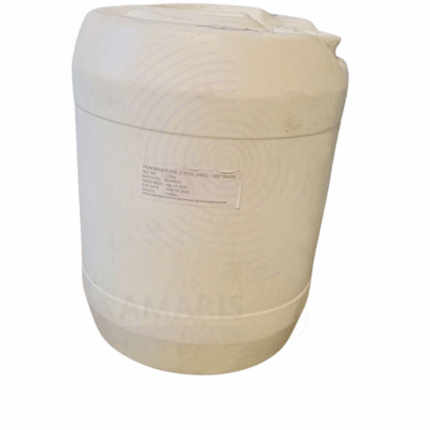
MonoPropylene Glycol
MonoPropylene Glycol (MPG) is a clear, colorless, odorless, and slightly viscous liquid commonly used as a solvent, humectant, and antifreeze agent. It exhibits excellent moisture retention, low volatility, and high boiling point, making it suitable for a wide range of industrial, food, pharmaceutical, and cosmetic applications. MPG is valued for its low toxicity and biodegradability.
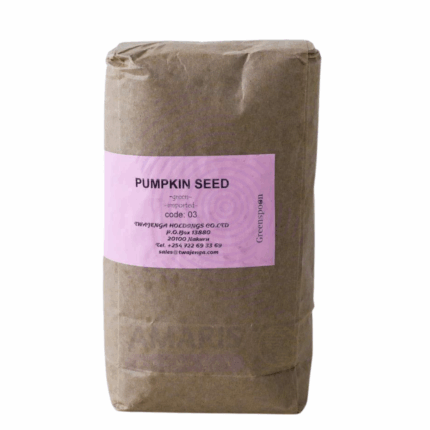
Pumpkin Kernels
Pumpkin kernels, also known as pepitas, are the edible seeds extracted from pumpkins. They are nutrient-rich, containing healthy fats, proteins, vitamins, and minerals, making them a popular ingredient in food products and snacks. Supplied in bulk 25 kg packaging, pumpkin kernels are widely used for their flavor, texture, and nutritional benefits in culinary and industrial applications.

Sorbitol
Sorbitol is a sugar alcohol with the chemical formula C₆H₁₄O₆, appearing as a white, crystalline, hygroscopic powder or syrup. It is widely used as a sweetener, humectant, and texturizing agent in food, pharmaceutical, and cosmetic industries. This 25kg packaged product offers high purity sorbitol, soluble in water with a mildly sweet taste and low caloric value, making it a popular sugar substitute and stabilizer.

Sunflower Butter
Sunflower Butter is a creamy spread made from roasted sunflower seeds, offering a nutritious and allergen-friendly alternative to traditional nut butters. It is rich in healthy fats, protein, vitamins, and minerals, making it a popular choice for health-conscious consumers. Sunflower Butter has a mild, slightly nutty flavor and smooth texture, suitable for direct consumption or incorporation into various food products.
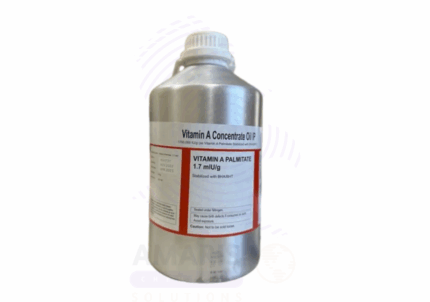
Vitamin A Palmitate
Vitamin A Palmitate is a highly concentrated, stable ester form of vitamin A used extensively in pharmaceuticals, nutraceuticals, cosmetics, and food fortification. This fat-soluble vitamin supports vision, immune function, skin health, and cellular growth. The palmitate ester enhances stability and shelf life, making it ideal for incorporation into powders, capsules, and topical formulations requiring precise dosing.












