

 Preservatives(food)
 Flavor Enhancers
 Acidulants
 Sweeteners
 Antioxidants
 Colorants(food)
 Nutraceutical Ingredients (food)
 Nutrient Supplements
 Emulsifiers
 Collectors
 Dust Suppressants
 Explosives and Blasting Agents
 Flocculants and Coagulants
 Frothers
 Leaching Agents
 pH Modifiers
 Precious Metal Extraction Agents
 Antioxidants(plastic)
 Colorants (Pigments, Dyes)
 Fillers and Reinforcements
 Flame Retardants
 Monomers
 Plasticizers
 Polymerization Initiators
 Stabilizers (UV, Heat)
 Antifoaming Agents
 Chelating Agents
 Coagulants and Flocculants
 Corrosion Inhibitors
 Disinfectants and Biocides
 Oxidizing Agents
 pH Adjusters
 Scale Inhibitors( water)
 Antioxidants(cosmetic)
 Emollients
 Fragrances and Essential Oils
 Humectants
 Preservatives
 Surfactants(cosmetic)
 Thickeners
 UV Filters
 Fertilizers
 Soil Conditioners
 Plant Growth Regulators
 Animal Feed Additives
 Biostimulants
 Pesticides (Herbicides, Insecticides, Fungicides)
 Active Pharmaceutical Ingredients (APIs)
 Excipients
 Solvents(pharmaceutical)
 Antibiotics
 Antiseptics and Disinfectants
 Vaccine Adjuvants
 Nutraceutical Ingredients (pharmaceutical)
 Analgesics & Antipyretics
 Analytical Reagents
 Solvents(lab)
 Chromatography Chemicals
 Spectroscopy Reagents
 microbiology-and-cell-culture-reagents
 Molecular Biology Reagents
 Biochemical Reagents
 Inorganic and Organic Standards
 Laboratory Safety Chemicals
 Specialty Laboratory Chemicals(Special Laboratory Equipment)
 Demulsifiers
 Hydraulic Fracturing Fluids
 Scale Inhibitors(oil)
 Surfactants(oil)
 Drilling Fluids
 Dyes and Pigments
 Bleaching Agents
 Softening Agents
 Finishing Agents
 Antistatic Agents
 Admixtures
 Waterproofing Agents
 Sealants and Adhesives
 Curing Compounds
 Concrete Repair Chemicals
 Anti-Corrosion Coatings
 Surfactants(cleaning)
 Builders
 Enzymes
 Solvents (Cleaning)
 Fragrances
 Electronic Chemicals
 Catalysts
 Lubricants
 Photographic Chemicals
 Refrigerants
 Automotive chemicals
 Pyrotechnic Chemicals
 Biodegradable Surfactants
 Bio-based Solvents
 Renewable Polymers
 Carbon Capture Chemicals
 Wastewater Treatment Chemicals
 Pigments
 Solvents(paint)
 Specialty Coatings
 Binders/Resins
 Additives
 Driers
 Anti-Corrosion Agents
 Functional Coatings
 Application-Specific Coatings
 Leavening Agents
 Dough Conditioners
 Flour Treatments
 Fat Replacers
 Decoratives
 Preservatives(baking)
 Plasticizers & Softeners
 Reinforcing Agents
 Adhesion Promoters
 Vulcanizing Agents
 Antidegradants
 Blowing Agents
 Fillers & Extenders
 Accelerators & Retarders


















Cosmetic and personal care chemicals are ingredients used in products like skincare, haircare, makeup, and hygiene items to enhance appearance, cleanse, or protect the body. These include emulsifiers, preservatives, fragrances, surfactants, and active compounds like vitamins or sunscreens. While many are safe, some synthetic chemicals (e.g., parabens, sulfates, or phthalates) have raised health and environmental concerns, leading to a growing demand for natural or organic alternatives. Regulations ensure safety, but ingredient transparency remains a key consumer priority.
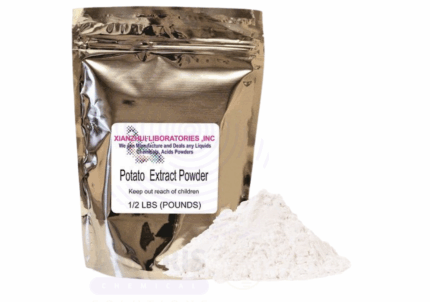
African Potato Extract
African Potato Extract is derived from the plant Hypoxis hemerocallidea, a medicinal plant native to southern Africa. It is commonly used in traditional African medicine for its anti-inflammatory, antioxidant, and immune-boosting properties. The active compound in the extract is hypoxoside, which is converted in the body to rooperol, a potent antioxidant. African Potato Extract is often used as a complementary treatment for conditions like arthritis, prostate issues, and certain infections, though scientific evidence on its effectiveness is still limited.

Almond Oil
Almond oil is a lightweight, nutrient-rich carrier oil extracted from the kernels of sweet almonds (Prunus dulcis). It is obtained through cold-pressing to preserve its natural vitamins, antioxidants, and fatty acids. Known for its mild, slightly nutty aroma and excellent emollient properties, almond oil is widely used in cosmetics, food, and pharmaceutical applications. It is non-irritating, easily absorbed, and offers moisturizing, anti-inflammatory, and skin-repairing benefits.
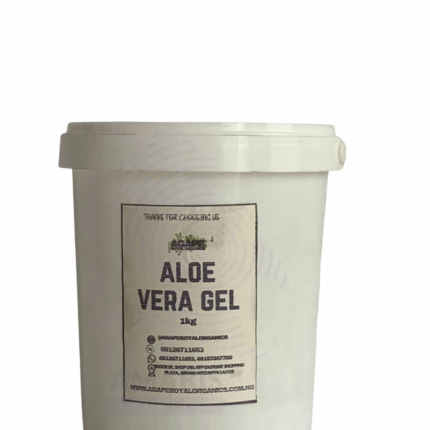
Aloe Vera Gel
Aloe Vera Gel is a clear, jelly-like substance extracted from the inner leaf of the Aloe vera plant. It is widely used in skincare for its soothing, hydrating, and healing properties. Rich in vitamins (especially A, C, and E), enzymes, and amino acids, Aloe Vera Gel is commonly applied to treat sunburns, minor cuts, skin irritation, and dryness. It also has mild anti-inflammatory and antibacterial effects, making it a popular natural remedy in both cosmetic and medicinal products.
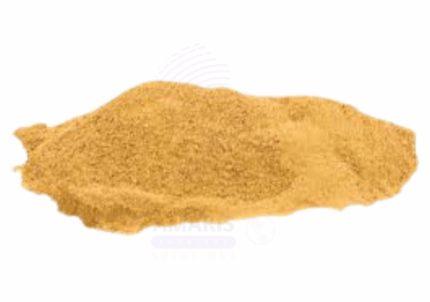
Apricot Powder
Apricot powder is a dehydrated, finely ground form of apricot fruit, retaining much of the natural flavor, aroma, and nutritional properties of fresh apricots. It is typically made by drying fresh apricots through spray drying, freeze drying, or drum drying, then milling into a fine powder. Apricot powder is rich in vitamins, minerals, dietary fiber, and antioxidants such as beta-carotene and vitamin C. It is widely used as a natural flavoring agent, colorant, and nutritional supplement in food and beverage products, as well as in cosmetics and dietary supplements. Its convenient powdered form allows for easy incorporation into dry mixes and processed goods without the perishability of fresh fruit.
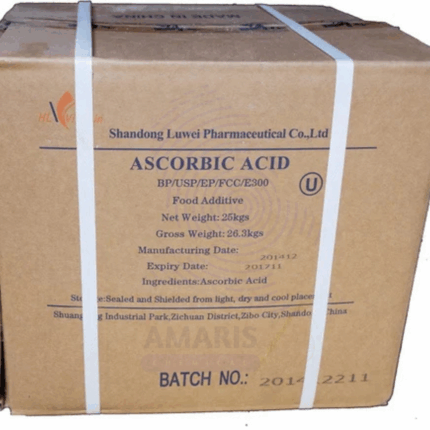
Ascorbic Acid
Ascorbic Acid, commonly known as Vitamin C, is a water-soluble vitamin and potent antioxidant essential for collagen synthesis, immune function, and protection against oxidative stress. It is widely used as a nutritional supplement, food preservative, and additive to enhance shelf life and nutritional value. Naturally present in citrus fruits and various vegetables, ascorbic acid is also important in pharmaceutical, cosmetic, and animal feed industries due to its health benefits and preservative qualities.
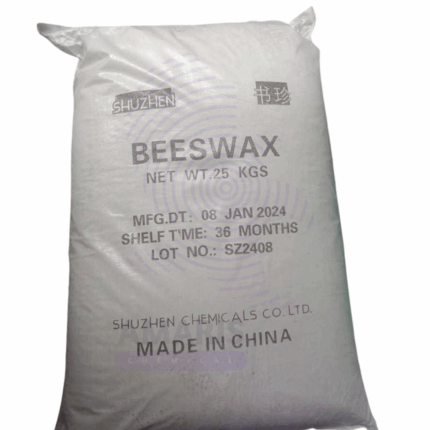
Beeswax
Beeswax is a natural wax produced by honeybees of the genus Apis. It is secreted by worker bees from specialized glands and used to build honeycomb cells. Beeswax is a complex mixture of esters, fatty acids, and hydrocarbons, characterized by a pale yellow to brown color, a pleasant honey-like aroma, and a firm yet pliable texture. It has excellent emulsifying, binding, and protective properties, making it widely used in cosmetics, pharmaceuticals, food, and industrial applications. Beeswax is prized for its natural origin, biodegradability, and skin-friendly characteristics.
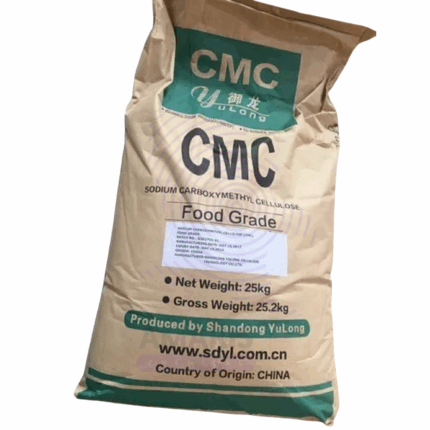
Carboxymethyl Cellulose Food Grade
Carboxymethyl Cellulose Food Grade is a water-soluble cellulose derivative produced by the etherification of cellulose with monochloroacetic acid. It appears as a fine, white to off-white powder with excellent thickening, stabilizing, and water retention properties. Designed specifically for food applications, this grade complies with food safety regulations and is widely used as a texture modifier, stabilizer, and emulsifier in a variety of processed foods. It enhances product consistency, extends shelf life, and improves moisture retention without altering taste or odor. Being non-toxic, biodegradable, and non-caloric, it is considered safe for human consumption and is approved as a food additive in many countries.
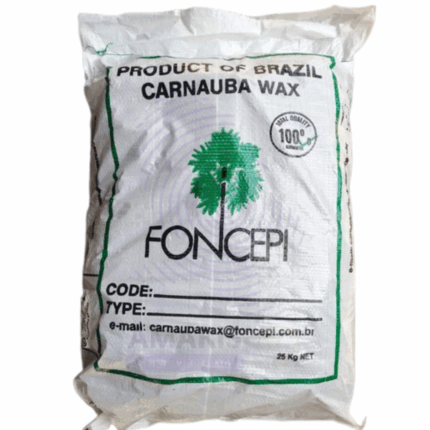
Carnauba Wax
Carnauba Wax is a natural vegetable wax obtained from the leaves of the Copernicia prunifera palm tree, native to northeastern Brazil. It appears as a hard, brittle, yellow to brownish-yellow wax with a faint, characteristic odor. Known as the “queen of waxes,” Carnauba Wax is prized for its exceptionally high melting point, glossy finish, and excellent hardness. It is a premium wax widely used in cosmetics, food, pharmaceuticals, automotive, and industrial applications as a natural, biodegradable alternative to synthetic waxes. Its film-forming, emulsifying, and protective properties make it highly versatile for use in coatings, polishes, and skincare products.
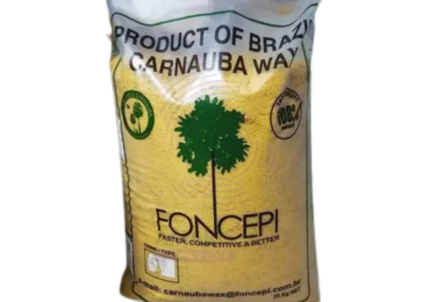
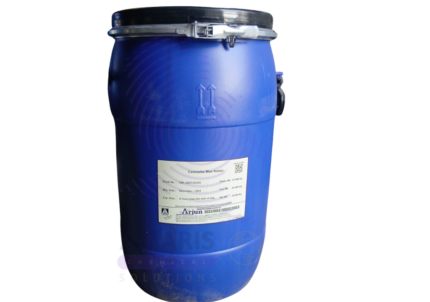
Carnauba Wax Prime Yellow
Carnauba Wax Prime Yellow, also known as Type 1 or Prime Yellow Grade, is the highest quality and purest form of carnauba wax derived from the leaves of the Copernicia cerifera palm tree, native to Brazil. It is a natural, vegetable-based wax prized for its exceptional hardness, high gloss, high melting point, and emulsification properties. Prime Yellow grade represents the finest classification, characterized by its light yellow to pale amber color, low impurities, and superior film-forming characteristics. It is obtained through a meticulous process of harvesting, drying, and processing the palm leaves to extract the waxy coating, which is then refined and graded. Carnauba Wax is often referred to as the "Queen of Waxes" due to its unique combination of properties unmatched by synthetic alternatives. Technical grade Carnauba Wax Prime Yellow is used across numerous industries for its ability to impart gloss, hardness, slip resistance, and moisture barrier properties. It is not intended for direct food consumption but is widely used in food-contact applications such as coatings and packaging.
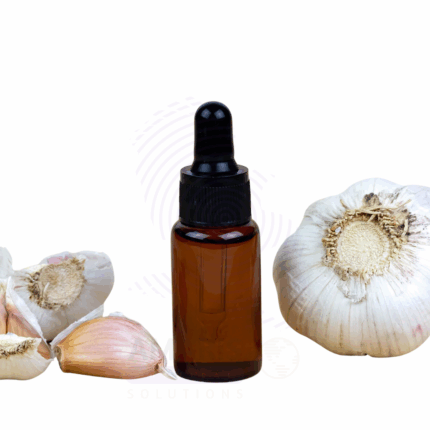
Garlic Oil
Garlic Oil is a potent essential oil extracted from the bulbs of the Allium sativum plant, primarily through steam distillation or solvent extraction. Known for its strong, pungent aroma and rich sulfur-containing compounds such as allicin, diallyl disulfide, and ajoene, Garlic Oil is widely recognized for its antimicrobial, antifungal, antiviral, and antioxidant properties. Traditionally used in herbal medicine, it has applications in pharmaceuticals, natural personal care products, food flavoring, and agricultural pest management. Its therapeutic properties also make it a valuable ingredient in formulations aimed at cardiovascular health and immune system support.
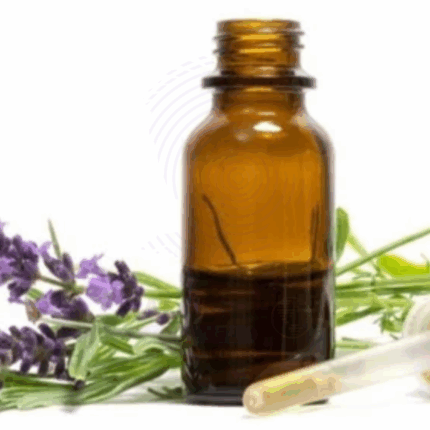
Lavender oil
Lavender oil is a popular essential oil steam-distilled from the fresh flowering tops of the Lavandula angustifolia plant. It has a characteristic floral, herbaceous, and slightly woody aroma with calming and therapeutic properties. Known for its versatility, lavender oil is widely used in aromatherapy, cosmetics, and personal care products for its soothing, anti-inflammatory, and antiseptic qualities. It also serves as a natural fragrance and flavoring agent in various applications.
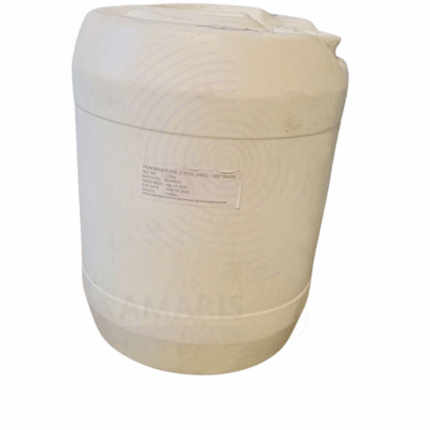
MonoPropylene Glycol
MonoPropylene Glycol (MPG) is a clear, colorless, odorless, and slightly viscous liquid commonly used as a solvent, humectant, and antifreeze agent. It exhibits excellent moisture retention, low volatility, and high boiling point, making it suitable for a wide range of industrial, food, pharmaceutical, and cosmetic applications. MPG is valued for its low toxicity and biodegradability.
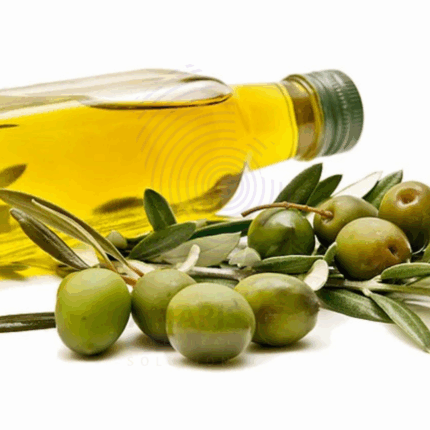
Olive Oil Pomace
Olive Oil Pomace is a refined oil extracted from the olive pulp, skin, and pits after the first pressing. It is a lower-cost olive oil variant with a mild flavor and good stability. Rich in monounsaturated fatty acids, particularly oleic acid, and antioxidants like vitamin E and polyphenols, pomace olive oil offers nutritional benefits and excellent oxidative stability. It is widely used in culinary, cosmetic, pharmaceutical, and industrial applications due to its moisturizing properties and mild aroma. Pomace olive oil is favored in formulations where a lighter olive aroma is desired, and it also serves as a base oil in soap making, skincare, and massage oils.
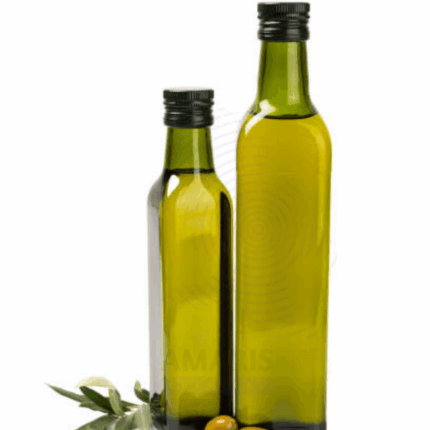
Olive Oil Virgin
Olive Oil Virgin is a natural oil obtained from the first cold pressing of olives without the use of chemicals or excessive heat, preserving its rich flavor and nutritional qualities. It is characterized by a fruity aroma and a balanced taste, containing high levels of monounsaturated fatty acids, particularly oleic acid, as well as antioxidants such as polyphenols and vitamin E. Virgin olive oil is widely valued for its health benefits, culinary versatility, and skin conditioning properties. It is extensively used in food preparation, cosmetic formulations, and pharmaceutical applications, offering moisturizing, antioxidant, and anti-inflammatory effects.
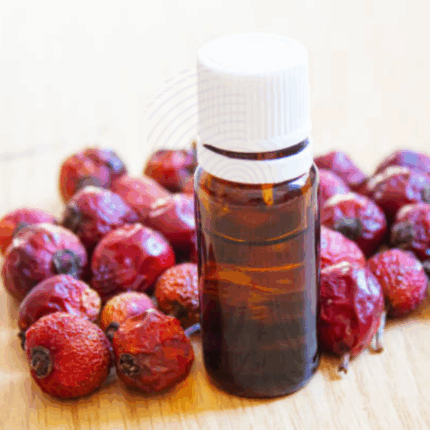
Palm kernel Oil
Palm Kernel Oil is a versatile edible and industrial oil extracted from the kernels (seeds) of the oil palm fruit (Elaeis guineensis). It is distinct from palm oil, which is derived from the fruit’s pulp. This oil is characterized by its light yellow color and mild, nutty aroma. Rich in medium-chain fatty acids, particularly lauric acid, Palm Kernel Oil exhibits excellent moisturizing, cleansing, and emulsifying properties. Widely used in food, cosmetics, and industrial applications, it is valued for its stability, texture-enhancing qualities, and skin-conditioning benefits.
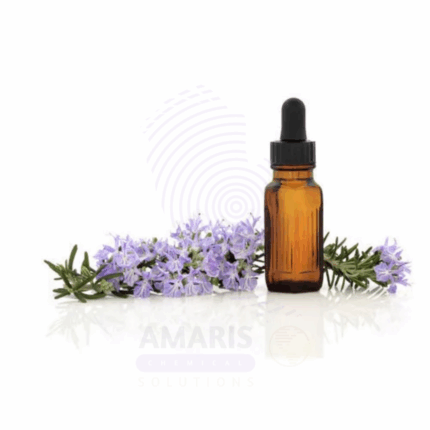
Palmarosa Oil
Palmarosa Oil is a highly valued essential oil obtained through steam distillation of the fresh grass Cymbopogon martinii, native to India. Known for its sweet, floral, and rose-like aroma, it is rich in geraniol, a natural compound with potent antimicrobial and anti-inflammatory properties. Palmarosa Oil is widely used in aromatherapy, natural skincare, and personal care formulations for its hydrating and rejuvenating effects. Its antimicrobial activity makes it popular in therapeutic blends, natural preservatives, and fragrance products. Additionally, it has applications in pharmaceutical, cleaning, and flavoring industries.
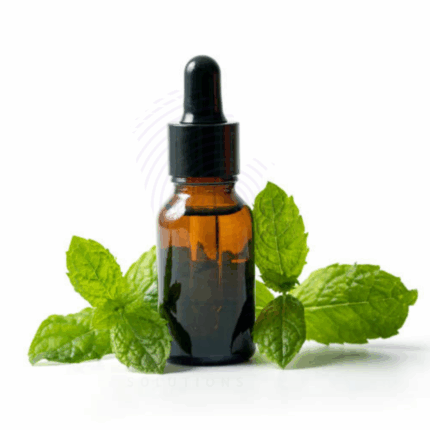
Peppermint Oil
Peppermint Oil is a refreshing essential oil obtained by steam distillation of the leaves and flowering tops of the Mentha × piperita plant. Renowned for its sharp, cool, and invigorating menthol aroma, it contains high levels of menthol and menthone, which contribute to its cooling, analgesic, and antimicrobial effects. Peppermint Oil is widely used across aromatherapy, pharmaceuticals, personal care, food flavoring, and cleaning products. Its stimulating and soothing properties make it popular for relieving headaches, muscle pain, digestive issues, and respiratory problems, while also adding a fresh scent to many formulations.
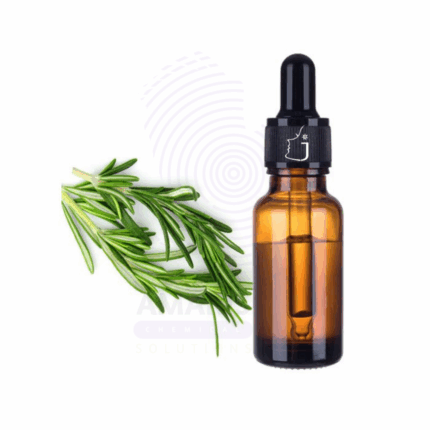
Rosemary Oil
Rosemary Oil is an essential oil extracted through steam distillation from the leaves and flowering tops of the Rosmarinus officinalis plant. It possesses a fresh, herbaceous, and slightly woody aroma. Rich in cineole, camphor, and α-pinene, Rosemary Oil is widely valued for its stimulating, antioxidant, and antimicrobial properties. It is extensively used in aromatherapy, cosmetics, pharmaceuticals, and natural personal care products. Rosemary Oil promotes scalp health, enhances hair growth, supports respiratory function, and is used in massage blends to invigorate the body and mind.

Sesame oil
Sesame oil is a versatile vegetable oil extracted from sesame seeds (Sesamum indicum). It is available in both unrefined (light color, nutty flavor) and refined (neutral flavor) varieties. Rich in antioxidants like sesamol and sesamin, as well as unsaturated fats, it is valued for its stability, nutritional benefits, and mild skin-conditioning properties. It is widely used in cooking, cosmetics, and pharmaceutical formulations.
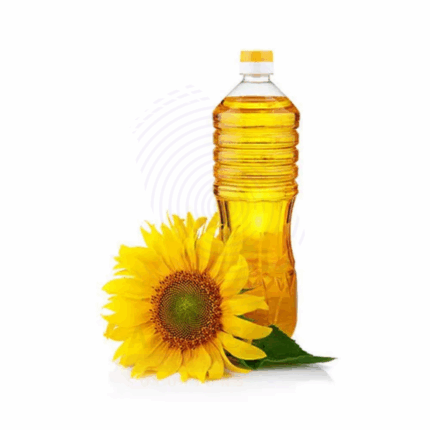
Sunflower Oil
Sunflower Oil is a versatile vegetable oil extracted from the seeds of Helianthus annuus, native to North America but now cultivated globally. It is commonly obtained through cold pressing or refining and is valued for its light texture, neutral scent, and high content of essential fatty acids—particularly linoleic and oleic acids—as well as natural tocopherols (vitamin E). With excellent antioxidant, emollient, and anti-inflammatory properties, Sunflower Oil is widely used in food products, skincare formulations, hair care, massage therapies, and pharmaceutical preparations. Its ability to nourish and protect the skin barrier makes it a key ingredient across both wellness and industrial markets.

Vanilla Oil
Vanilla oil is a rich, aromatic extract derived from the cured pods of the Vanilla planifolia orchid. It is typically produced by infusing vanilla beans in a carrier oil or through CO₂ extraction, capturing the complex, sweet, and creamy fragrance notes of natural vanilla. This oil is prized for its warm, comforting aroma and is widely used in perfumery, gourmet food flavoring, and luxury skincare products. Unlike vanilla essential oil (which is rarely produced due to low yield), vanilla oil refers to an infused or extracted product that carries the signature vanilla scent and flavor.
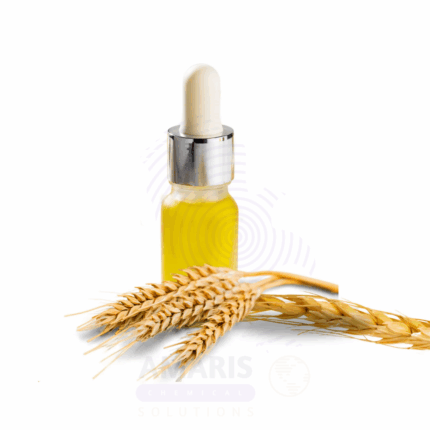
Wheatgerm Oil
Wheatgerm Oil is a nutrient-rich, golden-colored oil extracted from the germ of the wheat kernel (Triticum vulgare), typically through cold pressing or solvent extraction. It is exceptionally high in vitamin E, essential fatty acids (especially linoleic and linolenic acid), squalene, phytosterols, and antioxidants, making it one of the most potent natural oils for skin and hair rejuvenation. With its slightly nutty aroma and viscous texture, Wheatgerm Oil is widely used in cosmetic, pharmaceutical, nutraceutical, and aromatherapy applications for its antioxidant, anti-aging, moisturizing, and healing benefits.
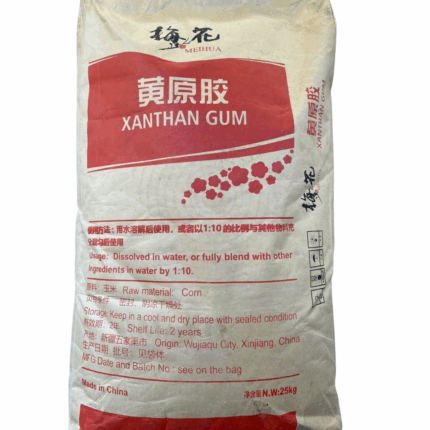
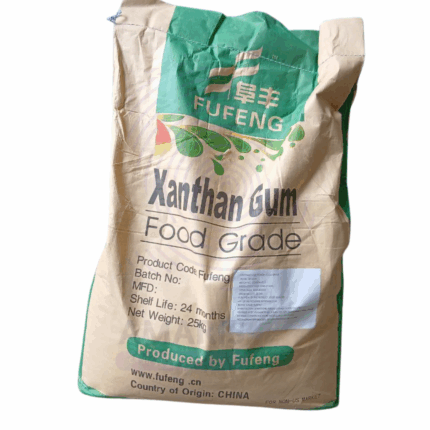
Xantham Gum
Xantham Gum is a high-molecular-weight polysaccharide produced by fermentation of glucose or sucrose by the bacterium Xanthomonas campestris. It is widely used as a thickening, stabilizing, and emulsifying agent in various industries due to its excellent viscosity properties, even at low concentrations. Xanthan Gum imparts improved texture, consistency, and shelf life to finished products, making it indispensable in food, pharmaceutical, cosmetic, and industrial formulations.












