Preservatives(food)
 Flavors
 Acidulants
 Sweeteners
 Antioxidants
 Colorants(food)
 Nutraceutical Ingredients (food)
 Nutrient Supplements
 Emulsifiers
 Collectors
 Dust Suppressants
 Explosives and Blasting Agents
 Flocculants and Coagulants
 Frothers
 Leaching Agents
 pH Modifiers
 Precious Metal Extraction Agents
 Antioxidants(plastic)
 Colorants (Pigments, Dyes)
 Fillers and Reinforcements
 Flame Retardants
 Monomers
 Plasticizers
 Polymerization Initiators
 Stabilizers (UV, Heat)
 Antifoaming Agents
 Chelating Agents
 Coagulants and Flocculants
 Corrosion Inhibitors
 Disinfectants and Biocides
 Oxidizing Agents
 pH Adjusters
 Scale Inhibitors( water)
 Antioxidants(cosmetic)
 Emollients
 Oils
Oils Carrier Oills
 Essential Oils
 Humectants
 Preservatives
 Surfactants(cosmetic)
 Thickeners
 UV Filters
 Fertilizers
 Soil Conditioners
 Plant Growth Regulators
 Animal Feed Additives
 Biostimulants
 Pesticides (Herbicides, Insecticides, Fungicides)
 Active Pharmaceutical Ingredients (APIs)
 Excipients
 Solvents(pharmaceutical)
 Antibiotics
 Antiseptics and Disinfectants
 Vaccine Adjuvants
 Nutraceutical Ingredients (pharmaceutical)
 Analgesics & Antipyretics
 Analytical Reagents
 Solvents(lab)
 Chromatography Chemicals
 Spectroscopy Reagents
 microbiology-and-cell-culture-reagents
 Molecular Biology Reagents
 Biochemical Reagents
 Inorganic and Organic Standards
 Laboratory Safety Chemicals
 Specialty Laboratory Chemicals(Special Laboratory Equipment)
 Demulsifiers
 Hydraulic Fracturing Fluids
 Scale Inhibitors(oil)
 Surfactants(oil)
 Drilling Fluids
 Dyes and Pigments
 Bleaching Agents
 Softening Agents
 Finishing Agents
 Antistatic Agents
 Admixtures
 Waterproofing Agents
 Sealants and Adhesives
 Curing Compounds
 Concrete Repair Chemicals
 Anti-Corrosion Coatings
 Surfactants(cleaning)
 Builders
 Enzymes
 Solvents (Cleaning)
 Fragrances (Cleaning)
 Electronic Chemicals
 Catalysts
 Lubricants
 Photographic Chemicals
 Refrigerants
 Automotive chemicals
 Pyrotechnic Chemicals
 Biodegradable Surfactants
 Bio-based Solvents
 Renewable Polymers
 Carbon Capture Chemicals
 Wastewater Treatment Chemicals
 Pigments
 Solvents(paint)
 Specialty Coatings
 Binders/Resins
 Additives
 Driers
 Anti-Corrosion Agents
 Functional Coatings
 Application-Specific Coatings
 Leavening Agents
 Dough Conditioners
 Flour Treatments
 Fat Replacers
 Decoratives
 Preservatives(baking)
 Plasticizers & Softeners
 Reinforcing Agents
 Adhesion Promoters
 Vulcanizing Agents
 Antidegradants
 Blowing Agents
 Fillers & Extenders
 Accelerators & Retarders
Sodium Cyanide in 2026: The Powerful Industrial Chemical Behind Modern Mining ⚙️🧪

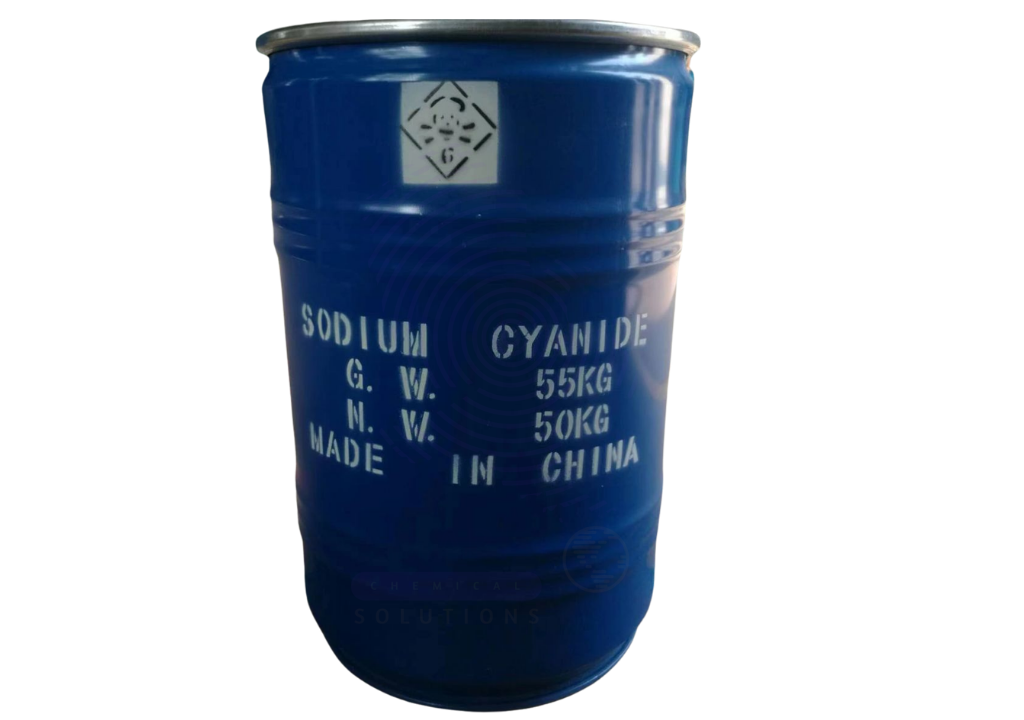
Sodium cyanide is one of the world’s most important industrial chemicals, even though it is often misunderstood. In 2026, it continues to play a major role in industries such as mining, metal finishing, chemical manufacturing, and laboratory research. With growing attention on safer handling, environmental protection, and sustainable mining, sodium cyanide is becoming a hot topic once again. 🌍
What Is Sodium Cyanide?
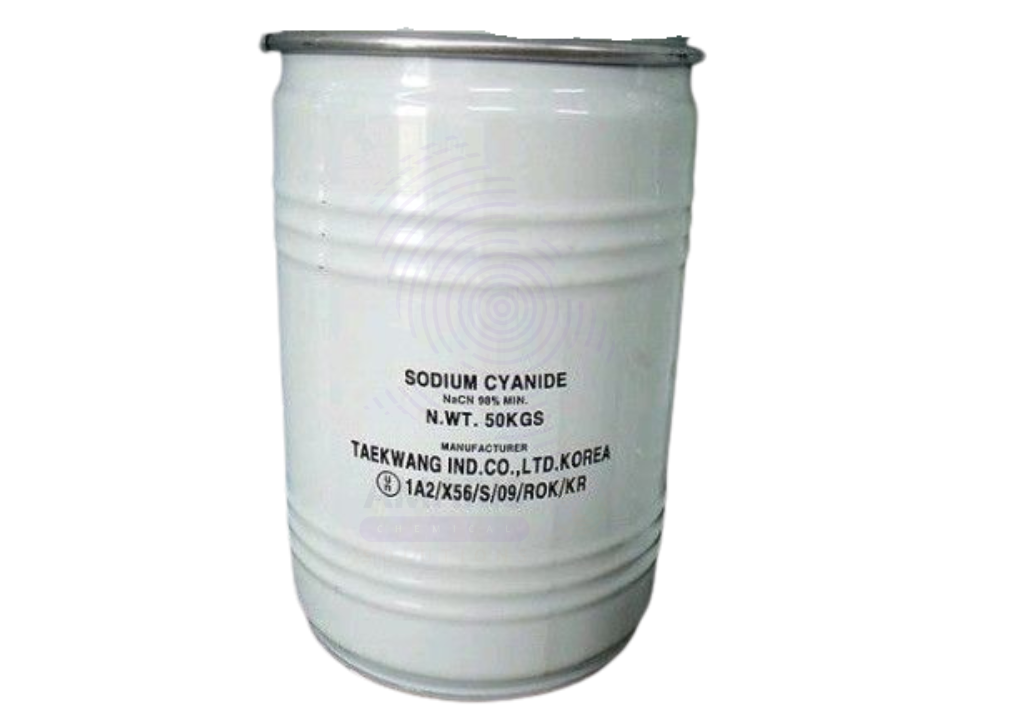
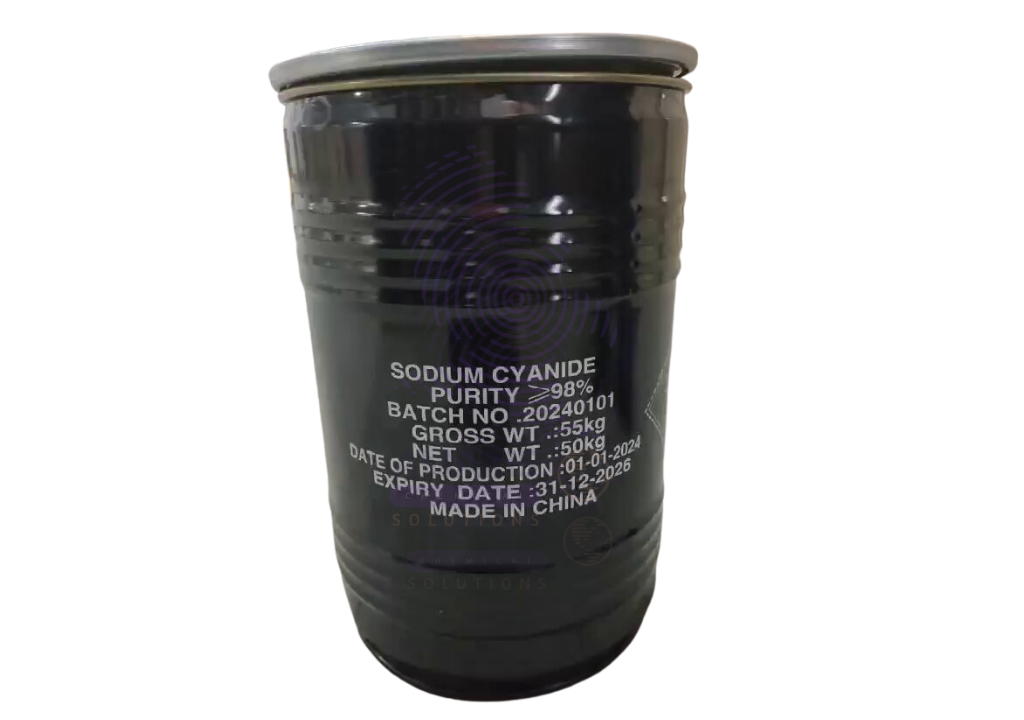
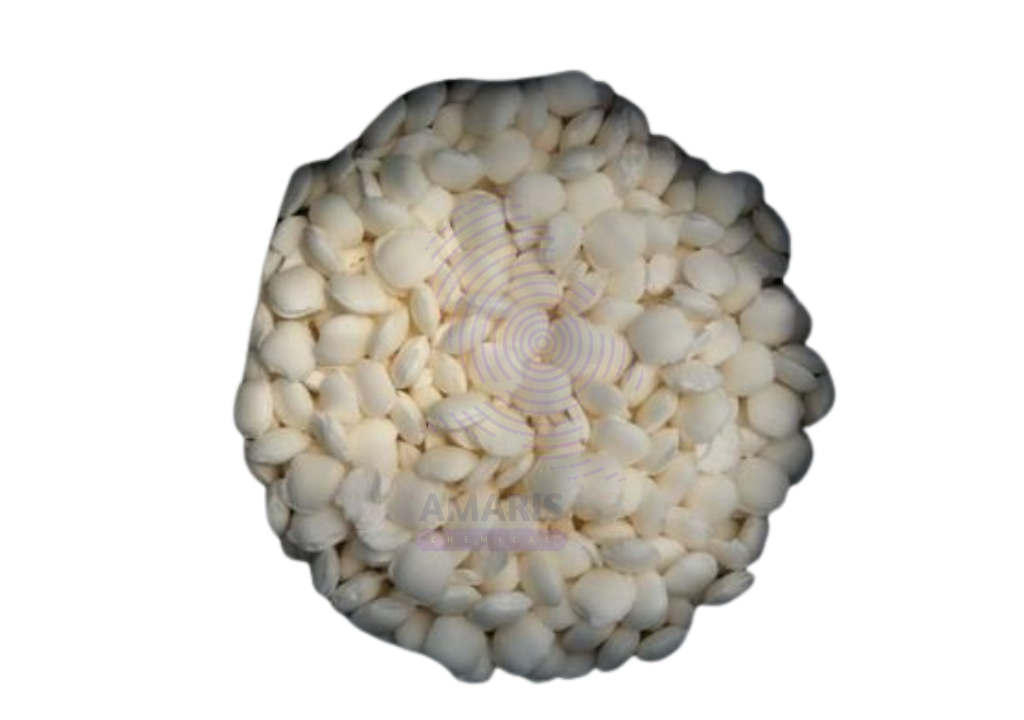
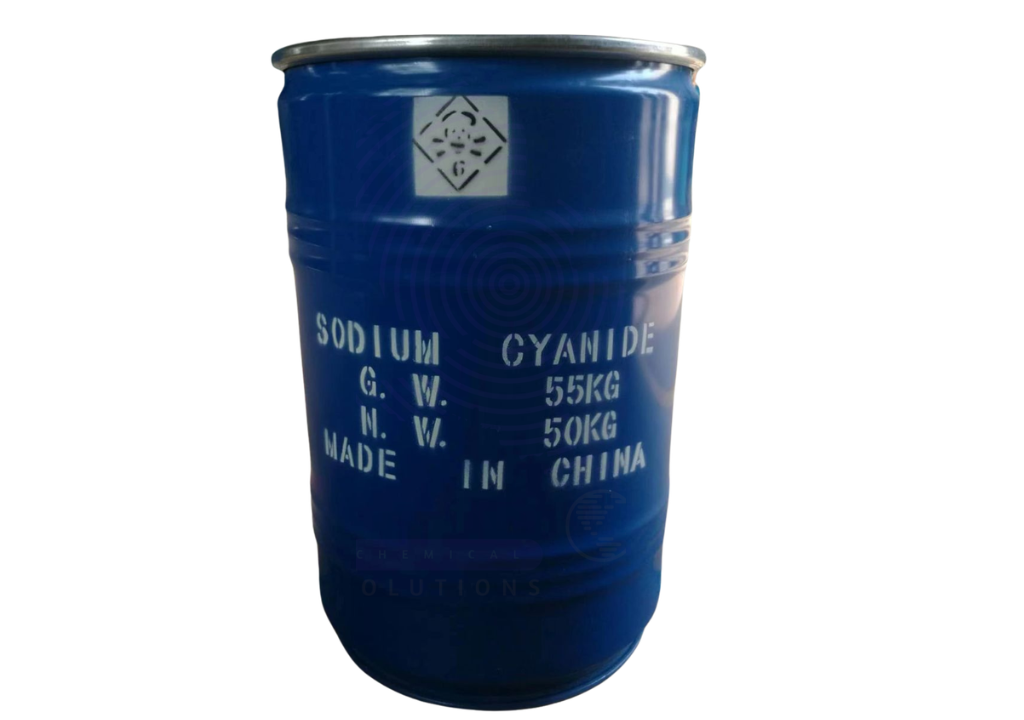
Sodium cyanide is a white, water-soluble chemical compound with the formula NaCN. It is usually supplied as solid briquettes, pellets, or powder. Because it dissolves quickly in water, it is especially useful in industrial processes that require precise chemical reactions.
Although sodium cyanide is highly effective, it is also a hazardous substance and must always be handled by trained professionals using strict safety procedures. Modern industries now place much greater emphasis on safe storage, transport, and waste management than ever before. 🦺
Why Is Sodium Cyanide Important Today?
As the global demand for electronics, electric vehicles, solar panels, and advanced technologies continues to grow, the need for metals such as gold and silver is increasing too. Sodium cyanide remains one of the most efficient chemicals used to extract these precious metals.
In 2026, many mining companies are investing in cleaner and more responsible ways to use sodium cyanide. New recycling systems, improved monitoring technology, and stronger environmental regulations are helping industries reduce waste and improve safety. ♻️
Main Applications of Sodium Cyanide
1. Gold and Silver Mining ⛏️
The largest use of sodium cyanide is in the mining industry. It is widely used to help separate gold and silver from ore. The process allows mining companies to recover more precious metal from lower-grade ores, making mining more efficient and cost-effective.
Without sodium cyanide, many gold and silver deposits would be much harder to process. This is one reason why it remains essential to the global mining sector.
2. Metal Cleaning and Electroplating 🔩
Sodium cyanide is also used in metal treatment industries. It helps clean metal surfaces before plating and is involved in some electroplating processes. This is especially important in the production of machinery, automotive parts, tools, and electronic components.
Metal manufacturers value sodium cyanide because it can improve the appearance, durability, and corrosion resistance of finished products.
3. Chemical Manufacturing 🏭
Another major use of sodium cyanide is as a raw material in the production of other chemicals. It can be used in the manufacture of dyes, pigments, specialty chemicals, and certain industrial intermediates.
In some sectors, sodium cyanide helps create compounds used in plastics, textiles, and synthetic fibers. As manufacturing continues to expand across Africa and the rest of the world, demand for such industrial chemicals is expected to remain strong.
4. Laboratory and Research Use 🔬
Sodium cyanide is sometimes used in laboratories for research and analytical work. Scientists may use it in controlled environments to study chemical reactions or prepare specific compounds.
Because of its hazardous nature, only qualified laboratory personnel should work with sodium cyanide, and only under carefully controlled conditions.
A Growing Focus on Safety and Sustainability 🌱
One of the biggest trends in 2026 is the move toward safer and more sustainable chemical use. Many companies are now introducing:
- Better protective equipment for workers
- Advanced leak detection systems
- Safer storage and transport methods
- Improved recycling and waste treatment technologies
- Stronger environmental monitoring programs
These improvements are helping industries continue benefiting from sodium cyanide while reducing risks to people and the environment.
Final Thoughts
Sodium cyanide may not be a household name, but it remains a key chemical in modern industry. From helping recover gold and silver to supporting manufacturing and research, its importance continues to grow in 2026. At the same time, industries are working harder than ever to use it responsibly, safely, and sustainably. ✨
As technology and environmental awareness continue to evolve, sodium cyanide will likely remain an essential – yet carefully managed – part of the industrial world.