

 Preservatives(food)
 Flavor Enhancers
 Acidulants
 Sweeteners
 Antioxidants
 Colorants(food)
 Nutraceutical Ingredients (food)
 Nutrient Supplements
 Emulsifiers
 Collectors
 Dust Suppressants
 Explosives and Blasting Agents
 Flocculants and Coagulants
 Frothers
 Leaching Agents
 pH Modifiers
 Precious Metal Extraction Agents
 Antioxidants(plastic)
 Colorants (Pigments, Dyes)
 Fillers and Reinforcements
 Flame Retardants
 Monomers
 Plasticizers
 Polymerization Initiators
 Stabilizers (UV, Heat)
 Antifoaming Agents
 Chelating Agents
 Coagulants and Flocculants
 Corrosion Inhibitors
 Disinfectants and Biocides
 Oxidizing Agents
 pH Adjusters
 Scale Inhibitors( water)
 Antioxidants(cosmetic)
 Emollients
 Fragrances and Essential Oils
 Humectants
 Preservatives
 Surfactants(cosmetic)
 Thickeners
 UV Filters
 Fertilizers
 Soil Conditioners
 Plant Growth Regulators
 Animal Feed Additives
 Biostimulants
 Pesticides (Herbicides, Insecticides, Fungicides)
 Active Pharmaceutical Ingredients (APIs)
 Excipients
 Solvents(pharmaceutical)
 Antibiotics
 Antiseptics and Disinfectants
 Vaccine Adjuvants
 Nutraceutical Ingredients (pharmaceutical)
 Analgesics & Antipyretics
 Analytical Reagents
 Solvents(lab)
 Chromatography Chemicals
 Spectroscopy Reagents
 microbiology-and-cell-culture-reagents
 Molecular Biology Reagents
 Biochemical Reagents
 Inorganic and Organic Standards
 Laboratory Safety Chemicals
 Specialty Laboratory Chemicals(Special Laboratory Equipment)
 Demulsifiers
 Hydraulic Fracturing Fluids
 Scale Inhibitors(oil)
 Surfactants(oil)
 Drilling Fluids
 Dyes and Pigments
 Bleaching Agents
 Softening Agents
 Finishing Agents
 Antistatic Agents
 Admixtures
 Waterproofing Agents
 Sealants and Adhesives
 Curing Compounds
 Concrete Repair Chemicals
 Anti-Corrosion Coatings
 Surfactants(cleaning)
 Builders
 Enzymes
 Solvents (Cleaning)
 Fragrances
 Electronic Chemicals
 Catalysts
 Lubricants
 Photographic Chemicals
 Refrigerants
 Automotive chemicals
 Pyrotechnic Chemicals
 Biodegradable Surfactants
 Bio-based Solvents
 Renewable Polymers
 Carbon Capture Chemicals
 Wastewater Treatment Chemicals
 Pigments
 Solvents(paint)
 Specialty Coatings
 Binders/Resins
 Additives
 Driers
 Anti-Corrosion Agents
 Functional Coatings
 Application-Specific Coatings
 Leavening Agents
 Dough Conditioners
 Flour Treatments
 Fat Replacers
 Decoratives
 Preservatives(baking)
 Plasticizers & Softeners
 Reinforcing Agents
 Adhesion Promoters
 Vulcanizing Agents
 Antidegradants
 Blowing Agents
 Fillers & Extenders
 Accelerators & Retarders


















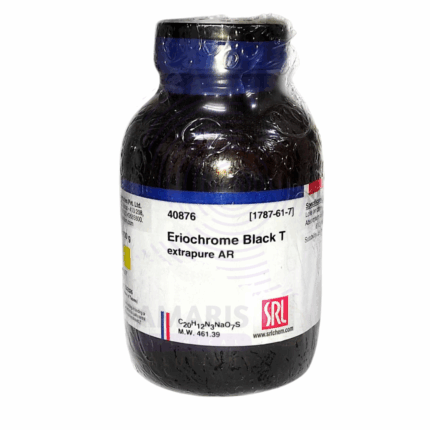
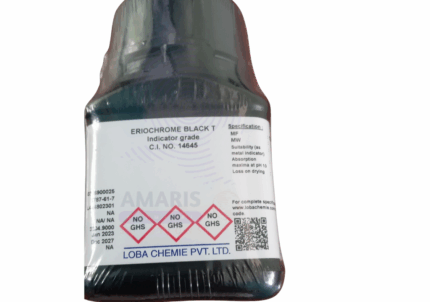
Eriochrome Extra Pure
Eriochrome Extra Pure—typically referring to Eriochrome Black T—is a complexometric indicator primarily used in EDTA titrations to detect metal ions, especially calcium (Ca²⁺) and magnesium (Mg²⁺) in water hardness analysis. In its extra pure grade, this dye ensures sharp, precise endpoint detection by minimizing impurities that could cause background coloration or interferences in spectrophotometric or volumetric determinations. It functions by forming a wine-red complex with metal ions, which turns blue when the metal is sequestered by EDTA. Suitable for high-precision analytical chemistry, it should be stored away from light and moisture to preserve stability.
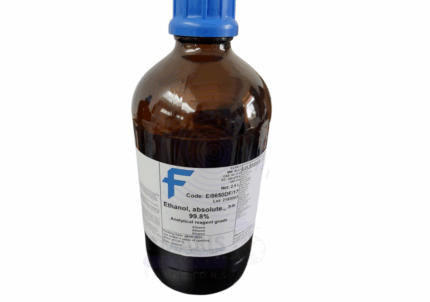
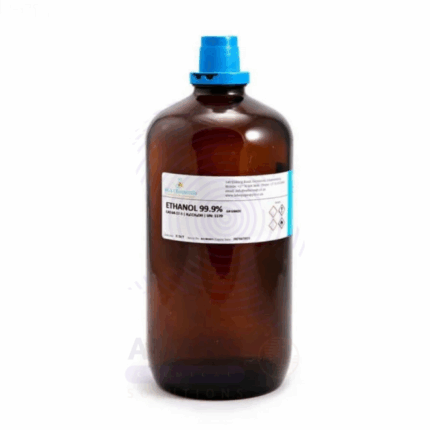
Ethanol Extra pure
Ethanol Extra pure Extra Pure is a highly purified grade of ethyl alcohol widely used in laboratory, pharmaceutical, cosmetic, and analytical applications. At 99.8% purity, it contains minimal water, making it ideal for dehydration reactions, chromatography, spectroscopy, and cleanroom procedures. It serves as a universal solvent, disinfectant, and intermediate in chemical synthesis. This extra pure grade ensures low impurity levels, making it suitable for precision scientific experiments and pharmaceutical formulations. It is volatile and flammable, so it should be stored tightly sealed, in a cool, well-ventilated area, away from ignition sources.
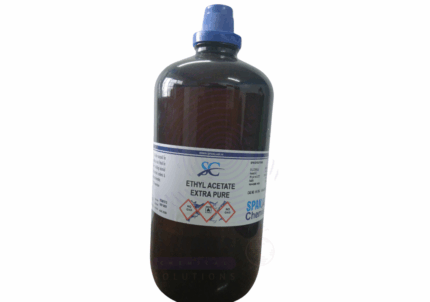
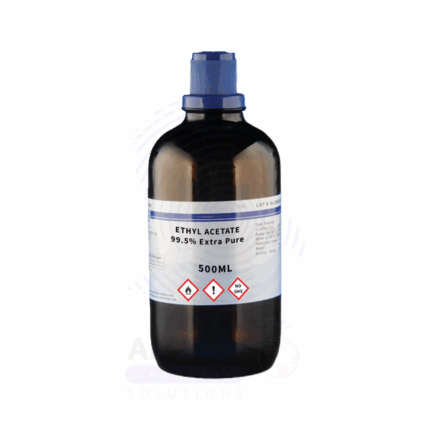
Ethyl Acetate Extra Pure
Ethyl Acetate Extra Pure is a high-purity solvent widely used in analytical laboratories, chromatography, and sample preparation due to its fast evaporation and low toxicity. In laboratory settings, it’s valued for extraction, purification, and reaction medium roles, especially in organic synthesis. Its low water content and consistent purity make it suitable for GC/HPLC applications, adhesive formulations, and residue analysis. It must be handled in well-ventilated areas, away from heat or flame, and stored in tightly sealed containers to maintain its stability and prevent contamination.
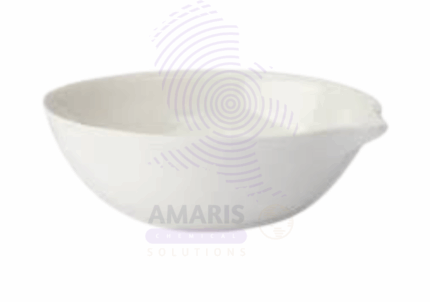
Evaporation Dish
Evaporation Dish is a shallow laboratory container typically made from chemically resistant materials such as porcelain, borosilicate glass, or metal. It is designed to hold liquids for evaporation processes where solvents are removed by heating, leaving behind solid residues or concentrated solutions. The dish provides a wide surface area to facilitate rapid evaporation and is widely used in chemical, pharmaceutical, and educational laboratories. Its durable construction allows it to withstand thermal stress and chemical exposure during repetitive heating and cooling cycles.

Expansion of Liquid Apparatus
Expansion of Liquid Apparatus is a laboratory device designed to measure the volumetric expansion of liquids when subjected to temperature changes. It consists of a graduated glass tube connected to a bulb containing the test liquid. As the liquid heats and expands, the change in volume is observed and recorded through the graduated scale. This apparatus is essential in physical chemistry and materials science for studying thermal expansion coefficients and understanding liquid behavior under varying thermal conditions. It is commonly made from chemically resistant borosilicate glass to withstand thermal stress and chemical exposure.
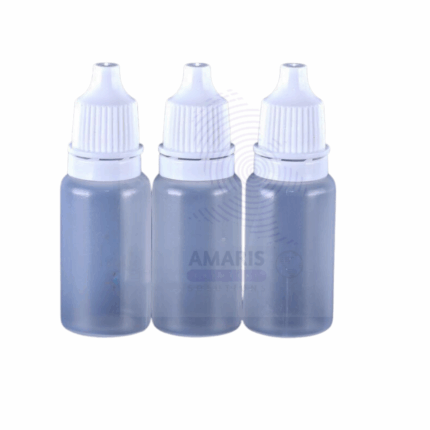
Eyedrop Dropper Bottle
Eyedrop Dropper Bottle is a small, precision container designed for dispensing liquids in controlled, small volumes, commonly used for medicinal eye drops, laboratory reagents, or cosmetic liquids. These bottles are usually made from chemically resistant plastic or glass and come equipped with a dropper cap or teat for accurate drop-by-drop delivery. The secure closure prevents contamination and leakage, making them ideal for medical, pharmaceutical, and laboratory applications. Their design ensures hygiene, ease of handling, and precise dosage control.
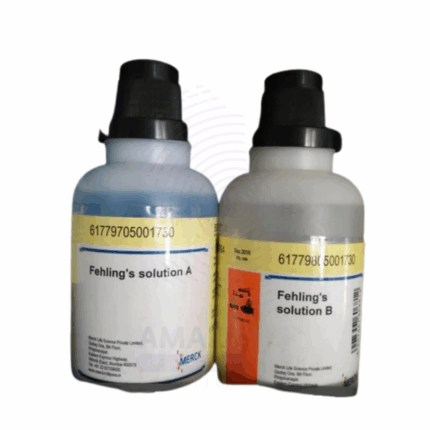
Fehling Solution 1 and 2 Extra Pure
Fehling Solution 1 and 2 Extra Pure are essential reagents in classical laboratory chemistry, particularly used for the qualitative detection of reducing sugars such as glucose.
- Fehling Solution 1 contains copper(II) sulfate, while
- Fehling Solution 2 contains an alkaline potassium sodium tartrate (Rochelle salt) solution.
When mixed in equal parts just before use, they form a deep blue complex that, upon heating with a reducing sugar, yields a brick-red precipitate of cuprous oxide, confirming the presence of aldehyde groups.
These solutions are highly valuable in educational labs, food testing, and biochemical experiments. Store them separately in cool, dry conditions, and always mix fresh for accurate results.
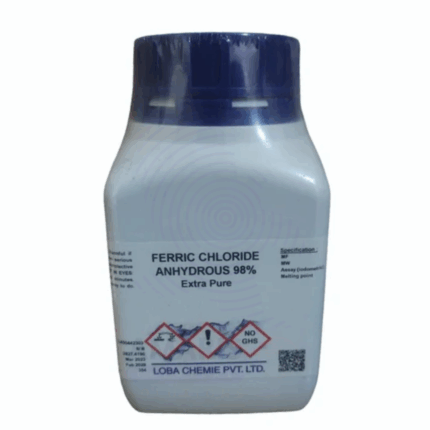

Ferric Chloride Anhydrous Extra Pure
Ferric Chloride Anhydrous Extra Pure is a highly refined, moisture-free compound composed of iron and chlorine (FeCl₃). In laboratory settings, it is widely used as a reagent for detecting phenols and as an etching agent for metals, especially in printed circuit board (PCB) production. Its strong oxidizing properties also make it suitable for redox reactions, qualitative analysis, and inorganic synthesis. This extra pure grade ensures minimal impurities, making it ideal for precise and controlled chemical experiments.
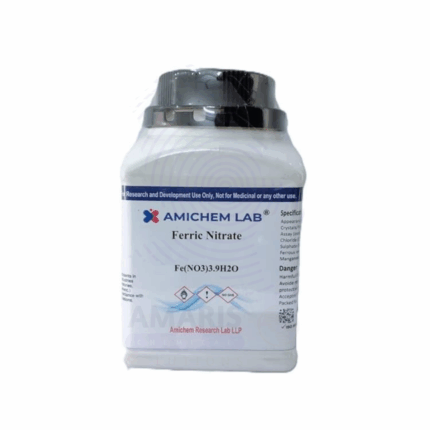
Ferric Nitrate Extra Pure
Ferric Nitrate Extra Pure is a high-purity iron(III) salt (Fe(NO₃)₃) commonly used in analytical chemistry, inorganic synthesis, and qualitative analysis. In the lab, it serves as an oxidizing agent and a source of ferric ions in solution. It’s also employed in the preparation of coordination compounds, as a catalyst, and in various colorimetric tests. Its extra pure grade ensures low levels of contaminants, making it suitable for precision laboratory applications.
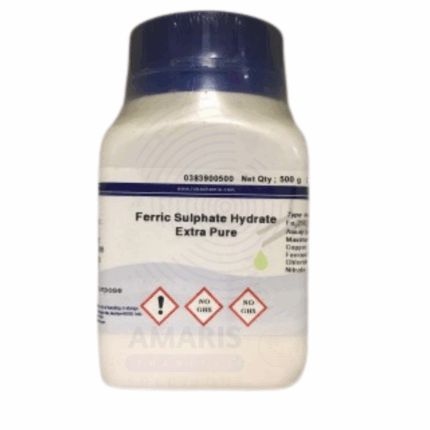
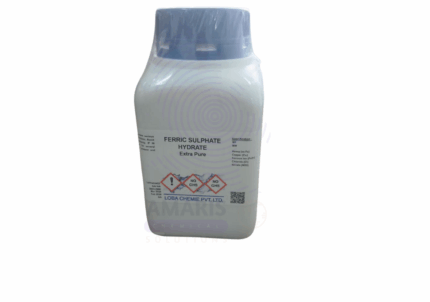
Ferric Sulphate Extra Pure
Ferric Sulphate Extra Pure is a high-grade iron(III) sulfate compound (Fe₂(SO₄)₃) widely used in laboratory settings for analytical and research purposes. It functions as an oxidizing agent and is employed in water analysis, pigment preparation, and chemical synthesis. Its high purity makes it ideal for experiments requiring minimal interference from impurities.
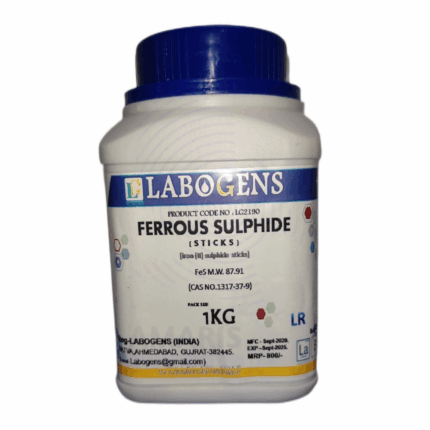
Ferrous Sulphide Extra Pure
Ferrous Sulphide Extra Pure is a high-purity, dark grey to black solid compound primarily used in laboratory demonstrations, especially for generating hydrogen sulphide (H₂S) gas when reacted with dilute acids. This reaction is a classic example in inorganic chemistry for studying gas evolution and the properties of sulfide compounds. Beyond educational uses, ferrous sulphide is also employed in analytical testing and in certain metallurgical and industrial processes where controlled sulfur introduction is required. Its high purity ensures minimal interference from impurities, making it ideal for precise scientific applications. The compound should be handled in a well-ventilated area and stored in tightly sealed containers to avoid moisture exposure and the release of toxic gases.
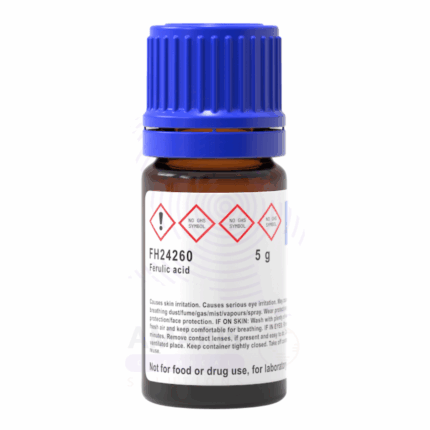
Ferulic Acid Extra Pure
Ferulic Acid Extra Pure is a high-grade organic compound widely valued for its potent antioxidant properties. Naturally found in the cell walls of plants such as rice, wheat, and oats, it plays a key role in protecting cells from oxidative stress by neutralizing free radicals. In laboratory and research settings, Ferulic Acid is frequently used in studies related to aging, skincare formulations, and UV protection, due to its ability to stabilize sensitive ingredients like vitamins C and E. Its high purity makes it especially suitable for pharmaceutical and cosmetic applications where consistency and efficacy are critical. This compound is also explored for its potential anti-inflammatory and antimicrobial benefits, further expanding its versatility across various scientific and industrial domains.
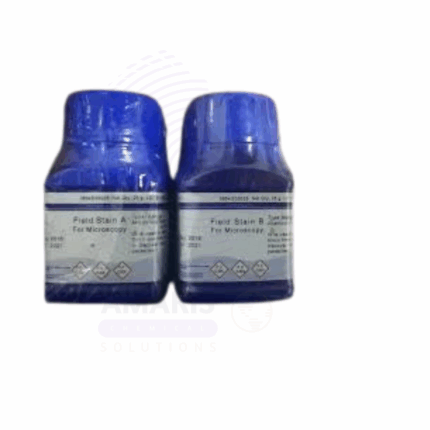
Field Stain A and B Extra Pure
Field Stain A and B Extra Pure are specially formulated biological stains used primarily in hematology and microbiology for rapid differential staining of blood smears and parasites, especially in field conditions. Field Stain A typically contains methylene blue and azure dyes dissolved in a phosphate buffer, which preferentially stains the nuclei and cytoplasm of white blood cells. Field Stain B, on the other hand, contains eosin and counterstains the red blood cells and other acidic cellular components. Together, these stains provide excellent contrast and clarity, making them ideal for identifying malarial parasites and conducting quick diagnostic assessments in low-resource or remote environments. Their extra pure quality ensures minimal contamination, consistent performance, and reliable results in both clinical and educational settings.
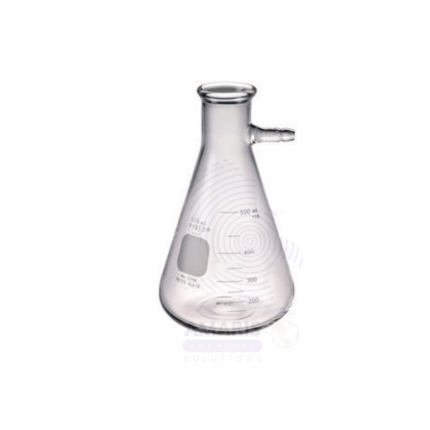
Filter Flask
Filter Flask is a specially designed laboratory glass vessel, typically made from chemically resistant borosilicate glass, featuring a thick-walled body and a side arm for connection to vacuum sources. It is used in vacuum filtration procedures to collect filtrates efficiently while providing durability and chemical resistance. The side arm allows attachment to vacuum pumps or aspirators to create suction, speeding up the filtration process. Filter flasks are essential in chemical, biological, and pharmaceutical labs for separating solids from liquids, clarifying solutions, and sample preparation.
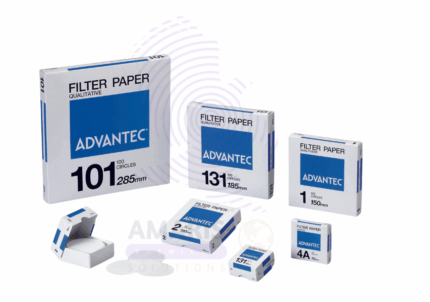
Filter Paper Schleicher and Schuell
Filter Paper Schleicher and Schuell is a premium quality, high-performance cellulose-based filter paper manufactured by Schleicher and Schuell. It is specifically engineered to provide consistent pore size distribution, excellent wet strength, and chemical resistance suitable for demanding laboratory filtration tasks. This filter paper is widely used in analytical, chemical, biological, pharmaceutical, and environmental laboratories for the separation of solids from liquids. Its precise manufacturing standards ensure reliable retention efficiency and reproducibility in filtration results. Available in multiple grades tailored for quantitative, qualitative, and special filtration requirements, this filter paper is essential for sample clarification, particulate removal, and gravimetric analysis.
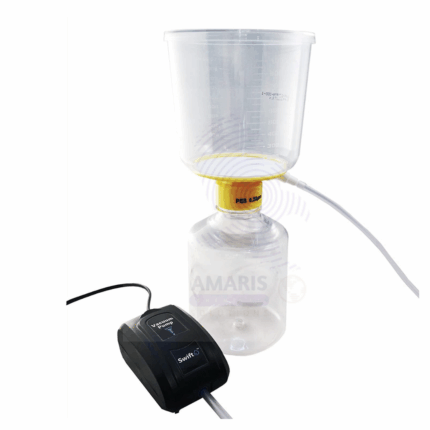
Filter Pump
Filter Pump is a laboratory device designed to create a vacuum using water or air flow to assist in filtration processes. Typically made from corrosion-resistant metal, plastic, or a combination of both, it operates by utilizing the Venturi effect to generate negative pressure. This suction power is ideal for accelerating vacuum filtration by drawing liquid through filter media quickly and efficiently. Filter pumps are commonly used in chemical, biological, environmental, and industrial laboratories where rapid and effective liquid-solid separation is required. They are a cost-effective and reliable alternative to mechanical vacuum pumps in many low-to-moderate vacuum applications.
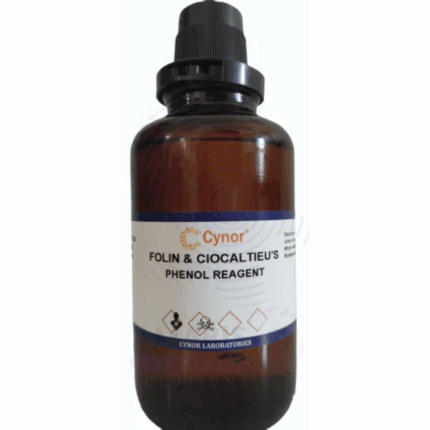
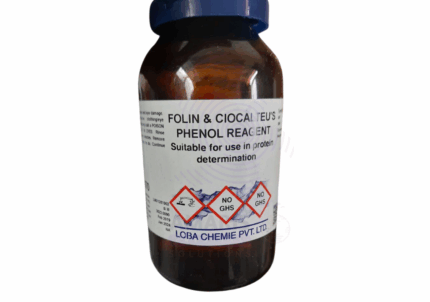
Folin Ciocalteus Phenol Reagent Extra Pure
Folin Ciocalteus Phenol Reagent Extra Pure is a high-grade chemical solution widely used in analytical chemistry and biochemistry for the colorimetric determination of phenolic and polyphenolic compounds. It functions by reacting with phenol groups to produce a blue complex, the intensity of which is directly proportional to the concentration of phenols present in the sample. This makes it an essential reagent in food science for measuring antioxidant capacity and total phenolic content in fruits, vegetables, beverages, and plant extracts. Its extra pure formulation ensures precision, reproducibility, and minimal background interference, making it ideal for research, quality control, and advanced laboratory applications.

Force Pump
Force Pump is a mechanical device designed to transfer fluids by applying manual force through a piston or plunger mechanism. Unlike lift pumps that only raise liquids to limited heights, force pumps are capable of delivering fluids at higher pressures and over greater vertical distances. Constructed from corrosion-resistant metal or durable plastic, force pumps are widely used in educational demonstrations, physics experiments, and small-scale fluid transfer systems. This apparatus illustrates fundamental hydraulic principles and is essential in laboratories, training workshops, and prototype testing environments.
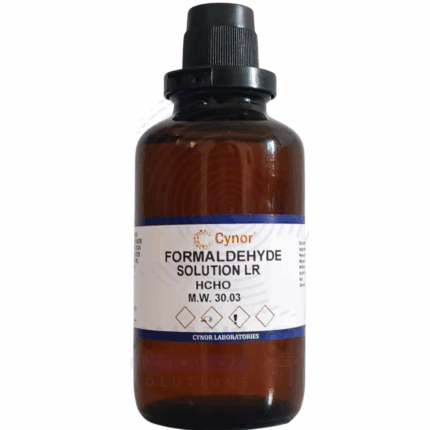
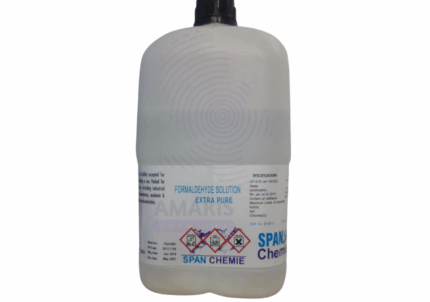
Formaldehyde (Formalin) Extra Pure
Formaldehyde (Formalin) Extra Pure is a highly concentrated and refined aqueous solution of formaldehyde gas, commonly used in laboratories, industrial processes, and research applications. Renowned for its potent disinfectant and preservative properties, it is widely employed in histology for tissue fixation, in microbiology for sterilization, and in various chemical syntheses as a versatile reagent and building block. Its extra pure grade ensures minimal impurities, making it suitable for sensitive analytical procedures, formulation work, and high-precision chemical reactions. This product must be handled with care due to its volatility and toxic nature, especially in enclosed environments.
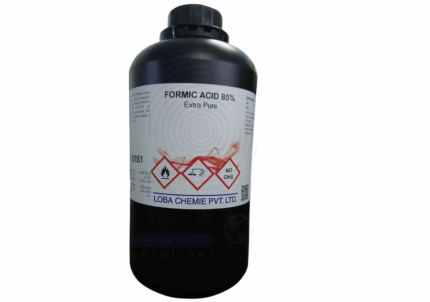
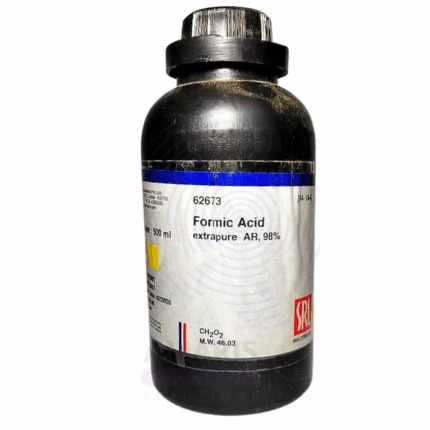
Formic Acid Extra Pure
Formic Acid Extra Pure is a colorless, pungent-smelling liquid with exceptional purity, making it ideal for high-precision laboratory and industrial applications. It is the simplest carboxylic acid and serves as a key reagent in organic synthesis, chromatography, and chemical analysis. Its high acidity and reducing properties make it useful in textile dyeing, leather tanning, electroplating baths, and as a preservative in livestock feed. In the lab, it is also used to adjust pH in sensitive reactions and in protein and peptide analysis. The extra pure grade ensures minimal contamination, which is critical for research-grade and analytical procedures.
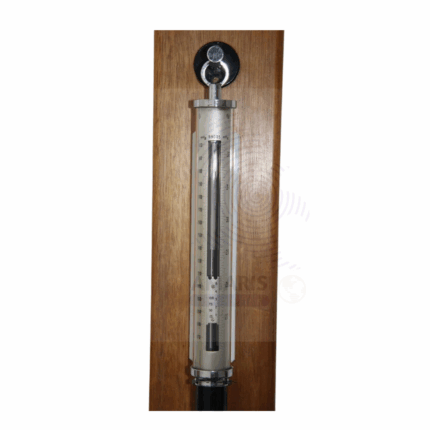
Fortin Barometer with Mercury
Fortin Barometer with Mercury is a precision instrument used to measure atmospheric pressure with high accuracy. Named after its inventor, Jean Nicolas Fortin, this barometer features a mercury column enclosed in a glass tube, mounted vertically with a cistern at the base. A screw-adjusted ivory point is used to align the mercury level at the reference point, ensuring consistent and accurate readings. The device includes a vernier scale for fine measurements and is enclosed in a protective casing for safe handling. Commonly used in meteorological studies, physics laboratories, and calibration settings, the Fortin Barometer is essential for barometric pressure determination and experimental demonstrations.
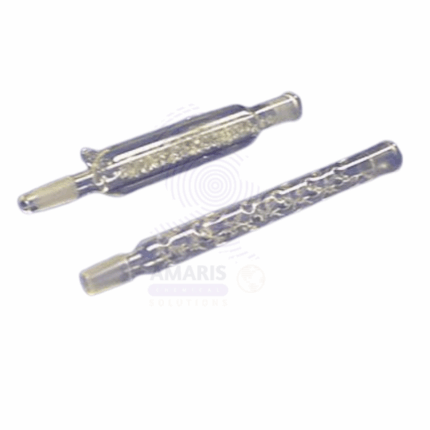
Fractionating Column
Fractionating Column is a laboratory apparatus used in distillation processes to separate liquid mixtures into their individual components based on differences in boiling points. It consists of a vertical glass or metal tube filled with packing material or internal trays that increase surface area, promoting repeated condensation and vaporization cycles (fractionation). This allows for more efficient separation of close-boiling compounds. Fractionating columns are commonly used in organic chemistry labs, chemical processing industries, and educational institutions. Their design can vary from simple glass tubes to complex industrial towers, but all serve the essential function of improving separation efficiency in distillation systems.
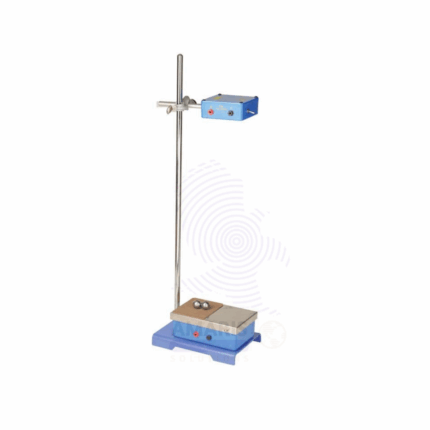
Free Fall Apparatus
Free Fall Apparatus is an educational laboratory instrument designed to study the motion of freely falling objects under the influence of gravity. It typically consists of a vertical support stand, electromagnetic release mechanism, timing sensor or stopwatch interface, and a catching tray or cushioning base. When an object is released from rest, the apparatus records the time it takes to fall a known distance, allowing for precise calculations of acceleration due to gravity (g). Commonly used in physics laboratories, educational institutions, and research settings, the Free Fall Apparatus enables hands-on learning of Newtonian mechanics, kinematics, and motion analysis.
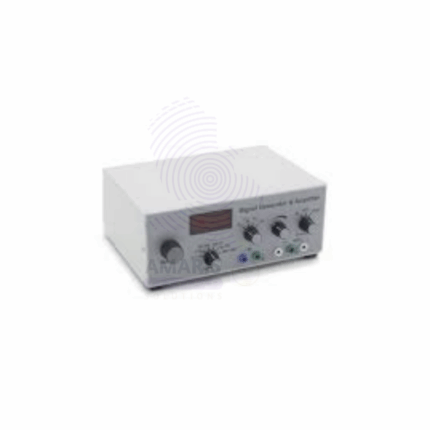
Frequency and Signal Generator
Frequency and Signal Generator is a precision electronic instrument used to generate electrical signals of varying frequencies, waveforms, and amplitudes for testing, designing, and troubleshooting electronic devices and systems. It typically produces sine, square, triangle, and other waveform signals with adjustable frequency and output levels. Widely used in laboratories, research and development, educational institutions, and industrial testing environments, this device helps in analyzing circuit behavior, calibrating equipment, and simulating signals for communication, audio, and control systems.
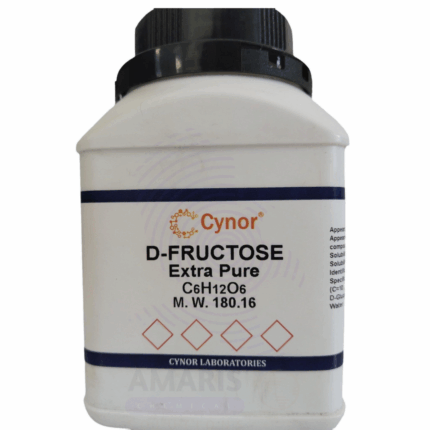
Fructose Extra Pure
Fructose Extra Pure is a high-purity, naturally occurring monosaccharide renowned for its intense sweetness and excellent solubility. Widely used in laboratory research, food analysis, and pharmaceutical formulations, it serves as a key carbohydrate reference and energy source in various biochemical applications. Its high reactivity and compatibility with a range of analytical techniques make it ideal for testing and formulation development in nutritional science, fermentation processes, and metabolic studies. The extra pure grade ensures minimal interference from impurities, making it suitable for precision-sensitive environments.

Fumaric Acid Extra Pure
Fumaric Acid Extra Pure is a white crystalline organic compound known for its use as a food acidulant, a chemical intermediate, and a reagent in laboratory analysis. This trans-isomer of butenedioic acid plays a significant role in the Krebs cycle and is commonly used in biochemical and pharmaceutical research. In laboratories, it serves as a standard for titrations and a pH modifier in formulations. Its excellent stability, solubility in alcohol, and high purity make it suitable for precision applications, including quality control testing, analytical chemistry, and synthesis of esters and resins.
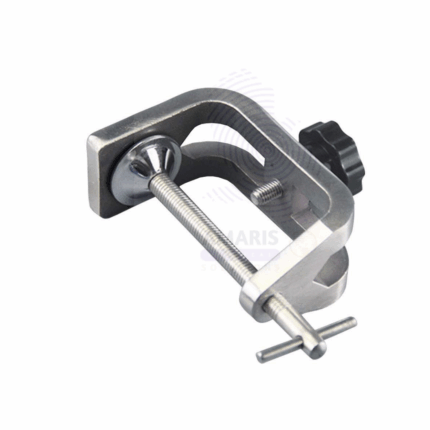
G Clamp
G Clamp is a versatile clamping tool widely used in woodworking, metalworking, and laboratory applications to hold objects securely in place. Shaped like the letter "G," it features a screw mechanism that allows adjustable pressure to firmly grip materials during assembly, welding, gluing, or testing. Made from durable cast iron or steel, G Clamps offer strong holding power and reliable stability, making them essential for precision work and safety in various industrial, construction, and laboratory settings.
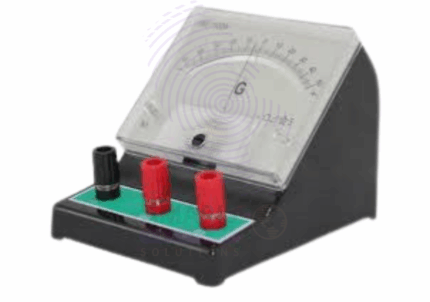
Galvanometer Zero Center
Galvanometer Zero Center is a precision instrument used to detect and measure small electric currents by deflecting a needle from a zero center position. Designed with a symmetrical scale balanced around the zero point, it enables accurate detection of current direction and magnitude. Constructed with sensitive coils and magnetic systems, this galvanometer is widely used in physics laboratories, electrical testing, and instrumentation for experiments requiring precise current measurement and analysis.
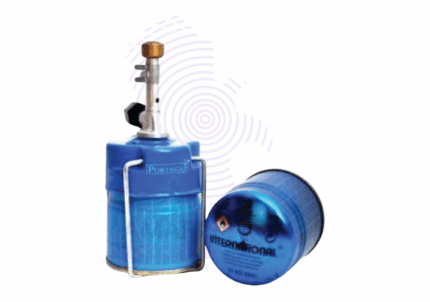
Gas Cartridge
Gas Cartridge is a small, portable container designed to store and supply compressed fuel gases such as butane, propane, or a mix of gases for use in portable burners, camping stoves, soldering tools, and other gas-powered devices. These cartridges are engineered to provide a reliable, controlled gas flow with built-in safety features like pressure release valves and secure screw-on or snap-on fittings. Their compact size and lightweight design make them ideal for outdoor activities, laboratory use, and emergency heating applications. Made from durable metal, gas cartridges ensure safe storage and transport of fuel under pressure.

Gas Jar Lid
Gas Jar Lid is a specially designed cover used to securely seal gas jars, which are containers used to collect, hold, or measure gases in laboratory experiments. Typically made from chemically resistant materials such as glass or plastic, the gas jar lid ensures a tight seal to prevent gas leakage during chemical reactions, gas collection, or storage. It often features one or more ports or holes to allow insertion of tubes, thermometers, or gas delivery apparatus, facilitating controlled gas flow and measurement. Gas jar lids are essential for safe and efficient gas handling in scientific research and educational laboratories.
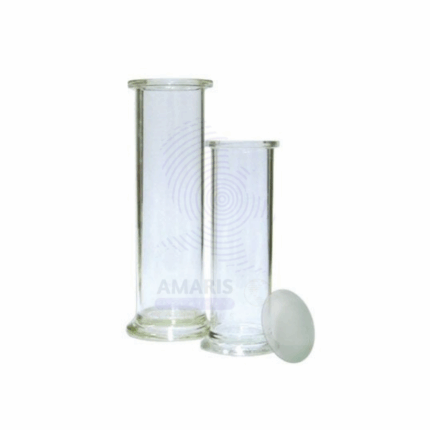
Gas Jar with Lid
Gas Jar with Lid is a durable, chemically resistant container designed for the collection, storage, and measurement of gases in laboratory settings. Typically made from high-quality borosilicate glass or plastic, the gas jar comes with a tight-fitting lid—often equipped with ports or holes—to ensure an airtight seal and facilitate gas transfer or measurement. This apparatus is essential for conducting gas collection experiments safely and accurately, preventing contamination and gas loss. Widely used in educational, research, and industrial laboratories, gas jars with lids enable efficient handling of gases such as oxygen, hydrogen, carbon dioxide, and other experimental gases.
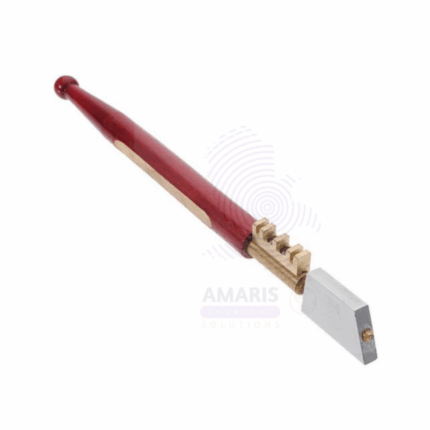
Glass Cutter Diamond Pencil
Glass Cutter Diamond Pencil is a precision tool designed for scoring and cutting glass sheets and laboratory glassware. It features a durable diamond-tipped cutting edge that enables smooth, clean cuts on various types of glass including tempered, stained, and borosilicate glass. The pencil-style ergonomic design provides comfortable grip and control for detailed work. This tool is widely used by glassworkers, laboratory technicians, artisans, and DIY enthusiasts for shaping and customizing glass components without causing cracks or unwanted breakage. The diamond tip ensures extended durability and consistent performance, making it an essential instrument for both industrial and laboratory glass cutting tasks.
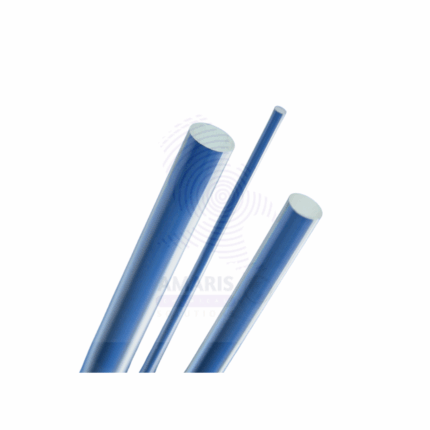
Glass Rod for Static Electricity
Glass Rod for Static Electricity is a smooth, cylindrical rod made from high-quality glass designed specifically for generating static electricity through friction. Commonly used in physics laboratories and educational demonstrations, this rod serves as a fundamental tool to study electrostatics by producing and transferring electric charges when rubbed with materials like silk or wool. The rod’s chemically resistant, durable glass surface allows repeated use without degradation. It is an essential apparatus for teaching concepts such as charge generation, attraction, repulsion, and the behavior of static electricity in various materials.

Glass Stirring Rod
Glass Stirring Rod is a durable, chemically resistant cylindrical rod made from borosilicate glass, designed for mixing, stirring, and blending liquids in laboratory and industrial settings. Its smooth, inert surface ensures no reaction or contamination with chemicals, making it ideal for handling acids, bases, and organic solvents. The rod is heat resistant and easy to clean, providing a reliable tool for consistent and efficient stirring during experiments, chemical reactions, or sample preparation. Glass Stirring Rods are essential in research, quality control, pharmaceutical, and educational laboratories for accurate and safe fluid mixing.
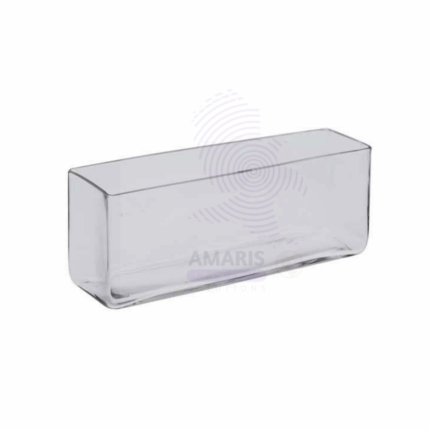
Glass Trough
Glass Trough is a sturdy, open-top container made from chemically resistant borosilicate glass, designed for use in laboratory experiments and fluid handling applications. Its transparent walls provide excellent visibility of contents, while the smooth surface resists chemical attack and allows easy cleaning. Glass Troughs are commonly used for holding liquids, conducting water displacement experiments, or as reservoirs in various scientific setups. Durable and reusable, they are essential laboratory tools in research, education, and industrial testing environments.

Glass Tubing
Glass Tubing is a cylindrical, hollow glass product commonly made from chemically resistant borosilicate glass, designed for a wide range of laboratory, industrial, and scientific applications. It provides a durable, transparent conduit for transporting gases, liquids, and chemicals. Glass tubing is valued for its excellent chemical inertness, thermal resistance, and clarity, making it ideal for use in experimental setups, fluid transfer systems, and glass apparatus fabrication. Available in various diameters and wall thicknesses, glass tubing can be cut, bent, or shaped to suit specific requirements.

Glass Tubing Cutter File
Glass Tubing Cutter File is a specialized tool designed for scoring and preparing glass tubes before breaking them cleanly. It typically features a hardened steel or diamond-coated cutting surface combined with a file mechanism to smooth and shape the scored area, ensuring precise and controlled glass cutting. This tool is essential for laboratory technicians, glassworkers, and craftsmen who work with glass tubing, enabling safe and accurate customization of glass lengths and shapes.
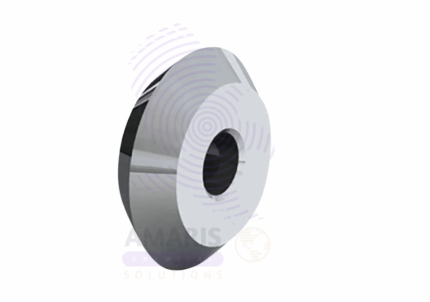
Glass Tubing Cutter Wheel Type
Glass Tubing Cutter Wheel Type is a precision cutting tool designed specifically for scoring and cutting glass tubes and rods. It features a sharp, durable cutting wheel mounted on an adjustable frame that allows for smooth, clean cuts with minimal effort. The tool is essential for laboratory, industrial, and craft applications where accurate glass tubing modification is required. Its ergonomic design ensures controlled handling and consistent performance, making it a reliable accessory for glassware preparation and repairs.
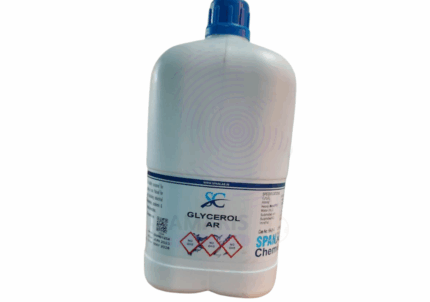
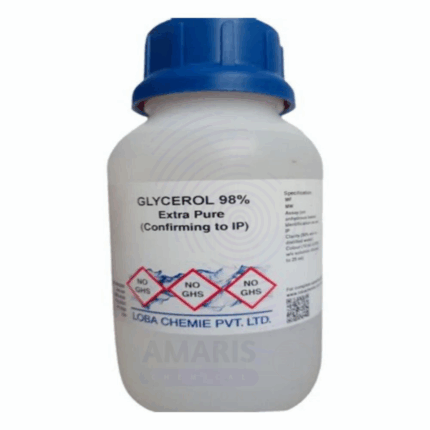
Glycerol Extra Pure (Glycerin)
Glycerol Extra Pure is a clear, viscous, and odorless liquid widely valued for its hygroscopic and solvent properties. With a purity suitable for laboratory, pharmaceutical, and analytical applications, it serves as a versatile reagent and humectant. In laboratories, Glycerol is commonly used in sample preservation, preparation of enzyme storage solutions, and as a stabilizing agent in electrophoresis gels. Its non-toxic and biodegradable nature also makes it ideal for educational experiments and sensitive chemical processes. Its high purity ensures consistent performance in both qualitative and quantitative analysis.
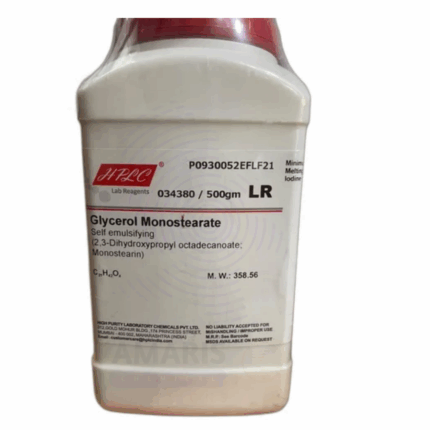
Glycerol Monostearate Extra Pure
Glycerol Monostearate Extra Pure is a high-purity, white, odorless, and tasteless powder or flake widely used as an emulsifier, thickening agent, and stabilizer. In laboratory and industrial settings, it is particularly valuable for its role in forming stable emulsions in aqueous and oily systems. Commonly used in food science experiments, pharmaceutical formulations, and cosmetic product development, GMS improves consistency and shelf-life. It also serves as a dispersing agent and plasticizer in various polymer applications. Its extra pure grade ensures reliable performance where precision and chemical cleanliness are required.
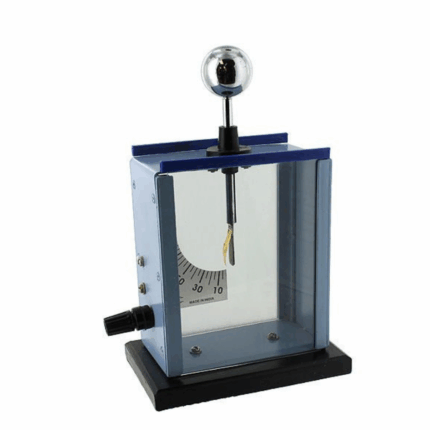
Gold Leaf Electroscope
Gold Leaf Electroscope is a sensitive scientific instrument used to detect and measure electric charge. It consists of a metal rod connected to two thin gold leaves enclosed within a glass container. When the rod becomes charged, the leaves repel each other due to like charges, indicating the presence and relative magnitude of electric charge. Gold Leaf Electroscopes are widely used in physics education, research, and experimental demonstrations to study static electricity and charge properties. The gold leaves provide high conductivity and flexibility, ensuring precise detection of electrical phenomena.

Golden Yellow Color Water Soluble
Golden Yellow Color Water Soluble is a synthetic dye known for its vibrant golden yellow hue and excellent solubility in water. It is widely used across textile, cosmetic, food and beverage, and cleaning industries to impart a bright and consistent yellow coloration. The dye offers good stability, ease of application, and compatibility with various substrates, making it ideal for aqueous dyeing and formulation processes.
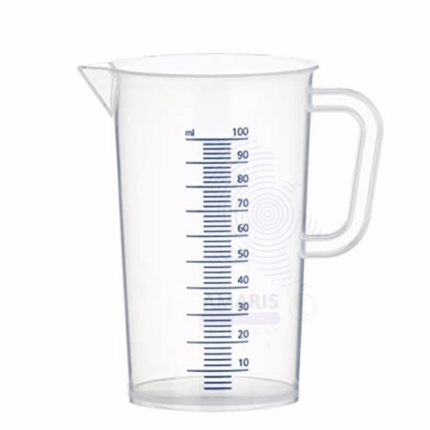
Graduated Jug
Graduated Jug is a laboratory container marked with measurement lines to accurately measure and pour liquids. Typically made from chemically resistant materials such as borosilicate glass or durable plastic, it offers clear graduations for precise volume readings. Used extensively in scientific, medical, and industrial settings, graduated jugs provide reliable liquid measurement for experiments, formulations, and fluid handling tasks. Their ergonomic design often includes a spout for easy pouring and a sturdy base for stability.
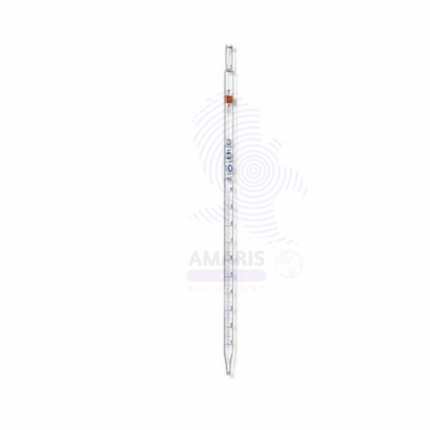
Graduated Pipette
Graduated Pipette is a precise laboratory instrument designed for measuring and transferring specific volumes of liquids. Typically made from chemically resistant borosilicate glass or plastic, it features clear graduated markings along its length for accurate volume measurement. Used extensively in analytical chemistry, biology, and medical laboratories, graduated pipettes ensure reliable liquid handling during titrations, solution preparations, and sample analysis. The pipette’s narrow design allows for controlled dispensing, and it often requires a pipette bulb or filler for safe operation.

Green Color Water Soluble
Green Color Water Soluble is a synthetic dye characterized by its vibrant green hue and excellent solubility in water. This dye is widely used in various industries including textiles, cosmetics, food and beverage, and cleaning products for imparting a bright, consistent green coloration. It offers good stability, easy application, and compatibility with multiple substrates. Its water solubility makes it ideal for aqueous dyeing processes and formulations.
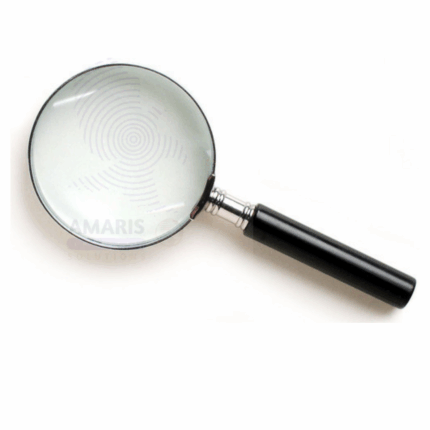
Hand Lens
Hand Lens is a compact, portable magnifying device used to closely examine small objects and details that are not visible to the naked eye. Commonly used in laboratories, fieldwork, and educational settings, it consists of a convex lens housed in a protective casing with a handle or folding cover. Hand lenses are available in various magnifications, typically ranging from 5x to 20x, and are constructed from optical glass or durable acrylic. They are essential for close-up visual inspection, specimen analysis, and quality control across scientific, industrial, and academic environments.
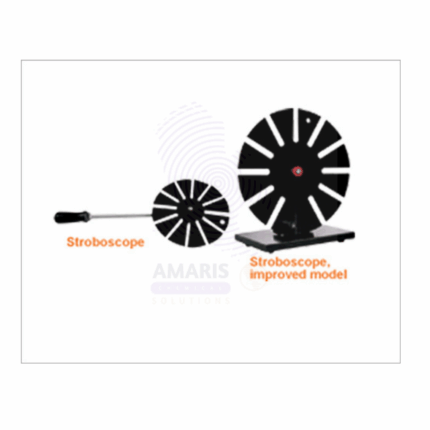
Hand Stroboscope
Hand Stroboscope is a handheld optical device used to observe and analyze motion by producing regular flashes of light. It allows for the visual “freezing” or slowing down of moving objects by matching the strobe frequency with the motion frequency. Typically used in laboratories, mechanical workshops, and educational settings, the device assists in studying vibration, rotation, and motion behavior without physical contact. Hand stroboscopes are compact, battery-operated, and adjustable in frequency, making them ideal for on-site diagnostics and demonstration purposes.

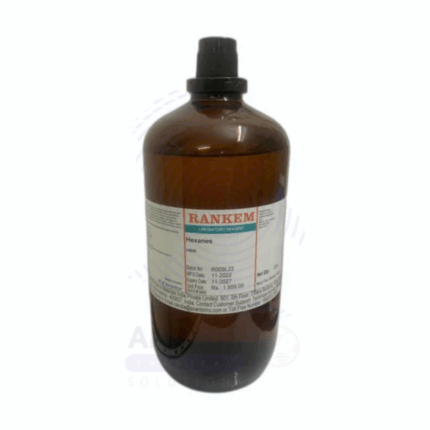
Hexane Extra Pure
Hexane Extra Pure is a high-purity, colorless liquid hydrocarbon known for its low boiling point and excellent solvency properties. It is extensively used in laboratories as a non-polar solvent for extractions, chromatography, and purification processes. Due to its volatility and ability to dissolve oils and fats, hexane is also employed in the preparation of samples for analysis, especially in organic chemistry and analytical laboratories. Its extra pure grade ensures minimal impurities, making it suitable for critical applications in pharmaceutical research, food testing, and industrial quality control.
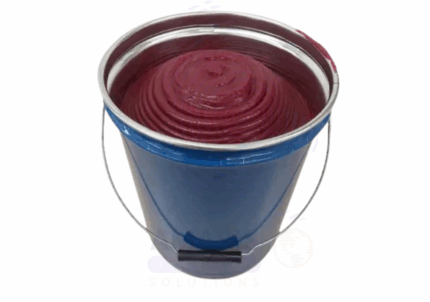
High Temperature Grease Extra Pure
High Temperature Grease Extra Pure is a premium-grade lubricant formulated to perform reliably under extreme heat and pressure conditions. It is designed for use in high-temperature environments where conventional greases may break down, such as in bearings, ovens, kilns, and heavy industrial machinery. With excellent thermal stability, water resistance, and oxidation resistance, this grease ensures long-lasting protection against wear, corrosion, and metal-to-metal contact. Its extra pure formulation makes it ideal for laboratory, precision engineering, and specialty manufacturing applications where contamination control and performance are critical.
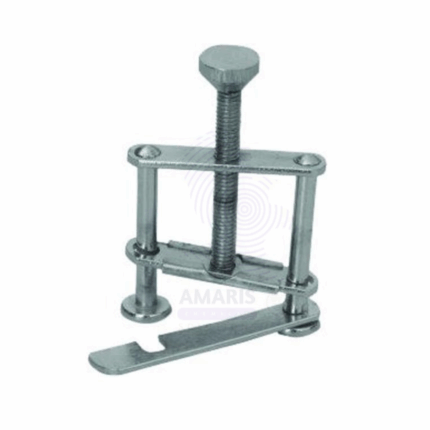
Hoffman Clips
Hoffman Clips are laboratory tools used to control the flow of liquids or gases through flexible tubing. Designed with a screw mechanism, these clips compress tubing to restrict, regulate, or completely stop the passage of fluids. Made from durable metals like nickel-plated brass or stainless steel, Hoffman Clips are chemically resistant, reusable, and adjustable to fit different tubing sizes. Commonly used in laboratory setups involving distillation, filtration, and fluid transfer, they provide a simple and effective method for managing fluid control without disconnecting the tubing.












