

 Preservatives(food)
 Flavor Enhancers
 Acidulants
 Sweeteners
 Antioxidants
 Colorants(food)
 Nutraceutical Ingredients (food)
 Nutrient Supplements
 Emulsifiers
 Collectors
 Dust Suppressants
 Explosives and Blasting Agents
 Flocculants and Coagulants
 Frothers
 Leaching Agents
 pH Modifiers
 Precious Metal Extraction Agents
 Antioxidants(plastic)
 Colorants (Pigments, Dyes)
 Fillers and Reinforcements
 Flame Retardants
 Monomers
 Plasticizers
 Polymerization Initiators
 Stabilizers (UV, Heat)
 Antifoaming Agents
 Chelating Agents
 Coagulants and Flocculants
 Corrosion Inhibitors
 Disinfectants and Biocides
 Oxidizing Agents
 pH Adjusters
 Scale Inhibitors( water)
 Antioxidants(cosmetic)
 Emollients
 Fragrances and Essential Oils
 Humectants
 Preservatives
 Surfactants(cosmetic)
 Thickeners
 UV Filters
 Fertilizers
 Soil Conditioners
 Plant Growth Regulators
 Animal Feed Additives
 Biostimulants
 Pesticides (Herbicides, Insecticides, Fungicides)
 Active Pharmaceutical Ingredients (APIs)
 Excipients
 Solvents(pharmaceutical)
 Antibiotics
 Antiseptics and Disinfectants
 Vaccine Adjuvants
 Nutraceutical Ingredients (pharmaceutical)
 Analgesics & Antipyretics
 Analytical Reagents
 Solvents(lab)
 Chromatography Chemicals
 Spectroscopy Reagents
 microbiology-and-cell-culture-reagents
 Molecular Biology Reagents
 Biochemical Reagents
 Inorganic and Organic Standards
 Laboratory Safety Chemicals
 Specialty Laboratory Chemicals(Special Laboratory Equipment)
 Demulsifiers
 Hydraulic Fracturing Fluids
 Scale Inhibitors(oil)
 Surfactants(oil)
 Drilling Fluids
 Dyes and Pigments
 Bleaching Agents
 Softening Agents
 Finishing Agents
 Antistatic Agents
 Admixtures
 Waterproofing Agents
 Sealants and Adhesives
 Curing Compounds
 Concrete Repair Chemicals
 Anti-Corrosion Coatings
 Surfactants(cleaning)
 Builders
 Enzymes
 Solvents (Cleaning)
 Fragrances
 Electronic Chemicals
 Catalysts
 Lubricants
 Photographic Chemicals
 Refrigerants
 Automotive chemicals
 Pyrotechnic Chemicals
 Biodegradable Surfactants
 Bio-based Solvents
 Renewable Polymers
 Carbon Capture Chemicals
 Wastewater Treatment Chemicals
 Pigments
 Solvents(paint)
 Specialty Coatings
 Binders/Resins
 Additives
 Driers
 Anti-Corrosion Agents
 Functional Coatings
 Application-Specific Coatings
 Leavening Agents
 Dough Conditioners
 Flour Treatments
 Fat Replacers
 Decoratives
 Preservatives(baking)
 Plasticizers & Softeners
 Reinforcing Agents
 Adhesion Promoters
 Vulcanizing Agents
 Antidegradants
 Blowing Agents
 Fillers & Extenders
 Accelerators & Retarders

















USP Grade, or United States Pharmacopeia Grade, represents chemicals and substances that adhere to the rigorous purity and quality standards set forth by the United States Pharmacopeia (USP), an authoritative organization responsible for establishing benchmarks for pharmaceuticals, dietary supplements, and medical products in the United States. These materials undergo extensive testing to ensure they meet strict criteria for identity, strength, purity, and performance, with impurity levels carefully controlled to avoid any adverse effects in medicinal applications. USP Grade substances are manufactured in compliance with Good Manufacturing Practices (GMP), guaranteeing consistency, traceability, and safety throughout production. They are widely used in the formulation of active pharmaceutical ingredients (APIs), excipients, and other critical components of drugs and healthcare products, ensuring that medications are both effective and safe for human use. By meeting these high standards, USP Grade materials play a vital role in maintaining the integrity and reliability of the pharmaceutical industry.
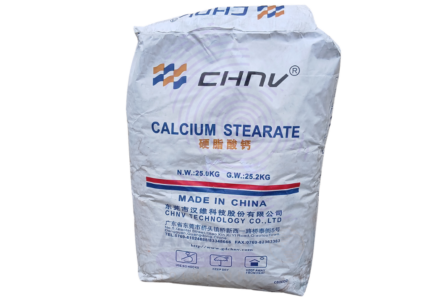
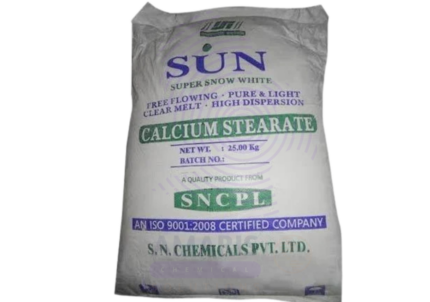
Calcium stearate
Calcium Stearate is a metallic stearate salt, appearing as a fine, white, hydrophobic powder. It is produced through the reaction of stearic acid (a fatty acid derived from natural oils and fats) with calcium oxide or calcium hydroxide. It functions primarily as an acid scavenger, lubricant, release agent, and stabilizer across multiple industrial sectors. Its unique combination of water repellency, low solubility, and high melting point makes it an essential processing additive in plastics, rubber, construction, and paper industries. Technical grade Calcium Stearate is manufactured for industrial performance applications and is not intended for direct food, pharmaceutical, or cosmetic use unless specifically certified and labeled for those applications.

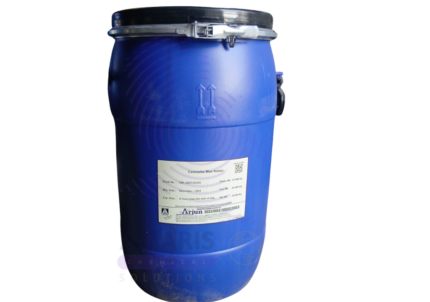
Carnauba Wax Prime Yellow
Carnauba Wax Prime Yellow, also known as Type 1 or Prime Yellow Grade, is the highest quality and purest form of carnauba wax derived from the leaves of the Copernicia cerifera palm tree, native to Brazil. It is a natural, vegetable-based wax prized for its exceptional hardness, high gloss, high melting point, and emulsification properties. Prime Yellow grade represents the finest classification, characterized by its light yellow to pale amber color, low impurities, and superior film-forming characteristics. It is obtained through a meticulous process of harvesting, drying, and processing the palm leaves to extract the waxy coating, which is then refined and graded. Carnauba Wax is often referred to as the "Queen of Waxes" due to its unique combination of properties unmatched by synthetic alternatives. Technical grade Carnauba Wax Prime Yellow is used across numerous industries for its ability to impart gloss, hardness, slip resistance, and moisture barrier properties. It is not intended for direct food consumption but is widely used in food-contact applications such as coatings and packaging.
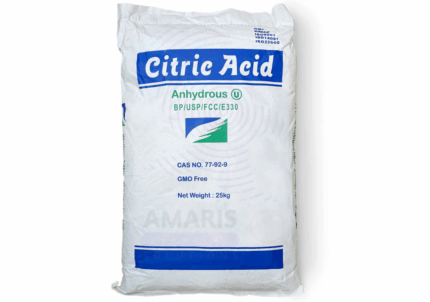
Citric Acid Anhydrous
Citric Acid Anhydrous is a white, crystalline organic acid widely used across food, pharmaceutical, cosmetic, and industrial sectors. It is the anhydrous form of citric acid, meaning it contains no water molecules in its crystal lattice, resulting in higher purity and more concentrated acidic properties compared to its monohydrate form. Derived from natural sources like citrus fruits or produced via microbial fermentation, citric acid anhydrous is valued for its sour taste, excellent chelating ability, and buffering capacity. It serves as a natural preservative, pH adjuster, antioxidant synergist, and cleaning agent, making it a versatile ingredient in many formulations.
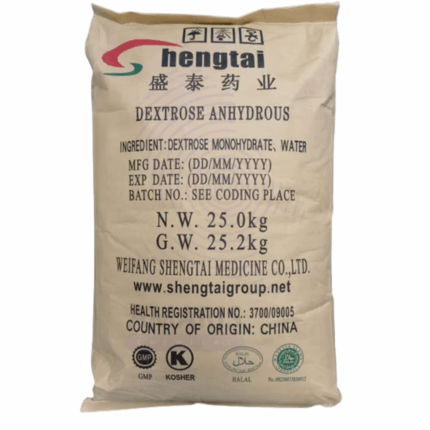
Dextrose Anhydrous BP Injectable
Dextrose Anhydrous BP Injectable is a sterile, highly purified crystalline form of glucose that serves as a critical energy source in intravenous therapy. It is widely used in parenteral nutrition, rehydration, and hypoglycemia management. The anhydrous form contains no water, allowing precise control of concentration in injectable solutions. Meeting British Pharmacopoeia (BP) standards, it ensures pharmaceutical-grade purity and sterility, suitable for direct injection or as a component in compounded IV fluids. It provides readily available carbohydrates metabolized to supply energy, regulate osmolarity, and maintain fluid-electrolyte balance in clinical care.
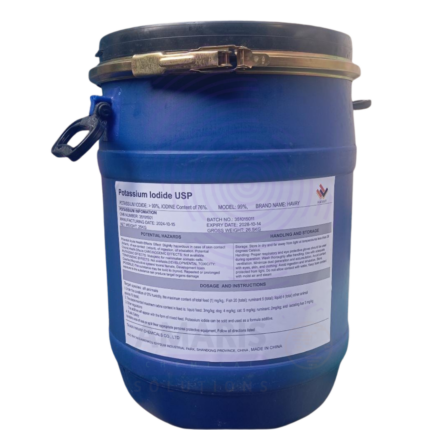
Potassium Iodide USP
Potassium Iodide USP is a high-purity inorganic halogenated salt that meets the strict quality and purity standards of the United States Pharmacopeia (USP). It appears as white crystalline granules or powder, is odorless, and has a characteristic saline taste. This pharmaceutical-grade compound is valued for its ability to act as a source of iodide ions, its high solubility in water, and its stability when properly stored. It is slightly hygroscopic and may become yellow upon prolonged exposure to air due to liberation of iodine, with light and moisture accelerating decomposition, requiring careful packaging and storage. Potassium Iodide USP is manufactured under current Good Manufacturing Practices (cGMP) and is suitable for human pharmaceutical applications, nutritional supplements, and other uses requiring the highest purity standards.
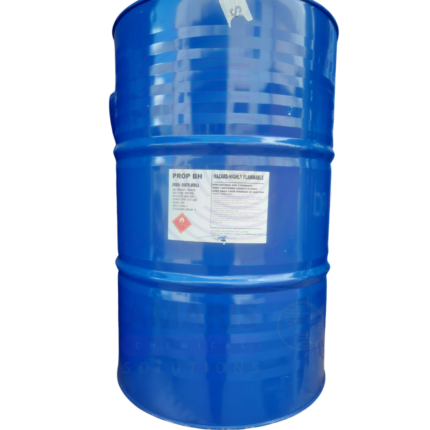
Propylparaben (Prop BH)
Prop BH, also known as Propylparaben or Propyl 4-Hydroxybenzoate, is an organic compound belonging to the paraben family of preservatives. It appears as colorless small crystals or a white crystalline powder with a characteristic mild odor and a slightly bitter taste. The compound is practically insoluble in cold water but readily soluble in alcohols, ethers, and other organic solvents. Propylparaben is widely recognized for its broad-spectrum antimicrobial activity, particularly effective against molds, yeasts, and bacteria. Propylparaben is manufactured for use as a preservative in various industrial applications and is not intended for direct human consumption without appropriate certification.

Vitamin B1 (Thiamine HCL)
Vitamin B1 Thiamine HCL is a water-soluble, stable salt form of vitamin B1 used widely in pharmaceuticals, nutraceuticals, and food fortification. It plays a critical role in energy metabolism by aiding carbohydrate breakdown and supports nervous system health. The hydrochloride form offers enhanced stability and solubility, making it suitable for oral supplements, injectables, and fortified foods.
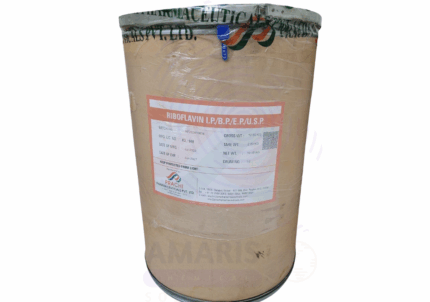
Vitamin B2 (Riboflavin base)
Vitamin B2 Riboflavin base, commonly known as Riboflavin Base, is a water-soluble vitamin essential for energy production, cellular function, and metabolism of fats, drugs, and steroids. It is a vital component of coenzymes flavin mononucleotide (FMN) and flavin adenine dinucleotide (FAD), which participate in numerous biological oxidation-reduction reactions. Riboflavin base is widely used in pharmaceuticals, food fortification, and dietary supplements.
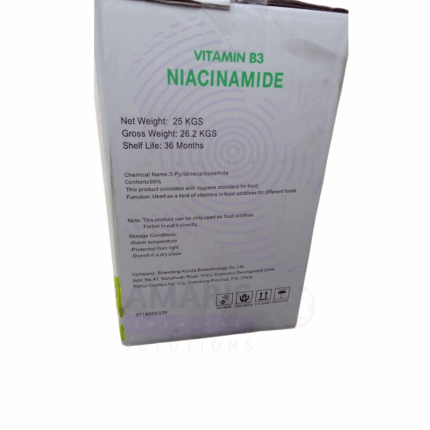
Vitamin B3 (Niacin)
Vitamin B3 Niacin, also known as Niacin or Nicotinic Acid, is a water-soluble vitamin essential for energy metabolism and enzymatic reactions in the body. It plays a key role in the synthesis of coenzymes NAD and NADP, which are critical for cellular respiration and DNA repair. Niacin is widely used in pharmaceuticals, nutraceuticals, food fortification, and animal nutrition to prevent niacin deficiency and support overall health.
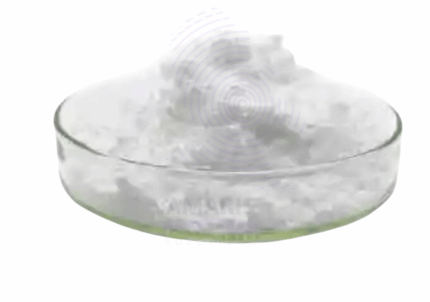
Vitamin B3 (Nicotinamide)
Vitamin B3 Nicotinamide, also known as Niacinamide, is a water-soluble amide form of vitamin B3. It plays a crucial role in cellular energy production and DNA repair by serving as a precursor for coenzymes NAD and NADP. Nicotinamide is preferred in many pharmaceutical and cosmetic applications due to its stability and lower side-effect profile compared to niacin. It is widely used in pharmaceuticals, nutraceuticals, cosmetics, and food fortification.
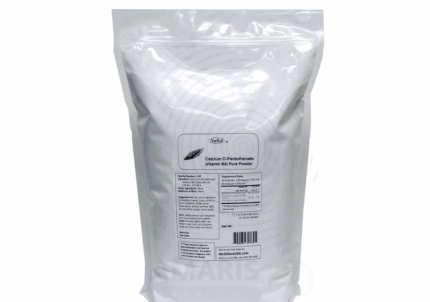
Vitamin B5 (d-pantothenate)
Vitamin B5 d-pantothenate, commonly referred to as D-Pantothenate, is the biologically active, water-soluble form of pantothenic acid. It is an essential nutrient involved in the synthesis of coenzyme A (CoA), critical for fatty acid metabolism and energy production. D-Pantothenate is used across pharmaceuticals, food, feed, cosmetics, and nutraceuticals due to its stability, bioavailability, and broad health benefits.
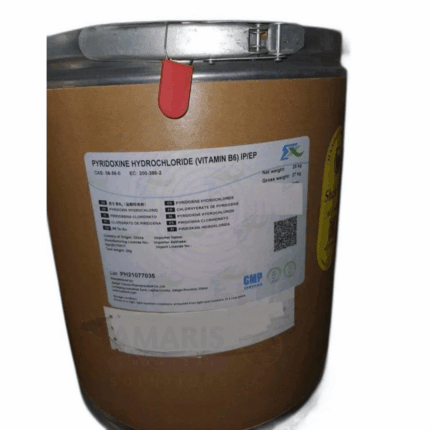
Vitamin B6 (Pyridoxine HCL)
Vitamin B6 Pyridoxine HCL, also known as Pyridoxine Hydrochloride, is a water-soluble form of vitamin B6 used extensively in the pharmaceutical, food, and feed industries. It is essential for protein metabolism, neurotransmitter synthesis, red blood cell formation, and immune function. As a stable and bioavailable form of B6, it is widely incorporated in dietary supplements, fortified foods, clinical nutrition, and animal feed.
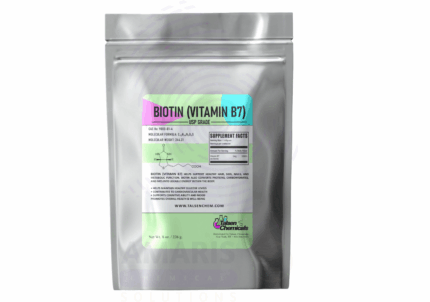
Vitamin B7 (Biotin)
Vitamin B7 Biotin, also known as Biotin, is a water-soluble B-complex vitamin essential for various metabolic processes. It serves as a coenzyme for carboxylase enzymes involved in the metabolism of fatty acids, amino acids, and glucose. Biotin is vital for healthy skin, hair, nails, and nervous system function. It is widely used in the pharmaceutical, nutraceutical, food, cosmetic, and animal nutrition industries.
Vitamin K3
Vitamin K3, chemically known as Menadione, is a synthetic, fat-soluble vitamin used primarily in animal nutrition and some pharmaceutical applications. Unlike Vitamins K1 and K2, Vitamin K3 does not occur naturally but is a stable precursor that the body (or animal body) can convert into active forms of Vitamin K. It plays a critical role in blood clotting, bone metabolism, and cellular health. Vitamin K3 is usually available as Menadione Sodium Bisulfite (MSB) or Menadione Nicotinamide Bisulfite (MNB) for enhanced solubility and stability.












