Preservatives(food)
 Flavors
 Acidulants
 Sweeteners
 Antioxidants
 Colorants(food)
 Nutraceutical Ingredients (food)
 Nutrient Supplements
 Emulsifiers
 Collectors
 Dust Suppressants
 Explosives and Blasting Agents
 Flocculants and Coagulants
 Frothers
 Leaching Agents
 pH Modifiers
 Precious Metal Extraction Agents
 Antioxidants(plastic)
 Colorants (Pigments, Dyes)
 Fillers and Reinforcements
 Flame Retardants
 Monomers
 Plasticizers
 Polymerization Initiators
 Stabilizers (UV, Heat)
 Antifoaming Agents
 Chelating Agents
 Coagulants and Flocculants
 Corrosion Inhibitors
 Disinfectants and Biocides
 Oxidizing Agents
 pH Adjusters
 Scale Inhibitors( water)
 Antioxidants(cosmetic)
 Emollients
 Oils
Oils Carrier Oills
 Essential Oils
 Humectants
 Preservatives
 Surfactants(cosmetic)
 Thickeners
 UV Filters
 Fertilizers
 Soil Conditioners
 Plant Growth Regulators
 Animal Feed Additives
 Biostimulants
 Pesticides (Herbicides, Insecticides, Fungicides)
 Active Pharmaceutical Ingredients (APIs)
 Excipients
 Solvents(pharmaceutical)
 Antibiotics
 Antiseptics and Disinfectants
 Vaccine Adjuvants
 Nutraceutical Ingredients (pharmaceutical)
 Analgesics & Antipyretics
 Analytical Reagents
 Solvents(lab)
 Chromatography Chemicals
 Spectroscopy Reagents
 microbiology-and-cell-culture-reagents
 Molecular Biology Reagents
 Biochemical Reagents
 Inorganic and Organic Standards
 Laboratory Safety Chemicals
 Specialty Laboratory Chemicals(Special Laboratory Equipment)
 Demulsifiers
 Hydraulic Fracturing Fluids
 Scale Inhibitors(oil)
 Surfactants(oil)
 Drilling Fluids
 Dyes and Pigments
 Bleaching Agents
 Softening Agents
 Finishing Agents
 Antistatic Agents
 Admixtures
 Waterproofing Agents
 Sealants and Adhesives
 Curing Compounds
 Concrete Repair Chemicals
 Anti-Corrosion Coatings
 Surfactants(cleaning)
 Builders
 Enzymes
 Solvents (Cleaning)
 Fragrances (Cleaning)
 Electronic Chemicals
 Catalysts
 Lubricants
 Photographic Chemicals
 Refrigerants
 Automotive chemicals
 Pyrotechnic Chemicals
 Biodegradable Surfactants
 Bio-based Solvents
 Renewable Polymers
 Carbon Capture Chemicals
 Wastewater Treatment Chemicals
 Pigments
 Solvents(paint)
 Specialty Coatings
 Binders/Resins
 Additives
 Driers
 Anti-Corrosion Agents
 Functional Coatings
 Application-Specific Coatings
 Leavening Agents
 Dough Conditioners
 Flour Treatments
 Fat Replacers
 Decoratives
 Preservatives(baking)
 Plasticizers & Softeners
 Reinforcing Agents
 Adhesion Promoters
 Vulcanizing Agents
 Antidegradants
 Blowing Agents
 Fillers & Extenders
 Accelerators & Retarders
Sesame Oil: The Ancient Natural Oil Powering Nutrition, Cosmetics, and Industrial Applications 🌿🧴🌾

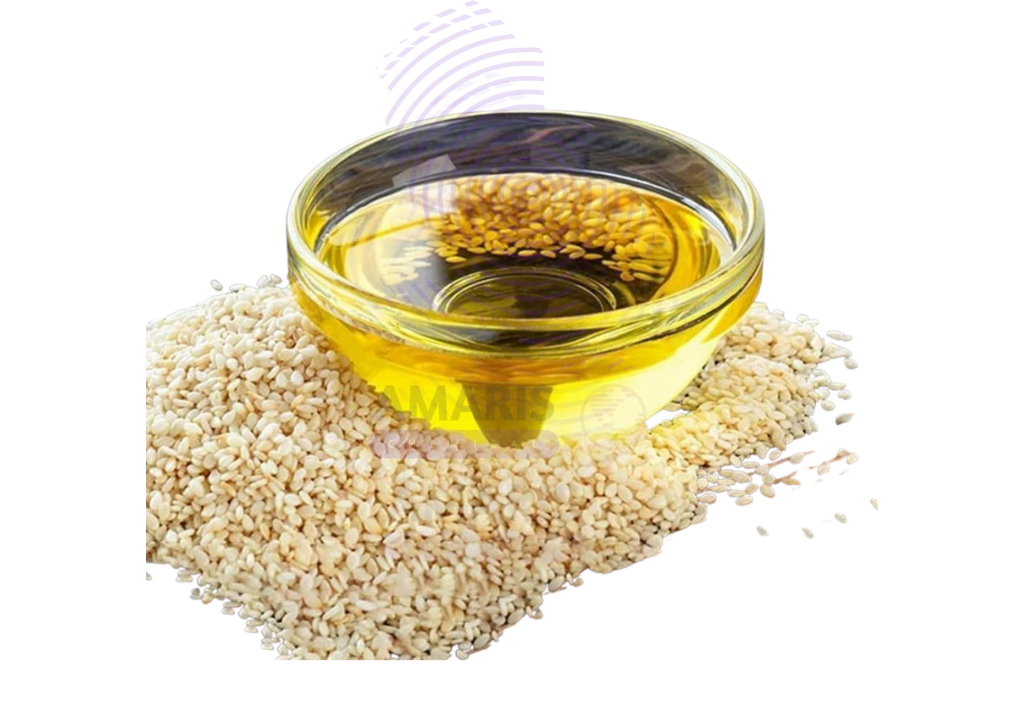
Among the many natural oils used across the world, Sesame Oil holds a special place due to its long history, nutritional value, and remarkable versatility. Extracted from sesame seeds, this golden-colored oil has been used for thousands of years in culinary traditions, personal care products, traditional wellness practices, and modern industrial formulations.
Today, sesame oil continues to attract attention not only for its rich flavor but also for its chemical stability, beneficial compounds, and wide range of applications. From kitchens and cosmetic laboratories to pharmaceutical formulations and manufacturing industries, sesame oil remains one of the most valuable plant-derived oils in the global market.
Its unique composition of fatty acids, antioxidants, and aromatic compounds makes sesame oil a natural ingredient that bridges traditional knowledge and modern scientific applications.
Understanding Sesame Oil
Sesame oil is derived from the seeds of the sesame plant, one of the oldest oilseed crops cultivated by humans. The oil is typically obtained through pressing or extraction processes, which release the natural oils stored within the seeds.
Depending on how the seeds are processed, sesame oil can range in color from light golden to deep amber, and its aroma can vary from mild and nutty to rich and roasted.
Chemically, sesame oil contains a mixture of unsaturated fatty acids, including oleic acid and linoleic acid, which contribute to its stability and nutritional properties. It also contains natural antioxidants such as sesamol and sesamin, compounds that help protect the oil from oxidation and extend its shelf life.
These natural compounds are part of the reason sesame oil has remained valuable in both food and non-food applications.
Culinary Importance Around the World 🍽️
Sesame oil is widely recognized for its role in global cuisines, particularly in Asian, Middle Eastern, and African cooking. Its rich, nutty flavor enhances many traditional dishes and adds depth to sauces, marinades, and stir-fries.
Chefs and home cooks appreciate sesame oil because it provides:
• A distinctive nutty aroma
• A flavorful finishing touch for dishes
• A natural source of healthy fats
In many recipes, sesame oil is used sparingly because of its strong flavor, allowing a small amount to significantly enhance the overall taste of a meal.
Because of its stability and nutritional composition, sesame oil continues to be a valued ingredient in both traditional and modern culinary practices.
Cosmetic and Personal Care Applications 🧴
Beyond the kitchen, sesame oil is widely used in the cosmetic and personal care industry. Its smooth texture and nourishing properties make it an excellent base oil for many skincare and haircare formulations.
Manufacturers often incorporate sesame oil into products such as:
• Skin moisturizers and lotions
• Massage oils
• Hair conditioning treatments
• Herbal skincare products
• Natural soaps
The oil’s fatty acid profile helps support skin hydration and smoothness, making it a popular ingredient in natural beauty products.
Its ability to blend well with other oils and botanical extracts also makes sesame oil an excellent carrier oil in cosmetic formulations.
Traditional Wellness and Herbal Uses 🌿
For centuries, sesame oil has been used in traditional wellness practices in different cultures. Many traditional systems of health have valued sesame oil for its warming properties and compatibility with herbal ingredients.
It has often been used as a carrier oil for herbal infusions, helping deliver plant-based compounds through massage oils and topical formulations.
Its stability and compatibility with botanical extracts make sesame oil a useful ingredient in natural wellness products and herbal preparations.
Although modern applications may differ from traditional uses, sesame oil remains a respected natural ingredient in many wellness traditions.
Pharmaceutical and Laboratory Interest 🔬
Sesame oil is also used in certain pharmaceutical and laboratory contexts. Because it is stable, relatively non-reactive, and capable of dissolving various compounds, it can serve as a carrier or solvent in certain formulations.
Pharmaceutical manufacturers sometimes use sesame oil in:
• Injectable oil-based formulations
• Medicinal ointments and topical preparations
• Nutritional supplements
In research laboratories, scientists may study sesame oil to understand its chemical composition, antioxidant properties, and lipid structure.
Its naturally occurring compounds continue to attract attention in fields related to food science, organic chemistry, and natural product research.
Industrial Applications ⚙️
Sesame oil is not limited to food and cosmetic uses. It can also serve roles in industrial and manufacturing environments where plant-based oils are preferred.
In certain applications, sesame oil may be used in:
• Lubricant formulations
• Natural coating and protective oils
• Specialty chemical formulations
Its natural stability and resistance to oxidation make it useful in applications where oils must maintain quality over time.
As industries increasingly seek renewable and plant-based raw materials, oils like sesame oil are gaining renewed interest as environmentally friendly alternatives to synthetic products.
Why Quality Matters
The quality of sesame oil plays a major role in determining its performance across applications. High-quality sesame oil is typically produced from carefully selected sesame seeds and refined processing methods that preserve its beneficial compounds.
Purity and proper processing ensure that the oil maintains:
• A consistent aroma and flavor
• Stable chemical composition
• Reliable performance in formulations
For manufacturers, laboratories, and consumers alike, using high-quality sesame oil helps maintain product effectiveness and consistency.
Final Thoughts
Sesame Oil is far more than just a cooking ingredient. It is a remarkable natural oil that supports multiple industries including food production, cosmetics, wellness products, pharmaceuticals, and industrial manufacturing.
Its unique combination of flavor, stability, and natural compounds has allowed it to remain valuable for thousands of years. From ancient kitchens to modern laboratories, sesame oil continues to demonstrate its versatility and importance.
As demand grows for natural, plant-based ingredients, sesame oil will likely continue to play a key role in product development and innovation across many sectors.
Whether enhancing the taste of food, nourishing the skin, supporting traditional wellness practices, or contributing to scientific research, sesame oil remains a powerful example of how natural resources can support both health and industry. 🌿🧴🌍