Preservatives(food)
 Flavors
 Acidulants
 Sweeteners
 Antioxidants
 Colorants(food)
 Nutraceutical Ingredients (food)
 Nutrient Supplements
 Emulsifiers
 Collectors
 Dust Suppressants
 Explosives and Blasting Agents
 Flocculants and Coagulants
 Frothers
 Leaching Agents
 pH Modifiers
 Precious Metal Extraction Agents
 Antioxidants(plastic)
 Colorants (Pigments, Dyes)
 Fillers and Reinforcements
 Flame Retardants
 Monomers
 Plasticizers
 Polymerization Initiators
 Stabilizers (UV, Heat)
 Antifoaming Agents
 Chelating Agents
 Coagulants and Flocculants
 Corrosion Inhibitors
 Disinfectants and Biocides
 Oxidizing Agents
 pH Adjusters
 Scale Inhibitors( water)
 Antioxidants(cosmetic)
 Emollients
 Oils
Oils Carrier Oills
 Essential Oils
 Humectants
 Preservatives
 Surfactants(cosmetic)
 Thickeners
 UV Filters
 Fertilizers
 Soil Conditioners
 Plant Growth Regulators
 Animal Feed Additives
 Biostimulants
 Pesticides (Herbicides, Insecticides, Fungicides)
 Active Pharmaceutical Ingredients (APIs)
 Excipients
 Solvents(pharmaceutical)
 Antibiotics
 Antiseptics and Disinfectants
 Vaccine Adjuvants
 Nutraceutical Ingredients (pharmaceutical)
 Analgesics & Antipyretics
 Analytical Reagents
 Solvents(lab)
 Chromatography Chemicals
 Spectroscopy Reagents
 microbiology-and-cell-culture-reagents
 Molecular Biology Reagents
 Biochemical Reagents
 Inorganic and Organic Standards
 Laboratory Safety Chemicals
 Specialty Laboratory Chemicals(Special Laboratory Equipment)
 Demulsifiers
 Hydraulic Fracturing Fluids
 Scale Inhibitors(oil)
 Surfactants(oil)
 Drilling Fluids
 Dyes and Pigments
 Bleaching Agents
 Softening Agents
 Finishing Agents
 Antistatic Agents
 Admixtures
 Waterproofing Agents
 Sealants and Adhesives
 Curing Compounds
 Concrete Repair Chemicals
 Anti-Corrosion Coatings
 Surfactants(cleaning)
 Builders
 Enzymes
 Solvents (Cleaning)
 Fragrances (Cleaning)
 Electronic Chemicals
 Catalysts
 Lubricants
 Photographic Chemicals
 Refrigerants
 Automotive chemicals
 Pyrotechnic Chemicals
 Biodegradable Surfactants
 Bio-based Solvents
 Renewable Polymers
 Carbon Capture Chemicals
 Wastewater Treatment Chemicals
 Pigments
 Solvents(paint)
 Specialty Coatings
 Binders/Resins
 Additives
 Driers
 Anti-Corrosion Agents
 Functional Coatings
 Application-Specific Coatings
 Leavening Agents
 Dough Conditioners
 Flour Treatments
 Fat Replacers
 Decoratives
 Preservatives(baking)
 Plasticizers & Softeners
 Reinforcing Agents
 Adhesion Promoters
 Vulcanizing Agents
 Antidegradants
 Blowing Agents
 Fillers & Extenders
 Accelerators & Retarders
How Analytical Reagents Ensure Precision in Chemical Testing 🧪🔬⚗️

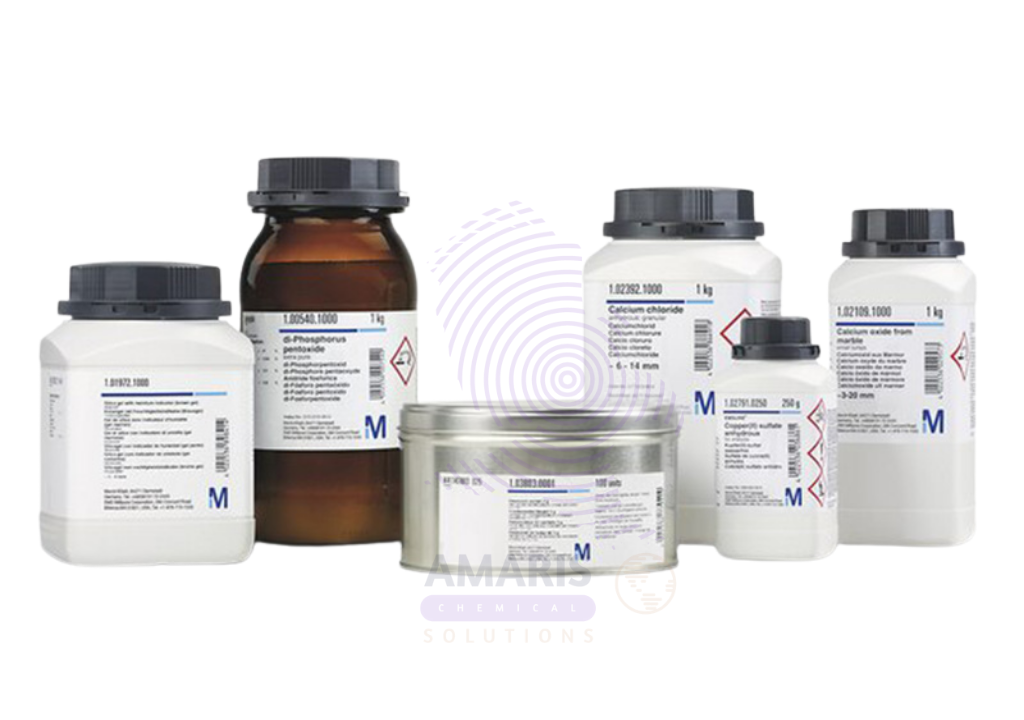
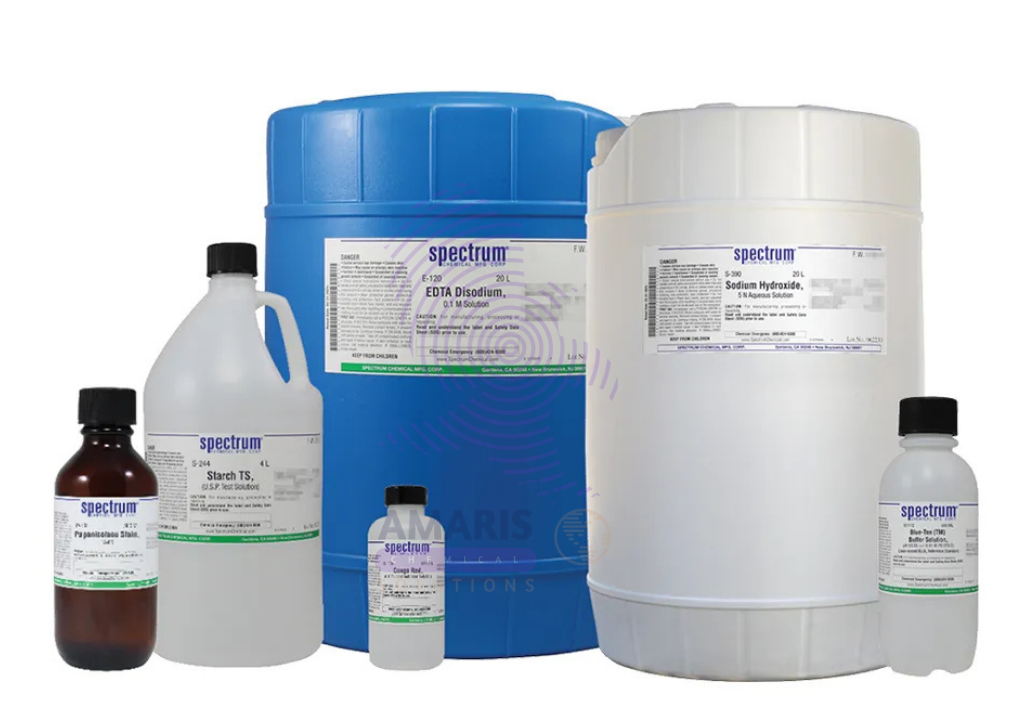
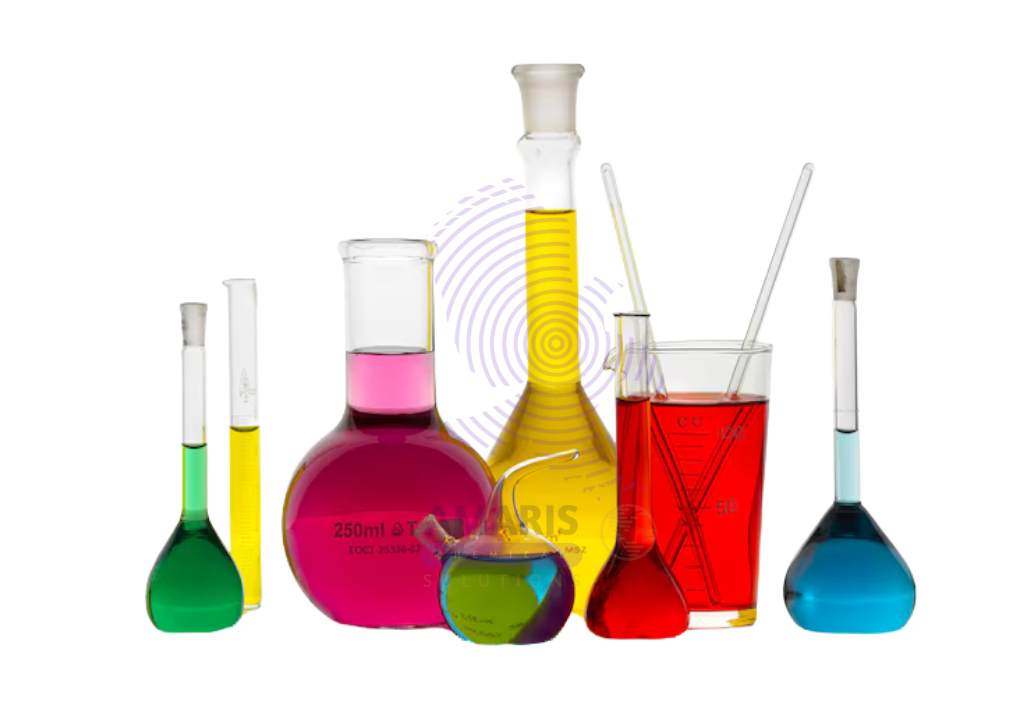
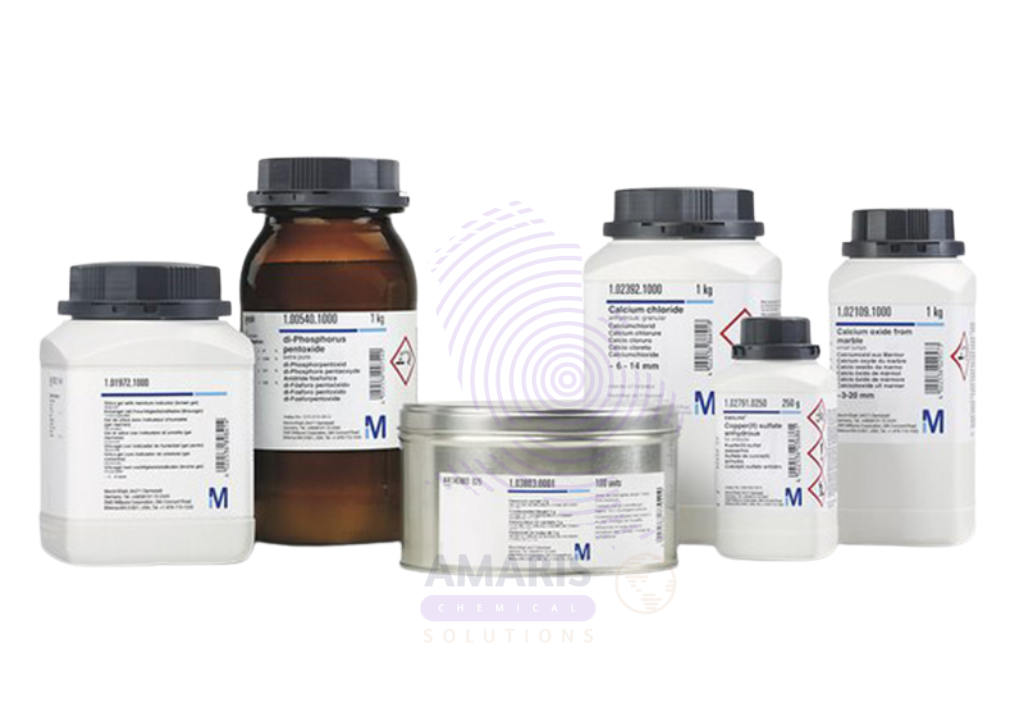
Precision is the foundation of every successful chemical analysis. Whether scientists are testing the purity of pharmaceuticals, monitoring water quality, analyzing food products, or conducting advanced research, the accuracy of the results depends heavily on the quality of the analytical reagents used. These specialized laboratory chemicals are designed to meet exceptionally high purity standards, ensuring that experiments produce reliable, consistent, and reproducible data.
In today’s scientific and industrial laboratories, analytical reagents are indispensable. They support a wide range of testing methods used in healthcare, environmental monitoring, manufacturing, education, and research. Without them, laboratories would struggle to obtain dependable results, making quality control, regulatory compliance, and scientific discovery far more difficult.
One of the primary reasons analytical reagents are so important is their exceptional purity. Unlike general laboratory chemicals, analytical reagents are manufactured to contain extremely low levels of impurities. Even trace contaminants can interfere with chemical reactions, distort measurements, or produce false analytical results. By using high-purity reagents, laboratories minimize these risks and ensure that the results reflect the actual composition of the sample rather than impurities introduced during testing.
Analytical reagents are essential for qualitative and quantitative analysis ⚗️. Qualitative analysis focuses on identifying the substances present in a sample, while quantitative analysis determines the exact amount or concentration of those substances. These processes are widely used in pharmaceutical laboratories, environmental testing facilities, food processing plants, mining operations, and chemical manufacturing. Accurate reagents enable scientists to confidently identify compounds, verify product specifications, and detect even minute quantities of contaminants.
Another critical application is in titration and volumetric analysis, where analytical reagents act as standardized solutions with known concentrations. During titration, a reagent reacts with a sample until the reaction reaches a precisely defined endpoint. This allows chemists to accurately determine the concentration of acids, bases, salts, and other chemical compounds. Because these measurements are highly sensitive, the purity and stability of the reagent are essential for obtaining trustworthy results.
Analytical reagents also play a fundamental role in instrumental analysis 🔬. Advanced laboratory instruments such as chromatographs, spectrophotometers, atomic absorption spectrometers, and mass spectrometers require high-quality reagents for calibration, sample preparation, and analytical procedures. These reagents help eliminate background interference, improve detection accuracy, and ensure that instruments produce consistent and reproducible data. Without properly prepared analytical reagents, even the most sophisticated laboratory equipment cannot achieve its full level of precision.
The pharmaceutical industry relies heavily on analytical reagents to ensure the safety and effectiveness of medicines. Throughout drug development and manufacturing, scientists use analytical-grade chemicals to verify raw materials, monitor production processes, identify impurities, and confirm the stability of finished products. Strict regulatory standards require pharmaceutical manufacturers to demonstrate the accuracy of their testing methods, making high-quality analytical reagents an essential component of quality assurance.
In environmental testing, analytical reagents help scientists monitor pollutants in water, soil, and air 🌍. Laboratories use these reagents to detect heavy metals, pesticides, nitrates, phosphates, and other contaminants that could affect ecosystems or public health. Accurate environmental testing enables governments and industries to comply with environmental regulations while protecting natural resources and ensuring safe drinking water.

The food and beverage industry also depends on analytical reagents to maintain product quality and consumer safety. Laboratory testing verifies nutritional content, detects contaminants, measures food additives, and confirms compliance with food safety regulations. By providing precise analytical results, these reagents help manufacturers maintain consistent product quality and protect public health.
In addition to industrial applications, analytical reagents are vital in academic and scientific research 🎓. Universities and research institutions use them to teach laboratory techniques, conduct experiments, and develop new scientific knowledge. Because research findings must be reproducible, the use of standardized analytical reagents ensures that experiments can be repeated and validated by scientists around the world. This consistency is fundamental to scientific progress.
Proper storage and handling are equally important in preserving the quality of analytical reagents. They should be stored according to manufacturer recommendations, protected from moisture, heat, and contamination, and handled using appropriate laboratory safety procedures. Good laboratory practices help maintain reagent stability, extend shelf life, and ensure consistent analytical performance throughout their use.
As scientific technologies continue to advance, the demand for even higher-quality analytical reagents is increasing. Emerging fields such as biotechnology, nanotechnology, forensic science, renewable energy research, and molecular diagnostics require reagents with exceptional purity and reliability. Continuous improvements in reagent manufacturing are enabling laboratories to perform increasingly complex analyses with greater confidence and accuracy.
In conclusion, analytical reagents are the cornerstone of precise chemical testing. Their exceptional purity, consistency, and reliability make them indispensable in laboratories across healthcare, environmental science, manufacturing, food safety, education, and research. By enabling accurate measurements and reproducible results, these specialized chemicals support scientific discovery, product quality, regulatory compliance, and technological innovation. As laboratory science continues to evolve, analytical reagents will remain essential for delivering the precision that modern chemistry and industry demand 🧪🔬⚗️