

 Preservatives(food)
 Flavor Enhancers
 Acidulants
 Sweeteners
 Antioxidants
 Colorants(food)
 Nutraceutical Ingredients (food)
 Nutrient Supplements
 Emulsifiers
 Collectors
 Dust Suppressants
 Explosives and Blasting Agents
 Flocculants and Coagulants
 Frothers
 Leaching Agents
 pH Modifiers
 Precious Metal Extraction Agents
 Antioxidants(plastic)
 Colorants (Pigments, Dyes)
 Fillers and Reinforcements
 Flame Retardants
 Monomers
 Plasticizers
 Polymerization Initiators
 Stabilizers (UV, Heat)
 Antifoaming Agents
 Chelating Agents
 Coagulants and Flocculants
 Corrosion Inhibitors
 Disinfectants and Biocides
 Oxidizing Agents
 pH Adjusters
 Scale Inhibitors( water)
 Antioxidants(cosmetic)
 Emollients
 Fragrances and Essential Oils
 Humectants
 Preservatives
 Surfactants(cosmetic)
 Thickeners
 UV Filters
 Fertilizers
 Soil Conditioners
 Plant Growth Regulators
 Animal Feed Additives
 Biostimulants
 Pesticides (Herbicides, Insecticides, Fungicides)
 Active Pharmaceutical Ingredients (APIs)
 Excipients
 Solvents(pharmaceutical)
 Antibiotics
 Antiseptics and Disinfectants
 Vaccine Adjuvants
 Nutraceutical Ingredients (pharmaceutical)
 Analgesics & Antipyretics
 Analytical Reagents
 Solvents(lab)
 Chromatography Chemicals
 Spectroscopy Reagents
 microbiology-and-cell-culture-reagents
 Molecular Biology Reagents
 Biochemical Reagents
 Inorganic and Organic Standards
 Laboratory Safety Chemicals
 Specialty Laboratory Chemicals(Special Laboratory Equipment)
 Demulsifiers
 Hydraulic Fracturing Fluids
 Scale Inhibitors(oil)
 Surfactants(oil)
 Drilling Fluids
 Dyes and Pigments
 Bleaching Agents
 Softening Agents
 Finishing Agents
 Antistatic Agents
 Admixtures
 Waterproofing Agents
 Sealants and Adhesives
 Curing Compounds
 Concrete Repair Chemicals
 Anti-Corrosion Coatings
 Surfactants(cleaning)
 Builders
 Enzymes
 Solvents (Cleaning)
 Fragrances
 Electronic Chemicals
 Catalysts
 Lubricants
 Photographic Chemicals
 Refrigerants
 Automotive chemicals
 Pyrotechnic Chemicals
 Biodegradable Surfactants
 Bio-based Solvents
 Renewable Polymers
 Carbon Capture Chemicals
 Wastewater Treatment Chemicals
 Pigments
 Solvents(paint)
 Specialty Coatings
 Binders/Resins
 Additives
 Driers
 Anti-Corrosion Agents
 Functional Coatings
 Application-Specific Coatings
 Leavening Agents
 Dough Conditioners
 Flour Treatments
 Fat Replacers
 Decoratives
 Preservatives(baking)
 Plasticizers & Softeners
 Reinforcing Agents
 Adhesion Promoters
 Vulcanizing Agents
 Antidegradants
 Blowing Agents
 Fillers & Extenders
 Accelerators & Retarders

















Agricultural Grade refers to chemicals, fertilizers, and soil amendments specifically formulated for use in farming, crop production, and horticulture. These products are designed to enhance plant growth, improve soil fertility, and protect crops from pests and diseases while meeting agricultural safety and efficacy standards. Unlike laboratory or pharmaceutical grades, agricultural-grade substances prioritize functional performance and cost-effectiveness over ultra-high purity, though they still comply with regulatory limits for harmful contaminants like heavy metals or persistent toxins. Common examples include fertilizers (NPK blends, urea), pesticides (herbicides, insecticides, fungicides), soil conditioners (lime, gypsum), and growth regulators. These materials are typically produced in large quantities for broad-acre application through spraying, broadcasting, or irrigation systems. Quality control ensures proper nutrient content, chemical stability, and appropriate physical properties (e.g., granule size, solubility) for field use. Regulatory bodies such as the EPA (USA) and FAO/WHO establish guidelines for acceptable impurity levels, environmental impact, and residue tolerances in food crops. Agricultural-grade products play a vital role in modern food production systems by balancing crop productivity with environmental stewardship and food safety requirements.
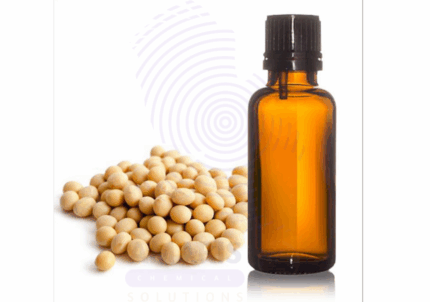
Acid Oil Soya
Acid Oil Soya is a byproduct derived from the refining of soybean oil. It is a dark-colored, free fatty acid-rich liquid containing mainly oleic and linoleic acids. Acid Oil Soya is commonly used in industrial applications such as soap making, animal feed, and as a raw material in the production of biodiesel, lubricants, and other chemicals.
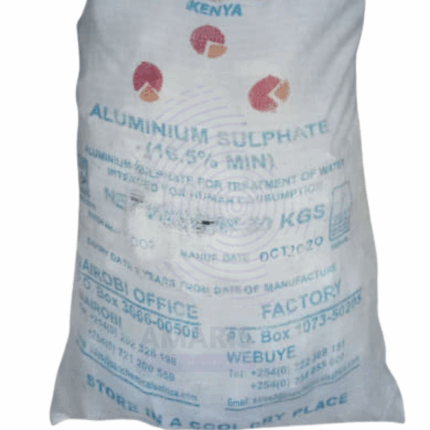
Aluminium Sulphate Alum Rock
Aluminium Sulphate Alum Rock, commonly referred to as simply Aluminum Sulphate or Alum Rock, is a white crystalline solid widely used across various industries. It is primarily known for its strong coagulating properties, making it essential in water purification, wastewater treatment, and paper manufacturing. When dissolved in water, it reacts to form aluminum hydroxide, which binds with impurities and suspended particles, facilitating their removal. In addition, alum rock finds applications in dyeing, tanning, and as a mordant in textile industries. It has astringent and antiseptic properties, making it useful in cosmetics and personal care products such as deodorants and styptic pencils. Its cost-effectiveness and multifunctionality make it a staple chemical in environmental, industrial, and consumer sectors.
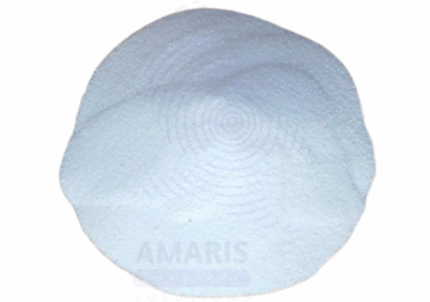
Ammonia Acetate
Ammonia Acetate is a white crystalline solid or granular powder with a mild ammoniacal odor. It is a salt formed from ammonia and acetic acid, widely used in laboratories, industrial processes, and some niche food and pharmaceutical applications. Ammonium Acetate is highly soluble in water and often utilized as a buffer solution in biochemical and analytical chemistry due to its ability to maintain pH. It also serves as a precursor in the synthesis of various chemicals and acts as a neutralizing agent in several industrial applications.
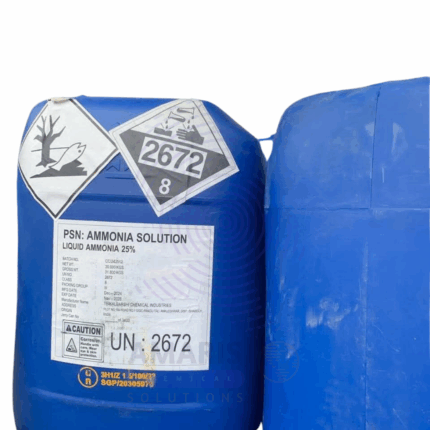
Ammonia solution
Ammonia solutions, often referred to as aqueous ammonia or ammonium hydroxide, are clear, colorless liquids consisting of ammonia gas dissolved in water. The concentration of ammonia in these solutions typically ranges from 5% to 35% by weight. Ammonia solutions possess a pungent odor characteristic of ammonia gas and are alkaline with a pH typically between 11 and 12.5. This solution is widely used across various industries due to its excellent cleaning properties, reactivity, and role as a nitrogen source.


Ammonium Chloride
Ammonium chloride is a white crystalline salt with a salty, slightly acidic taste. It is highly soluble in water and is widely used in various industrial, agricultural, and pharmaceutical applications. It acts as a nitrogen source in fertilizers, a flux in metalworking, and an expectorant in medicine. Its versatility and relatively low toxicity make it an important compound in multiple sectors.
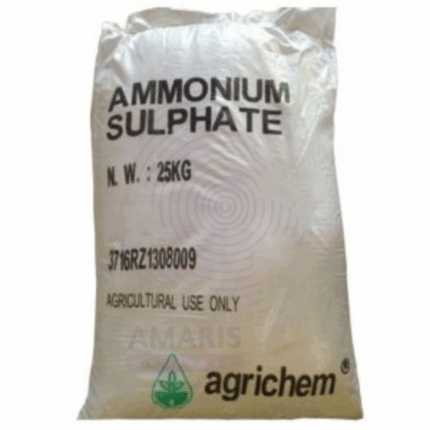
Ammonium Sulphate
Ammonium Sulphate is an inorganic salt with the formula (NH₄)₂SO₄. It appears as a white crystalline solid, highly soluble in water, and is widely used as a fertilizer due to its high nitrogen and sulfur content. Besides agriculture, ammonium sulphate finds extensive use in industrial processes, food additives, pharmaceutical applications, and water treatment. It acts as a soil amendment to improve nitrogen levels and acidity, a flocculating agent in water purification, and a stabilizer or precipitant in biochemical and pharmaceutical formulations.
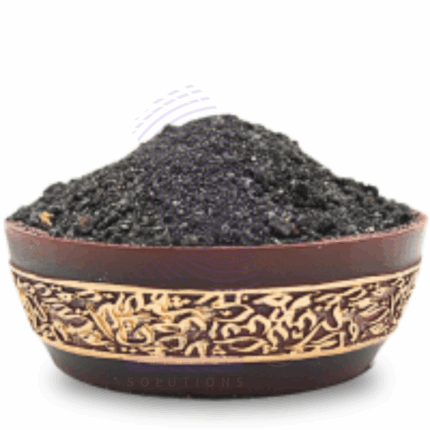
Black Jawi
Black Jawi is a natural, mineral-rich volcanic sand or powder, traditionally harvested from volcanic regions. Its high content of silica, iron oxides, magnesium, and trace minerals makes it a versatile material for agriculture, construction, cosmetics, and industrial applications. Packaged in 30kg bulk quantities, it is ideal for large-scale projects requiring durability, soil enhancement, or therapeutic properties.

Calcium Chloride
Calcium Chloride is an inorganic salt composed of calcium and chlorine with the chemical formula CaCl₂. It typically appears as a white crystalline solid or granular powder, highly soluble in water and exhibiting strong hygroscopic properties. Calcium Chloride is widely used for its moisture-absorbing ability, de-icing, dust control, and as a firming agent in food processing. It finds extensive applications across industrial, pharmaceutical, agricultural, and food sectors due to its efficacy in modifying physical and chemical properties of products and environments.
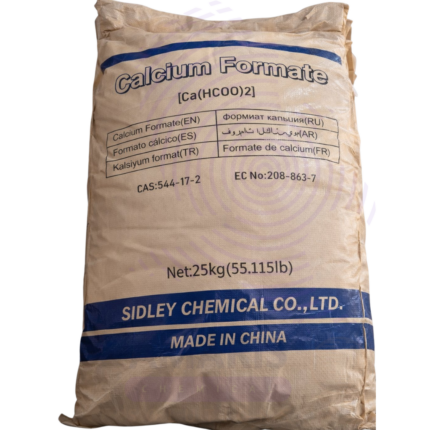
Calcium Formate
Calcium Formate is the calcium salt of formic acid, appearing as a white, free-flowing crystalline powder or granules. It is an odorless compound with a slightly bitter taste and is non-toxic. The chemical formula is Ca(HCOO)₂ with a molecular weight of 130.0 g/mol. Calcium Formate is slightly hygroscopic and readily soluble in water, with solubility of approximately 16.1 g/100 mL at 20°C. Its water solution is neutral with a pH of 6.0 to 8.0. The compound is stable under normal storage conditions and has a decomposition temperature exceeding 400°C. Technical grade Calcium Formate is manufactured for industrial applications including construction, animal feed, leather processing, and water treatment.
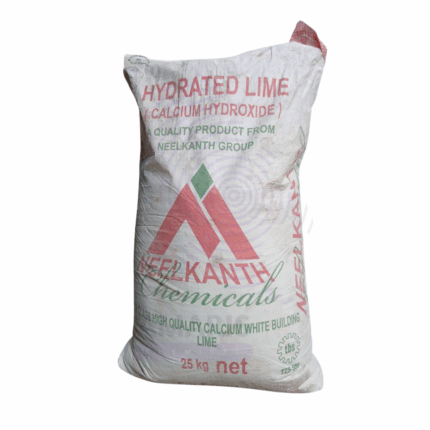
Calcium Hydroxide Hydrated Lime
Calcium Hydroxide Hydrated Lime, commonly known as Hydrated Lime or Slaked Lime, is an inorganic compound with the chemical formula Ca(OH)₂. It appears as a white, odorless, powder or crystalline solid. It is produced by treating quicklime (calcium oxide) with water in a process called slaking. Calcium Hydroxide is moderately soluble in water, forming a strongly alkaline solution known as limewater. It is widely used in construction, environmental, chemical, agricultural, and water treatment applications due to its caustic, neutralizing, and flocculating properties.
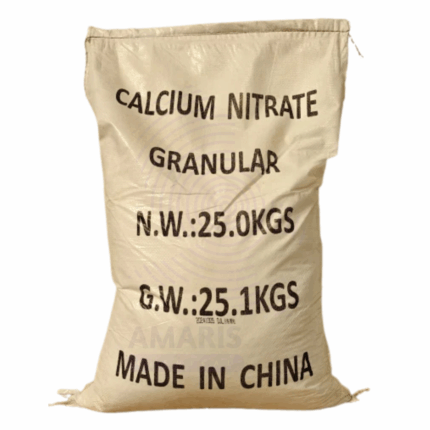
Calcium Nitrate
Calcium Nitrate is a highly soluble, white crystalline salt composed of calcium and nitrate ions. It is commonly available as a tetrahydrate (Ca(NO₃)₂·4H₂O). Known for its excellent solubility in water, calcium nitrate is widely used as a fertilizer providing both calcium and nitrogen to plants. It improves soil structure, enhances nutrient uptake, and prevents disorders such as blossom-end rot in fruits. Beyond agriculture, calcium nitrate serves in wastewater treatment, concrete acceleration, and industrial chemical processes.
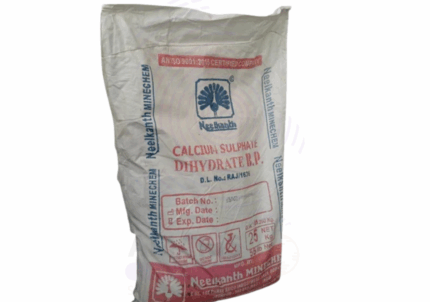
Calcium Sulphate Dihydrate
Calcium Sulphate Dihydrate, commonly known as gypsum, is a naturally occurring mineral widely used in agriculture, construction, and various industrial processes. It appears as a white or slightly translucent crystalline powder with moderate solubility in water. The compound is primarily used as a soil conditioner to improve soil structure and supply calcium and sulfur nutrients essential for plant growth. It also finds applications in the manufacture of plaster, cement, and as a filler in various products.
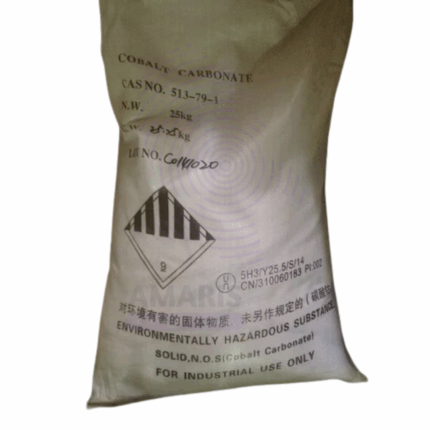
Cobalt Carbonate
Cobalt Carbonate is a rose-red to purplish powder with a metal content of approximately 46% cobalt by weight. It is an inorganic compound primarily used as a source of cobalt, either as a raw material in chemical synthesis or as a micronutrient in various formulations. It is slightly soluble in water and decomposes upon heating, releasing carbon dioxide and leaving cobalt oxide (CoO). Cobalt Carbonate is used in ceramics, catalysts, animal nutrition, batteries, and metal surface treatments. Its controlled release of cobalt makes it useful in both industrial and biological applications.
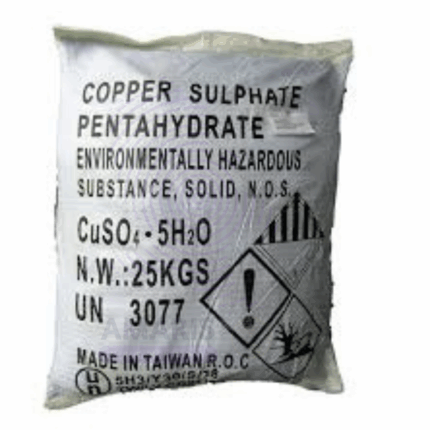
Copper Sulphate Pentahydrate
Copper Sulphate Pentahydrate (CuSO₄·5H₂O) is a bright blue crystalline solid widely used as a chemical reagent, agricultural fungicide, and analytical reagent. It consists of copper, sulfur, oxygen, and water molecules, forming a distinctive pentahydrate structure. This inorganic salt is highly soluble in water, exhibiting antifungal, algaecidal, and bactericidal properties. Copper Sulphate Pentahydrate is extensively employed in agriculture, industry, and laboratory applications due to its effectiveness, affordability, and well-understood chemistry.
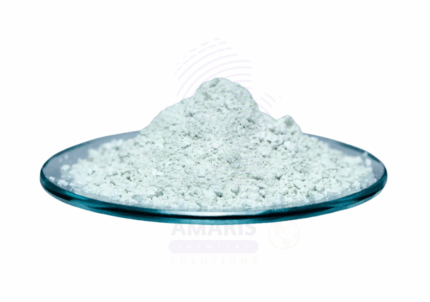
Cupric Sulphate Anhydrous
Cupric Sulphate Anhydrous (Copper(II) sulfate, anhydrous form) is a blue to green crystalline powder that is highly soluble in water. It is an inorganic compound consisting of copper, sulfur, and oxygen with the formula CuSO₄. Unlike its hydrated counterpart (CuSO₄·5H₂O), the anhydrous form contains no water molecules. It is widely used in agriculture, industry, and chemical manufacturing due to its fungicidal, algicidal, and chemical reactivity properties. The compound serves as a precursor to many copper salts and catalysts.
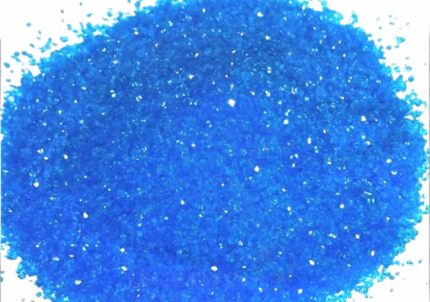
Cupric Sulphate Pentahydrate
Cupric Sulphate Pentahydrate (Copper(II) sulfate pentahydrate) is a bright blue crystalline solid with the chemical formula CuSO₄·5H₂O. It is the hydrated form of copper sulfate and is highly soluble in water. This compound is widely used in agriculture, chemical manufacturing, and laboratory applications due to its fungicidal, algicidal, and micronutrient properties. The pentahydrate form is the most common and commercially available, known for its vivid blue color and versatile reactivity.
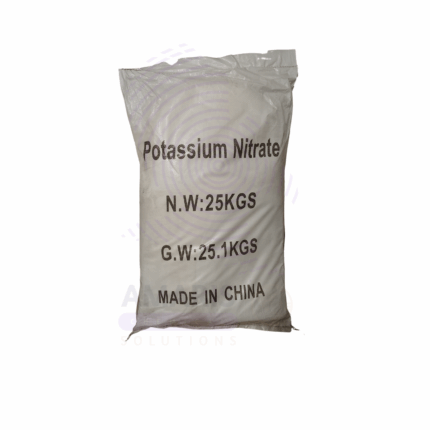
Potassium Nitrate
Potassium Nitrate is a white crystalline salt commonly known as saltpeter. It is a key oxidizing agent widely used in fertilizers, food preservation, pyrotechnics, and chemical manufacturing. Potassium Nitrate provides essential potassium and nitrogen nutrients in agriculture and acts as a source of oxygen in combustion reactions. Its stability and solubility make it valuable across various industries from agriculture to explosives.
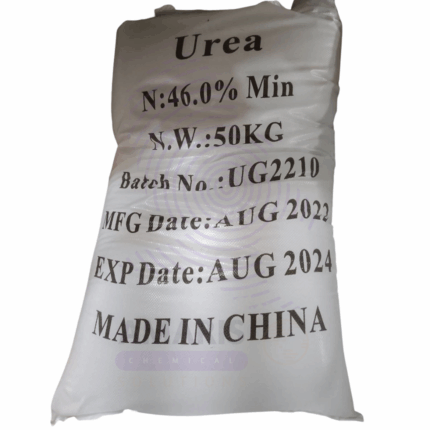
Urea
Urea is a highly water-soluble organic compound widely used as a nitrogen-release fertilizer in agriculture. It serves as a key source of nitrogen for plant growth and development. Apart from agriculture, urea is utilized in various industrial applications such as resin production, animal feed, and chemical manufacturing. Its high nitrogen content and easy handling make it a versatile and essential raw material in multiple sectors.
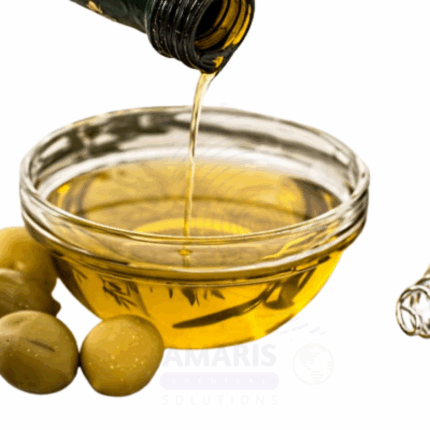
Yucca Oil
Yucca Oil is a natural extract derived from the roots and stems of the Yucca schidigera plant, native to arid regions of the southwestern United States and Mexico. Typically processed through cold pressing or solvent extraction, this oil is known for its earthy, slightly herbal aroma and its high content of natural saponins, resveratrol, and antioxidants. Traditionally used by Indigenous cultures for medicinal and cleansing purposes, Yucca Oil is recognized today for its anti-inflammatory, antimicrobial, and cleansing properties. It is widely utilized in cosmetics, hair and scalp treatments, animal care formulations, and natural cleaning solutions.












