

 Preservatives(food)
 Flavor Enhancers
 Acidulants
 Sweeteners
 Antioxidants
 Colorants(food)
 Nutraceutical Ingredients (food)
 Nutrient Supplements
 Emulsifiers
 Collectors
 Dust Suppressants
 Explosives and Blasting Agents
 Flocculants and Coagulants
 Frothers
 Leaching Agents
 pH Modifiers
 Precious Metal Extraction Agents
 Antioxidants(plastic)
 Colorants (Pigments, Dyes)
 Fillers and Reinforcements
 Flame Retardants
 Monomers
 Plasticizers
 Polymerization Initiators
 Stabilizers (UV, Heat)
 Antifoaming Agents
 Chelating Agents
 Coagulants and Flocculants
 Corrosion Inhibitors
 Disinfectants and Biocides
 Oxidizing Agents
 pH Adjusters
 Scale Inhibitors( water)
 Antioxidants(cosmetic)
 Emollients
 Fragrances and Essential Oils
 Humectants
 Preservatives
 Surfactants(cosmetic)
 Thickeners
 UV Filters
 Fertilizers
 Soil Conditioners
 Plant Growth Regulators
 Animal Feed Additives
 Biostimulants
 Pesticides (Herbicides, Insecticides, Fungicides)
 Active Pharmaceutical Ingredients (APIs)
 Excipients
 Solvents(pharmaceutical)
 Antibiotics
 Antiseptics and Disinfectants
 Vaccine Adjuvants
 Nutraceutical Ingredients (pharmaceutical)
 Analgesics & Antipyretics
 Analytical Reagents
 Solvents(lab)
 Chromatography Chemicals
 Spectroscopy Reagents
 microbiology-and-cell-culture-reagents
 Molecular Biology Reagents
 Biochemical Reagents
 Inorganic and Organic Standards
 Laboratory Safety Chemicals
 Specialty Laboratory Chemicals(Special Laboratory Equipment)
 Demulsifiers
 Hydraulic Fracturing Fluids
 Scale Inhibitors(oil)
 Surfactants(oil)
 Drilling Fluids
 Dyes and Pigments
 Bleaching Agents
 Softening Agents
 Finishing Agents
 Antistatic Agents
 Admixtures
 Waterproofing Agents
 Sealants and Adhesives
 Curing Compounds
 Concrete Repair Chemicals
 Anti-Corrosion Coatings
 Surfactants(cleaning)
 Builders
 Enzymes
 Solvents (Cleaning)
 Fragrances
 Electronic Chemicals
 Catalysts
 Lubricants
 Photographic Chemicals
 Refrigerants
 Automotive chemicals
 Pyrotechnic Chemicals
 Biodegradable Surfactants
 Bio-based Solvents
 Renewable Polymers
 Carbon Capture Chemicals
 Wastewater Treatment Chemicals
 Pigments
 Solvents(paint)
 Specialty Coatings
 Binders/Resins
 Additives
 Driers
 Anti-Corrosion Agents
 Functional Coatings
 Application-Specific Coatings
 Leavening Agents
 Dough Conditioners
 Flour Treatments
 Fat Replacers
 Decoratives
 Preservatives(baking)
 Plasticizers & Softeners
 Reinforcing Agents
 Adhesion Promoters
 Vulcanizing Agents
 Antidegradants
 Blowing Agents
 Fillers & Extenders
 Accelerators & Retarders

















Chromatogram Paper
Chromatogram Paper is a specialized high-quality absorbent paper used primarily in chromatography techniques for the separation and analysis of chemical substances. Manufactured to have consistent texture and porosity, it facilitates effective migration of solvents and analytes, allowing clear and reproducible chromatographic patterns. Widely utilized in laboratories for qualitative and quantitative chemical analysis, Chromatogram Paper is essential for research, quality control, and educational purposes.

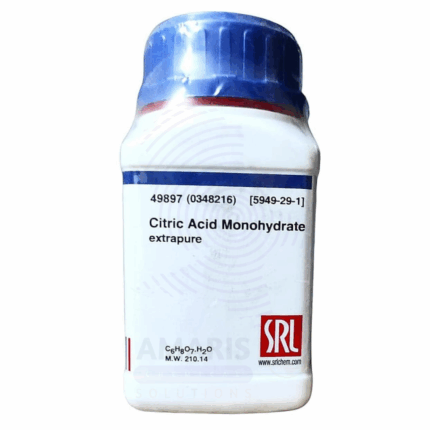
Citric Acid Monohydrate Extra Pure
Citric Acid Monohydrate Extra Pure is a highly refined, crystalline organic acid commonly used in laboratory settings for its chelating, buffering, and acidifying properties. With one molecule of water of crystallization, it serves as a reliable pH adjuster and complexing agent in analytical chemistry, titrations, and biochemical experiments. Its extra pure grade ensures minimal contaminants, making it suitable for sensitive applications in pharmaceutical research, food analysis, and preparation of reagent solutions. Soluble in water and ethanol, it is stable under normal lab conditions but should be stored in a cool, dry place in tightly sealed containers to prevent clumping and moisture absorption.
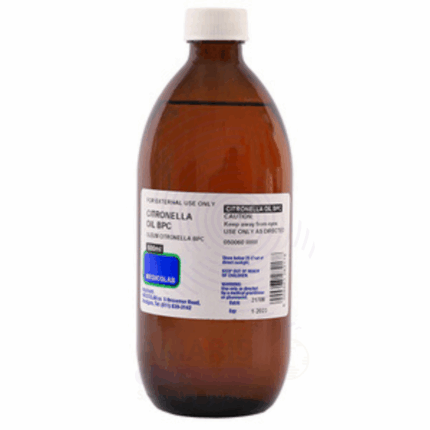
Citronella Extra Pure
Citronella Extra Pure is a laboratory-grade essential oil distilled primarily from Cymbopogon species, known for its strong, lemon-like aroma and high content of citronellal, geraniol, and citronellol. In lab settings, it is used in analytical chemistry, fragrance analysis, natural product research, and biological assays due to its volatile organic profile. The extra pure grade ensures the oil is free from synthetic additives and contaminants, offering consistent performance in both qualitative and quantitative studies. It also serves as a reference standard in olfactory testing and is handled with care due to its high volatility and sensitivity to light and air.
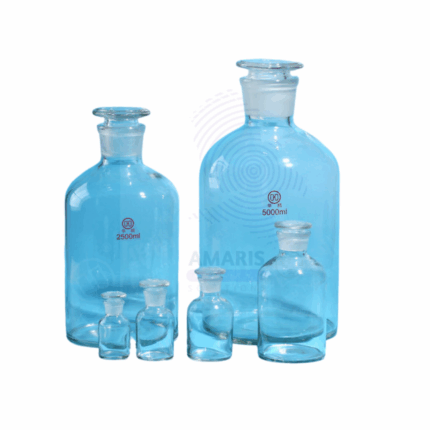
Clear laboratory reagent bottles
Product Description
Clear Laboratory Reagent Bottles are high-quality, transparent containers designed specifically for storing, transporting, and dispensing chemical reagents and solutions in laboratory settings. Made from durable borosilicate glass or high-grade plastic materials, these bottles offer excellent chemical resistance, clarity for easy identification of contents, and airtight sealing to maintain reagent integrity. They are essential in analytical, biochemical, and industrial laboratories for safe and organized chemical storage.

clinostat clock type
The Clinostat Clock Type is a precision laboratory instrument designed to simulate microgravity conditions by continuously rotating biological samples or small objects along a horizontal axis. This rotation counteracts the effect of gravity, allowing researchers to study the effects of weightlessness on plant growth, cell cultures, and other biological specimens. Constructed with durable materials and calibrated for smooth, consistent rotation, the Clinostat Clock Type is widely used in botanical, microbiological, and space biology research.
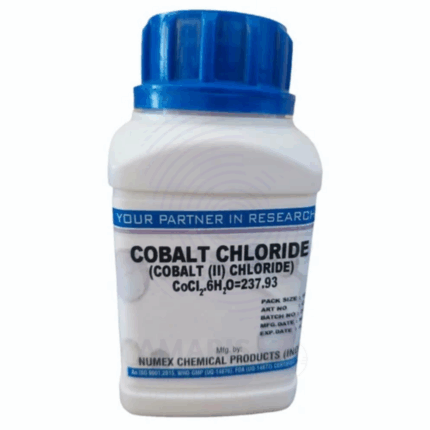
Cobalt Chloride Extra Pure
Cobalt Chloride Extra Pure is a high-purity, pink to deep purple crystalline compound widely used in laboratories for analytical, inorganic, and coordination chemistry. It is especially valued as a humidity indicator, turning from blue (anhydrous) to pink (hydrated) depending on moisture levels. In research settings, it serves as a precursor for synthesizing other cobalt compounds, as well as a reagent in qualitative tests for water, ammonium ions, and complex formation studies. Its extra pure grade ensures precise, contamination-free results, making it ideal for experiments requiring high accuracy. Proper handling with gloves and storage in airtight containers are recommended due to its toxic and moisture-sensitive nature.
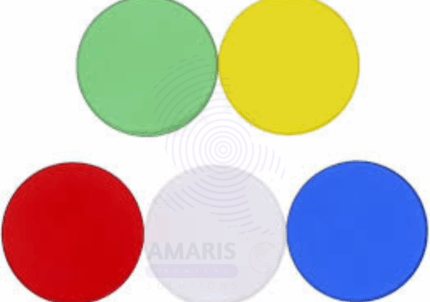
Color Filters
Color Filters are optical components designed to selectively transmit light of specific wavelengths while absorbing or reflecting others. These filters are used in various laboratory and industrial applications to isolate particular colors for scientific experiments, photography, microscopy, and optical analysis. Manufactured from high-quality glass or plastic materials, color filters ensure consistent performance with minimal distortion and high durability.
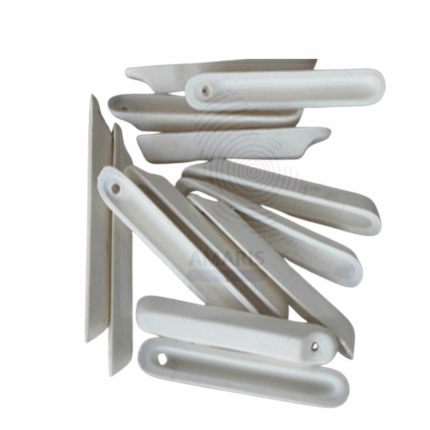
Combustion Boat
Product Description
The Combustion Boat is a small, heat-resistant container typically made of porcelain or quartz, designed to hold samples during combustion analysis. It is used primarily in laboratories to contain solid or powdered samples that are subjected to high temperatures for elemental analysis, especially in organic and inorganic chemistry. The boat withstands extreme temperatures without reacting with the sample, ensuring accurate and uncontaminated results.
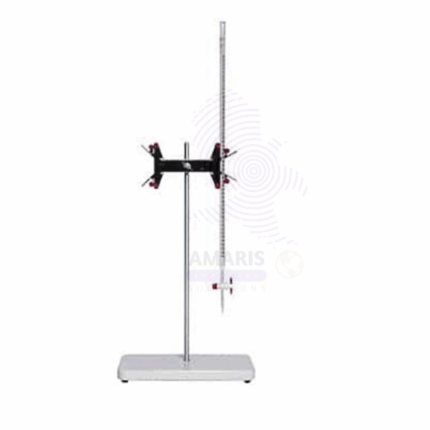
Complete burette stand
The Complete Burette Stand is a sturdy laboratory apparatus designed to securely hold burettes during titration and other volumetric experiments. Typically made of metal with a stable base, it features adjustable clamps and rods to accommodate different sizes of burettes and provide stability during precise liquid dispensing. Its durable construction ensures safety and accuracy in laboratory workflows.
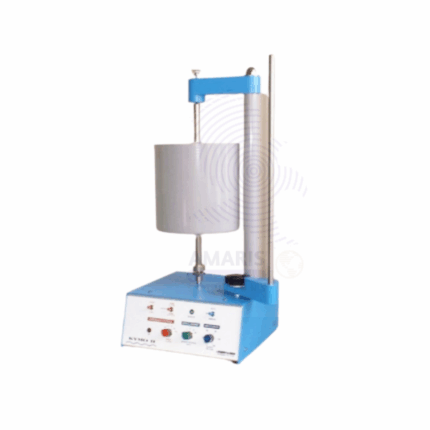
complete kymograph equipment
Complete Kymograph Equipment is a precision instrument used primarily in physiology and biological research to record changes in pressure, motion, or other physiological phenomena over time. It consists of a rotating drum wrapped with a recording paper and various attachments such as levers, pens, and sensors to capture mechanical movements or biological signals. This equipment is essential for experiments involving muscle contractions, blood pressure measurements, and other dynamic biological processes.
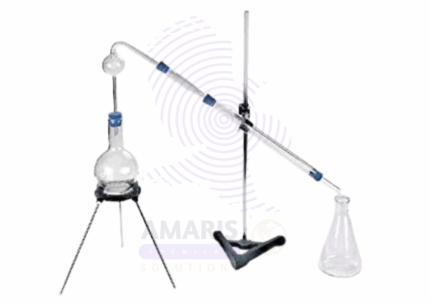
Complete Liebigs Distillation Apparatus
Complete Liebigs Distillation Apparatus is a classic laboratory setup used for the distillation of liquids by heating and subsequent condensation. It consists of a distillation flask, Liebig condenser, receiving flask, and necessary connecting joints. The Liebig condenser efficiently cools vapor back into liquid form using a water jacket. This apparatus is widely used in chemistry labs for purifying liquids, separating mixtures, and studying boiling points.
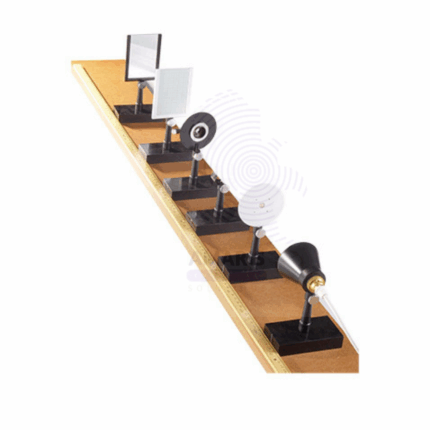
Complete optical bench
Product Description
Complete Optical Bench is a precision laboratory apparatus designed to facilitate experiments involving optics, such as the study of lenses, mirrors, light refraction, reflection, and focal lengths. It consists of a rigid, graduated base rail with movable holders for optical components like lenses, mirrors, prisms, and light sources. The modular design allows flexible setup of various optical experiments, making it an essential tool in physics laboratories for teaching and research.
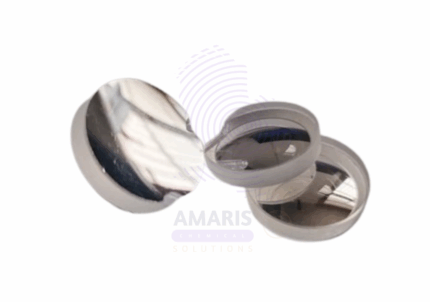
Concave and convex lens
Concave and Convex Lenses are essential optical components used to manipulate light by refraction. A convex lens is thicker at the center and converges light rays to a focal point, while a concave lens is thinner at the center and diverges light rays. These lenses are fundamental in various scientific experiments, optical instruments, and educational demonstrations to study image formation, focal length, magnification, and light behavior. Manufactured with high-quality optical glass or plastic, they offer clarity and precision necessary for laboratory and industrial applications.

Concave mirrors
Product Description
Concave Mirrors are curved reflective surfaces that converge light rays to a focal point. They are widely used in scientific experiments and optical devices to focus light and form real or virtual images depending on the object's position relative to the focal length. Made from high-quality polished glass or metal with a reflective coating, these mirrors provide precise image formation essential for laboratory and industrial applications in optics and physics.

Condenser liebig
The Liebig Condenser is a straight glass tube surrounded by a water jacket used to cool and condense vapors back into liquids during distillation processes. It is a fundamental laboratory apparatus designed for efficient heat exchange, allowing vapors to lose heat and convert back to liquid form. Constructed from durable borosilicate glass, the Liebig condenser withstands thermal stress and chemical corrosion, making it suitable for repeated use in various laboratory and industrial distillation and reflux applications.

conductivity rods
Conductivity rods are laboratory instruments used to measure the electrical conductivity of liquids, which indicates the ionic content and purity of a solution. Typically made from corrosion-resistant materials like stainless steel or graphite, these rods serve as electrodes immersed in liquid samples to detect the flow of electric current. Conductivity rods are essential for water quality testing, chemical analysis, and various industrial processes where monitoring solution conductivity is critical.
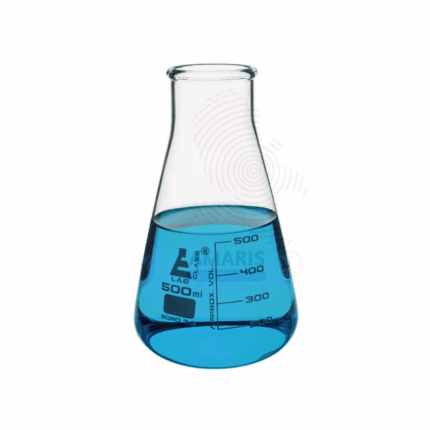
conical flask
Conical flasks, also known as Erlenmeyer flasks, are widely used laboratory glassware characterized by a flat bottom, conical body, and a narrow neck. Made typically from borosilicate glass, they are designed to hold, mix, and heat liquids safely. The narrow neck helps reduce evaporation and splashing during experiments. Conical flasks are essential for titrations, culturing microorganisms, and general solution preparation in laboratories and industrial settings.
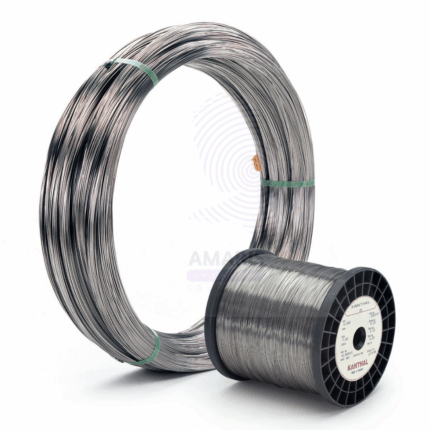
Constantine wire
Constantine Wire is an alloy wire composed primarily of copper, nickel, and zinc, known for its high electrical conductivity, corrosion resistance, and durability. It is widely used in electrical applications requiring reliable conduction and mechanical strength. The wire exhibits excellent resistance to oxidation and mechanical wear, making it suitable for various laboratory and industrial uses.

Contact key
Product Description
The Contact Key is a fundamental switching device used in electrical circuits to manually open or close the flow of current. Commonly used in physics laboratories for demonstration and experimentation with circuits, it enables controlled activation of current for brief or sustained durations. Made from durable, conductive metals with insulating bases, Contact Keys are essential components in circuit testing, timing devices, and low-voltage experimental setups.
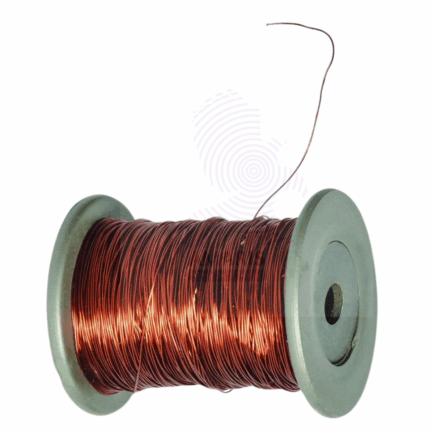
copper connecting wire
Copper Connecting Wire is a high-conductivity electrical wire used to establish electrical connections in laboratory and industrial setups. Manufactured from pure or high-grade copper, it ensures minimal resistance and maximum current transfer. The wire is typically insulated with flexible PVC or rubber to provide durability, flexibility, and protection. Available in various gauges and lengths, it is a critical component for assembling circuits, powering devices, and conducting experimental setups.
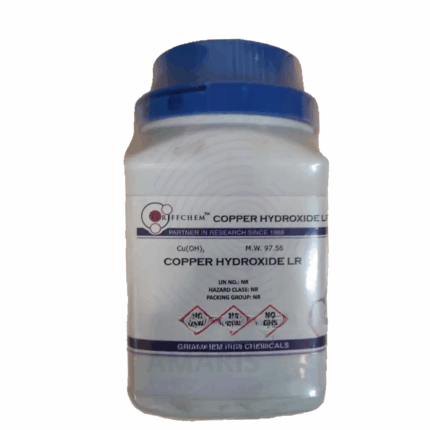
Copper Hydroxide Extra Pure
Copper Hydroxide Extra Pure is a finely powdered, blue-green compound used in laboratory settings for analytical, inorganic, and qualitative chemistry applications. Its high purity makes it ideal for precipitation reactions, synthesis of copper-based compounds, and studies involving hydroxide ion behavior. In educational labs, it demonstrates typical base-metal hydroxide characteristics, such as low solubility and reactivity with acids to form copper salts. Due to its instability under light and air, it should be handled with care and stored in well-sealed, light-resistant containers to maintain its integrity for reliable experimental outcomes.

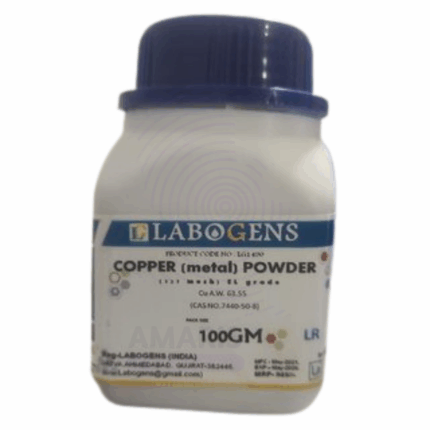
Copper powder Extra Pure
Copper Powder Extra Pure is a fine, reddish-brown metallic powder used extensively in laboratory applications involving redox reactions, catalysis, and the synthesis of organometallic compounds. Its high purity ensures minimal interference from contaminants, making it suitable for analytical studies, electrochemical experiments, and educational demonstrations of metal reactivity and conductivity. This powder also serves as a reducing agent in specific chemical reactions and is often utilized in material science research for investigating particle behavior and surface area effects. It should be handled in a dry, inert environment and stored in tightly sealed containers to prevent oxidation.
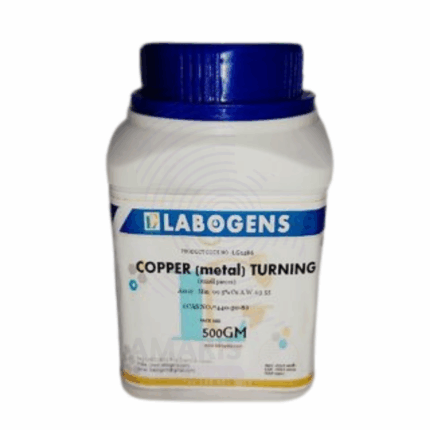
Copper Turnings Extra Pure
Copper Turnings Extra Pure are thin, spiral-shaped shavings of elemental copper, produced from high-purity metal and widely used in laboratory applications requiring clean, reactive metal surfaces. Their large surface area makes them ideal for redox reactions, hydrogen generation experiments, and the preparation of copper salts through acid reactions. In educational and research settings, they are preferred for demonstrations involving displacement reactions and metal activity series studies. The extra pure grade guarantees minimal contamination, ensuring accurate and reproducible results. To prevent oxidation and maintain reactivity, copper turnings should be stored in dry, airtight containers.
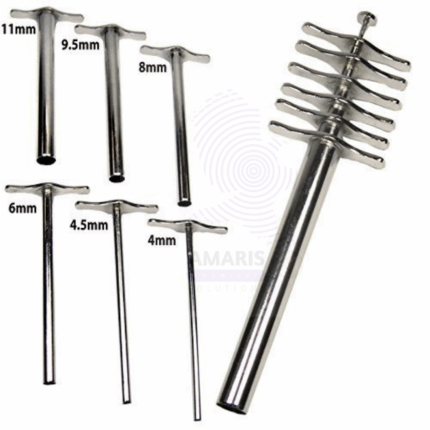
Cork borer set
The Cork Borer Set is a precision instrument set used in laboratories for cutting uniform cylindrical holes through corks, rubber stoppers, and soft polymers. Typically made of durable stainless steel, the set includes multiple hollow borers of varying diameters with sharpened edges, along with a cleaning rod or handle. It is essential for creating accurate openings to insert glass tubing or thermometers into stoppers for experimental setups involving sealed vessels or distillation systems.

Cork Borer Set Sharpener
The Cork Borer Set Sharpener is a specialized tool designed for honing and maintaining the cutting edges of cork borers. Essential for extending the life and performance of laboratory cork borers, this sharpener typically features a conical or tapered grinding surface made of hardened steel or fine abrasive material. It ensures precision cutting by restoring sharpness, which is critical for clean, accurate boring through rubber stoppers, corks, and similar materials. Durable and easy to use, it is a vital accessory in laboratory maintenance kits.

Cork to fit boiling tube cork
Cork to fit boiling tube cork is a precision-cut natural or synthetic cork designed to seal boiling tubes securely in laboratory settings. These corks provide an airtight seal while resisting mild heat and chemical exposure typically encountered in general lab procedures. They help prevent contamination, evaporation, or spillage of contents during storage, gentle heating, or experimental handling. Available in various diameters, these corks are essential for maintaining experimental integrity in both research and industrial laboratories.

Cork to fit boiling tube cork stopper
Cork to Fit Boiling Tube Cork Stopper is a precision-manufactured stopper made from natural or synthetic cork, designed specifically to fit standard boiling tubes. It ensures a snug, secure closure that prevents leaks, contamination, or evaporation during laboratory procedures. These stoppers are essential in both routine and specialized lab applications where temporary sealing of test vessels is required. With good compressibility, mild chemical resistance, and reliable sealing properties, the stopper is a staple in laboratory glassware accessories.
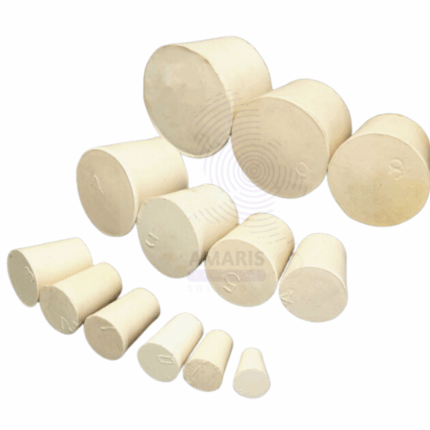
Cork to fit conical flask
Cork to Fit Conical Flask is a tapered sealing component made from natural or synthetic cork, designed to provide a snug, airtight closure for conical (Erlenmeyer) flasks. These stoppers are essential for laboratory procedures requiring the containment of samples, prevention of evaporation, or protection from airborne contaminants. Their compressibility, resistance to mild chemicals, and reusability make them ideal for both general lab work and industrial testing environments. The corks are precisely sized to fit standard flask openings, ensuring compatibility with a wide range of flask volumes.
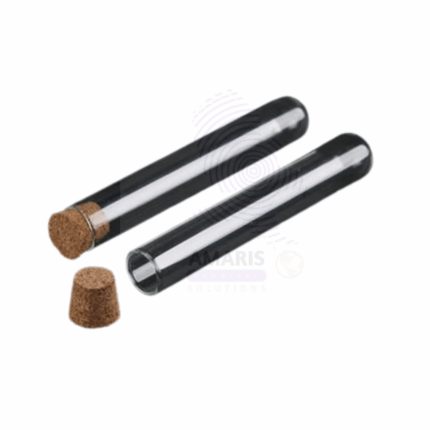
Cork to fit test tube
Cork to Fit Test Tube is a conical sealing component made from natural or synthetic cork, designed specifically to fit snugly into standard laboratory test tubes. It ensures a tight seal that prevents contamination, limits evaporation, and maintains sample integrity during storage or handling. Due to its compressible and chemically resistant structure, it is ideal for routine laboratory operations and industrial testing processes. These corks are available in various sizes to accommodate a wide range of test tube diameters and are compatible with both glass and plastic tubes.
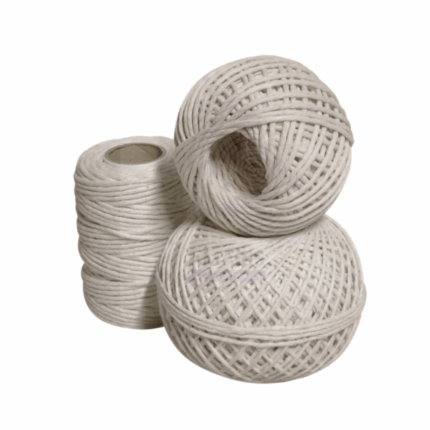
Cotton twine
Cotton Twine is a versatile filament made from twisted strands of natural cotton fibers. It is soft yet durable, offering flexibility and strength for binding, tying, or securing items in both laboratory and industrial environments. Cotton twine is non-abrasive, lint-minimal, and chemically inert to most laboratory reagents, making it suitable for specimen tying, light bundling, or general-purpose securing within controlled settings.
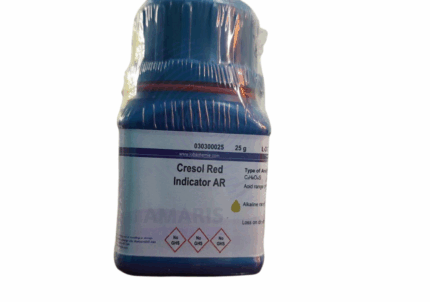
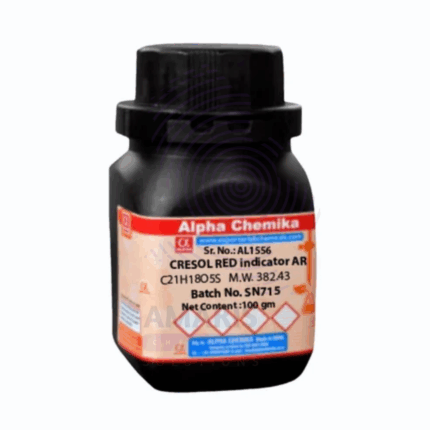
Cresol Red Indicator Extra Pure
Cresol Red Indicator Extra Pure is a high-purity pH indicator dye widely used in laboratory titrations, buffer solutions, and biochemical assays. It exhibits a clear color change from yellow to red over the pH range of approximately 7.2 to 8.8, making it suitable for detecting slight pH shifts in weakly basic environments. Its stable performance and extra pure grade ensure consistent results in analytical chemistry, molecular biology, and spectrophotometric applications. Ideal for use in precise pH monitoring, Cresol Red should be handled with care and stored away from light and moisture to preserve its integrity.
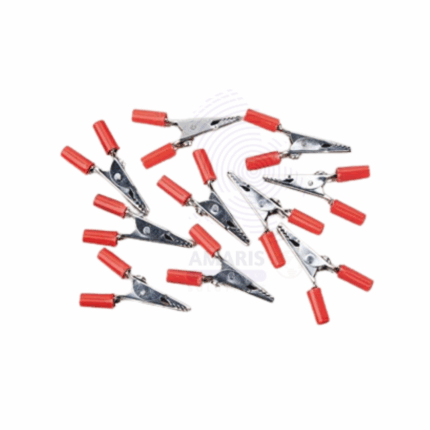
Crocodile Clips
Crocodile Clips are versatile electrical connectors featuring serrated jaws to securely grip wires or terminals. Commonly made from copper or brass with a nickel or chrome plating, these clips ensure reliable conductivity and mechanical stability. Widely used in laboratory and industrial settings for quick temporary electrical connections, testing, and circuit prototyping.
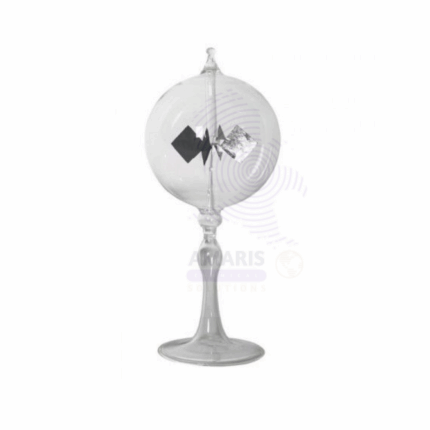
Crookes radiometer
The Crookes Radiometer, also known as a light mill, is a scientific apparatus consisting of a glass bulb containing a partial vacuum and a rotor with vanes coated black on one side and white or silver on the other. When exposed to light or radiant energy, the vanes rotate due to differential thermal transpiration, demonstrating principles of gas kinetics and energy conversion. It is commonly used for educational demonstrations of light pressure and thermodynamics.
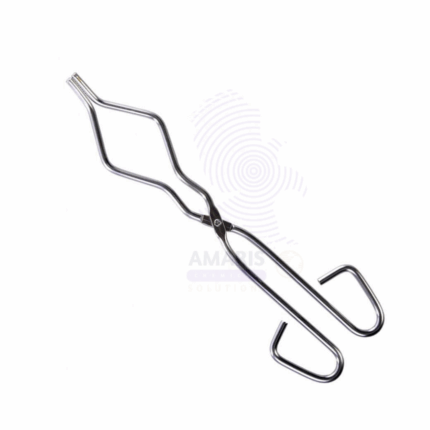
Crucible Tongs
Crucible Tongs are specialized metal tools designed for safely handling hot crucibles, evaporating dishes, and other laboratory apparatus exposed to high temperatures. Made from durable, heat-resistant metals such as stainless steel or nickel-plated steel, these tongs provide a firm grip, ensuring the safe transfer of heated items during laboratory procedures, including heating, melting, and chemical reactions.
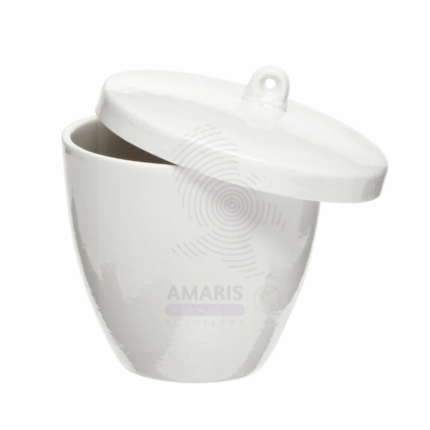
Crucible with lid
Crucible with Lid is a heat-resistant container used in laboratories and industries to heat, melt, or calcine substances at very high temperatures. Typically made from materials such as porcelain, alumina, or graphite, these crucibles can withstand thermal shock and chemical corrosion. The accompanying lid helps contain the sample, minimize contamination, and reduce material loss during heating or combustion processes.
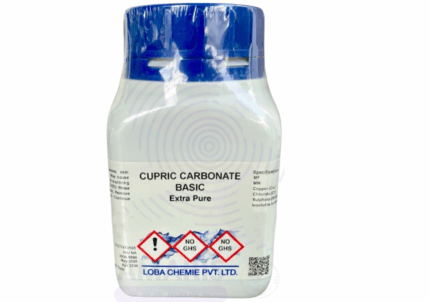
Cupric Carbonate Extra Pure
Cupric Carbonate Extra Pure is a fine, green, high-purity compound used in laboratories for inorganic synthesis, analytical chemistry, and educational demonstrations. It serves as a reliable source of copper ions in reactions and decomposes upon heating to form copper oxide, making it useful for studying thermal decomposition. In qualitative analysis, it is employed to observe characteristic reactions of copper salts. Its extra pure grade ensures minimal interference from impurities, supporting accurate experimental outcomes. Cupric carbonate should be handled in a dry environment and stored in tightly sealed containers to prevent degradation and maintain stability.
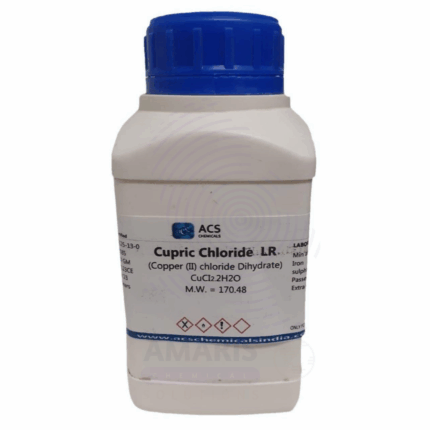
Cupric Chloride Extra Pure
Cupric Chloride Extra Pure is a green to yellowish crystalline compound widely used in laboratories as a catalyst, reagent, and source of copper ions in various chemical reactions. It plays a key role in organic synthesis, photochemical processes, and analytical chemistry procedures, especially for detecting reducing agents and halide ions. Its high solubility in water and alcohol allows for versatile application across wet-lab experiments. The extra pure grade ensures excellent reliability and minimal impurities, making it ideal for precision work in research and education. Store in a cool, dry place, protected from moisture and light to preserve its reactivity.
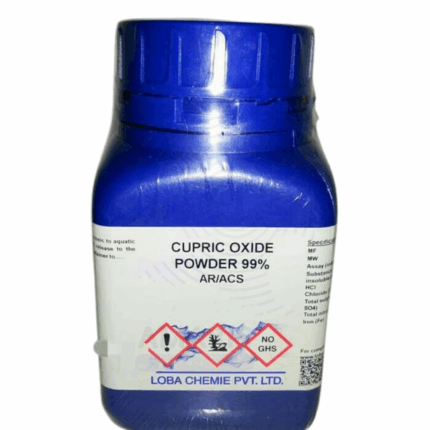
Cupric Oxide Extra Pure
Cupric Oxide Extra Pure is a black, fine powder extensively used in laboratory settings as a stable, high-purity source of copper in oxidation state +2. It is commonly applied in organic synthesis, inorganic reactions, and thermal decomposition studies, as well as in qualitative and quantitative analysis of copper. Its thermal stability also makes it suitable for ceramic glazing and as a precursor in catalyst preparation. This extra pure grade ensures low impurity levels, essential for accurate experimental results and reproducible data in both educational and research laboratories. It should be stored in a tightly sealed container away from moisture and strong acids.
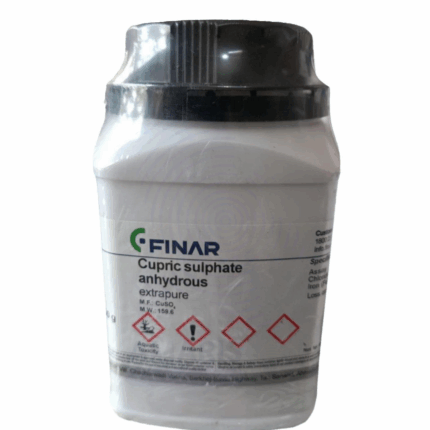
Cupric Sulphate Anhydrous Extra Pure
Cupric Sulphate Anhydrous Extra Pure is a white to grayish crystalline powder that serves as a highly concentrated form of copper(II) sulphate, ideal for laboratory applications requiring precise copper ion concentrations. It is commonly used in analytical chemistry, electroplating studies, and as a reagent in qualitative tests for reducing sugars and proteins. Its dehydrated form is especially suited for moisture-sensitive reactions or as a drying agent in certain chemical processes. The extra pure grade ensures minimal contamination, making it reliable for high-accuracy research and educational experiments. Store in a cool, dry environment to prevent rehydration and degradation.
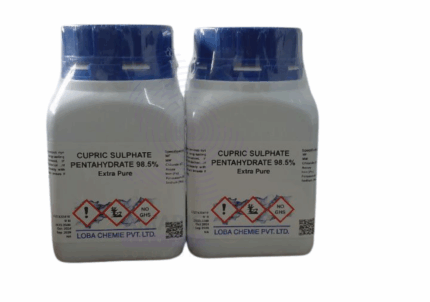
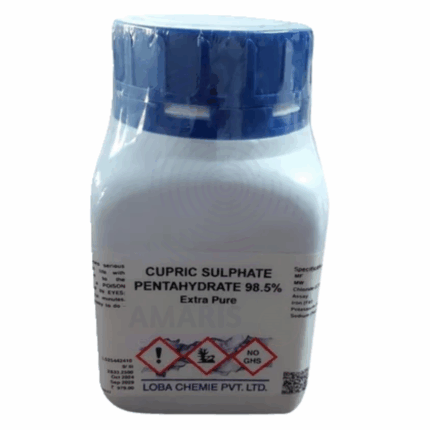
Cupric Sulphate Pentahydrate Extra Pure
Cupric Sulphate Pentahydrate Extra Pure is a vibrant blue crystalline compound widely used in laboratories for its high solubility and consistent copper ion content. It is essential in analytical chemistry for Fehling's and Benedict’s solutions, in electrochemistry for plating and battery experiments, and as a biological nutrient in microbiological media. The pentahydrate form offers ease of handling and precise formulation in aqueous solutions. This extra pure grade ensures exceptional purity, making it suitable for teaching labs, research applications, and controlled experimental procedures. Store in a sealed container away from heat and moisture to maintain its crystalline integrity.
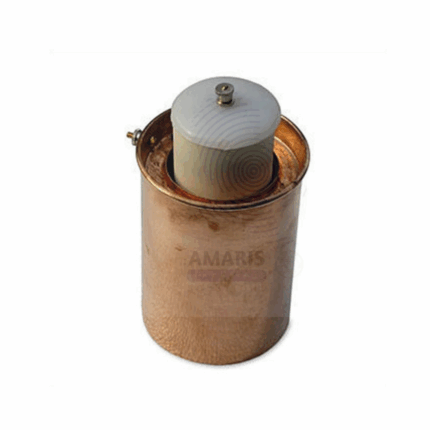
Daniel cell
The Daniel Cell is a classic electrochemical cell consisting of zinc and copper electrodes immersed in their respective sulfate solutions and connected by a salt bridge. It generates electrical energy through redox reactions and is used primarily for educational and laboratory demonstrations in electrochemistry.
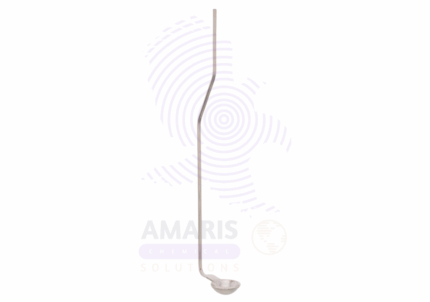
Deflagrating Spoon
The Deflagrating Spoon is a laboratory tool used to heat small quantities of substances in open flame, commonly for combustion and deflagration experiments. It features a small bowl attached to a long metal handle, typically made of stainless steel or heat-resistant alloy. Its design allows safe handling of reactive materials during high-temperature reactions. It is widely used in laboratory and industrial applications involving combustion demonstrations and chemical testing.

Deflagrating Spoon with lid
The Deflagrating Spoon with Lid is a specialized laboratory tool designed for safe combustion and thermal decomposition experiments. It features a heat-resistant spoon fitted with a secure, removable lid to contain and control the release of gases and flames during reactions. Commonly used in chemical demonstrations and analytical labs, this apparatus enhances user safety by minimizing exposure to reactive vapors and preventing splatter. Made from high-grade stainless steel or alloy, it ensures durability, thermal stability, and chemical resistance for repeated high-temperature use in both laboratory and industrial settings.
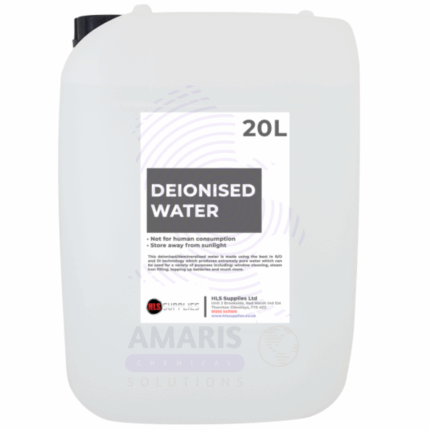
Deionized Water
Deionized Water (DI Water), also known as demineralized water, is highly purified water that has had almost all of its mineral ions (such as sodium, calcium, iron, copper, chloride, and sulfate) removed through ion exchange, reverse osmosis, or other purification methods. It is a clear, colorless, odorless liquid with extremely low electrical conductivity and is considered chemically pure. Deionized water is used in applications where water purity is critical, including pharmaceuticals, electronics, cosmetics, laboratory use, and various industrial processes. Its lack of minerals makes it highly reactive with contaminants, which makes it both useful and sensitive in technical applications.

Deionizer Elga Can
Deionizer Elga Can is a compact, high-efficiency water purification cartridge designed for laboratory and industrial use. It contains mixed-bed ion exchange resins that effectively remove dissolved ionic contaminants, producing high-purity deionized water. This unit is ideal for applications requiring ultrapure water free from minerals, salts, and other charged impurities. The Elga Can is designed for easy integration into existing water systems and is widely used in analytical, biochemical, and industrial processes that demand controlled water quality.
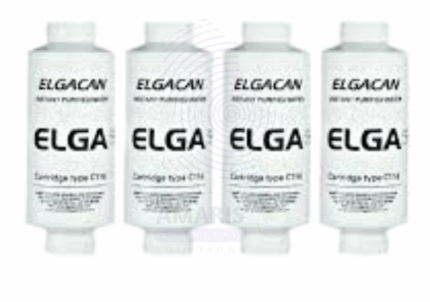
Deionizer With 4 Elga Cans
Deionizer with 4 Elga Cans is a high-capacity water purification system engineered for continuous production of deionized water in laboratory and industrial environments. The system uses four Elga mixed-bed ion exchange cartridges working in parallel or series to ensure extended operation, high throughput, and superior water quality. It removes dissolved ions and minerals effectively, producing ultra-low conductivity water ideal for sensitive analytical, biochemical, and production processes. The modular setup allows for easy replacement and maintenance, making it a reliable solution for facilities with high-purity water demands.
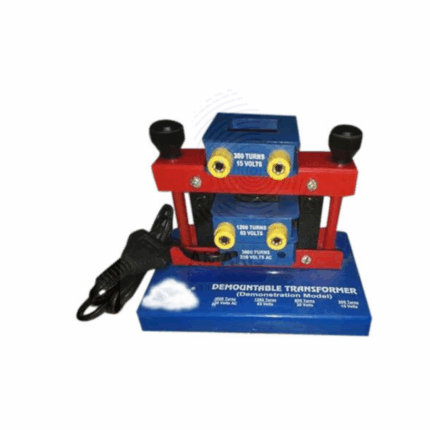
Demonstration transformer
The Demonstration Transformer is an educational and laboratory device designed to illustrate the principles of electromagnetic induction, voltage transformation, and mutual inductance. Typically composed of a laminated iron core with interchangeable primary and secondary coils, it allows for hands-on experiments involving step-up and step-down voltage transformation. Ideal for both laboratory demonstrations and industrial training settings, it supports a range of voltage and current inputs and can safely demonstrate real-time transformer behavior using AC power sources.
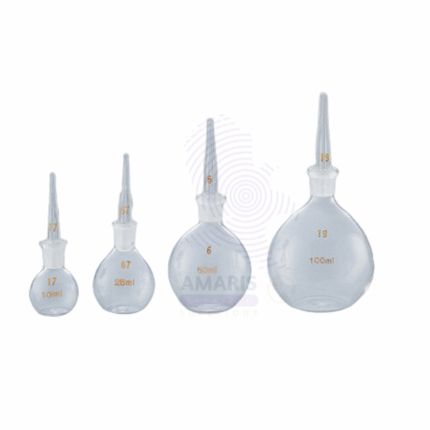
Density Bottle
The Density Bottle is a precision glassware device used for determining the density of liquids by measuring a known volume and mass. Typically made from high-quality borosilicate glass, the bottle features a tight-fitting stopper with a capillary hole to allow excess liquid to escape, ensuring volume accuracy. It is commonly used in laboratory settings for experiments in physical chemistry, materials science, and industrial quality control processes. The device provides a reliable method for comparing the density of various substances with high repeatability.

Desiccators with Knob
Desiccators with Knob are specialized laboratory containers designed to preserve moisture-sensitive materials by providing a dry, airtight environment. Constructed from high-quality borosilicate glass or durable plastic, these desiccators feature a tightly sealed lid with a central knob for easy handling and secure closure. The knob allows convenient lifting and placement of the lid without compromising the internal vacuum or dry atmosphere. Commonly used with desiccant agents like silica gel, they are ideal for drying samples, storing hygroscopic chemicals, or preventing atmospheric contamination. Desiccators with knobs are indispensable in laboratory, pharmaceutical, and industrial settings for maintaining low-humidity conditions during experiments or storage.
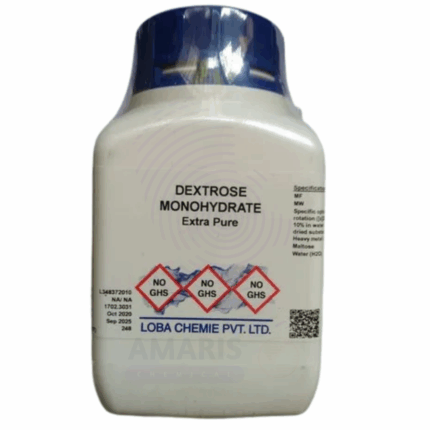
Dextrose Monohydrate Extra Pure
Dextrose Monohydrate Extra Pure is a high-purity crystalline form of glucose containing one molecule of water. It is widely used in laboratory settings as a carbon source in microbial culture media, fermentation processes, and biochemical assays. Its precise composition and consistent solubility make it ideal for preparing nutrient solutions, buffers, and test reagents. In research and educational labs, it supports various metabolic and enzymatic studies. This extra pure grade ensures minimal impurities, providing reliable results in sensitive analytical and biological applications. Store in a tightly sealed container in a cool, dry place to preserve its quality and prevent clumping.












