

 Preservatives(food)
 Flavor Enhancers
 Acidulants
 Sweeteners
 Antioxidants
 Colorants(food)
 Nutraceutical Ingredients (food)
 Nutrient Supplements
 Emulsifiers
 Collectors
 Dust Suppressants
 Explosives and Blasting Agents
 Flocculants and Coagulants
 Frothers
 Leaching Agents
 pH Modifiers
 Precious Metal Extraction Agents
 Antioxidants(plastic)
 Colorants (Pigments, Dyes)
 Fillers and Reinforcements
 Flame Retardants
 Monomers
 Plasticizers
 Polymerization Initiators
 Stabilizers (UV, Heat)
 Antifoaming Agents
 Chelating Agents
 Coagulants and Flocculants
 Corrosion Inhibitors
 Disinfectants and Biocides
 Oxidizing Agents
 pH Adjusters
 Scale Inhibitors( water)
 Antioxidants(cosmetic)
 Emollients
 Fragrances and Essential Oils
 Humectants
 Preservatives
 Surfactants(cosmetic)
 Thickeners
 UV Filters
 Fertilizers
 Soil Conditioners
 Plant Growth Regulators
 Animal Feed Additives
 Biostimulants
 Pesticides (Herbicides, Insecticides, Fungicides)
 Active Pharmaceutical Ingredients (APIs)
 Excipients
 Solvents(pharmaceutical)
 Antibiotics
 Antiseptics and Disinfectants
 Vaccine Adjuvants
 Nutraceutical Ingredients (pharmaceutical)
 Analgesics & Antipyretics
 Analytical Reagents
 Solvents(lab)
 Chromatography Chemicals
 Spectroscopy Reagents
 microbiology-and-cell-culture-reagents
 Molecular Biology Reagents
 Biochemical Reagents
 Inorganic and Organic Standards
 Laboratory Safety Chemicals
 Specialty Laboratory Chemicals(Special Laboratory Equipment)
 Demulsifiers
 Hydraulic Fracturing Fluids
 Scale Inhibitors(oil)
 Surfactants(oil)
 Drilling Fluids
 Dyes and Pigments
 Bleaching Agents
 Softening Agents
 Finishing Agents
 Antistatic Agents
 Admixtures
 Waterproofing Agents
 Sealants and Adhesives
 Curing Compounds
 Concrete Repair Chemicals
 Anti-Corrosion Coatings
 Surfactants(cleaning)
 Builders
 Enzymes
 Solvents (Cleaning)
 Fragrances
 Electronic Chemicals
 Catalysts
 Lubricants
 Photographic Chemicals
 Refrigerants
 Automotive chemicals
 Pyrotechnic Chemicals
 Biodegradable Surfactants
 Bio-based Solvents
 Renewable Polymers
 Carbon Capture Chemicals
 Wastewater Treatment Chemicals
 Pigments
 Solvents(paint)
 Specialty Coatings
 Binders/Resins
 Additives
 Driers
 Anti-Corrosion Agents
 Functional Coatings
 Application-Specific Coatings
 Leavening Agents
 Dough Conditioners
 Flour Treatments
 Fat Replacers
 Decoratives
 Preservatives(baking)
 Plasticizers & Softeners
 Reinforcing Agents
 Adhesion Promoters
 Vulcanizing Agents
 Antidegradants
 Blowing Agents
 Fillers & Extenders
 Accelerators & Retarders

















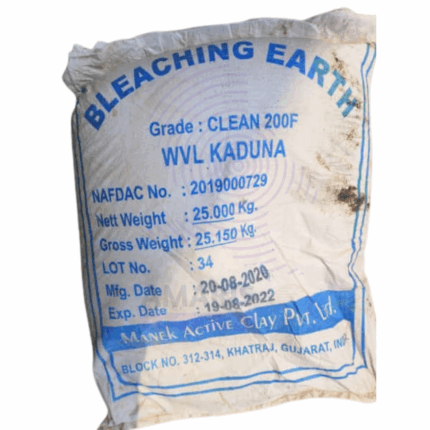
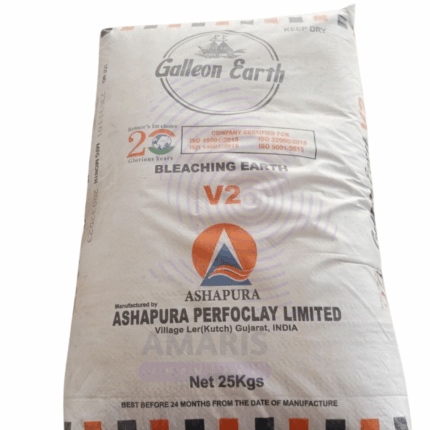
Bleaching Earth
Bleaching Earth is a fine, highly adsorptive clay material derived primarily from bentonite or montmorillonite, and in some cases from attapulgite or sepiolite. It is typically activated using acid treatment to enhance its surface area and pore structure. It is widely used to remove color, contaminants, impurities, and odors from edible oils, fats, waxes, petroleum products, and various industrial fluids. Its high adsorption capacity, non-toxic nature, and effectiveness in filtration make it essential in food processing, chemical industries, cosmetics, and waste treatment applications.
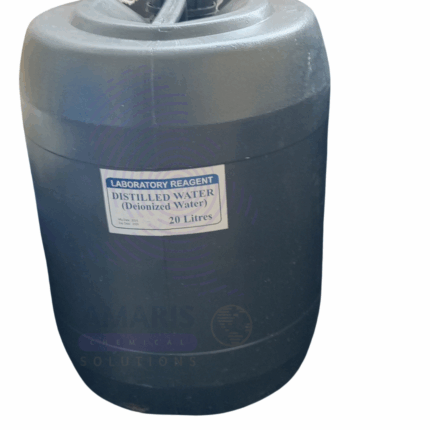
Distilled Water
Distilled Water is purified water that has been processed through distillation, a method involving evaporation and subsequent condensation to remove impurities, salts, minerals, and organic matter. This results in ultra-pure, clear, odorless, and tasteless water free of dissolved solids and contaminants. Distilled water is non-conductive, neutral in pH under ideal storage, and chemically stable. It is widely used across pharmaceutical, laboratory, medical, industrial, and consumer applications where high water purity is critical.

Magnesium Sulphate (Epsom Salt)
Magnesium Sulphate Epsom Salt, commonly known as Epsom Salt, is an inorganic salt composed of magnesium, sulfur, and oxygen with the formula MgSO₄. It typically appears as colorless or white crystalline granules and is highly soluble in water. In its heptahydrate form (MgSO₄·7H₂O), it is widely used in agriculture, pharmaceuticals, food, and industrial applications. Epsom Salt is valued for its muscle relaxant, laxative, and magnesium supplementation properties, as well as for its role in improving soil fertility and plant growth.

Talcum Powder (Talc)
Talcum Powder is a naturally occurring mineral composed primarily of hydrated magnesium silicate. It is known for its softness, absorbency, and lubricating properties. Talc is widely used in cosmetic, pharmaceutical, industrial, and consumer products due to its ability to absorb moisture, improve texture, and provide a smooth, silky feel. The powder form allows easy dispersion and application across diverse sectors.
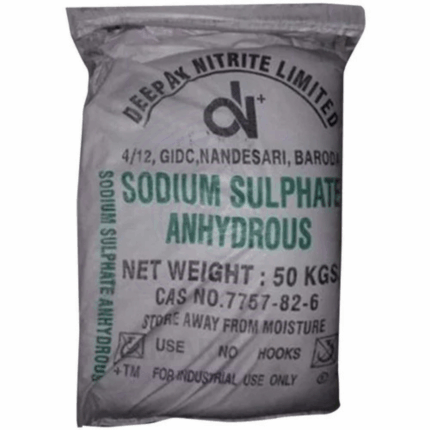
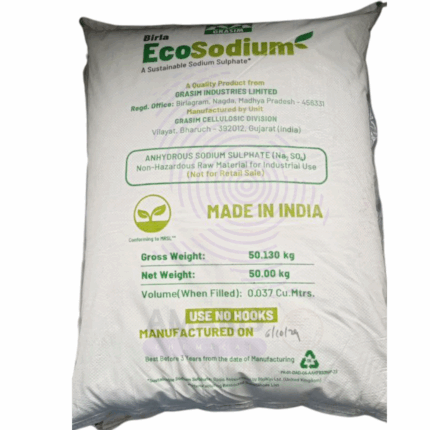
Sodium Sulphate Anhydrous
Sodium Sulphate Anhydrous (Na₂SO₄) is a white crystalline powder, odorless and highly soluble in water. Unlike the decahydrate form (Glauber's salt), this anhydrous grade contains minimal water content, making it ideal for industrial applications requiring low moisture levels. Supplied in 25kg packaging, it is widely used as a filler, drying agent, and raw material in detergents, glass manufacturing, pulp and paper, and chemical synthesis. Its excellent stability, non-hygroscopic nature, and cost-effectiveness make it an essential bulk chemical.

Sodium Bicarbonate
Sodium Bicarbonate, commonly known as Baking Soda, is a white crystalline powder with a mildly alkaline taste. It is widely used across multiple industries for its excellent buffering, neutralizing, and leavening properties. This compound is safe for food applications and also finds uses in pharmaceuticals, cleaning, and industrial processes. Its ability to react with acids releasing carbon dioxide makes it essential for baking and other chemical applications.
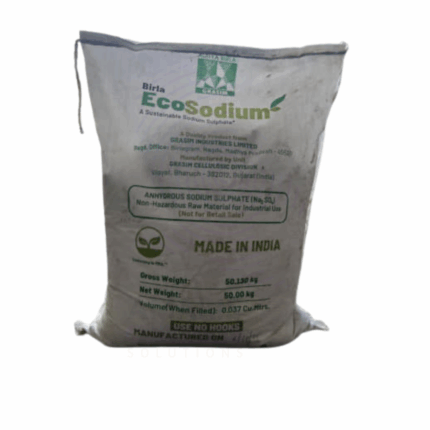
Sodium Sulphate
Sodium Sulphate (Na₂SO₄) is a white crystalline powder or granule, odorless and highly soluble in water. This 25kg packaged product is widely used in detergents, glass manufacturing, chemical industries, and pulp and paper processing. It acts as a filler, bulking agent, and drying agent, with excellent stability and non-reactivity under standard storage conditions. Its cost-effectiveness and availability make it an essential raw material in many industrial processes.
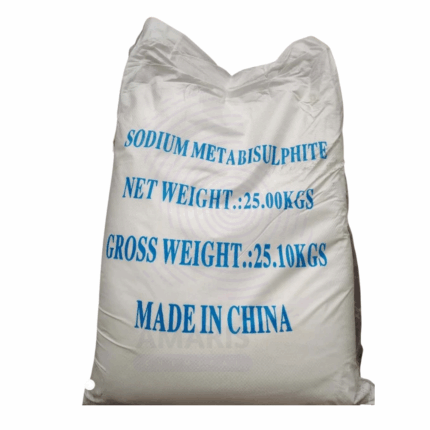
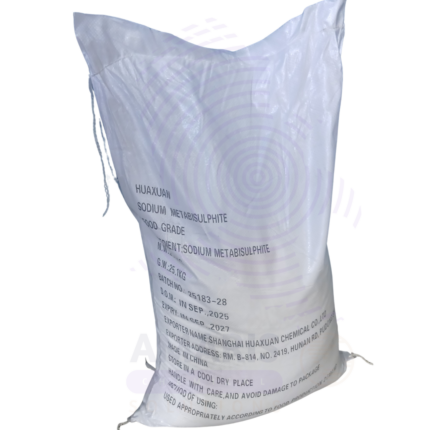
Sodium Metabisulphite
Sodium Metabisulphite is a white crystalline powder widely used as an antioxidant, disinfectant, and preservative. It dissolves readily in water, releasing sulfur dioxide, which acts as a powerful antimicrobial and antioxidant agent. This chemical finds broad applications in food processing, water treatment, pharmaceuticals, and industrial manufacturing to prevent spoilage, control microbial growth, and protect equipment from corrosion.
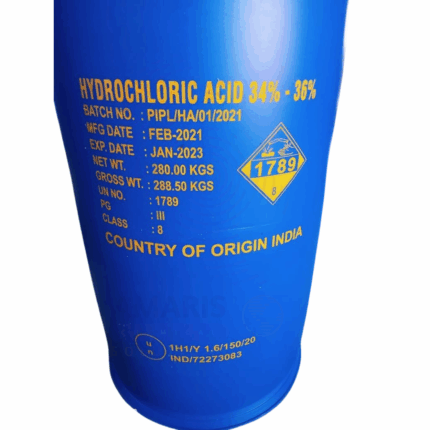
Hydrochloric Acid
Hydrochloric Acid HCL is a highly corrosive, strong mineral acid consisting of hydrogen chloride gas dissolved in water to a concentration of approximately 33% by weight. It appears as a clear, colorless to slightly yellow liquid with a sharp, pungent odor. HCl 33% is widely used in industrial, chemical, and laboratory applications due to its strong acidic properties, high reactivity, and versatility. It plays a crucial role in pH control, metal processing, chemical synthesis, and cleaning processes across numerous sectors.
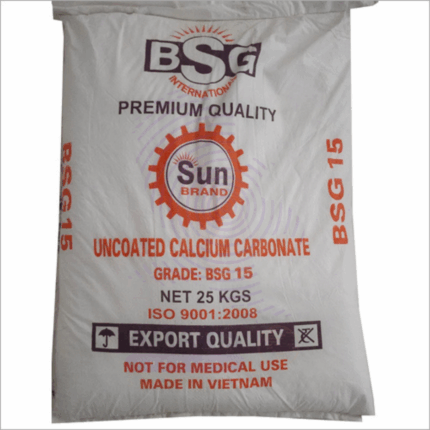
Calcium Carbonate Uncoated
Calcium Carbonate Uncoated is a naturally occurring mineral compound composed primarily of calcium, carbon, and oxygen with the chemical formula CaCO₃. It appears as a fine white powder or granules, widely used as a filler, pigment, and functional additive across various industries. The uncoated form means the calcium carbonate particles are not surface-treated, retaining their natural properties. It is valued for its high brightness, whiteness, and excellent compressibility. Uncoated calcium carbonate is used to enhance opacity, improve processing, and reduce costs in plastics, paints, coatings, adhesives, rubber, paper, and construction materials.
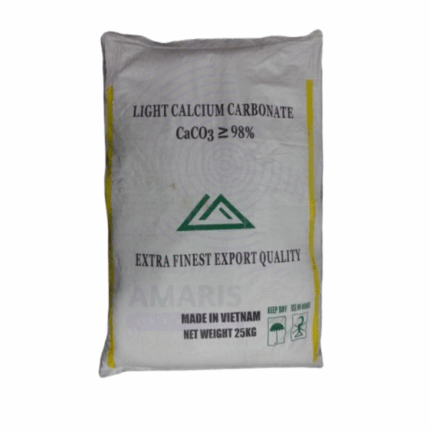
Calcium Carbonate Light
Calcium Carbonate Light is a finely ground, low bulk density natural mineral composed primarily of calcium carbonate (CaCO₃). Compared to standard grades, it has a lower density and larger particle size distribution, making it suitable for applications where light weight and high brightness are important. This form is extensively used as a filler and extender in industries such as plastics, paints, rubber, paper, adhesives, and construction materials to improve opacity, brightness, and texture, while maintaining low weight and cost efficiency. Its chemical inertness and whiteness provide functional and aesthetic advantages across formulations.
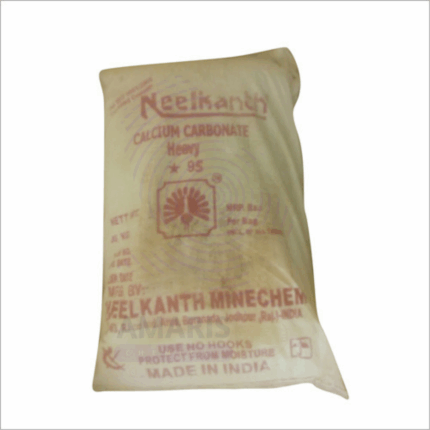
Calcium Carbonate Heavy
Calcium Carbonate Heavy is a high-density, finely ground, natural mineral primarily composed of calcium carbonate (CaCO₃). Known for its higher bulk density compared to regular grades, this filler is widely used in applications requiring enhanced weight, opacity, and strength. It is commonly employed as a functional filler and extender in industries such as plastics, paints, coatings, adhesives, rubber, paper, and construction materials. Its inert nature, whiteness, and particle size distribution make it suitable for improving mechanical properties and surface finish, while also offering cost efficiency by replacing more expensive raw materials.
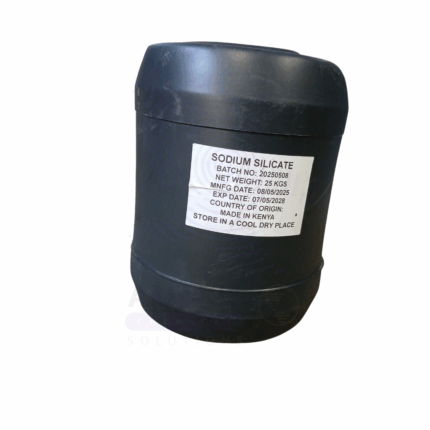
Sodium Silicate
Sodium Silicate is a water-soluble, viscous alkaline liquid with the general formula Na₂SiO₃ (ratios vary). Commonly referred to as water glass or liquid glass, it appears as a clear to slightly cloudy solution. This 20-litre packaged product is known for its excellent adhesive, binding, and sealing properties. It is widely used in industrial, construction, detergent, and water treatment applications. Sodium silicate forms a glassy film upon drying and resists high temperatures and chemical attack, making it extremely versatile across many industries.
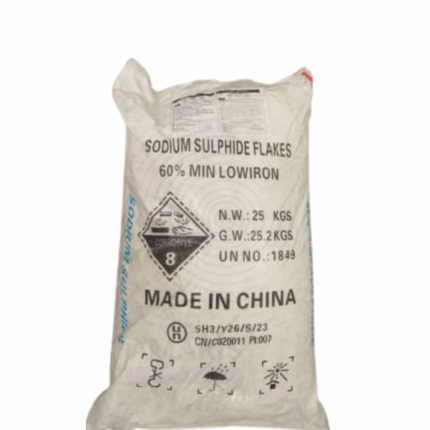
Sodium Sulphide
Sodium Sulphide (Na₂S) is a yellow to red-yellow crystalline solid or powder with a characteristic odor of hydrogen sulfide. It is highly soluble in water, forming strongly alkaline solutions. This 25kg packaged product is widely used in the chemical, leather, pulp and paper, and textile industries as a reducing agent, sulfur donor, and in flotation processes. Due to its strong reducing properties and reactivity, it must be handled with care under proper safety measures.
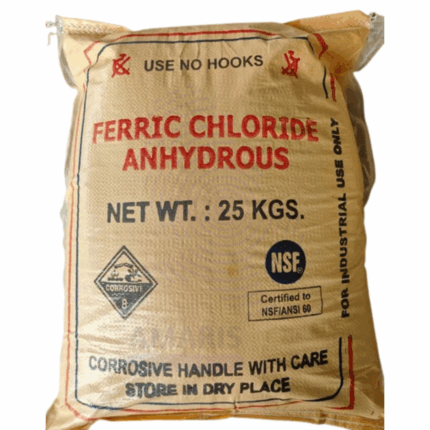
Ferric Chloride Anhydrous
Ferric Chloride Anhydrous (FeCl₃) is a dark brown to black crystalline solid with a metallic luster. It is a highly corrosive, hygroscopic inorganic salt widely used as a chemical reagent, catalyst, and coagulant. In its anhydrous form, ferric chloride is free of water and has a high purity of approximately 98%. It readily dissolves in water, releasing heat and producing acidic solutions. Ferric chloride is valued for its strong Lewis acid properties, making it effective in a variety of industrial, laboratory, and environmental applications. It is commonly supplied as a solid crystalline powder or lumps and should be handled with care due to its corrosive nature.
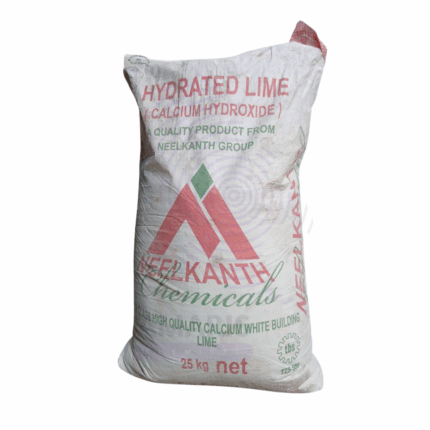
Calcium Hydroxide Hydrated Lime
Calcium Hydroxide Hydrated Lime, commonly known as Hydrated Lime or Slaked Lime, is an inorganic compound with the chemical formula Ca(OH)₂. It appears as a white, odorless, powder or crystalline solid. It is produced by treating quicklime (calcium oxide) with water in a process called slaking. Calcium Hydroxide is moderately soluble in water, forming a strongly alkaline solution known as limewater. It is widely used in construction, environmental, chemical, agricultural, and water treatment applications due to its caustic, neutralizing, and flocculating properties.

Magnesium Oxide
Magnesium Oxide (MgO) is a white, odorless, alkaline earth metal oxide powder. It is produced by calcining magnesium carbonate or hydroxide at high temperatures, resulting in a fine, white powder with a high melting point. Magnesium Oxide is widely used for its refractory properties, chemical stability, and ability to neutralize acids. It serves important roles in pharmaceuticals, agriculture, environmental applications, and various industrial processes.
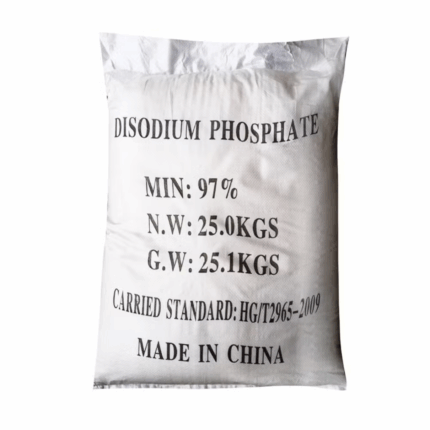
Disodium Phosphate
Disodium Phosphate, also known as sodium phosphate dibasic, is an inorganic compound widely used for its buffering, emulsifying, and chelating properties. It commonly appears as a white, odorless crystalline powder or granules that are highly soluble in water and alkaline in nature. Disodium Phosphate plays a vital role in regulating pH, improving stability in formulations, and providing essential sodium and phosphate ions. It finds extensive use across food processing, pharmaceuticals, water treatment, agriculture, and industrial applications.
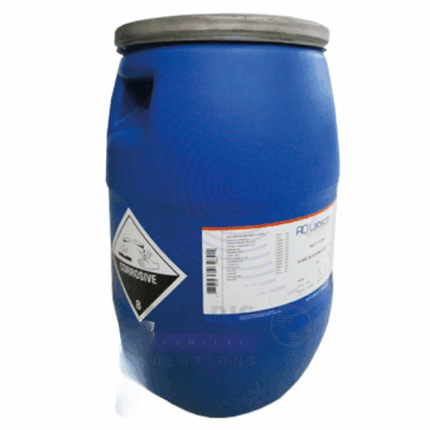
Disodium Hydrogen Phosphate
Disodium Hydrogen Phosphate, also known as sodium phosphate dibasic, is an inorganic salt widely used as a buffering agent, emulsifier, and food additive. It appears as a white, odorless crystalline powder or granules that are highly soluble in water and alkaline in nature. It plays a crucial role in maintaining pH balance, stabilizing formulations, and supplying essential sodium and phosphate ions in various industries including food, pharmaceuticals, water treatment, and agriculture.
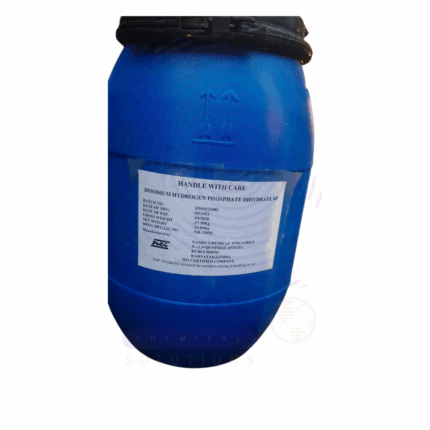
Disodium Hydrogen Phosphate Dihydrate
Disodium Hydrogen Phosphate Dihydrate is the hydrated form of disodium hydrogen phosphate, a white crystalline powder commonly used as a buffering agent, emulsifier, and sequestrant. The dihydrate form contains two water molecules per formula unit, which affects its physical properties such as melting point and solubility. It is widely applied in food, pharmaceutical, water treatment, and industrial processes to maintain pH stability, improve texture, and supply essential sodium and phosphate ions.
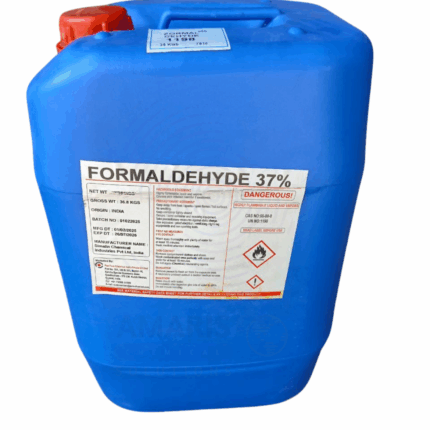
Formaldehyde (Formalin)
Formaldehyde (Formalin) is an aqueous solution containing approximately 37% formaldehyde by weight, stabilized typically with 10-15% methanol to prevent polymerization. It is a clear, colorless liquid with a pungent, penetrating odor. Formaldehyde is a simple aldehyde widely used as a disinfectant, preservative, and chemical intermediate. Formalin’s powerful antimicrobial and tissue-fixation properties make it essential in medical, laboratory, industrial, and manufacturing applications. It is one of the most commonly used chemicals worldwide for sterilization, embalming, and resin production.
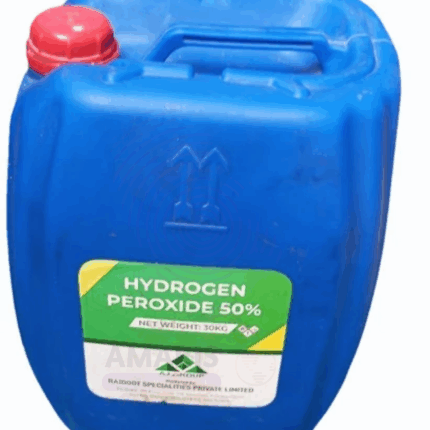
Hydrogen Peroxide Tech Grade
Hydrogen Peroxide Tech Grade is a highly concentrated aqueous solution of hydrogen peroxide (H₂O₂) designed primarily for industrial and technical applications. It is a clear, colorless liquid with a sharp, acrid odor. Known for its strong oxidizing, bleaching, and disinfecting properties, this tech-grade formulation is typically used where high reactivity is required, often in non-food processes. It decomposes into environmentally benign by-products—water and oxygen—making it a preferred agent for sustainable industrial processes.
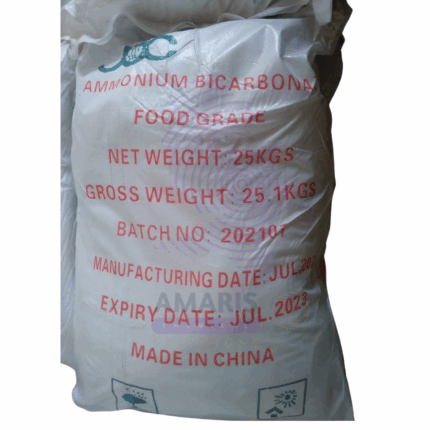
Ammonium Bicarbonate
Ammonium bicarbonate is a white crystalline powder or granules with a slightly alkaline taste and a characteristic ammoniacal odor. It is a white solid that decomposes readily on heating, releasing ammonia, carbon dioxide, and water vapor. It is widely used in the food industry as a leavening agent, in chemical synthesis, and in various industrial applications. Its unique property of decomposing to release gases makes it valuable for baking and other processes where gas release is desired.
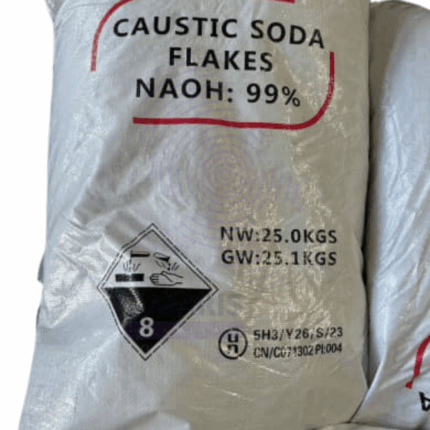
Caustic Soda Flakes (Sodium Hydroxide)
Caustic Soda Flakes, also known as Sodium Hydroxide Flakes (NaOH), are a highly alkaline, white, solid substance that is crystalline and flaky in form. Produced by evaporating aqueous sodium hydroxide solutions, these flakes are highly soluble in water and exhibit strong corrosive properties. Caustic Soda Flakes are widely used in a variety of industrial, chemical, and manufacturing processes due to their strong alkalinity, ability to saponify fats, and effectiveness in pH adjustment. Their high purity and ease of handling in flake form make them suitable for use in chemical synthesis, pulp and paper production, water treatment, and detergent manufacturing.
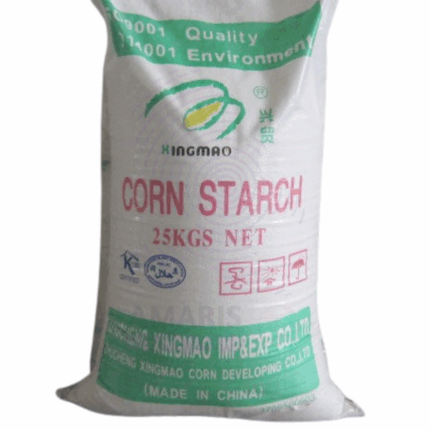
Corn Starch Industrial Grade
Corn Starch Industrial Grade is a finely milled, white powder derived from the endosperm of maize (Zea mays). Unlike food-grade starch, industrial grade is tailored for non-food applications where its thickening, adhesive, and film-forming properties are exploited. It consists primarily of amylose and amylopectin polysaccharides and is valued for its biodegradability, renewability, and cost-effectiveness. Industrial corn starch is used extensively as a raw material or functional additive across a wide variety of manufacturing processes, including paper, textiles, adhesives, and packaging industries.
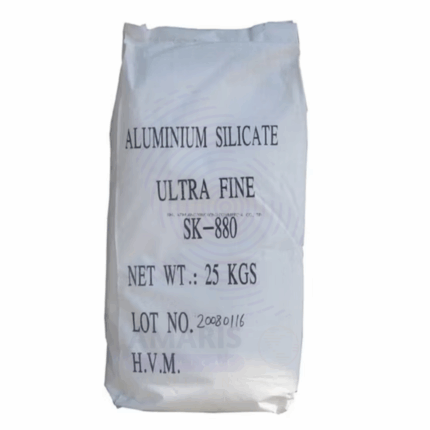
Aluminium Silicate
Aluminium silicate is an inorganic compound composed of aluminum, silicon, and oxygen, often found naturally as a major component of clay minerals such as kaolinite, halloysite, and other aluminosilicates. It is a white to off-white powder with excellent thermal stability, chemical inertness, and physical durability. Due to its wide range of physicochemical properties—including high melting point, non-toxicity, and adsorptive capabilities—aluminium silicate is extensively used across diverse industries including ceramics, paints, paper, rubber, plastics, cosmetics, and pharmaceuticals. Its unique structure imparts benefits such as heat resistance, improved mechanical strength, and anti-caking properties, making it a vital raw material in both industrial and consumer products.
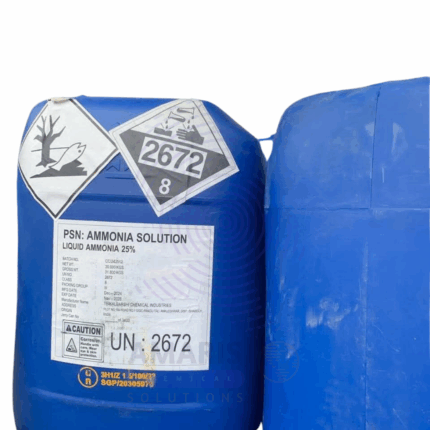
Ammonia solution
Ammonia solutions, often referred to as aqueous ammonia or ammonium hydroxide, are clear, colorless liquids consisting of ammonia gas dissolved in water. The concentration of ammonia in these solutions typically ranges from 5% to 35% by weight. Ammonia solutions possess a pungent odor characteristic of ammonia gas and are alkaline with a pH typically between 11 and 12.5. This solution is widely used across various industries due to its excellent cleaning properties, reactivity, and role as a nitrogen source.


Ammonium Chloride
Ammonium chloride is a white crystalline salt with a salty, slightly acidic taste. It is highly soluble in water and is widely used in various industrial, agricultural, and pharmaceutical applications. It acts as a nitrogen source in fertilizers, a flux in metalworking, and an expectorant in medicine. Its versatility and relatively low toxicity make it an important compound in multiple sectors.

Ammonium Acetate
Ammonium acetate is a white crystalline solid or granular powder that is highly soluble in water. It is the ammonium salt of acetic acid and commonly appears as a colorless, odorless compound. Ammonium acetate is widely used in laboratories, chemical synthesis, food industry, pharmaceuticals, and industrial applications due to its buffering capacity and ability to provide both ammonium and acetate ions in solution. It functions as a neutral salt and is valued for its role as a pH buffer, reagent, and stabilizer.
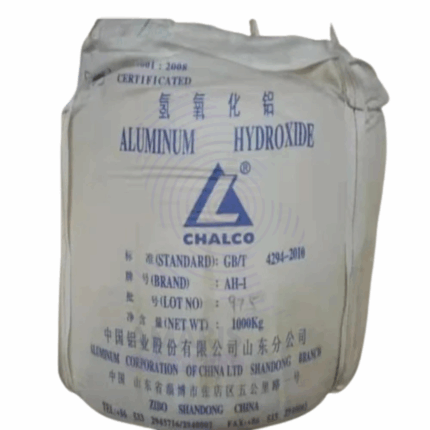
Aluminum hydroxide
Aluminum Hydroxide, chemically known as Al(OH)₃, is a white, odorless, and odorless powder or gelatinous substance. It is widely used in pharmaceuticals as an antacid to neutralize stomach acid and relieve indigestion and heartburn. Beyond healthcare, aluminum hydroxide is a crucial component in water purification, fire retardants, and as a precursor or filler in various industrial applications. It functions as a flame retardant by releasing water upon heating, thus cooling the material and diluting flammable gases. Due to its amphoteric nature, it can react both as an acid and base, enhancing its versatility. Aluminum hydroxide is often utilized in manufacturing aluminum salts and in producing aluminum oxide.
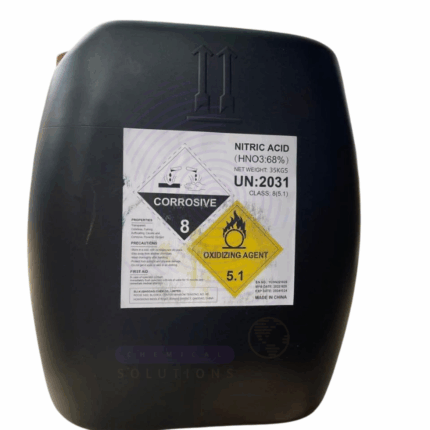
Nitric Acid
Nitric Acid is a concentrated aqueous solution of nitric acid (HNO₃) commonly used as a strong oxidizing acid in numerous industrial, laboratory, and manufacturing processes. It is a highly corrosive, colorless to yellowish liquid with a pungent odor. Nitric Acid 68% is fundamental in the production of fertilizers, explosives, dyes, and pharmaceuticals. It is also widely used in metal treatment, etching, and cleaning applications due to its powerful oxidizing and nitrating properties.
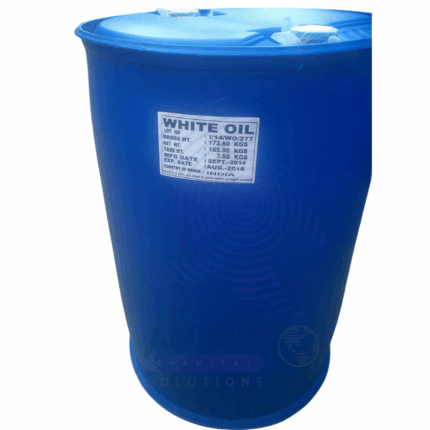
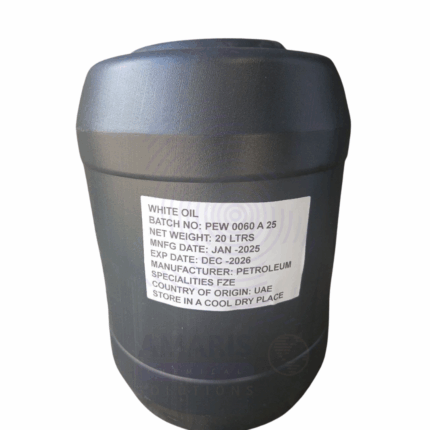
White Oil
White Oil, also known as Mineral Oil or Liquid Paraffin, is a highly refined, clear, odorless, and tasteless petroleum-derived oil. It is composed of saturated aliphatic hydrocarbons and is available in various viscosity grades depending on the intended application. The product is extensively purified to remove aromatic hydrocarbons, sulfur compounds, and other impurities, making it suitable for use in personal care, pharmaceutical, food, and industrial applications. White Oil is prized for its excellent lubricity, moisture barrier function, chemical stability, and non-comedogenic properties.
White Oil supplied in a 162 kg drum format is typically used in bulk manufacturing and industrial-scale processing across multiple sectors.
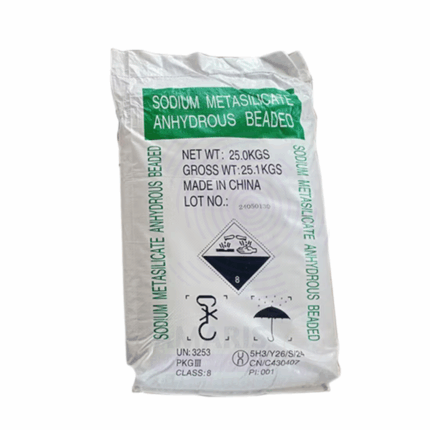
Sodium Metasilicate Anhydrous
Sodium Metasilicate Anhydrous is a white crystalline solid known for its alkaline properties and high solubility in water. It is widely used in industrial cleaning, detergent formulations, water treatment, and as a corrosion inhibitor. The anhydrous form is preferred where moisture sensitivity is a concern. It acts as a strong alkaline builder, improving the effectiveness of detergents and degreasers. This product is also used in adhesives, cement, and ceramics due to its binding and strengthening properties.
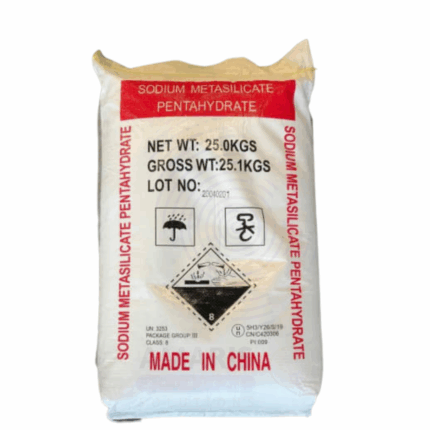
Sodium Metasilicate Pentahydrate
Sodium Metasilicate Pentahydrate is a white crystalline solid containing five molecules of water of crystallization. It is widely used for its alkaline and detergent properties, making it effective in cleaning, water treatment, and as a corrosion inhibitor. The pentahydrate form is commonly preferred in detergent and industrial applications where controlled moisture content is beneficial. It dissolves readily in water, forming strongly alkaline solutions useful in various industries.
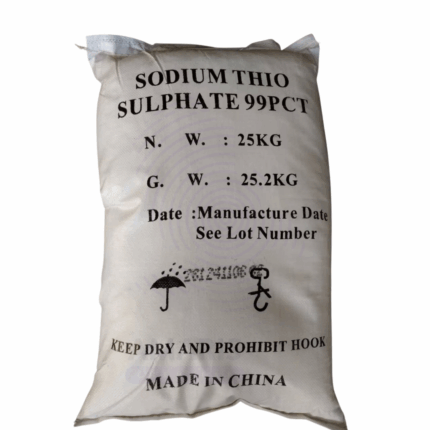
Sodium Thiosulphate
Sodium Thiosulphate (Na₂S₂O₃) is a white, crystalline, odorless powder or granular solid highly soluble in water. This 25kg packaged chemical is widely used in photographic processing, water treatment, chemical synthesis, and medicine. Known for its reducing and complexing properties, it acts as an effective dechlorinating agent and fixer in photography by dissolving silver halides. It is stable under normal conditions and easily handled for industrial and laboratory applications.
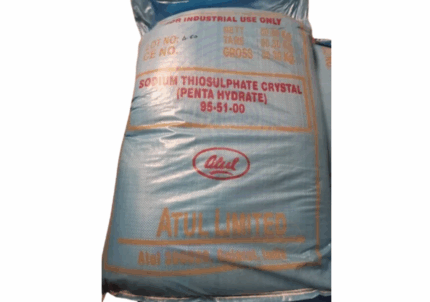
Sodium Thiosulphate Pentahydrate
Sodium Thiosulphate Pentahydrate (Na₂S₂O₃·5H₂O) is a white crystalline solid that is highly soluble in water. It is commonly used as a photographic fixer, reducing agent, and in water treatment processes. This 25kg packaged product contains five molecules of water of crystallization, which makes it more stable and easier to handle in industrial and laboratory applications. It is widely used to dechlorinate water, remove heavy metals, and in analytical chemistry for iodometric titrations.
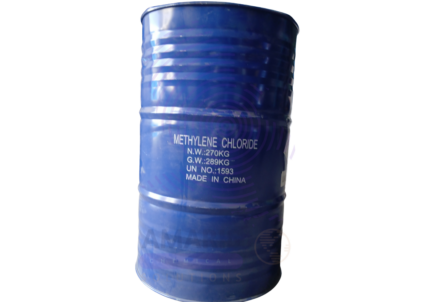
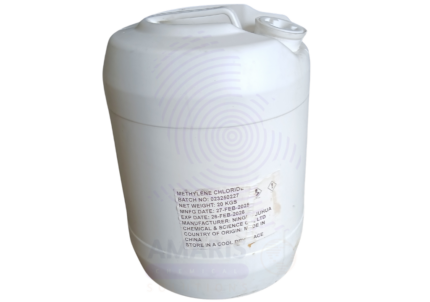
Methylene Chloride (Dichloromethane)
Methylene Chloride (Dichloromethane), also known as methylene chloride, is a volatile, colorless liquid with a sweet, chloroform-like odor. It is a chlorinated solvent widely used in industrial, pharmaceutical, and laboratory applications due to its excellent solvent properties, including high volatility, moderate polarity, and low boiling point (about 39.6°C). DCM is prized for its ability to dissolve a wide range of organic compounds, making it ideal for extraction, paint stripping, degreasing, and chemical processing. However, due to health and environmental concerns, its use is regulated and controlled in many countries.

Liquid Chlorine
Liquid Chlorine is a pale yellow-green, highly reactive chemical primarily composed of chlorine dissolved in water or as liquefied chlorine gas under pressure. It is widely used as a powerful disinfectant, bleaching agent, and oxidizer in water treatment, sanitation, and various industrial applications. Due to its strong antimicrobial properties, liquid chlorine effectively controls bacteria, viruses, algae, and other microorganisms, ensuring safe potable water and hygienic conditions.
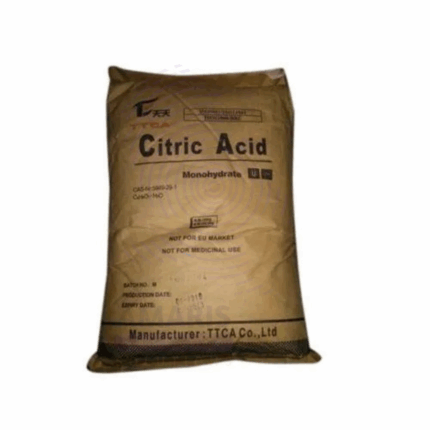
Citric Acid Monohydrate
Citric Acid Monohydrate is a white, crystalline powder or granule form of citric acid containing one molecule of water per molecule of acid. It is a natural organic acid commonly derived from citrus fruits or produced by fermentation processes. Citric Acid Monohydrate is widely used as an acidulant, preservative, and chelating agent in various industries. Compared to the anhydrous form, it has a slightly lower acid concentration due to the water molecule but offers excellent solubility and stability. It is prized for its sour flavor, buffering capacity, and ability to bind metal ions, making it indispensable in food, pharmaceutical, cosmetic, and industrial applications.
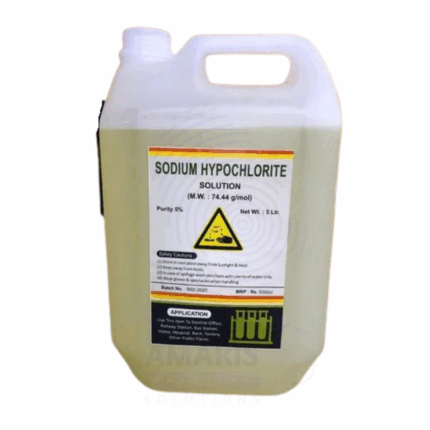
Sodium Hypochlorite
Sodium Hypochlorite 10-12% (commonly known as Jik) is a clear to pale greenish-yellow liquid with a strong chlorine odor. It is a widely used disinfectant and bleaching agent, known for its powerful oxidizing properties. This grade is commonly employed in household cleaning, water treatment, and industrial sanitation processes. It is effective against a broad spectrum of microorganisms, making it a popular choice for disinfection and sterilization.
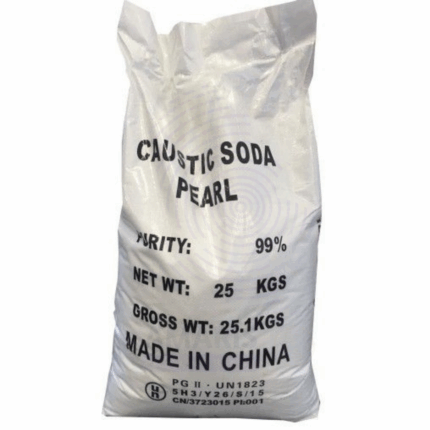
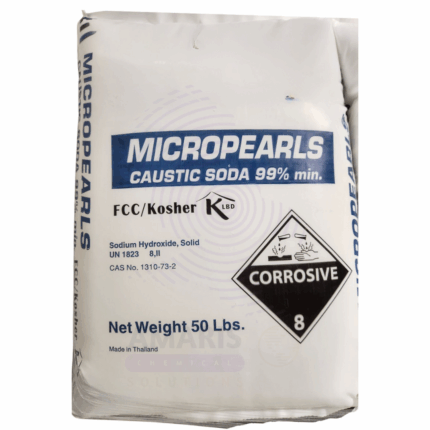
Caustic Soda Pearls
Caustic Soda Pearls are small, solid, spherical particles of sodium hydroxide (NaOH) produced by a controlled cooling and solidification process. These pearls offer superior flowability, uniform size distribution, and reduced dust generation compared to flake or powder forms. They are highly soluble in water, exhibiting a strong alkaline nature with vigorous exothermic dissolution. Caustic Soda Pearls are widely used across industries including chemical manufacturing, water treatment, pulp and paper processing, and detergents due to their purity, ease of handling, and efficient dissolution characteristics.
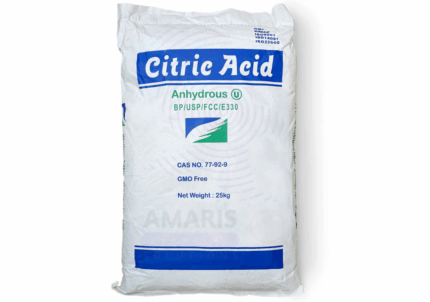
Citric Acid Anhydrous
Citric Acid Anhydrous is a white, crystalline organic acid widely used across food, pharmaceutical, cosmetic, and industrial sectors. It is the anhydrous form of citric acid, meaning it contains no water molecules in its crystal lattice, resulting in higher purity and more concentrated acidic properties compared to its monohydrate form. Derived from natural sources like citrus fruits or produced via microbial fermentation, citric acid anhydrous is valued for its sour taste, excellent chelating ability, and buffering capacity. It serves as a natural preservative, pH adjuster, antioxidant synergist, and cleaning agent, making it a versatile ingredient in many formulations.
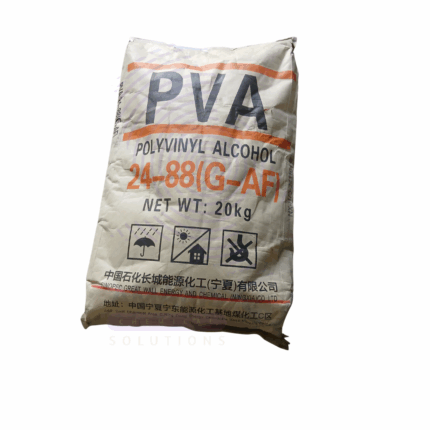
Polyvinyl Alcohol
Polyvinyl Alcohol is a synthetic, water-soluble polymer made by the hydrolysis of polyvinyl acetate. It is known for excellent film-forming, emulsifying, and adhesive properties. PVA is widely used across industries for applications requiring biodegradable, non-toxic, and flexible materials. It offers good chemical resistance, mechanical strength, and compatibility with other polymers and additives.
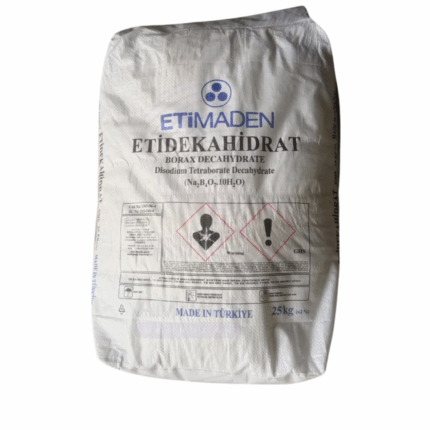
Borax Decahydrate
Borax Decahydrate, also known as sodium tetraborate decahydrate, is a naturally occurring mineral and an important inorganic compound. It appears as colorless or white crystalline granules or powder with a salty, alkaline taste. This compound is widely used in detergents, cosmetics, glass manufacturing, agriculture, and various industrial applications due to its excellent buffering, emulsifying, and antiseptic properties. The “decahydrate” indicates that each molecule of borax contains ten water molecules bound in its crystal structure, contributing to its crystalline appearance and physical properties.
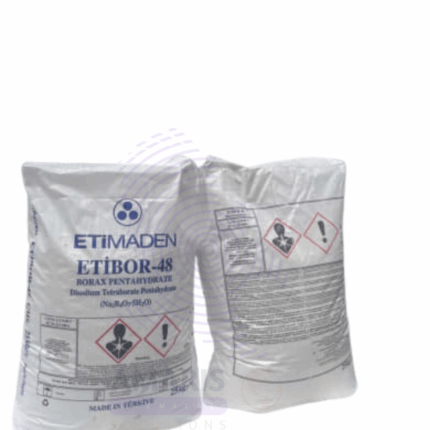
Borax Pentahydrate
Borax Pentahydrate (sodium tetraborate pentahydrate) is an inorganic compound and a hydrated form of borax. It typically appears as colorless to white crystalline granules or powder. This compound contains five molecules of water of crystallization per formula unit, distinguishing it from other borax hydrates such as the decahydrate form. Borax Pentahydrate is widely used across industries including detergents, glass production, agriculture, and cosmetics, valued for its buffering capacity, emulsification, and antiseptic properties. It is soluble in water and exhibits alkaline properties in aqueous solution.

Master Seal 501
Master Seal 501 is a high-performance, polymer-modified cementitious waterproofing compound designed for both interior and exterior applications. It provides a durable, flexible, and crack-resistant waterproof barrier on concrete, masonry, and plaster surfaces. The product is easy to apply by brush, roller, or spray and adheres strongly to substrates, preventing water ingress and protecting structures from moisture damage. Master Seal 501 is ideal for basements, water tanks, terraces, balconies, and retaining walls.
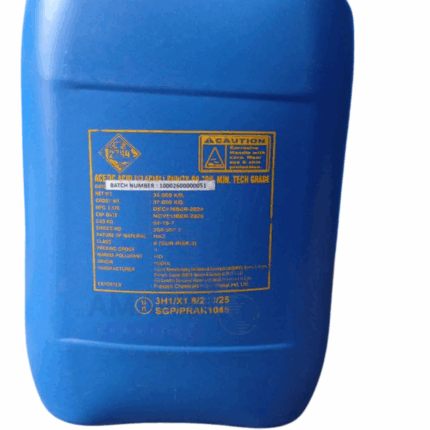
Glacial Acetic Acid Tech grade
Glacial Acetic Acid Tech grade is a clear, colorless liquid with a pungent vinegar-like odor. It is a less refined form of acetic acid primarily used for industrial and technical applications rather than food or pharmaceutical uses. Typically available in concentrations ranging from 80% to glacial (99-100%), it serves as a crucial chemical reagent, solvent, and intermediate in various industrial processes.
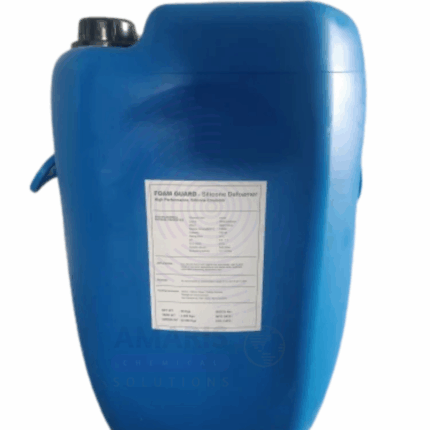
Defoamer
Defoamer is a high-performance, silicone-based antifoaming agent designed to eliminate and prevent foam formation in aqueous and non-aqueous systems. It is typically a milky-white or translucent emulsion composed of modified polydimethylsiloxane, hydrophobic silica, and proprietary surfactants or emulsifiers. Defoamer is known for its immediate foam knockdown, long-lasting suppression, and compatibility across diverse formulations. It is widely used in industrial processes, coatings, adhesives, water treatment, textiles, and more. It is effective at low concentrations, thermally stable, and resistant to shear and pH fluctuations.
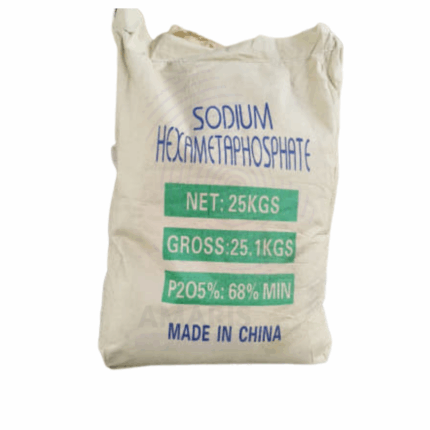
Sodium Hexametaphosphate
Sodium Hexametaphosphate (SHMP) is a high-efficiency sequestrant and dispersing agent widely used across industrial applications. It appears as a white, odorless powder or granule, highly soluble in water, and is valued for its ability to chelate metal ions, soften water, and disperse solids. Its role in preventing scale formation and stabilizing chemical formulations makes it a key ingredient in water treatment, cleaning agents, and textile processing. It is the primary active ingredient in many commercial and industrial water treatment formulations, most notably as the original key component in the Calgon® brand of water softeners and scale inhibitors. While modern "Calgon" products may contain blended formulations, the term has become a common genericized reference for polyphosphate-based scale prevention, rooted in this chemical's function.
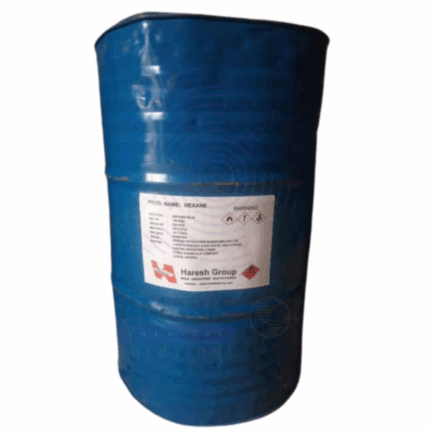
Hexane
Hexane is a colorless, volatile, and highly flammable hydrocarbon solvent belonging to the alkane series with the chemical formula C6H14. It is a mixture of isomers, primarily n-hexane, with a faint gasoline-like odor. Hexane is widely used as an industrial solvent due to its non-polar characteristics, low boiling point, and excellent ability to dissolve oils, fats, waxes, and resins. It is commonly obtained from petroleum refining and is a key component in formulations requiring rapid evaporation and strong solvency. Hexane finds broad applications in chemical synthesis, extraction, cleaning, and manufacturing sectors.












