

 Preservatives(food)
 Flavor Enhancers
 Acidulants
 Sweeteners
 Antioxidants
 Colorants(food)
 Nutraceutical Ingredients (food)
 Nutrient Supplements
 Emulsifiers
 Collectors
 Dust Suppressants
 Explosives and Blasting Agents
 Flocculants and Coagulants
 Frothers
 Leaching Agents
 pH Modifiers
 Precious Metal Extraction Agents
 Antioxidants(plastic)
 Colorants (Pigments, Dyes)
 Fillers and Reinforcements
 Flame Retardants
 Monomers
 Plasticizers
 Polymerization Initiators
 Stabilizers (UV, Heat)
 Antifoaming Agents
 Chelating Agents
 Coagulants and Flocculants
 Corrosion Inhibitors
 Disinfectants and Biocides
 Oxidizing Agents
 pH Adjusters
 Scale Inhibitors( water)
 Antioxidants(cosmetic)
 Emollients
 Fragrances and Essential Oils
 Humectants
 Preservatives
 Surfactants(cosmetic)
 Thickeners
 UV Filters
 Fertilizers
 Soil Conditioners
 Plant Growth Regulators
 Animal Feed Additives
 Biostimulants
 Pesticides (Herbicides, Insecticides, Fungicides)
 Active Pharmaceutical Ingredients (APIs)
 Excipients
 Solvents(pharmaceutical)
 Antibiotics
 Antiseptics and Disinfectants
 Vaccine Adjuvants
 Nutraceutical Ingredients (pharmaceutical)
 Analgesics & Antipyretics
 Analytical Reagents
 Solvents(lab)
 Chromatography Chemicals
 Spectroscopy Reagents
 microbiology-and-cell-culture-reagents
 Molecular Biology Reagents
 Biochemical Reagents
 Inorganic and Organic Standards
 Laboratory Safety Chemicals
 Specialty Laboratory Chemicals(Special Laboratory Equipment)
 Demulsifiers
 Hydraulic Fracturing Fluids
 Scale Inhibitors(oil)
 Surfactants(oil)
 Drilling Fluids
 Dyes and Pigments
 Bleaching Agents
 Softening Agents
 Finishing Agents
 Antistatic Agents
 Admixtures
 Waterproofing Agents
 Sealants and Adhesives
 Curing Compounds
 Concrete Repair Chemicals
 Anti-Corrosion Coatings
 Surfactants(cleaning)
 Builders
 Enzymes
 Solvents (Cleaning)
 Fragrances
 Electronic Chemicals
 Catalysts
 Lubricants
 Photographic Chemicals
 Refrigerants
 Automotive chemicals
 Pyrotechnic Chemicals
 Biodegradable Surfactants
 Bio-based Solvents
 Renewable Polymers
 Carbon Capture Chemicals
 Wastewater Treatment Chemicals
 Pigments
 Solvents(paint)
 Specialty Coatings
 Binders/Resins
 Additives
 Driers
 Anti-Corrosion Agents
 Functional Coatings
 Application-Specific Coatings
 Leavening Agents
 Dough Conditioners
 Flour Treatments
 Fat Replacers
 Decoratives
 Preservatives(baking)
 Plasticizers & Softeners
 Reinforcing Agents
 Adhesion Promoters
 Vulcanizing Agents
 Antidegradants
 Blowing Agents
 Fillers & Extenders
 Accelerators & Retarders

















Ferulic Acid
Ferulic Acid is a naturally occurring hydroxycinnamic acid classified as a phenolic compound with potent antioxidant properties. It exists as a pale yellow to light brown crystalline powder with a faint characteristic odor. Ferulic Acid is commonly found in the cell walls of various plants such as rice bran, wheat, oats, coffee, apples, and fruits, where it plays a role in plant structural integrity and defense against environmental stress. It is valued across multiple industries—cosmetics, pharmaceuticals, nutraceuticals, food, and agriculture—due to its ability to neutralize free radicals, absorb UV radiation, and exhibit anti-inflammatory and antimicrobial activities.
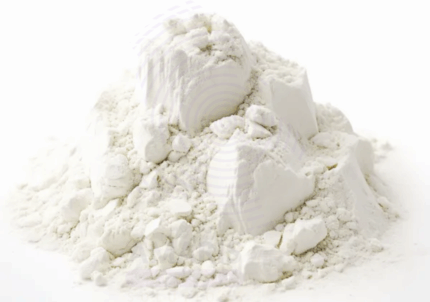
Filler WTD
Filler WTD is a versatile, finely processed powdered filler primarily used in a wide range of industrial applications including paints, coatings, plastics, adhesives, sealants, rubber compounds, and construction materials. It is engineered to improve product performance by enhancing mechanical properties, increasing volume, reducing cost, and improving processing characteristics. Filler WTD typically exhibits excellent dispersibility, consistent particle size distribution, and good compatibility with various resin systems and binders. Its primary role is to act as an inert extender or reinforcing agent, providing bulk and stability while maintaining or enhancing the physical and chemical properties of the final formulation.
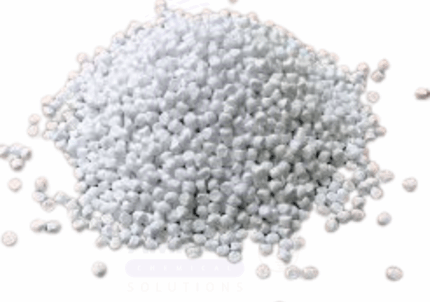
Fish Collagen
Fish Collagen is a natural protein derived from the skin, scales, and bones of various fish species through enzymatic hydrolysis or acid extraction. It is predominantly Type I collagen, known for its excellent bioavailability and biocompatibility. Fish Collagen typically appears as a fine white to off-white powder with low odor and high solubility in water and acidic solutions. It is widely prized in cosmetics, nutraceuticals, pharmaceuticals, and food industries due to its superior absorption compared to mammalian collagen, making it highly effective in skin, joint, and bone health applications. Fish Collagen supports the body’s extracellular matrix, promoting skin elasticity, hydration, and tissue repair.
Flax
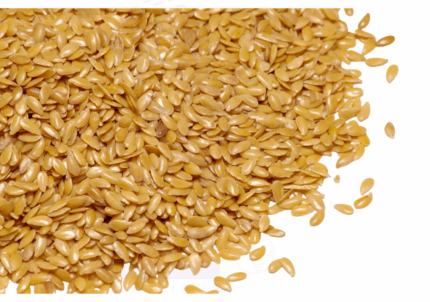
Flax (Linum usitatissimum) is an ancient crop cultivated primarily for its seeds and fibers. The flax seeds are small, flat, and oval, ranging from golden yellow to brown in color, and are rich in nutrients including omega-3 fatty acids (alpha-linolenic acid), lignans, dietary fiber, proteins, and vitamins. Flax fibers are derived from the stem and used in textile and industrial applications. Flaxseed oil, extracted from the seeds, is highly valued for its nutritional and therapeutic properties. Flax is utilized across food, nutraceutical, cosmetic, pharmaceutical, and industrial sectors due to its multifunctional health benefits, fiber content, and sustainable nature.
Fluiden
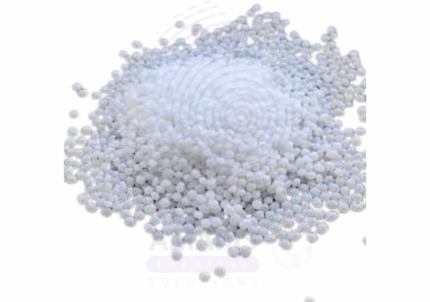
Fluiden is a specialized high-performance fluid additive commonly used to improve lubrication, reduce friction, and enhance the flow properties of various industrial fluids such as oils, coolants, and hydraulic fluids. It is typically a synthetic or semi-synthetic blend of surfactants, polymers, and corrosion inhibitors designed to optimize fluid stability, performance, and equipment protection. Fluiden products are utilized extensively in automotive, manufacturing, metalworking, and chemical processing industries to prolong machinery life, increase efficiency, and reduce maintenance costs. It appears as a clear to slightly colored liquid with low viscosity and excellent miscibility in water and oils depending on formulation.
Folic Acid
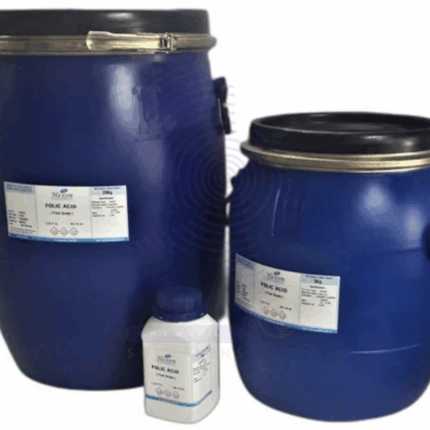
Folic Acid, also known as Vitamin B9 or pteroylmonoglutamic acid, is a water-soluble vitamin essential for numerous physiological processes including DNA synthesis, repair, and methylation, as well as amino acid metabolism. It appears as a yellow to orange-yellow crystalline powder, odorless or with a faint characteristic odor. Folic Acid is vital for cell division and growth, making it critical during pregnancy and periods of rapid growth. It is widely used in the pharmaceutical, nutraceutical, food fortification, and cosmetic industries due to its role in preventing folate deficiency anemia, neural tube defects in newborns, and supporting overall cellular health.
Formic Acid
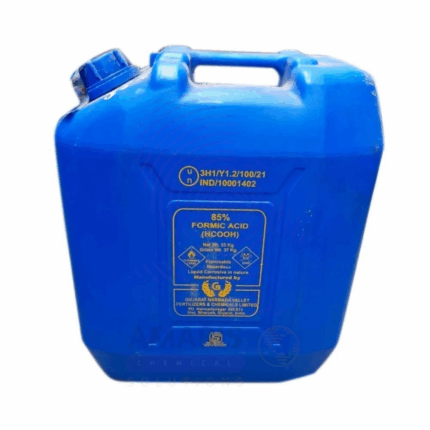
Formic Acid (methanoic acid) is the simplest carboxylic acid, typically supplied as an 85% aqueous solution. It is a colorless liquid with a pungent, penetrating odor and strong acidic properties. Formic Acid naturally occurs in insect stings and plant secretions and is widely used in chemical synthesis, agriculture, textile, leather, and rubber industries. The 85% solution balances potency and safe handling for industrial applications. It serves as a preservative, antibacterial agent, and intermediate chemical in numerous manufacturing processes.
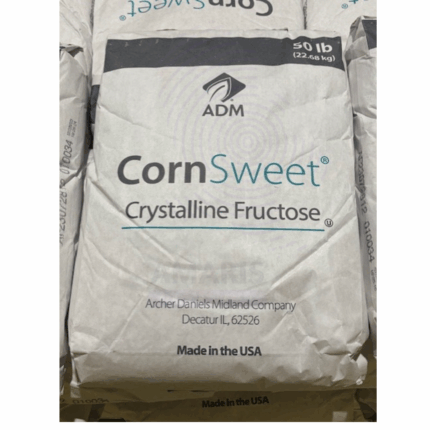
Fructose
Fructose, also known as fruit sugar, is a naturally occurring monosaccharide found in many plants, fruits, honey, and root vegetables. It is a simple sugar with a sweet taste and is one of the three dietary monosaccharides, alongside glucose and galactose. Fructose appears as a white crystalline powder, highly soluble in water, and is commonly used as a sweetener in food and beverage industries due to its high relative sweetness. It plays important roles in metabolism and is used extensively in the production of high-fructose corn syrup (HFCS) and other sweetening agents.
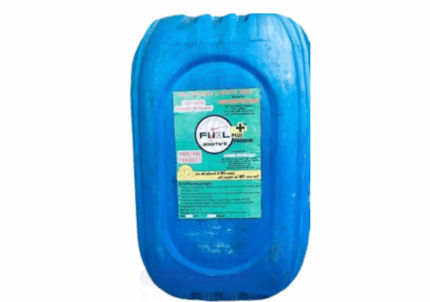
Fuel Conditioner
Fuel Conditioner is a specialized chemical additive formulated to improve the performance, efficiency, and longevity of fuels such as gasoline, diesel, biodiesel, and kerosene. It typically contains detergents, corrosion inhibitors, stabilizers, lubricity enhancers, and combustion improvers. The product is designed to clean fuel injectors and carburetors, reduce engine deposits, prevent fuel oxidation, and enhance combustion efficiency. Fuel Conditioners help optimize fuel properties to reduce emissions, improve fuel economy, and protect fuel system components in vehicles, generators, and industrial machinery.
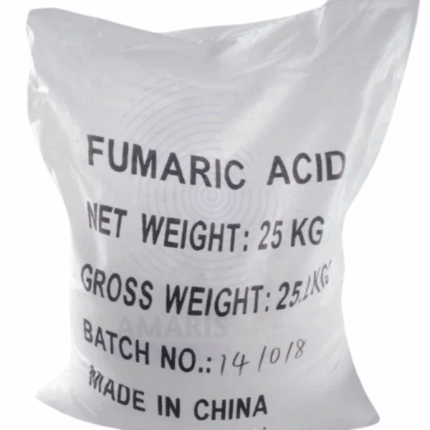
Fumaric Acid
Fumaric Acid is a naturally occurring dicarboxylic acid characterized by its white crystalline powder form and a slightly acidic taste. It is an unsaturated organic acid with the chemical formula C4H4O4 and is an intermediate in the Krebs cycle in biological systems. Fumaric Acid is commonly found in various plants and fungi and is commercially produced by isomerization of maleic acid or by fermentation. It is widely used in the food, pharmaceutical, chemical, and polymer industries due to its acidulant, antioxidant, and crosslinking properties.
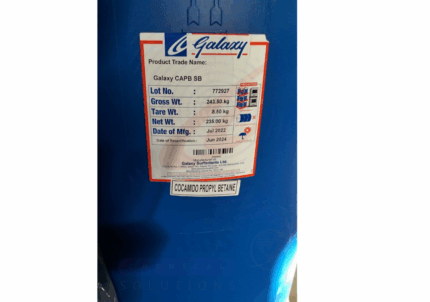
Galaxy CAPB
Galaxy CAPB is a high-performance amphoteric surfactant based on Cocamidopropyl Betaine, produced from coconut fatty acids. It appears as a translucent to pale yellow liquid with mild viscosity and a mild coconut-like odor. As a zwitterionic surfactant, it provides exceptional foaming, mildness, and synergistic compatibility with other surfactants, making it ideal for personal care, household, and industrial formulations.
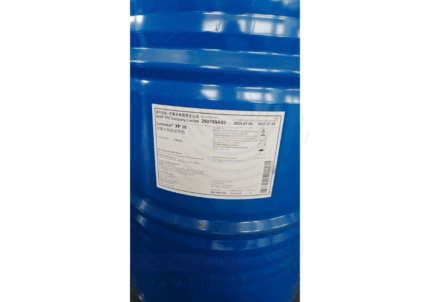
Galaxy MW 257( Lutensol A07)
Galaxy MW 257( Lutensol A07), also known commercially as Lutensol A07, is a nonionic surfactant belonging to the class of ethoxylated alcohols. It is synthesized by ethoxylation of C7 fatty alcohols, resulting in a hydrophilic-lipophilic balance (HLB) suitable for versatile applications in detergency, emulsification, wetting, and dispersing. This liquid surfactant is valued for its excellent surface-active properties, biodegradability, low toxicity, and compatibility with other formulation ingredients. It is widely used in industrial, household, agricultural, and personal care products to improve formulation stability and performance.
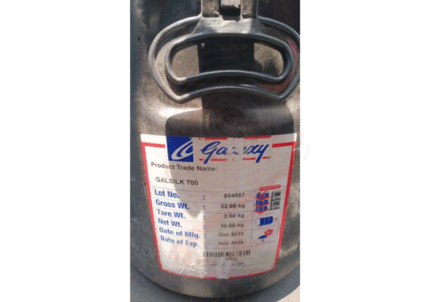
Galsilk 700( polyquartenum 7)
Galsilk 700( polyquartenum 7) is a water-soluble cationic polymer known chemically as Polyquaternium-7. It is widely used as a conditioning agent in personal care and cosmetic formulations, prized for its excellent substantivity to hair and skin, providing softness, smoothness, and antistatic effects. This polymer is typically supplied as a clear to slightly hazy viscous liquid or gel. It is compatible with a broad range of surfactants and ingredients, enhancing the sensory profile of shampoos, conditioners, styling products, and skincare formulations. Galsilk 700 is also valued for its film-forming properties and ability to improve product stability.
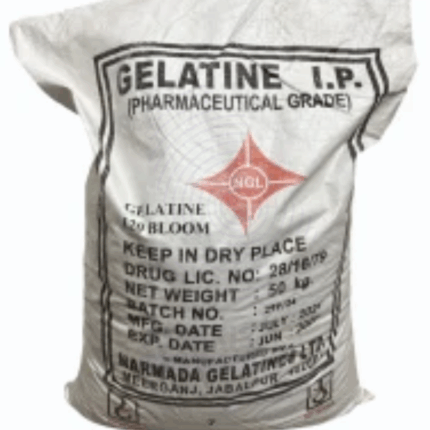
Gelatin Powder 180 Bloom
Gelatin Powder 180 Bloom is a high-quality, partially hydrolyzed collagen protein derived primarily from the skin, bones, and connective tissues of animals such as pigs and cows. The “180 Bloom” rating indicates its gel strength, meaning it forms a firm gel, making it suitable for various industrial, food, pharmaceutical, and cosmetic applications. Gelatin is a natural biopolymer, pale yellow to off-white in color, odorless, and tasteless. It is widely used due to its excellent gelling, film-forming, emulsifying, and stabilizing properties. The powder form offers ease of handling, storage, and precise dosing.
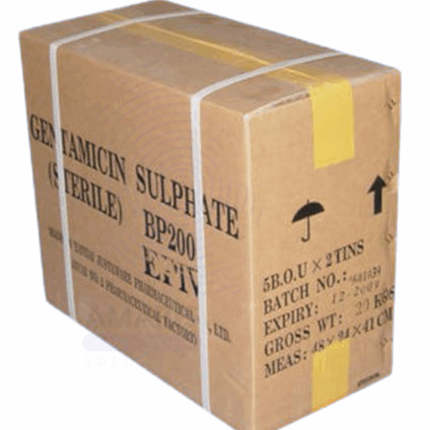
Gentamycin Sulphate
Gentamycin Sulphate is an aminoglycoside antibiotic derived from Micromonospora purpurea and Micromonospora griseorubida. It appears as a white or off-white crystalline powder, highly soluble in water, with a characteristic aminoglycoside odor. Gentamycin Sulphate is widely used in human and veterinary medicine for its broad-spectrum bactericidal activity against aerobic Gram-negative and some Gram-positive bacteria. It works by inhibiting bacterial protein synthesis through binding to the 30S ribosomal subunit, leading to bacterial cell death. Due to its effectiveness against severe infections and multi-drug resistant strains, it is an essential antibiotic in clinical settings.
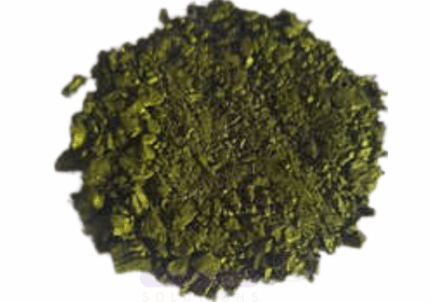
Gentian Violet Crystals
Gentian Violet Crystals is a dark purple crystalline powder known chemically as Hexamethyl pararosaniline chloride. It is a synthetic triphenylmethane dye historically used for its antimicrobial, antifungal, and antiseptic properties. The “80” typically refers to the dye strength or concentration. Gentian Violet exhibits broad-spectrum antimicrobial activity and is used in medical, veterinary, microbiological, histological, cosmetic, and industrial applications. It functions by disrupting bacterial and fungal cell membranes and inhibiting DNA replication. Despite reduced use in some areas due to safety concerns, it remains valuable in certain low-cost, traditional, and veterinary applications.
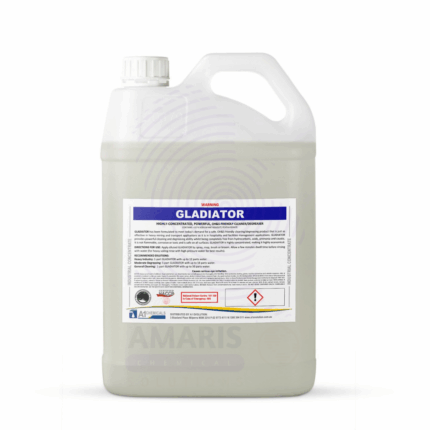
Gladiator
Gladiator is a high-performance structural adhesive based on methyl methacrylate (MMA) chemistry. Designed as a two-part reactive acrylic system, it offers exceptional bonding strength for demanding industrial and structural applications. With a shear strength exceeding 3,000 psi, Gladiator is particularly effective for bonding metals, plastics, and composite materials. It cures at room temperature and offers excellent resistance to mechanical stress, impact, vibration, and thermal cycling. Widely used in construction, automotive, marine, and maintenance applications, it features rapid setting, gap-filling capacity, and superior durability—even under harsh conditions.
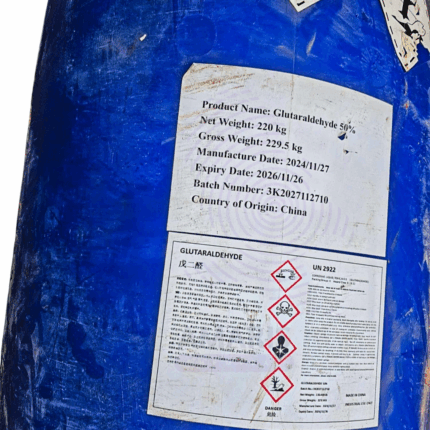
Glutardehyde
Glutardehydeis a potent biocidal agent and chemical sterilant widely used in healthcare, water treatment, and industrial applications. It is a colorless to pale yellow oily liquid with a pungent, sharp odor. Chemically, it is a dialdehyde, primarily valued for its ability to cross-link proteins, making it highly effective as a disinfectant, fixative, and preservative. Typically supplied in concentrations of 25% or 50% aqueous solutions, Glutaraldehyde is used where high-level disinfection is needed—especially against bacteria, viruses, fungi, and spores. Its versatility also extends to tanning, laboratory science, and wastewater treatment.
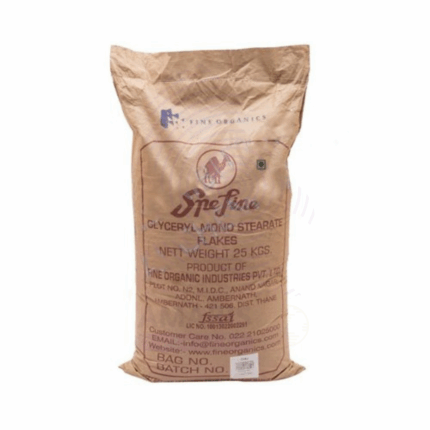
Glycerol Monostearate Flakes
Glycerol Monostearate Flakes is a white to off-white waxy flake form emulsifier composed of 40% monoglycerides of fatty acids, primarily stearic and palmitic acids, combined with other glycerides and esters. Derived mainly from vegetable oils, this food-grade emulsifier is widely utilized in food, cosmetic, pharmaceutical, and industrial sectors for its multifunctional properties. GMS 40% flakes serve as effective emulsifiers, stabilizers, anti-caking agents, and texture enhancers, with excellent compatibility and versatility in formulations requiring semi-solid or solid fats.
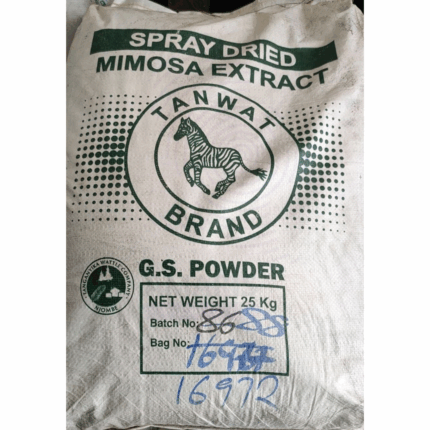
Mimosa Powder
Mimosa Powder is a fine, light to dark brown powder derived from the bark of the Mimosa tenuiflora tree (also known as Mimosa hostilis or Jurema). Rich in tannins and natural polyphenolic compounds, this plant-based powder is widely recognized for its natural astringent, antioxidant, and antimicrobial properties. It is commonly used in cosmetics, traditional medicine, leather tanning, dyeing, and industrial applications. The powder is biodegradable and sustainable, making it a popular choice for natural product formulations.
Guaiphenesin BP
Guaiphenesin BP is a white crystalline powder or granules with a faint characteristic odor, classified as an expectorant used primarily in pharmaceutical formulations to relieve chest congestion. It works by loosening and thinning mucus in the airways, making it easier to cough up and clear from the respiratory tract. It is widely utilized in cough syrups, tablets, and cold remedies. Recognized for its mucolytic and muscle-relaxant properties, Guaiphenesin is included in both prescription and over-the-counter medications worldwide.
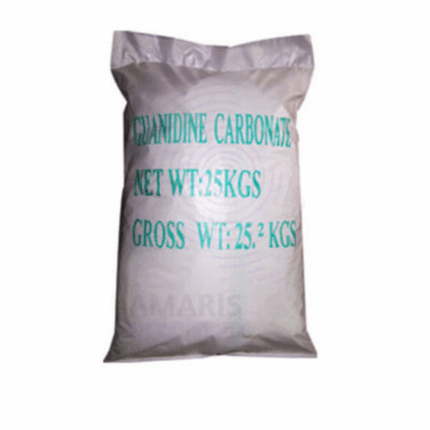
Guanidine Carbonate
Guanidine Carbonate is a white crystalline powder, highly soluble in water, with strong basicity and high nitrogen content. It’s a versatile chemical intermediate widely used in pharmaceuticals, agriculture, polymer chemistry, textiles, and laboratory research. Its buffering properties and reactivity make it valuable in synthesis, pH regulation, and as a nitrogen source.
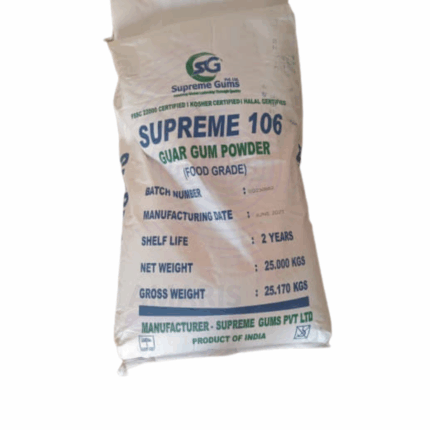
Guar Gum
Guar Gum is a natural polysaccharide extracted from the endosperm of the guar bean (Cyamopsis tetragonoloba). It appears as an off-white to cream-colored powder with a neutral odor and bland taste. Guar Gum is a galactomannan composed mainly of mannose and galactose units, known for its excellent water-binding, thickening, and stabilizing properties. It forms highly viscous solutions even at low concentrations, making it a versatile hydrocolloid used widely across food, pharmaceutical, cosmetic, oilfield, and industrial applications.
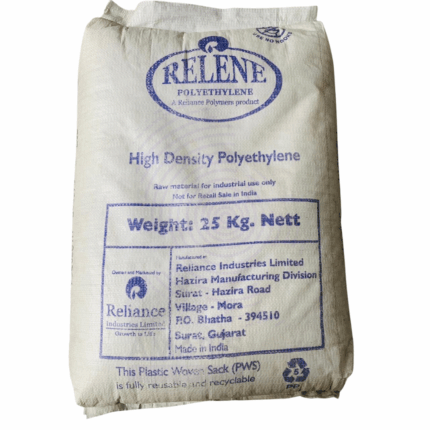
HDPE Blow HDB5502
HDPE Blow HDB5502 is a high-density polyethylene resin specifically formulated for blow molding applications. It is a semi-crystalline thermoplastic polymer characterized by excellent strength-to-density ratio, high chemical resistance, and superior processability in blow molding equipment. This grade exhibits high stiffness, good environmental stress crack resistance (ESCR), and excellent impact resistance, making it ideal for manufacturing durable hollow containers and complex-shaped products. The resin is supplied as granular pellets with consistent melt flow and homogeneity, optimized for efficient molding cycles and high throughput.
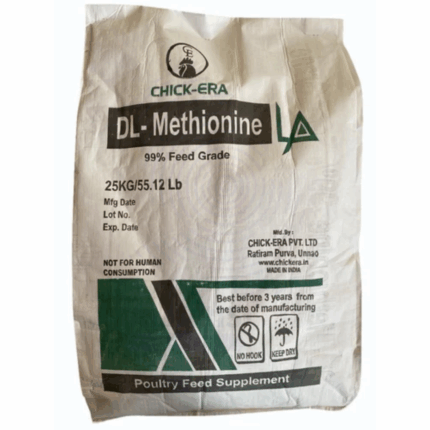
DL-Methionine Feed Grade
DL-Methionine Feed Grade is a synthetic, racemic mixture of the amino acid methionine, consisting of equal parts D- and L-isomers. It is an essential sulfur-containing amino acid widely used as a nutritional supplement in animal feed formulations. DL-Methionine plays a critical role in protein synthesis, growth, and metabolic functions in livestock and poultry. This feed-grade quality ensures high purity (minimum 99%) and suitability for inclusion in feed blends to enhance growth performance, improve feed efficiency, and prevent methionine deficiency-related disorders.
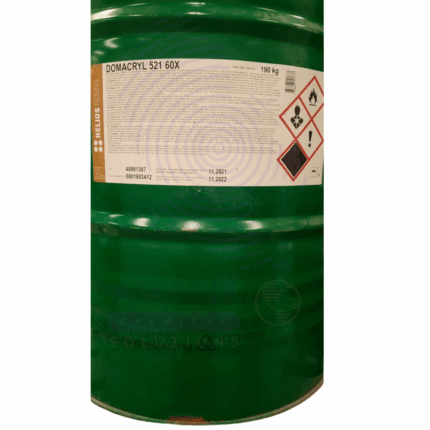
Domacryl
Domacryl is a high-performance acrylic polymer latex designed for use as a binder in water-based coatings, adhesives, sealants, and construction materials. It is a styrene-acrylic copolymer emulsion offering excellent film formation, adhesion, durability, and chemical resistance. Domacryl provides superior mechanical strength and flexibility in formulated products, making it ideal for applications requiring long-lasting protection and enhanced aesthetic qualities. The polymer is supplied as a stable aqueous dispersion with approximately 50% solids content, packed in bulk (190 kg drums) for industrial use.
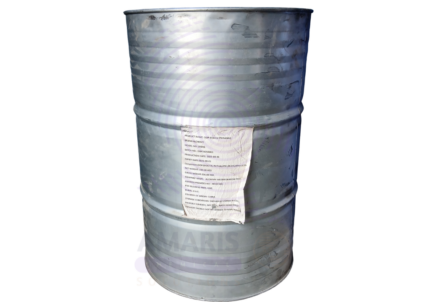
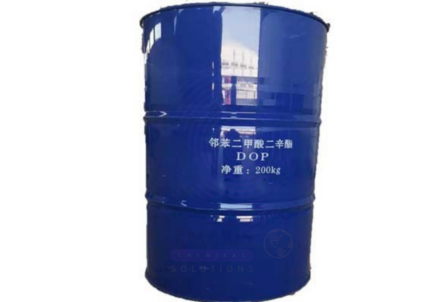
Dioctyl Phthalate
Dioctyl Phthalate (DOP), also known as di(2-ethylhexyl) phthalate (DEHP), is a widely used plasticizer primarily added to polyvinyl chloride (PVC) and other polymers to enhance flexibility, durability, and workability. It is a clear, colorless, oily liquid with a slight ester odor. Due to its excellent compatibility with many polymers and long-lasting plasticizing effects, DOP is one of the most common phthalate plasticizers used in industries such as construction, automotive, packaging, and medical devices. It also serves as a solvent and dispersant in various chemical processes.
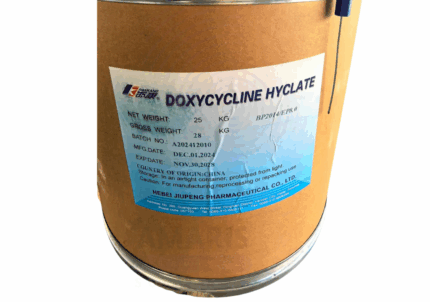
Doxycycline Hyclate BP
Doxycycline Hyclate BP is a broad-spectrum, semisynthetic tetracycline-class antibiotic available as the hemihydrate salt form of doxycycline. It is widely used in pharmaceutical formulations due to its high bioavailability, broad antibacterial activity, and favorable pharmacokinetic profile. The compound exhibits bacteriostatic action by inhibiting protein synthesis in susceptible bacteria, making it effective against a wide range of Gram-positive and Gram-negative organisms as well as atypical pathogens. It is typically supplied as a fine, white to off-white crystalline powder soluble in water and suitable for oral and parenteral dosage forms.

Drilling Foam
Drilling Foam is a specialized foam-based drilling fluid additive designed to improve the efficiency and safety of drilling operations in oil, gas, and mineral exploration. It is formulated to generate stable, low-density foam that enhances cuttings transport, reduces formation damage, and improves wellbore stability. Drilling Foam reduces the hydrostatic pressure exerted on formations, allowing drilling in weak or fractured zones with minimal risk of collapse or fluid loss. It is typically composed of surfactants, foaming agents, and stabilizers compatible with water-based drilling fluids.
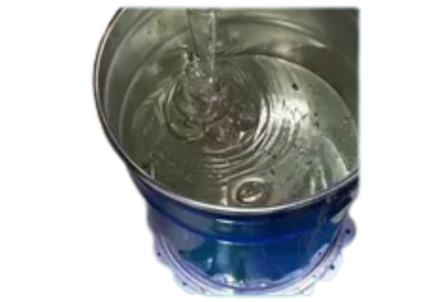
Eagle Homopolymer 510/50
Eagle Homopolymer 510/50 50% is a high-purity homopolymer solution, typically referring to polyvinyl alcohol (PVA) or a similar water-soluble polymer supplied at 50% concentration. This product offers excellent film-forming, adhesive, thickening, and stabilizing properties, making it versatile in applications such as adhesives, textile sizing, paper coating, and packaging. The homopolymer’s controlled molecular weight and solution viscosity provide consistent performance and ease of handling. The 50% aqueous solution form facilitates easy mixing and incorporation into various formulations.
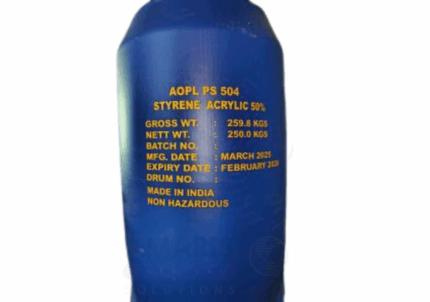
Eagle Styrene Acrylic 72/ 50
Eagle Styrene Acrylic 72/ 50 is a co-polymer emulsion consisting of styrene and acrylic monomers, offered at 50% active solids concentration in water. It appears as a milky-white, low-viscosity liquid with a mild odor. This polymer emulsion combines excellent film-forming properties, adhesion, and mechanical strength, making it widely used in coatings, adhesives, sealants, and functional binders across multiple industries.

Eagle Vam Veo( VV50/55)
Eagle VAM VEO VV50/55 is a water-based vinyl‑acetate–ethylene (VAM‑VEO) copolymer emulsion, formulated at 55% active solids. It presents as a milky-white, medium-viscosity liquid with a mild emulsion odor. This copolymer combines excellent film formation, adhesion, flexibility, and toughness, tailored for use in coatings, adhesives, sealants, and functional binders across multiple industries.
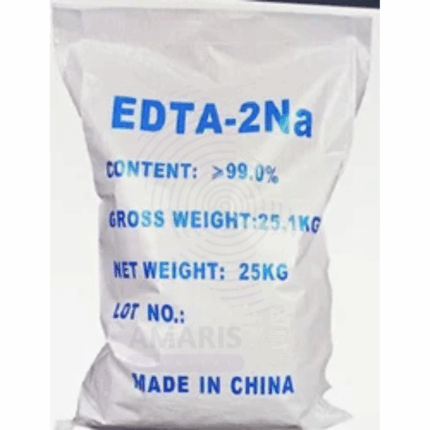
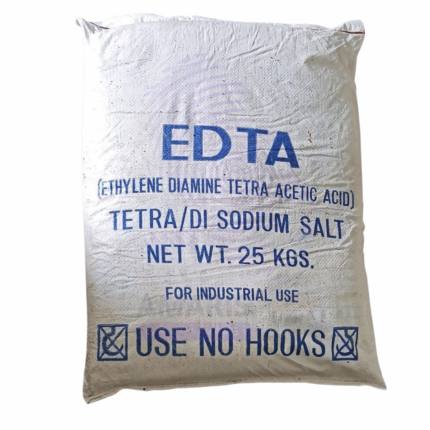
Disodium Salt (EDTA)
Disodium Salt (EDTA), (Ethylenediaminetetraacetic acid disodium salt) is a widely used chelating agent that binds metal ions to form stable complexes. It effectively sequesters divalent and trivalent metal ions such as calcium, magnesium, iron, and heavy metals, preventing their participation in unwanted chemical reactions. This property makes it essential in a wide range of industrial, pharmaceutical, cosmetic, agricultural, and water treatment applications. The disodium salt form offers excellent water solubility and is often used in neutral to slightly alkaline systems.
Ellagic Acid
Ellagic Acid is a naturally occurring polyphenolic compound found in numerous fruits, nuts, and vegetables such as pomegranates, strawberries, raspberries, walnuts, and cranberries. It is a potent antioxidant known for its ability to scavenge free radicals and chelate metal ions. Due to its significant anti-inflammatory, anti-carcinogenic, and anti-viral properties, Ellagic Acid has gained extensive interest in pharmaceutical, nutraceutical, cosmetic, and food industries. It appears as a yellow to light brown crystalline powder, insoluble in water but soluble in organic solvents like ethanol and DMSO.
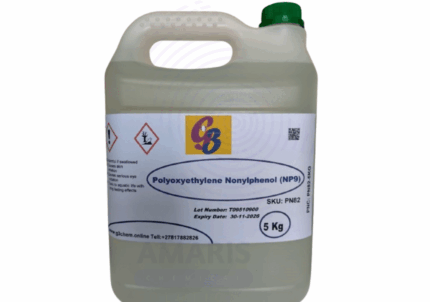
Emulsifier ( Emulgator) NP-9
Emulsifier ( Emulgator) NP-9 is a nonionic surfactant belonging to the family of Nonylphenol Ethoxylates (NPEs), specifically with an average of 9 ethylene oxide (EO) units. It is widely used as an effective emulsifying, wetting, dispersing, and solubilizing agent. NP-9 is typically a pale yellow to amber viscous liquid, soluble in water and various organic solvents. It is valued for its strong emulsifying ability to stabilize oil-in-water (O/W) and water-in-oil (W/O) emulsions, excellent detergency, and good compatibility with other surfactants and formulation ingredients. NP-9 is commonly employed in industrial, agricultural, cosmetic, pharmaceutical, and cleaning applications.
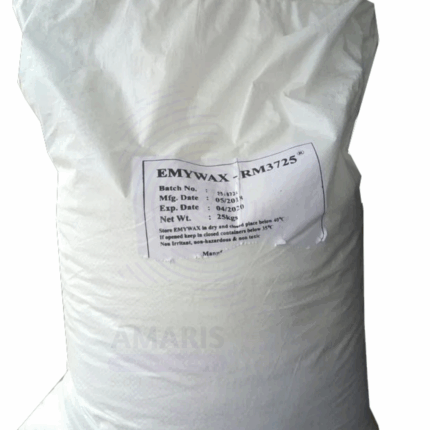
Emulsifying Wax Anionic
Emulsifying Wax Anionic is a versatile surfactant blend composed primarily of fatty alcohols (such as cetyl or stearyl alcohol) and anionic surfactants like sodium lauryl sulfate. It is designed to stabilize oil-in-water (O/W) emulsions by reducing interfacial tension between water and oil phases. It appears as white to off-white solid flakes or pellets, with a mild fatty odor and is dispersible in water with agitation and mild heat. Known for its excellent emulsification, cleansing, and thickening properties, this emulsifying wax is widely used in cosmetics, pharmaceuticals, household cleaners, and industrial applications.
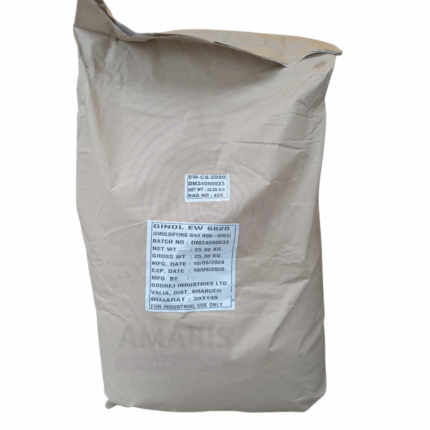
Emulsifying Wax Non ionic
Emulsifying Wax Non ionic is a self-emulsifying, non-ionic wax blend composed primarily of fatty alcohols (typically cetostearyl alcohol or stearyl alcohol) and non-ionic surfactants like polyethylene glycol (PEG) derivatives. It is used to stabilize oil-in-water (O/W) emulsions without relying on ionic charges, making it highly compatible with a wide range of ingredients, including both cationic and anionic components. This wax is commonly found in white, odorless solid flakes or pellets and is dispersible in hot water to form smooth, stable emulsions. It is widely used in cosmetic, pharmaceutical, and industrial applications where gentle emulsification, stability, and broad pH compatibility are needed.
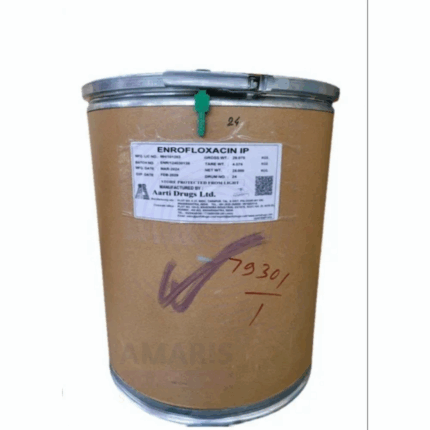
Enrofloxacin Hydrochloride
Enrofloxacin Hydrochloride is a broad-spectrum fluoroquinolone antibiotic used primarily in veterinary medicine. It is the hydrochloride salt of enrofloxacin, offering enhanced solubility and bioavailability. Enrofloxacin inhibits bacterial DNA gyrase and topoisomerase IV, disrupting DNA replication in Gram-negative and Gram-positive organisms as well as some Mycoplasma species. It is available as a white to off-white crystalline powder, used in injectable, oral, and topical formulations designed for livestock, companion animals, and aquatic species.
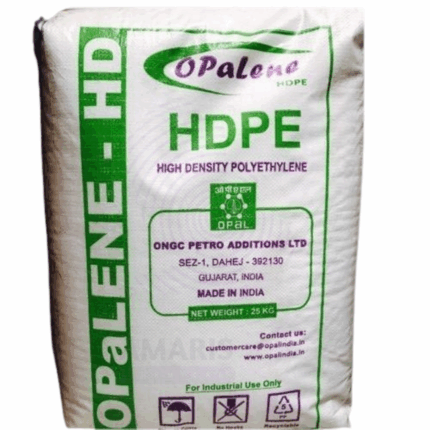
HDPE Film F52H04
HDPE Film F52H04 Opalene is a high-density polyethylene film grade resin specially engineered for producing thin, flexible, and high-strength films. It is designed for blown film extrusion processes, delivering excellent mechanical properties, superior clarity (opal/opalene finish), and consistent gauge control. This resin offers high tensile strength, good puncture resistance, and excellent moisture barrier properties, making it ideal for packaging applications requiring durability and flexibility. Its balanced processing characteristics enable fast extrusion rates and uniform film thickness.
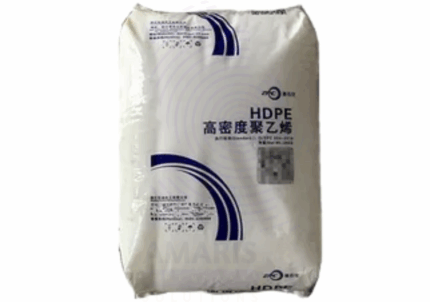
HDPE Injection HMA035/3255
HDPE Injection HMA035/3255 is a high-density polyethylene resin specially formulated for injection molding processes. This grade exhibits excellent flow characteristics with moderate melt flow index optimized for producing precise, high-strength molded parts with superior surface finish. It combines good impact resistance, stiffness, and chemical resistance with excellent dimensional stability. The resin ensures reliable processing performance across a broad temperature range and is suitable for complex, detailed, or large injection-molded components. It is supplied as uniform granules designed for smooth melting and consistent molding cycles.
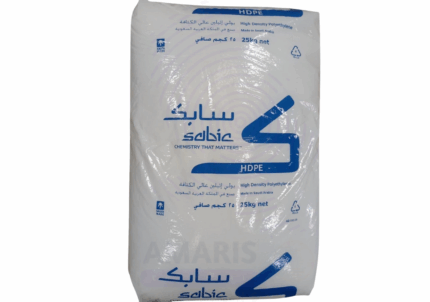
HDPE pipe HS CRP 100- PE 100 (black water pipe)
HDPE pipe HS CRP 100- PE 100 (black water pipe) is a high-density polyethylene (HDPE) pipe grade resin specially designed for the manufacture of high-performance pressure pipes. This grade corresponds to PE 100 classification, meaning it has enhanced strength and durability characteristics suitable for high-pressure applications. The resin exhibits excellent resistance to slow crack growth, outstanding chemical resistance, and superior impact strength even at low temperatures. HDPE PE 100 pipe is widely used in demanding infrastructure, water supply, gas distribution, and industrial piping systems due to its long service life, flexibility, and corrosion resistance.
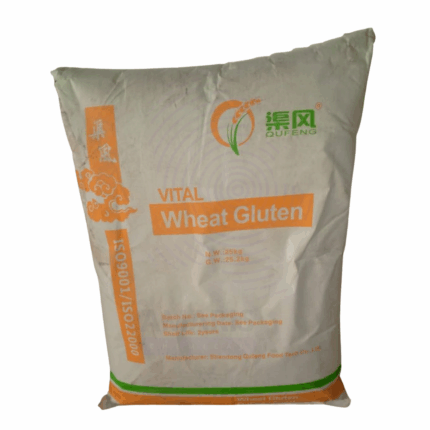
High Gluten Wheat Flour
High Gluten Wheat Flour is a finely milled powder derived from hard wheat varieties known for their high protein content, typically ranging from 12% to 14.5%. This flour has a superior gluten-forming capacity which imparts strong dough elasticity and excellent gas retention properties. It appears as an off-white to pale yellow powder with a neutral to slightly nutty aroma. High Gluten Wheat Flour is prized in baking industries and food manufacturing for producing products with enhanced chewiness, volume, and texture. It is essential for applications requiring strong dough structure and resilience.
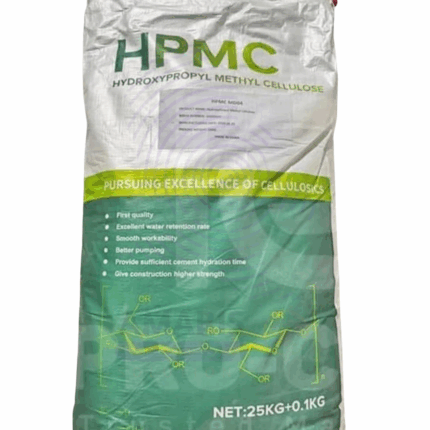
HPMC Vivapharm E50
HPMC Vivapharm is a high-quality, pharmaceutical-grade hydroxypropyl methylcellulose polymer widely used as an excipient and functional ingredient. It appears as a fine, white to off-white, odorless powder with excellent solubility in cold water and forms clear, viscous solutions. This cellulose ether derivative offers excellent film-forming, thickening, emulsifying, and controlled-release properties. Vivapharm E50 is prized in pharmaceutical, food, and cosmetic industries for its versatility, stability, and safety profile.

Hycryl
Hycryl is a specialized acrylic copolymer resin designed primarily for industrial and cosmetic applications. It appears as a white to off-white powder or granules with excellent film-forming, adhesive, and thickening properties. Known for its compatibility with a wide range of solvents and plasticizers, Hycryl 77 provides excellent clarity, flexibility, and durability in coatings, adhesives, and personal care formulations. Its balanced molecular weight and functional groups enable it to deliver strong binding and aesthetic properties in both aqueous and solvent-based systems.
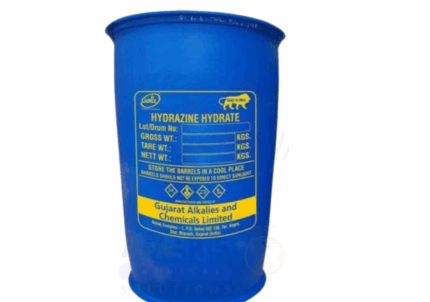
Hydrazine Food Grade
Hydrazine Food Grade is a high-purity form of hydrazine (N₂H₄), a highly reactive, colorless, and fuming liquid with a pungent ammonia-like odor. It is a powerful reducing agent and chemical intermediate widely used in industrial applications. The food-grade specification ensures purity and controlled impurity levels suitable for limited and specialized food industry uses, primarily as a processing aid or sterilizing agent. Hydrazine exhibits strong nucleophilic and reducing properties, enabling various chemical transformations and sterilization processes.
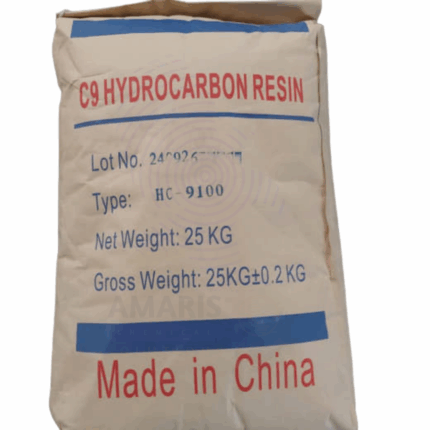
Hydrocarbon Resins
Hydrocarbon Resins C5 And C9 Petroleum Resins are synthetic petroleum-derived resins produced through the polymerization of C5 (pentene) and C9 (nonene) fraction monomers. These resins appear as pale yellow to amber solid materials, usually in pellet or flake form, characterized by tackifying and adhesive properties. C5 resins are derived from aliphatic hydrocarbons, while C9 resins originate from aromatic hydrocarbons. Often blended, these resins provide a balance of hardness, tackiness, and compatibility with various polymers. Widely used as tackifiers, binders, and modifiers, C5 & C9 hydrocarbon resins enhance performance in adhesives, coatings, rubber compounding, and more.
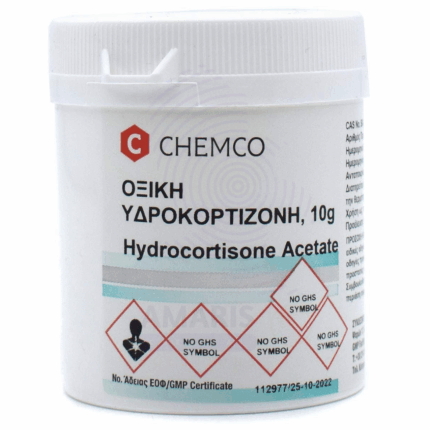
Hydrocortisone Acetate
Hydrocortisone Acetate is a synthetic corticosteroid ester derived from hydrocortisone (cortisol). It is a white to off-white crystalline powder, practically insoluble in water but soluble in alcohol and acetone. This compound exhibits potent anti-inflammatory, immunosuppressive, and anti-allergic properties, making it widely used in pharmaceutical and dermatological formulations. Hydrocortisone Acetate acts by modulating gene expression to reduce the production of inflammatory mediators, thereby alleviating symptoms in various inflammatory and autoimmune conditions.
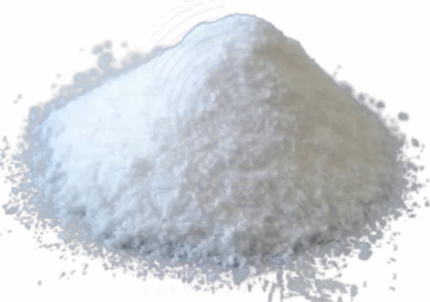
Hydrocortisone Base BP 93 Micro
Hydrocortisone Base BP 93 Micro is a highly purified, micronized form of hydrocortisone base compliant with British Pharmacopoeia (BP) standards. It is a white to off-white fine powder designed for enhanced solubility and bioavailability in pharmaceutical formulations. As a corticosteroid hormone analog, it exhibits potent anti-inflammatory, immunosuppressive, and anti-allergic activities. The micronized particle size (~93 microns) facilitates improved dispersion in topical, injectable, and oral dosage forms.
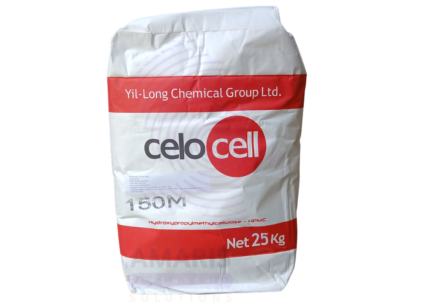
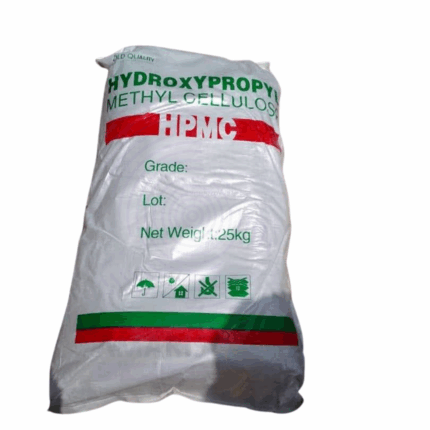
Hydroxypropyl Methylcellulose
Hydroxypropyl Methylcellulose HPMC, also known as hypromellose, is a semi-synthetic, non-ionic cellulose ether derived by chemically modifying cellulose through methylation and hydroxypropylation. It is a white to off-white, odorless, tasteless powder that dissolves in cold water to form clear, viscous solutions. HPMC is renowned for its thickening, film-forming, emulsifying, and controlled-release properties. It is widely used in pharmaceuticals, food, cosmetics, construction, and industrial applications due to its safety profile, versatility, and compatibility with various ingredients.
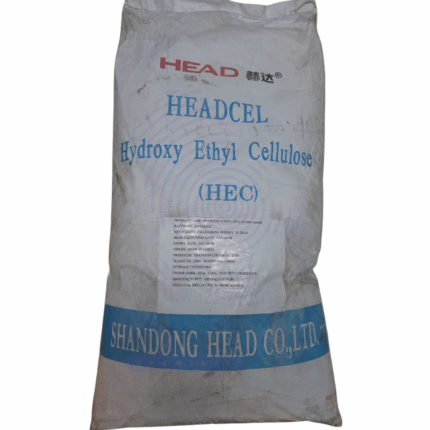
Hydroxyethyl Cellulose
Hydroxyethyl Cellulose , marketed under brand names such as Natrosol, is a non-ionic, water-soluble polymer derived from cellulose by reacting alkali cellulose with ethylene oxide. It appears as a white to off-white, free-flowing powder with excellent thickening, binding, and film-forming properties. HEC is widely used as a rheology modifier and stabilizer due to its high water retention, solubility, and compatibility with a broad range of ingredients. It is valued in many industries including cosmetics, pharmaceuticals, paints, adhesives, and personal care products.












