

 Preservatives(food)
 Flavor Enhancers
 Acidulants
 Sweeteners
 Antioxidants
 Colorants(food)
 Nutraceutical Ingredients (food)
 Nutrient Supplements
 Emulsifiers
 Collectors
 Dust Suppressants
 Explosives and Blasting Agents
 Flocculants and Coagulants
 Frothers
 Leaching Agents
 pH Modifiers
 Precious Metal Extraction Agents
 Antioxidants(plastic)
 Colorants (Pigments, Dyes)
 Fillers and Reinforcements
 Flame Retardants
 Monomers
 Plasticizers
 Polymerization Initiators
 Stabilizers (UV, Heat)
 Antifoaming Agents
 Chelating Agents
 Coagulants and Flocculants
 Corrosion Inhibitors
 Disinfectants and Biocides
 Oxidizing Agents
 pH Adjusters
 Scale Inhibitors( water)
 Antioxidants(cosmetic)
 Emollients
 Fragrances and Essential Oils
 Humectants
 Preservatives
 Surfactants(cosmetic)
 Thickeners
 UV Filters
 Fertilizers
 Soil Conditioners
 Plant Growth Regulators
 Animal Feed Additives
 Biostimulants
 Pesticides (Herbicides, Insecticides, Fungicides)
 Active Pharmaceutical Ingredients (APIs)
 Excipients
 Solvents(pharmaceutical)
 Antibiotics
 Antiseptics and Disinfectants
 Vaccine Adjuvants
 Nutraceutical Ingredients (pharmaceutical)
 Analgesics & Antipyretics
 Analytical Reagents
 Solvents(lab)
 Chromatography Chemicals
 Spectroscopy Reagents
 microbiology-and-cell-culture-reagents
 Molecular Biology Reagents
 Biochemical Reagents
 Inorganic and Organic Standards
 Laboratory Safety Chemicals
 Specialty Laboratory Chemicals(Special Laboratory Equipment)
 Demulsifiers
 Hydraulic Fracturing Fluids
 Scale Inhibitors(oil)
 Surfactants(oil)
 Drilling Fluids
 Dyes and Pigments
 Bleaching Agents
 Softening Agents
 Finishing Agents
 Antistatic Agents
 Admixtures
 Waterproofing Agents
 Sealants and Adhesives
 Curing Compounds
 Concrete Repair Chemicals
 Anti-Corrosion Coatings
 Surfactants(cleaning)
 Builders
 Enzymes
 Solvents (Cleaning)
 Fragrances
 Electronic Chemicals
 Catalysts
 Lubricants
 Photographic Chemicals
 Refrigerants
 Automotive chemicals
 Pyrotechnic Chemicals
 Biodegradable Surfactants
 Bio-based Solvents
 Renewable Polymers
 Carbon Capture Chemicals
 Wastewater Treatment Chemicals
 Pigments
 Solvents(paint)
 Specialty Coatings
 Binders/Resins
 Additives
 Driers
 Anti-Corrosion Agents
 Functional Coatings
 Application-Specific Coatings
 Leavening Agents
 Dough Conditioners
 Flour Treatments
 Fat Replacers
 Decoratives
 Preservatives(baking)
 Plasticizers & Softeners
 Reinforcing Agents
 Adhesion Promoters
 Vulcanizing Agents
 Antidegradants
 Blowing Agents
 Fillers & Extenders
 Accelerators & Retarders



















Burette Clamp
The Burette Clamp is a laboratory apparatus designed to securely hold burettes in place during titration and other volumetric procedures. Made from durable materials such as metal with rubber or plastic-coated grips, it ensures stability and prevents slippage or breakage. The clamp typically attaches to a retort stand or support rod, allowing hands-free operation and precise liquid dispensing.
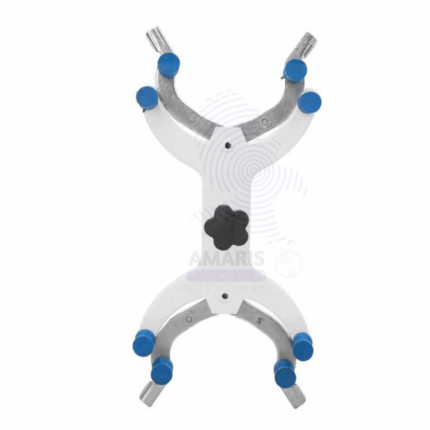
Burette Inch Clip
The Burette Inch Clip is a small, precise laboratory accessory designed to secure a burette at specific graduated markings ("inches" or volume levels) during titration or liquid dispensing. Typically made of durable plastic or metal, the clip prevents unwanted movement of the liquid level, allowing for more accurate and consistent readings. It is easily attachable and adjustable to fit standard burettes.
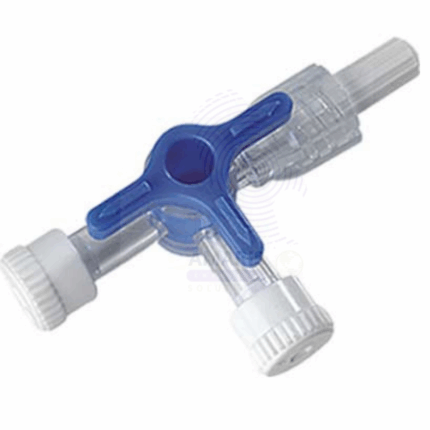
Burette Plastic Stop Cork
The Burette Plastic Stop Cork is a durable, chemical-resistant stopper designed to securely seal the outlet of a burette during liquid dispensing and titration processes. Made from high-quality plastic, it provides a reliable seal to prevent leaks and ensure controlled flow of liquids. Its ergonomic design allows easy operation and replacement in laboratory settings, maintaining precision and safety during volumetric analysis.

Burette PTFE
The Burette PTFE is a high-quality laboratory burette constructed with a polytetrafluoroethylene (PTFE) stopcock and nozzle, providing excellent chemical resistance and durability. Known for its non-reactive and non-stick properties, PTFE ensures smooth and precise flow control during titration and other volumetric analyses. This burette is ideal for handling corrosive and aggressive chemicals, maintaining accuracy and reliability in laboratory measurements.
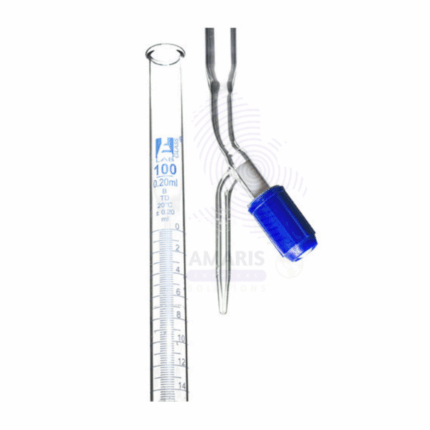
Burette rotaflow
Product Description
The Burette RotaFlow is a precision laboratory instrument designed for controlled and accurate dispensing of liquids during titration. Featuring a rotatable valve mechanism, it allows smooth flow adjustment and easy operation. Constructed from high-quality borosilicate glass with chemically resistant components, this burette ensures durability and precision, suitable for a wide range of laboratory applications involving acids, bases, and other reagents.

Burette stand for drying
The Burette Stand for Drying is a laboratory accessory designed to securely hold burettes in an upright position during drying and storage. Made from durable, corrosion-resistant materials such as stainless steel or coated metal, the stand ensures stability and prevents damage or contamination of delicate glassware. Its design facilitates proper air circulation, promoting efficient drying and maintaining the cleanliness of burettes between uses.
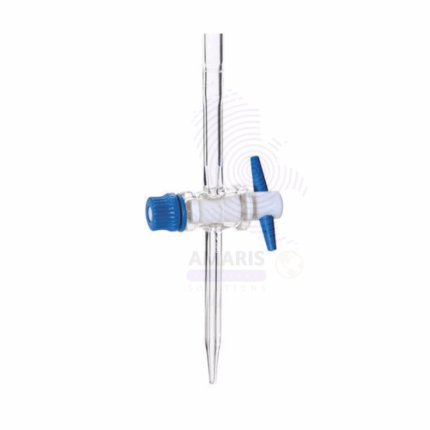
Burette Stop cork
Product Description
The Burette Stop Cork is a laboratory accessory designed to securely seal the open end of a burette, preventing liquid leakage and contamination during titration and other laboratory procedures. Made from high-quality, chemical-resistant cork or synthetic materials like rubber or silicone, it offers a snug fit for various burette sizes. The stop cork ensures controlled flow and precise measurement by allowing easy manipulation of the burette’s liquid contents.
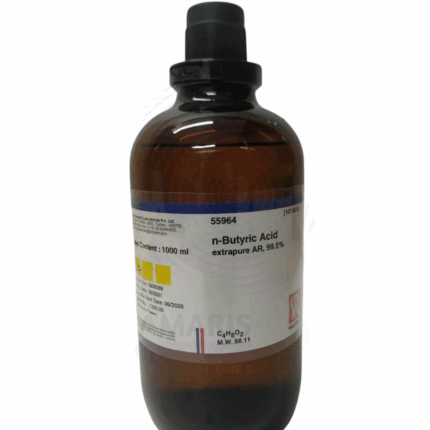
Butanoic Acid Extra Pure
Butanoic Acid Extra Pure, also known as butyric acid, is a high-purity carboxylic acid used in laboratory research for organic synthesis, esterification studies, and biochemical analysis. It serves as a building block in the preparation of esters, polymers, and pharmaceuticals, and is also studied for its role in metabolic and microbial pathways. With its strong, characteristic odor and reactive carboxyl group, it is valuable in reaction mechanism investigations and as a standard in acid-base titrations. The extra pure grade ensures low levels of moisture and contaminants, offering consistent performance in sensitive experiments. It should be handled in well-ventilated areas and stored in tightly sealed containers, away from heat and oxidizing agents.
Butanol
Butanol (also known as n-Butanol or Normal Butanol) is a clear, colorless liquid with a mild, alcoholic odor. It is a four-carbon primary alcohol with the chemical formula C4H10O. Butanol is moderately soluble in water and miscible with many organic solvents. Its physical and chemical properties make it a versatile solvent and chemical intermediate. Butanol indicates a high purity grade often used in industrial, pharmaceutical, and chemical synthesis applications.
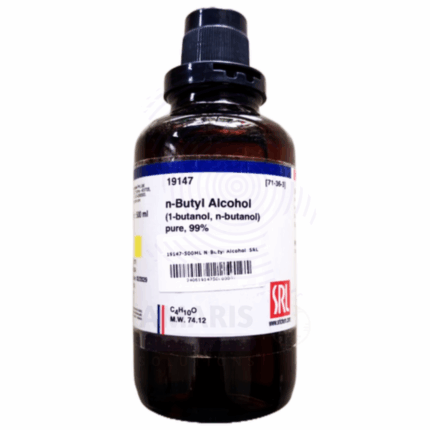
Butanol Extra Pure
Butanol Extra Pure is a high-purity aliphatic alcohol commonly used in laboratory environments as a solvent, reagent, and intermediate in organic synthesis. Its moderate polarity and ability to dissolve a wide range of compounds make it ideal for use in extractions, chromatography, and spectrophotometric analysis. It also serves as a starting material for producing esters, plasticizers, and pharmaceuticals. The 99.4% purity ensures minimal water and impurity content, providing reliable consistency in sensitive procedures. With a relatively low evaporation rate and good miscibility with many organic solvents, it is suitable for both preparative and analytical applications. Proper storage in a cool, ventilated area in tightly sealed containers is essential to preserve its quality and reduce volatility.
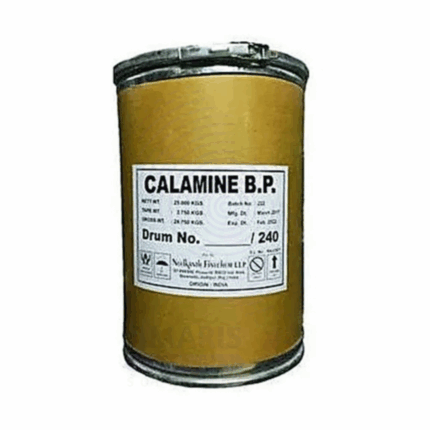
Calamine Powder
Calamine Powder is a fine, light pink powder primarily composed of zinc oxide and a small percentage of ferric oxide, which gives it its characteristic pink color. It is an inorganic compound widely used in pharmaceutical and cosmetic formulations due to its soothing, antiseptic, and astringent properties. Calamine Powder is commonly applied topically to relieve itching, minor skin irritations, insect bites, rashes, and sunburn. It acts by forming a protective barrier on the skin, reducing inflammation and providing a mild cooling effect.
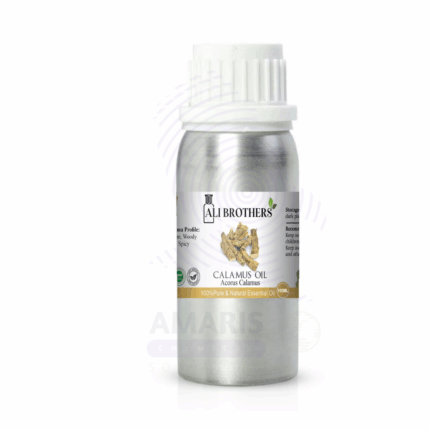
Calamus Oil Extra Pure
Calamus Oil Extra Pure is a high-purity essential oil extracted from the roots of Acorus calamus, valued in laboratory research for its complex composition of aromatic compounds, including asarone and other volatile constituents. In scientific studies, it is often used for phytochemical analysis, antimicrobial testing, and natural product chemistry. Researchers explore its potential bioactive properties, such as antioxidant, neuroprotective, and insecticidal effects. The extra pure grade ensures high consistency, low residue, and minimal contamination, making it suitable for analytical applications. It should be stored in amber glass containers, away from light and heat, to preserve its stability and aromatic integrity.
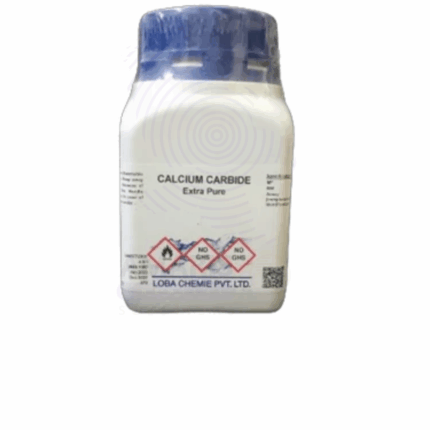
Calcium Carbide Extra Pure
Calcium Carbide Extra Pure is a high-purity inorganic compound primarily used in laboratories for the generation of acetylene gas through hydrolysis, making it valuable for gas evolution experiments and flame tests. It is also utilized in organic synthesis reactions where acetylene is required as a precursor. The extra pure grade ensures minimal impurities, which is essential for consistent reaction performance and accuracy in analytical or instructional settings. Due to its high reactivity with water and release of flammable gases, it must be handled with care under dry conditions and stored in tightly sealed, moisture-resistant containers away from heat sources.
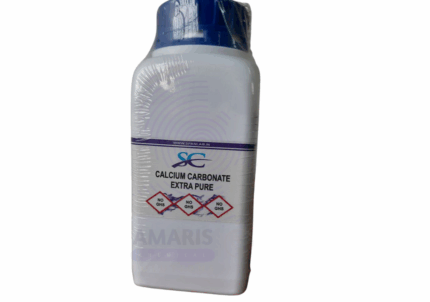
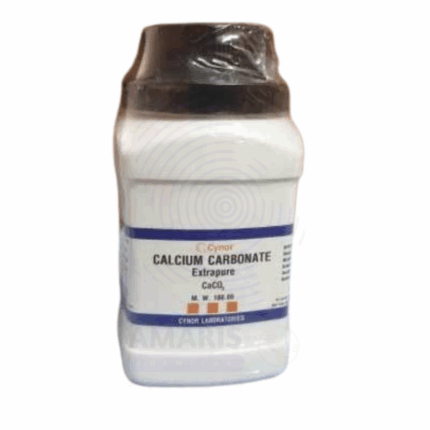
Calcium Carbonate Extra Pure
Calcium Carbonate Extra Pure is a high-purity, fine white powder widely used in laboratory settings as a buffering agent, a source of calcium ions, and a standard for acid-base titrations. It plays a key role in chemical analysis, gravimetric studies, and as a neutralizing agent in various reactions. In educational and research laboratories, it is also used to demonstrate decomposition reactions upon heating, releasing carbon dioxide and forming calcium oxide. The extra pure grade guarantees minimal impurities, making it suitable for precise analytical applications. It should be stored in tightly sealed containers in a dry environment to maintain its stability and reactivity.

Calcium Chloride
Calcium Chloride is an inorganic salt composed of calcium and chlorine with the chemical formula CaCl₂. It typically appears as a white crystalline solid or granular powder, highly soluble in water and exhibiting strong hygroscopic properties. Calcium Chloride is widely used for its moisture-absorbing ability, de-icing, dust control, and as a firming agent in food processing. It finds extensive applications across industrial, pharmaceutical, agricultural, and food sectors due to its efficacy in modifying physical and chemical properties of products and environments.
Calcium Chloride Dihydrate Extra Pure
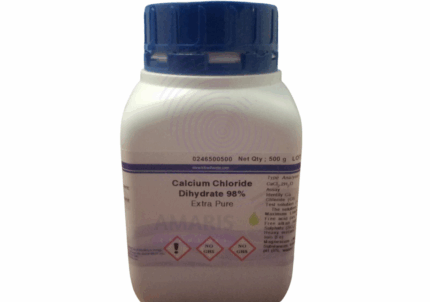
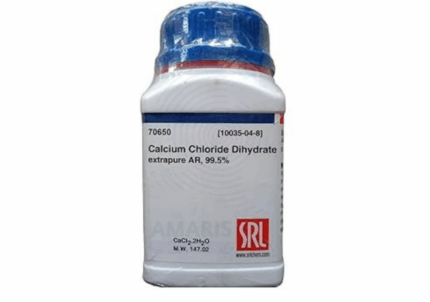
Calcium Chloride Dihydrate Extra Pure is a high-purity, white crystalline compound with the chemical formula CaCl₂·2H₂O. It is highly soluble in water and hygroscopic, making it effective as a drying agent, desiccant, and moisture absorber. This extra pure grade is suitable for laboratory use, analytical applications, and precise chemical processes where high-quality reagents are essential. It is also used in buffer solutions, preparation of calcium salts, and various industrial and environmental applications requiring controlled calcium ion concentrations.
Calcium Chloride Extra Pure
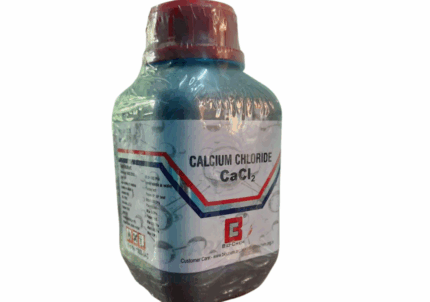
Calcium Chloride Extra Pure is a highly pure, hygroscopic compound widely used in laboratory applications as a desiccant, electrolyte source, and reagent in analytical chemistry. It is effective in moisture control, gas drying, and as a coagulant in biological and biochemical processes. Its strong affinity for water also makes it valuable in experiments involving freezing point depression, exothermic dissolution, and ionic reactions. The extra pure grade ensures minimal impurities, which is critical for accuracy in quantitative analysis, buffer preparation, and synthesis. It should be stored in well-sealed containers in a dry environment to prevent clumping and preserve its chemical performance.
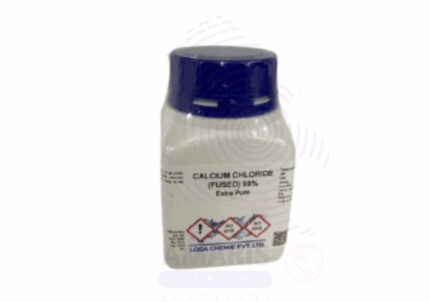
Calcium Chloride Fused Extra Pure
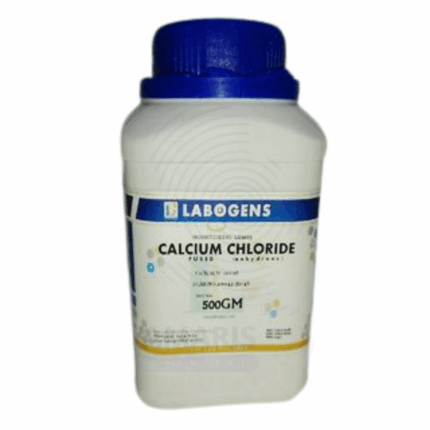
Calcium Chloride Fused Extra Pure is a high-quality, anhydrous form of calcium chloride produced by heating to remove water content, resulting in a dense, granular material with excellent moisture-absorbing properties. It is commonly used in laboratories as a powerful desiccant for drying gases and organic solvents, as well as in thermal and freezing point depression studies. Its high calcium ion content also makes it suitable for use in analytical chemistry, precipitation reactions, and electrolyte preparation. The 95% purity ensures reliable results while maintaining good thermal stability. Proper storage in airtight containers is essential to prevent rehydration and maintain its effectiveness.
Calcium D-Panthothenate
Calcium D-Panthothenate is the calcium salt of D-pantothenic acid (vitamin B5), appearing as a white or off-white crystalline powder. It is a stable, water-soluble compound widely used as a dietary supplement and pharmaceutical ingredient to supply vitamin B5, essential for coenzyme A synthesis and normal metabolism of carbohydrates, proteins, and fats. Calcium D-Panthothenate supports adrenal function, wound healing, and nervous system health, and is frequently incorporated into multivitamins, nutritional supplements, fortified foods, and topical formulations.
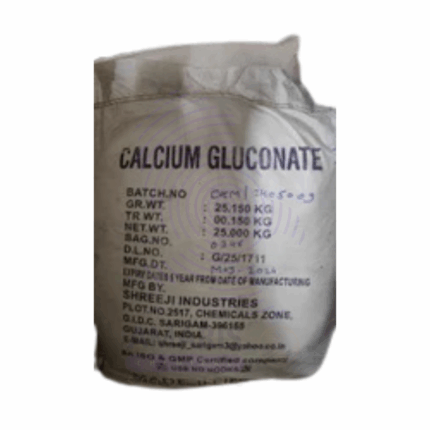
Calcium Gluconate
Calcium Gluconate is a calcium salt of gluconic acid appearing as a white, odorless, crystalline powder or colorless crystals. It is highly soluble in water and commonly used as a calcium supplement in pharmaceuticals and food products. Calcium Gluconate plays a critical role in medicine for treating calcium deficiencies, hypocalcemia, and as an antidote for hydrofluoric acid burns. Its excellent bioavailability makes it a preferred calcium source in oral and intravenous formulations. Additionally, it is utilized in food fortification and cosmetic applications due to its safety and compatibility.
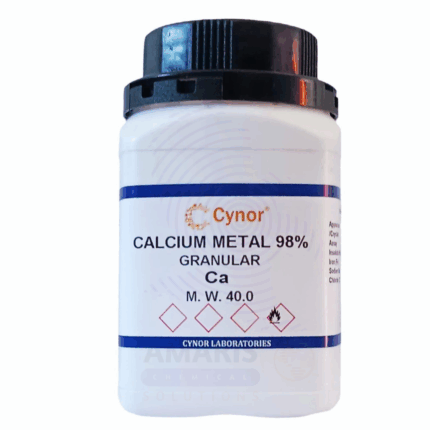
Calcium Granular Extra Pure
Calcium Granular Extra Pure consists of high-purity metallic calcium in granulated form, primarily used in laboratory environments for chemical synthesis, metallothermic reduction reactions, and moisture-sensitive experiments. It serves as a strong reducing agent, especially in the preparation of metals from their oxides and halides. Due to its high reactivity with water and oxygen, it is also used in experiments involving hydrogen generation and exothermic metal-acid reactions. The extra pure grade ensures minimal contamination, essential for precise analytical and preparative applications. It should be stored in sealed, inert-atmosphere containers or under mineral oil to prevent oxidation and preserve its reactivity.
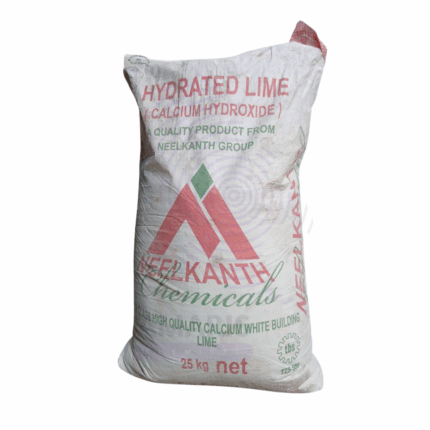
Calcium Hydroxide Hydrated Lime
Calcium Hydroxide Hydrated Lime, commonly known as Hydrated Lime or Slaked Lime, is an inorganic compound with the chemical formula Ca(OH)₂. It appears as a white, odorless, powder or crystalline solid. It is produced by treating quicklime (calcium oxide) with water in a process called slaking. Calcium Hydroxide is moderately soluble in water, forming a strongly alkaline solution known as limewater. It is widely used in construction, environmental, chemical, agricultural, and water treatment applications due to its caustic, neutralizing, and flocculating properties.
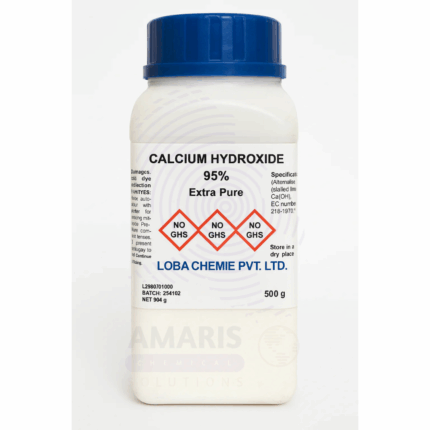
Calcium Hyroxide Extra Pure
Calcium Hyroxide Extra Pure is a finely powdered, high-purity inorganic compound commonly used in laboratories as a strong base, pH adjuster, and reagent in qualitative and quantitative analysis. It is widely employed in acid-base titrations, preparation of limewater for carbon dioxide detection, and precipitation reactions involving metal ions. Its strong alkalinity also makes it useful in studying saponification, neutralization, and hydration processes. The extra pure grade ensures minimal impurities, making it suitable for sensitive analytical procedures and educational demonstrations. It should be stored in tightly sealed containers to prevent carbonation and moisture absorption, which can affect its chemical properties.
Calcium Lactate Pentahydrate
Calcium Lactate Pentahydrate is a white, crystalline, odorless powder that is the calcium salt of lactic acid with five molecules of water of crystallization. It is moderately soluble in water and has a slightly alkaline pH in solution. Widely used as a calcium supplement in the pharmaceutical and food industries, it is known for its good bioavailability and safety profile. Calcium Lactate Pentahydrate is utilized to prevent and treat calcium deficiencies and plays a role in bone health, muscle function, and enzyme activity. It also finds applications as a food additive and firming agent.
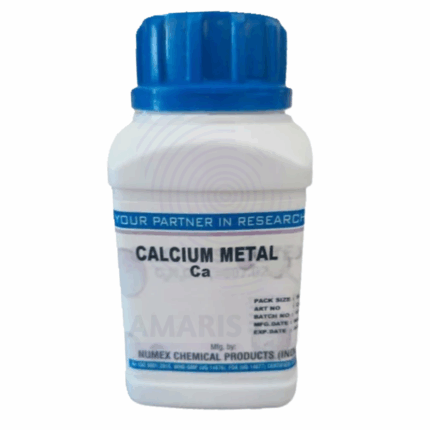
Calcium Metal Extra Pure
Calcium Metal Extra Pure is a high-purity, silvery-white alkaline earth metal used extensively in laboratory settings for its strong reducing properties and high reactivity. It plays a vital role in metallothermic reductions, particularly for extracting reactive metals like uranium, thorium, and zirconium from their oxides or halides. In controlled experiments, it is also used to generate hydrogen gas when reacted with water and to study exothermic redox reactions. The extra pure grade ensures low impurity levels, which is critical for precise synthesis and analytical work. Due to its high reactivity with air and moisture, it must be handled under inert conditions and stored in airtight containers or under oil to prevent oxidation.
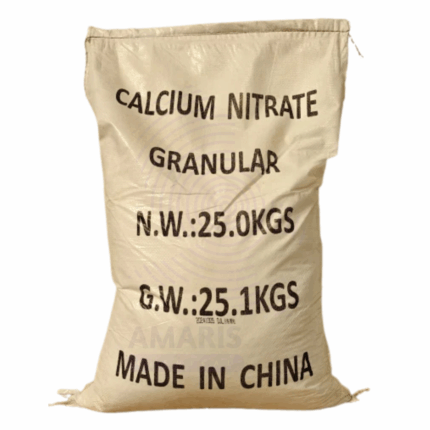
Calcium Nitrate
Calcium Nitrate is a highly soluble, white crystalline salt composed of calcium and nitrate ions. It is commonly available as a tetrahydrate (Ca(NO₃)₂·4H₂O). Known for its excellent solubility in water, calcium nitrate is widely used as a fertilizer providing both calcium and nitrogen to plants. It improves soil structure, enhances nutrient uptake, and prevents disorders such as blossom-end rot in fruits. Beyond agriculture, calcium nitrate serves in wastewater treatment, concrete acceleration, and industrial chemical processes.
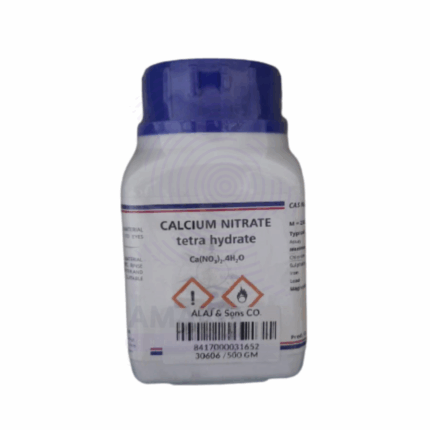
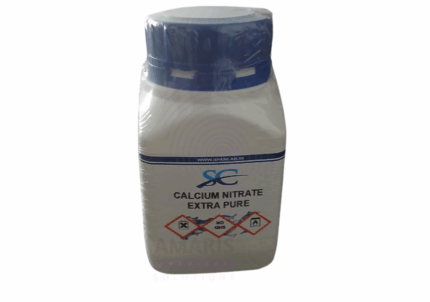
Calcium Nitrate Tetrahydrate Extra Pure
Calcium Nitrate Tetrahydrate Extra Pure is a crystalline, highly soluble laboratory-grade compound widely used as a source of calcium ions in analytical chemistry, solution preparation, and coordination studies. Its tetravalent hydrate form allows for controlled moisture content, making it ideal for reproducible experimental setups. This salt is frequently employed in qualitative tests for fluoride and carbonate ions, and in synthesis involving double displacement reactions. In teaching laboratories, it is also used to demonstrate solubility principles and endothermic dissolution behavior. The extra pure quality ensures minimal interference from contaminants, supporting high-precision research and reliable analytical results. It should be stored in a cool, dry environment to prevent caking and preserve its reactivity.
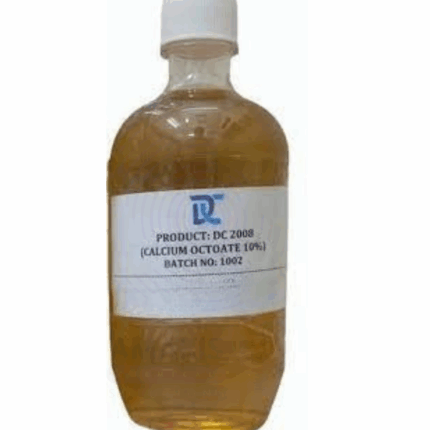
Calcium Octoate Extra Pure
Calcium Octoate Extra Pure is a high-purity laboratory-grade solution containing 10% calcium in the form of calcium salts of 2-ethylhexanoic acid (octanoic acid). It is primarily used in laboratory settings for studying coordination chemistry, organic-metallic interactions, and as a model compound in catalyst formulation research. Known for its solubility in organic solvents and thermal stability, it is also employed in experiments related to surface coatings, resin curing, and polymer additive behavior. The extra pure grade ensures low contamination, essential for accurate analytical and synthetic procedures. It should be stored in tightly sealed containers, away from moisture and heat, to maintain its chemical integrity.
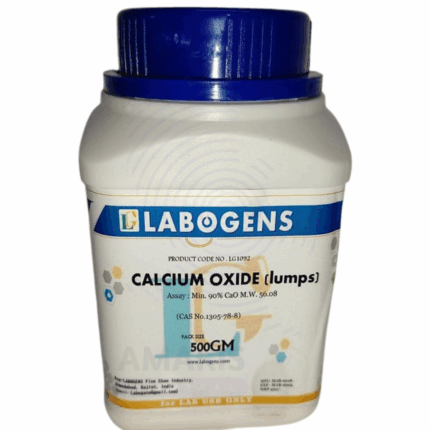
Calcium Oxide lumps Extra Pure
Calcium Oxide lumps Extra Pure is a high-purity, white to grayish solid commonly known as quicklime, widely used in laboratory settings for its strong basic and dehydrating properties. In analytical and preparative chemistry, it is utilized for drying organic solvents and gases, preparing calcium hydroxide solutions, and studying exothermic hydration reactions. Its reactive nature with water makes it ideal for demonstrations of heat evolution and chemical changes. The lump form provides a slower, controlled reactivity, especially useful in large-scale or prolonged experiments. The extra pure grade ensures consistent composition with minimal impurities, essential for precise scientific applications. It must be stored in airtight containers to prevent reaction with atmospheric moisture and carbon dioxide.
Calcium Saccharin
Calcium Saccharin is the calcium salt form of saccharin, a synthetic sweetener. It appears as a white to off-white crystalline powder with a sweet taste that is several hundred times sweeter than sucrose (table sugar). Calcium Saccharin is water-soluble and widely used as a non-nutritive sweetener in food and beverage products, pharmaceuticals, and oral care formulations. Due to its stability under heat and acidic conditions, it is ideal for baked goods and beverages. It serves as a sugar substitute for diabetic and calorie-restricted diets and is often used in combination with other sweeteners to improve taste profiles.
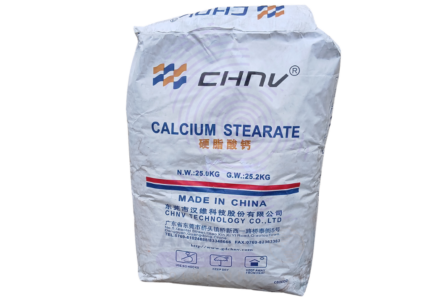
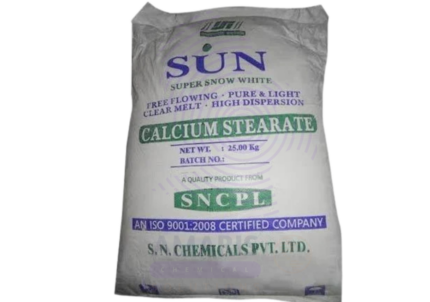
Calcium stearate
Calcium Stearate is a metallic stearate salt, appearing as a fine, white, hydrophobic powder. It is produced through the reaction of stearic acid (a fatty acid derived from natural oils and fats) with calcium oxide or calcium hydroxide. It functions primarily as an acid scavenger, lubricant, release agent, and stabilizer across multiple industrial sectors. Its unique combination of water repellency, low solubility, and high melting point makes it an essential processing additive in plastics, rubber, construction, and paper industries. Technical grade Calcium Stearate is manufactured for industrial performance applications and is not intended for direct food, pharmaceutical, or cosmetic use unless specifically certified and labeled for those applications.
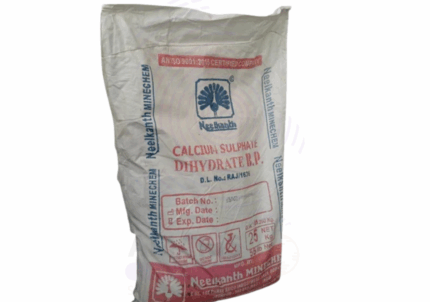
Calcium Sulphate Dihydrate
Calcium Sulphate Dihydrate, commonly known as gypsum, is a naturally occurring mineral widely used in agriculture, construction, and various industrial processes. It appears as a white or slightly translucent crystalline powder with moderate solubility in water. The compound is primarily used as a soil conditioner to improve soil structure and supply calcium and sulfur nutrients essential for plant growth. It also finds applications in the manufacture of plaster, cement, and as a filler in various products.
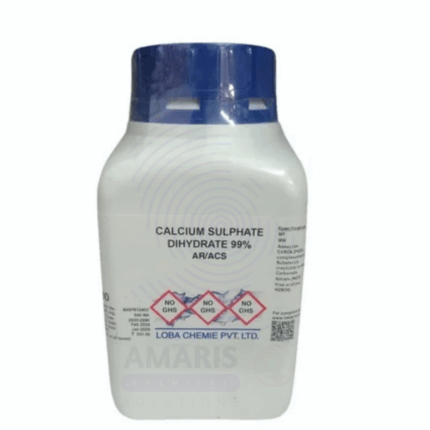
Calcium Sulphate Dihydrate Extra Pure
Calcium Sulphate Dihydrate Extra Pure is a high-purity, white crystalline compound commonly used in laboratory settings for controlled experiments involving hydration and crystallization. Also known as gypsum, it serves as a reliable source of calcium and sulfate ions in analytical chemistry and is often used in preparing culture media, setting-time studies, and thermogravimetric analysis. Its stable dihydrate form makes it ideal for demonstrating water crystallization and thermal decomposition when converted to hemihydrate or anhydrous forms. The extra pure grade guarantees minimal impurities, ensuring accuracy in sensitive applications. It should be stored in a cool, dry place to maintain its hydration state and analytical integrity.

Camelia Oil Infused
Camelia Oil Infused is a gentle, nutrient-rich botanical oil made by infusing the flowers or leaves of the Camellia sinensis or Camellia japonica plant into a carrier oil such as olive, jojoba, or sweet almond oil. Unlike cold-pressed camellia seed oil, this infusion captures a wider spectrum of antioxidant polyphenols, flavonoids, and saponins from the plant material, delivering enhanced skin and hair benefits. Known for its lightweight, non-greasy texture and rapid absorption, Camellia Infused Oil is deeply moisturizing and ideal for sensitive, dry, or aging skin.
Popular in Japanese and Korean beauty traditions, this oil is often used to promote skin elasticity, smoothness, and overall rejuvenation, making it a preferred ingredient in natural cosmetic and personal care products.
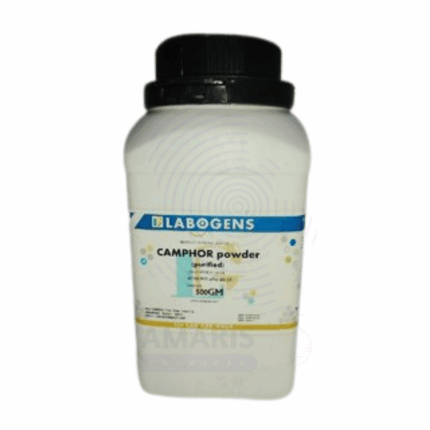
Camphor Powder Extra Pure
Camphor Powder Extra Pure is a high-purity, crystalline white solid known for its distinct, penetrating aroma and volatility, making it valuable in laboratory applications involving sublimation, volatility studies, and organic compound identification. It is frequently used as a standard in melting point determination and as a model compound for exploring phase changes, vapor pressure, and diffusion behavior. In organic synthesis, it serves as a precursor or reagent in oxidation-reduction reactions. The extra pure grade ensures low impurity levels, which is essential for precise analytical and research work. Due to its flammable and volatile nature, it should be handled in well-ventilated areas and stored in tightly sealed containers away from heat and open flames.
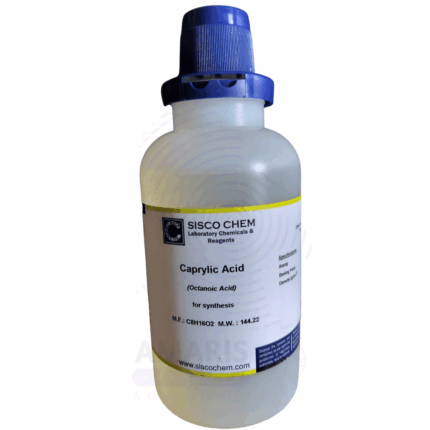
Caprylic/Capric Acid Extra Pure
Caprylic/Capric Acid Extra Pure is a high-purity blend of medium-chain saturated fatty acids—primarily octanoic (caprylic) and decanoic (capric) acids—used in laboratory environments for studying lipid chemistry, esterification, and antimicrobial properties. Its dual-chain composition makes it valuable for investigating emulsion systems, fatty acid metabolism, and as a reference standard in chromatographic analysis. This acid mixture is also employed in the synthesis of esters, surfactants, and as a model compound in solubility and partition coefficient experiments. The extra pure grade ensures minimal contamination, supporting consistent and accurate results in biochemical and organic chemistry applications. It should be stored in a cool, dry place in tightly sealed containers to maintain stability and prevent oxidation.
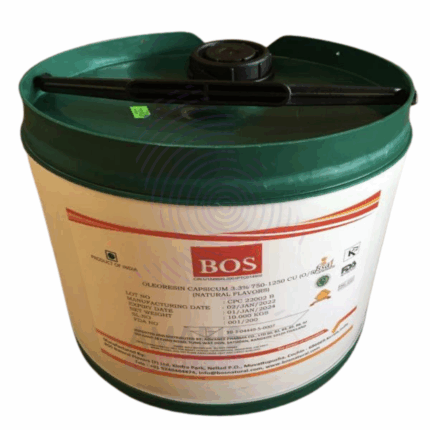
Capsicum Oleoresin
Capsicum Oleoresin is a concentrated extract derived from the dried fruits of Capsicum annuum or Capsicum frutescens (chili peppers). It is a dark red to brownish oily liquid containing approximately 8% capsaicinoids—primarily capsaicin and dihydrocapsaicin—which are the primary pungent components. This oleoresin is widely used for its flavoring, coloring, medicinal, and irritant properties in the food, pharmaceutical, veterinary, and defense industries. It is produced by solvent extraction followed by standardization to achieve consistent pungency levels. The product is highly potent and must be handled with care due to its intense irritant nature.
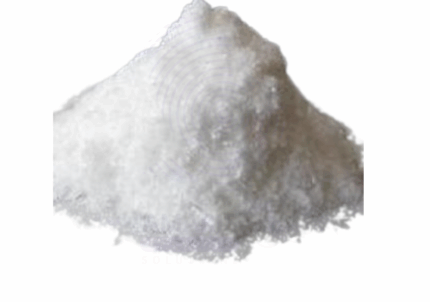
Carbocisteine AJI 92
Carbocisteine AJI 92 is a high-purity pharmaceutical-grade amino acid derivative, chemically known as S-carboxymethyl-L-cysteine. It is a white to off-white crystalline powder with a slightly sulfurous odor and is freely soluble in water. Carbocisteine functions primarily as a mucolytic agent—reducing the viscosity of mucus and promoting expectoration in respiratory tract infections. The "AJI 92" specification refers to its compliance with the purity standards established by Ajinomoto's amino acid quality benchmarks, ensuring it meets stringent pharmaceutical-grade quality control for active pharmaceutical ingredients (APIs). It is widely used in oral syrups, tablets, and granules in both human and veterinary medicine.
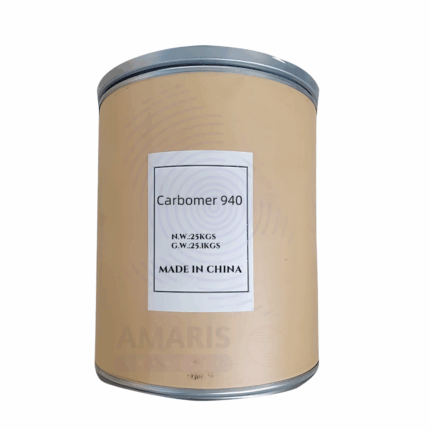
Carbomer
Carbomer is a high molecular weight, crosslinked polyacrylic acid polymer used primarily as a rheology modifier, thickening agent, and suspension stabilizer. Supplied as a fluffy white powder, it exhibits high viscosity and excellent clarity when neutralized and dispersed in water or alcohol-water systems. Carbomer 940 is widely valued for its ability to form clear gels, control flow properties, and stabilize emulsions. It is commonly used in cosmetics, personal care, pharmaceuticals, and household formulations due to its consistency, compatibility, and efficient thickening performance at low concentrations.
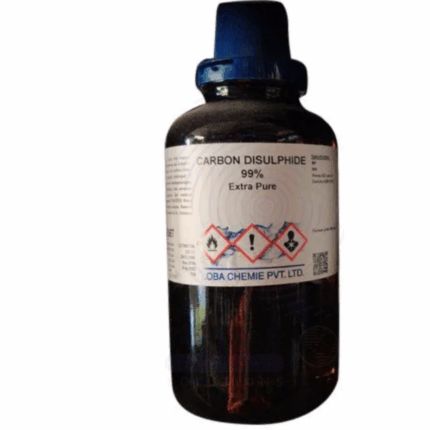
Carbon Disulfide Extra Pure
Carbon Disulfide Extra Pure is a volatile, colorless to pale yellow liquid with a strong, characteristic odor, valued in laboratory settings for its high purity and solvency power. Commonly used as a non-polar solvent, it is ideal for dissolving sulfur, fats, resins, and phosphorus in analytical and synthetic chemistry. Its role extends to studying reaction kinetics, extraction processes, and as a reagent in organic synthesis involving thiocarbonyl compounds. Due to its low flash point and high volatility, it is also utilized in vapor pressure and flammability studies. The 99% extra pure grade ensures minimal impurities, critical for sensitive applications. It must be handled in a well-ventilated fume hood and stored away from heat, sparks, and oxidizing agents.

Cardamon Oil
Cardamon Oil is a premium essential oil steam-distilled from the seeds of Elettaria cardamomum, a plant native to India and Sri Lanka and widely cultivated across tropical regions. It carries a warm, spicy-sweet aroma with hints of eucalyptus and citrus, and ranges from colorless to pale yellow in appearance. Known for its digestive, antiseptic, expectorant, and uplifting qualities, it is valued in aromatherapy, perfumery, cosmetics, pharmaceuticals, and food applications.
Rich in compounds like cineole (1,8-cineole), α-terpineol, and linalyl acetate, Cardamom Oil provides both flavor and therapeutic effects, making it a versatile ingredient across several industries.
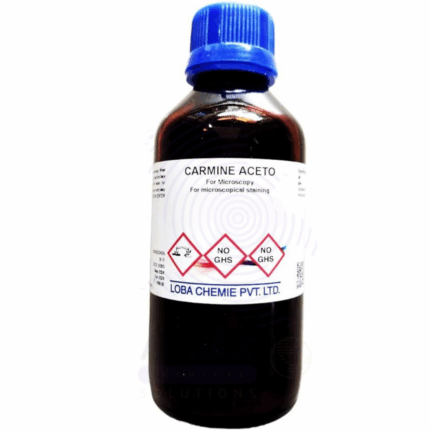
Carmine Aceto Extra Pure
Carmine Aceto Extra Pure is a high-purity, bright red dye derived from carminic acid, used extensively in laboratory applications involving histological staining, pH indicators, and biochemical assays. Known for its strong color stability in acidic environments, it is especially valuable in microscopy for highlighting cell structures and tissue components. Its precise formulation makes it suitable for use in analytical techniques requiring consistent coloration and minimal contamination. The extra pure grade ensures superior quality and reproducibility in experimental conditions. It should be stored in a cool, dry place, protected from direct light and moisture to preserve its dyeing efficacy and stability.
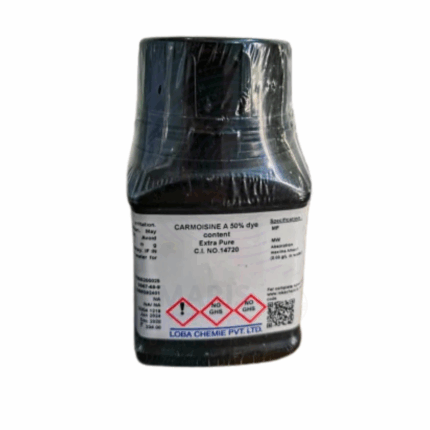
Carmoisine Red Extra Pure
Carmoisine Red Extra Pure is a high-purity synthetic azo dye widely used in laboratory settings for analytical and diagnostic applications, especially in colorimetric assays, pH studies, and chromatographic analysis. Known for its vibrant red hue and excellent solubility in water, it provides consistent and stable coloration under controlled conditions. In biochemical and pharmaceutical research, it serves as a model compound for dye interaction studies and compound tracing. The extra pure grade ensures low levels of impurities, offering high reliability in sensitive experimental work. It should be handled with care, stored in a cool, dry area, and protected from light to maintain its structural and color integrity.

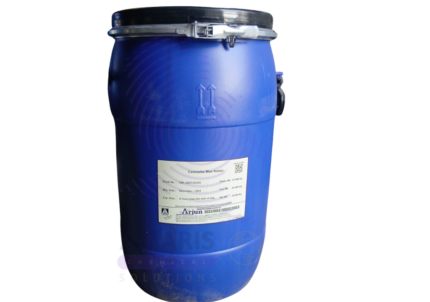
Carnauba Wax Prime Yellow
Carnauba Wax Prime Yellow, also known as Type 1 or Prime Yellow Grade, is the highest quality and purest form of carnauba wax derived from the leaves of the Copernicia cerifera palm tree, native to Brazil. It is a natural, vegetable-based wax prized for its exceptional hardness, high gloss, high melting point, and emulsification properties. Prime Yellow grade represents the finest classification, characterized by its light yellow to pale amber color, low impurities, and superior film-forming characteristics. It is obtained through a meticulous process of harvesting, drying, and processing the palm leaves to extract the waxy coating, which is then refined and graded. Carnauba Wax is often referred to as the "Queen of Waxes" due to its unique combination of properties unmatched by synthetic alternatives. Technical grade Carnauba Wax Prime Yellow is used across numerous industries for its ability to impart gloss, hardness, slip resistance, and moisture barrier properties. It is not intended for direct food consumption but is widely used in food-contact applications such as coatings and packaging.

Carrot Seed Oil
Carrot Seed Oil is a highly concentrated essential oil extracted via steam distillation from the dried seeds of the wild carrot plant (Daucus carota). It should not be confused with carrot carrier oil (infused from the root). Carrot Seed Oil is rich in carotol, a key component contributing to its antioxidant, antifungal, and anti-aging effects. The oil is pale yellow to amber-colored and has a warm, earthy, herbaceous aroma.
Widely recognized for its skin-rejuvenating and detoxifying benefits, Carrot Seed Oil is a staple in cosmetic formulations, particularly for mature or sun-damaged skin. It also finds use in pharmaceuticals and aromatherapy, supporting liver function, immunity, and cell regeneration. Due to its potency, it is typically used in diluted concentrations or synergistic blends.

Cashew Nut Oil
Cashew Nut Oil is a light, golden to pale yellow oil extracted from the kernels of the cashew tree (Anacardium occidentale), native to tropical regions such as Brazil, India, and parts of Africa. The oil is obtained through cold-pressing or solvent extraction methods and is known for its emollient, antioxidant, and skin-conditioning properties.
Rich in oleic, linoleic, and palmitic acids, as well as vitamin E, phytosterols, and phenolic compounds, Cashew Nut Oil is used extensively in cosmetic and personal care applications, as well as in certain food and pharmaceutical formulations. Its light texture and high skin compatibility make it ideal for dry and sensitive skin, while its nutritive properties contribute to hair and scalp health.

Cassia Oil
Cassia Oil is a potent essential oil steam-distilled from the bark of Cinnamomum cassia, commonly known as Chinese cinnamon. It carries a strong, spicy, and warm aroma similar to true cinnamon but is more pungent and intense. Its reddish-brown to yellow appearance and high cinnamaldehyde content give it powerful antimicrobial, antifungal, and warming properties. Cassia Oil is used across various industries including food flavoring, pharmaceuticals, cosmetics, aromatherapy, and household products. Due to its strength, it is typically used in diluted concentrations.

Cathode ray oscilloscope
Cartesian Divers are simple physics demonstration devices used to illustrate principles of buoyancy, pressure, and gas laws. Typically consisting of small, sealed, air-filled capsules submerged in water within a sealed container, these divers rise and sink in response to changes in external pressure. Widely used in educational laboratories for teaching fluid mechanics and gas behavior, Cartesian Divers provide hands-on visualization of fundamental scientific concepts.

Cellulose Acetate Phthalate (CAP)
Cellulose Acetate Phthalate (CAP) is a cellulose derivative obtained by esterification of cellulose with acetic acid and phthalic anhydride. It appears as a white to off-white, free-flowing powder that is insoluble in water but soluble in alkaline solutions and certain organic solvents. CAP is primarily used as an enteric coating agent in pharmaceutical formulations, providing resistance to acidic gastric fluids and enabling targeted release of drugs in the intestines. Due to its film-forming, pH-sensitive solubility, and protective properties, CAP is also applied in food, cosmetics, and specialty industrial uses.

Centre of Gravity apparatus
The Centre of Gravity Apparatus is a precision instrument designed to demonstrate and measure the center of gravity of various objects. It consists of a rigid frame, adjustable clamps, and pointers that help identify the balance point of irregular shapes and composite bodies. Widely used in physics laboratories and industrial training, this apparatus aids in understanding the principles of equilibrium, stability, and moments. Its sturdy construction ensures accurate and repeatable measurements essential for educational and quality control purposes.












