

 Preservatives(food)
 Flavor Enhancers
 Acidulants
 Sweeteners
 Antioxidants
 Colorants(food)
 Nutraceutical Ingredients (food)
 Nutrient Supplements
 Emulsifiers
 Collectors
 Dust Suppressants
 Explosives and Blasting Agents
 Flocculants and Coagulants
 Frothers
 Leaching Agents
 pH Modifiers
 Precious Metal Extraction Agents
 Antioxidants(plastic)
 Colorants (Pigments, Dyes)
 Fillers and Reinforcements
 Flame Retardants
 Monomers
 Plasticizers
 Polymerization Initiators
 Stabilizers (UV, Heat)
 Antifoaming Agents
 Chelating Agents
 Coagulants and Flocculants
 Corrosion Inhibitors
 Disinfectants and Biocides
 Oxidizing Agents
 pH Adjusters
 Scale Inhibitors( water)
 Antioxidants(cosmetic)
 Emollients
 Fragrances and Essential Oils
 Humectants
 Preservatives
 Surfactants(cosmetic)
 Thickeners
 UV Filters
 Fertilizers
 Soil Conditioners
 Plant Growth Regulators
 Animal Feed Additives
 Biostimulants
 Pesticides (Herbicides, Insecticides, Fungicides)
 Active Pharmaceutical Ingredients (APIs)
 Excipients
 Solvents(pharmaceutical)
 Antibiotics
 Antiseptics and Disinfectants
 Vaccine Adjuvants
 Nutraceutical Ingredients (pharmaceutical)
 Analgesics & Antipyretics
 Analytical Reagents
 Solvents(lab)
 Chromatography Chemicals
 Spectroscopy Reagents
 microbiology-and-cell-culture-reagents
 Molecular Biology Reagents
 Biochemical Reagents
 Inorganic and Organic Standards
 Laboratory Safety Chemicals
 Specialty Laboratory Chemicals(Special Laboratory Equipment)
 Demulsifiers
 Hydraulic Fracturing Fluids
 Scale Inhibitors(oil)
 Surfactants(oil)
 Drilling Fluids
 Dyes and Pigments
 Bleaching Agents
 Softening Agents
 Finishing Agents
 Antistatic Agents
 Admixtures
 Waterproofing Agents
 Sealants and Adhesives
 Curing Compounds
 Concrete Repair Chemicals
 Anti-Corrosion Coatings
 Surfactants(cleaning)
 Builders
 Enzymes
 Solvents (Cleaning)
 Fragrances
 Electronic Chemicals
 Catalysts
 Lubricants
 Photographic Chemicals
 Refrigerants
 Automotive chemicals
 Pyrotechnic Chemicals
 Biodegradable Surfactants
 Bio-based Solvents
 Renewable Polymers
 Carbon Capture Chemicals
 Wastewater Treatment Chemicals
 Pigments
 Solvents(paint)
 Specialty Coatings
 Binders/Resins
 Additives
 Driers
 Anti-Corrosion Agents
 Functional Coatings
 Application-Specific Coatings
 Leavening Agents
 Dough Conditioners
 Flour Treatments
 Fat Replacers
 Decoratives
 Preservatives(baking)
 Plasticizers & Softeners
 Reinforcing Agents
 Adhesion Promoters
 Vulcanizing Agents
 Antidegradants
 Blowing Agents
 Fillers & Extenders
 Accelerators & Retarders


















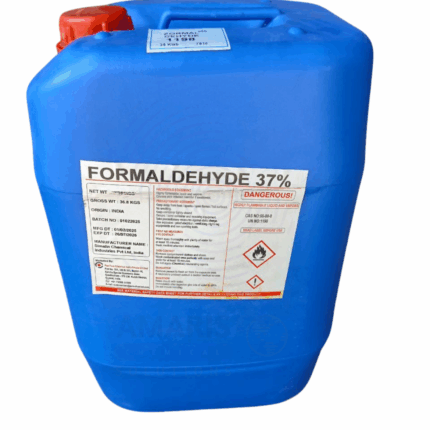
Formaldehyde (Formalin)
Formaldehyde (Formalin) is an aqueous solution containing approximately 37% formaldehyde by weight, stabilized typically with 10-15% methanol to prevent polymerization. It is a clear, colorless liquid with a pungent, penetrating odor. Formaldehyde is a simple aldehyde widely used as a disinfectant, preservative, and chemical intermediate. Formalin’s powerful antimicrobial and tissue-fixation properties make it essential in medical, laboratory, industrial, and manufacturing applications. It is one of the most commonly used chemicals worldwide for sterilization, embalming, and resin production.
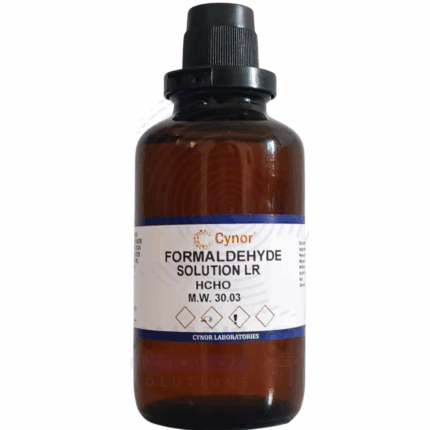
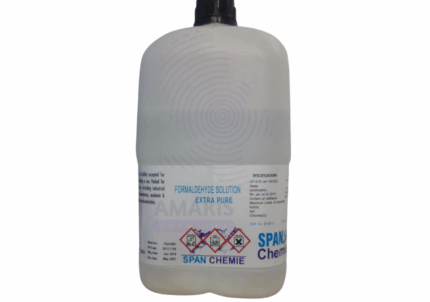
Formaldehyde (Formalin) Extra Pure
Formaldehyde (Formalin) Extra Pure is a highly concentrated and refined aqueous solution of formaldehyde gas, commonly used in laboratories, industrial processes, and research applications. Renowned for its potent disinfectant and preservative properties, it is widely employed in histology for tissue fixation, in microbiology for sterilization, and in various chemical syntheses as a versatile reagent and building block. Its extra pure grade ensures minimal impurities, making it suitable for sensitive analytical procedures, formulation work, and high-precision chemical reactions. This product must be handled with care due to its volatility and toxic nature, especially in enclosed environments.
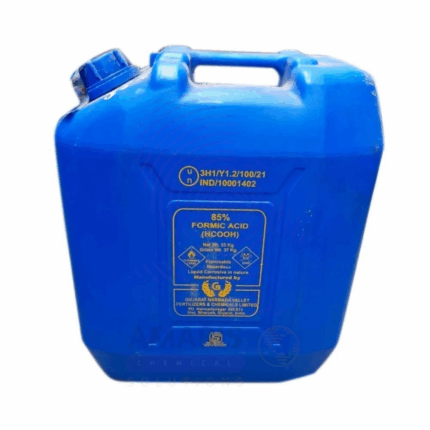
Formic Acid
Formic Acid (methanoic acid) is the simplest carboxylic acid, typically supplied as an 85% aqueous solution. It is a colorless liquid with a pungent, penetrating odor and strong acidic properties. Formic Acid naturally occurs in insect stings and plant secretions and is widely used in chemical synthesis, agriculture, textile, leather, and rubber industries. The 85% solution balances potency and safe handling for industrial applications. It serves as a preservative, antibacterial agent, and intermediate chemical in numerous manufacturing processes.
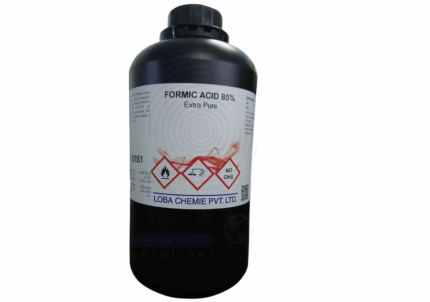
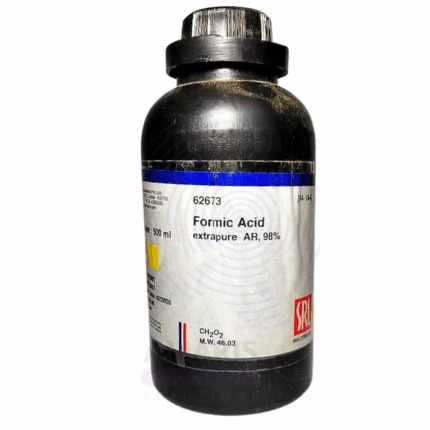
Formic Acid Extra Pure
Formic Acid Extra Pure is a colorless, pungent-smelling liquid with exceptional purity, making it ideal for high-precision laboratory and industrial applications. It is the simplest carboxylic acid and serves as a key reagent in organic synthesis, chromatography, and chemical analysis. Its high acidity and reducing properties make it useful in textile dyeing, leather tanning, electroplating baths, and as a preservative in livestock feed. In the lab, it is also used to adjust pH in sensitive reactions and in protein and peptide analysis. The extra pure grade ensures minimal contamination, which is critical for research-grade and analytical procedures.
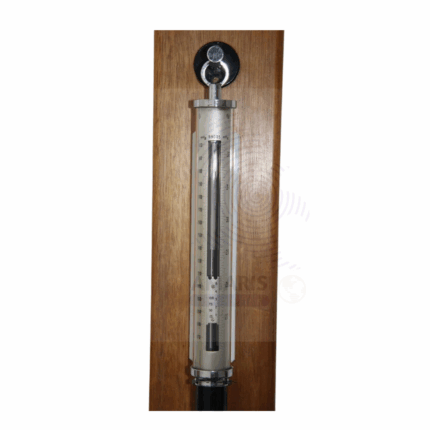
Fortin Barometer with Mercury
Fortin Barometer with Mercury is a precision instrument used to measure atmospheric pressure with high accuracy. Named after its inventor, Jean Nicolas Fortin, this barometer features a mercury column enclosed in a glass tube, mounted vertically with a cistern at the base. A screw-adjusted ivory point is used to align the mercury level at the reference point, ensuring consistent and accurate readings. The device includes a vernier scale for fine measurements and is enclosed in a protective casing for safe handling. Commonly used in meteorological studies, physics laboratories, and calibration settings, the Fortin Barometer is essential for barometric pressure determination and experimental demonstrations.
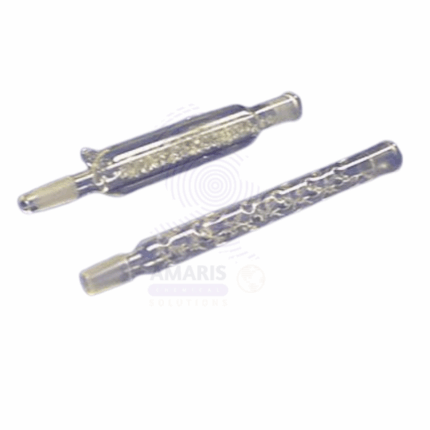
Fractionating Column
Fractionating Column is a laboratory apparatus used in distillation processes to separate liquid mixtures into their individual components based on differences in boiling points. It consists of a vertical glass or metal tube filled with packing material or internal trays that increase surface area, promoting repeated condensation and vaporization cycles (fractionation). This allows for more efficient separation of close-boiling compounds. Fractionating columns are commonly used in organic chemistry labs, chemical processing industries, and educational institutions. Their design can vary from simple glass tubes to complex industrial towers, but all serve the essential function of improving separation efficiency in distillation systems.
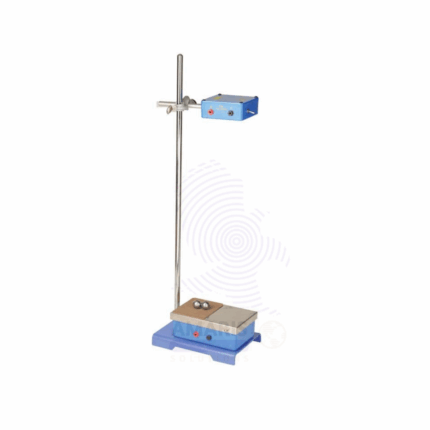
Free Fall Apparatus
Free Fall Apparatus is an educational laboratory instrument designed to study the motion of freely falling objects under the influence of gravity. It typically consists of a vertical support stand, electromagnetic release mechanism, timing sensor or stopwatch interface, and a catching tray or cushioning base. When an object is released from rest, the apparatus records the time it takes to fall a known distance, allowing for precise calculations of acceleration due to gravity (g). Commonly used in physics laboratories, educational institutions, and research settings, the Free Fall Apparatus enables hands-on learning of Newtonian mechanics, kinematics, and motion analysis.
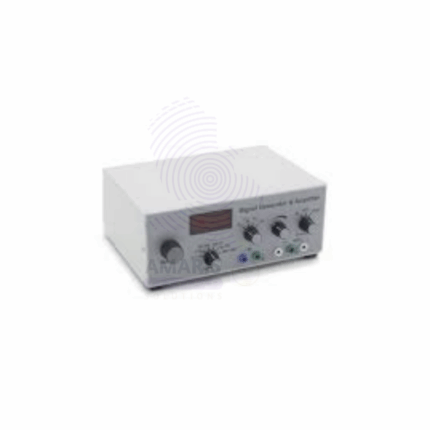
Frequency and Signal Generator
Frequency and Signal Generator is a precision electronic instrument used to generate electrical signals of varying frequencies, waveforms, and amplitudes for testing, designing, and troubleshooting electronic devices and systems. It typically produces sine, square, triangle, and other waveform signals with adjustable frequency and output levels. Widely used in laboratories, research and development, educational institutions, and industrial testing environments, this device helps in analyzing circuit behavior, calibrating equipment, and simulating signals for communication, audio, and control systems.
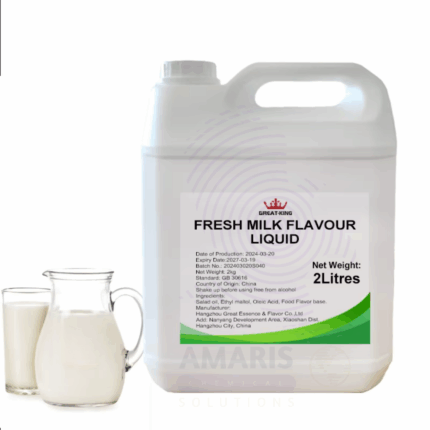
Fresh Milk Liquid Flavour
Fresh Milk Liquid Flavour is a premium food-grade flavoring agent designed to replicate the authentic creamy and slightly sweet aroma of fresh milk. It enhances the taste and sensory appeal of a wide variety of food and beverage products by adding a smooth, natural dairy note. This liquid flavor is formulated for easy blending and consistent performance in diverse applications such as dairy products, bakery items, beverages, and confectionery. Its stable composition ensures long-lasting flavor quality throughout the product shelf life.
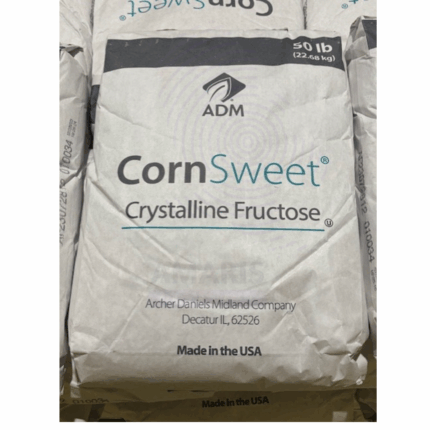
Fructose
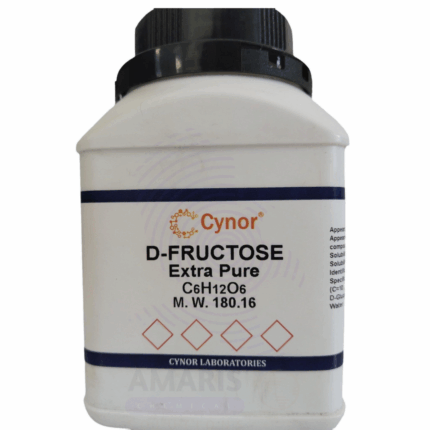
Fructose, also known as fruit sugar, is a naturally occurring monosaccharide found in many plants, fruits, honey, and root vegetables. It is a simple sugar with a sweet taste and is one of the three dietary monosaccharides, alongside glucose and galactose. Fructose appears as a white crystalline powder, highly soluble in water, and is commonly used as a sweetener in food and beverage industries due to its high relative sweetness. It plays important roles in metabolism and is used extensively in the production of high-fructose corn syrup (HFCS) and other sweetening agents.
Fructose Extra Pure
Fructose Extra Pure is a high-purity, naturally occurring monosaccharide renowned for its intense sweetness and excellent solubility. Widely used in laboratory research, food analysis, and pharmaceutical formulations, it serves as a key carbohydrate reference and energy source in various biochemical applications. Its high reactivity and compatibility with a range of analytical techniques make it ideal for testing and formulation development in nutritional science, fermentation processes, and metabolic studies. The extra pure grade ensures minimal interference from impurities, making it suitable for precision-sensitive environments.
Fruit Punch Fragrance Oil
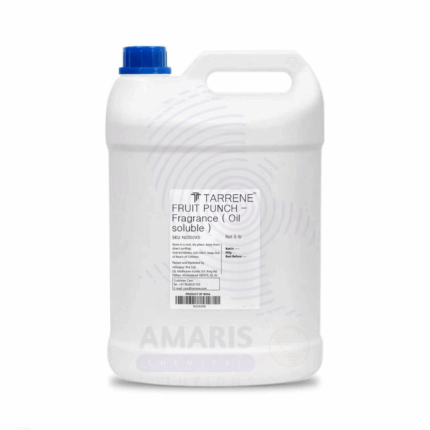
Fruit Punch Fragrance Oil is a vibrant and sweetly refreshing aroma blend designed to evoke the lively, juicy essence of a classic fruit punch drink. Combining notes of citrus, berries, and tropical fruits, it delivers a bright, cheerful scent that uplifts and energizes. This oil-soluble fragrance is ideal for use in personal care products, household cleaners, air fresheners, and various industrial applications that require a fruity and inviting aroma. Known for its excellent stability and strong scent throw, Fruit Punch Fragrance Oil enhances products with a rich and long-lasting fruity fragrance.

FS1006 Fragrance Water Soluble
FS1006 Fragrance Water Soluble is a high-quality, versatile fragrance designed for easy incorporation into aqueous systems. This fragrance offers a fresh and balanced aroma profile that blends seamlessly in water-based formulations, providing consistent and long-lasting scent performance. Ideal for use in personal care, household cleaning, and industrial products, FS1006 enhances the sensory experience without compromising product stability. Its water solubility makes it perfect for applications requiring clear and uniform fragrance distribution.
Fuel Conditioner
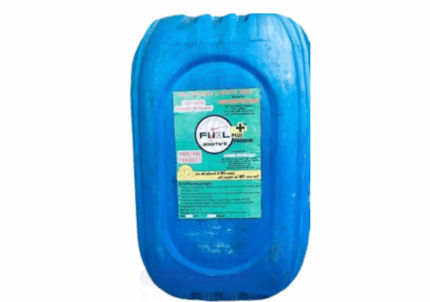
Fuel Conditioner is a specialized chemical additive formulated to improve the performance, efficiency, and longevity of fuels such as gasoline, diesel, biodiesel, and kerosene. It typically contains detergents, corrosion inhibitors, stabilizers, lubricity enhancers, and combustion improvers. The product is designed to clean fuel injectors and carburetors, reduce engine deposits, prevent fuel oxidation, and enhance combustion efficiency. Fuel Conditioners help optimize fuel properties to reduce emissions, improve fuel economy, and protect fuel system components in vehicles, generators, and industrial machinery.
Fully Refined Paraffin Wax
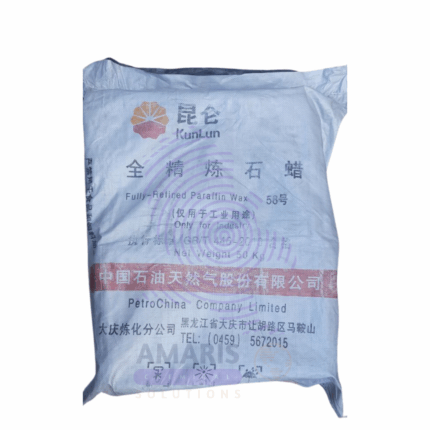
Fully Refined Paraffin Wax is a highly purified, odorless, white to pale yellow wax obtained from the refining of petroleum-derived crude paraffin wax. It consists primarily of saturated hydrocarbons (alkanes) with chain lengths typically between C20 and C40. Due to its excellent chemical stability, non-toxicity, and versatility, Fully Refined Paraffin Wax is widely used across numerous industries including cosmetics, pharmaceuticals, food packaging, candle making, rubber processing, and electrical insulation. It exhibits a high melting point, low volatility, and good water resistance.
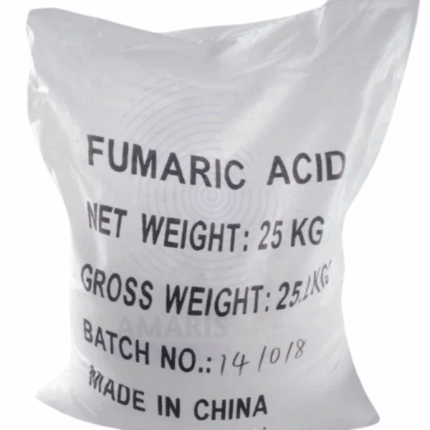
Fumaric Acid
Fumaric Acid is a naturally occurring dicarboxylic acid characterized by its white crystalline powder form and a slightly acidic taste. It is an unsaturated organic acid with the chemical formula C4H4O4 and is an intermediate in the Krebs cycle in biological systems. Fumaric Acid is commonly found in various plants and fungi and is commercially produced by isomerization of maleic acid or by fermentation. It is widely used in the food, pharmaceutical, chemical, and polymer industries due to its acidulant, antioxidant, and crosslinking properties.
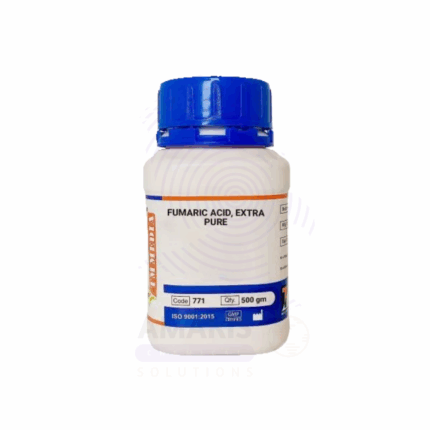
Fumaric Acid Extra Pure
Fumaric Acid Extra Pure is a white crystalline organic compound known for its use as a food acidulant, a chemical intermediate, and a reagent in laboratory analysis. This trans-isomer of butenedioic acid plays a significant role in the Krebs cycle and is commonly used in biochemical and pharmaceutical research. In laboratories, it serves as a standard for titrations and a pH modifier in formulations. Its excellent stability, solubility in alcohol, and high purity make it suitable for precision applications, including quality control testing, analytical chemistry, and synthesis of esters and resins.
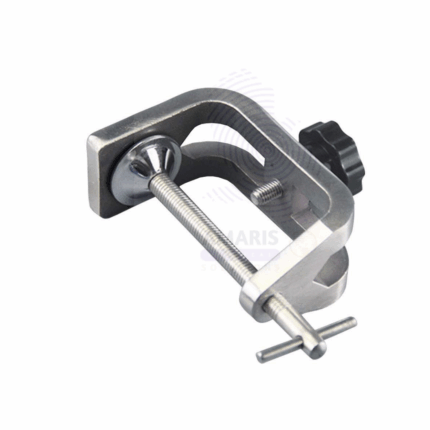
G Clamp
G Clamp is a versatile clamping tool widely used in woodworking, metalworking, and laboratory applications to hold objects securely in place. Shaped like the letter "G," it features a screw mechanism that allows adjustable pressure to firmly grip materials during assembly, welding, gluing, or testing. Made from durable cast iron or steel, G Clamps offer strong holding power and reliable stability, making them essential for precision work and safety in various industrial, construction, and laboratory settings.
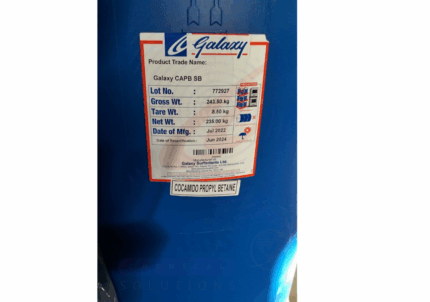
Galaxy CAPB
Galaxy CAPB is a high-performance amphoteric surfactant based on Cocamidopropyl Betaine, produced from coconut fatty acids. It appears as a translucent to pale yellow liquid with mild viscosity and a mild coconut-like odor. As a zwitterionic surfactant, it provides exceptional foaming, mildness, and synergistic compatibility with other surfactants, making it ideal for personal care, household, and industrial formulations.
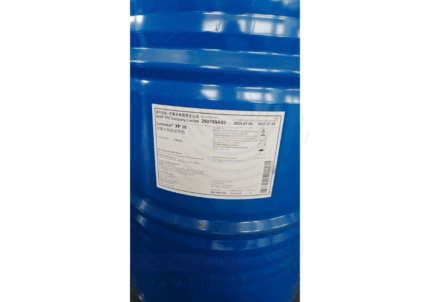
Galaxy MW 257( Lutensol A07)
Galaxy MW 257( Lutensol A07), also known commercially as Lutensol A07, is a nonionic surfactant belonging to the class of ethoxylated alcohols. It is synthesized by ethoxylation of C7 fatty alcohols, resulting in a hydrophilic-lipophilic balance (HLB) suitable for versatile applications in detergency, emulsification, wetting, and dispersing. This liquid surfactant is valued for its excellent surface-active properties, biodegradability, low toxicity, and compatibility with other formulation ingredients. It is widely used in industrial, household, agricultural, and personal care products to improve formulation stability and performance.
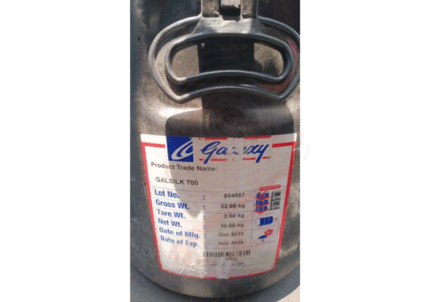
Galsilk 700( polyquartenum 7)
Galsilk 700( polyquartenum 7) is a water-soluble cationic polymer known chemically as Polyquaternium-7. It is widely used as a conditioning agent in personal care and cosmetic formulations, prized for its excellent substantivity to hair and skin, providing softness, smoothness, and antistatic effects. This polymer is typically supplied as a clear to slightly hazy viscous liquid or gel. It is compatible with a broad range of surfactants and ingredients, enhancing the sensory profile of shampoos, conditioners, styling products, and skincare formulations. Galsilk 700 is also valued for its film-forming properties and ability to improve product stability.
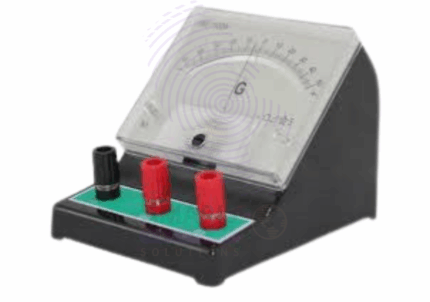
Galvanometer Zero Center
Galvanometer Zero Center is a precision instrument used to detect and measure small electric currents by deflecting a needle from a zero center position. Designed with a symmetrical scale balanced around the zero point, it enables accurate detection of current direction and magnitude. Constructed with sensitive coils and magnetic systems, this galvanometer is widely used in physics laboratories, electrical testing, and instrumentation for experiments requiring precise current measurement and analysis.
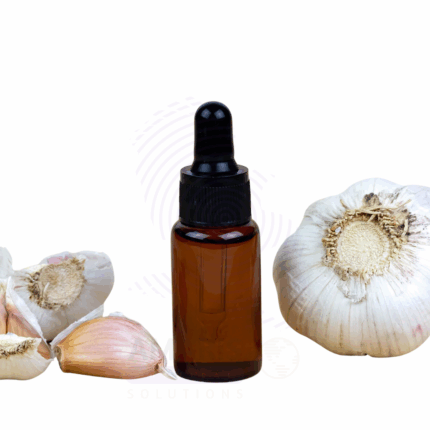
Garlic Oil
Garlic Oil is a potent essential oil extracted from the bulbs of the Allium sativum plant, primarily through steam distillation or solvent extraction. Known for its strong, pungent aroma and rich sulfur-containing compounds such as allicin, diallyl disulfide, and ajoene, Garlic Oil is widely recognized for its antimicrobial, antifungal, antiviral, and antioxidant properties. Traditionally used in herbal medicine, it has applications in pharmaceuticals, natural personal care products, food flavoring, and agricultural pest management. Its therapeutic properties also make it a valuable ingredient in formulations aimed at cardiovascular health and immune system support.
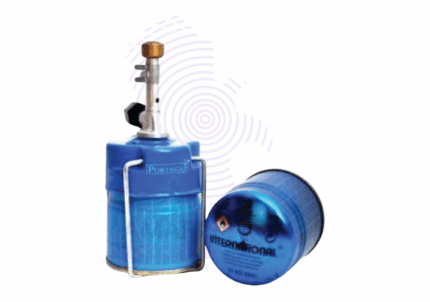
Gas Cartridge
Gas Cartridge is a small, portable container designed to store and supply compressed fuel gases such as butane, propane, or a mix of gases for use in portable burners, camping stoves, soldering tools, and other gas-powered devices. These cartridges are engineered to provide a reliable, controlled gas flow with built-in safety features like pressure release valves and secure screw-on or snap-on fittings. Their compact size and lightweight design make them ideal for outdoor activities, laboratory use, and emergency heating applications. Made from durable metal, gas cartridges ensure safe storage and transport of fuel under pressure.

Gas Jar Lid
Gas Jar Lid is a specially designed cover used to securely seal gas jars, which are containers used to collect, hold, or measure gases in laboratory experiments. Typically made from chemically resistant materials such as glass or plastic, the gas jar lid ensures a tight seal to prevent gas leakage during chemical reactions, gas collection, or storage. It often features one or more ports or holes to allow insertion of tubes, thermometers, or gas delivery apparatus, facilitating controlled gas flow and measurement. Gas jar lids are essential for safe and efficient gas handling in scientific research and educational laboratories.
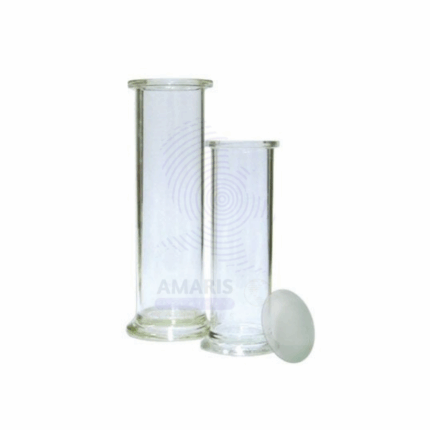
Gas Jar with Lid
Gas Jar with Lid is a durable, chemically resistant container designed for the collection, storage, and measurement of gases in laboratory settings. Typically made from high-quality borosilicate glass or plastic, the gas jar comes with a tight-fitting lid—often equipped with ports or holes—to ensure an airtight seal and facilitate gas transfer or measurement. This apparatus is essential for conducting gas collection experiments safely and accurately, preventing contamination and gas loss. Widely used in educational, research, and industrial laboratories, gas jars with lids enable efficient handling of gases such as oxygen, hydrogen, carbon dioxide, and other experimental gases.
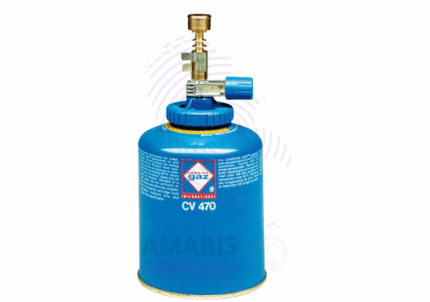
Gas Stove Portable
Gas Stove Portable is a compact, lightweight stove designed for easy transport and use in various settings, including laboratories, fieldwork, and outdoor cooking. It operates on portable gas cartridges or cylinders, providing a reliable flame source for heating, boiling, or sterilization purposes. Constructed with durable materials and equipped with safety features such as flame control and automatic shut-off valves, this stove offers convenience and efficiency. Its portability and user-friendly design make it ideal for temporary setups and situations where traditional fixed stoves are impractical.
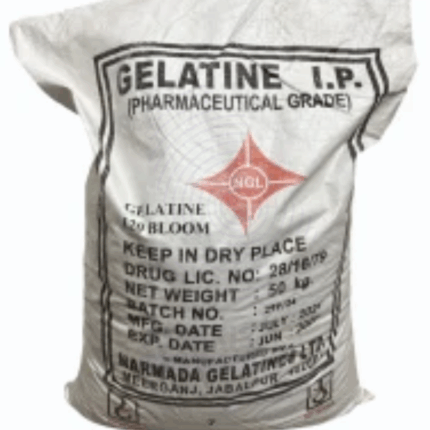
Gelatin Powder 180 Bloom
Gelatin Powder 180 Bloom is a high-quality, partially hydrolyzed collagen protein derived primarily from the skin, bones, and connective tissues of animals such as pigs and cows. The “180 Bloom” rating indicates its gel strength, meaning it forms a firm gel, making it suitable for various industrial, food, pharmaceutical, and cosmetic applications. Gelatin is a natural biopolymer, pale yellow to off-white in color, odorless, and tasteless. It is widely used due to its excellent gelling, film-forming, emulsifying, and stabilizing properties. The powder form offers ease of handling, storage, and precise dosing.
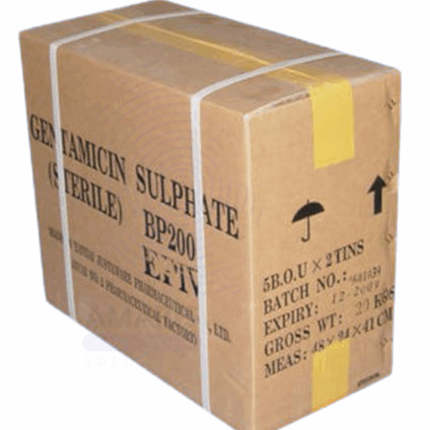
Gentamycin Sulphate
Gentamycin Sulphate is an aminoglycoside antibiotic derived from Micromonospora purpurea and Micromonospora griseorubida. It appears as a white or off-white crystalline powder, highly soluble in water, with a characteristic aminoglycoside odor. Gentamycin Sulphate is widely used in human and veterinary medicine for its broad-spectrum bactericidal activity against aerobic Gram-negative and some Gram-positive bacteria. It works by inhibiting bacterial protein synthesis through binding to the 30S ribosomal subunit, leading to bacterial cell death. Due to its effectiveness against severe infections and multi-drug resistant strains, it is an essential antibiotic in clinical settings.
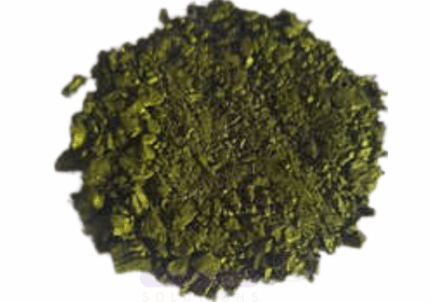
Gentian Violet Crystals
Gentian Violet Crystals is a dark purple crystalline powder known chemically as Hexamethyl pararosaniline chloride. It is a synthetic triphenylmethane dye historically used for its antimicrobial, antifungal, and antiseptic properties. The “80” typically refers to the dye strength or concentration. Gentian Violet exhibits broad-spectrum antimicrobial activity and is used in medical, veterinary, microbiological, histological, cosmetic, and industrial applications. It functions by disrupting bacterial and fungal cell membranes and inhibiting DNA replication. Despite reduced use in some areas due to safety concerns, it remains valuable in certain low-cost, traditional, and veterinary applications.
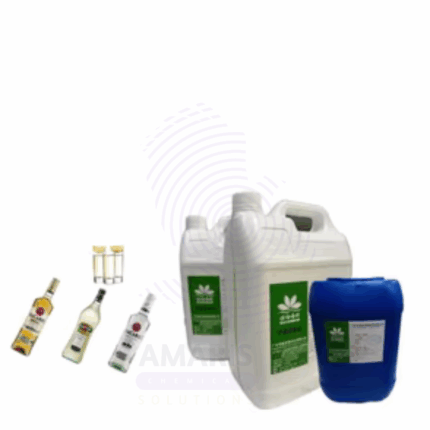
Gin Liquid Flavour
Gin Liquid Flavour is a high-quality, food-safe flavoring designed to replicate the characteristic herbal, botanical, and juniper-forward profile of traditional gin. Crafted for use in food and beverage applications, this liquid flavor captures the complex notes of gin without containing alcohol, making it ideal for non-alcoholic beverages, gourmet culinary creations, and confectionery. The flavor is stable under a range of processing conditions and is suitable for cold and hot applications, offering excellent dispersion and flavor retention.
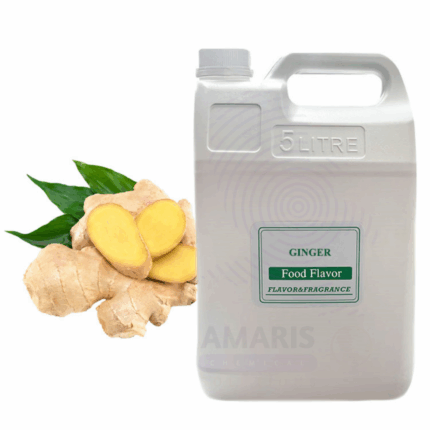
Ginger Liquid Flavour
Ginger Liquid Flavour is a high-quality, concentrated flavoring agent that delivers the warm, spicy, and slightly sweet taste of fresh ginger. Crafted using nature-identical or natural components, this liquid flavor is ideal for a wide range of food and beverage applications requiring the distinctive kick of ginger without the need for fresh root. It provides excellent solubility and flavor stability in both hot and cold formulations. Ginger Liquid Flavor is heat-resistant, making it suitable for baked goods, beverages, sauces, and confections where a natural and robust ginger profile is desired.

Ginger Oil
Ginger Oil is an essential oil extracted from the rhizomes of the Zingiber officinale plant, primarily through steam distillation. Known for its warm, spicy, and invigorating aroma, Ginger Oil contains bioactive compounds such as gingerol, zingiberene, and beta-bisabolene, which contribute to its therapeutic properties. Traditionally valued in Ayurveda and traditional medicine for digestive, anti-inflammatory, and analgesic benefits, Ginger Oil is widely used today in pharmaceuticals, cosmetics, flavoring, and aromatherapy. Its stimulating nature makes it effective for promoting circulation, relieving muscle pain, and enhancing mood.
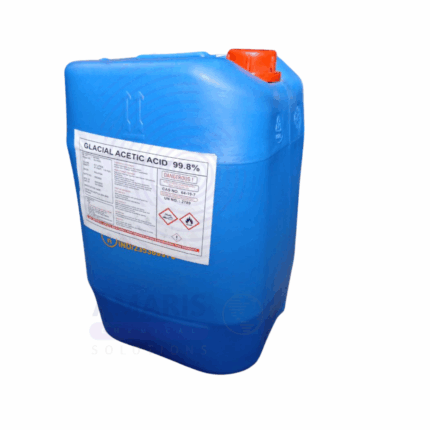
Glacial Acetic Acid Food Grade
Glacial Acetic Acid Food Grade is a clear, colorless liquid organic compound with a pungent vinegar-like odor. It is a high-purity form of acetic acid specifically produced and processed for safe use in food applications. As the main component of vinegar (after dilution), it serves as a critical flavoring agent, pH adjuster, and preservative in the food industry. Food-grade acetic acid typically has a concentration of 80-100% (glacial acetic acid) or is diluted to lower concentrations (4-20%) for specific applications.
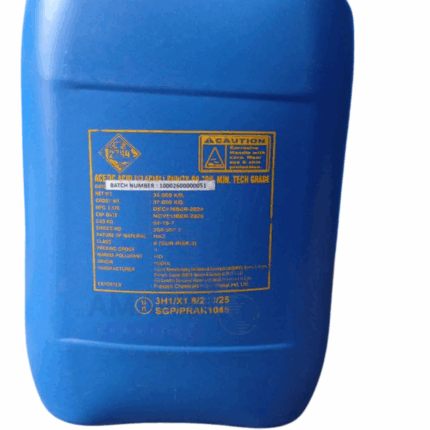
Glacial Acetic Acid Tech grade
Glacial Acetic Acid Tech grade is a clear, colorless liquid with a pungent vinegar-like odor. It is a less refined form of acetic acid primarily used for industrial and technical applications rather than food or pharmaceutical uses. Typically available in concentrations ranging from 80% to glacial (99-100%), it serves as a crucial chemical reagent, solvent, and intermediate in various industrial processes.
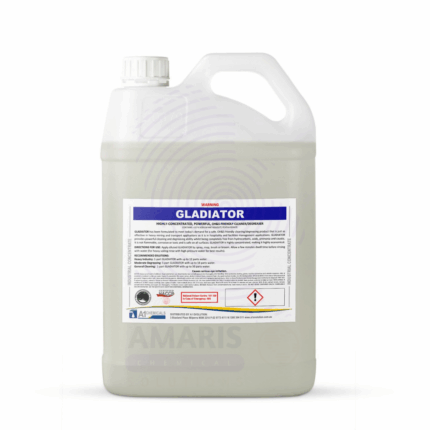
Gladiator
Gladiator is a high-performance structural adhesive based on methyl methacrylate (MMA) chemistry. Designed as a two-part reactive acrylic system, it offers exceptional bonding strength for demanding industrial and structural applications. With a shear strength exceeding 3,000 psi, Gladiator is particularly effective for bonding metals, plastics, and composite materials. It cures at room temperature and offers excellent resistance to mechanical stress, impact, vibration, and thermal cycling. Widely used in construction, automotive, marine, and maintenance applications, it features rapid setting, gap-filling capacity, and superior durability—even under harsh conditions.

Glass Cutter Diamond Pencil
Glass Cutter Diamond Pencil is a precision tool designed for scoring and cutting glass sheets and laboratory glassware. It features a durable diamond-tipped cutting edge that enables smooth, clean cuts on various types of glass including tempered, stained, and borosilicate glass. The pencil-style ergonomic design provides comfortable grip and control for detailed work. This tool is widely used by glassworkers, laboratory technicians, artisans, and DIY enthusiasts for shaping and customizing glass components without causing cracks or unwanted breakage. The diamond tip ensures extended durability and consistent performance, making it an essential instrument for both industrial and laboratory glass cutting tasks.
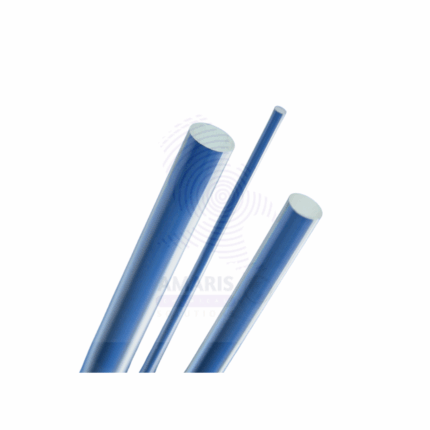
Glass Rod for Static Electricity
Glass Rod for Static Electricity is a smooth, cylindrical rod made from high-quality glass designed specifically for generating static electricity through friction. Commonly used in physics laboratories and educational demonstrations, this rod serves as a fundamental tool to study electrostatics by producing and transferring electric charges when rubbed with materials like silk or wool. The rod’s chemically resistant, durable glass surface allows repeated use without degradation. It is an essential apparatus for teaching concepts such as charge generation, attraction, repulsion, and the behavior of static electricity in various materials.

Glass Stirring Rod
Glass Stirring Rod is a durable, chemically resistant cylindrical rod made from borosilicate glass, designed for mixing, stirring, and blending liquids in laboratory and industrial settings. Its smooth, inert surface ensures no reaction or contamination with chemicals, making it ideal for handling acids, bases, and organic solvents. The rod is heat resistant and easy to clean, providing a reliable tool for consistent and efficient stirring during experiments, chemical reactions, or sample preparation. Glass Stirring Rods are essential in research, quality control, pharmaceutical, and educational laboratories for accurate and safe fluid mixing.
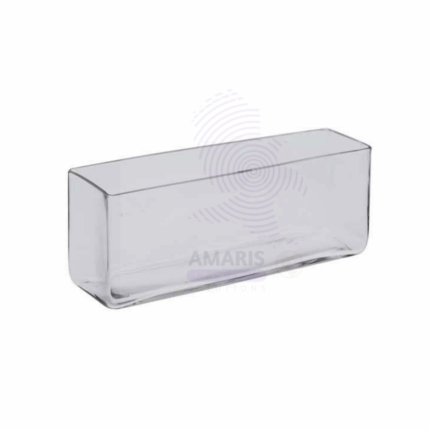
Glass Trough
Glass Trough is a sturdy, open-top container made from chemically resistant borosilicate glass, designed for use in laboratory experiments and fluid handling applications. Its transparent walls provide excellent visibility of contents, while the smooth surface resists chemical attack and allows easy cleaning. Glass Troughs are commonly used for holding liquids, conducting water displacement experiments, or as reservoirs in various scientific setups. Durable and reusable, they are essential laboratory tools in research, education, and industrial testing environments.

Glass Tubing
Glass Tubing is a cylindrical, hollow glass product commonly made from chemically resistant borosilicate glass, designed for a wide range of laboratory, industrial, and scientific applications. It provides a durable, transparent conduit for transporting gases, liquids, and chemicals. Glass tubing is valued for its excellent chemical inertness, thermal resistance, and clarity, making it ideal for use in experimental setups, fluid transfer systems, and glass apparatus fabrication. Available in various diameters and wall thicknesses, glass tubing can be cut, bent, or shaped to suit specific requirements.

Glass Tubing Cutter File
Glass Tubing Cutter File is a specialized tool designed for scoring and preparing glass tubes before breaking them cleanly. It typically features a hardened steel or diamond-coated cutting surface combined with a file mechanism to smooth and shape the scored area, ensuring precise and controlled glass cutting. This tool is essential for laboratory technicians, glassworkers, and craftsmen who work with glass tubing, enabling safe and accurate customization of glass lengths and shapes.
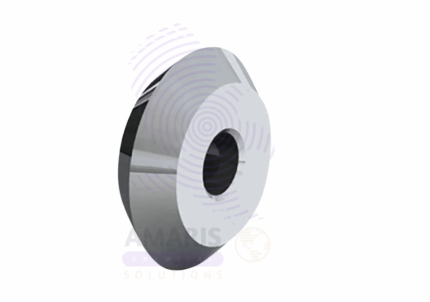
Glass Tubing Cutter Wheel Type
Glass Tubing Cutter Wheel Type is a precision cutting tool designed specifically for scoring and cutting glass tubes and rods. It features a sharp, durable cutting wheel mounted on an adjustable frame that allows for smooth, clean cuts with minimal effort. The tool is essential for laboratory, industrial, and craft applications where accurate glass tubing modification is required. Its ergonomic design ensures controlled handling and consistent performance, making it a reliable accessory for glassware preparation and repairs.
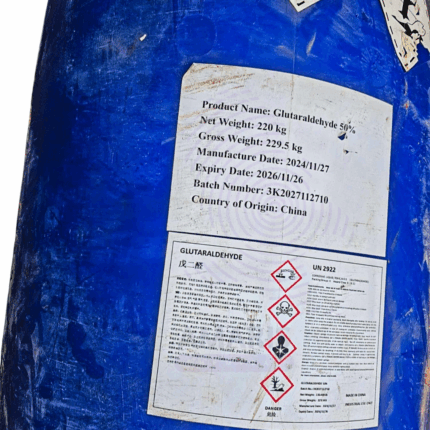
Glutardehyde
Glutardehydeis a potent biocidal agent and chemical sterilant widely used in healthcare, water treatment, and industrial applications. It is a colorless to pale yellow oily liquid with a pungent, sharp odor. Chemically, it is a dialdehyde, primarily valued for its ability to cross-link proteins, making it highly effective as a disinfectant, fixative, and preservative. Typically supplied in concentrations of 25% or 50% aqueous solutions, Glutaraldehyde is used where high-level disinfection is needed—especially against bacteria, viruses, fungi, and spores. Its versatility also extends to tanning, laboratory science, and wastewater treatment.


Glycerin
Glycerin, also known as glycerol, is a colorless, odorless, viscous liquid with a sweet taste and hygroscopic properties. It is a trihydroxy alcohol (triol) used extensively across food, pharmaceutical, cosmetic, and industrial applications. Food-grade glycerin is produced through hydrolysis, saponification, or transesterification of fats and oils, ensuring compliance with stringent purity standards. It is supplied in bulk (e.g., 250kg drums) for large-scale applications where non-toxic, biodegradable humectants or solvents are required. Glycerin is widely appreciated for its moisture-retaining ability, solubility, lubricity, and stabilizing properties.
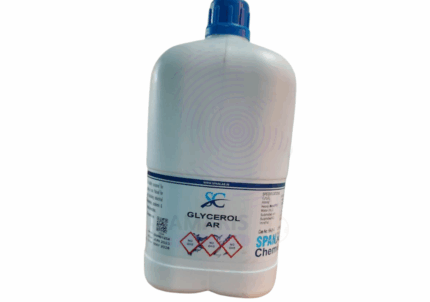
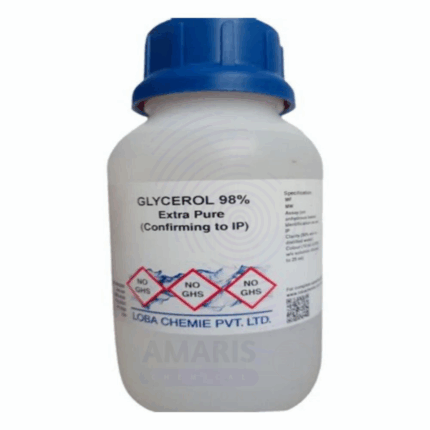
Glycerol Extra Pure (Glycerin)
Glycerol Extra Pure is a clear, viscous, and odorless liquid widely valued for its hygroscopic and solvent properties. With a purity suitable for laboratory, pharmaceutical, and analytical applications, it serves as a versatile reagent and humectant. In laboratories, Glycerol is commonly used in sample preservation, preparation of enzyme storage solutions, and as a stabilizing agent in electrophoresis gels. Its non-toxic and biodegradable nature also makes it ideal for educational experiments and sensitive chemical processes. Its high purity ensures consistent performance in both qualitative and quantitative analysis.
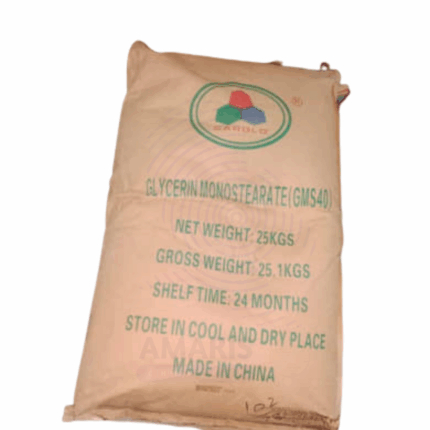
Glycerol Monostearate
Glycerol Monostearate is a white to off-white, free-flowing powder composed of 50% monoglycerides of stearic and palmitic acids, typically derived from vegetable oils. It is a non-ionic emulsifier widely used in food, cosmetics, pharmaceuticals, plastics, and industrial applications. GMS functions as an emulsifying agent, stabilizer, thickener, anti-staling agent, and opacifier. In food, it improves texture and extends shelf life. In cosmetics and pharmaceuticals, it enhances creaminess and stability. GMS 50% is often blended with other emulsifiers or surfactants and is valued for its versatile functionality, safety, and compatibility with a wide range of ingredients.
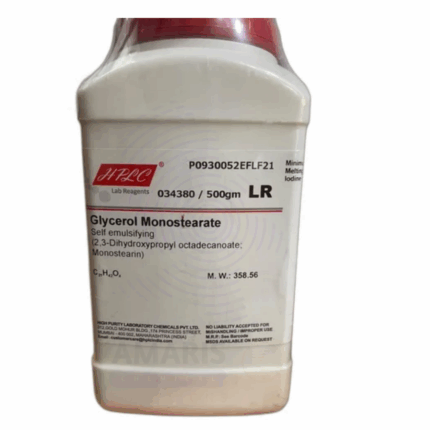
Glycerol Monostearate Extra Pure
Glycerol Monostearate Extra Pure is a high-purity, white, odorless, and tasteless powder or flake widely used as an emulsifier, thickening agent, and stabilizer. In laboratory and industrial settings, it is particularly valuable for its role in forming stable emulsions in aqueous and oily systems. Commonly used in food science experiments, pharmaceutical formulations, and cosmetic product development, GMS improves consistency and shelf-life. It also serves as a dispersing agent and plasticizer in various polymer applications. Its extra pure grade ensures reliable performance where precision and chemical cleanliness are required.
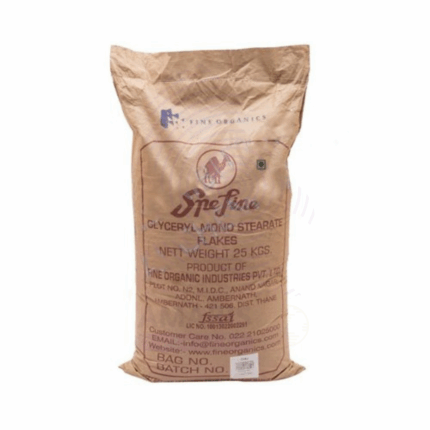
Glycerol Monostearate Flakes
Glycerol Monostearate Flakes is a white to off-white waxy flake form emulsifier composed of 40% monoglycerides of fatty acids, primarily stearic and palmitic acids, combined with other glycerides and esters. Derived mainly from vegetable oils, this food-grade emulsifier is widely utilized in food, cosmetic, pharmaceutical, and industrial sectors for its multifunctional properties. GMS 40% flakes serve as effective emulsifiers, stabilizers, anti-caking agents, and texture enhancers, with excellent compatibility and versatility in formulations requiring semi-solid or solid fats.

Gold Leaf Electroscope
Gold Leaf Electroscope is a sensitive scientific instrument used to detect and measure electric charge. It consists of a metal rod connected to two thin gold leaves enclosed within a glass container. When the rod becomes charged, the leaves repel each other due to like charges, indicating the presence and relative magnitude of electric charge. Gold Leaf Electroscopes are widely used in physics education, research, and experimental demonstrations to study static electricity and charge properties. The gold leaves provide high conductivity and flexibility, ensuring precise detection of electrical phenomena.












