

 Preservatives(food)
 Flavor Enhancers
 Acidulants
 Sweeteners
 Antioxidants
 Colorants(food)
 Nutraceutical Ingredients (food)
 Nutrient Supplements
 Emulsifiers
 Collectors
 Dust Suppressants
 Explosives and Blasting Agents
 Flocculants and Coagulants
 Frothers
 Leaching Agents
 pH Modifiers
 Precious Metal Extraction Agents
 Antioxidants(plastic)
 Colorants (Pigments, Dyes)
 Fillers and Reinforcements
 Flame Retardants
 Monomers
 Plasticizers
 Polymerization Initiators
 Stabilizers (UV, Heat)
 Antifoaming Agents
 Chelating Agents
 Coagulants and Flocculants
 Corrosion Inhibitors
 Disinfectants and Biocides
 Oxidizing Agents
 pH Adjusters
 Scale Inhibitors( water)
 Antioxidants(cosmetic)
 Emollients
 Fragrances and Essential Oils
 Humectants
 Preservatives
 Surfactants(cosmetic)
 Thickeners
 UV Filters
 Fertilizers
 Soil Conditioners
 Plant Growth Regulators
 Animal Feed Additives
 Biostimulants
 Pesticides (Herbicides, Insecticides, Fungicides)
 Active Pharmaceutical Ingredients (APIs)
 Excipients
 Solvents(pharmaceutical)
 Antibiotics
 Antiseptics and Disinfectants
 Vaccine Adjuvants
 Nutraceutical Ingredients (pharmaceutical)
 Analgesics & Antipyretics
 Analytical Reagents
 Solvents(lab)
 Chromatography Chemicals
 Spectroscopy Reagents
 microbiology-and-cell-culture-reagents
 Molecular Biology Reagents
 Biochemical Reagents
 Inorganic and Organic Standards
 Laboratory Safety Chemicals
 Specialty Laboratory Chemicals(Special Laboratory Equipment)
 Demulsifiers
 Hydraulic Fracturing Fluids
 Scale Inhibitors(oil)
 Surfactants(oil)
 Drilling Fluids
 Dyes and Pigments
 Bleaching Agents
 Softening Agents
 Finishing Agents
 Antistatic Agents
 Admixtures
 Waterproofing Agents
 Sealants and Adhesives
 Curing Compounds
 Concrete Repair Chemicals
 Anti-Corrosion Coatings
 Surfactants(cleaning)
 Builders
 Enzymes
 Solvents (Cleaning)
 Fragrances
 Electronic Chemicals
 Catalysts
 Lubricants
 Photographic Chemicals
 Refrigerants
 Automotive chemicals
 Pyrotechnic Chemicals
 Biodegradable Surfactants
 Bio-based Solvents
 Renewable Polymers
 Carbon Capture Chemicals
 Wastewater Treatment Chemicals
 Pigments
 Solvents(paint)
 Specialty Coatings
 Binders/Resins
 Additives
 Driers
 Anti-Corrosion Agents
 Functional Coatings
 Application-Specific Coatings
 Leavening Agents
 Dough Conditioners
 Flour Treatments
 Fat Replacers
 Decoratives
 Preservatives(baking)
 Plasticizers & Softeners
 Reinforcing Agents
 Adhesion Promoters
 Vulcanizing Agents
 Antidegradants
 Blowing Agents
 Fillers & Extenders
 Accelerators & Retarders
















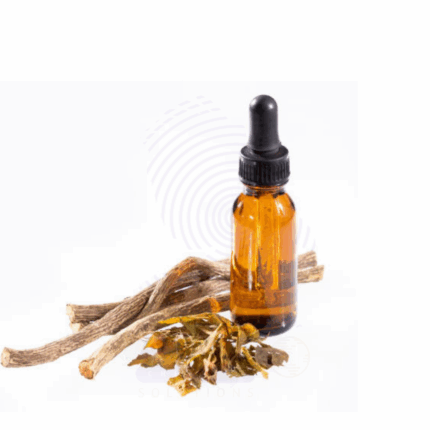
Sunpati Oil
Sunpati Oil is a high-stability, non-GMO sunflower-derived triglyceride oil produced via hydrogenation and fractionation of Helianthus annuus seed oil. It boasts excellent thermal and oxidative stability, a light texture, and superior shelf life. Sunpati Oil is rich in saturated and monounsaturated fatty acids, including stearic and oleic acids, offering stable emollient properties in food, cosmetic, and industrial applications. Its clean, neutral odor and smooth mouthfeel make it suitable for snack food applications, confectionery formulations, and high-end skincare products.
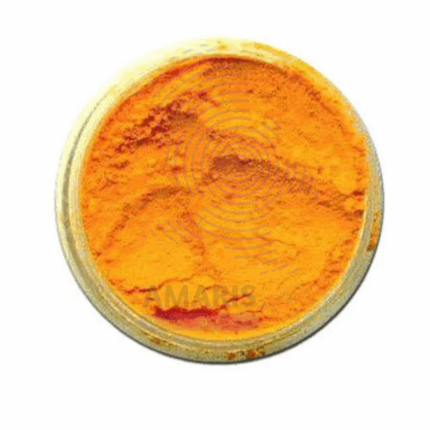
Sunset Yellow Orange Shade
Sunset Yellow Orange Shade is a synthetic azo dye that provides bright orange-yellow coloration. It is widely used in food and beverage products, cosmetics, and pharmaceuticals, offering stable and vibrant color with good solubility in water. The dye meets regulatory standards for safety and quality, making it suitable for a variety of commercial applications.
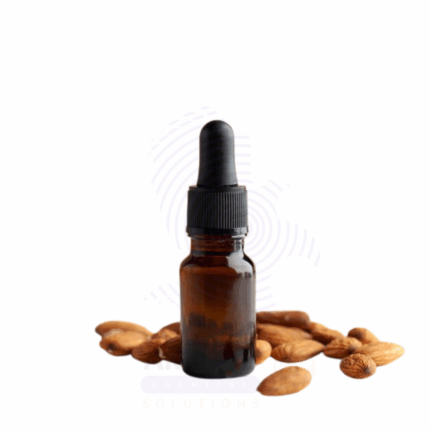
Sweet Almond Oil
Sweet Almond Oil is a nutrient-rich vegetable oil cold‑pressed or solvent‑extracted from the kernels of Prunus amygdalus var. dulcis, widely cultivated in Mediterranean and subtropical regions. It offers a light, non-greasy texture and a subtle nutty aroma. Rich in oleic and linoleic fatty acids, vitamin E (tocopherols), phytosterols, and antioxidants, it provides moisturizing, anti-inflammatory, softening, and skin barrier–strengthening properties. Sweet Almond Oil is popular in culinary applications, skincare, hair care, massage blends, and therapeutic formulations.
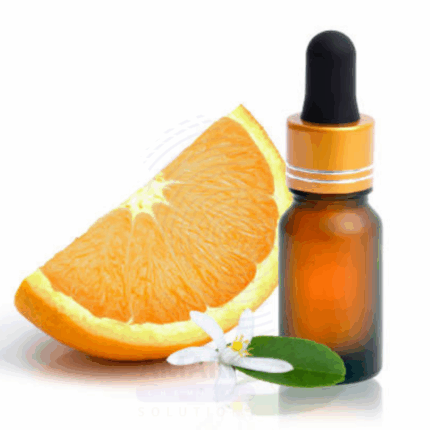
Tangerine Oil
Tangerine Oil is a fresh, bright essential oil cold-pressed from the rinds of Citrus reticulata (Tangerine), native to Southeast Asia and now cultivated globally. It possesses a sweet, citrusy, and slightly fruity aroma with low phototoxicity compared to other citrus oils. Rich in limonene, beta-pinene, gamma-terpinene, and myrcene, Tangerine Oil offers uplifting, calming, and digestive-supporting properties. Widely used in aromatherapy, skincare, flavoring, confectionery, and wellness formulations, it is appreciated for its cheerful fragrance and gentle, energizing effects.
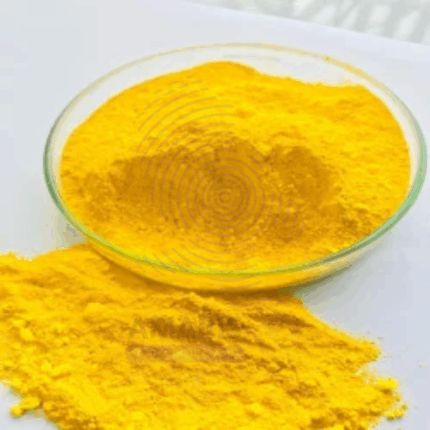
Tartrazine Yellow
Tartrazine yellow is a synthetic azo dye known for its bright lemon-yellow color and excellent solubility in water. Widely used as a food dye and in various industrial applications, it offers stable, vibrant coloration with good fastness properties. Tartrazine is commonly employed in food products, cosmetics, and pharmaceuticals, meeting regulatory standards for safety and quality.
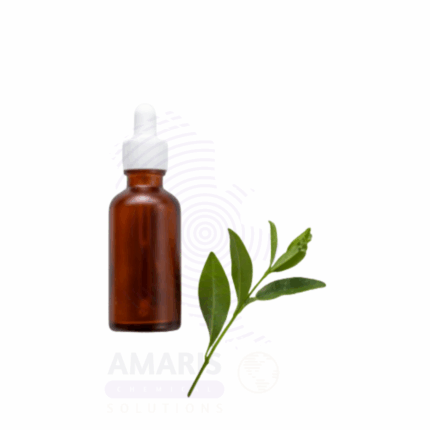
Tea Tree Oil
Tea Tree Oil is a potent essential oil steam-distilled from the leaves of Melaleuca alternifolia, a native Australian plant known for its broad antimicrobial spectrum. It features a fresh, medicinal, camphoraceous aroma with herbal and slightly spicy undertones. Rich in terpinen-4-ol, gamma-terpinene, and alpha-terpinene, Tea Tree Oil is celebrated for its antibacterial, antifungal, antiviral, and anti-inflammatory properties. It has a long history of use in traditional and modern natural medicine, skincare, and hygiene products worldwide.
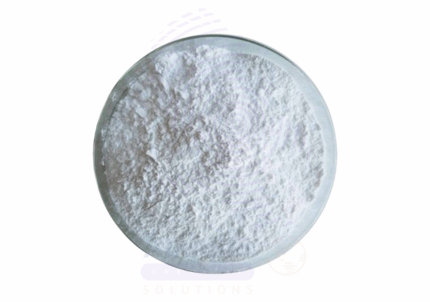
Timolol Maleate BP
Timolol Maleate BP is the British Pharmacopoeia-grade salt form of Timolol, a non-selective beta-adrenergic receptor blocker. It is primarily used in ophthalmic and systemic formulations to manage elevated intraocular pressure and cardiovascular conditions. As a pharmaceutical active ingredient, it is recognized for its potency, stability, and wide applicability in glaucoma treatment, hypertension, and migraine prophylaxis. The maleate salt improves solubility and stability for formulation in eye drops and tablets.
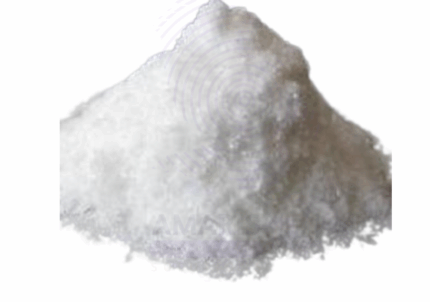
Tobramycin Sulphate
Tobramycin Sulphate USP is a purified, water-soluble sulfate salt of tobramycin, an aminoglycoside antibiotic. It exhibits potent bactericidal activity against a broad spectrum of aerobic Gram-negative bacteria, including Pseudomonas aeruginosa, and certain Gram-positive bacteria. This pharmaceutical-grade compound is primarily used to treat severe infections such as respiratory tract infections, urinary tract infections, and septicemia. Tobramycin Sulphate USP is commonly formulated for injectable, inhalation, and ophthalmic applications, ensuring effective systemic and localized antimicrobial therapy.
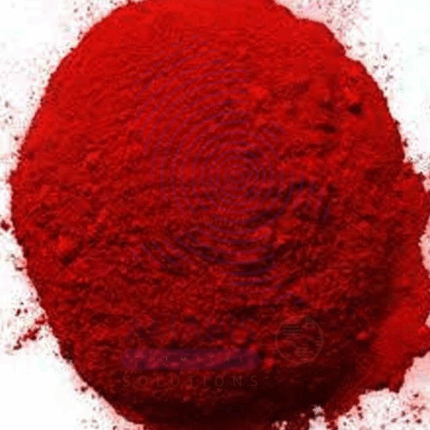
Tomato Red Dye
Tomato Red Dye is a synthetic azo dye prized for its vibrant, bright red coloration and excellent water solubility. It delivers consistent, vivid red shades that are stable under a variety of environmental conditions, including exposure to light, heat, and washing. This dye is extensively used across multiple industries including food and beverage, cosmetics, pharmaceuticals, and textiles. In food applications, it enhances the visual appeal of products such as beverages, confectionery, sauces, and baked goods. Its compatibility with different formulation types and regulatory approvals make it a reliable choice for cosmetic products like lipsticks, blushes, and nail polishes, as well as pharmaceutical tablets and syrups for identification and aesthetic purposes. The dye's superior performance, combined with strict adherence to safety and quality standards, ensures that it meets the requirements of manufacturers and regulatory bodies worldwide.

Trimethoprim BP Micronised
Trimethoprim BP Micronised is a high-purity, fine powdered form of trimethoprim, an antibiotic used primarily for its bacteriostatic properties. The micronisation process enhances its solubility and bioavailability, making it more effective in pharmaceutical formulations. Trimethoprim acts by inhibiting bacterial dihydrofolate reductase, thereby preventing bacterial DNA synthesis and growth. It is widely used alone or in combination therapies to treat a variety of bacterial infections.
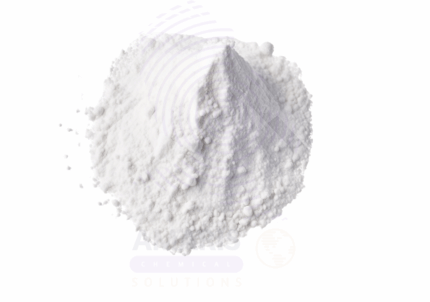
Tripolidine HCL BP
Tripolidine HCL BP is a high-purity pharmaceutical-grade antihistamine used primarily to treat allergic conditions. It acts as a selective H1 histamine receptor antagonist, helping to relieve symptoms such as itching, sneezing, nasal congestion, and hives by blocking the action of histamine. The British Pharmacopoeia (BP) grade ensures compliance with stringent quality standards required for medicinal use. Tripolidine HCL is commonly formulated into tablets and syrups for effective allergy management.
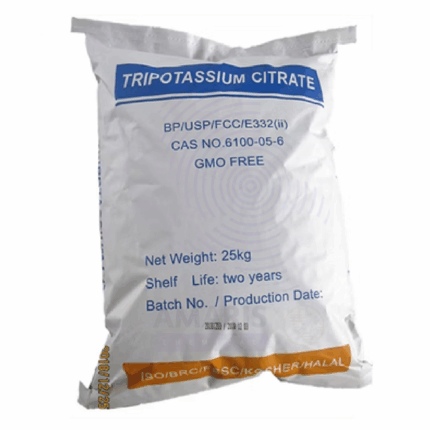
Tripotassium Citrate Monohydrate
Tripotassium Citrate Monohydrate USP is a pharmaceutical-grade potassium salt of citric acid, widely used for its alkalinizing, buffering, and chelating properties. It appears as a white crystalline powder and is highly soluble in water. This compound is primarily used to correct metabolic acidosis, act as a urinary alkalinizer, and serve as an additive in pharmaceutical, food, and industrial applications. The USP grade ensures compliance with United States Pharmacopeia standards, guaranteeing high purity and consistent quality.

Turmeric Oil
Turmeric Oil is an essential oil extracted from the rhizomes of the turmeric plant (Curcuma longa) through steam distillation. Known for its warm, spicy, and earthy aroma, turmeric oil is highly valued for its potent anti-inflammatory, antioxidant, and antimicrobial properties. It has a rich golden-yellow color and is widely used in cosmetic formulations, traditional medicine, aromatherapy, and natural personal care products. The oil contains bioactive compounds such as turmerone, which contribute to its therapeutic and preservative qualities. Turmeric oil is also used in flavoring and fragrance applications, as well as in natural cleaning products for its antimicrobial benefits.

Tylosin Tartrate
Tylosin Tartrate is a water-soluble macrolide antibiotic derived from Streptomyces fradiae, primarily used in veterinary medicine. It is the tartrate salt form of tylosin, enhancing its solubility and making it ideal for administration via drinking water or injectable solutions. Tylosin Tartrate is active against a wide range of Gram-positive bacteria and some Gram-negative organisms, as well as Mycoplasma spp. It is particularly effective for treating respiratory, gastrointestinal, and reproductive infections in livestock and poultry.
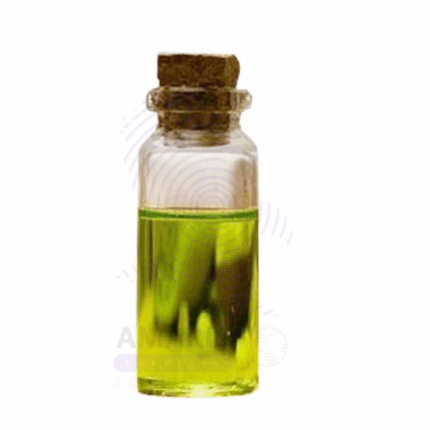
Vetivert Oil
Vetivert Oil also known as Vetiver Essential Oil, is a thick, amber to dark brown essential oil derived from the steam distillation of the roots of Vetiveria zizanioides, a perennial grass native to India and Southeast Asia. It is highly prized for its deep, earthy, smoky, and woody aroma, often described as grounding and sensual. Rich in sesquiterpenes like khusimol, vetiselinenol, and alpha-vetivone, Vetivert Oil is known for its calming, anti-inflammatory, and skin-rejuvenating properties. Extensively used in perfumery, aromatherapy, and skincare, it also finds application in natural insect repellents, emotional wellness products, and high-end fragrances.
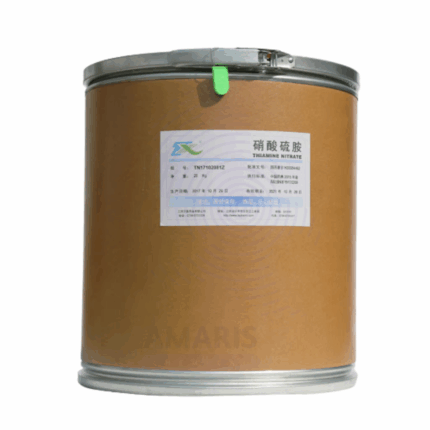
Vitamin B1 (Mono Nitrate BP)
Vitamin B1 Mononitrate BP is a stable, synthetic derivative of vitamin B1 (thiamine) used extensively in pharmaceutical, nutraceutical, and food fortification applications. It serves as an essential nutrient involved in carbohydrate metabolism and nervous system function. The mononitrate form offers enhanced stability and bioavailability compared to pure thiamine, making it ideal for inclusion in tablets, capsules, powders, and fortified food products.

Vitamin B1 (Thiamine HCL)
Vitamin B1 Thiamine HCL is a water-soluble, stable salt form of vitamin B1 used widely in pharmaceuticals, nutraceuticals, and food fortification. It plays a critical role in energy metabolism by aiding carbohydrate breakdown and supports nervous system health. The hydrochloride form offers enhanced stability and solubility, making it suitable for oral supplements, injectables, and fortified foods.
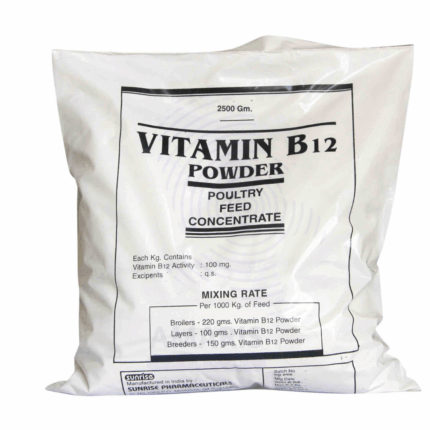
Vitamin B12 USP32
Vitamin B12 USP32 is a pharmaceutical-grade, water-soluble vitamin essential for red blood cell formation, neurological function, and DNA synthesis. This product meets the United States Pharmacopeia (USP) 32 standards, ensuring high purity and quality suitable for pharmaceutical and nutraceutical applications. Vitamin B12 USP32 is commonly supplied as cyanocobalamin or hydroxocobalamin forms, used in injections, tablets, and fortified food products.

Vitamin B12( Cyanocobalamin)
Vitamin B12 Cyanocobalamin BP is a pharmaceutical-grade form of vitamin B12, standardized according to the British Pharmacopoeia (BP). It is an essential nutrient involved in red blood cell formation, neurological function, and DNA synthesis. This stable, synthetic cyanocobalamin is widely used in pharmaceuticals, nutraceuticals, and fortified foods to prevent and treat vitamin B12 deficiency.
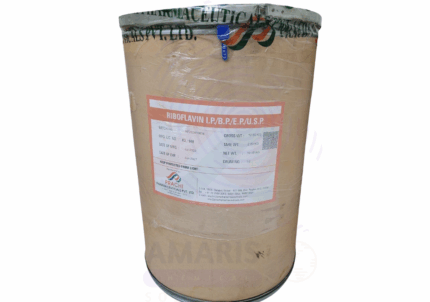
Vitamin B2 (Riboflavin base)
Vitamin B2 Riboflavin base, commonly known as Riboflavin Base, is a water-soluble vitamin essential for energy production, cellular function, and metabolism of fats, drugs, and steroids. It is a vital component of coenzymes flavin mononucleotide (FMN) and flavin adenine dinucleotide (FAD), which participate in numerous biological oxidation-reduction reactions. Riboflavin base is widely used in pharmaceuticals, food fortification, and dietary supplements.
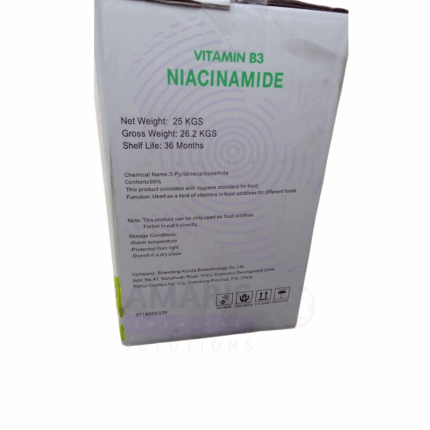
Vitamin B3 (Niacin)
Vitamin B3 Niacin, also known as Niacin or Nicotinic Acid, is a water-soluble vitamin essential for energy metabolism and enzymatic reactions in the body. It plays a key role in the synthesis of coenzymes NAD and NADP, which are critical for cellular respiration and DNA repair. Niacin is widely used in pharmaceuticals, nutraceuticals, food fortification, and animal nutrition to prevent niacin deficiency and support overall health.
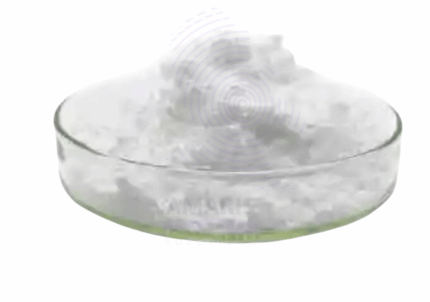
Vitamin B3 (Nicotinamide)
Vitamin B3 Nicotinamide, also known as Niacinamide, is a water-soluble amide form of vitamin B3. It plays a crucial role in cellular energy production and DNA repair by serving as a precursor for coenzymes NAD and NADP. Nicotinamide is preferred in many pharmaceutical and cosmetic applications due to its stability and lower side-effect profile compared to niacin. It is widely used in pharmaceuticals, nutraceuticals, cosmetics, and food fortification.
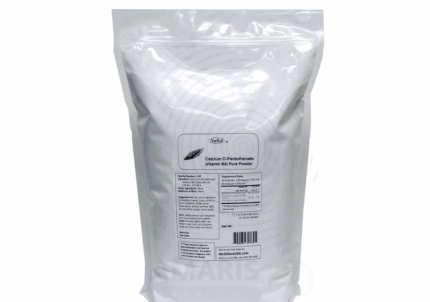
Vitamin B5 (d-pantothenate)
Vitamin B5 d-pantothenate, commonly referred to as D-Pantothenate, is the biologically active, water-soluble form of pantothenic acid. It is an essential nutrient involved in the synthesis of coenzyme A (CoA), critical for fatty acid metabolism and energy production. D-Pantothenate is used across pharmaceuticals, food, feed, cosmetics, and nutraceuticals due to its stability, bioavailability, and broad health benefits.
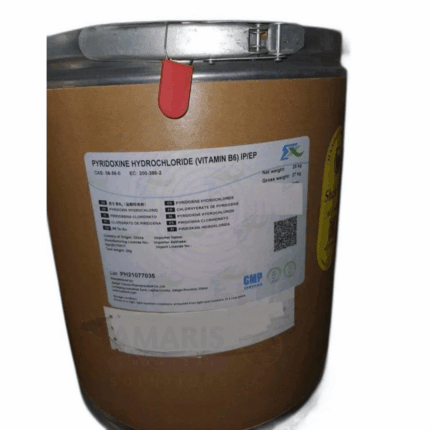
Vitamin B6 (Pyridoxine HCL)
Vitamin B6 Pyridoxine HCL, also known as Pyridoxine Hydrochloride, is a water-soluble form of vitamin B6 used extensively in the pharmaceutical, food, and feed industries. It is essential for protein metabolism, neurotransmitter synthesis, red blood cell formation, and immune function. As a stable and bioavailable form of B6, it is widely incorporated in dietary supplements, fortified foods, clinical nutrition, and animal feed.
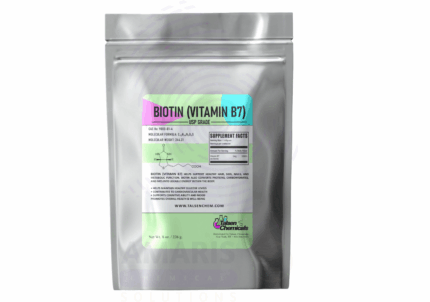
Vitamin B7 (Biotin)
Vitamin B7 Biotin, also known as Biotin, is a water-soluble B-complex vitamin essential for various metabolic processes. It serves as a coenzyme for carboxylase enzymes involved in the metabolism of fatty acids, amino acids, and glucose. Biotin is vital for healthy skin, hair, nails, and nervous system function. It is widely used in the pharmaceutical, nutraceutical, food, cosmetic, and animal nutrition industries.
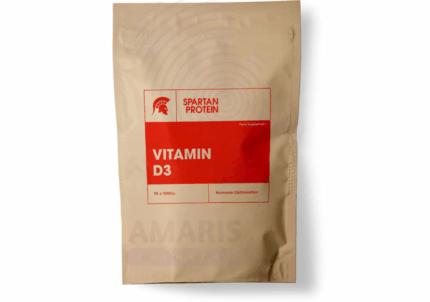
Vitamin D3
Vitamin D3 BP, also known as Cholecalciferol, is a fat-soluble vitamin primarily responsible for regulating calcium and phosphate metabolism in the body. It is synthesized in the skin through sunlight exposure or obtained from dietary sources and supplements. The BP (British Pharmacopoeia) grade ensures pharmaceutical quality and purity. Vitamin D3 is used in a wide range of applications, including human and veterinary medicine, supplements, fortified foods, cosmetics, and animal nutrition.
Vitamin D3100,000 IU/GM
Vitamin D3100,000 IU/GM, also known as High-Potency Cholecalciferol, is a concentrated form of Vitamin D3 commonly used in pharmaceutical formulations, fortified food products, animal feed, and dietary supplements. This form delivers 100,000 International Units (IU) of cholecalciferol per gram, ensuring efficient delivery of therapeutic or nutritional doses in small volumes. It is produced under stringent quality standards to ensure stability, potency, and safety.
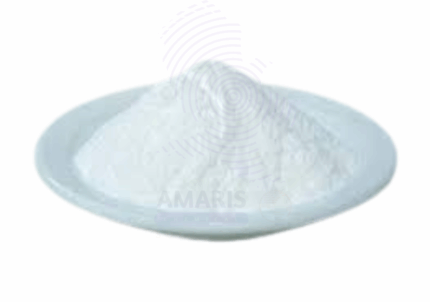
Vitamin K3
Vitamin K3, chemically known as Menadione, is a synthetic, fat-soluble vitamin used primarily in animal nutrition and some pharmaceutical applications. Unlike Vitamins K1 and K2, Vitamin K3 does not occur naturally but is a stable precursor that the body (or animal body) can convert into active forms of Vitamin K. It plays a critical role in blood clotting, bone metabolism, and cellular health. Vitamin K3 is usually available as Menadione Sodium Bisulfite (MSB) or Menadione Nicotinamide Bisulfite (MNB) for enhanced solubility and stability.
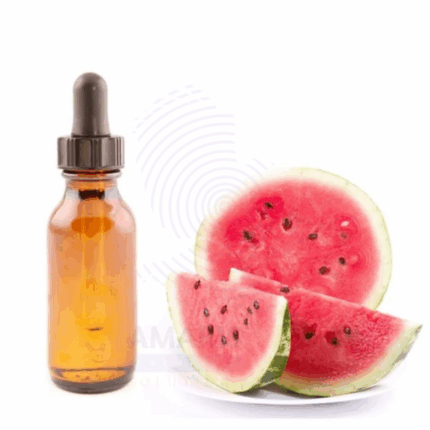
Watermelon Seed Oil
Watermelon Seed Oil, also known as Kalahari Oil or Ootanga Oil, is a lightweight, fast-absorbing oil cold-pressed from the seeds of the Citrullus lanatus fruit. This oil is pale yellow with a mild, nutty aroma and is rich in essential fatty acids—particularly linoleic acid (omega-6) and oleic acid (omega-9)—as well as antioxidants, phytosterols, and vitamins A, B, and E. Known for its nourishing, non-comedogenic, and balancing properties, Watermelon Seed Oil is widely used in skincare, haircare, baby care, and massage products. It is ideal for all skin types, especially oily, acne-prone, and sensitive skin due to its ability to dissolve sebum and unclog pores while maintaining hydration.
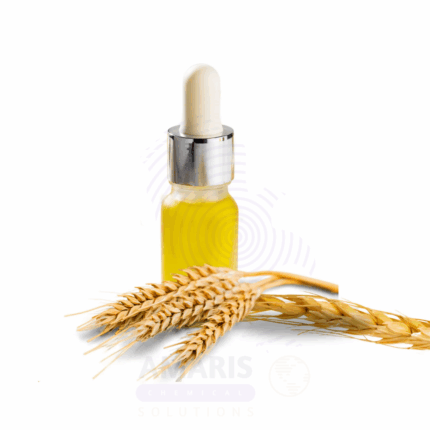
Wheatgerm Oil
Wheatgerm Oil is a nutrient-rich, golden-colored oil extracted from the germ of the wheat kernel (Triticum vulgare), typically through cold pressing or solvent extraction. It is exceptionally high in vitamin E, essential fatty acids (especially linoleic and linolenic acid), squalene, phytosterols, and antioxidants, making it one of the most potent natural oils for skin and hair rejuvenation. With its slightly nutty aroma and viscous texture, Wheatgerm Oil is widely used in cosmetic, pharmaceutical, nutraceutical, and aromatherapy applications for its antioxidant, anti-aging, moisturizing, and healing benefits.
WinterGreen Oil
Wintergreen Oil is a potent essential oil distilled from the leaves of the Gaultheria procumbens or Gaultheria fragrantissima plant, both native to North America and Asia. The oil is obtained via steam distillation and is known for its distinct, sweet, minty aroma and high content of methyl salicylate (typically 98% or more), which gives Wintergreen Oil its strong analgesic and anti-inflammatory properties. Historically used in traditional medicine, topical pain relief, and flavoring, Wintergreen Oil remains an active component in cosmetic, pharmaceutical, personal care, and industrial applications. Its powerful scent and soothing properties make it particularly valued in muscle relief formulas, oral care products, and sports applications.
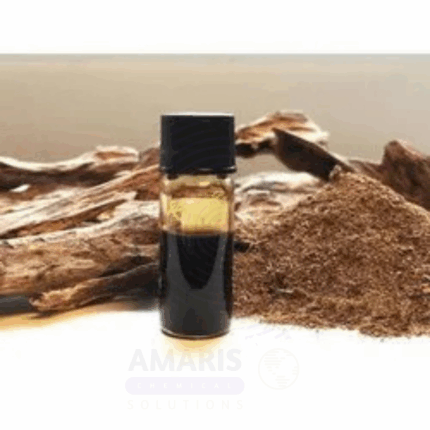
Worm Wood Oil
Worm Wood Oil is an essential oil derived from the leaves and flowering tops of the Artemisia absinthium plant, native to Europe, Asia, and North Africa. Obtained through steam distillation, Wormwood Oil is characterized by its sharp, herbaceous, bitter, and slightly woody aroma. It contains bioactive compounds such as thujone, camphor, and cineole, which contribute to its potent antimicrobial, insecticidal, and digestive-stimulating properties. Traditionally used in herbal medicine and digestive tonics, Wormwood Oil finds applications in aromatherapy, natural pest control, perfumery, and pharmaceuticals.
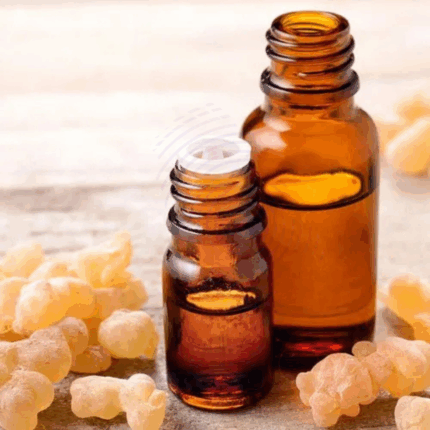
Wormseed Oil
Wormseed Oil is an essential oil extracted by steam distillation from the seeds and aerial parts of the Chenopodium ambrosioides plant, commonly known as Mexican wormseed or American wormseed. The oil possesses a strong, herbaceous, and camphoraceous aroma with spicy undertones. Rich in compounds such as ascaridole, limonene, and p-cymene, Wormseed Oil has been traditionally used for its potent anthelmintic (anti-parasitic), antimicrobial, and insecticidal properties. It finds applications in natural medicine, pest control, and as a bioactive ingredient in pharmaceuticals and personal care products.
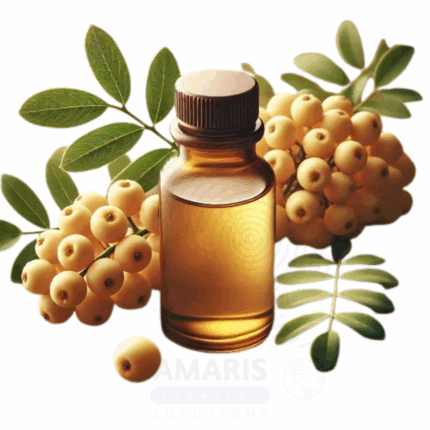
Xanthoxylum Oil
Xanthoxylum Oil, also known as Sichuan Pepper Oil or Prickly Ash Oil, is an essential oil extracted through steam distillation from the dried berries and seeds of the Zanthoxylum genus plants, primarily Zanthoxylum simulans and Zanthoxylum piperitum. This oil is characterized by its sharp, spicy, citrusy, and slightly woody aroma with tingling, numbing sensory properties. Rich in active compounds such as limonene, beta-pinene, and sabinene, Xanthoxylum Oil is valued for its antimicrobial, analgesic, anti-inflammatory, and digestive stimulating effects. Traditionally used in herbal medicine and culinary applications, it also finds use in cosmetics, personal care, and natural pest control products.
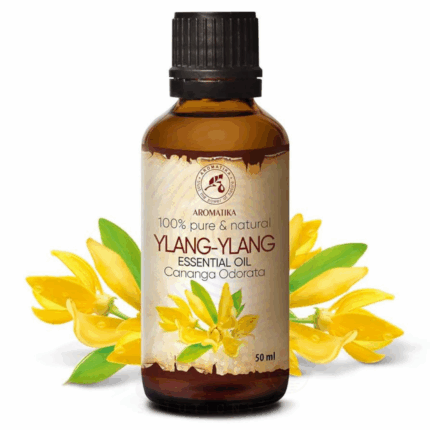
Ylang Ylang Oil
Ylang Ylang Oil is a luxurious essential oil obtained through steam distillation of the fresh flowers of Cananga odorata, a tropical tree native to Southeast Asia. Known for its rich, sweet, floral, and exotic fragrance with hints of jasmine and neroli, this oil is highly prized in perfumery and aromatherapy. Its chemical composition includes benzyl acetate, linalool, and germacrene D, contributing to its calming, aphrodisiac, antiseptic, and anti-inflammatory properties. Traditionally used in beauty rituals and wellness therapies, Ylang-Ylang Oil supports emotional balance, skin health, and relaxation. It is widely utilized in cosmetics, personal care, spa treatments, and high-end fragrances.

Yuzu Oil
Yuzu Oil is a fragrant essential oil extracted via cold pressing or steam distillation from the peel of the Citrus junos fruit, a citrus species native to East Asia, especially Japan, Korea, and China. Revered for its fresh, citrusy, and slightly floral aroma, Yuzu Oil offers a unique blend of tart grapefruit, mandarin, and subtle floral notes. It is rich in natural constituents like limonene, gamma-terpinene, and alpha-pinene, providing antioxidant, anti-inflammatory, and mood-enhancing properties. Widely valued in aromatherapy and personal care, Yuzu Oil is used in wellness products, cosmetic formulations, luxury perfumery, and eco-friendly household goods for its uplifting scent and skin benefits.
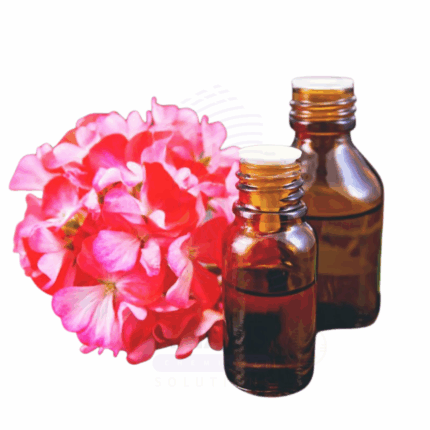
Zdravetz Oil
Zdravetz Oil is a rare and highly valued essential oil extracted through steam distillation of the leaves and stems of Geranium macrorrhizum, a plant native to the Balkan region, especially Bulgaria. Known for its warm, earthy, and slightly spicy floral aroma, Zdravetz Oil is cherished in traditional herbal medicine for its regenerative, antioxidant, and antimicrobial properties. Its complex chemical profile includes germacrone, elemol, and alpha-humulene, contributing to its effectiveness in skin care, aromatherapy, and perfumery. With a grounding and balancing scent, this oil is widely used in cosmetics, therapeutic blends, and luxury fragrances.












