

 Preservatives(food)
 Flavors
 Acidulants
 Sweeteners
 Antioxidants
 Colorants(food)
 Nutraceutical Ingredients (food)
 Nutrient Supplements
 Emulsifiers
 Collectors
 Dust Suppressants
 Explosives and Blasting Agents
 Flocculants and Coagulants
 Frothers
 Leaching Agents
 pH Modifiers
 Precious Metal Extraction Agents
 Antioxidants(plastic)
 Colorants (Pigments, Dyes)
 Fillers and Reinforcements
 Flame Retardants
 Monomers
 Plasticizers
 Polymerization Initiators
 Stabilizers (UV, Heat)
 Antifoaming Agents
 Chelating Agents
 Coagulants and Flocculants
 Corrosion Inhibitors
 Disinfectants and Biocides
 Oxidizing Agents
 pH Adjusters
 Scale Inhibitors( water)
 Antioxidants(cosmetic)
 Emollients
 Oils
Oils Carrier Oills
 Essential Oils
 Humectants
 Preservatives
 Surfactants(cosmetic)
 Thickeners
 UV Filters
 Fragrance (Cosmetics)
 Fertilizers
 Soil Conditioners
 Plant Growth Regulators
 Animal Feed Additives
 Biostimulants
 Pesticides (Herbicides, Insecticides, Fungicides)
 Active Pharmaceutical Ingredients (APIs)
 Excipients
 Solvents(pharmaceutical)
 Antibiotics
 Antiseptics and Disinfectants
 Vaccine Adjuvants
 Nutraceutical Ingredients (pharmaceutical)
 Analgesics & Antipyretics
 Analytical Reagents
 Solvents(lab)
 Chromatography Chemicals
 Spectroscopy Reagents
 microbiology-and-cell-culture-reagents
 Molecular Biology Reagents
 Biochemical Reagents
 Inorganic and Organic Standards
 Laboratory Safety Chemicals
 Specialty Laboratory Chemicals(Special Laboratory Equipment)
 Demulsifiers
 Hydraulic Fracturing Fluids
 Scale Inhibitors(oil)
 Surfactants(oil)
 Drilling Fluids
 Dyes and Pigments
 Bleaching Agents
 Softening Agents
 Finishing Agents
 Antistatic Agents
 Admixtures
 Waterproofing Agents
 Sealants and Adhesives
 Curing Compounds
 Concrete Repair Chemicals
 Anti-Corrosion Coatings
 Surfactants(cleaning)
 Builders
 Enzymes
 Solvents (Cleaning)
 Electronic Chemicals
 Catalysts
 Lubricants
 Photographic Chemicals
 Refrigerants
 Automotive chemicals
 Pyrotechnic Chemicals
 Biodegradable Surfactants
 Bio-based Solvents
 Renewable Polymers
 Carbon Capture Chemicals
 Wastewater Treatment Chemicals
 Pigments
 Solvents(paint)
 Specialty Coatings
 Binders/Resins
 Additives
 Driers
 Anti-Corrosion Agents
 Functional Coatings
 Application-Specific Coatings
 Leavening Agents
 Dough Conditioners
 Flour Treatments
 Fat Replacers
 Decoratives
 Preservatives(baking)
 Plasticizers & Softeners
 Reinforcing Agents
 Adhesion Promoters
 Vulcanizing Agents
 Antidegradants
 Blowing Agents
 Fillers & Extenders
 Accelerators & Retarders


















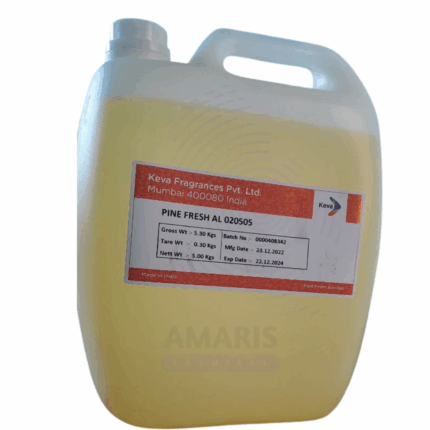
Pine Fresh Oil Fragrance
Pine Fresh Oil Fragrance is a synthetic fragrance blend designed to replicate the crisp, fresh, and invigorating scent of pine forests. It combines green, woody, and subtle earthy notes to deliver a clean and natural aroma. This fragrance oil is highly stable in both oil- and alcohol-based formulations and retains its scent integrity under high-temperature processing. Pine Fresh Fragrance Oil is widely used in personal care, household, and industrial applications for its long-lasting, refreshing pine scent that enhances product appeal and consumer experience. It is compatible with a variety of product bases and maintains performance over extended storage periods.

Pine Oil
Pine Oil is a powerful, aromatic essential oil obtained through the steam distillation of the needles, twigs, and cones of pine trees, primarily Pinus sylvestris or other Pinus species. It features a sharp, woody, and fresh scent with natural disinfectant and deodorizing properties. Rich in monoterpenes such as alpha-pinene and beta-pinene, Pine Oil is widely utilized in cleaning products, disinfectants, air care, cosmetics, and industrial formulations. It is valued for its antimicrobial, anti-inflammatory, and degreasing capabilities, making it an effective multi-purpose ingredient across various sectors.
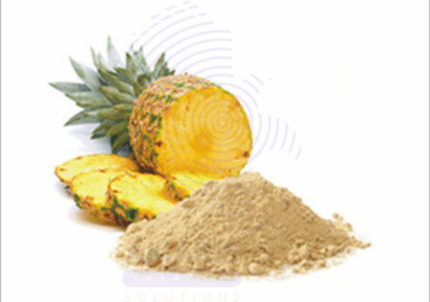
Pineapple Enzyme Powder
Pineapple Enzyme Powder is a fine, light-colored powder derived from the fruit and stem of the pineapple (Ananas comosus), containing the proteolytic enzyme bromelain. It is produced via extraction and subsequent drying (usually spray or freeze-drying) to preserve enzymatic activity. Known for its protein-digesting, anti-inflammatory, and exfoliating properties, this enzyme is widely used across food, nutraceutical, cosmetic, and pharmaceutical industries.
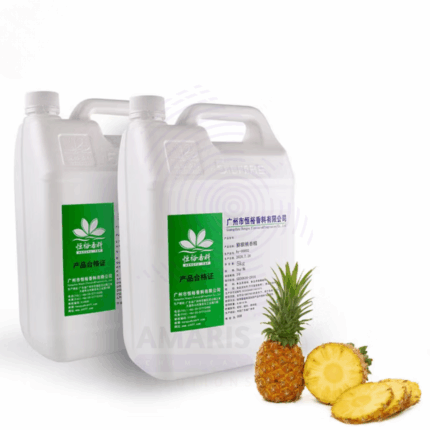
Pineapple Fragrance Oil
Pineapple Fragrance Oil is a vibrant synthetic fragrance blend designed to capture the sweet, juicy, and tropical aroma of fresh pineapple. This fragrance oil delivers a bright, fruity scent with subtle citrus and floral undertones, making it ideal for a variety of personal care, household, and industrial fragrance applications. It exhibits excellent stability in both oil- and alcohol-based systems and maintains its fresh aroma during high-temperature processing. Pineapple Fragrance Oil enhances the sensory appeal of formulations by adding a refreshing and uplifting tropical note, suitable for products that aim to evoke energy, warmth, and freshness.
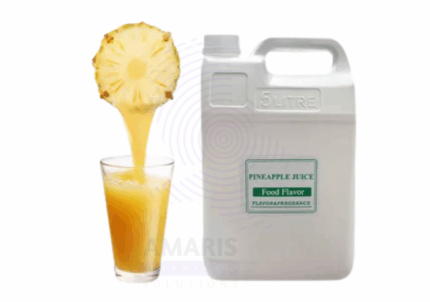
Pineapple Liquid Flavor
Pineapple Liquid Flavor (Food Grade) is a high-quality, natural and synthetic flavoring agent designed to capture the sweet, tangy, and refreshing taste of ripe pineapple. Widely used in the food and beverage industry, this flavor enhances a variety of products such as soft drinks, juices, confectionery, dairy, and baked goods. It is water and alcohol soluble, providing versatility in formulation. Its vibrant tropical aroma and authentic pineapple taste help create appealing and flavorful consumer products.

Pineapple Liquid Flavour
Pineapple Liquid Flavour is a high-quality synthetic flavour designed to replicate the sweet, tangy, and tropical taste of fresh pineapple. This flavouring is widely used in the food and beverage industry to enhance the sensory appeal of products such as beverages, baked goods, confectionery, and dairy items. It delivers a consistent, natural-like pineapple taste with excellent stability during processing and storage. Pineapple Liquid Flavour is water-soluble and blends well in both liquid and semi-solid food matrices, making it a versatile ingredient for a variety of formulations.

Pineapple Powder Flavour
Pineapple Powder Flavour is a finely milled, water-soluble powder designed to replicate the sweet, tangy, and tropical taste of fresh pineapple. This powdered flavouring is widely used in the food and beverage industry for applications where dry ingredients are preferred, such as instant drink mixes, bakery products, confectionery, and seasoning blends. It offers excellent flavour retention and stability during processing and storage, providing a natural-like pineapple taste. Its free-flowing nature makes it easy to blend uniformly into a variety of formulations.
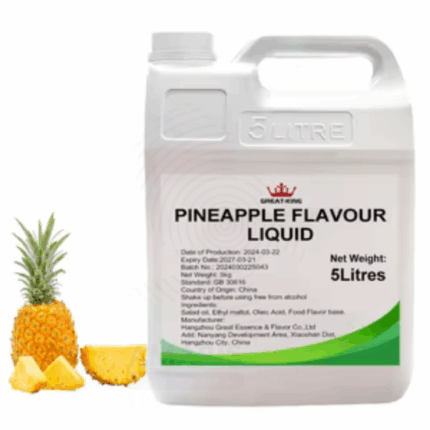
Pineapple Sweet Liquid Flavour
Pineapple Sweet Liquid Flavour is a high-quality synthetic flavour designed to replicate the sweet, tangy, and tropical taste of fresh pineapple. This flavouring is widely used in the food and beverage industry to enhance the sensory appeal of products such as beverages, baked goods, confectionery, and dairy items. It delivers a consistent, natural-like pineapple taste with excellent stability during processing and storage. Pineapple Liquid Flavour is water-soluble and blends well in both liquid and semi-solid food matrices, making it a versatile ingredient for a variety of formulations.
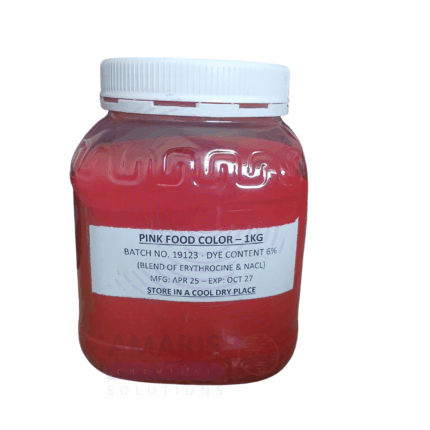
Pink Color Water Soluble
Pink Color Water Soluble is a high-quality synthetic dye known for its brilliant and consistent pink coloration. It is specially formulated to dissolve easily in water, enabling uniform and vibrant dyeing of a wide range of materials. This dye exhibits excellent affinity for natural and synthetic fibers including cotton, wool, silk, and nylon, making it highly versatile in textile applications.
Beyond textiles, Pink Color Water Soluble is widely used in cosmetics, pharmaceutical products, and cleaning formulations where bright, stable pink hues are required. Its good light and wash fastness properties ensure long-lasting coloration in fabrics and finished goods. The dye is supplied as a fine powder or granules with high purity, facilitating easy handling and dispersion in aqueous solutions. Due to its water solubility, it is preferred for applications demanding quick dissolution and minimal residue.
This dye conforms to industry standards for safety and environmental regulations when handled and disposed of properly, making it suitable for industrial and laboratory use across diverse sectors.
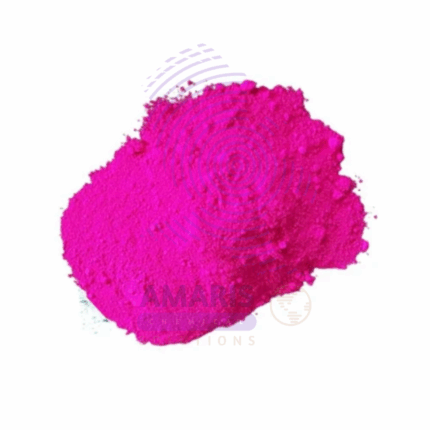
Pink Dye
Pink Dye is a synthetic dye formulation offering a vibrant pink coloration with a 6% dye concentration. It exhibits excellent affinity for protein fibers such as wool, silk, and nylon, providing bright and consistent pink hues. The dye is water-soluble under acidic conditions and is commonly used in textile dyeing, leather processing, and specialty applications requiring durable and vivid pink color. It also demonstrates good fastness to washing, light, and perspiration.
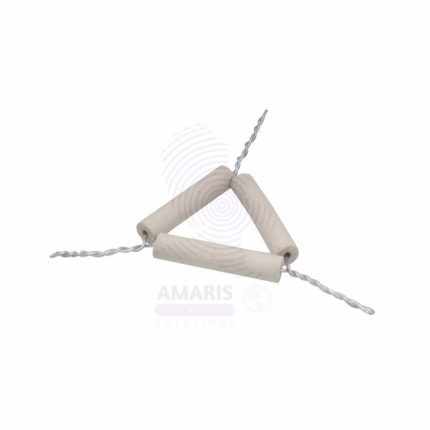
Pipe Clay Triangles
Pipe Clay Triangles are heat-resistant supports used in laboratory setups to hold crucibles over a Bunsen burner or other heat sources. They consist of three lengths of ceramic (pipe clay) tubing threaded over a triangular metal wire frame, typically made of galvanized iron or nickel-chromium alloy. These ceramic-coated wires provide stable and high-temperature-resistant platforms, allowing crucibles to be heated directly during ashing, calcination, or other high-temperature experiments. Widely used in chemistry labs and educational institutions, they are essential components for supporting small containers while minimizing heat transfer loss or instability.
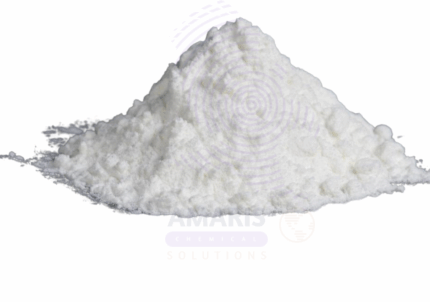
Piperazine Citrate BP
Piperazine Citrate BP is a pharmaceutical-grade anthelmintic compound used primarily for the treatment of intestinal worm infections, especially ascariasis (roundworms) and enterobiasis (pinworms). It works by paralyzing the worms, allowing them to be expelled naturally from the body through bowel movements. Piperazine Citrate is included in the British Pharmacopoeia (BP) and is known for its safety, efficacy, and wide use in both human and veterinary medicine.
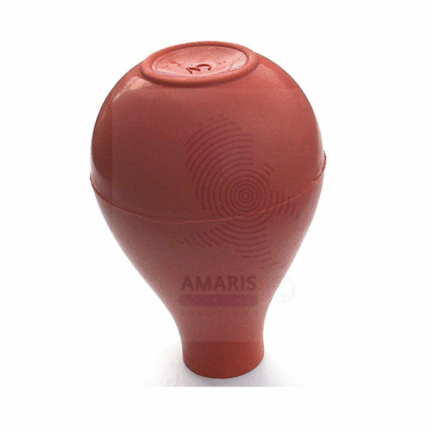
PIPETTE BULB
A Pipette Bulb is a flexible, hand-operated rubber or silicone device designed to safely draw and dispense liquids into pipettes without the need for mouth pipetting. It functions by creating a vacuum when squeezed and released, allowing for controlled aspiration and expulsion of liquids in laboratory settings. Pipette bulbs are widely used in analytical, clinical, chemical, and educational laboratories to ensure safety and precision when working with chemical or biological samples. They are compatible with various types of pipettes, including volumetric, graduated, and serological pipettes.
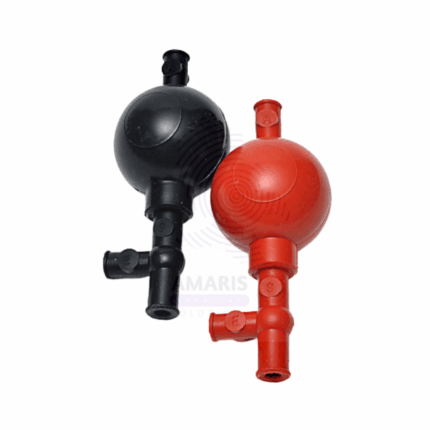
PIPETTE FILLER BULB TYPE
The Pipette Filler Bulb Type is a manual, rubber-based liquid handling accessory designed to provide safe and precise control over the aspiration and dispensing of liquids using pipettes. It is shaped like a bulb and typically includes one-way valves or a three-valve mechanism (Aspirate, Dispense, and Air Release) to regulate fluid movement. This tool eliminates the hazardous practice of mouth pipetting and ensures user safety when working with corrosive, toxic, or infectious substances. Compatible with both glass and plastic pipettes, the bulb-type pipette filler is widely used in educational, clinical, pharmaceutical, and analytical laboratories.
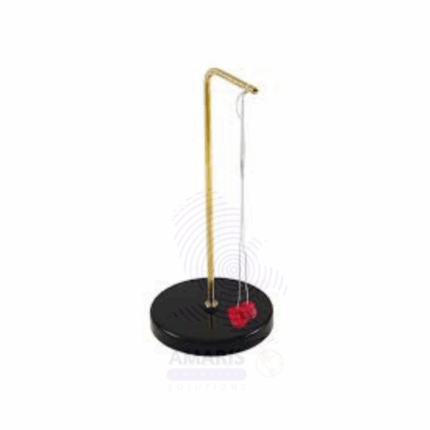
PITH BALLS ON STAND
Product Description
Pith Balls on Stand are lightweight, spherical objects typically made from dried plant pith (spongy plant tissue), suspended from insulating threads and mounted on a non-conductive support structure. These classical electrostatics demonstration tools are used in physics laboratories to visually illustrate principles of static electricity, charge induction, electric forces, and Coulomb’s Law. The balls are extremely lightweight and react readily to electrostatic forces when charged objects are brought nearby, making them ideal for teaching foundational electricity concepts. The stand is usually composed of a plastic or acrylic base and vertical support to ensure stability and electrical insulation during experiments.
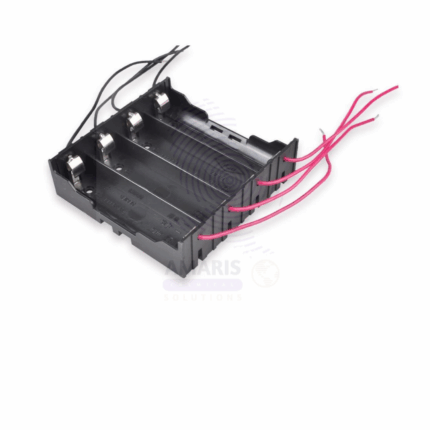
Plastic Cell Holder
A Plastic Cell Holder is a laboratory accessory used to securely hold electrochemical or dry cells (batteries) in place during physics or electrical experiments. It is typically made from non-conductive, durable plastic and may feature metal terminals or spring-loaded clips for electrical connections. These holders provide a stable and safe platform to integrate batteries into circuits for educational demonstrations, testing setups, or prototyping purposes. Designed for use with common battery sizes (such as D, C, AA, or specialized cells), the holder ensures easy insertion, removal, and reliable connection of power sources without short-circuiting. It is widely used in physics labs, electronics training, and school science kits.
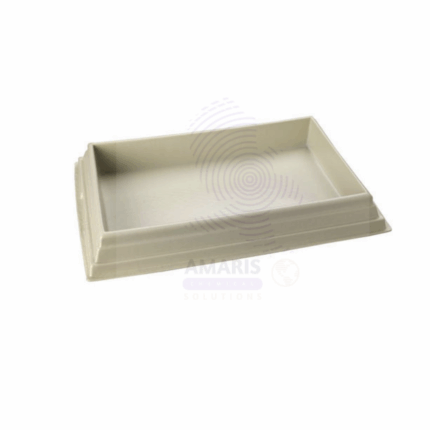
PLASTIC DISSECTING TRAY WITHOUT WAX
The Plastic Dissecting Tray without Wax is a laboratory instrument used to hold specimens during dissection procedures in biology, zoology, anatomy, and educational labs. Unlike traditional dissecting trays that include a wax layer for pinning specimens, this tray offers a reusable, wax-free surface, typically designed to accommodate separate pinning pads or mats (e.g., rubber or foam inserts). It is made from high-grade, chemical-resistant plastic such as polypropylene or ABS, offering a lightweight, durable, and easy-to-clean platform. The tray typically features raised sides to contain fluids and provide a controlled
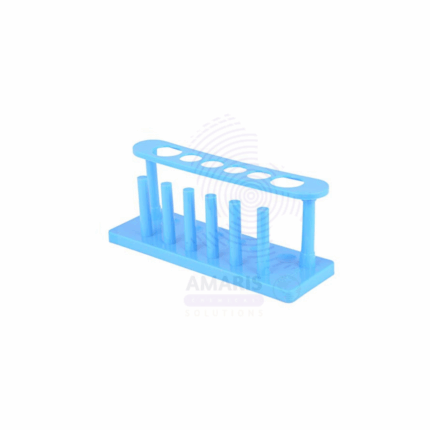
PLASTIC TEST TUBE STAND 6HOLE
The Plastic Test Tube Stand 6Hole is a laboratory support accessory designed to securely hold test tubes in an upright position during experimental procedures, storage, or drying. This version features six equally spaced holes, each capable of accommodating standard-size test tubes. Constructed from chemical-resistant, durable plastic such as polypropylene or ABS, the stand is lightweight, stable, and easy to clean. Often used in educational, analytical, and clinical laboratories, it provides a convenient and organized way to manage test tubes during chemical reactions, sample handling, or heating processes. The design may also include drying pegs or smaller side holes for inverted tube drying.

PLASTIC WASH BOTTLE
A Plastic Wash Bottle is a squeezable laboratory container designed to dispense liquids—usually water or solvents—in a controlled stream through a narrow nozzle or spout. Made from chemical-resistant, semi-flexible plastic such as low-density polyethylene (LDPE), polypropylene (PP), or fluoropolymer materials, the bottle allows for precision rinsing or washing of laboratory glassware, instruments, or surfaces without direct contact. The cap and nozzle are typically screw-fitted and designed to prevent leaks while enabling directional flow. It is a standard utility item in chemical, biological, educational, and analytical laboratories.
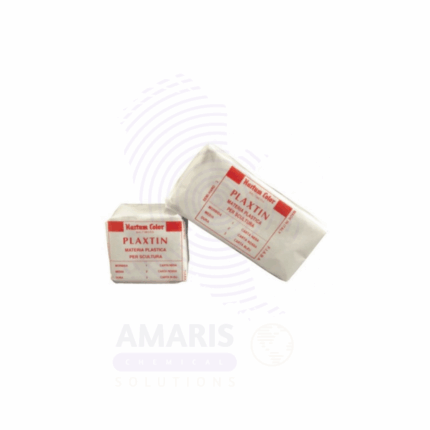
Plasticine Extra Pure
Plasticine Extra Pure is a soft, pliable, and non-drying modeling compound formulated for precision use in educational, artistic, and scientific applications. Unlike traditional clays, this extra pure grade contains high-quality, non-toxic ingredients that ensure safety, smooth texture, and ease of molding without hardening over time.
It is commonly used in schools, laboratories, design studios, and animation, offering excellent workability for crafting models, prototypes, or anatomical structures. Its stable composition allows repeated reuse without loss of quality, making it both economical and environmentally friendly.
Plasticine should be kept sealed in a cool, dust-free environment to preserve its flexibility. Although non-toxic, it should not be ingested, and basic hygiene should be practiced after handling, especially in laboratory or classroom settings.
Poly Aluminium Chloride Extra Pure
Poly Aluminium Chloride Extra Pure is a high-efficiency inorganic coagulant widely used in water treatment, paper manufacturing, and various industrial processes. In its extra pure grade, PAC is characterized by a high degree of purity, minimal impurities, and consistent performance, making it suitable for critical applications requiring stringent quality control.
PAC works by neutralizing the negative charges on suspended particles, allowing them to coagulate and settle quickly. It is highly effective in clarifying drinking water, treating industrial and municipal wastewater, and removing heavy metals, organic matter, and pathogens. Additionally, in the paper industry, PAC improves paper strength and retention of fillers.
This compound should be handled with appropriate PPE, including gloves and eye protection, and stored in a cool, dry, and well-ventilated area, away from reactive substances. PAC is non-flammable but may cause irritation on contact with skin or eyes.

Poly Aluminum Chloride (PAC)
Poly Aluminum Chloride (PAC) is an inorganic polymer coagulant used extensively for water treatment and purification. It is a highly efficient flocculating agent, derived from aluminum salts and partially neutralized with chloride, forming polymerized aluminum complexes. PAC is preferred over traditional alum for its rapid floc formation, broader pH range, and lower sludge production. Available in both liquid and powder forms, it is widely applied in municipal, industrial, and commercial sectors for clarification, separation, and purification processes.
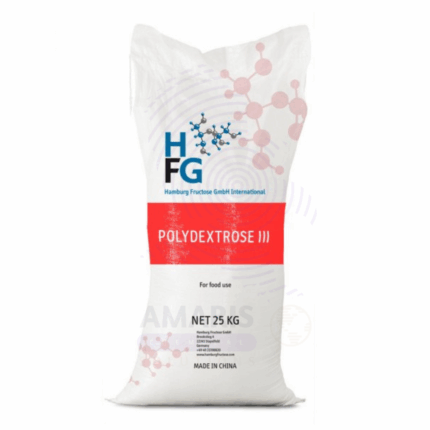
Polydextrose
Polydextrose is a synthetic, highly branched polymer of glucose used primarily as a soluble dietary fiber, bulking agent, and low-calorie sweetener. It is produced through the polycondensation of dextrose with sorbitol and citric acid. Polydextrose offers numerous health and functional benefits, such as improving texture, replacing sugar or fat, and supporting digestive health. It is extensively used in food, beverages, pharmaceuticals, and nutraceuticals for its fiber enrichment properties and technological versatility.
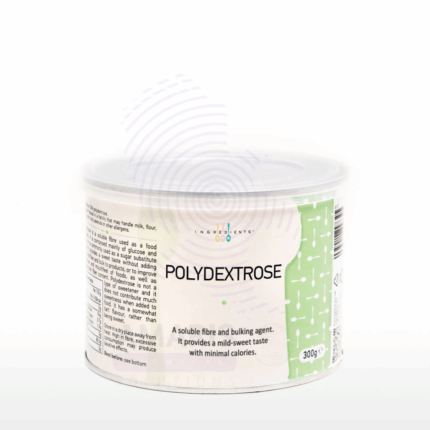
Polydextrose Extra Pure
Polydextrose Extra Pure is a premium-grade synthetic polymer of glucose, widely used as a dietary fiber, bulking agent, and low-calorie carbohydrate substitute in food, pharmaceutical, and nutraceutical applications. Its high purity ensures suitability for laboratory, formulation, and quality-sensitive uses.
This compound is valued for its excellent solubility, neutral taste, and stability across a wide pH range and temperatures. It is commonly incorporated into sugar-free, low-calorie, or high-fiber food products such as baked goods, beverages, and nutritional supplements. In pharmaceutical formulations, it may serve as an excipient or filler in tablets and capsules.
Polydextrose is generally recognized as safe (GRAS) and well-tolerated, though excessive intake may have a mild laxative effect. It should be stored in a cool, dry place, sealed tightly to avoid moisture absorption.
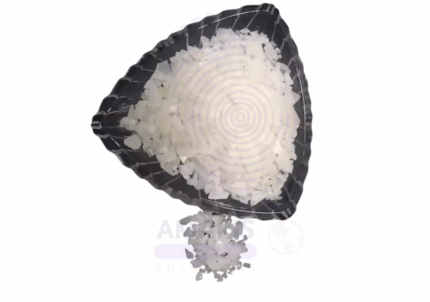
Polyethyl Glycol( PEG 6000)
Polyethyl Glycol( PEG 6000) is a high-molecular-weight polymer derived from ethylene oxide. It appears as a white, waxy solid or flake and is non-toxic, water-soluble, and chemically stable. PEG 6000 is widely used in pharmaceuticals, cosmetics, food processing, industrial formulations, and biotechnology, valued for its lubricating, solubilizing, binding, and moisturizing properties. It is odorless and tasteless, making it suitable for sensitive formulations.
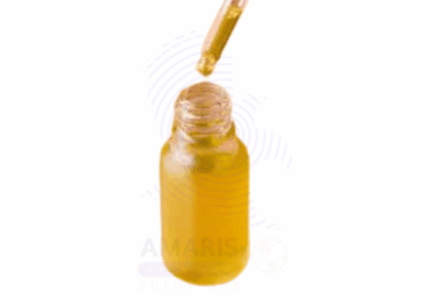
Polyglycerol-10-Laurate
Polyglycerol-10-Laurate is a non-ionic, biodegradable surfactant and emulsifier derived from natural lauric acid and polyglycerol (with ten glycerol units). It is known for its excellent emulsifying, dispersing, and solubilizing properties, especially in oil-in-water systems. Commonly used in cosmetics, food, pharmaceuticals, and personal care products, it is valued for being mild, non-toxic, and suitable for sensitive applications, including baby care and oral care.
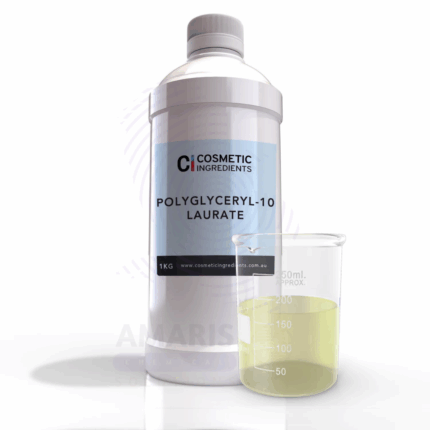
Polyglycerol-10-Laurate Extra Pure
Polyglycerol-10-laurate Extra Pure is a high-purity, non-ionic surfactant and emulsifier composed of ten glycerol units esterified with lauric acid. This versatile compound is especially valued in cosmetic, pharmaceutical, and food-grade applications where ultra-high purity and biocompatibility are critical.
Known for its excellent emulsifying, dispersing, and solubilizing properties, Polyglycerol-10-laurate is widely used in formulations for creams, lotions, and other personal care products, particularly those designed for sensitive skin. In pharmaceuticals, it aids in enhancing bioavailability and improving the stability of active ingredients, while in food applications, it serves as a safe emulsifier and texturizer, often used in dairy and confectionery products.
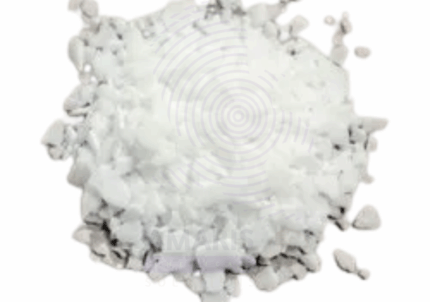
Polyglyceryl
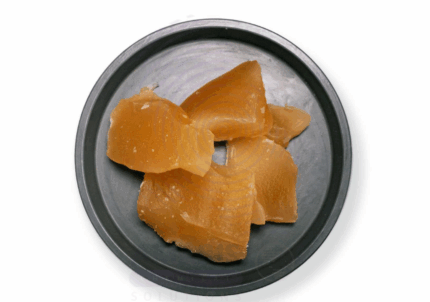
Polyglyceryl refers to a family of non-ionic surfactants and emulsifiers made by the polymerization of glycerol units. Depending on the number of glycerol units (e.g., Polyglyceryl-2, -3, -6, -10) and fatty acid esterification (e.g., laurate, oleate, stearate), they offer different emulsifying and solubilizing properties. These compounds are biodegradable, mild, and skin-friendly, making them ideal for use in cosmetics, food, pharmaceuticals, and personal care products. Polyglyceryl esters are often chosen in natural and organic product formulations due to their origin and non-toxic profile.
Polyglyceryl Extra Pure
Polyglyceryl Extra Pure refers to a high-purity class of non-ionic surfactants and emulsifiers derived from glycerol units. These compounds are widely used in cosmetics, pharmaceuticals, and food formulations due to their excellent skin compatibility, emulsifying properties, and biodegradability.
Polyglyceryls come in various forms (e.g., Polyglyceryl-3, Polyglyceryl-6, Polyglyceryl-10), each offering different levels of hydrophilicity and emulsifying strength. In cosmetics, they help create stable oil-in-water emulsions, ideal for lotions, creams, cleansers, and sunscreens. In pharmaceuticals, their non-toxic and non-irritating nature makes them suitable carriers for active ingredients. In food products, they function as safe emulsifiers and stabilizers, supporting clean-label and natural product development.
This extra pure grade ensures low impurity levels, minimal odor, and consistent performance, making it ideal for sensitive applications. Store tightly sealed in a cool, dry place away from heat and light to maintain its stability and quality.
Polymer Fiber
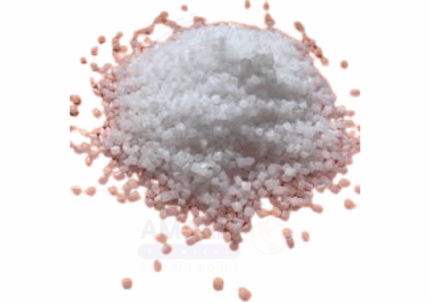
Polymer Fiber refers to a wide range of synthetic fibers made from polymer materials such as polypropylene, polyester, nylon, polyethylene, and acrylics. These fibers are engineered for high tensile strength, durability, flexibility, and resistance to chemicals and moisture. Polymer fibers are widely used in construction, textiles, filtration, composites, and industrial applications to improve mechanical properties, enhance structural integrity, and provide specialized functional benefits.

Polysorbates
Polysorbates are a class of nonionic surfactants derived from sorbitol and fatty acids, commonly used as emulsifiers, solubilizers, and dispersing agents in a wide range of industries. They improve the mixing of oil and water phases, stabilize emulsions, and enhance the texture and consistency of formulations. Polysorbates are widely used in pharmaceuticals, cosmetics, food products, and industrial applications due to their biocompatibility, low toxicity, and effectiveness at low concentrations.
Polyvinyl Alcohol
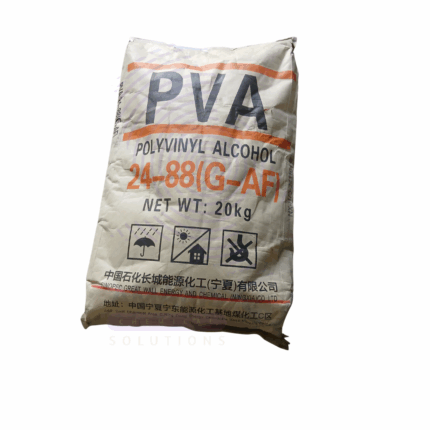
Polyvinyl Alcohol is a synthetic, water-soluble polymer made by the hydrolysis of polyvinyl acetate. It is known for excellent film-forming, emulsifying, and adhesive properties. PVA is widely used across industries for applications requiring biodegradable, non-toxic, and flexible materials. It offers good chemical resistance, mechanical strength, and compatibility with other polymers and additives.
Polyvinyl Chloride Masterbatch
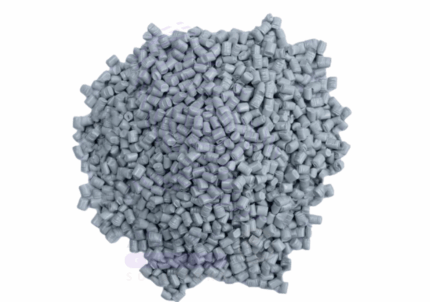
Polyvinyl Chloride Masterbatch is a concentrated mixture of pigments, additives, or fillers encapsulated in a PVC carrier resin, designed for direct addition into PVC processing applications. It offers an efficient and dust-free way to color, modify, or enhance the physical properties of PVC products. This masterbatch ensures excellent dispersion, consistent coloration, and improved processability. It is widely used in rigid and flexible PVC applications including construction, automotive, packaging, electrical, and consumer products.
Polyvinyl Chloride PE Wax
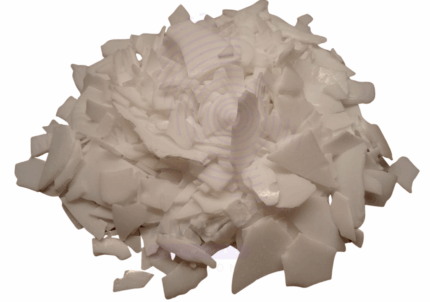
Polyvinyl Chloride PE Wax is a polyethylene-based wax additive used in PVC formulations to improve processing, lubrication, and surface finish. It serves as an internal and external lubricant in both rigid and flexible PVC products, enhancing extrusion, molding, and calendaring operations. It also contributes to better dispersion of fillers and pigments, reduced friction, and improved thermal stability. PE Wax for PVC is available in powder, flake, or granule form and is valued for its compatibility, thermal resistance, and cost-effectiveness.

Polyvinyl Chloride Resin
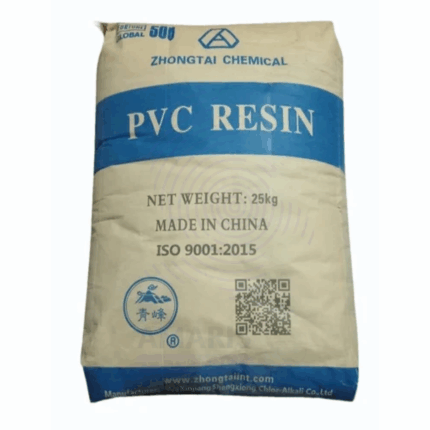
Polyvinyl Chloride Resin is a white, odorless powder widely used as the base material in the production of both rigid and flexible PVC products. It is produced by polymerizing vinyl chloride monomer (VCM) and is categorized by K-value, which defines molecular weight and processing characteristics. PVC resin is valued for its durability, chemical resistance, electrical insulation, and flame retardancy. It is one of the most versatile plastics used across multiple industries including construction, electrical, automotive, packaging, and healthcare.
Polyvinyl Chloride Resin 701
Polyvinyl Chloride Resin 701 is a high-quality suspension-grade polyvinyl chloride resin with a K-value of approximately 70–71, indicating high molecular weight. It is widely used in the production of flexible PVC products where excellent strength, elongation, and plasticizer absorption are required. PVC Resin 701 offers superior mechanical properties, high thermal stability, and good compatibility with plasticizers, making it suitable for calendaring, extrusion, and molding applications in diverse industries.
Polyvinyl Chloride Resin 702
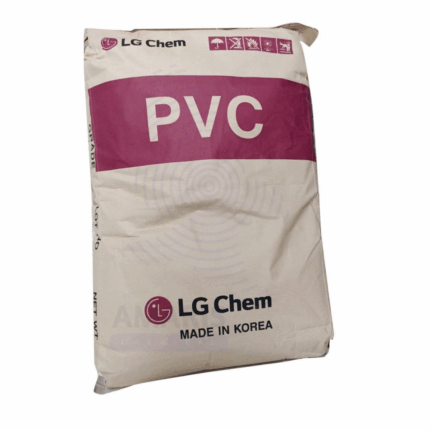
Polyvinyl Chloride Resin 702 is a high molecular weight, suspension-grade polyvinyl chloride resin with a K-value around 70–72. It is specifically formulated for use in soft and flexible PVC products due to its excellent plasticizer absorption and high mechanical strength. Its superior elongation, thermal stability, and processability make it highly suitable for calendaring, extrusion, injection molding, and dip molding operations. PVC Resin 702 is extensively used across the cable, synthetic leather, film, and footwear industries.
Polyvinyl Chloride Stabilizer
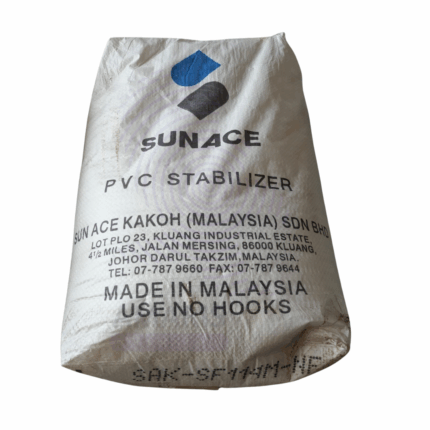
Polyvinyl Chloride Stabilizer is a crucial additive used in the processing of polyvinyl chloride (PVC) to protect it from thermal degradation during manufacturing and throughout its service life. It ensures color stability, prevents chain scission, and enhances the durability of PVC products exposed to heat, light, and mechanical stress. PVC stabilizers are available in various types, including lead-based, calcium-zinc (Ca-Zn), organotin, and mixed metal stabilizers, each suited for different applications depending on regulatory, environmental, and performance requirements.

Polyvinyl Chloride Tubing
Polyvinyl Chloride Tubing is a flexible, durable tube made from polyvinyl chloride (PVC), commonly used in laboratories for the safe and efficient transfer of gases, liquids, and chemicals. It features excellent chemical resistance, good mechanical strength, and flexibility, making it ideal for a wide range of laboratory applications including fluid transfer, vacuum lines, and connection of various lab apparatus. PVC Tubing is transparent or translucent to allow visual monitoring of fluid flow and is resistant to abrasion, corrosion, and weathering. It is available in various diameters and thicknesses to suit different laboratory requirements.

Polywhite B
Polywhite B Chinaclay, commonly known as Chinaclay, is a naturally occurring, fine white clay mineral primarily composed of kaolinite. It is highly valued for its purity, whiteness, and fine particle size, making it suitable for a variety of industrial applications. Polywhite B improves texture, opacity, and durability in products and is widely used in ceramics, paper, paints, and rubber industries.
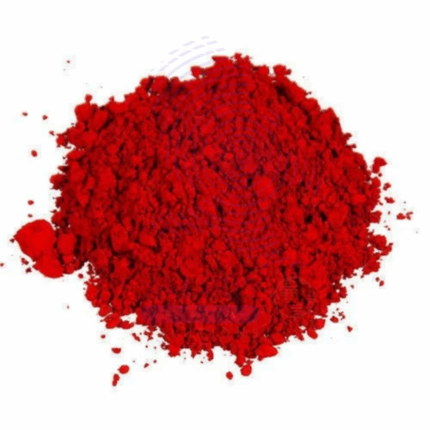
Ponceau 4r Red Shade
Ponceau 4r red shade is a high-concentration synthetic red azo dye, widely used for imparting bright red coloration to food, textiles, and cosmetics. It exhibits excellent water solubility and strong affinity for protein fibers and various substrates. Known for its vibrant and stable red shade, Ponceau 4R is commonly applied in food coloring, textile dyeing, and cosmetic formulations. It complies with regulatory standards for approved uses in several countries.
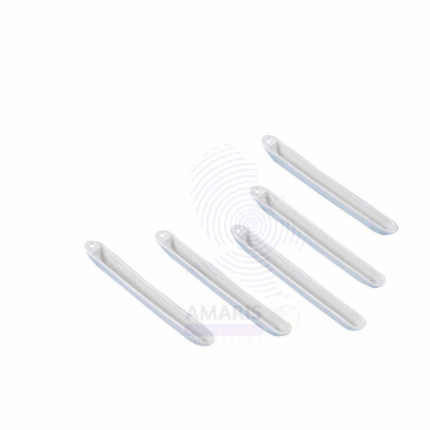
Porcelain Boat
A Porcelain Boat is a small, shallow, boat-shaped laboratory vessel made from high-quality, heat-resistant porcelain. It is designed primarily for the safe heating, drying, and combustion of solid substances. The smooth, glazed surface of the porcelain resists chemical corrosion and thermal shock, allowing for direct application of heat using burners such as Bunsen flames. Porcelain Boats are widely used in chemical analysis, qualitative testing, and sample preparation to hold small quantities of powders, crystals, or other solids during ignition or ashing procedures. Their shape facilitates easy pouring and transfer of materials and is ideal for use in muffle furnaces or over direct flames.

Porous Pot
A Porous Pot is a cylindrical or tubular laboratory apparatus made from sintered or fired ceramic material that features a permeable structure allowing the passage of gases or liquids while retaining solids or particulates. This highly porous ceramic vessel is commonly used in laboratory and industrial settings for filtration, diffusion, and separation processes. The pot’s micro-porous walls facilitate controlled fluid flow, making it ideal for applications such as gas absorption, water softening, and chemical diffusion experiments. Porous Pots are chemically inert, mechanically stable, and resistant to high temperatures, making them durable tools in analytical and preparative laboratory procedures.
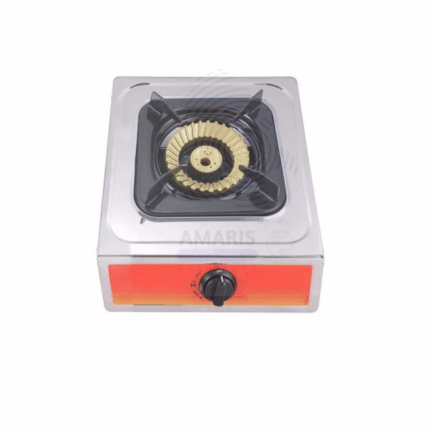
Portable Gas Burner
Portable Gas Burner is a compact, lightweight burner designed specifically for laboratory and field applications requiring a reliable heat source. Typically fueled by LPG or butane gas, it provides a clean, adjustable flame suitable for heating, sterilization, and combustion tasks. Constructed from durable materials with heat-resistant finishes, this burner features safety valves and flame controls for precise operation. Its portability allows for easy transport and use in diverse environments, including classrooms, research sites, and outdoor experiments.
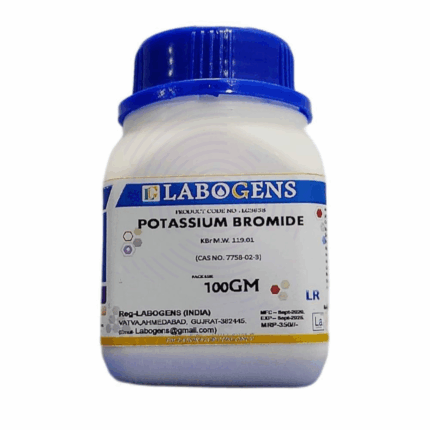
Potassium Bromide Extra Pure
Potassium Bromide Extra Pure is a highly refined, white crystalline compound with the chemical formula KBr, renowned for its exceptional purity and broad utility in scientific, medical, and industrial contexts. Its stable, non-hygroscopic nature and excellent solubility in water make it a reliable reagent in laboratory settings where consistency and accuracy are crucial.
This compound plays a central role in infrared (IR) spectroscopy, particularly for preparing transparent pellets that allow for the clear transmission of IR radiation, enabling the analysis of organic compounds. In the pharmaceutical sector, Potassium Bromide has a legacy use as an anticonvulsant and sedative, especially in veterinary practices for managing seizures. It's also employed in photographic processing in the formulation of light-sensitive silver bromide emulsions and in some chemical synthesis pathways requiring bromide ions.
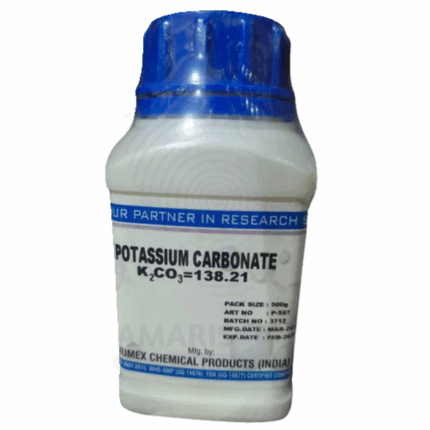
Potassium Carbonate Extra Pure
Potassium Carbonate Extra Pure is a high-purity, white, hygroscopic, water-soluble salt with the chemical formula K₂CO₃. It is known for its alkaline properties and exceptional solubility in water, forming a strongly basic solution that is widely used in laboratory and industrial processes. Its Extra Pure grade ensures it meets stringent standards for research, analytical, and high-spec formulation work.
This compound is essential in buffer preparation, pH adjustment, and titration analysis in laboratory chemistry. It also serves as a drying agent for certain solvents and gases due to its moisture-absorbing nature. In industrial applications, Potassium Carbonate is a key ingredient in the manufacture of glass, soaps, and dyes, and is also used in fermentation processes to control acidity. In the food industry, it functions as a food additive (E501), commonly used as a buffering or raising agent in baking.
To maintain its quality, Potassium Carbonate Extra Pure should be stored in a tightly sealed container, in a dry and cool environment, away from acids and moisture, as it readily absorbs water and carbon dioxide from the air. Proper handling using protective gloves and eye protection is advised, especially in concentrated solutions, due to its caustic nature.
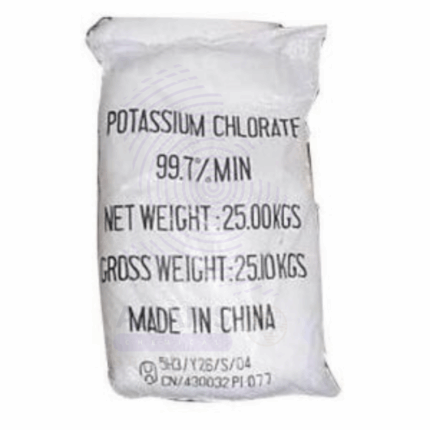
Potassium Chlorate
Potassium Chlorate is a strong oxidizing agent and crystalline chemical compound widely used in various industrial, laboratory, and commercial applications. It appears as a white, odorless, and water-soluble solid. Potassium Chlorate serves primarily as a source of oxygen in chemical reactions and is critical in the manufacture of explosives, matches, fireworks, and disinfectants. Due to its reactive nature, it requires careful handling and storage.
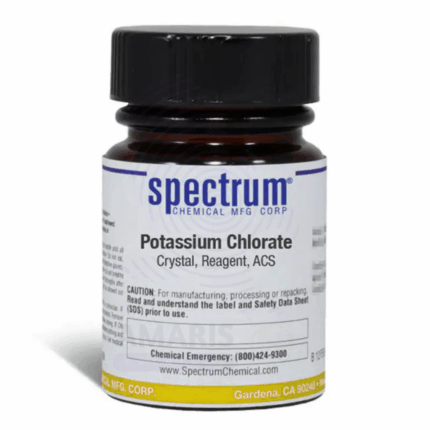
Potassium Chlorate Extra Pure
Potassium Chlorate Extra Pure is a high-purity, crystalline compound with the chemical formula KClO₃. It appears as a white, odorless solid and is well known for its strong oxidizing properties. In its Extra Pure form, it meets analytical-grade standards, making it suitable for sensitive laboratory and controlled industrial applications.
This chemical is extensively used in analytical chemistry, especially in oxygen production experiments and thermal decomposition studies, as it decomposes to release oxygen when heated. It is also used as a reagent in pyrotechnics, match compositions, and explosive formulations, where a powerful oxidizer is needed. In botanical tissue culture, potassium chlorate is sometimes used to induce flowering in certain plant species.
Due to its reactive and potentially explosive nature, Potassium Chlorate must be handled with extreme caution. It should be stored away from combustible materials, acids, and heat sources, in a cool, dry, well-ventilated area, in tightly sealed containers. Personal protective equipment such as gloves, goggles, and lab coats must be worn during handling, and it should never be ground or mixed with sulfur, phosphorus, or organic matter unless under strictly controlled conditions.
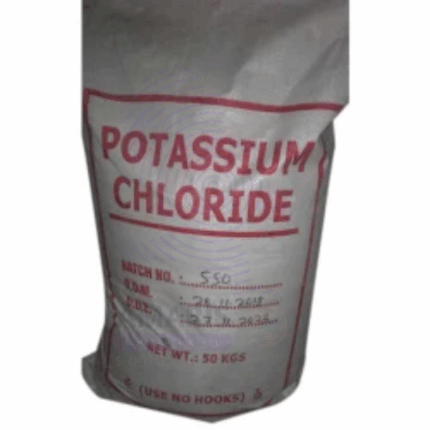
Potassium Chloride BP
Potassium Chloride BP (British Pharmacopoeia grade) is a high-purity, pharmaceutical-grade potassium salt widely used in medical, agricultural, and industrial applications. It is a white crystalline solid that is highly soluble in water and serves as an essential source of potassium ions in various biochemical and physiological processes. The BP grade ensures strict compliance with purity and quality standards, making it suitable for pharmaceutical formulations and clinical use.
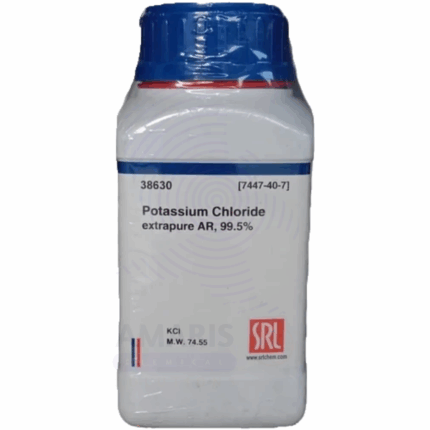
Potassium Chloride Extra Pure
Potassium Chloride Extra Pure is a high-purity, crystalline inorganic salt with the chemical formula KCl. It appears as a white, odorless, and highly soluble solid, widely used across laboratory, medical, and industrial applications due to its chemical stability and essential role in biological systems.
In laboratory settings, it serves as a reagent in buffer solutions, electrolyte standards, and ionic strength adjustment. In biochemistry, it’s frequently used to prepare isotonic solutions and simulate intracellular fluid composition. Its high purity ensures accuracy in molecular biology, analytical chemistry, and instrument calibration.
Industrially, Potassium Chloride is vital in fertilizer production (as potash), water softening systems, and food processing (as a sodium-free salt alternative).












