

 Preservatives(food)
 Flavors
 Acidulants
 Sweeteners
 Antioxidants
 Colorants(food)
 Nutraceutical Ingredients (food)
 Nutrient Supplements
 Emulsifiers
 Collectors
 Dust Suppressants
 Explosives and Blasting Agents
 Flocculants and Coagulants
 Frothers
 Leaching Agents
 pH Modifiers
 Precious Metal Extraction Agents
 Antioxidants(plastic)
 Colorants (Pigments, Dyes)
 Fillers and Reinforcements
 Flame Retardants
 Monomers
 Plasticizers
 Polymerization Initiators
 Stabilizers (UV, Heat)
 Antifoaming Agents
 Chelating Agents
 Coagulants and Flocculants
 Corrosion Inhibitors
 Disinfectants and Biocides
 Oxidizing Agents
 pH Adjusters
 Scale Inhibitors( water)
 Antioxidants(cosmetic)
 Emollients
 Oils
Oils Carrier Oills
 Essential Oils
 Humectants
 Preservatives
 Surfactants(cosmetic)
 Thickeners
 UV Filters
 Fertilizers
 Soil Conditioners
 Plant Growth Regulators
 Animal Feed Additives
 Biostimulants
 Pesticides (Herbicides, Insecticides, Fungicides)
 Active Pharmaceutical Ingredients (APIs)
 Excipients
 Solvents(pharmaceutical)
 Antibiotics
 Antiseptics and Disinfectants
 Vaccine Adjuvants
 Nutraceutical Ingredients (pharmaceutical)
 Analgesics & Antipyretics
 Analytical Reagents
 Solvents(lab)
 Chromatography Chemicals
 Spectroscopy Reagents
 microbiology-and-cell-culture-reagents
 Molecular Biology Reagents
 Biochemical Reagents
 Inorganic and Organic Standards
 Laboratory Safety Chemicals
 Specialty Laboratory Chemicals(Special Laboratory Equipment)
 Demulsifiers
 Hydraulic Fracturing Fluids
 Scale Inhibitors(oil)
 Surfactants(oil)
 Drilling Fluids
 Dyes and Pigments
 Bleaching Agents
 Softening Agents
 Finishing Agents
 Antistatic Agents
 Admixtures
 Waterproofing Agents
 Sealants and Adhesives
 Curing Compounds
 Concrete Repair Chemicals
 Anti-Corrosion Coatings
 Surfactants(cleaning)
 Builders
 Enzymes
 Solvents (Cleaning)
 Fragrances (Cleaning)
 Electronic Chemicals
 Catalysts
 Lubricants
 Photographic Chemicals
 Refrigerants
 Automotive chemicals
 Pyrotechnic Chemicals
 Biodegradable Surfactants
 Bio-based Solvents
 Renewable Polymers
 Carbon Capture Chemicals
 Wastewater Treatment Chemicals
 Pigments
 Solvents(paint)
 Specialty Coatings
 Binders/Resins
 Additives
 Driers
 Anti-Corrosion Agents
 Functional Coatings
 Application-Specific Coatings
 Leavening Agents
 Dough Conditioners
 Flour Treatments
 Fat Replacers
 Decoratives
 Preservatives(baking)
 Plasticizers & Softeners
 Reinforcing Agents
 Adhesion Promoters
 Vulcanizing Agents
 Antidegradants
 Blowing Agents
 Fillers & Extenders
 Accelerators & Retarders


















Vitamin D3100,000 IU/GM
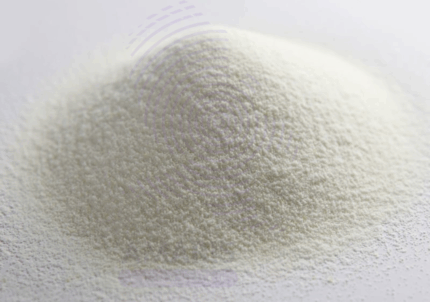
Vitamin D3100,000 IU/GM, also known as High-Potency Cholecalciferol, is a concentrated form of Vitamin D3 commonly used in pharmaceutical formulations, fortified food products, animal feed, and dietary supplements. This form delivers 100,000 International Units (IU) of cholecalciferol per gram, ensuring efficient delivery of therapeutic or nutritional doses in small volumes. It is produced under stringent quality standards to ensure stability, potency, and safety.
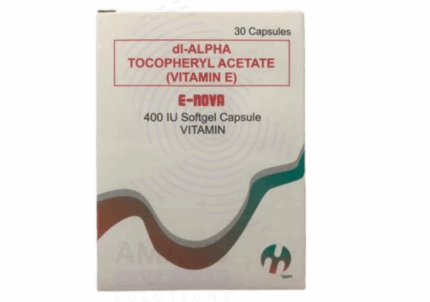
Vitamin E Acetate (DL-Alpha-Tocopheryl Acetate)
Vitamin E Acetate (DL-Alpha-Tocopheryl Acetate), chemically known as DL-Alpha-Tocopheryl Acetate, is a stable, synthetic form of Vitamin E used widely in pharmaceuticals, cosmetics, food fortification, and dietary supplements. As an esterified form of tocopherol, it offers superior oxidative stability, making it ideal for formulations requiring extended shelf life. It functions as a potent antioxidant, protecting cells from oxidative damage and supporting immune and skin health.
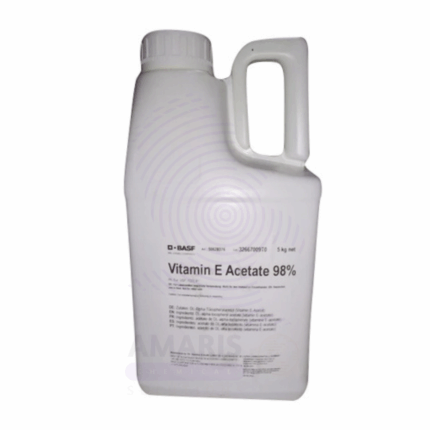
Vitamin E Acetate Oily
Vitamin E Acetate Oily, also known as DL-Alpha-Tocopheryl Acetate, is a synthetic, oil-soluble form of Vitamin E with high purity and exceptional oxidative stability. This viscous liquid is ideal for applications requiring direct incorporation into oil-based systems such as soft gel capsules, cosmetic formulations, and fortified edible oils. Its stability under processing and storage conditions makes it a preferred form of Vitamin E for nutritional, pharmaceutical, cosmetic, and food-grade applications.

Vitamin E Acetate Powder
Vitamin E Acetate Powder, also known as DL-Alpha-Tocopheryl Acetate Powder, is a dry, free-flowing, encapsulated form of Vitamin E, standardized to contain 50% of active DL-Alpha-Tocopheryl Acetate. It is designed for easy handling and uniform mixing in dry formulations and is ideal for use in nutritional supplements, fortified foods, and animal feed. The microencapsulation enhances stability against oxidation, heat, and light, ensuring long shelf life.
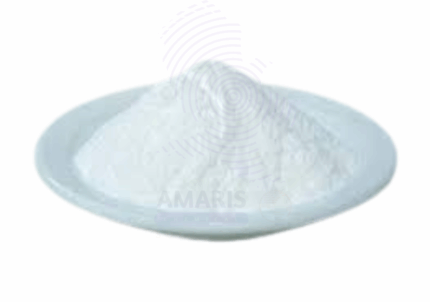
Vitamin K3
Vitamin K3, chemically known as Menadione, is a synthetic, fat-soluble vitamin used primarily in animal nutrition and some pharmaceutical applications. Unlike Vitamins K1 and K2, Vitamin K3 does not occur naturally but is a stable precursor that the body (or animal body) can convert into active forms of Vitamin K. It plays a critical role in blood clotting, bone metabolism, and cellular health. Vitamin K3 is usually available as Menadione Sodium Bisulfite (MSB) or Menadione Nicotinamide Bisulfite (MNB) for enhanced solubility and stability.

Vodka Liquid Flavor
Vodka Liquid Flavor is a clear, food-grade flavor designed to replicate the crisp, clean, and slightly sweet aroma and taste of premium vodka without alcohol content. It is ideal for use in beverages, confectionery, bakery items, and other edible products requiring a distinctive vodka flavor. This liquid flavor exhibits excellent solubility in water and aqueous systems and maintains stability during processing and storage. Produced under stringent food safety standards, Vodka Flavor Liquid ensures consistent quality and purity for diverse food applications.

Voltalic cell
A Voltaic Cell, also known as a galvanic cell, is an electrochemical device that converts chemical energy into electrical energy through spontaneous redox reactions. It consists of two different metals or metal compounds (electrodes) immersed in electrolyte solutions, connected by a salt bridge or porous membrane to complete the circuit. Widely used in educational, research, and industrial laboratories, the Voltaic Cell demonstrates fundamental principles of electrochemistry, battery operation, and electron flow. Its robust design and clear setup make it essential for experiments involving voltage generation, electrochemical potentials, and energy conversion.
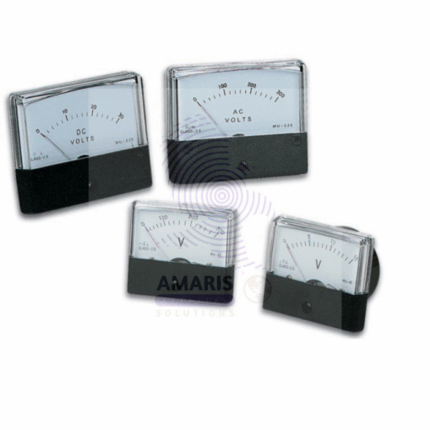
Voltmeter 30v electric and dual range
The Voltmeter 30V Electric and Dual Range is a precision electrical measuring instrument designed to measure electrical potential difference (voltage) in circuits up to 30 volts. Featuring a dual-range capability, this voltmeter allows users to select between two voltage measurement ranges for improved accuracy and versatility in both low and moderate voltage applications. Commonly used in educational laboratories, electronics workshops, and industrial settings, it is essential for diagnostics, circuit testing, and electrical experiments. The device typically includes a clear analog or digital display, robust casing, and reliable probes for safe and accurate voltage measurement.
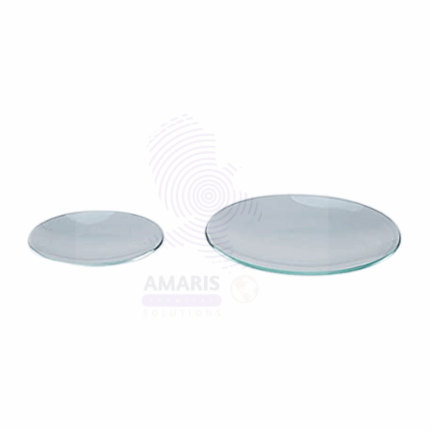
Wash Glass
Wash Glass are durable laboratory glassware items designed for safely and efficiently washing and rinsing laboratory equipment and samples. Made from chemically resistant borosilicate glass, these wash glasses are clear for easy visibility and withstand thermal and mechanical stresses encountered during laboratory procedures. The sizes 50mm and 75mm refer to the diameter of the glass, providing options for different volume requirements. Widely used in chemical, biological, and medical laboratories, Wash Glasses are essential for cleaning and sample preparation tasks, ensuring contamination-free processes.
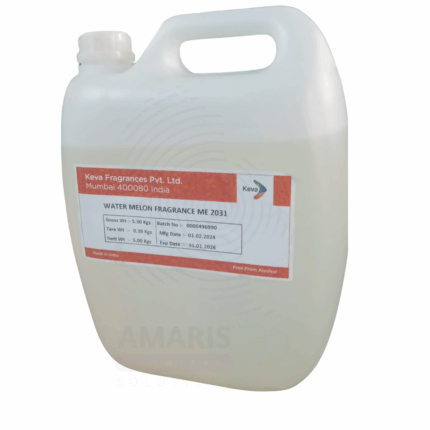
Watermelon Fragrance Oil
Watermelon Fragrance Oil is a premium synthetic fragrance designed to capture the fresh, juicy, and sweet aroma of ripe watermelon. This fragrance oil is widely used in personal care, home fragrance, and industrial applications due to its bright, refreshing scent profile and excellent stability in both oil- and water-based formulations. It provides a vibrant, fruity fragrance that evokes summer freshness and is suitable for use in a variety of cosmetic, household, and air care products. The oil exhibits good heat stability and is compatible with many product bases, making it ideal for perfumery and scent marketing.
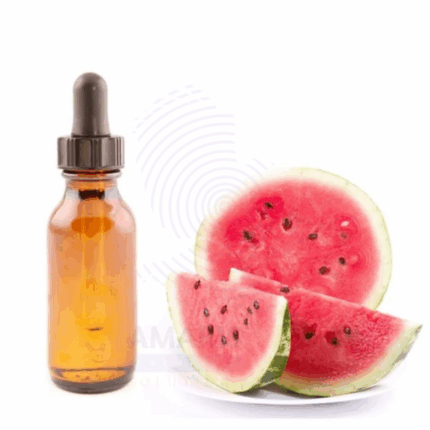
Watermelon Seed Oil
Watermelon Seed Oil, also known as Kalahari Oil or Ootanga Oil, is a lightweight, fast-absorbing oil cold-pressed from the seeds of the Citrullus lanatus fruit. This oil is pale yellow with a mild, nutty aroma and is rich in essential fatty acids—particularly linoleic acid (omega-6) and oleic acid (omega-9)—as well as antioxidants, phytosterols, and vitamins A, B, and E. Known for its nourishing, non-comedogenic, and balancing properties, Watermelon Seed Oil is widely used in skincare, haircare, baby care, and massage products. It is ideal for all skin types, especially oily, acne-prone, and sensitive skin due to its ability to dissolve sebum and unclog pores while maintaining hydration.

Wave machine
The Wave Machine is a laboratory apparatus designed to demonstrate the principles of wave motion, including transverse and longitudinal waves, reflection, interference, and wave propagation. Constructed from durable materials with adjustable components, the wave machine visually simulates wave behavior in a controlled setting, making it ideal for physics education and research. Widely used in schools, colleges, and research labs, it facilitates hands-on learning and experimentation with mechanical wave phenomena, aiding in the understanding of fundamental concepts in physics and engineering.
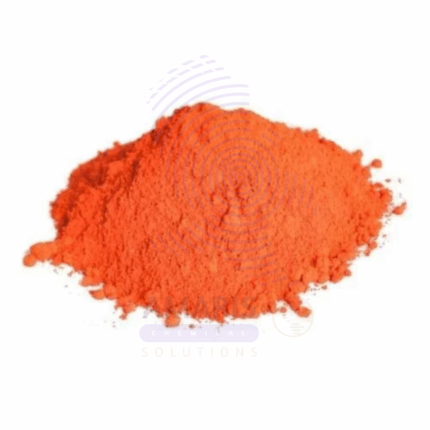
Waxol Solvent Orange
Waxol Solvent Orange is a synthetic solvent dye characterized by its vibrant orange color and excellent solubility in organic solvents such as hydrocarbons, oils, and waxes. It is widely used for coloring non-polar substrates where water-soluble dyes are unsuitable. The dye offers good lightfastness and stability in plasticizers, coatings, inks, and lubricants, providing consistent and uniform coloration. Waxol Solvent Orange 14 is ideal for applications requiring high tinting strength, chemical resistance, and compatibility with solvent-based systems in industrial and decorative uses.
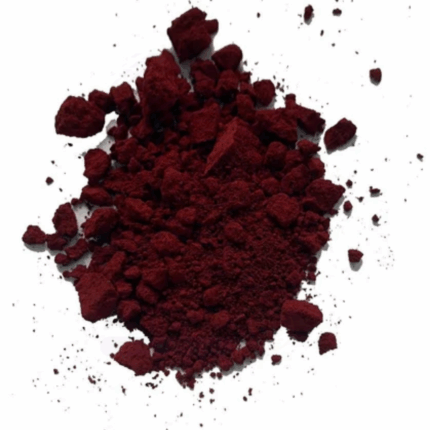
Waxol Solvent Red
Waxol Solvent Red is a synthetic dye primarily used for coloring hydrocarbon-based products. It is a solvent-soluble red dye known for its excellent color strength, stability, and compatibility with various waxes, oils, plastics, and fuels. This dye is widely employed in industries requiring vibrant red coloration of non-polar materials, providing consistent performance under different processing conditions.
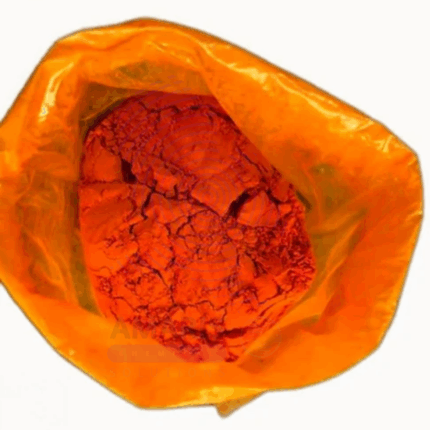
Waxol Solvent Yellow 2
Waxol Solvent Yellow 2 is a synthetic solvent dye known for its bright yellow hue and excellent solubility in organic solvents such as oils, waxes, hydrocarbons, and plasticizers. It provides consistent and vibrant yellow coloration in solvent-based systems, making it suitable for use in plastics, inks, coatings, and lubricants. The dye offers good chemical resistance and lightfastness, ensuring durability and stability of color in industrial and decorative applications. Waxol Solvent Yellow 2 is widely used where water-soluble dyes are unsuitable, providing high tinting strength and compatibility with various non-polar substrates.
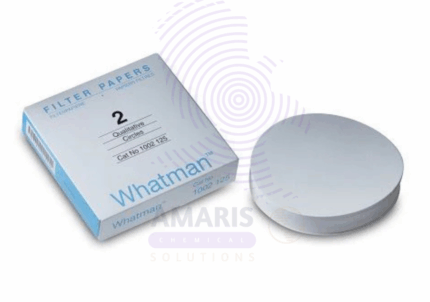
Whatman Qualitative filter paper
Whatman Qualitative Filter Paper is a high-quality laboratory filtration medium designed for the efficient separation of solids from liquids in qualitative analytical procedures. Manufactured from pure cellulose fibers, this filter paper offers excellent flow rates and particle retention, ensuring clear filtrates and reliable results. It is widely used in chemical, biological, and environmental laboratories for routine filtration tasks. Available in various grades and sizes, Whatman Qualitative Filter Paper is essential for tasks such as precipitate filtration, sample clarification, and general laboratory filtration processes.
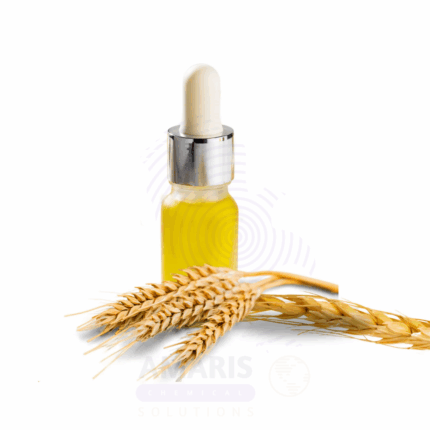
Wheatgerm Oil
Wheatgerm Oil is a nutrient-rich, golden-colored oil extracted from the germ of the wheat kernel (Triticum vulgare), typically through cold pressing or solvent extraction. It is exceptionally high in vitamin E, essential fatty acids (especially linoleic and linolenic acid), squalene, phytosterols, and antioxidants, making it one of the most potent natural oils for skin and hair rejuvenation. With its slightly nutty aroma and viscous texture, Wheatgerm Oil is widely used in cosmetic, pharmaceutical, nutraceutical, and aromatherapy applications for its antioxidant, anti-aging, moisturizing, and healing benefits.

Whetstone Bridge With Pencil Jockey
The Whetstone Bridge with Pencil Jockey is a precision electrical instrument used to measure unknown electrical resistances by balancing two legs of a bridge circuit. It consists of a robust base, a wire or slide wire of known resistance, and a movable contact known as the pencil jockey to slide along the wire for accurate balancing. This apparatus is widely used in physics and electrical engineering laboratories for teaching and research purposes, helping students and technicians to understand the principles of Wheatstone bridge circuits and precise resistance measurements.
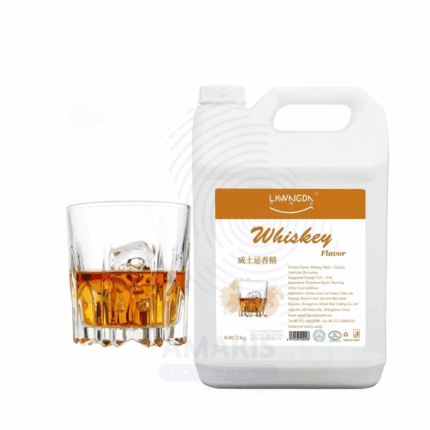
Whisky Liquid Flavor
Whisky Liquid Flavor is a premium quality flavoring ingredient designed to replicate the complex, rich, and smoky aroma of whisky. This liquid flavor is crafted for use in a wide range of food and beverage applications, delivering authentic whisky notes without the alcohol content. It offers excellent solubility and stability in both aqueous and fat-based systems, making it ideal for bakery, confectionery, dairy, and beverage products. The flavor provides a warm, woody, and slightly sweet character that enhances product depth and appeal.

White Cement
White Cement is a specialized type of Portland cement characterized by its bright white color and high purity. Manufactured from raw materials low in iron and manganese, it offers superior aesthetic qualities and is widely used for architectural and decorative applications. White Cement provides excellent strength, durability, and resistance to harsh environmental conditions, making it suitable for high-quality finishes, precast structures, and artistic concrete work.
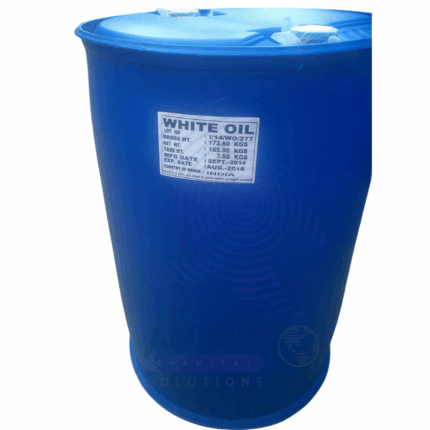
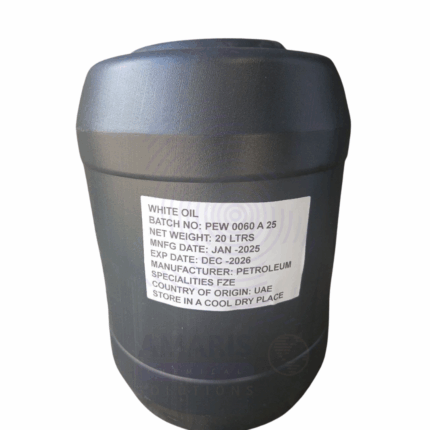
White Oil
White Oil, also known as Mineral Oil or Liquid Paraffin, is a highly refined, clear, odorless, and tasteless petroleum-derived oil. It is composed of saturated aliphatic hydrocarbons and is available in various viscosity grades depending on the intended application. The product is extensively purified to remove aromatic hydrocarbons, sulfur compounds, and other impurities, making it suitable for use in personal care, pharmaceutical, food, and industrial applications. White Oil is prized for its excellent lubricity, moisture barrier function, chemical stability, and non-comedogenic properties.
White Oil supplied in a 162 kg drum format is typically used in bulk manufacturing and industrial-scale processing across multiple sectors.
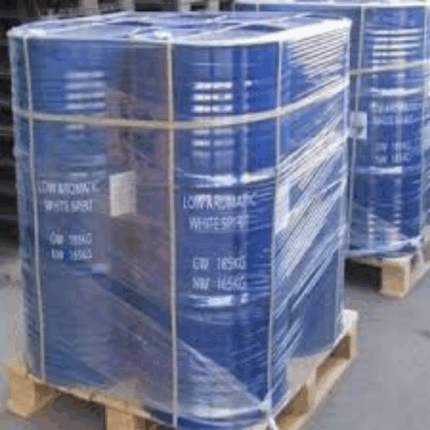
White Spirit
White Spirit is a clear, colorless, petroleum-derived solvent widely used in industrial, commercial, and household applications. It is composed primarily of aliphatic and alicyclic hydrocarbons, offering excellent solvency properties, moderate evaporation rate, and low odor varieties. White Spirit serves as a powerful degreaser, paint thinner, and cleaning agent, facilitating effective removal of oils, greases, and paints.

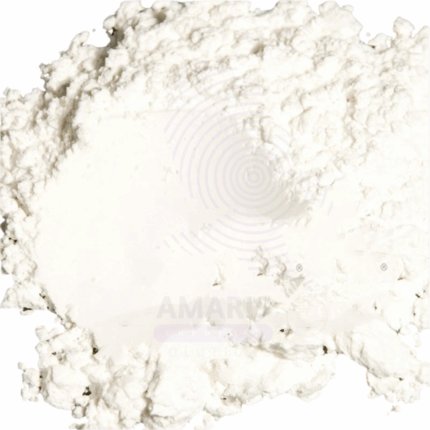
Whiting
Whiting is a finely ground, white, chalky substance primarily composed of calcium carbonate (CaCO₃). It is widely used as a pigment, filler, and extender in various industrial and commercial applications. Whiting provides opacity, brightness, and smoothness to products, enhancing their appearance and physical properties. Its natural abundance and versatility make it an economical additive in multiple manufacturing processes.

WinterGreen Oil
Wintergreen Oil is a potent essential oil distilled from the leaves of the Gaultheria procumbens or Gaultheria fragrantissima plant, both native to North America and Asia. The oil is obtained via steam distillation and is known for its distinct, sweet, minty aroma and high content of methyl salicylate (typically 98% or more), which gives Wintergreen Oil its strong analgesic and anti-inflammatory properties. Historically used in traditional medicine, topical pain relief, and flavoring, Wintergreen Oil remains an active component in cosmetic, pharmaceutical, personal care, and industrial applications. Its powerful scent and soothing properties make it particularly valued in muscle relief formulas, oral care products, and sports applications.
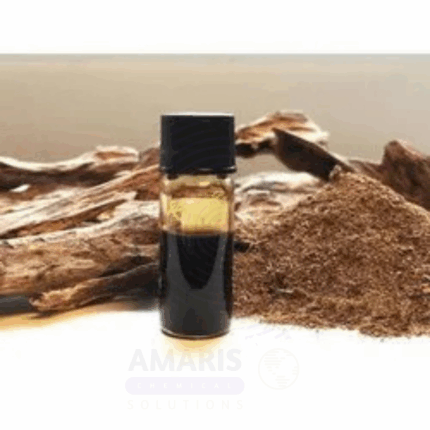
Worm Wood Oil
Worm Wood Oil is an essential oil derived from the leaves and flowering tops of the Artemisia absinthium plant, native to Europe, Asia, and North Africa. Obtained through steam distillation, Wormwood Oil is characterized by its sharp, herbaceous, bitter, and slightly woody aroma. It contains bioactive compounds such as thujone, camphor, and cineole, which contribute to its potent antimicrobial, insecticidal, and digestive-stimulating properties. Traditionally used in herbal medicine and digestive tonics, Wormwood Oil finds applications in aromatherapy, natural pest control, perfumery, and pharmaceuticals.
Wormseed Oil
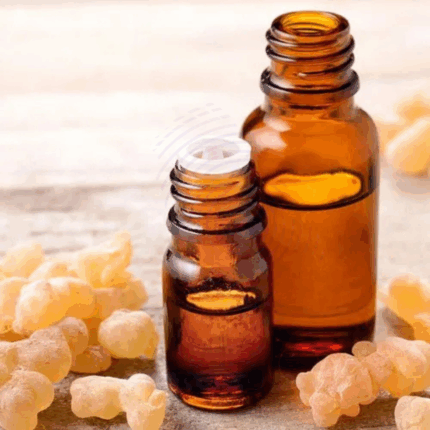
Wormseed Oil is an essential oil extracted by steam distillation from the seeds and aerial parts of the Chenopodium ambrosioides plant, commonly known as Mexican wormseed or American wormseed. The oil possesses a strong, herbaceous, and camphoraceous aroma with spicy undertones. Rich in compounds such as ascaridole, limonene, and p-cymene, Wormseed Oil has been traditionally used for its potent anthelmintic (anti-parasitic), antimicrobial, and insecticidal properties. It finds applications in natural medicine, pest control, and as a bioactive ingredient in pharmaceuticals and personal care products.
Xantham Gum
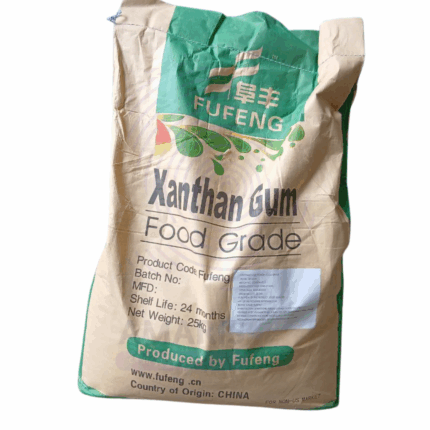
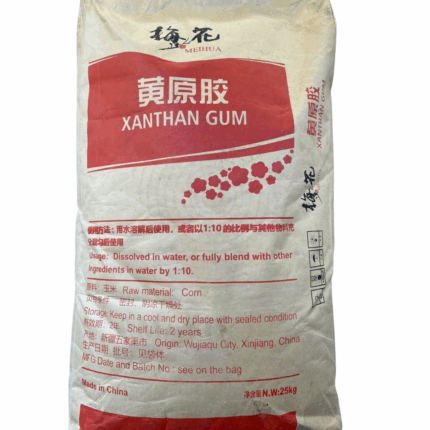
Xantham Gum is a high-molecular-weight polysaccharide produced by fermentation of glucose or sucrose by the bacterium Xanthomonas campestris. It is widely used as a thickening, stabilizing, and emulsifying agent in various industries due to its excellent viscosity properties, even at low concentrations. Xanthan Gum imparts improved texture, consistency, and shelf life to finished products, making it indispensable in food, pharmaceutical, cosmetic, and industrial formulations.

Xanthoxylum Oil
Xanthoxylum Oil, also known as Sichuan Pepper Oil or Prickly Ash Oil, is an essential oil extracted through steam distillation from the dried berries and seeds of the Zanthoxylum genus plants, primarily Zanthoxylum simulans and Zanthoxylum piperitum. This oil is characterized by its sharp, spicy, citrusy, and slightly woody aroma with tingling, numbing sensory properties. Rich in active compounds such as limonene, beta-pinene, and sabinene, Xanthoxylum Oil is valued for its antimicrobial, analgesic, anti-inflammatory, and digestive stimulating effects. Traditionally used in herbal medicine and culinary applications, it also finds use in cosmetics, personal care, and natural pest control products.
Xylanase Baking Enzymes
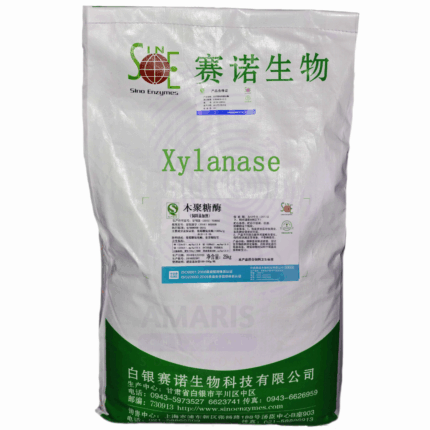
Xylanase Baking Enzymes are specialized enzymes used in the baking industry to improve dough handling, bread volume, crumb structure, and overall product quality. These enzymes catalyze the breakdown of xylans (non-starch polysaccharides in cereal cell walls), reducing dough viscosity and enhancing gas retention during fermentation. This results in improved texture, softness, and shelf life of baked goods.

Xylene
Xylene is a clear, colorless, flammable aromatic hydrocarbon solvent consisting of three isomers: ortho-, meta-, and para-xylene. It is widely utilized in various industries for its excellent solvency, chemical stability, and moderate evaporation rate. Xylene serves as a key raw material in chemical manufacturing and an effective solvent in coatings, adhesives, inks, and cleaning applications.
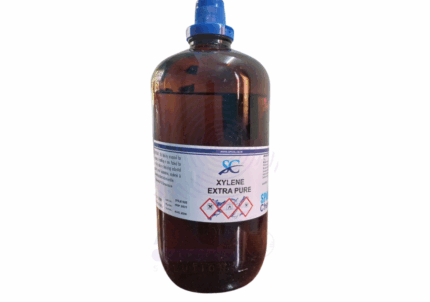
Xylene Extra Pure
Xylene Extra Pure is a high-purity aromatic hydrocarbon solvent, consisting mainly of the three isomers of dimethylbenzene. It is widely used in laboratories as a solvent and clearing agent due to its excellent ability to dissolve a variety of organic compounds. Its purity ensures minimal interference in sensitive analytical and histological procedures. Xylene is essential in sample preparation, chromatographic analysis, and synthesis applications. It requires careful handling due to its flammability and potential health hazards from inhalation and skin contact. Proper storage and protective measures are critical for safe use.

Xylitol
Xylitol is a naturally occurring sugar alcohol used as a low-calorie sweetener. It is derived primarily from plant materials such as birch wood and corn cobs. Xylitol has sweetness comparable to sucrose but with fewer calories, making it popular in sugar-free and diabetic-friendly food products. It also exhibits dental health benefits by reducing the risk of cavities.
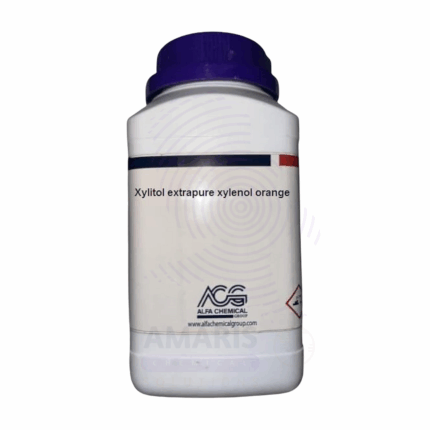
Xylitol Extra Pure
Xylitol Extra Pure is a high-purity sugar alcohol widely used as a low-calorie sweetener and pharmaceutical excipient. It is a white crystalline powder that is odorless and highly soluble in water. Due to its non-cariogenic and humectant properties, xylitol is extensively used in dental care products, cosmetics, and food formulations, especially sugar-free products. In laboratories, it serves as an analytical standard and stabilizer. Xylitol is non-toxic, biodegradable, and safe for various applications but should be handled with standard precautions to avoid dust inhalation. Proper storage in airtight containers protects it from moisture absorption and degradation.
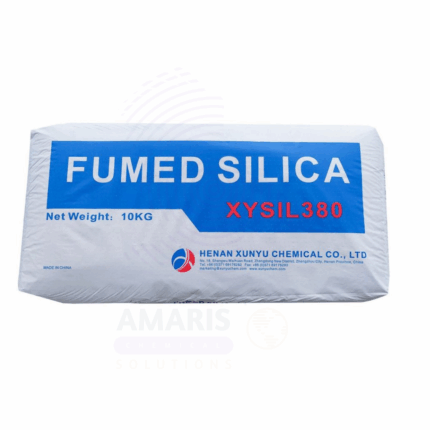
Xysil Fumed Silica
Xysil Fumed Silica is a high-purity fumed silica produced through flame hydrolysis of silicon tetrachloride. It is an ultra-fine, amorphous, white powder with a very high surface area and low bulk density. Xysil 200 is widely used as a reinforcing filler, thickening agent, anti-caking agent, and rheology modifier in various industrial applications. Its unique physical properties improve the mechanical strength, viscosity, and stability of formulated products.
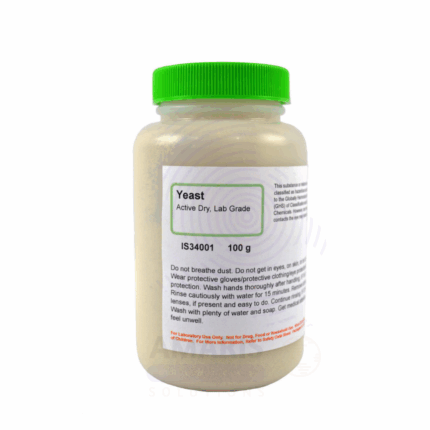
Yeast Active Dry Extra Pure
Yeast Active Dry Extra Pure is a high-quality, dry granulated form of Saccharomyces cerevisiae, widely used as a biological reagent in microbiological, biochemical, and fermentation research. Its consistent purity and viability make it ideal for laboratory studies involving fermentation, enzymatic activity, genetic research, and bioprocessing. It is also a key component in pharmaceutical and biotechnological applications, supporting recombinant protein production and probiotic development. The dry, stable form allows for easy storage and precise dosing. Proper handling is important to avoid moisture contamination and dust inhalation.
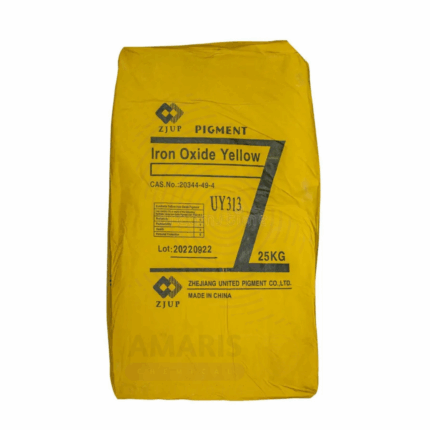
Yellow Oxide
Yellow Oxide is a high-quality, synthetic iron oxide pigment characterized by its bright yellow color, excellent tinting strength, and outstanding durability. It is widely used as a colorant in coatings, plastics, construction materials, and other industrial applications. This pigment provides excellent weather resistance, chemical stability, and heat stability, ensuring vibrant and long-lasting color performance in various end products.
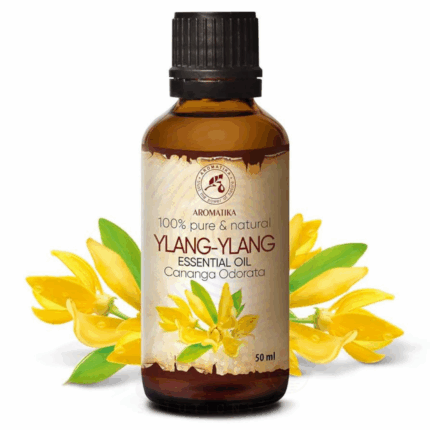
Ylang Ylang Oil
Ylang Ylang Oil is a luxurious essential oil obtained through steam distillation of the fresh flowers of Cananga odorata, a tropical tree native to Southeast Asia. Known for its rich, sweet, floral, and exotic fragrance with hints of jasmine and neroli, this oil is highly prized in perfumery and aromatherapy. Its chemical composition includes benzyl acetate, linalool, and germacrene D, contributing to its calming, aphrodisiac, antiseptic, and anti-inflammatory properties. Traditionally used in beauty rituals and wellness therapies, Ylang-Ylang Oil supports emotional balance, skin health, and relaxation. It is widely utilized in cosmetics, personal care, spa treatments, and high-end fragrances.

Yoghurt Liquid Flavor
Yoghurt Liquid Flavor is a high-quality flavoring ingredient designed to impart the creamy, tangy, and fresh taste characteristic of natural yoghurt. This liquid flavor is formulated for use in a broad range of food and beverage applications, including dairy products, beverages, bakery, and confectionery. It offers excellent solubility and stability in both aqueous and fat-based systems, enabling manufacturers to create authentic yoghurt-flavored products without fermentation. The flavor provides a smooth, slightly tart profile that enhances sensory appeal and product differentiation.

Young modules apparatus
Young modules apparatus is a precision laboratory instrument used to measure the elastic modulus (Young's modulus) of materials such as metals and wires. It typically consists of a rigid frame, a wire or specimen holder, a micrometer or dial gauge for measuring elongation, and weights or a loading mechanism to apply tensile force. This apparatus is essential in physics and materials science laboratories for studying the mechanical properties of materials under tensile stress, enabling the calculation of stress-strain relationships and elasticity. It is widely used in educational institutions and research laboratories to demonstrate fundamental concepts of material science and mechanical behavior.
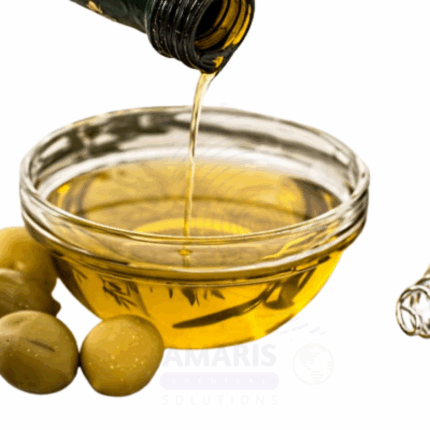
Yucca Oil
Yucca Oil is a natural extract derived from the roots and stems of the Yucca schidigera plant, native to arid regions of the southwestern United States and Mexico. Typically processed through cold pressing or solvent extraction, this oil is known for its earthy, slightly herbal aroma and its high content of natural saponins, resveratrol, and antioxidants. Traditionally used by Indigenous cultures for medicinal and cleansing purposes, Yucca Oil is recognized today for its anti-inflammatory, antimicrobial, and cleansing properties. It is widely utilized in cosmetics, hair and scalp treatments, animal care formulations, and natural cleaning solutions.

Yuzu Oil
Yuzu Oil is a fragrant essential oil extracted via cold pressing or steam distillation from the peel of the Citrus junos fruit, a citrus species native to East Asia, especially Japan, Korea, and China. Revered for its fresh, citrusy, and slightly floral aroma, Yuzu Oil offers a unique blend of tart grapefruit, mandarin, and subtle floral notes. It is rich in natural constituents like limonene, gamma-terpinene, and alpha-pinene, providing antioxidant, anti-inflammatory, and mood-enhancing properties. Widely valued in aromatherapy and personal care, Yuzu Oil is used in wellness products, cosmetic formulations, luxury perfumery, and eco-friendly household goods for its uplifting scent and skin benefits.
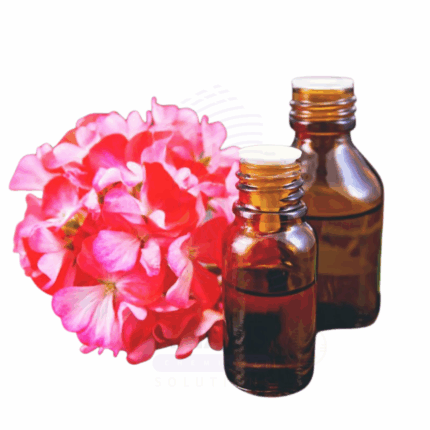
Zdravetz Oil
Zdravetz Oil is a rare and highly valued essential oil extracted through steam distillation of the leaves and stems of Geranium macrorrhizum, a plant native to the Balkan region, especially Bulgaria. Known for its warm, earthy, and slightly spicy floral aroma, Zdravetz Oil is cherished in traditional herbal medicine for its regenerative, antioxidant, and antimicrobial properties. Its complex chemical profile includes germacrone, elemol, and alpha-humulene, contributing to its effectiveness in skin care, aromatherapy, and perfumery. With a grounding and balancing scent, this oil is widely used in cosmetics, therapeutic blends, and luxury fragrances.
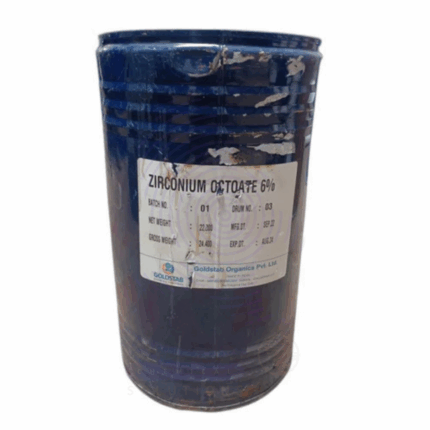
Zicronium Octoate
Zicronium Octoate is a metal carboxylate solution comprising zirconium ions complexed with octoic acid at an 18% zirconium concentration. It serves as an effective crosslinking and curing agent in coatings, adhesives, and sealants, enhancing film hardness, chemical resistance, and durability. This zirconium-based additive is valued for its catalytic properties in accelerating the curing of various polymer systems, especially in automotive and industrial applications.
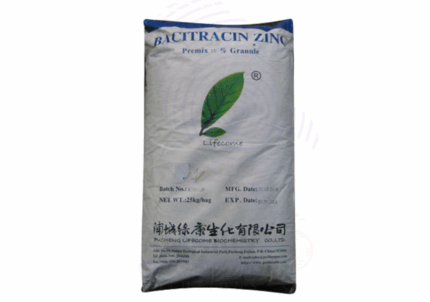
Zinc Bacitracin Premix Feed Grade
Zinc Bacitracin Premix Feed Grade is a veterinary-grade antibiotic premix formulated with 15% active zinc bacitracin, an antimicrobial peptide produced by Bacillus subtilis. It is commonly incorporated into animal feed to promote growth, prevent and control bacterial infections, and improve feed efficiency in livestock and poultry. This product is heat stable, easy to blend, and designed for uniform distribution in feed.
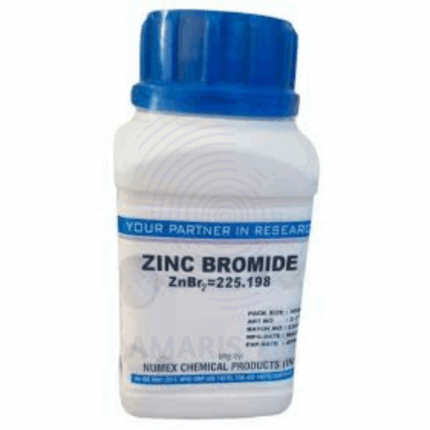
Zinc Bromide Extra Pure
Zinc Bromide Extra Pure is a high-purity inorganic compound with the formula ZnBr₂, appearing as a white to off-white crystalline solid. It is highly soluble in water, making it valuable in laboratory and industrial chemical processes requiring both zinc and bromide ions. This compound is widely used in analytical chemistry, organic synthesis, and as a high-density material for industrial applications such as drilling fluids and radiation shielding. Its Extra Pure grade guarantees minimal impurities, ensuring reproducibility and accuracy in research and formulation. Zinc Bromide is stable under normal conditions but requires careful handling due to its potential to cause irritation and its toxicity in aquatic environments. Proper storage involves protection from moisture and incompatible chemicals, with safety measures emphasizing PPE and environmental precautions.
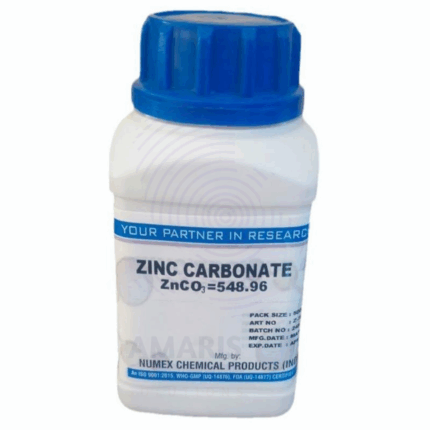
Zinc Carbonate Extra Pure
Zinc Carbonate Extra Pure is a high-purity white, odorless powder or granular solid with the formula ZnCO₃. It serves as an essential inorganic compound widely used in analytical laboratories, pharmaceutical, cosmetic, and agricultural industries. Its insolubility in water and decomposition at moderate heat make it useful as a precursor to zinc oxide and other zinc-based chemicals. In laboratory applications, it functions as a reagent and buffer agent, while in pharmaceutical and cosmetic fields, it is valued for its mild antiseptic and astringent properties. Environmentally, it is considered low toxicity and stable, provided it is handled correctly and kept away from acids and moisture. Proper storage and safety precautions are vital to maintain its purity and effectiveness.
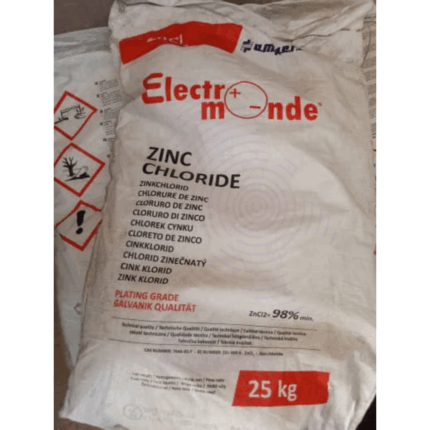
Zinc chloride
Zinc Chloride is a highly versatile, white crystalline inorganic compound known for its strong hygroscopic nature and high solubility in water. It serves multiple industrial roles including fluxing, dehydrating, catalysis, and preservation. With applications across metallurgy, pharmaceuticals, textiles, water treatment, and chemical synthesis, Zinc Chloride is valued for its reactivity and binding properties.
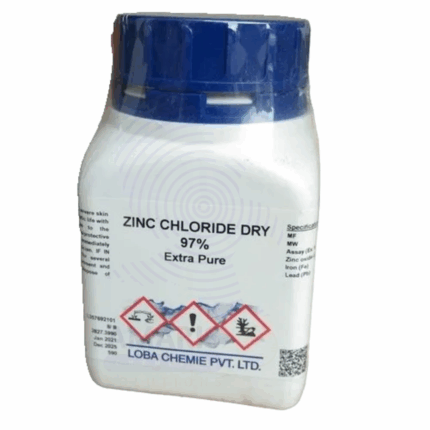
Zinc Chloride Extra Pure
Zinc Chloride Extra Pure is a highly pure, white crystalline or granular inorganic compound with formula ZnCl₂. It is a powerful Lewis acid and widely utilized in laboratories as a reagent, catalyst, and analytical standard. Due to its high solubility and acidity in water, it serves important roles in chemical synthesis, textile processing, and metallurgical fluxes. In pharmaceuticals and cosmetics, it is valued for its antiseptic and astringent properties. Industrially, Zinc Chloride is employed in water treatment, adhesives, and coatings. Because of its corrosive nature and reactivity with moisture, it requires careful handling and storage under dry conditions with appropriate personal protective equipment. Its environmental impact requires controlled disposal due to aquatic toxicity.
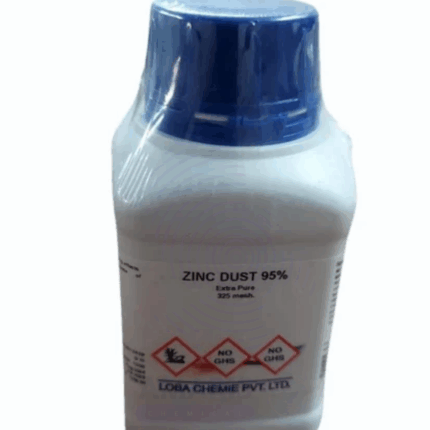
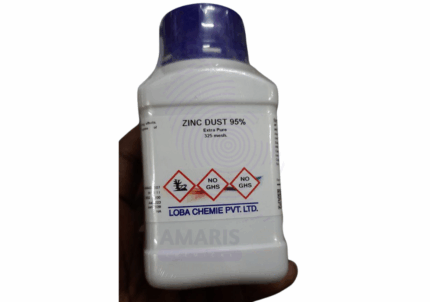
Zinc Dust Extra Pure
Zinc Dust Extra Pure is a fine bluish-silver metallic powder primarily composed of elemental zinc with minimal impurities. It serves as a critical reagent and raw material in laboratories and industries, especially in metallurgical, chemical synthesis, and galvanizing applications. Its high surface area and reactivity make it valuable for redox reactions, zinc assays, and protective coatings. The dust form requires careful handling due to potential dust explosion hazards and reactivity with acids producing flammable hydrogen gas. Storage in dry, controlled conditions with appropriate PPE is essential for safe use. This zinc dust meets high purity standards suitable for research, manufacturing, and environmental applications such as water treatment and soil conditioning.
Zinc Foil Extra Pure
Zinc Foil Extra Pure is a high-purity, thin, malleable metallic zinc sheet exhibiting excellent chemical purity and uniform thickness. Its consistent quality makes it ideal for laboratory applications including electrochemical studies, reduction reactions, and corrosion research. The foil form provides a convenient and controlled source of metallic zinc with minimal contamination risk. It is widely used in research involving zinc reactivity, battery electrodes, and materials science. Safe handling and storage are crucial due to the foil’s reactive nature with acids and potential for sharp edges. This product meets stringent purity criteria suited for analytical and high-purity industrial applications.












