

 Preservatives(food)
 Flavor Enhancers
 Acidulants
 Sweeteners
 Antioxidants
 Colorants(food)
 Nutraceutical Ingredients (food)
 Nutrient Supplements
 Emulsifiers
 Collectors
 Dust Suppressants
 Explosives and Blasting Agents
 Flocculants and Coagulants
 Frothers
 Leaching Agents
 pH Modifiers
 Precious Metal Extraction Agents
 Antioxidants(plastic)
 Colorants (Pigments, Dyes)
 Fillers and Reinforcements
 Flame Retardants
 Monomers
 Plasticizers
 Polymerization Initiators
 Stabilizers (UV, Heat)
 Antifoaming Agents
 Chelating Agents
 Coagulants and Flocculants
 Corrosion Inhibitors
 Disinfectants and Biocides
 Oxidizing Agents
 pH Adjusters
 Scale Inhibitors( water)
 Antioxidants(cosmetic)
 Emollients
 Fragrances and Essential Oils
 Humectants
 Preservatives
 Surfactants(cosmetic)
 Thickeners
 UV Filters
 Fertilizers
 Soil Conditioners
 Plant Growth Regulators
 Animal Feed Additives
 Biostimulants
 Pesticides (Herbicides, Insecticides, Fungicides)
 Active Pharmaceutical Ingredients (APIs)
 Excipients
 Solvents(pharmaceutical)
 Antibiotics
 Antiseptics and Disinfectants
 Vaccine Adjuvants
 Nutraceutical Ingredients (pharmaceutical)
 Analgesics & Antipyretics
 Analytical Reagents
 Solvents(lab)
 Chromatography Chemicals
 Spectroscopy Reagents
 microbiology-and-cell-culture-reagents
 Molecular Biology Reagents
 Biochemical Reagents
 Inorganic and Organic Standards
 Laboratory Safety Chemicals
 Specialty Laboratory Chemicals(Special Laboratory Equipment)
 Demulsifiers
 Hydraulic Fracturing Fluids
 Scale Inhibitors(oil)
 Surfactants(oil)
 Drilling Fluids
 Dyes and Pigments
 Bleaching Agents
 Softening Agents
 Finishing Agents
 Antistatic Agents
 Admixtures
 Waterproofing Agents
 Sealants and Adhesives
 Curing Compounds
 Concrete Repair Chemicals
 Anti-Corrosion Coatings
 Surfactants(cleaning)
 Builders
 Enzymes
 Solvents (Cleaning)
 Fragrances
 Electronic Chemicals
 Catalysts
 Lubricants
 Photographic Chemicals
 Refrigerants
 Automotive chemicals
 Pyrotechnic Chemicals
 Biodegradable Surfactants
 Bio-based Solvents
 Renewable Polymers
 Carbon Capture Chemicals
 Wastewater Treatment Chemicals
 Pigments
 Solvents(paint)
 Specialty Coatings
 Binders/Resins
 Additives
 Driers
 Anti-Corrosion Agents
 Functional Coatings
 Application-Specific Coatings
 Leavening Agents
 Dough Conditioners
 Flour Treatments
 Fat Replacers
 Decoratives
 Preservatives(baking)
 Plasticizers & Softeners
 Reinforcing Agents
 Adhesion Promoters
 Vulcanizing Agents
 Antidegradants
 Blowing Agents
 Fillers & Extenders
 Accelerators & Retarders















Calcium Saccharin
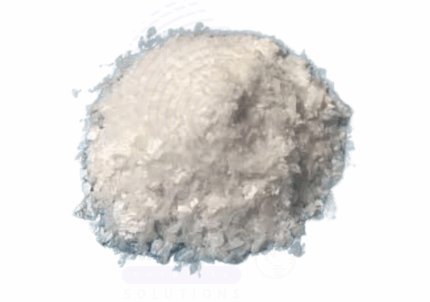
Calcium Saccharin is the calcium salt form of saccharin, a synthetic sweetener. It appears as a white to off-white crystalline powder with a sweet taste that is several hundred times sweeter than sucrose (table sugar). Calcium Saccharin is water-soluble and widely used as a non-nutritive sweetener in food and beverage products, pharmaceuticals, and oral care formulations. Due to its stability under heat and acidic conditions, it is ideal for baked goods and beverages. It serves as a sugar substitute for diabetic and calorie-restricted diets and is often used in combination with other sweeteners to improve taste profiles.
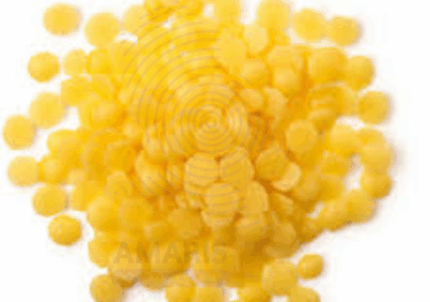
Candelilla Wax
Candelilla Wax is a natural vegetable wax derived from the leaves of the Euphorbia cerifera shrub, native to northern Mexico and the southwestern United States. It appears as a hard, brittle, light yellow to brown wax with a mild, characteristic odor. This wax is valued for its high melting point, gloss-enhancing properties, and excellent binding capabilities. It is widely used in cosmetics, pharmaceuticals, food, and industrial applications as a vegan alternative to beeswax. Its film-forming, emollient, and stabilizing attributes make it a multifunctional ingredient across several industries.
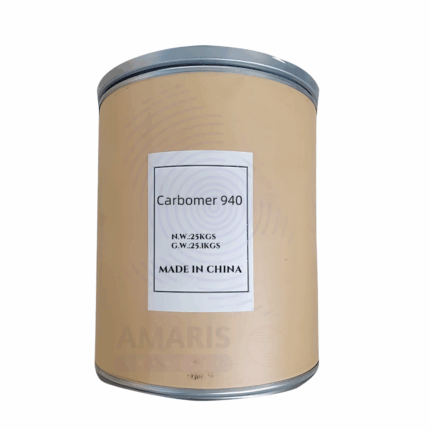
Carbomer
Carbomer is a high molecular weight, crosslinked polyacrylic acid polymer used primarily as a rheology modifier, thickening agent, and suspension stabilizer. Supplied as a fluffy white powder, it exhibits high viscosity and excellent clarity when neutralized and dispersed in water or alcohol-water systems. Carbomer 940 is widely valued for its ability to form clear gels, control flow properties, and stabilize emulsions. It is commonly used in cosmetics, personal care, pharmaceuticals, and household formulations due to its consistency, compatibility, and efficient thickening performance at low concentrations.
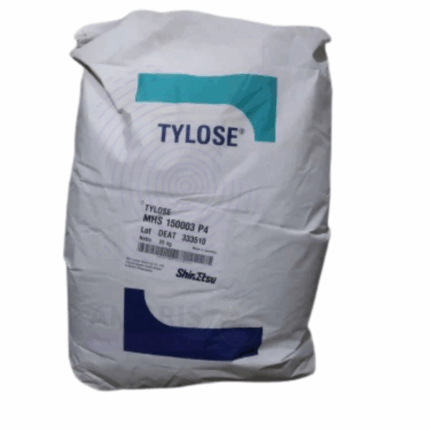
Cellozize Tylose
Cellozize Tylose, commonly known by the trade name Tylose, is a brand of hydroxyethyl cellulose (HEC), a non-ionic, water-soluble cellulose ether derived from natural cellulose. It appears as a white to off-white powder with excellent thickening, binding, and film-forming properties. Tylose is widely used as a rheology modifier, stabilizer, and thickener in various industries including construction, pharmaceuticals, cosmetics, and food. It provides viscosity control, improves texture, and enhances water retention in formulations. Due to its inert, non-toxic, and biodegradable nature, Tylose is favored as a versatile polymer in many applications.
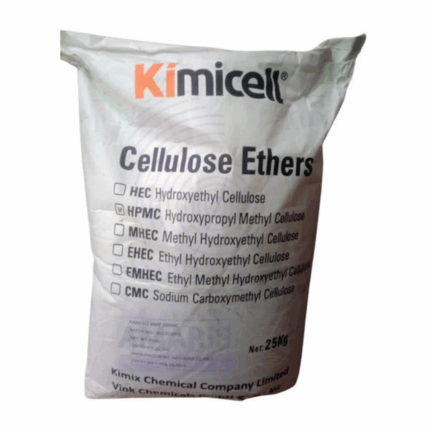
Cellulose Ether
Cellulose ether refers to a group of chemically modified cellulose derivatives where hydroxyl groups on the cellulose backbone are substituted with ether groups such as methyl, hydroxyethyl, or carboxymethyl groups. These modifications improve solubility, viscosity, and film-forming properties while maintaining biodegradability and non-toxicity. Cellulose ethers are white to off-white powders or granules that dissolve in water to form viscous, stable solutions. They are widely used as thickeners, binders, stabilizers, and film formers in industries such as construction, pharmaceuticals, cosmetics, food, and paper.
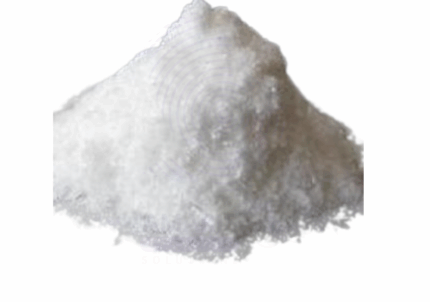
Carbocisteine AJI 92
Carbocisteine AJI 92 is a high-purity pharmaceutical-grade amino acid derivative, chemically known as S-carboxymethyl-L-cysteine. It is a white to off-white crystalline powder with a slightly sulfurous odor and is freely soluble in water. Carbocisteine functions primarily as a mucolytic agent—reducing the viscosity of mucus and promoting expectoration in respiratory tract infections. The "AJI 92" specification refers to its compliance with the purity standards established by Ajinomoto's amino acid quality benchmarks, ensuring it meets stringent pharmaceutical-grade quality control for active pharmaceutical ingredients (APIs). It is widely used in oral syrups, tablets, and granules in both human and veterinary medicine.

Cellulose Acetate Phthalate (CAP)
Cellulose Acetate Phthalate (CAP) is a cellulose derivative obtained by esterification of cellulose with acetic acid and phthalic anhydride. It appears as a white to off-white, free-flowing powder that is insoluble in water but soluble in alkaline solutions and certain organic solvents. CAP is primarily used as an enteric coating agent in pharmaceutical formulations, providing resistance to acidic gastric fluids and enabling targeted release of drugs in the intestines. Due to its film-forming, pH-sensitive solubility, and protective properties, CAP is also applied in food, cosmetics, and specialty industrial uses.
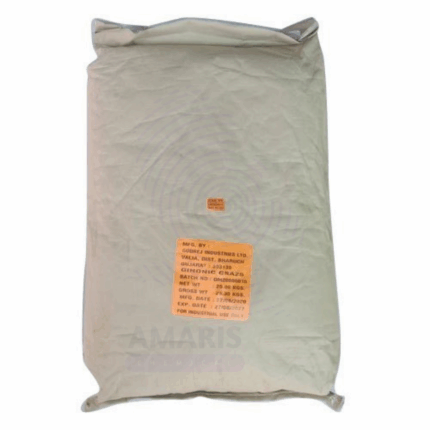
Ceteareth 20 Ginonic
Ceteareth 20 Ginonic CSA 20 is a nonionic surfactant and emulsifier derived from the ethoxylation of cetearyl alcohol, incorporating approximately 20 ethylene oxide units per molecule. It appears as a white to off-white waxy solid or viscous liquid, depending on temperature and formulation. This emulsifier is widely used in cosmetic, pharmaceutical, and industrial formulations for its excellent ability to stabilize oil-in-water emulsions, improve texture, and enhance the sensory properties of finished products. Its high hydrophilic-lipophilic balance (HLB) makes it especially effective in forming stable emulsions and solubilizing lipophilic ingredients in aqueous phases. Ceteareth 20 is valued for its mildness, broad compatibility, and multifunctional performance.
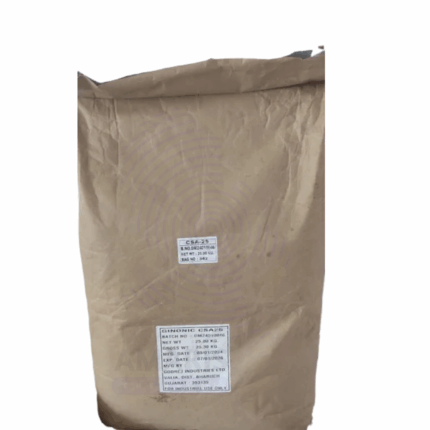
Ceteareth 25 Ginonic
Ceteareth 25 Ginonic CSA 25 is a nonionic surfactant and emulsifier derived from the ethoxylation of cetearyl alcohol, incorporating approximately 20 ethylene oxide units per molecule. It appears as a white to off-white waxy solid or viscous liquid, depending on temperature and formulation. This emulsifier is widely used in cosmetic, pharmaceutical, and industrial formulations for its excellent ability to stabilize oil-in-water emulsions, improve texture, and enhance the sensory properties of finished products. Its high hydrophilic-lipophilic balance (HLB) makes it especially effective in forming stable emulsions and solubilizing lipophilic ingredients in aqueous phases. Ceteareth 20 is valued for its mildness, broad compatibility, and multifunctional performance.
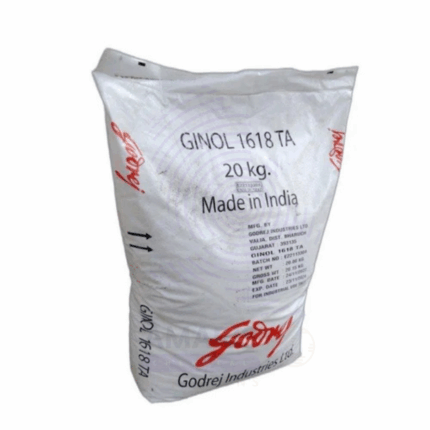
Ceto Stearyl Alcohol
Ceto Stearyl Alcohol 1618TA is a high-quality fatty alcohol blend primarily composed of cetyl (C16) and stearyl (C18) alcohols. It appears as a white, waxy solid or flakes with a mild fatty odor. This blend is widely used as an emollient, thickener, and co-emulsifier in cosmetic, pharmaceutical, and industrial formulations. Ceto Stearyl Alcohol 1618TA offers excellent lubricity, thickening, and stabilizing properties, enhancing the texture, consistency, and moisturizing characteristics of creams, lotions, and hair care products. It serves as a skin conditioning agent and contributes to the structural integrity of emulsions.
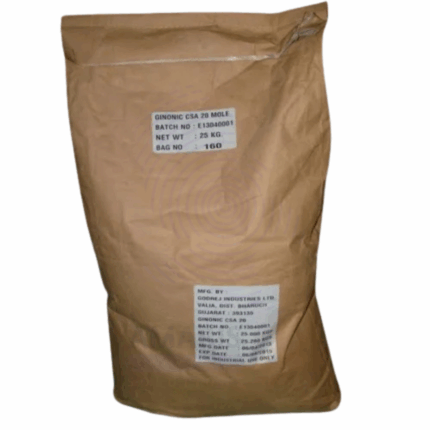
Cetomacrogel 1000BP
Cetomacrogel 1000BP is a high molecular weight polyethylene glycol (PEG) derivative, typically used as a thickening agent, emulsifier, and stabilizer in pharmaceutical and cosmetic formulations. It appears as a white to off-white, waxy solid or flakes with a neutral odor. Known for its excellent water solubility and compatibility with various ingredients, Cetomacrogel 1000BP enhances texture, viscosity, and stability in creams, ointments, and gels. It serves as a hydrophilic vehicle base in topical and oral pharmaceutical preparations and improves product spreadability and skin feel.
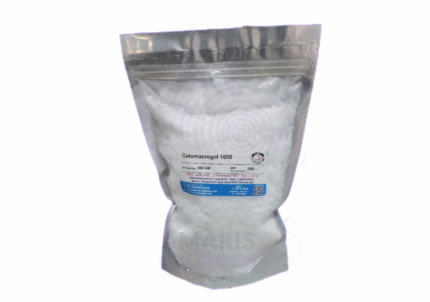
Cetomacrogol PEG1000 (Ginonic CSA 20)
Cetomacrogol PEG (Ginonic CSA) is a polyethylene glycol-based nonionic surfactant and emulsifier with an average molecular weight of approximately 1000 Da. It appears as a white to off-white waxy solid or flakes with a neutral odor. This high-quality grade is widely used in cosmetic, pharmaceutical, and personal care formulations due to its excellent emulsifying, solubilizing, and moisturizing properties. Cetomacrogol PEG1000 (Ginonic CSA 20) facilitates stable oil-in-water emulsions, improves product texture and skin feel, and enhances the bioavailability of active ingredients. Its hydrophilic nature and compatibility with a wide range of ingredients make it a versatile additive in creams, lotions, ointments, and topical gels.
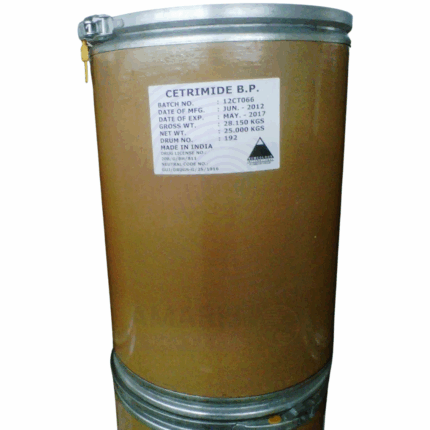
Cetrimide Powder
Cetrimide Powder is a high-purity quaternary ammonium compound widely used for its antiseptic, disinfectant, and surfactant properties. It is a cationic surfactant derived from cetyltrimethylammonium bromide and appears as a white to off-white crystalline powder with a slight characteristic odor. Known for its excellent antimicrobial efficacy against bacteria and fungi, cetrimide is frequently incorporated in pharmaceutical, personal care, and industrial formulations. It acts as a bactericidal agent, detergent, and emulsifier, providing effective cleaning and disinfecting action.
Cetirizine Dihydrochloride
Cetirizine Dihydrochloride is a second-generation antihistamine widely used to relieve allergy symptoms such as hay fever, urticaria (hives), and other allergic conditions. It is the dihydrochloride salt form of cetirizine, presenting as a white to off-white crystalline powder that is odorless or nearly odorless and slightly bitter in taste. Cetirizine Dihydrochloride acts as a selective antagonist of peripheral H1 histamine receptors, preventing the effects of histamine and thereby reducing allergic symptoms without causing significant sedation. It is a commonly prescribed active pharmaceutical ingredient (API) in oral tablets, syrups, and capsules.
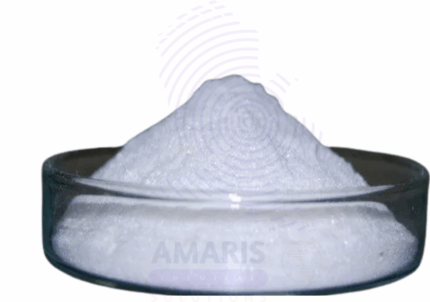
Cetirizine Hydrochloride
Cetirizine Hydrochloride is a widely used second-generation antihistamine effective for treating allergic conditions such as allergic rhinitis, chronic urticaria, and other allergy symptoms. It is the hydrochloride salt form of cetirizine, existing as a white to off-white crystalline powder with a slightly bitter taste. Cetirizine HCl acts by selectively blocking peripheral H1 histamine receptors, thereby reducing allergic symptoms without significant sedation or central nervous system depression. It is commonly formulated into tablets, syrups, and capsules as an active pharmaceutical ingredient.
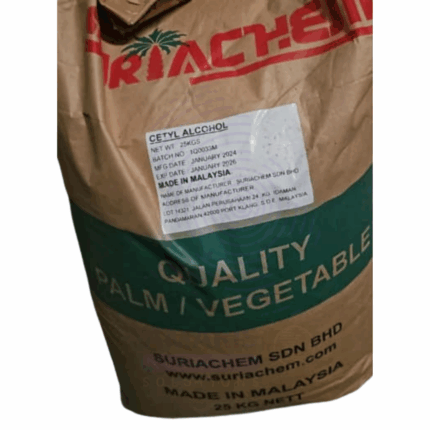
Cetyl Alcohol
Cetyl Alcohol, also known as 1-Hexadecanol or Palmityl Alcohol, is a fatty alcohol derived primarily from natural sources such as palm oil and coconut oil. It appears as a waxy, white to pale yellow solid with a faint fatty odor. Cetyl Alcohol is widely used in cosmetic, pharmaceutical, and industrial formulations due to its emollient, emulsifying, thickening, and stabilizing properties. It helps improve texture, consistency, and moisturizing effects in personal care products. Cetyl Alcohol is compatible with many ingredients, making it a versatile multifunctional ingredient.
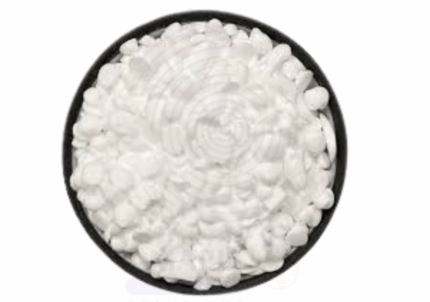
Cetyl Alcohol Flakes
Cetyl Alcohol Flakes is a high-purity fatty alcohol derived mainly from natural sources such as palm oil and coconut oil. Presented as white to off-white waxy flakes, this product contains at least 98% pure cetyl alcohol, ensuring consistent performance and quality. It is valued for its excellent emollient, thickening, and emulsifying properties and is widely used in personal care, pharmaceutical, and industrial formulations. The flake form facilitates easy handling, melting, and dosing in manufacturing processes. Cetyl Alcohol 98% Flakes contributes to the texture, stability, and moisturizing properties of various formulations, providing a non-greasy, smooth finish.
Cetyl Palmitate
Cetyl Palmitate is a naturally derived ester formed by the reaction of cetyl alcohol and palmitic acid. It appears as a white to off-white waxy solid with a mild fatty odor. This compound is widely used in cosmetic, pharmaceutical, and industrial formulations for its emollient, thickening, and texture-enhancing properties. Cetyl Palmitate imparts a smooth, creamy feel to products and contributes to improved stability and consistency in creams, lotions, balms, and ointments. Its film-forming and skin-conditioning attributes make it a preferred ingredient in personal care products as well as in specialty industrial applications.
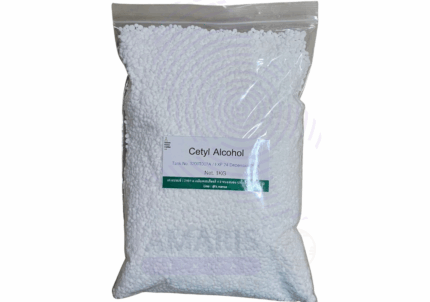
Cetyl Stearyl Alcohol (CSA)
Cetyl Stearyl Alcohol (CSA), also known as Cetearyl Alcohol, is a blended fatty alcohol consisting primarily of cetyl (C16) and stearyl (C18) alcohols. It appears as white to pale yellow waxy flakes or pellets with a mild fatty odor. CSA is widely used in cosmetics, pharmaceuticals, and personal care products as an emollient, thickener, and co-emulsifier. It enhances texture, improves stability, and provides a smooth, velvety skin feel in formulations. Being a non-ionic surfactant, it also aids in stabilizing oil-in-water emulsions and is favored for its gentle nature on the skin and hair.
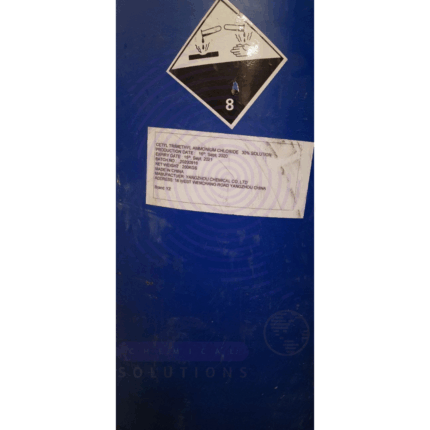
Cetyl Trimethyl Ammonium Chloride
Cetyl Trimethyl Ammonium Chloride (CTAC) is a cationic surfactant and quaternary ammonium compound characterized by a long hydrophobic cetyl (C16) alkyl chain and a positively charged ammonium head group. It appears as a white to pale yellow powder or flakes, soluble in water, and exhibits strong surface-active properties. CTAC is widely used in cosmetics, personal care, and industrial applications for its excellent conditioning, antistatic, emulsifying, and disinfectant capabilities. It functions primarily as a fabric softener, hair conditioner, and antimicrobial agent.
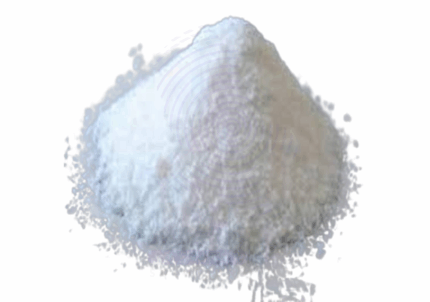
Chloramphenicol Palmitate Micronised
Chloramphenicol Palmitate Micronised is a micronized, lipophilic ester derivative of chloramphenicol, designed for improved solubility and bioavailability compared to the parent drug. It appears as a fine, white to off-white powder with enhanced surface area due to micronization. This antibiotic is widely used for oral formulations, particularly pediatric suspensions, due to its palatability and controlled release properties. Chloramphenicol Palmitate exhibits broad-spectrum antibacterial activity against both Gram-positive and Gram-negative bacteria. Its ester form offers better stability and reduced bitterness, making it a preferred choice in pharmaceutical preparations.
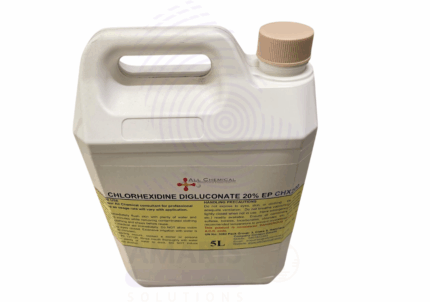
Chlorhexidine Digluconate
Chlorhexidine Digluconate is a concentrated aqueous solution of chlorhexidine salt (digluconate form), a potent broad-spectrum antimicrobial agent. It is a clear to slightly yellow viscous liquid with a mild characteristic odor. This antiseptic and disinfectant is widely used in medical, personal care, and industrial applications for its ability to effectively kill bacteria, fungi, and some viruses by disrupting microbial cell membranes. Chlorhexidine Digluconate is valued for its residual antimicrobial activity, low toxicity, and compatibility with various formulations.
Chlorobutanol BP
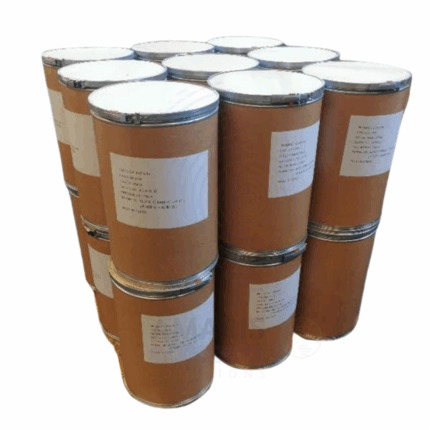
Chlorobutanol BP (also known as 1,1,1-Trichloro-2-methyl-2-propanol) is a white crystalline solid or powder, with a slight camphor-like odor and a bitter taste. It is a multifunctional preservative, anesthetic, and antimicrobial agent commonly used in pharmaceutical, cosmetic, and personal care products. Chlorobutanol exhibits bacteriostatic and fungistatic properties, making it effective in preventing microbial contamination in aqueous formulations. It also possesses mild local anesthetic effects, frequently used in ophthalmic and injectable preparations as a preservative and stabilizer.
Chlorocresol BP
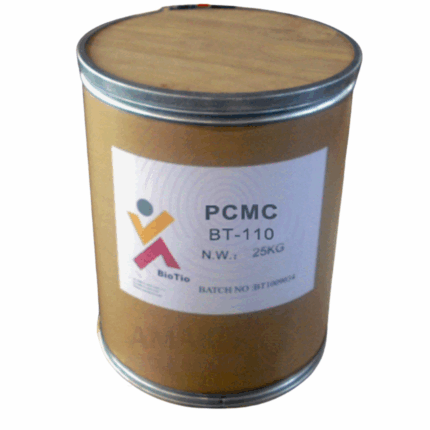
Chlorocresol BP, also known as PCMC (Para-Chlorometa-Cresol), is a white to off-white crystalline powder with a characteristic phenolic odor. It is a chlorinated phenol derivative widely used as a broad-spectrum antimicrobial preservative. It exhibits effective bactericidal and fungicidal activity, making it a preferred preservative in pharmaceutical, cosmetic, and personal care products. Chlorocresol is valued for its stability, solubility in aqueous and alcoholic systems, and compatibility with various formulation types. It helps inhibit microbial growth, thereby enhancing product shelf life and safety.
Chloroform
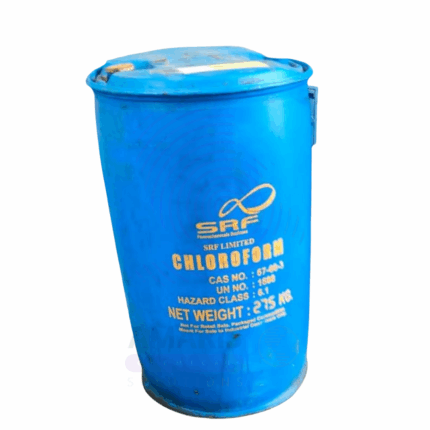
Chloroform (Trichloromethane) is a clear, colorless, volatile liquid with a sweet, pleasant odor. It is a widely used organic solvent with excellent solvency for many substances. Historically employed as an anesthetic, chloroform is now primarily used in laboratories and industry for extraction, degreasing, and chemical synthesis. It has moderate volatility and is heavier than air, requiring careful handling to avoid inhalation hazards. Its chemical stability and ability to dissolve fats, alkaloids, and other substances make it valuable in pharmaceutical, chemical, and industrial processes.
Chlorpheniramine Maleate
Chlorpheniramine Maleate is a first-generation alkylamine antihistamine used primarily to relieve allergy symptoms by blocking H1 histamine receptors. It appears as a white or off-white crystalline powder, freely soluble in water and alcohol. Known for rapid onset and moderate duration of action, it’s widely formulated in pharmaceuticals. It also exhibits mild anticholinergic and sedative effects.
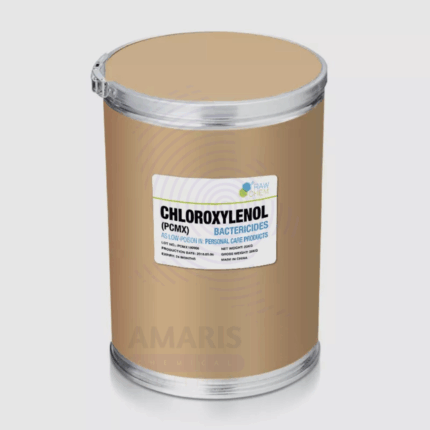
Chloroxylenol BP
Chloroxylenol BP is a pale yellow to colorless crystalline solid with a mild phenolic odor. It is a broad-spectrum antimicrobial agent widely used for its bactericidal, fungicidal, and antiviral properties. Chemically known as 4-chloro-3,5-dimethylphenol, Chloroxylenol acts by disrupting microbial cell membranes and inhibiting enzyme systems, making it effective against many gram-positive and some gram-negative bacteria, fungi, and viruses. Its relatively low toxicity and skin irritation profile compared to other phenols have made it a preferred active ingredient in antiseptics, disinfectants, and preservative formulations across pharmaceutical, personal care, household, and industrial applications.
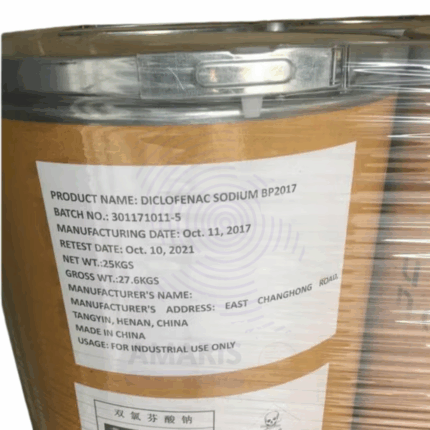
Diclofenac Sodium BP
Diclofenac Sodium is a nonsteroidal anti-inflammatory drug (NSAID) widely used for its potent analgesic, anti-inflammatory, and antipyretic properties. It is the sodium salt form of diclofenac, providing enhanced solubility and rapid absorption. Diclofenac Sodium BP (British Pharmacopoeia standard) ensures pharmaceutical-grade purity and compliance with stringent quality standards. It is commonly formulated in oral tablets, topical gels, injections, and ophthalmic preparations.
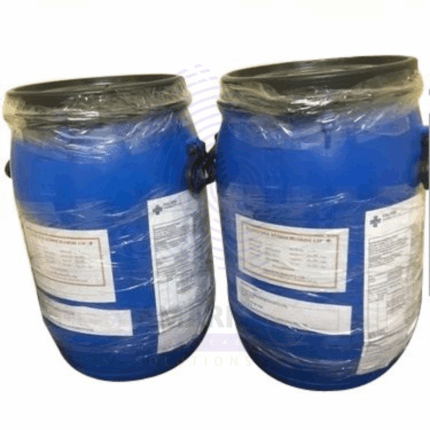
Dicyclomine Hydrochloride
Dicyclomine Hydrochloride is an anticholinergic and antispasmodic agent used primarily to relieve smooth muscle spasms in the gastrointestinal tract. It works by blocking muscarinic receptors, thereby reducing muscle contractions and spasms, which helps alleviate symptoms of irritable bowel syndrome (IBS) and other functional bowel disorders. It is commonly available in oral tablets, capsules, and injectable formulations.
![Diethanolamine [C4H11NO2 or (CH2CH2OH)2NH] Amaris Chemicals](https://amarischemicalsolutions.com/wp-content/uploads/2025/07/Diethanolamine-C4H11NO2-or-CH2CH2OH2NH-Amaris-Chemicals-430x430.png)
Diethanolamine
Diethanolamine is a colorless to pale yellow, viscous liquid with a mild ammonia-like odor. It is a secondary amine and diol, widely used in various industrial, pharmaceutical, and cosmetic applications. DEA is highly soluble in water and many organic solvents. It acts as an intermediate in the synthesis of surfactants, emulsifiers, corrosion inhibitors, and pharmaceuticals. It is valued for its alkalinity, emulsifying properties, and ability to form stable complexes with fatty acids.
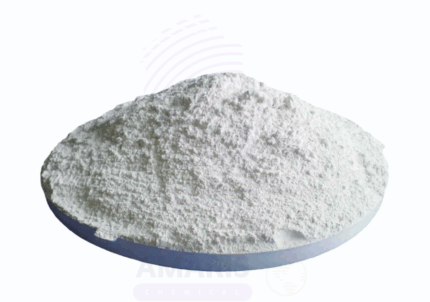
Diloxanide Furoate
Diloxanide Furoate is an orally administered antiprotozoal agent used primarily for the treatment of amoebiasis. It is a furan-based derivative that acts as a luminal amoebicide, effectively targeting Entamoeba histolytica cysts and trophozoites within the intestinal lumen. This compound is well-regarded for its efficacy in eradicating asymptomatic cyst carriers and as a follow-up treatment after systemic amoebicidal therapy. Diloxanide Furoate has good oral bioavailability and a favorable safety profile.
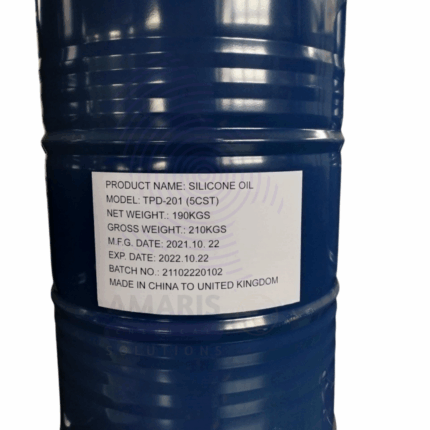
Dimethicone Silicon Oil
Dimethicone Silicon Oil, also known as polydimethylsiloxane (PDMS) or silicone oil, is a clear, odorless, and non-volatile silicone-based polymer widely used for its lubricating, anti-foaming, water-repellent, and skin-conditioning properties. It is a linear silicone polymer composed of repeating dimethylsiloxane units. Dimethicone exhibits excellent thermal stability, chemical inertness, and low surface tension, making it highly versatile in pharmaceutical, cosmetic, personal care, industrial, and food applications. It is available in various viscosities, from very low to high viscosity oils, enabling tailored formulations.

Diphenhydramine HCL BP
Diphenhydramine HCL BP is a first-generation antihistamine with potent anticholinergic, sedative, and antiemetic properties. It is commonly used to relieve symptoms associated with allergies, hay fever, the common cold, and motion sickness. Diphenhydramine HCL is a white crystalline powder, highly soluble in water, making it suitable for oral, topical, and injectable pharmaceutical formulations. Due to its ability to cross the blood-brain barrier, it causes sedation and is often used as a sleep aid and for managing Parkinson’s disease symptoms.
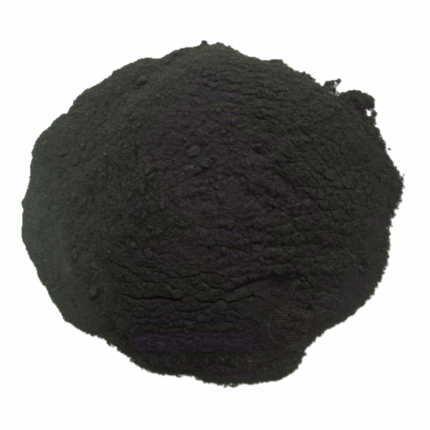
Acid Black 2 Powder
Acid Black 2 Powder is a synthetic anionic disazo dye belonging to the acid dye class, specifically formulated for intense black coloration with excellent light and wash fastness properties. This high-purity powder (100% active) exhibits superior solubility in aqueous solutions, making it particularly suitable for dyeing protein-based fibers like wool, silk, and nylon under acidic conditions. As a chromium-complex dye, it delivers enhanced color depth and improved fastness characteristics compared to non-metalized acid dyes. The powder form ensures precise dosing, consistent batch-to-batch reproducibility, and long-term stability when stored properly. Its molecular structure features sulfonic acid groups that facilitate strong ionic bonding with amino groups in fibers, resulting in vibrant, penetration-rich coloration with minimal bleeding.
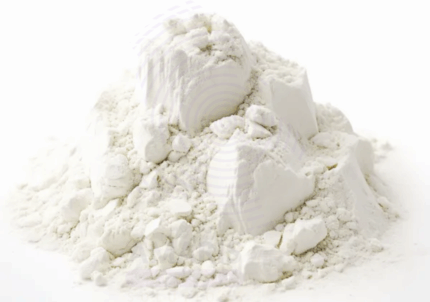
Ferulic Acid
Ferulic Acid is a naturally occurring hydroxycinnamic acid classified as a phenolic compound with potent antioxidant properties. It exists as a pale yellow to light brown crystalline powder with a faint characteristic odor. Ferulic Acid is commonly found in the cell walls of various plants such as rice bran, wheat, oats, coffee, apples, and fruits, where it plays a role in plant structural integrity and defense against environmental stress. It is valued across multiple industries—cosmetics, pharmaceuticals, nutraceuticals, food, and agriculture—due to its ability to neutralize free radicals, absorb UV radiation, and exhibit anti-inflammatory and antimicrobial activities.
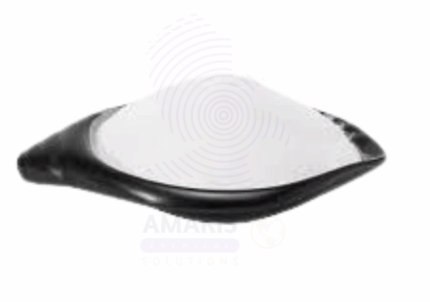
Fish Collagen
Fish Collagen is a natural protein derived from the skin, scales, and bones of various fish species through enzymatic hydrolysis or acid extraction. It is predominantly Type I collagen, known for its excellent bioavailability and biocompatibility. Fish Collagen typically appears as a fine white to off-white powder with low odor and high solubility in water and acidic solutions. It is widely prized in cosmetics, nutraceuticals, pharmaceuticals, and food industries due to its superior absorption compared to mammalian collagen, making it highly effective in skin, joint, and bone health applications. Fish Collagen supports the body’s extracellular matrix, promoting skin elasticity, hydration, and tissue repair.
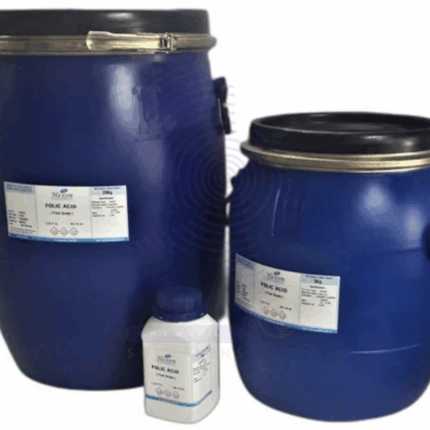
Folic Acid
Folic Acid, also known as Vitamin B9 or pteroylmonoglutamic acid, is a water-soluble vitamin essential for numerous physiological processes including DNA synthesis, repair, and methylation, as well as amino acid metabolism. It appears as a yellow to orange-yellow crystalline powder, odorless or with a faint characteristic odor. Folic Acid is vital for cell division and growth, making it critical during pregnancy and periods of rapid growth. It is widely used in the pharmaceutical, nutraceutical, food fortification, and cosmetic industries due to its role in preventing folate deficiency anemia, neural tube defects in newborns, and supporting overall cellular health.
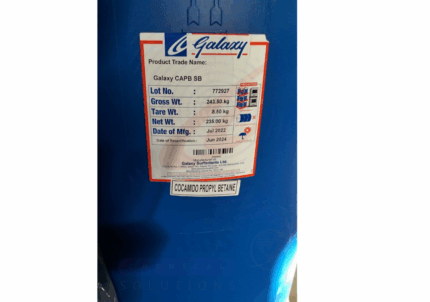
Galaxy CAPB
Galaxy CAPB is a high-performance amphoteric surfactant based on Cocamidopropyl Betaine, produced from coconut fatty acids. It appears as a translucent to pale yellow liquid with mild viscosity and a mild coconut-like odor. As a zwitterionic surfactant, it provides exceptional foaming, mildness, and synergistic compatibility with other surfactants, making it ideal for personal care, household, and industrial formulations.
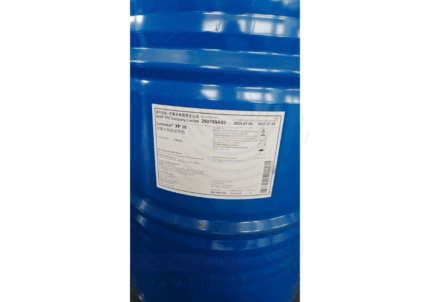
Galaxy MW 257( Lutensol A07)
Galaxy MW 257( Lutensol A07), also known commercially as Lutensol A07, is a nonionic surfactant belonging to the class of ethoxylated alcohols. It is synthesized by ethoxylation of C7 fatty alcohols, resulting in a hydrophilic-lipophilic balance (HLB) suitable for versatile applications in detergency, emulsification, wetting, and dispersing. This liquid surfactant is valued for its excellent surface-active properties, biodegradability, low toxicity, and compatibility with other formulation ingredients. It is widely used in industrial, household, agricultural, and personal care products to improve formulation stability and performance.
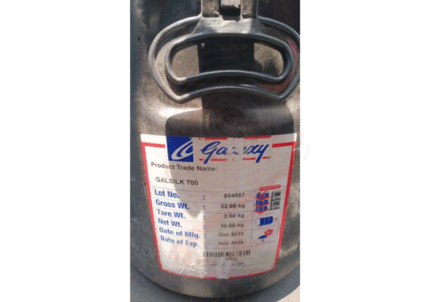
Galsilk 700( polyquartenum 7)
Galsilk 700( polyquartenum 7) is a water-soluble cationic polymer known chemically as Polyquaternium-7. It is widely used as a conditioning agent in personal care and cosmetic formulations, prized for its excellent substantivity to hair and skin, providing softness, smoothness, and antistatic effects. This polymer is typically supplied as a clear to slightly hazy viscous liquid or gel. It is compatible with a broad range of surfactants and ingredients, enhancing the sensory profile of shampoos, conditioners, styling products, and skincare formulations. Galsilk 700 is also valued for its film-forming properties and ability to improve product stability.
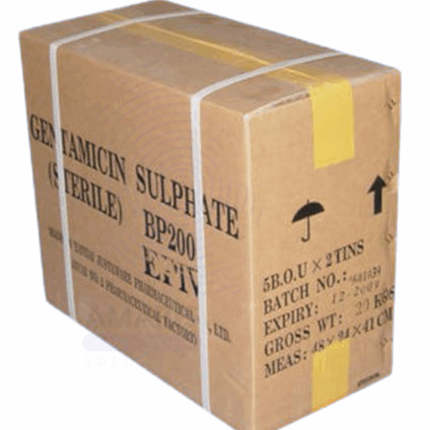
Gentamycin Sulphate
Gentamycin Sulphate is an aminoglycoside antibiotic derived from Micromonospora purpurea and Micromonospora griseorubida. It appears as a white or off-white crystalline powder, highly soluble in water, with a characteristic aminoglycoside odor. Gentamycin Sulphate is widely used in human and veterinary medicine for its broad-spectrum bactericidal activity against aerobic Gram-negative and some Gram-positive bacteria. It works by inhibiting bacterial protein synthesis through binding to the 30S ribosomal subunit, leading to bacterial cell death. Due to its effectiveness against severe infections and multi-drug resistant strains, it is an essential antibiotic in clinical settings.
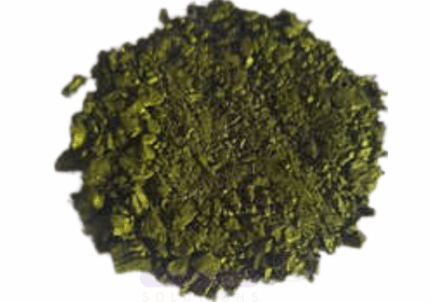
Gentian Violet Crystals
Gentian Violet Crystals is a dark purple crystalline powder known chemically as Hexamethyl pararosaniline chloride. It is a synthetic triphenylmethane dye historically used for its antimicrobial, antifungal, and antiseptic properties. The “80” typically refers to the dye strength or concentration. Gentian Violet exhibits broad-spectrum antimicrobial activity and is used in medical, veterinary, microbiological, histological, cosmetic, and industrial applications. It functions by disrupting bacterial and fungal cell membranes and inhibiting DNA replication. Despite reduced use in some areas due to safety concerns, it remains valuable in certain low-cost, traditional, and veterinary applications.
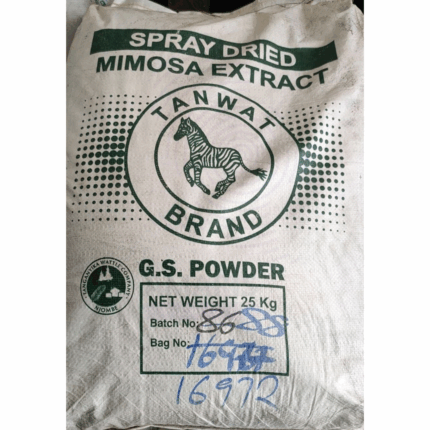
Mimosa Powder
Mimosa Powder is a fine, light to dark brown powder derived from the bark of the Mimosa tenuiflora tree (also known as Mimosa hostilis or Jurema). Rich in tannins and natural polyphenolic compounds, this plant-based powder is widely recognized for its natural astringent, antioxidant, and antimicrobial properties. It is commonly used in cosmetics, traditional medicine, leather tanning, dyeing, and industrial applications. The powder is biodegradable and sustainable, making it a popular choice for natural product formulations.
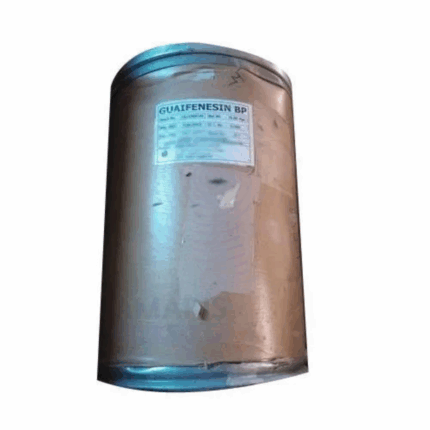
Guaiphenesin BP
Guaiphenesin BP is a white crystalline powder or granules with a faint characteristic odor, classified as an expectorant used primarily in pharmaceutical formulations to relieve chest congestion. It works by loosening and thinning mucus in the airways, making it easier to cough up and clear from the respiratory tract. It is widely utilized in cough syrups, tablets, and cold remedies. Recognized for its mucolytic and muscle-relaxant properties, Guaiphenesin is included in both prescription and over-the-counter medications worldwide.
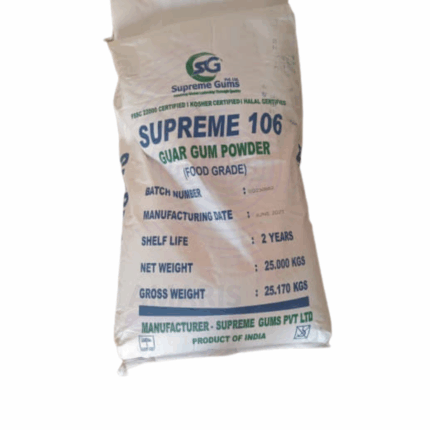
Guar Gum
Guar Gum is a natural polysaccharide extracted from the endosperm of the guar bean (Cyamopsis tetragonoloba). It appears as an off-white to cream-colored powder with a neutral odor and bland taste. Guar Gum is a galactomannan composed mainly of mannose and galactose units, known for its excellent water-binding, thickening, and stabilizing properties. It forms highly viscous solutions even at low concentrations, making it a versatile hydrocolloid used widely across food, pharmaceutical, cosmetic, oilfield, and industrial applications.
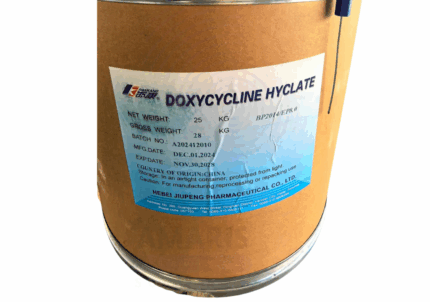
Doxycycline Hyclate BP
Doxycycline Hyclate BP is a broad-spectrum, semisynthetic tetracycline-class antibiotic available as the hemihydrate salt form of doxycycline. It is widely used in pharmaceutical formulations due to its high bioavailability, broad antibacterial activity, and favorable pharmacokinetic profile. The compound exhibits bacteriostatic action by inhibiting protein synthesis in susceptible bacteria, making it effective against a wide range of Gram-positive and Gram-negative organisms as well as atypical pathogens. It is typically supplied as a fine, white to off-white crystalline powder soluble in water and suitable for oral and parenteral dosage forms.
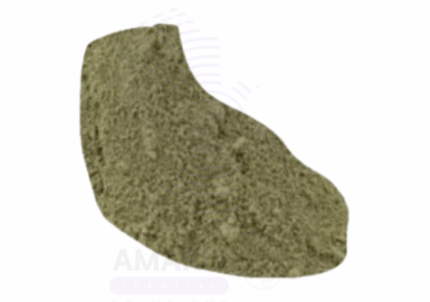
Ellagic Acid
Ellagic Acid is a naturally occurring polyphenolic compound found in numerous fruits, nuts, and vegetables such as pomegranates, strawberries, raspberries, walnuts, and cranberries. It is a potent antioxidant known for its ability to scavenge free radicals and chelate metal ions. Due to its significant anti-inflammatory, anti-carcinogenic, and anti-viral properties, Ellagic Acid has gained extensive interest in pharmaceutical, nutraceutical, cosmetic, and food industries. It appears as a yellow to light brown crystalline powder, insoluble in water but soluble in organic solvents like ethanol and DMSO.
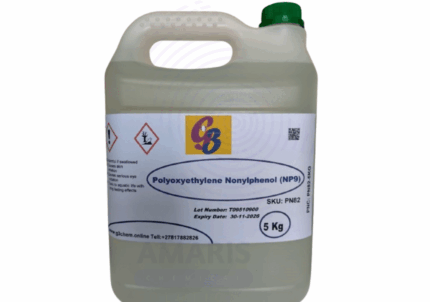
Emulsifier ( Emulgator) NP-9
Emulsifier ( Emulgator) NP-9 is a nonionic surfactant belonging to the family of Nonylphenol Ethoxylates (NPEs), specifically with an average of 9 ethylene oxide (EO) units. It is widely used as an effective emulsifying, wetting, dispersing, and solubilizing agent. NP-9 is typically a pale yellow to amber viscous liquid, soluble in water and various organic solvents. It is valued for its strong emulsifying ability to stabilize oil-in-water (O/W) and water-in-oil (W/O) emulsions, excellent detergency, and good compatibility with other surfactants and formulation ingredients. NP-9 is commonly employed in industrial, agricultural, cosmetic, pharmaceutical, and cleaning applications.
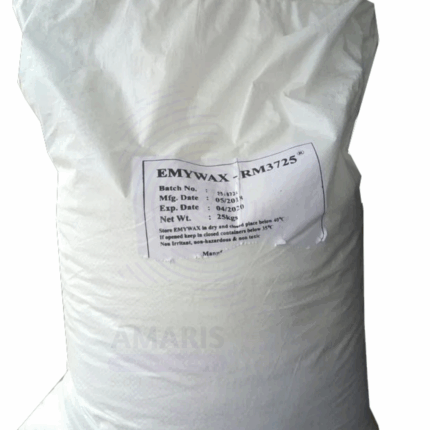
Emulsifying Wax Anionic
Emulsifying Wax Anionic is a versatile surfactant blend composed primarily of fatty alcohols (such as cetyl or stearyl alcohol) and anionic surfactants like sodium lauryl sulfate. It is designed to stabilize oil-in-water (O/W) emulsions by reducing interfacial tension between water and oil phases. It appears as white to off-white solid flakes or pellets, with a mild fatty odor and is dispersible in water with agitation and mild heat. Known for its excellent emulsification, cleansing, and thickening properties, this emulsifying wax is widely used in cosmetics, pharmaceuticals, household cleaners, and industrial applications.
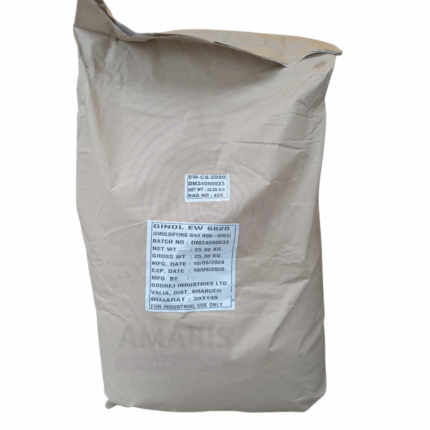
Emulsifying Wax Non ionic
Emulsifying Wax Non ionic is a self-emulsifying, non-ionic wax blend composed primarily of fatty alcohols (typically cetostearyl alcohol or stearyl alcohol) and non-ionic surfactants like polyethylene glycol (PEG) derivatives. It is used to stabilize oil-in-water (O/W) emulsions without relying on ionic charges, making it highly compatible with a wide range of ingredients, including both cationic and anionic components. This wax is commonly found in white, odorless solid flakes or pellets and is dispersible in hot water to form smooth, stable emulsions. It is widely used in cosmetic, pharmaceutical, and industrial applications where gentle emulsification, stability, and broad pH compatibility are needed.












