

 Preservatives(food)
 Flavor Enhancers
 Acidulants
 Sweeteners
 Antioxidants
 Colorants(food)
 Nutraceutical Ingredients (food)
 Nutrient Supplements
 Emulsifiers
 Collectors
 Dust Suppressants
 Explosives and Blasting Agents
 Flocculants and Coagulants
 Frothers
 Leaching Agents
 pH Modifiers
 Precious Metal Extraction Agents
 Antioxidants(plastic)
 Colorants (Pigments, Dyes)
 Fillers and Reinforcements
 Flame Retardants
 Monomers
 Plasticizers
 Polymerization Initiators
 Stabilizers (UV, Heat)
 Antifoaming Agents
 Chelating Agents
 Coagulants and Flocculants
 Corrosion Inhibitors
 Disinfectants and Biocides
 Oxidizing Agents
 pH Adjusters
 Scale Inhibitors( water)
 Antioxidants(cosmetic)
 Emollients
 Fragrances and Essential Oils
 Humectants
 Preservatives
 Surfactants(cosmetic)
 Thickeners
 UV Filters
 Fertilizers
 Soil Conditioners
 Plant Growth Regulators
 Animal Feed Additives
 Biostimulants
 Pesticides (Herbicides, Insecticides, Fungicides)
 Active Pharmaceutical Ingredients (APIs)
 Excipients
 Solvents(pharmaceutical)
 Antibiotics
 Antiseptics and Disinfectants
 Vaccine Adjuvants
 Nutraceutical Ingredients (pharmaceutical)
 Analgesics & Antipyretics
 Analytical Reagents
 Solvents(lab)
 Chromatography Chemicals
 Spectroscopy Reagents
 microbiology-and-cell-culture-reagents
 Molecular Biology Reagents
 Biochemical Reagents
 Inorganic and Organic Standards
 Laboratory Safety Chemicals
 Specialty Laboratory Chemicals(Special Laboratory Equipment)
 Demulsifiers
 Hydraulic Fracturing Fluids
 Scale Inhibitors(oil)
 Surfactants(oil)
 Drilling Fluids
 Dyes and Pigments
 Bleaching Agents
 Softening Agents
 Finishing Agents
 Antistatic Agents
 Admixtures
 Waterproofing Agents
 Sealants and Adhesives
 Curing Compounds
 Concrete Repair Chemicals
 Anti-Corrosion Coatings
 Surfactants(cleaning)
 Builders
 Enzymes
 Solvents (Cleaning)
 Fragrances
 Electronic Chemicals
 Catalysts
 Lubricants
 Photographic Chemicals
 Refrigerants
 Automotive chemicals
 Pyrotechnic Chemicals
 Biodegradable Surfactants
 Bio-based Solvents
 Renewable Polymers
 Carbon Capture Chemicals
 Wastewater Treatment Chemicals
 Pigments
 Solvents(paint)
 Specialty Coatings
 Binders/Resins
 Additives
 Driers
 Anti-Corrosion Agents
 Functional Coatings
 Application-Specific Coatings
 Leavening Agents
 Dough Conditioners
 Flour Treatments
 Fat Replacers
 Decoratives
 Preservatives(baking)
 Plasticizers & Softeners
 Reinforcing Agents
 Adhesion Promoters
 Vulcanizing Agents
 Antidegradants
 Blowing Agents
 Fillers & Extenders
 Accelerators & Retarders


















Boyle’s Law Apparatus
Boyle’s Law Apparatus is a precision laboratory instrument designed to demonstrate and verify Boyle’s Law, which states that the pressure of a given mass of gas is inversely proportional to its volume at constant temperature. The apparatus typically consists of a sealed cylinder with a movable piston or syringe, pressure gauge, and volume scale, allowing students and researchers to observe and measure the relationship between pressure and volume in gases. It is widely used in educational and research laboratories to teach fundamental gas laws and perform experimental validation of theoretical principles.

Dip Needle Complete
Dip Needle Complete is a fully assembled and calibrated magnetic dip measurement instrument used for precise determination of the Earth’s magnetic inclination angle. This complete apparatus includes a magnetized dip needle mounted on a low-friction pivot within a protective housing, accompanied by a graduated circular scale for accurate angular readings. The instrument is designed for use in geophysical surveys, educational labs, and research institutions to study Earth’s magnetic field behavior. The complete setup ensures reliable, repeatable measurements with enhanced durability and ease of use, suitable for both field and laboratory environments.
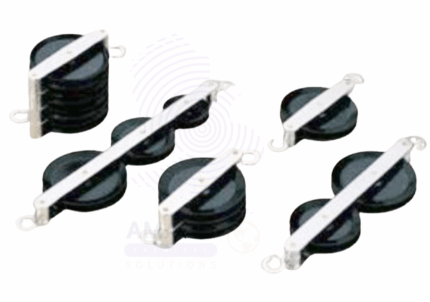
Double, Triple, Single Lab Pulley
Lab pulleys—available as single, double, or triple configurations—are precision-engineered mechanical devices used in laboratory settings to change the direction of force or lift loads with reduced effort. Typically made from durable materials such as metal alloys or hard plastics, these pulleys consist of grooved wheels that guide ropes or cords smoothly during experiments and mechanical setups. Single pulleys have one wheel, doubles have two, and triples have three wheels, allowing different mechanical advantages depending on the setup. Lab pulleys are essential in physics education, mechanical experiments, and engineering demonstrations where principles of force, tension, and motion are studied.
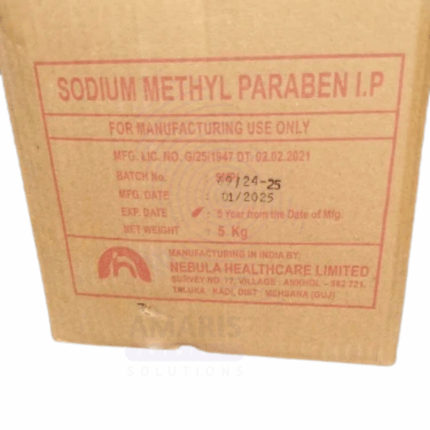
Sodium Methyl Paraben
Sodium Methyl Paraben is the sodium salt of methylparaben, a widely used preservative in cosmetics, pharmaceuticals, and food. It is a white, odorless, crystalline powder that is water-soluble and effective against a broad spectrum of bacteria, molds, and yeasts. As a paraben derivative, it helps prevent microbial contamination and extends shelf life. It is often preferred over methylparaben in formulations where water solubility is required.
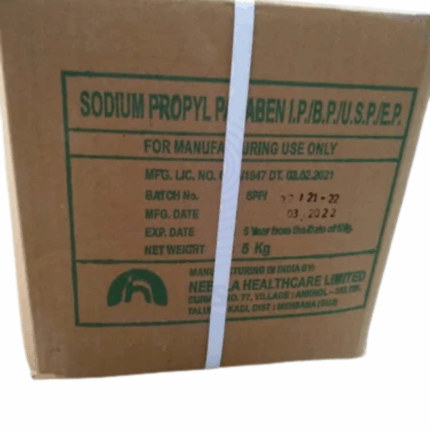
Sodium Propyl Paraben
Sodium Propyl Paraben is the sodium salt of propylparaben, a white to off-white crystalline powder or granule with the chemical formula C₁₀H₁₂NaO₃. It is a water-soluble antimicrobial preservative used extensively in personal care, pharmaceutical, and food products. Packaged in 25kg containers, it offers excellent stability and effectiveness over a wide pH range. Its antifungal and antibacterial properties make it a reliable choice for preventing microbial contamination and extending shelf life.
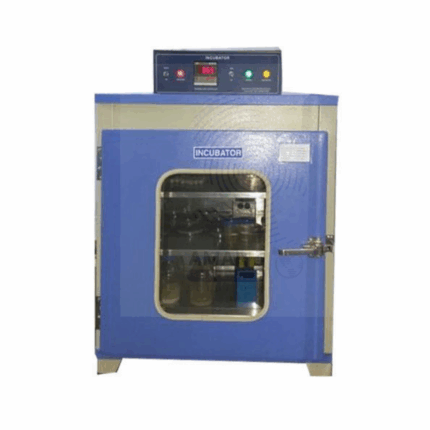
Electric Incubator
Electric Incubator is a precision-controlled laboratory device designed to provide a stable and uniform environment for the incubation of biological samples, cultures, and experimental materials. It operates by maintaining a constant temperature and humidity level through electric heating elements, fans for air circulation, and advanced thermostatic controls. Commonly constructed with insulated walls, a transparent viewing window, and adjustable shelves, electric incubators are essential in microbiology, biotechnology, pharmaceutical, and agricultural laboratories. They facilitate optimal growth conditions for microorganisms, cell cultures, and eggs, enabling research, diagnostic, and production processes. The device’s reliability, accuracy, and ease of use make it indispensable for maintaining controlled incubation parameters in various scientific and industrial applications.
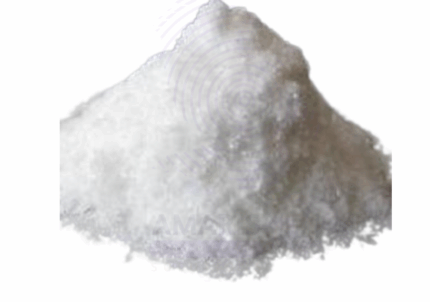
Tobramycin Sulphate
Tobramycin Sulphate USP is a purified, water-soluble sulfate salt of tobramycin, an aminoglycoside antibiotic. It exhibits potent bactericidal activity against a broad spectrum of aerobic Gram-negative bacteria, including Pseudomonas aeruginosa, and certain Gram-positive bacteria. This pharmaceutical-grade compound is primarily used to treat severe infections such as respiratory tract infections, urinary tract infections, and septicemia. Tobramycin Sulphate USP is commonly formulated for injectable, inhalation, and ophthalmic applications, ensuring effective systemic and localized antimicrobial therapy.

Triethanolamine (TEA)
Triethanolamine (TEA) is a viscous, colorless to pale yellow liquid with a mild ammonia-like odor. It is a multifunctional organic compound widely used in cosmetics, pharmaceuticals, and industrial applications as a pH adjuster, emulsifier, surfactant, and corrosion inhibitor. Triethanolamine neutralizes fatty acids to form soaps and helps stabilize emulsions, making it essential in personal care formulations and various chemical manufacturing processes. Its versatility and compatibility with other ingredients make it a valuable additive in numerous industries.

Trimethoprim BP Micronised
Trimethoprim BP Micronised is a high-purity, fine powdered form of trimethoprim, an antibiotic used primarily for its bacteriostatic properties. The micronisation process enhances its solubility and bioavailability, making it more effective in pharmaceutical formulations. Trimethoprim acts by inhibiting bacterial dihydrofolate reductase, thereby preventing bacterial DNA synthesis and growth. It is widely used alone or in combination therapies to treat a variety of bacterial infections.
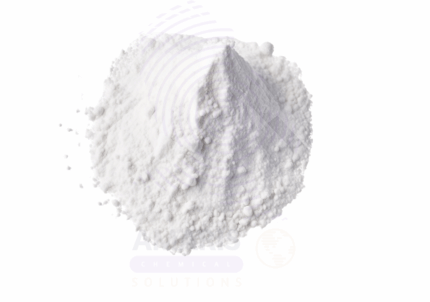
Tripolidine HCL BP
Tripolidine HCL BP is a high-purity pharmaceutical-grade antihistamine used primarily to treat allergic conditions. It acts as a selective H1 histamine receptor antagonist, helping to relieve symptoms such as itching, sneezing, nasal congestion, and hives by blocking the action of histamine. The British Pharmacopoeia (BP) grade ensures compliance with stringent quality standards required for medicinal use. Tripolidine HCL is commonly formulated into tablets and syrups for effective allergy management.
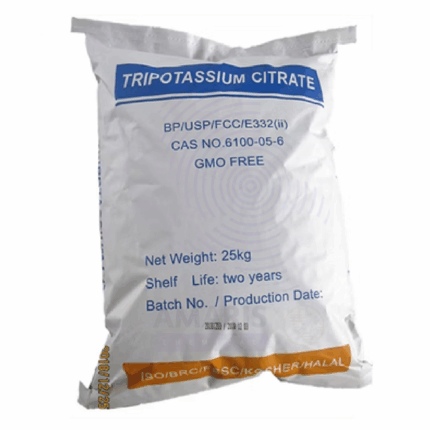
Tripotassium Citrate Monohydrate
Tripotassium Citrate Monohydrate USP is a pharmaceutical-grade potassium salt of citric acid, widely used for its alkalinizing, buffering, and chelating properties. It appears as a white crystalline powder and is highly soluble in water. This compound is primarily used to correct metabolic acidosis, act as a urinary alkalinizer, and serve as an additive in pharmaceutical, food, and industrial applications. The USP grade ensures compliance with United States Pharmacopeia standards, guaranteeing high purity and consistent quality.

Expansion of Liquid Apparatus
Expansion of Liquid Apparatus is a laboratory device designed to measure the volumetric expansion of liquids when subjected to temperature changes. It consists of a graduated glass tube connected to a bulb containing the test liquid. As the liquid heats and expands, the change in volume is observed and recorded through the graduated scale. This apparatus is essential in physical chemistry and materials science for studying thermal expansion coefficients and understanding liquid behavior under varying thermal conditions. It is commonly made from chemically resistant borosilicate glass to withstand thermal stress and chemical exposure.

Thermocouple
Product Description
A Thermocouple is a temperature measurement device consisting of two dissimilar metal wires joined at one end, creating a junction where a voltage is generated in response to temperature changes. This voltage can be interpreted by a measuring instrument to determine temperature accurately. Thermocouples are widely used in laboratories, industrial processes, and scientific research due to their wide temperature range, durability, and rapid response time. They are essential for precise thermal monitoring and control in experiments involving heating, cooling, and thermal reactions.
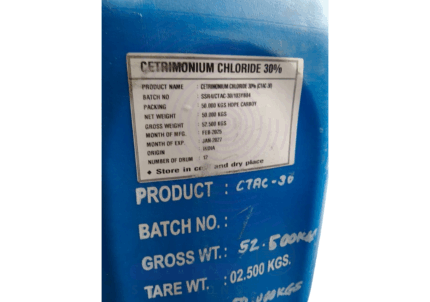
Centrimonium Chloride Solution
Centrimonium Chloride Solution (also known as Cetyltrimethylammonium Chloride), with the chemical formula C₁₉H₄₂ClN, is a quaternary ammonium compound presented here as a 30% aqueous solution. It is a cationic surfactant widely used as an antistatic agent, conditioner, and emulsifier in personal care and industrial applications. This 25kg packaged solution is highly soluble and stable, providing excellent conditioning and antimicrobial properties in hair care formulations, fabric softeners, and disinfectants.

Sorbitol
Sorbitol is a sugar alcohol with the chemical formula C₆H₁₄O₆, appearing as a white, crystalline, hygroscopic powder or syrup. It is widely used as a sweetener, humectant, and texturizing agent in food, pharmaceutical, and cosmetic industries. This 25kg packaged product offers high purity sorbitol, soluble in water with a mildly sweet taste and low caloric value, making it a popular sugar substitute and stabilizer.
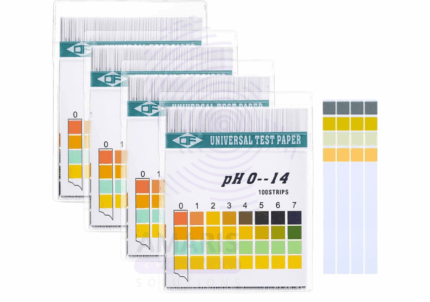
Universal pH Chart 1 To 14
Universal pH Chart 1 to 14 is a standardized reference chart displaying the full pH scale from acidic (1) to basic (14) conditions. This chart is an essential tool in laboratories, classrooms, and industrial settings for quick identification and comparison of pH levels in various solutions. Printed on durable, waterproof material, it provides clear color gradations corresponding to pH values, aiding in the interpretation of pH test results from indicators, strips, or probes. The Universal pH Chart assists scientists, students, and technicians in chemical analysis, water quality testing, environmental monitoring, and educational demonstrations.
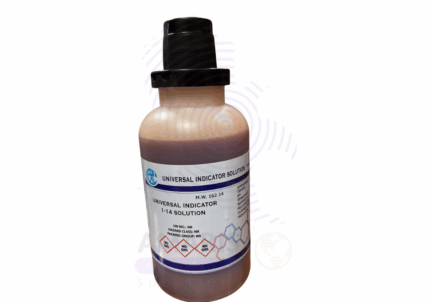
Universal pH Indicator Solution 1-14
Universal pH Indicator Solution 1-14 is a specially formulated liquid reagent used to determine the pH of aqueous solutions across the entire pH range from 1 to 14. This solution contains a blend of pH-sensitive dyes that produce a distinct color change corresponding to the acidity or alkalinity of the tested sample. Widely used in laboratories, educational institutions, and industrial settings, the Universal pH Indicator Solution provides a quick and reliable method for pH determination. It is compatible with various sample types, including water, soil extracts, and chemical solutions.

Soya Fatty Acid
Soya Fatty Acid is a natural fatty acid mixture derived from soybean oil. It appears as a yellow to amber oily liquid or semi-solid and is rich in unsaturated fatty acids, mainly linoleic and oleic acids. This 25kg packaged product is widely used as a raw material in the production of soaps, detergents, lubricants, and cosmetics. Its excellent emulsifying properties and biodegradability make it suitable for various industrial and personal care applications.
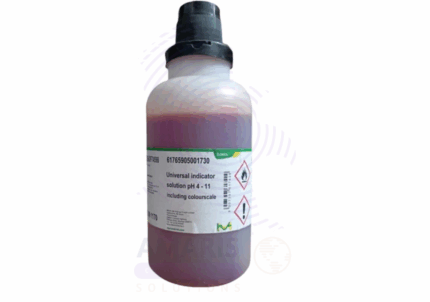
Universal Solution Indicator pH 4-11
Universal Solution Indicator pH 4-11 is a specialized liquid reagent formulated to measure pH values within the range of 4 to 11. This indicator solution contains a blend of dyes that exhibit distinct color changes corresponding to pH levels in this specific range, making it ideal for applications where mid-range acidity and alkalinity detection is required. The solution is widely used in laboratories, environmental testing, and educational demonstrations for accurate and quick pH assessment of aqueous solutions.

Valerian Root
Valerian Root is a natural herbal product derived from the root of the Valeriana officinalis plant, traditionally used for its calming and sedative properties. It contains active compounds such as valerenic acids and volatile oils that interact with the nervous system to promote relaxation and improve sleep quality. Widely used in both traditional medicine and modern herbal formulations, Valerian Root is valued for its ability to alleviate anxiety, reduce insomnia, and support overall mental wellness. It is available in various forms including dried root, powders, extracts, and capsules for laboratory and pharmaceutical research and formulation.

Visking Tube
Visking Tube is a high-quality dialysis tubing made from regenerated cellulose, designed for laboratory use in separation and diffusion experiments. This semi-permeable membrane allows the selective passage of small molecules and ions while retaining larger molecules, making it ideal for dialysis, osmosis, and molecular weight determination studies. The tubing is durable, chemically resistant, and flexible, facilitating easy handling and secure sealing during experiments. Commonly used in biochemistry, molecular biology, and clinical laboratories, Visking Tube 1 Metre is essential for applications requiring molecular separation and purification.
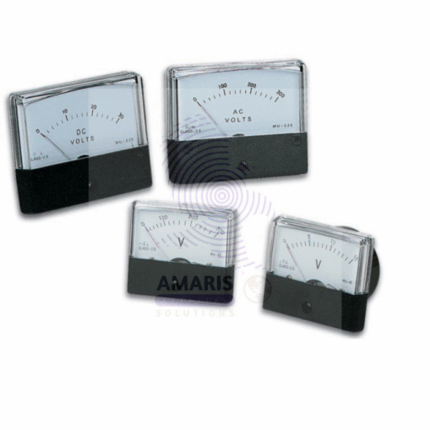
Voltmeter 30v electric and dual range
The Voltmeter 30V Electric and Dual Range is a precision electrical measuring instrument designed to measure electrical potential difference (voltage) in circuits up to 30 volts. Featuring a dual-range capability, this voltmeter allows users to select between two voltage measurement ranges for improved accuracy and versatility in both low and moderate voltage applications. Commonly used in educational laboratories, electronics workshops, and industrial settings, it is essential for diagnostics, circuit testing, and electrical experiments. The device typically includes a clear analog or digital display, robust casing, and reliable probes for safe and accurate voltage measurement.
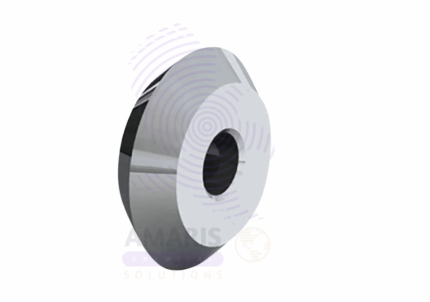
Glass Tubing Cutter Wheel Type
Glass Tubing Cutter Wheel Type is a precision cutting tool designed specifically for scoring and cutting glass tubes and rods. It features a sharp, durable cutting wheel mounted on an adjustable frame that allows for smooth, clean cuts with minimal effort. The tool is essential for laboratory, industrial, and craft applications where accurate glass tubing modification is required. Its ergonomic design ensures controlled handling and consistent performance, making it a reliable accessory for glassware preparation and repairs.
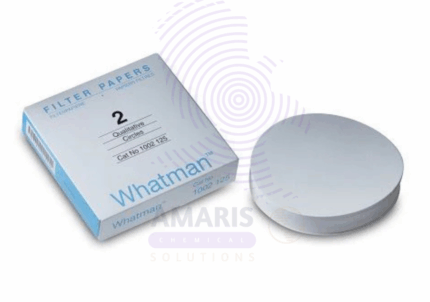
Whatman Qualitative filter paper
Whatman Qualitative Filter Paper is a high-quality laboratory filtration medium designed for the efficient separation of solids from liquids in qualitative analytical procedures. Manufactured from pure cellulose fibers, this filter paper offers excellent flow rates and particle retention, ensuring clear filtrates and reliable results. It is widely used in chemical, biological, and environmental laboratories for routine filtration tasks. Available in various grades and sizes, Whatman Qualitative Filter Paper is essential for tasks such as precipitate filtration, sample clarification, and general laboratory filtration processes.
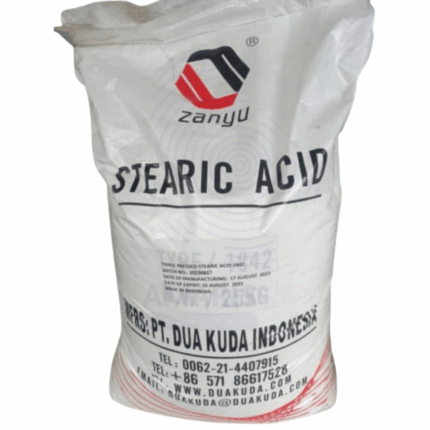
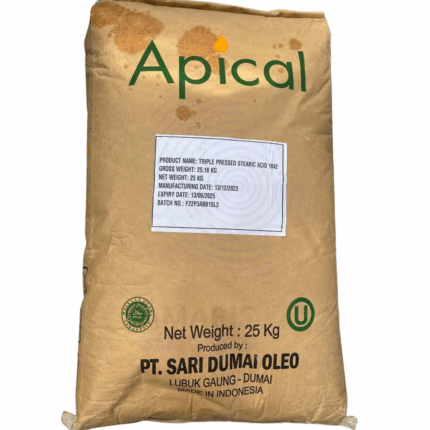
Stearic Acid
Stearic Acid is a saturated long-chain fatty acid, appearing as a white, waxy solid with a mild, characteristic odor. It is a naturally occurring substance found in animal and vegetable fats and oils. As one of the most common fatty acids, it is a fundamental building block in the manufacture of a vast array of consumer and industrial products. Its key functions include use as a lubricant, softener, thickener, and emulsifier, making it an indispensable ingredient in industries ranging from plastics and rubber to cosmetics and food.

Stearyl Alcohol
Stearyl Alcohol is a high-purity, long-chain fatty alcohol derived from natural fats and oils. It is widely used across various industries due to its emulsifying, thickening, and lubricating properties. In industrial and cosmetic formulations, it functions as a non-ionic surfactant, emollient, and viscosity modifier. The 98% purity ensures consistent performance in applications requiring high-grade material.
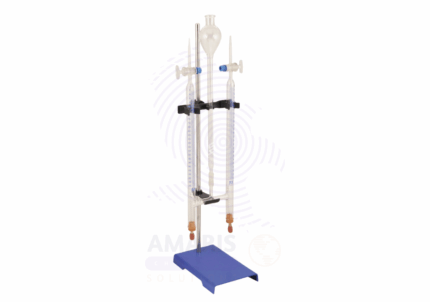
Hoffman Voltameter Complete
Hoffman Voltameter Complete is a comprehensive electrolysis apparatus designed for the demonstration and measurement of water decomposition into hydrogen and oxygen gases. The complete setup includes a borosilicate glass main body with two graduated vertical tubes, platinum or carbon electrodes, rubber stoppers or connections, and an electrode support stand for stability. It is widely used in educational, research, and analytical settings to demonstrate the fundamental principles of electrolysis, redox reactions, and gas laws. The apparatus allows for accurate measurement of the gas volumes produced, typically in a 2:1 hydrogen-to-oxygen ratio, verifying stoichiometric relationships in chemical reactions.

Italtext Premium Heavy Duty
Italtext Premium Heavy Duty is a robust, high-quality laboratory apparatus engineered for rigorous and extended use in demanding lab environments. Designed with durability and stability in mind, this heavy-duty apparatus supports a wide range of laboratory operations, from analytical procedures to sample processing. Its premium construction ensures consistent performance under mechanical stress, high-frequency use, and exposure to chemicals. Ideal for laboratory professionals requiring reliable and long-lasting equipment, Italtext Premium offers an optimal balance of strength, precision, and ergonomic handling in both research and industrial settings.
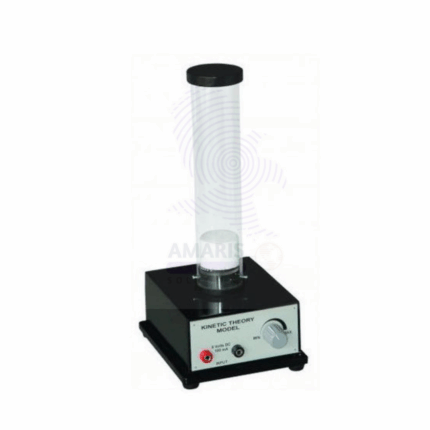
Kinetic Theory Model
The Kinetic Theory Model is a precise and educational laboratory apparatus designed to demonstrate and simulate the fundamental principles of kinetic theory in gases. This model helps visualize the behavior of gas particles, including motion, collisions, and pressure relationships, making it an essential tool in physics and chemistry laboratories. Constructed with durable materials for repeated classroom or research use, it provides clear and accurate representation of particle dynamics under varying conditions such as temperature and volume. Widely used in academic institutions and research centers, the Kinetic Theory Model supports deeper understanding of thermodynamic principles and molecular motion.

Lab Circuit Boards
Lab Circuit Boards are precision-engineered platforms designed for assembling, testing, and experimenting with electrical and electronic circuits in educational and research laboratory settings. These boards provide a versatile and reusable foundation for constructing complex circuits, enabling hands-on learning and rapid prototyping. Made from durable, insulating materials with conductive pathways, lab circuit boards facilitate easy insertion and removal of components such as resistors, capacitors, ICs, and wires. Widely used in physics, electronics, and engineering laboratories, they support experimentation, troubleshooting, and demonstration of electronic principles.
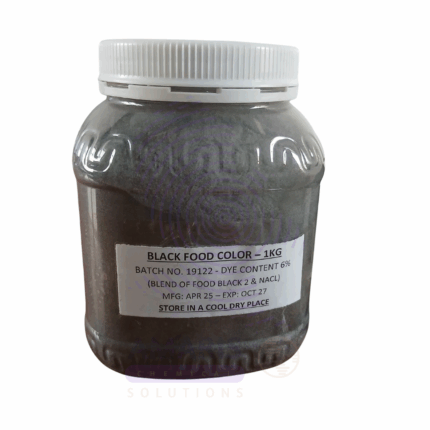
Black Color Water Soluble
Black Color Water Soluble is a synthetic dye known for its excellent water solubility and intense black coloration. It is widely used in textile dyeing, leather processing, cosmetics, food and beverage coloring, pharmaceutical applications, paints, and laboratory uses. This dye offers good stability across various pH ranges and ensures consistent, uniform color in aqueous systems. Its versatility makes it essential in many industrial, scientific, and commercial applications.
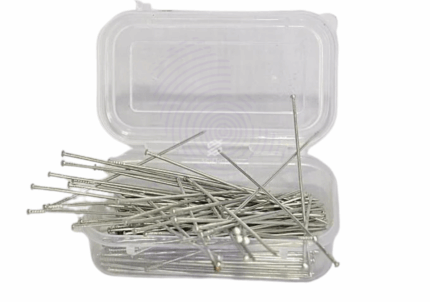
Optical Pins
Optical Pins are precision-engineered small pins used primarily in optical laboratories and equipment for alignment, securing, and positioning optical components such as lenses, mirrors, and prisms. Made from high-grade metals or corrosion-resistant materials, these pins ensure stable and accurate placement of delicate parts during assembly or experimental setups. Their fine tips and consistent dimensions provide reliable fixation without damaging sensitive optical surfaces. Optical pins are essential for maintaining optical path accuracy and are commonly used in microscopy, laser systems, spectrometry, and other photonics applications.

Paint Gauge
A Paint Gauge is a precise measuring instrument used in laboratories and quality control environments to measure the thickness of paint coatings and other surface finishes. It allows technicians and researchers to assess the uniformity and adequacy of paint layers on various substrates, ensuring compliance with industry standards and specifications. Paint gauges can be mechanical or digital, often employing magnetic, ultrasonic, or mechanical principles to provide accurate, non-destructive thickness measurements. They are essential tools in the manufacturing, automotive, aerospace, and construction industries for maintaining coating quality and durability.
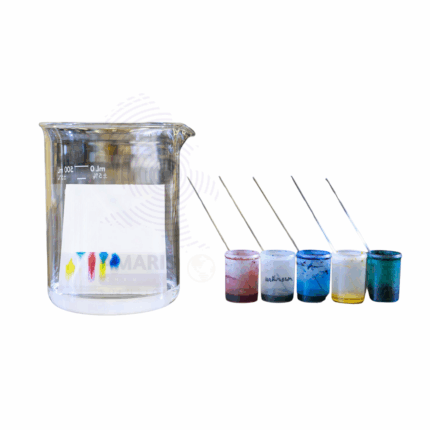
PAPER CHROMATOGRAPHY
Paper Chromatography is an analytical laboratory technique used to separate and identify mixtures of substances based on their differential migration across a specially treated paper medium. It is widely used for qualitative analysis of compounds such as pigments, amino acids, and pharmaceuticals. The process involves applying a small sample spot onto chromatography paper and allowing a solvent to travel through the paper by capillary action, separating the components according to their solubility and affinity for the paper. This method is simple, cost-effective, and valuable in biochemical, pharmaceutical, and environmental laboratories for analyzing complex mixtures.

PH METER STRIPS
pH Meter Strips, also known as pH indicator strips or litmus strips, are thin strips of paper or plastic impregnated with pH-sensitive dyes that change color in response to the acidity or alkalinity of a solution. These strips provide a quick, convenient, and cost-effective method to measure the pH level of liquids in laboratories, educational settings, and industrial processes. They are widely used for routine pH testing in chemistry, biology, environmental monitoring, water treatment, and quality control applications. The color change on the strips can be compared against a color chart to determine the approximate pH value of the tested solution.
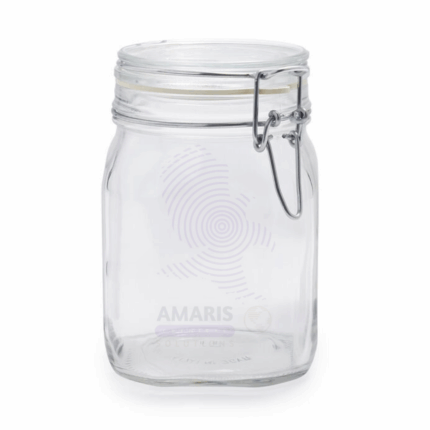
PRESERVATION GLASS LAB BOTTLES
Product Description
Preservation Glass Lab Bottles are specialized high-quality glass containers designed to securely store and preserve liquid or solid samples in laboratory settings. Made from chemically resistant borosilicate or soda-lime glass, these bottles provide excellent clarity for easy monitoring of contents. They are engineered to protect samples from contamination, evaporation, and chemical degradation during storage. Typically equipped with airtight screw caps, stoppers, or sealable lids, Preservation Glass Lab Bottles ensure leak-proof containment and maintain sample integrity over extended periods. Widely used in medical, environmental, research, and industrial laboratories, these bottles are essential for long-term preservation and safe sample handling.
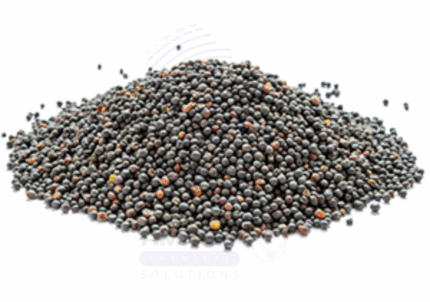
Rapeseed
Rapeseed is a plant-derived sample commonly analyzed in laboratories for its biochemical composition, including oil content, fatty acid profile, and protein levels. Laboratory testing of rapeseed helps in quality control for food processing, nutritional analysis, and industrial applications such as biofuel research. Samples of rapeseed seeds or extracted oils undergo chromatographic, spectroscopic, and other analytical procedures to determine purity, contaminants, and nutritional value. These tests support research in agricultural science, food technology, and pharmaceutical development

Rectangular Glass Block
Rectangular Glass Block is a precisely manufactured optical glass apparatus commonly used in physics and optics laboratories. It serves as a medium for experiments involving light refraction, reflection, and dispersion. The block’s uniform rectangular shape and polished surfaces provide clear, distortion-free passage of light, making it ideal for studying phenomena such as critical angle, total internal reflection, and lens behavior. Made from high-quality, optically clear glass, this block withstands repeated handling and laboratory conditions. It is essential for educational demonstrations and research in geometric optics and photonics.
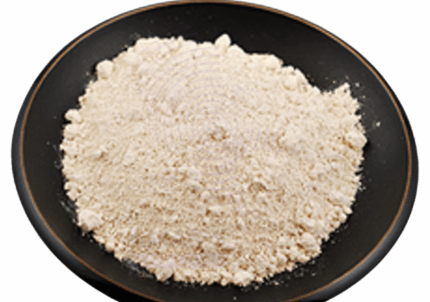
Silk Proteins
Silk Proteins are hydrolyzed proteins derived from natural silk fibers, typically composed of fibroin and sericin. They are water-soluble, bioactive compounds known for their excellent film-forming, moisture-retaining, and conditioning properties. Silk proteins are widely used in cosmetics, personal care products, pharmaceuticals, and textiles due to their biocompatibility, smooth texture, and ability to penetrate and protect surfaces like skin, hair, and fabric.
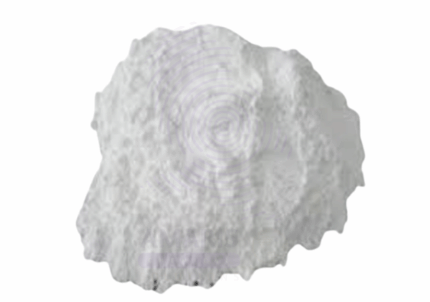
Silver Sulphadiazine USP
Silver Sulphadiazine USP is a topical antimicrobial agent used primarily in the treatment and prevention of infections in burn wounds and other skin injuries. It combines the broad-spectrum antibacterial effects of silver ions with the antimicrobial properties of sulphadiazine, a sulfonamide antibiotic. This combination helps to prevent bacterial colonization and promotes healing by reducing the risk of infection. Silver Sulphadiazine is widely used in clinical and hospital settings and is available as a cream or ointment formulation meeting United States Pharmacopeia (USP) standards for purity and quality.
Simethicone USP
Simethicone USP is a silicon-based surfactant used primarily as an anti-foaming and anti-gas agent in pharmaceutical and food industries. It works by reducing the surface tension of gas bubbles, causing them to coalesce and be expelled more easily from the digestive tract. This non-toxic, inert compound is widely used in formulations to relieve bloating, discomfort, and flatulence caused by excess gas. The “USP 28” grade signifies compliance with the United States Pharmacopeia standards, ensuring high purity and quality for medical and food applications.

Simethicone Emulsion
Simethicone Emulsion is a medical-grade, anti-foaming agent composed of polydimethylsiloxane and silicon dioxide in an emulsified form. Designed to reduce gas bubbles in the gastrointestinal tract, it provides rapid relief from bloating and discomfort. The emulsion formulation enhances bioavailability and mixing with bodily fluids.
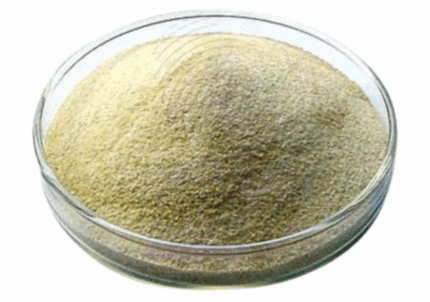
Sodium Aliginate
Sodium Aliginate is a natural polysaccharide extracted from brown seaweed. It appears as a white to yellowish powder that is odorless and tasteless. It is highly soluble in cold water, forming viscous solutions and gels. Sodium alginate is widely used in the food, pharmaceutical, textile, and cosmetic industries due to its excellent thickening, gelling, stabilizing, and film-forming properties. It acts as a natural hydrocolloid and is valued for its biocompatibility and biodegradability.

Sodium Ascorbate USP
Sodium Ascorbate USP is a sodium salt of ascorbic acid (Vitamin C) that appears as a white to slightly yellow crystalline powder. It is widely used as an antioxidant and nutritional supplement due to its excellent water solubility and lower acidity compared to pure ascorbic acid. This compound helps prevent oxidation in food and pharmaceutical products and supports human health by boosting the immune system. It meets USP (United States Pharmacopeia) standards for purity and quality, making it suitable for pharmaceutical, food, and cosmetic applications.

Sodium Chloride (Industrial Salt)
Sodium Chloride (Industrial Salt) is a highly purified, sterile, and non-pyrogenic salt intended for intravenous, intramuscular, and subcutaneous administration. It is commonly used in medical and pharmaceutical settings as a key component of intravenous fluids, for rehydration therapy, electrolyte replenishment, and as a diluent for injectable drugs. This grade meets stringent pharmacopoeial standards (British Pharmacopoeia) ensuring safety and compatibility with parenteral use.
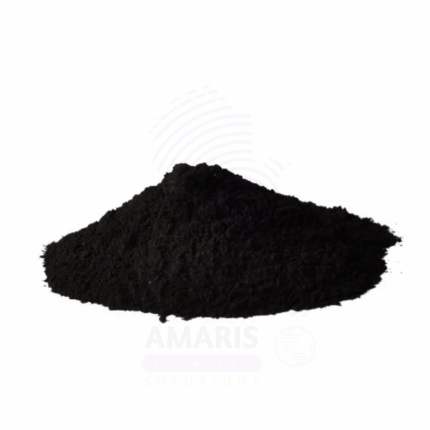
Black 5 Spirit Soluble
Black 5 Spirit Soluble is a synthetic dye known for its excellent solubility in organic solvents, particularly spirits and alcohol-based media. This dye provides deep black coloration with high intensity and uniformity, making it ideal for use in textile dyeing, printing inks, coatings, and various industrial applications. Its spirit solubility allows it to be used in formulations where water solubility is limited or undesirable. Supplied in bulk 25kg packaging, it suits large-scale manufacturing and laboratory uses.
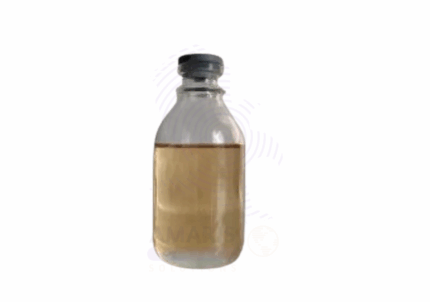
Amphoteric Surfactants
Amphoteric surfactants are unique surface-active agents that can act as either anionic or cationic surfactants depending on the pH of the solution. These molecules contain both acidic (carboxyl or sulfonic) and basic (amine or quaternary ammonium) functional groups, giving them high versatility, mildness, and compatibility with other surfactants. Amphoteric surfactants are widely used in personal care, household cleaning, industrial applications, pharmaceuticals, and specialty formulations where low irritation and effective cleansing are critical. Common examples include Cocamidopropyl Betaine and Lauryl Betaine.
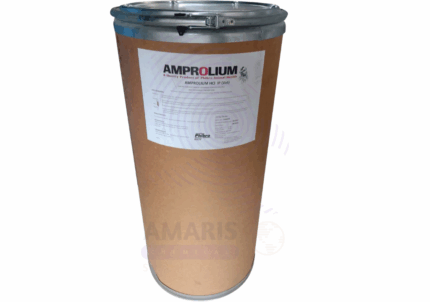
Amprolium Hydrochloride
Amprolium Hydrochloride is a white, odorless, crystalline powder used primarily as a coccidiostat, which means it inhibits the growth of Eimeria species (protozoan parasites) responsible for coccidiosis in poultry and other animals. It works by mimicking thiamine (vitamin B1), thereby competitively inhibiting thiamine uptake by the parasite, disrupting its metabolism, and preventing its proliferation. Amprolium HCl is widely used in veterinary medicine, especially in poultry farming, and is often included in feed or drinking water. It complies with BP 2008 and USP 32 pharmacopeial standards.
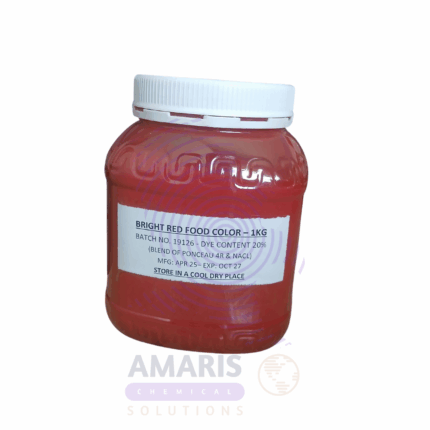
Bright Red Color Water Soluble
Bright Red Color Water Soluble is a synthetic water-soluble dye known for its vivid, intense red hue and excellent clarity in aqueous solutions. It dissolves readily in water, offering uniform dispersion and strong colorfastness across a wide pH range. This dye is widely used in textile dyeing, food and beverage coloring, cosmetics, pharmaceuticals, paints, and laboratory settings. Its chemical stability and bright coloration make it suitable for industrial, research, and commercial applications requiring reliable red pigmentation in water-based systems.

Bismark
Bismark is a synthetic water-soluble dye known for its intense dark blue to black coloration, widely used in textile dyeing, printing, and laboratory applications. It provides excellent colorfastness, brightness, and uniform dispersion in aqueous systems. This dye is favored for its stability across a broad pH range and its strong affinity for protein and synthetic fibers, making it valuable in industrial, cosmetic, pharmaceutical, and research settings.












