

 Preservatives(food)
 Flavors
 Acidulants
 Sweeteners
 Antioxidants
 Colorants(food)
 Nutraceutical Ingredients (food)
 Nutrient Supplements
 Emulsifiers
 Collectors
 Dust Suppressants
 Explosives and Blasting Agents
 Flocculants and Coagulants
 Frothers
 Leaching Agents
 pH Modifiers
 Precious Metal Extraction Agents
 Antioxidants(plastic)
 Colorants (Pigments, Dyes)
 Fillers and Reinforcements
 Flame Retardants
 Monomers
 Plasticizers
 Polymerization Initiators
 Stabilizers (UV, Heat)
 Antifoaming Agents
 Chelating Agents
 Coagulants and Flocculants
 Corrosion Inhibitors
 Disinfectants and Biocides
 Oxidizing Agents
 pH Adjusters
 Scale Inhibitors( water)
 Antioxidants(cosmetic)
 Emollients
 Oils
Oils Carrier Oills
 Essential Oils
 Humectants
 Preservatives
 Surfactants(cosmetic)
 Thickeners
 UV Filters
 Fragrance (Cosmetics)
 Fertilizers
 Soil Conditioners
 Plant Growth Regulators
 Animal Feed Additives
 Biostimulants
 Pesticides (Herbicides, Insecticides, Fungicides)
 Active Pharmaceutical Ingredients (APIs)
 Excipients
 Solvents(pharmaceutical)
 Antibiotics
 Antiseptics and Disinfectants
 Vaccine Adjuvants
 Nutraceutical Ingredients (pharmaceutical)
 Analgesics & Antipyretics
 Analytical Reagents
 Solvents(lab)
 Chromatography Chemicals
 Spectroscopy Reagents
 microbiology-and-cell-culture-reagents
 Molecular Biology Reagents
 Biochemical Reagents
 Inorganic and Organic Standards
 Laboratory Safety Chemicals
 Specialty Laboratory Chemicals(Special Laboratory Equipment)
 Demulsifiers
 Hydraulic Fracturing Fluids
 Scale Inhibitors(oil)
 Surfactants(oil)
 Drilling Fluids
 Dyes and Pigments
 Bleaching Agents
 Softening Agents
 Finishing Agents
 Antistatic Agents
 Admixtures
 Waterproofing Agents
 Sealants and Adhesives
 Curing Compounds
 Concrete Repair Chemicals
 Anti-Corrosion Coatings
 Surfactants(cleaning)
 Builders
 Enzymes
 Solvents (Cleaning)
 Electronic Chemicals
 Catalysts
 Lubricants
 Photographic Chemicals
 Refrigerants
 Automotive chemicals
 Pyrotechnic Chemicals
 Biodegradable Surfactants
 Bio-based Solvents
 Renewable Polymers
 Carbon Capture Chemicals
 Wastewater Treatment Chemicals
 Pigments
 Solvents(paint)
 Specialty Coatings
 Binders/Resins
 Additives
 Driers
 Anti-Corrosion Agents
 Functional Coatings
 Application-Specific Coatings
 Leavening Agents
 Dough Conditioners
 Flour Treatments
 Fat Replacers
 Decoratives
 Preservatives(baking)
 Plasticizers & Softeners
 Reinforcing Agents
 Adhesion Promoters
 Vulcanizing Agents
 Antidegradants
 Blowing Agents
 Fillers & Extenders
 Accelerators & Retarders



















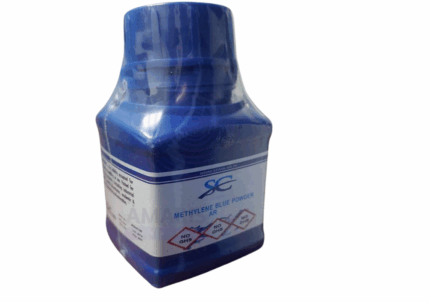
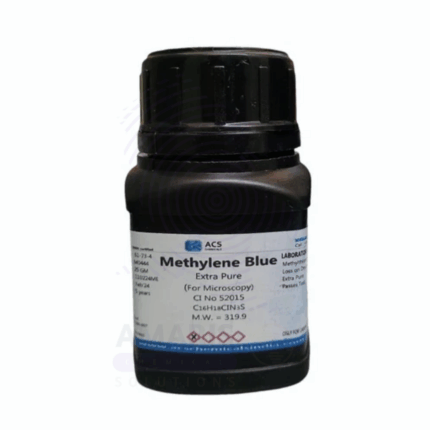
Methylene Blue Powder Extra Pure
Methylene Blue Powder Extra Pure is a high-grade dye with diverse laboratory and industrial applications. It is widely used as a biological stain in microscopy for highlighting cellular structures such as nuclei, bacteria, and parasites, particularly in blood smear and bacteriological studies. In chemistry, it serves as a redox indicator due to its distinct color change properties, and in aquaculture, it acts as a treatment for fungal and bacterial infections in fish. Its extra pure formulation ensures maximum staining clarity, minimal contamination, and reliable results in research, diagnostics, and educational settings.
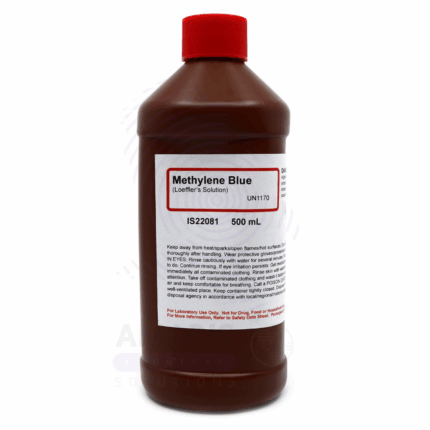
Methylene Blue Solution Extra Pure
Methylene Blue Solution Extra Pure is a ready-to-use aqueous formulation of high-purity methylene blue dye, ideal for laboratory, biological, and analytical applications. It is commonly employed as a vital stain in microscopy to highlight cellular components such as nuclei and mitochondria, especially in live or fixed cells. This solution also functions as a redox indicator in various chemical experiments and is used in microbiology for bacterial identification and differentiation. With its extra pure quality, the solution delivers consistent and precise staining results, making it a reliable tool for research, diagnostics, and teaching laboratories.
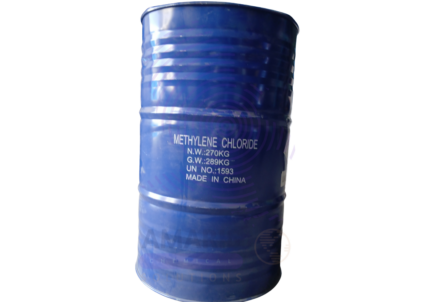
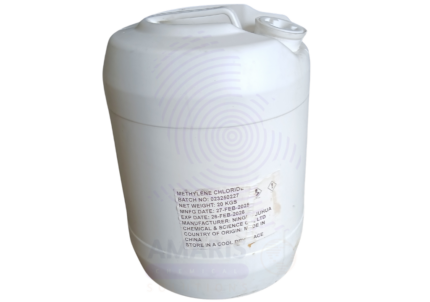
Methylene Chloride (Dichloromethane)
Methylene Chloride (Dichloromethane), also known as methylene chloride, is a volatile, colorless liquid with a sweet, chloroform-like odor. It is a chlorinated solvent widely used in industrial, pharmaceutical, and laboratory applications due to its excellent solvent properties, including high volatility, moderate polarity, and low boiling point (about 39.6°C). DCM is prized for its ability to dissolve a wide range of organic compounds, making it ideal for extraction, paint stripping, degreasing, and chemical processing. However, due to health and environmental concerns, its use is regulated and controlled in many countries.

Methylene Glycol
Methylene Glycol is a chemical compound formed by the reversible reaction of formaldehyde with water. It exists in equilibrium with formaldehyde in aqueous solutions and is commonly used as a disinfectant, preservative, and industrial biocide. Due to its antimicrobial properties, it is widely applied in water treatment, cosmetics, and embalming fluids.
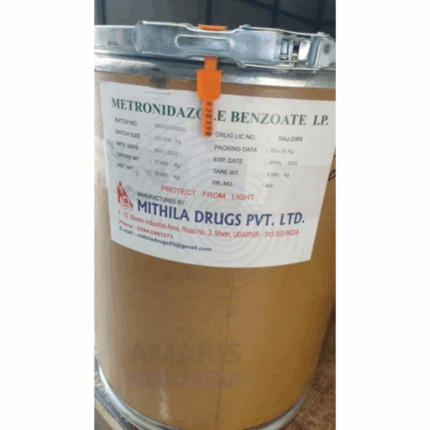
Metronidazole Benzoate BP
Metronidazole Benzoate BP is a benzoate ester derivative of metronidazole, used primarily as an antiprotozoal and antibacterial agent. It is a prodrug that hydrolyzes in the body to release metronidazole, making it more palatable for pediatric and geriatric oral suspensions. It complies with the British Pharmacopoeia (BP) standards for purity and efficacy.
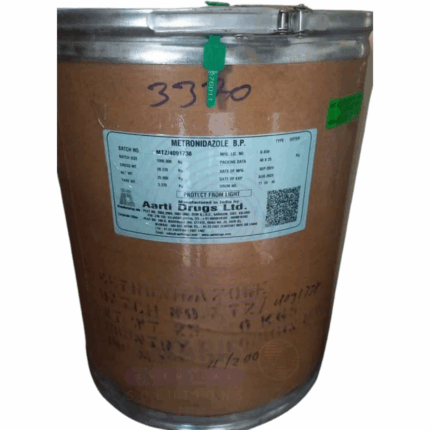
Metronidazole BP
Metronidazole BP is a benzoate ester derivative of metronidazole, used primarily as an antiprotozoal and antibacterial agent. It is a prodrug that hydrolyzes in the body to release metronidazole, making it more palatable for pediatric and geriatric oral suspensions. It complies with the British Pharmacopoeia (BP) standards for purity and efficacy.
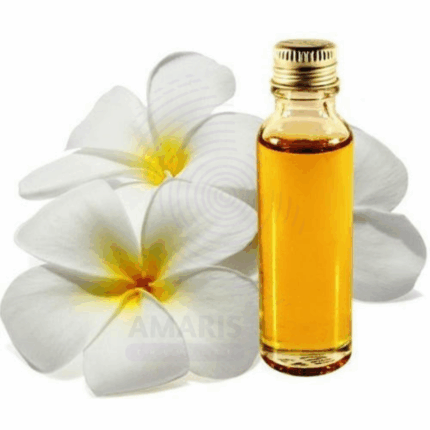
Michelia Flower Oil
Michelia Flower Oil is an essential oil extracted through steam distillation or solvent extraction from the flowers of Michelia species (e.g., Michelia champaca, Michelia alba). Known for its rich, floral, and slightly fruity aroma, it is widely used in perfumery, aromatherapy, and traditional medicine. The oil is prized for its therapeutic properties and as a natural fragrance ingredient.
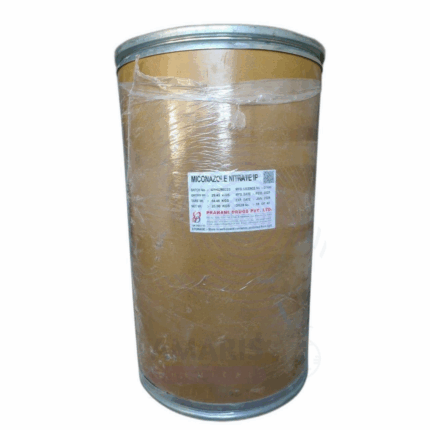
Miconazole Nitrate BP
Miconazole Nitrate BP is a high-purity, pharmaceutical-grade antifungal agent conforming to British Pharmacopoeia (BP) specifications. It is widely used in the formulation of topical and oral pharmaceutical products for the treatment of fungal infections caused by dermatophytes and yeasts, including Candida species. Miconazole Nitrate functions by inhibiting the biosynthesis of ergosterol, a vital component of fungal cell membranes, leading to cell death.
This white to off-white crystalline powder is highly effective and exhibits broad-spectrum antifungal and some antibacterial activity. It is commonly utilized in creams, ointments, powders, and gel formulations.
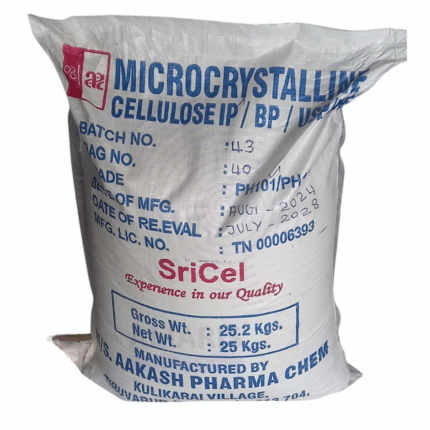
Microcrystalline Cellulose
Microcrystalline Cellulose (MCC) is a purified, partially depolymerized cellulose prepared by treating alpha-cellulose with mineral acids. It appears as a white, odorless, crystalline powder widely used as a binder, filler, and disintegrant in pharmaceutical tablets and capsules. MCC exhibits excellent compressibility and flow properties, making it ideal for direct compression tableting.

Microscope
A Microscope is an essential laboratory instrument designed to magnify and visualize small objects or specimens that are not visible to the naked eye. It uses a system of lenses—typically an objective lens and an eyepiece lens—to enlarge images of biological samples, materials, or microscopic particles for detailed examination. Microscopes come in various types including compound, stereo, electron, and digital, each suited for specific applications in biology, materials science, medicine, and research. High-quality microscopes offer adjustable magnification, fine focus controls, and illumination systems to enhance clarity and contrast. Widely used in clinical diagnostics, microbiology, pharmaceutical research, and education, microscopes are vital for studying cell structures, microorganisms, tissue samples, and more. They provide precise, reliable visualization crucial for scientific analysis and discovery.
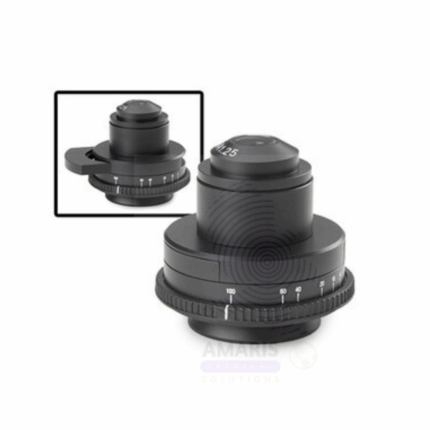
Microscope condenser
A Microscope Condenser is a vital optical component in a microscope designed to focus and concentrate light onto the specimen being observed. It is typically positioned beneath the microscope stage and plays a crucial role in controlling illumination intensity, contrast, and resolution during microscopic examination. The condenser gathers and directs light from the microscope’s illumination source into a cone of light focused on the specimen, enhancing image clarity and detail. Condensers often include adjustable diaphragms (such as iris diaphragms) to regulate the amount of light and improve contrast. Available in various designs including Abbe, achromatic, and aplanatic condensers, they cater to different magnification levels and imaging requirements. Microscope condensers are essential for achieving optimal image quality in biological, medical, and materials science applications.

Microscope cover slips
Microscope Cover Slips are thin, flat pieces of transparent glass or plastic used in microscopy to cover specimens placed on microscope slides. They serve to protect the specimen from contamination, prevent drying, and provide a uniform thickness for improved optical clarity during examination. Cover slips help to flatten the specimen, ensuring even focus and minimizing distortion under the microscope lens. They are typically made from high-quality borosilicate or soda-lime glass to offer excellent optical transparency and chemical resistance. Available in various sizes and thicknesses, cover slips are essential in biological, medical, and research laboratories for preparing wet mounts, fixed samples, and stained slides. Their use enhances image resolution and protects both the specimen and microscope objective lenses.
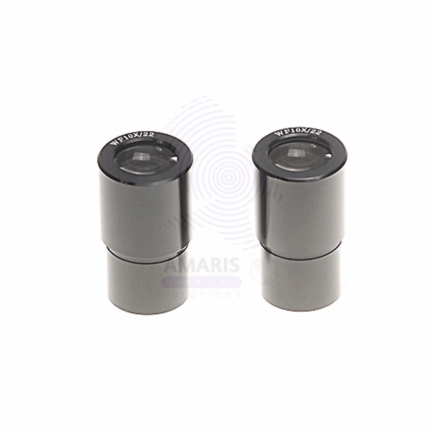
Microscope eye piece
A Microscope Eye Piece, also known as the ocular lens, is the lens or group of lenses located at the top of a microscope through which the user views the magnified specimen. It typically provides an additional magnification—commonly 5x, 10x, or 15x—working in conjunction with the objective lenses to achieve total magnification. The eyepiece contains optical components designed to enhance image clarity, brightness, and field of view. Modern eyepieces may include features such as reticles for measurement, adjustable diopters for individual eye correction, and wide-field optics for increased viewing comfort. Made from precision optical glass and durable housing, microscope eyepieces are essential for delivering a clear, sharp, and comfortable viewing experience in scientific, medical, educational, and industrial laboratories.

Microscope mirror
A Microscope Mirror is an optical accessory used to direct and focus external light onto the specimen being examined under a microscope. Traditionally mounted beneath the microscope stage, the mirror reflects ambient or artificial light upward through the condenser and specimen to illuminate the sample. Microscope mirrors typically have one flat and one concave reflective surface, allowing users to adjust the intensity and focus of the light beam. Made from highly polished glass or metal with reflective coatings, these mirrors are essential in microscopes lacking built-in illumination systems or as backup lighting aids. They enhance visibility, contrast, and detail, making them valuable in educational, medical, and research laboratory settings.

Microscope mirror holder
A Microscope Mirror Holder is a precision laboratory accessory designed to securely mount and position the microscope mirror beneath the stage. It allows for adjustable angling and stable placement of the mirror to direct light optimally onto specimens during microscopic examination. Typically made from durable metal or plastic, the holder features clamps or brackets to hold the mirror firmly while enabling smooth rotational and tilt movements. This accessory is essential for microscopes without built-in illumination systems, facilitating better light control, improved specimen visibility, and enhanced image contrast. Widely used in educational, medical, and research laboratories, the microscope mirror holder aids in consistent and effective lighting setup.

Microtone hand type
Product Description
The Microtone Hand Type is a precision manual laboratory instrument designed for fine and controlled cutting or sectioning of specimens, particularly in biological and histological applications. It allows users to prepare thin slices or sections of tissues for microscopic examination, ensuring uniform thickness and minimal damage to samples. Typically handheld and ergonomically designed, this device is made from durable materials with sharp blades that can be replaced or adjusted as needed. The Microtone Hand Type is essential in pathology labs, research facilities, and educational settings where detailed tissue analysis is required.
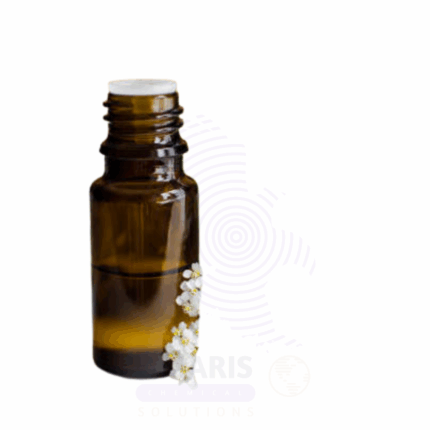
Milfoil Oil
Milfoil Oil, also known as Yarrow Oil, is a potent essential oil obtained through steam distillation of the flowering tops of Achillea millefolium, commonly referred to as Milfoil or Yarrow. Known for its distinctive deep blue hue (due to chamazulene content) and strong herbaceous, slightly camphorous aroma, this oil is valued for its anti-inflammatory, antispasmodic, antimicrobial, and wound-healing properties. Traditionally used in herbal medicine and natural healing practices, Milfoil Oil is ideal for therapeutic, cosmetic, and aromatherapy applications, particularly in formulations targeting skin repair, inflammation relief, and hormonal balance.
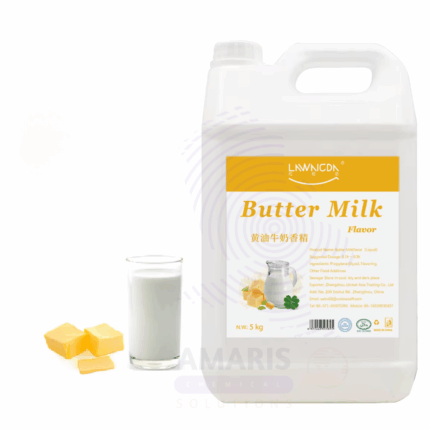
Milk Butter Liquid Flavour
Milk Butter Liquid Flavour is a rich and creamy flavoring agent designed to replicate the smooth, savory taste of fresh milk and real butter. This food-grade flavor is widely used in the food and beverage industry to impart a full-bodied dairy profile, adding indulgent and comforting notes to various products. Its excellent solubility, thermal stability, and compatibility with both sweet and savory formulations make it an ideal ingredient in bakery goods, confectionery, dairy-based products, and sauces. It enhances overall flavor depth and mouthfeel in both processed and gourmet food items.

Millie ammeter
A Millie Ammeter is a precision laboratory instrument used to measure very small electrical currents in the milliampere (mA) range. It is essential for experiments and procedures requiring accurate current measurements, particularly in physics and electronics labs. The device typically features a sensitive needle gauge or digital display, calibrated for fine resolution of low current levels. Compact and robust, millie ammeters are designed for easy integration into circuits and offer reliable performance for research, educational, and industrial applications.
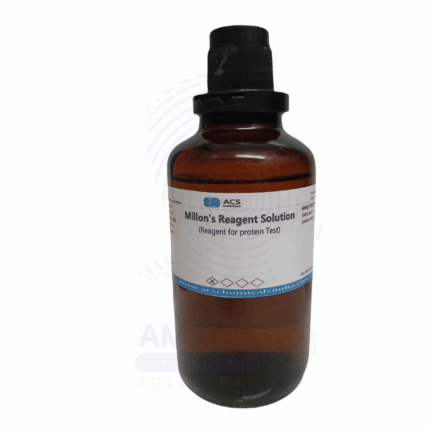
Millions Reagent Extra Pure
Millions Reagent Extra Pure is a specialized analytical solution primarily used to detect phenolic amino acids, particularly tyrosine, in proteins. It functions by producing a reddish-brown coloration when heated with compounds containing phenol groups, making it highly valuable in biochemical testing and protein analysis. This reagent is a mixture of mercury(I) and mercury(II) nitrates in nitric acid, and its high purity ensures sharp, interference-free results, especially in sensitive laboratory experiments or educational demonstrations.
Due to its toxic and corrosive nature, proper handling is essential. It must be used in a fume hood with appropriate personal protective equipment such as gloves, goggles, and lab coats. Millon’s Reagent remains a reliable and well-established tool for identifying proteins with tyrosine residues and is commonly found in chemical, clinical, and educational labs.

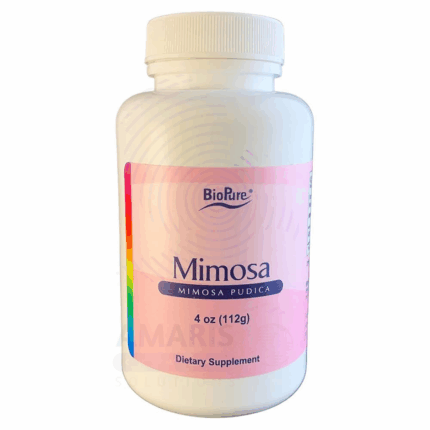
Mimosa Powder
Mimosa Powder is a fine, light to dark brown powder derived from the bark of the Mimosa tenuiflora tree (also known as Mimosa hostilis or Jurema). Rich in tannins and natural polyphenolic compounds, this plant-based powder is widely recognized for its natural astringent, antioxidant, and antimicrobial properties. It is commonly used in cosmetics, traditional medicine, leather tanning, dyeing, and industrial applications. The powder is biodegradable and sustainable, making it a popular choice for natural product formulations.
Mimosa Powder Extra Pure
Mimosa Powder Extra Pure is a finely ground, high-purity botanical extract derived from the bark or leaves of Acacia spp. (commonly known as mimosa). This extra pure grade is meticulously processed to retain key phytochemicals—such as tannins, flavonoids, and phenolic compounds—in highly consistent concentrations. In laboratory settings, it is prized for use in phytochemical analysis, antioxidant testing, and evaluation of anti-inflammatory or antimicrobial activity.
With minimal impurities, Mimosa Powder is well-suited for biochemical assays, formulation trials, and comparative research on natural extracts. It may also be used in cosmetic formulations, nutraceutical studies, or dietary supplement development, where standardization and safety are critical. Proper storage in cool, dry, and dark conditions is recommended to maintain potency and prevent degradation.

Mineral lick ( Rock Salt)
Mineral Lick, commonly known as Rock Salt, is a naturally occurring mineral primarily composed of sodium chloride. It is harvested from salt deposits and widely used as a mineral supplement for livestock and wildlife, providing essential nutrients. Mineral Lick enhances animal health by promoting hydration, digestion, and mineral balance. It also has applications in industry, agriculture, and food processing.

Mineral Lick Rock Salt Extra Pure
Mineral Lick Rock Salt Extra Pure is a high-purity, natural crystalline salt product specially processed for scientific, veterinary, and nutritional applications. Composed primarily of sodium chloride (NaCl), this form of rock salt may also contain trace essential minerals such as calcium, magnesium, and potassium in controlled amounts. Its extra pure grade ensures minimal contaminants, making it ideal for controlled laboratory experiments, animal nutrition studies, and formulation testing where purity and consistency are critical.
In agricultural research and veterinary science, Mineral Lick is commonly used to study electrolyte balance, mineral supplementation, and livestock behavior related to mineral intake. The solid, stable nature of the product allows for long shelf life and ease of handling, and it may also be used in comparative tests involving natural versus synthetic mineral supplements. For best results, it should be stored in a dry, cool place away from moisture.

Mineral Turpentine
Mineral Turpentine, also known as White Spirit or Stoddard Solvent, is a clear, petroleum-derived solvent widely used in industrial, commercial, and household applications. It is a mixture of aliphatic and alicyclic hydrocarbons obtained from the distillation of crude oil. Mineral Turpentine serves as an effective solvent for paints, varnishes, and adhesives and is valued for its moderate evaporation rate and good solvency power.

Mint Oil
Mint Oil, primarily derived from Mentha piperita (peppermint) or Mentha arvensis (cornmint), is a clear to pale yellow essential oil known for its sharp, fresh, and cooling aroma. Rich in menthol and menthone, this oil exhibits potent antiseptic, analgesic, and digestive properties. Mint Oil is widely used across aromatherapy, pharmaceuticals, personal care products, food flavoring, and natural cleaning agents. Its invigorating scent stimulates the senses, promotes mental clarity, and provides soothing relief in topical applications. Additionally, mint oil is valued for its cooling effect on the skin and its natural ability to deter insects.

Mixed Fruit Liquid Flavour
Mixed Fruit Liquid Flavour is a concentrated, water-soluble liquid flavoring designed to deliver a balanced and vibrant blend of various fruit notes, including apple, orange, pineapple, and berry nuances. This flavor is formulated using natural and nature-identical flavor compounds, providing a fresh, sweet, and tangy aroma and taste. Ideal for a wide range of food and beverage applications, the liquid format allows for easy blending, rapid dissolution, and consistent flavor delivery. It is commonly used to enhance juices, sodas, confectioneries, dairy products, and flavored snacks. Additionally, its pleasant fruity scent makes it suitable for incorporation into cleaning products and personal care formulations.
Mixed Fruit Powder Flavour
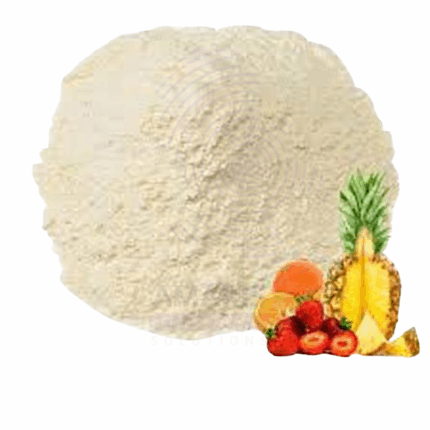
Mixed Fruit Powder Flavour is a finely milled, dry powder flavoring blend that delivers a vibrant and balanced mix of fruit notes including apple, orange, pineapple, and berry. Formulated from natural and nature-identical flavor compounds, this powder is ideal for applications where a dry, stable, and easy-to-handle flavoring agent is required. It offers excellent solubility in water and other aqueous systems, making it suitable for instant beverages, powdered drink mixes, confectionery, bakery products, and dairy powders. Its concentrated fruity aroma and taste enhance the sensory appeal of food products while ensuring consistent flavor release.

Model Diesel Engine
A Model Diesel Engine is a precision laboratory instrument used to measure very small electrical currents in the milliampere (mA) range. It is essential for experiments and procedures requiring accurate current measurements, particularly in physics and electronics labs. The device typically features a sensitive needle gauge or digital display, calibrated for fine resolution of low current levels. Compact and robust, millie ammeters are designed for easy integration into circuits and offer reliable performance for research, educational, and industrial applications.

Model steam engine
A Model Steam Engine is a scaled-down, functional representation of a steam-powered engine used primarily for educational, demonstration, and hobbyist purposes. This apparatus demonstrates the basic principles of thermodynamics, mechanical energy conversion, and steam power operation in a compact, visible form. Typically constructed from metal components such as brass and steel, the model includes key parts like a boiler, piston, cylinder, crankshaft, and flywheel. Steam generated in the boiler expands and pushes the piston, converting thermal energy into mechanical motion that turns the flywheel. Model steam engines are invaluable tools for physics and engineering education, illustrating steam mechanics, energy transfer, and engine operation clearly and tangibly. They are also popular among collectors and model enthusiasts.

Modified Starch
Modified Starch is a chemically modified, food-grade starch designed to enhance texture, stability, and clarity in various food and industrial applications. It provides excellent thickening, gelling, and stabilizing properties, while maintaining clarity in finished products. The modification improves resistance to heat, acid, and shear, making it ideal for complex processing conditions. Clearam CH 4020 is widely used in processed foods, beverages, pharmaceuticals, and personal care products.
Mono Ethanol Amine
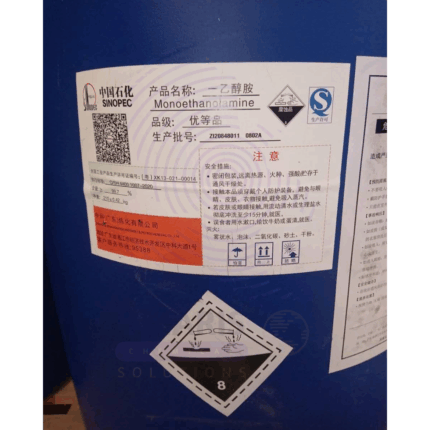
Mono Ethanol Amine (MEA) is a clear, colorless, hygroscopic liquid with an ammonia-like odor. It is an organic chemical compound combining both amine and alcohol functional groups. MEA is widely used as a versatile chemical intermediate and is especially important in gas treatment, detergents, and chemical manufacturing due to its alkalinity and solubility in water and organic solvents.

Mono Ethylene Glycol
Mono Ethylene Glycol (MEG) is a colorless, odorless, viscous liquid with a sweet taste. It is a widely used organic compound belonging to the glycol family. MEG is primarily utilized as an antifreeze agent and a raw material in the production of polyester fibers and resins. Its excellent solvent properties, low volatility, and high boiling point make it valuable across various industrial applications.
Monoi Oil
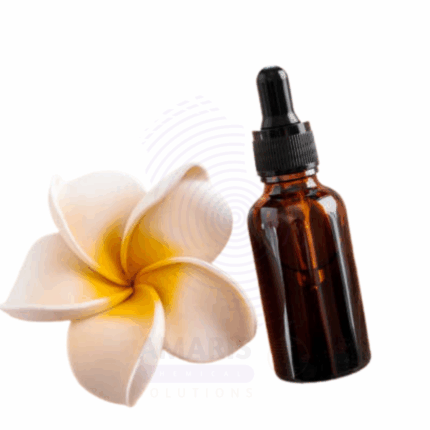
Monoi Oil is a luxurious, fragrant oil traditionally produced by soaking fresh Tahitian gardenia (Tiare) flowers in refined coconut oil. Known for its rich, exotic floral aroma combined with the nourishing qualities of coconut oil, Monoi Oil is widely cherished in skincare and haircare for its deeply moisturizing, softening, and soothing properties. It has a long history of use in Polynesian beauty rituals to protect and hydrate skin and hair from harsh sun and saltwater exposure. Today, Monoi Oil is a prized ingredient in cosmetics, personal care products, and spa formulations, celebrated for its sensory appeal and restorative benefits.
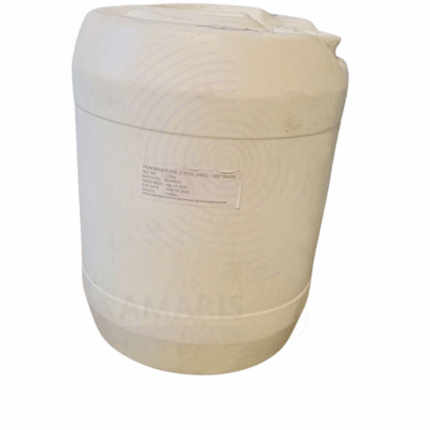
MonoPropylene Glycol
MonoPropylene Glycol (MPG) is a clear, colorless, odorless, and slightly viscous liquid commonly used as a solvent, humectant, and antifreeze agent. It exhibits excellent moisture retention, low volatility, and high boiling point, making it suitable for a wide range of industrial, food, pharmaceutical, and cosmetic applications. MPG is valued for its low toxicity and biodegradability.

Monosodium Glutamate Powder
Monosodium Glutamate Powder is the sodium salt of the naturally occurring amino acid glutamic acid. It appears as a white crystalline powder with a clean, savory taste known as "umami." MSG is widely used as a flavor enhancer in the food industry to intensify and balance flavors. The FCC (Food Chemicals Codex) grade indicates it meets purity and safety standards for food use.
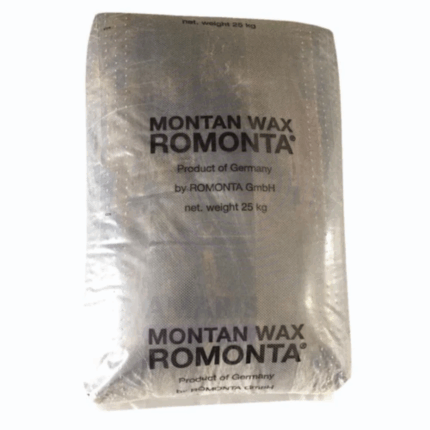
Montan Wax
Montan Wax is a hard, brittle, natural fossil wax derived from lignite or brown coal deposits. It is composed primarily of long-chain fatty acids, esters, and hydrocarbons. Montan Wax is valued for its excellent lubricating, polishing, and emulsifying properties. It is widely used in various industrial applications including coatings, polishes, plastics, and as an additive in rubber and adhesives to improve surface finish and performance.

Moringa Oil
Moringa Oil, also known as Ben Oil, is a light, non-greasy oil extracted from the seeds of the Moringa oleifera tree. Celebrated for its high oleic acid content and rich antioxidant profile, this oil offers excellent moisturizing, anti-aging, and skin-regenerating properties. Its mild, slightly nutty aroma and excellent absorption make it a favored ingredient in skincare and haircare formulations. Traditionally used in natural medicine and beauty treatments, Moringa Oil supports skin nourishment, elasticity, and protection against environmental stressors.

Mortar and pestle
Mortar and Pestle is a traditional laboratory apparatus consisting of a bowl (mortar) and a heavy club-shaped tool (pestle) used to manually grind, crush, and mix solid substances into fine powders or pastes. Made from durable materials such as ceramic, glass, porcelain, or stone, this tool facilitates the preparation of samples for chemical analysis, pharmaceutical compounding, and food laboratory testing. The mortar’s thick walls and the pestle’s sturdy design allow effective pulverization without contamination. Mortar and pestle sets are essential in laboratories for homogenizing powders, breaking down crystals, and preparing reagents and mixtures. Their simplicity and reliability make them a staple in chemistry, biology, pharmacology, and food science labs worldwide.
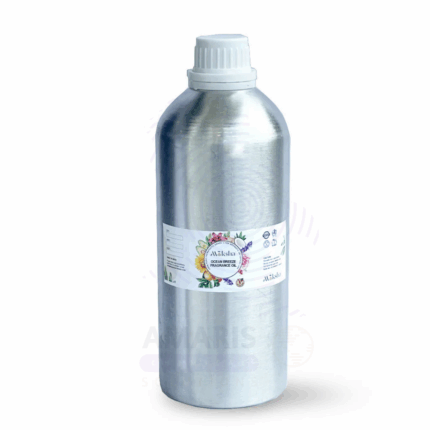
Mountain Breeze Fragrance Oil
Mountain Breeze Fragrance Oil is a fresh and invigorating aromatic blend that captures the crisp, clean essence of mountain air combined with subtle hints of pine, fresh herbs, and cool floral undertones. This fragrance oil is designed to evoke the feeling of a refreshing breeze in high-altitude forests, making it ideal for use in personal care products, home fragrances, and aromatherapy formulations. Its excellent solubility and long-lasting scent profile ensure consistent and vibrant aroma delivery across a wide range of applications.
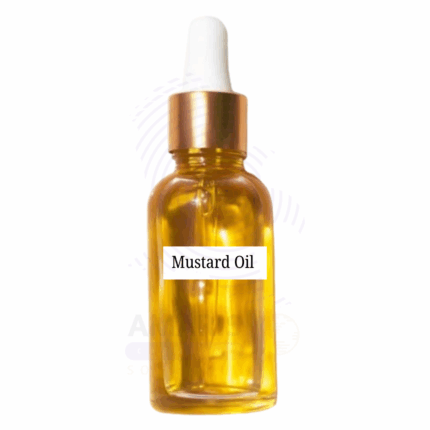
Mustard Seed Oil
Mustard Seed Oil is a pungent, golden-yellow oil extracted from the seeds of the Brassica juncea plant. Known for its strong aroma and warming properties, this oil has been traditionally used in cooking, massage, and medicinal applications across many cultures. Rich in monounsaturated fats, omega-3 and omega-6 fatty acids, and natural antioxidants, Mustard Seed Oil supports circulation, skin conditioning, and hair health. It is valued for its antimicrobial, anti-inflammatory, and analgesic effects, making it a versatile ingredient in personal care and wellness formulations.

Myristic Acid
Myristic Acid is a saturated fatty acid with a 14-carbon chain, naturally found in nutmeg, coconut oil, palm kernel oil, and butter fat. It appears as a white crystalline solid with a faint odor. It is widely used in the manufacture of soaps, cosmetics, surfactants, and food additives due to its emollient and cleansing properties. Myristic Acid acts as a key intermediate in the production of esters, detergents, and lubricants.

Myrrh Oil
Myrrh Oil is a rich, amber-colored essential oil obtained through steam distillation of the resin extracted from the Commiphora myrrha tree. Known for its warm, earthy, and balsamic aroma, this ancient oil has been used for thousands of years in traditional medicine, perfumery, and sacred rituals. Myrrh Oil is revered for its powerful antiseptic, anti-inflammatory, astringent, and skin-healing properties. It plays a key role in supporting oral care, skin regeneration, emotional grounding, and immune defense. In modern applications, Myrrh Oil is widely used in premium cosmetic formulations, wellness therapies, and natural perfumery.
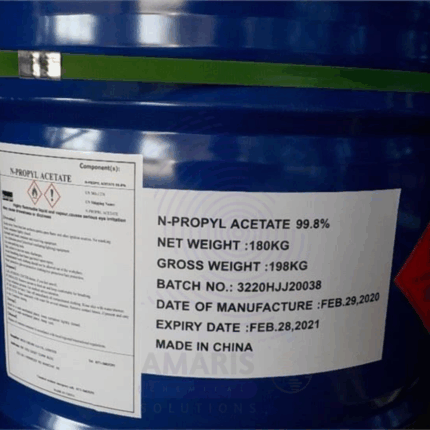
N propyl Acetate
N propyl Acetate is a clear, colorless, flammable liquid ester with a fruity odor, chemically known as propyl ethanoate. It is widely used as a solvent in coatings, inks, adhesives, and cleaning agents due to its excellent solvency and moderate evaporation rate. N-Propyl Acetate is valued for its ability to dissolve various resins and polymers, providing good film formation and gloss in paints and coatings.
N-Butanol
N-Butanol (1-butanol) is a four-carbon linear alcohol with the chemical formula C₄H₉OH. It is a colorless, flammable liquid with a mild, alcoholic odor. N-Butanol is widely used as a solvent in paints, coatings, adhesives, and chemical synthesis. It serves as an intermediate in the manufacture of plasticizers, butyl acrylate, and other chemicals. Its moderate volatility and solvent properties make it valuable in industrial and commercial applications.
N-Propanol
N-Propanol, also known as n-Propyl Alcohol or 1-Propanol, is a clear, colorless, low-viscosity liquid with a characteristic mild alcohol-like odor. It is a primary alcohol with the molecular formula C₃H₈O, fully miscible with water and common organic solvents such as alcohols, ketones, ethers, glycols, and hydrocarbons. This high-purity, semi-volatile, polar solvent serves as both a versatile solvent and a chemical intermediate across multiple industrial sectors. N-Propanol has a flash point of 15–23°C and is classified as a highly flammable liquid. Technical grade N-Propanol is manufactured for industrial applications and is not intended for direct human consumption unless specifically certified as USP or Food Grade.

Naphazolin hCL USP
Naphazolin hCL USP (Naphazolin HCL) is a topical sympathomimetic agent commonly used as a nasal decongestant and ophthalmic vasoconstrictor. It is a white to off-white crystalline powder soluble in water and alcohol. Naphazolin HCL works by constricting blood vessels, reducing swelling and redness in mucous membranes and eyes. It is widely used in pharmaceutical formulations such as nasal sprays and eye drops.
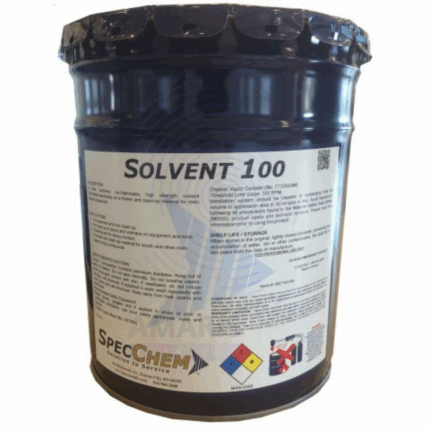
Naphta Solvent
Naphta Solvent Kokosal, commonly known as Kokosal, is a petroleum-derived hydrocarbon solvent composed primarily of aliphatic and aromatic hydrocarbons with a boiling range near 100°C. It is a clear, colorless to pale yellow liquid with a characteristic hydrocarbon odor. Kokosal is widely used as an industrial solvent due to its excellent solvency power, moderate evaporation rate, and compatibility with many resins, oils, and waxes. It is valued in applications such as coatings, adhesives, cleaning, and chemical synthesis.
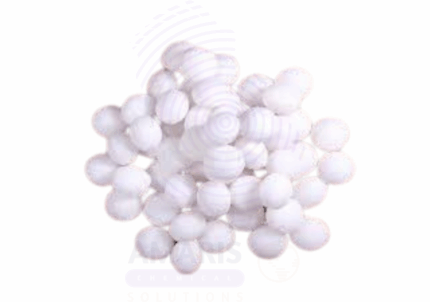
Naphthalene Balls
Napthalene Balls are solid, crystalline balls made primarily of naphthalene, a white, volatile, aromatic hydrocarbon derived from coal tar or petroleum refining. Known for their strong, distinctive odor, naphthalene balls are widely used as moth repellents and deodorizing agents. Due to their sublimation property, they slowly vaporize at room temperature, releasing fumes that are toxic to moths and insects. They find broad applications in household pest control, industrial storage protection, and chemical manufacturing.












