

 Preservatives(food)
 Flavor Enhancers
 Acidulants
 Sweeteners
 Antioxidants
 Colorants(food)
 Nutraceutical Ingredients (food)
 Nutrient Supplements
 Emulsifiers
 Collectors
 Dust Suppressants
 Explosives and Blasting Agents
 Flocculants and Coagulants
 Frothers
 Leaching Agents
 pH Modifiers
 Precious Metal Extraction Agents
 Antioxidants(plastic)
 Colorants (Pigments, Dyes)
 Fillers and Reinforcements
 Flame Retardants
 Monomers
 Plasticizers
 Polymerization Initiators
 Stabilizers (UV, Heat)
 Antifoaming Agents
 Chelating Agents
 Coagulants and Flocculants
 Corrosion Inhibitors
 Disinfectants and Biocides
 Oxidizing Agents
 pH Adjusters
 Scale Inhibitors( water)
 Antioxidants(cosmetic)
 Emollients
 Fragrances and Essential Oils
 Humectants
 Preservatives
 Surfactants(cosmetic)
 Thickeners
 UV Filters
 Fertilizers
 Soil Conditioners
 Plant Growth Regulators
 Animal Feed Additives
 Biostimulants
 Pesticides (Herbicides, Insecticides, Fungicides)
 Active Pharmaceutical Ingredients (APIs)
 Excipients
 Solvents(pharmaceutical)
 Antibiotics
 Antiseptics and Disinfectants
 Vaccine Adjuvants
 Nutraceutical Ingredients (pharmaceutical)
 Analgesics & Antipyretics
 Analytical Reagents
 Solvents(lab)
 Chromatography Chemicals
 Spectroscopy Reagents
 microbiology-and-cell-culture-reagents
 Molecular Biology Reagents
 Biochemical Reagents
 Inorganic and Organic Standards
 Laboratory Safety Chemicals
 Specialty Laboratory Chemicals(Special Laboratory Equipment)
 Demulsifiers
 Hydraulic Fracturing Fluids
 Scale Inhibitors(oil)
 Surfactants(oil)
 Drilling Fluids
 Dyes and Pigments
 Bleaching Agents
 Softening Agents
 Finishing Agents
 Antistatic Agents
 Admixtures
 Waterproofing Agents
 Sealants and Adhesives
 Curing Compounds
 Concrete Repair Chemicals
 Anti-Corrosion Coatings
 Surfactants(cleaning)
 Builders
 Enzymes
 Solvents (Cleaning)
 Fragrances
 Electronic Chemicals
 Catalysts
 Lubricants
 Photographic Chemicals
 Refrigerants
 Automotive chemicals
 Pyrotechnic Chemicals
 Biodegradable Surfactants
 Bio-based Solvents
 Renewable Polymers
 Carbon Capture Chemicals
 Wastewater Treatment Chemicals
 Pigments
 Solvents(paint)
 Specialty Coatings
 Binders/Resins
 Additives
 Driers
 Anti-Corrosion Agents
 Functional Coatings
 Application-Specific Coatings
 Leavening Agents
 Dough Conditioners
 Flour Treatments
 Fat Replacers
 Decoratives
 Preservatives(baking)
 Plasticizers & Softeners
 Reinforcing Agents
 Adhesion Promoters
 Vulcanizing Agents
 Antidegradants
 Blowing Agents
 Fillers & Extenders
 Accelerators & Retarders














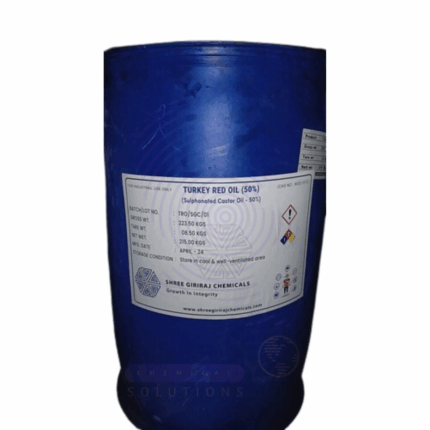
Turkey Red Oil (Sulphated Castor Oil)
Turkey Red Oil (Sulphated Castor Oil), also known as Sulphated Castor Oil, is a water-soluble derivative of castor oil produced by the sulfonation of castor oil. It appears as a viscous, amber to dark brown liquid with excellent emulsifying, detergent, and wetting properties. Turkey Red Oil is widely used as a natural surfactant and emulsifier in various industrial and personal care applications. It is known for its biodegradability, mildness, and ability to stabilize oil-in-water emulsions. Traditionally used in textile processing as a softener and lubricant, it now finds broad usage in cosmetics, detergents, leather processing, and cleaning products due to its unique functional attributes.
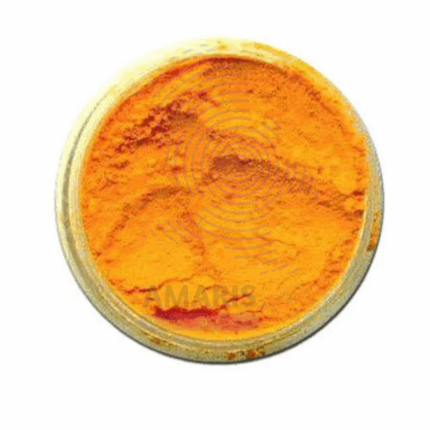
Sunset Yellow Orange Shade
Sunset Yellow Orange Shade is a synthetic azo dye that provides bright orange-yellow coloration. It is widely used in food and beverage products, cosmetics, and pharmaceuticals, offering stable and vibrant color with good solubility in water. The dye meets regulatory standards for safety and quality, making it suitable for a variety of commercial applications.
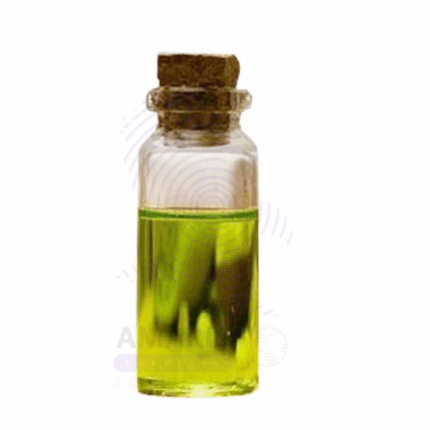
Vetivert Oil
Vetivert Oil also known as Vetiver Essential Oil, is a thick, amber to dark brown essential oil derived from the steam distillation of the roots of Vetiveria zizanioides, a perennial grass native to India and Southeast Asia. It is highly prized for its deep, earthy, smoky, and woody aroma, often described as grounding and sensual. Rich in sesquiterpenes like khusimol, vetiselinenol, and alpha-vetivone, Vetivert Oil is known for its calming, anti-inflammatory, and skin-rejuvenating properties. Extensively used in perfumery, aromatherapy, and skincare, it also finds application in natural insect repellents, emotional wellness products, and high-end fragrances.
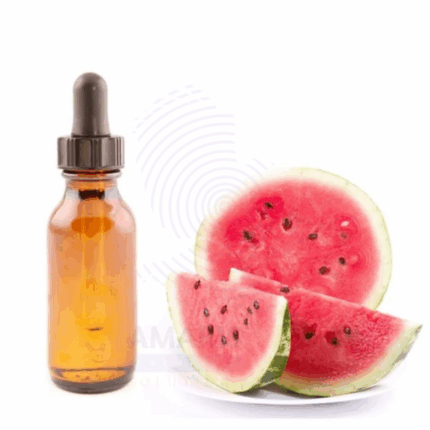
Watermelon Seed Oil
Watermelon Seed Oil, also known as Kalahari Oil or Ootanga Oil, is a lightweight, fast-absorbing oil cold-pressed from the seeds of the Citrullus lanatus fruit. This oil is pale yellow with a mild, nutty aroma and is rich in essential fatty acids—particularly linoleic acid (omega-6) and oleic acid (omega-9)—as well as antioxidants, phytosterols, and vitamins A, B, and E. Known for its nourishing, non-comedogenic, and balancing properties, Watermelon Seed Oil is widely used in skincare, haircare, baby care, and massage products. It is ideal for all skin types, especially oily, acne-prone, and sensitive skin due to its ability to dissolve sebum and unclog pores while maintaining hydration.
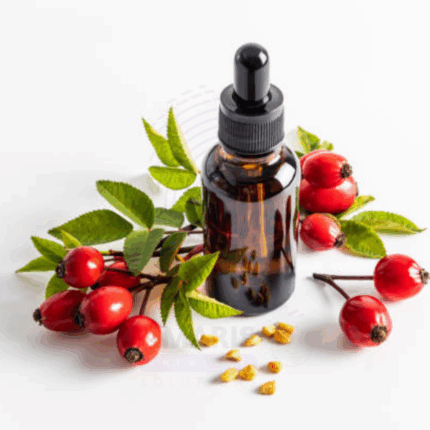
WinterGreen Oil
Wintergreen Oil is a potent essential oil distilled from the leaves of the Gaultheria procumbens or Gaultheria fragrantissima plant, both native to North America and Asia. The oil is obtained via steam distillation and is known for its distinct, sweet, minty aroma and high content of methyl salicylate (typically 98% or more), which gives Wintergreen Oil its strong analgesic and anti-inflammatory properties. Historically used in traditional medicine, topical pain relief, and flavoring, Wintergreen Oil remains an active component in cosmetic, pharmaceutical, personal care, and industrial applications. Its powerful scent and soothing properties make it particularly valued in muscle relief formulas, oral care products, and sports applications.
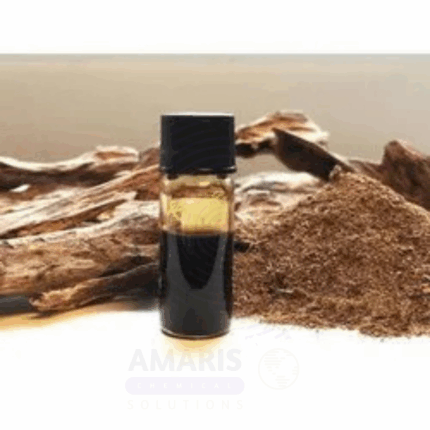
Worm Wood Oil
Worm Wood Oil is an essential oil derived from the leaves and flowering tops of the Artemisia absinthium plant, native to Europe, Asia, and North Africa. Obtained through steam distillation, Wormwood Oil is characterized by its sharp, herbaceous, bitter, and slightly woody aroma. It contains bioactive compounds such as thujone, camphor, and cineole, which contribute to its potent antimicrobial, insecticidal, and digestive-stimulating properties. Traditionally used in herbal medicine and digestive tonics, Wormwood Oil finds applications in aromatherapy, natural pest control, perfumery, and pharmaceuticals.
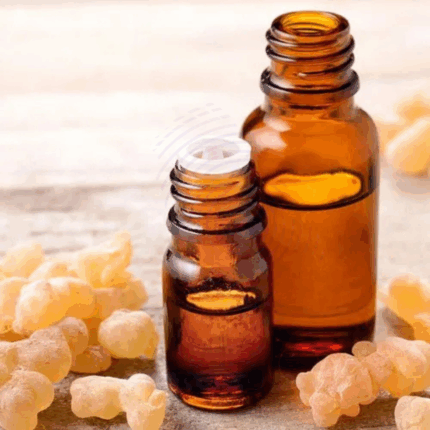
Wormseed Oil
Wormseed Oil is an essential oil extracted by steam distillation from the seeds and aerial parts of the Chenopodium ambrosioides plant, commonly known as Mexican wormseed or American wormseed. The oil possesses a strong, herbaceous, and camphoraceous aroma with spicy undertones. Rich in compounds such as ascaridole, limonene, and p-cymene, Wormseed Oil has been traditionally used for its potent anthelmintic (anti-parasitic), antimicrobial, and insecticidal properties. It finds applications in natural medicine, pest control, and as a bioactive ingredient in pharmaceuticals and personal care products.
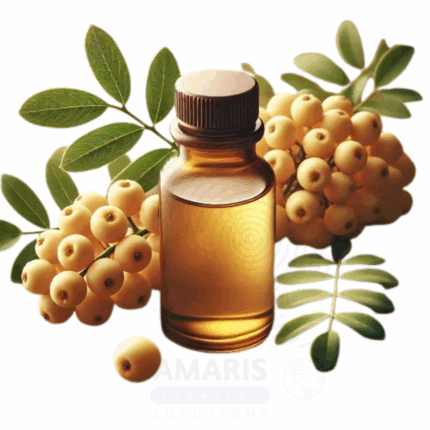
Xanthoxylum Oil
Xanthoxylum Oil, also known as Sichuan Pepper Oil or Prickly Ash Oil, is an essential oil extracted through steam distillation from the dried berries and seeds of the Zanthoxylum genus plants, primarily Zanthoxylum simulans and Zanthoxylum piperitum. This oil is characterized by its sharp, spicy, citrusy, and slightly woody aroma with tingling, numbing sensory properties. Rich in active compounds such as limonene, beta-pinene, and sabinene, Xanthoxylum Oil is valued for its antimicrobial, analgesic, anti-inflammatory, and digestive stimulating effects. Traditionally used in herbal medicine and culinary applications, it also finds use in cosmetics, personal care, and natural pest control products.
Yucca Oil
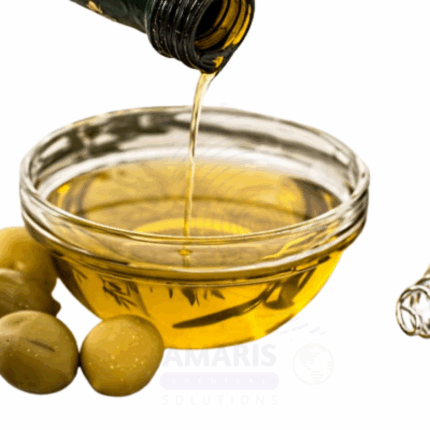
Yucca Oil is a natural extract derived from the roots and stems of the Yucca schidigera plant, native to arid regions of the southwestern United States and Mexico. Typically processed through cold pressing or solvent extraction, this oil is known for its earthy, slightly herbal aroma and its high content of natural saponins, resveratrol, and antioxidants. Traditionally used by Indigenous cultures for medicinal and cleansing purposes, Yucca Oil is recognized today for its anti-inflammatory, antimicrobial, and cleansing properties. It is widely utilized in cosmetics, hair and scalp treatments, animal care formulations, and natural cleaning solutions.
Sweet Lavender Fragrance Oil
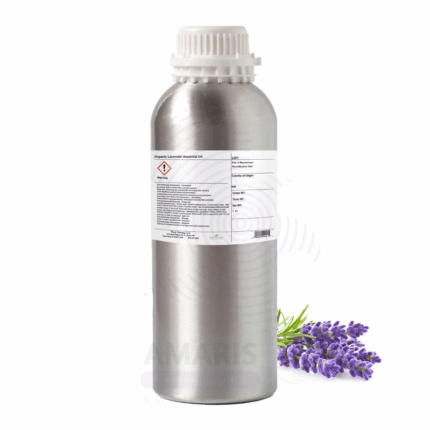
Sweet Lavender Fragrance Oil is a high-quality synthetic blend crafted to capture the soothing, floral aroma of fresh lavender with a sweet, calming undertone. This fragrance oil is widely used in personal care and home fragrance products due to its gentle yet long-lasting scent profile. It exhibits excellent stability in both water- and oil-based formulations and is ideal for creating products that evoke relaxation, freshness, and cleanliness. Suitable for a broad range of applications, Sweet Lavender Fragrance Oil enhances cosmetics, bath products, household items, and industrial formulations with its classic floral aroma.
Yuzu Oil
Yuzu Oil is a fragrant essential oil extracted via cold pressing or steam distillation from the peel of the Citrus junos fruit, a citrus species native to East Asia, especially Japan, Korea, and China. Revered for its fresh, citrusy, and slightly floral aroma, Yuzu Oil offers a unique blend of tart grapefruit, mandarin, and subtle floral notes. It is rich in natural constituents like limonene, gamma-terpinene, and alpha-pinene, providing antioxidant, anti-inflammatory, and mood-enhancing properties. Widely valued in aromatherapy and personal care, Yuzu Oil is used in wellness products, cosmetic formulations, luxury perfumery, and eco-friendly household goods for its uplifting scent and skin benefits.
Zdravetz Oil
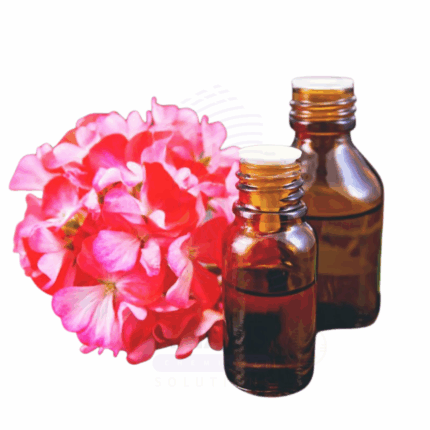
Zdravetz Oil is a rare and highly valued essential oil extracted through steam distillation of the leaves and stems of Geranium macrorrhizum, a plant native to the Balkan region, especially Bulgaria. Known for its warm, earthy, and slightly spicy floral aroma, Zdravetz Oil is cherished in traditional herbal medicine for its regenerative, antioxidant, and antimicrobial properties. Its complex chemical profile includes germacrone, elemol, and alpha-humulene, contributing to its effectiveness in skin care, aromatherapy, and perfumery. With a grounding and balancing scent, this oil is widely used in cosmetics, therapeutic blends, and luxury fragrances.
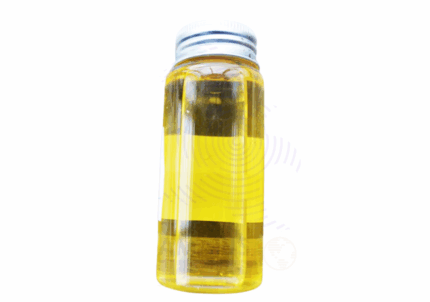
Tally Oil Acid
Tally Oil Acid is a fatty acid derived from tall oil, a byproduct of the kraft pulping process in the paper industry. It contains a mixture of fatty acids, mainly oleic and linoleic acids, and is used as a raw material in chemical manufacturing, soaps, lubricants, and other industrial applications. The product is valued for its renewable origin and versatile chemical properties.
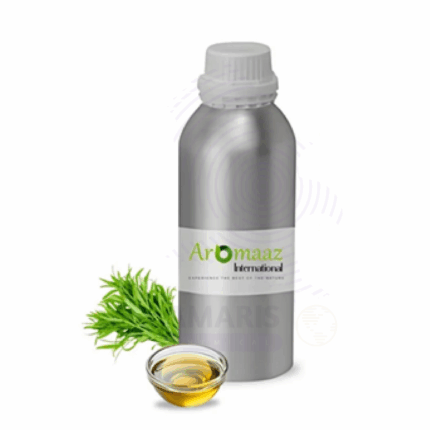
Tarragon Essential Oil
Tarragon Essential Oil is a fragrant, aromatic oil extracted from the leaves and flowering tops of the Artemisia dracunculus plant, commonly known as tarragon. It is prized for its sweet, herbaceous, slightly spicy aroma and is widely used in aromatherapy, perfumery, flavoring, and traditional medicine. The oil contains active compounds such as estragole and methyl eugenol, which contribute to its characteristic scent and therapeutic properties.
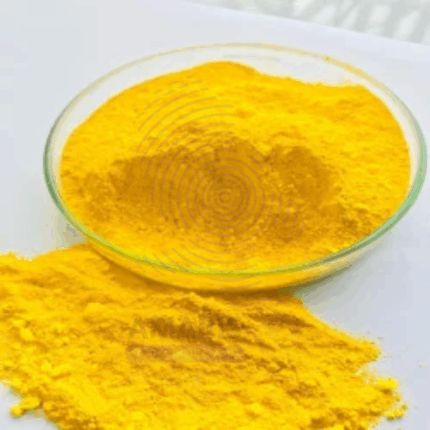
Tartrazine Yellow
Tartrazine yellow is a synthetic azo dye known for its bright lemon-yellow color and excellent solubility in water. Widely used as a food dye and in various industrial applications, it offers stable, vibrant coloration with good fastness properties. Tartrazine is commonly employed in food products, cosmetics, and pharmaceuticals, meeting regulatory standards for safety and quality.
Terpeniol
Terpeniol is a high-purity monoterpene alcohol derived primarily from natural sources such as pine oil and citrus peel oils. Known for its fresh, floral, and citrus-like aroma, Terpeniol is widely used in the fragrance and flavor industries. Its antimicrobial and solvent properties also make it valuable in pharmaceuticals, cosmetics, and cleaning formulations. The 95% purity ensures consistent performance in industrial and consumer applications.
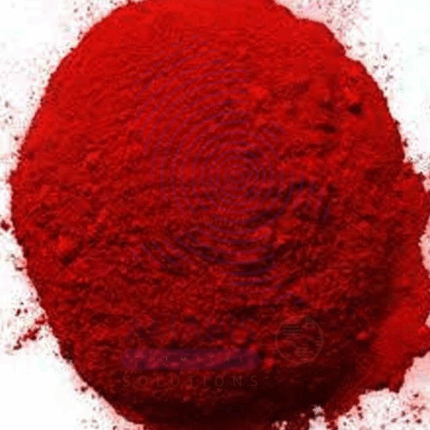
Tomato Red Dye
Tomato Red Dye is a synthetic azo dye prized for its vibrant, bright red coloration and excellent water solubility. It delivers consistent, vivid red shades that are stable under a variety of environmental conditions, including exposure to light, heat, and washing. This dye is extensively used across multiple industries including food and beverage, cosmetics, pharmaceuticals, and textiles. In food applications, it enhances the visual appeal of products such as beverages, confectionery, sauces, and baked goods. Its compatibility with different formulation types and regulatory approvals make it a reliable choice for cosmetic products like lipsticks, blushes, and nail polishes, as well as pharmaceutical tablets and syrups for identification and aesthetic purposes. The dye's superior performance, combined with strict adherence to safety and quality standards, ensures that it meets the requirements of manufacturers and regulatory bodies worldwide.
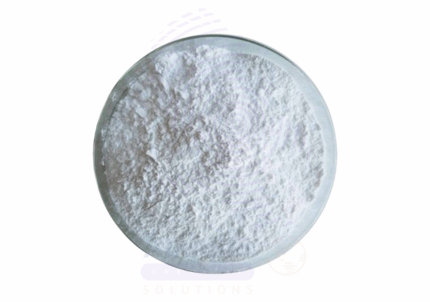
Timolol Maleate BP
Timolol Maleate BP is the British Pharmacopoeia-grade salt form of Timolol, a non-selective beta-adrenergic receptor blocker. It is primarily used in ophthalmic and systemic formulations to manage elevated intraocular pressure and cardiovascular conditions. As a pharmaceutical active ingredient, it is recognized for its potency, stability, and wide applicability in glaucoma treatment, hypertension, and migraine prophylaxis. The maleate salt improves solubility and stability for formulation in eye drops and tablets.
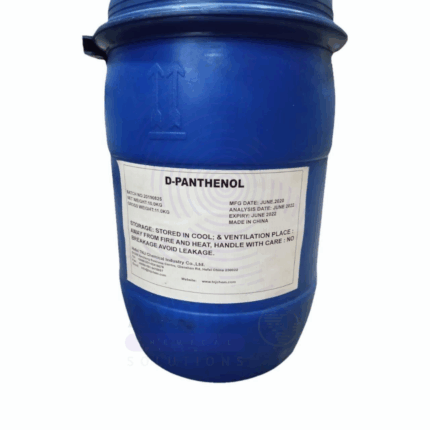
D-Panthenol USP
D-Panthenol USP, also known as Provitamin B5, is the dextrorotatory isomer of panthenol and is biologically active. It is a water-soluble, viscous, clear liquid with a slightly sweet odor and is widely used in pharmaceutical, cosmetic, personal care, and nutraceutical applications. D-Panthenol is the alcohol analog of pantothenic acid (Vitamin B5) and is converted into Vitamin B5 in the skin and body, where it plays a vital role in cellular metabolism and tissue repair. Its moisturizing, anti-inflammatory, and healing properties make it highly valuable across industries.

Derminol Liquor
Derminol Liquor is a high-performance fatliquor used in the leather tanning industry, specifically during the retanning and fatliquoring stages of wet-end leather processing. It is an emulsified blend of synthetic, semi-synthetic, or natural-based oils designed to impart softness, flexibility, and lubricity to leathers. Derminol Liquor provides deep penetration, excellent grain lubrication, uniform softness, and high lightfastness. It is compatible with both chrome-tanned and vegetable-tanned leathers. Derminol Liquor enhances leather feel, milling behavior, and aging resistance, and can be used alone or in combination with other fatliquors to achieve specific leather characteristics. It also contributes to environmental compliance by offering low BOD/COD values in effluents.
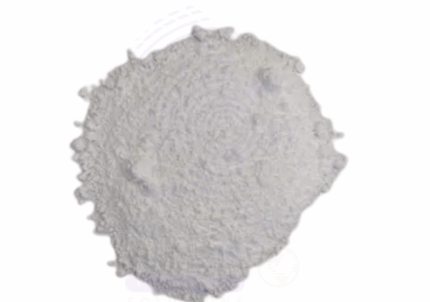
Desgel HG (Carbomer)
Desgel HG is a high-purity Carbomer-based thickening agent, widely used in pharmaceutical, cosmetic, and personal care formulations. It is a cross-linked polyacrylic acid polymer, neutralized to form high-viscosity gels with excellent clarity and stability. Desgel HG is prized for its thickening, suspending, emulsifying, and stabilizing capabilities, especially in aqueous and hydroalcoholic systems. It is highly efficient at low concentrations and compatible with a wide pH range (when neutralized). This makes it ideal for use in gels, creams, lotions, hand sanitizers, topical formulations, and other semi-solid systems.
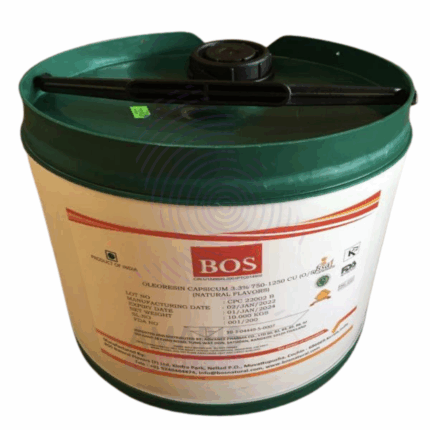
Capsicum Oleoresin
Capsicum Oleoresin is a concentrated extract derived from the dried fruits of Capsicum annuum or Capsicum frutescens (chili peppers). It is a dark red to brownish oily liquid containing approximately 8% capsaicinoids—primarily capsaicin and dihydrocapsaicin—which are the primary pungent components. This oleoresin is widely used for its flavoring, coloring, medicinal, and irritant properties in the food, pharmaceutical, veterinary, and defense industries. It is produced by solvent extraction followed by standardization to achieve consistent pungency levels. The product is highly potent and must be handled with care due to its intense irritant nature.
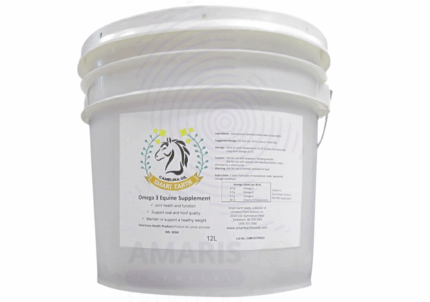
Camelina
Camelina (Camelina sativa), also known as false flax or gold-of-pleasure, is an ancient oilseed crop belonging to the Brassicaceae family. It produces small, golden-brown seeds that are rich in oil content, typically around 30-40%. The oil extracted from Camelina seeds is prized for its high content of omega-3 fatty acids, antioxidants, and bioactive compounds, making it valuable in food, feed, cosmetic, and industrial applications. Camelina oil has a mild, nutty flavor and a favorable fatty acid profile including linolenic acid, making it a sustainable alternative to traditional vegetable oils. The crop is noted for its short growing season, low input requirements, and adaptability to marginal soils and climates.
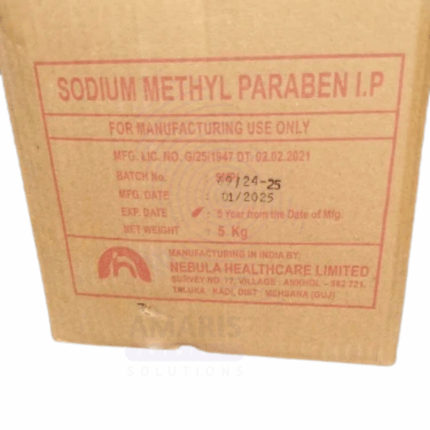
Sodium Methyl Paraben
Sodium Methyl Paraben is the sodium salt of methylparaben, a widely used preservative in cosmetics, pharmaceuticals, and food. It is a white, odorless, crystalline powder that is water-soluble and effective against a broad spectrum of bacteria, molds, and yeasts. As a paraben derivative, it helps prevent microbial contamination and extends shelf life. It is often preferred over methylparaben in formulations where water solubility is required.
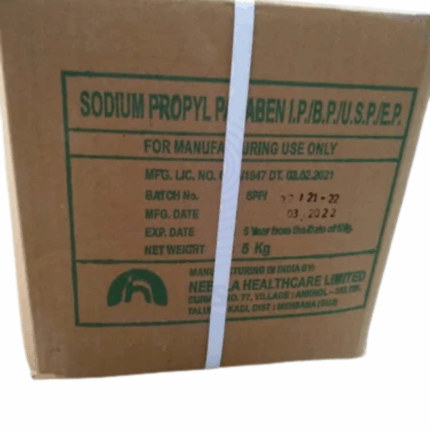
Sodium Propyl Paraben
Sodium Propyl Paraben is the sodium salt of propylparaben, a white to off-white crystalline powder or granule with the chemical formula C₁₀H₁₂NaO₃. It is a water-soluble antimicrobial preservative used extensively in personal care, pharmaceutical, and food products. Packaged in 25kg containers, it offers excellent stability and effectiveness over a wide pH range. Its antifungal and antibacterial properties make it a reliable choice for preventing microbial contamination and extending shelf life.
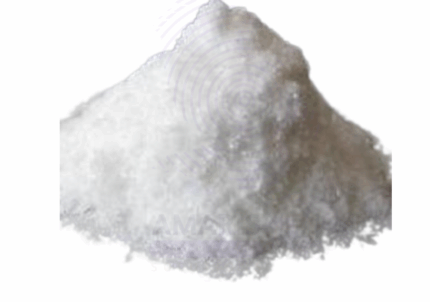
Tobramycin Sulphate
Tobramycin Sulphate USP is a purified, water-soluble sulfate salt of tobramycin, an aminoglycoside antibiotic. It exhibits potent bactericidal activity against a broad spectrum of aerobic Gram-negative bacteria, including Pseudomonas aeruginosa, and certain Gram-positive bacteria. This pharmaceutical-grade compound is primarily used to treat severe infections such as respiratory tract infections, urinary tract infections, and septicemia. Tobramycin Sulphate USP is commonly formulated for injectable, inhalation, and ophthalmic applications, ensuring effective systemic and localized antimicrobial therapy.

Triethanolamine (TEA)
Triethanolamine (TEA) is a viscous, colorless to pale yellow liquid with a mild ammonia-like odor. It is a multifunctional organic compound widely used in cosmetics, pharmaceuticals, and industrial applications as a pH adjuster, emulsifier, surfactant, and corrosion inhibitor. Triethanolamine neutralizes fatty acids to form soaps and helps stabilize emulsions, making it essential in personal care formulations and various chemical manufacturing processes. Its versatility and compatibility with other ingredients make it a valuable additive in numerous industries.

Trimethoprim BP Micronised
Trimethoprim BP Micronised is a high-purity, fine powdered form of trimethoprim, an antibiotic used primarily for its bacteriostatic properties. The micronisation process enhances its solubility and bioavailability, making it more effective in pharmaceutical formulations. Trimethoprim acts by inhibiting bacterial dihydrofolate reductase, thereby preventing bacterial DNA synthesis and growth. It is widely used alone or in combination therapies to treat a variety of bacterial infections.
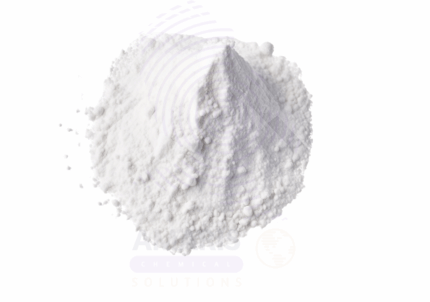
Tripolidine HCL BP
Tripolidine HCL BP is a high-purity pharmaceutical-grade antihistamine used primarily to treat allergic conditions. It acts as a selective H1 histamine receptor antagonist, helping to relieve symptoms such as itching, sneezing, nasal congestion, and hives by blocking the action of histamine. The British Pharmacopoeia (BP) grade ensures compliance with stringent quality standards required for medicinal use. Tripolidine HCL is commonly formulated into tablets and syrups for effective allergy management.
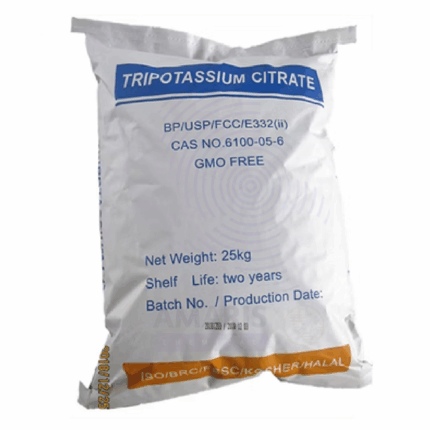
Tripotassium Citrate Monohydrate
Tripotassium Citrate Monohydrate USP is a pharmaceutical-grade potassium salt of citric acid, widely used for its alkalinizing, buffering, and chelating properties. It appears as a white crystalline powder and is highly soluble in water. This compound is primarily used to correct metabolic acidosis, act as a urinary alkalinizer, and serve as an additive in pharmaceutical, food, and industrial applications. The USP grade ensures compliance with United States Pharmacopeia standards, guaranteeing high purity and consistent quality.
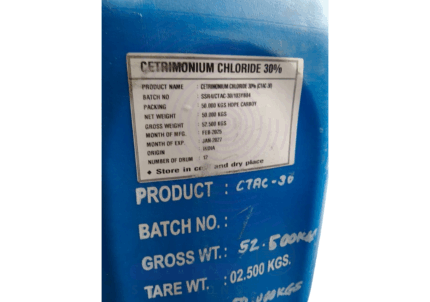
Centrimonium Chloride Solution
Centrimonium Chloride Solution (also known as Cetyltrimethylammonium Chloride), with the chemical formula C₁₉H₄₂ClN, is a quaternary ammonium compound presented here as a 30% aqueous solution. It is a cationic surfactant widely used as an antistatic agent, conditioner, and emulsifier in personal care and industrial applications. This 25kg packaged solution is highly soluble and stable, providing excellent conditioning and antimicrobial properties in hair care formulations, fabric softeners, and disinfectants.

Sorbitol
Sorbitol is a sugar alcohol with the chemical formula C₆H₁₄O₆, appearing as a white, crystalline, hygroscopic powder or syrup. It is widely used as a sweetener, humectant, and texturizing agent in food, pharmaceutical, and cosmetic industries. This 25kg packaged product offers high purity sorbitol, soluble in water with a mildly sweet taste and low caloric value, making it a popular sugar substitute and stabilizer.

Soya Fatty Acid
Soya Fatty Acid is a natural fatty acid mixture derived from soybean oil. It appears as a yellow to amber oily liquid or semi-solid and is rich in unsaturated fatty acids, mainly linoleic and oleic acids. This 25kg packaged product is widely used as a raw material in the production of soaps, detergents, lubricants, and cosmetics. Its excellent emulsifying properties and biodegradability make it suitable for various industrial and personal care applications.
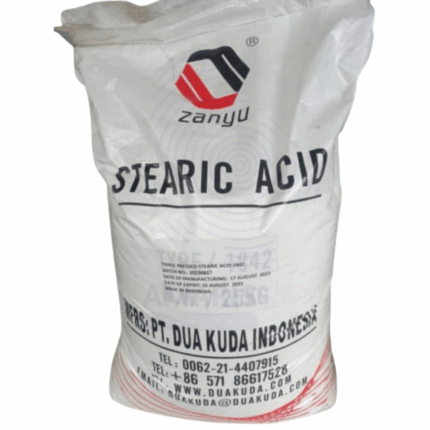
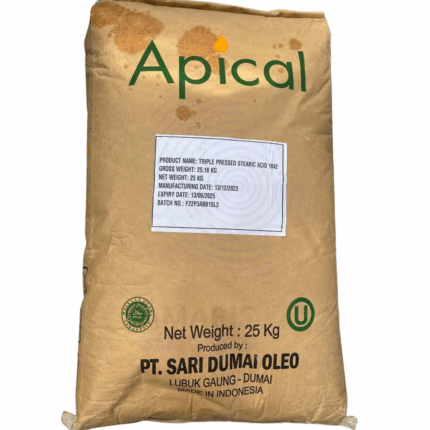
Stearic Acid
Stearic Acid is a saturated long-chain fatty acid, appearing as a white, waxy solid with a mild, characteristic odor. It is a naturally occurring substance found in animal and vegetable fats and oils. As one of the most common fatty acids, it is a fundamental building block in the manufacture of a vast array of consumer and industrial products. Its key functions include use as a lubricant, softener, thickener, and emulsifier, making it an indispensable ingredient in industries ranging from plastics and rubber to cosmetics and food.
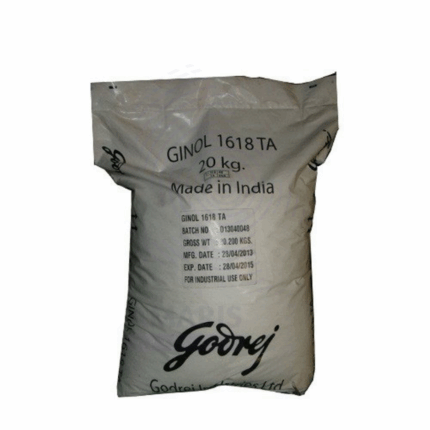
Stearyl Alcohol
Stearyl Alcohol is a high-purity, long-chain fatty alcohol derived from natural fats and oils. It is widely used across various industries due to its emulsifying, thickening, and lubricating properties. In industrial and cosmetic formulations, it functions as a non-ionic surfactant, emollient, and viscosity modifier. The 98% purity ensures consistent performance in applications requiring high-grade material.
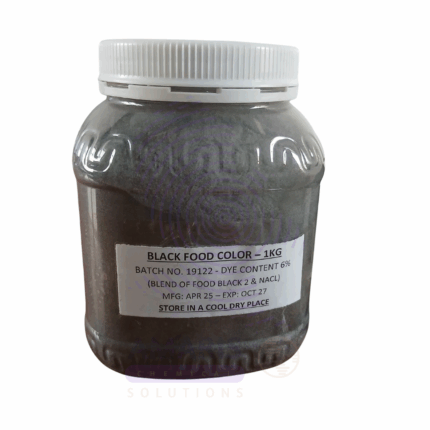
Black Color Water Soluble
Black Color Water Soluble is a synthetic dye known for its excellent water solubility and intense black coloration. It is widely used in textile dyeing, leather processing, cosmetics, food and beverage coloring, pharmaceutical applications, paints, and laboratory uses. This dye offers good stability across various pH ranges and ensures consistent, uniform color in aqueous systems. Its versatility makes it essential in many industrial, scientific, and commercial applications.
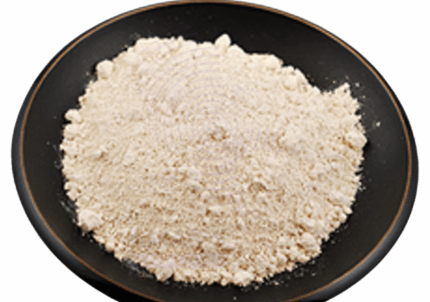
Silk Proteins
Silk Proteins are hydrolyzed proteins derived from natural silk fibers, typically composed of fibroin and sericin. They are water-soluble, bioactive compounds known for their excellent film-forming, moisture-retaining, and conditioning properties. Silk proteins are widely used in cosmetics, personal care products, pharmaceuticals, and textiles due to their biocompatibility, smooth texture, and ability to penetrate and protect surfaces like skin, hair, and fabric.
Silver Sulphadiazine USP
Silver Sulphadiazine USP is a topical antimicrobial agent used primarily in the treatment and prevention of infections in burn wounds and other skin injuries. It combines the broad-spectrum antibacterial effects of silver ions with the antimicrobial properties of sulphadiazine, a sulfonamide antibiotic. This combination helps to prevent bacterial colonization and promotes healing by reducing the risk of infection. Silver Sulphadiazine is widely used in clinical and hospital settings and is available as a cream or ointment formulation meeting United States Pharmacopeia (USP) standards for purity and quality.
Simethicone USP
Simethicone USP is a silicon-based surfactant used primarily as an anti-foaming and anti-gas agent in pharmaceutical and food industries. It works by reducing the surface tension of gas bubbles, causing them to coalesce and be expelled more easily from the digestive tract. This non-toxic, inert compound is widely used in formulations to relieve bloating, discomfort, and flatulence caused by excess gas. The “USP 28” grade signifies compliance with the United States Pharmacopeia standards, ensuring high purity and quality for medical and food applications.

Simethicone Emulsion
Simethicone Emulsion is a medical-grade, anti-foaming agent composed of polydimethylsiloxane and silicon dioxide in an emulsified form. Designed to reduce gas bubbles in the gastrointestinal tract, it provides rapid relief from bloating and discomfort. The emulsion formulation enhances bioavailability and mixing with bodily fluids.
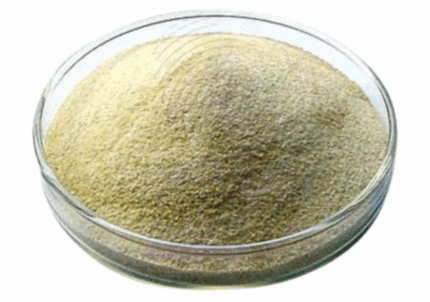
Sodium Aliginate
Sodium Aliginate is a natural polysaccharide extracted from brown seaweed. It appears as a white to yellowish powder that is odorless and tasteless. It is highly soluble in cold water, forming viscous solutions and gels. Sodium alginate is widely used in the food, pharmaceutical, textile, and cosmetic industries due to its excellent thickening, gelling, stabilizing, and film-forming properties. It acts as a natural hydrocolloid and is valued for its biocompatibility and biodegradability.

Sodium Ascorbate USP
Sodium Ascorbate USP is a sodium salt of ascorbic acid (Vitamin C) that appears as a white to slightly yellow crystalline powder. It is widely used as an antioxidant and nutritional supplement due to its excellent water solubility and lower acidity compared to pure ascorbic acid. This compound helps prevent oxidation in food and pharmaceutical products and supports human health by boosting the immune system. It meets USP (United States Pharmacopeia) standards for purity and quality, making it suitable for pharmaceutical, food, and cosmetic applications.
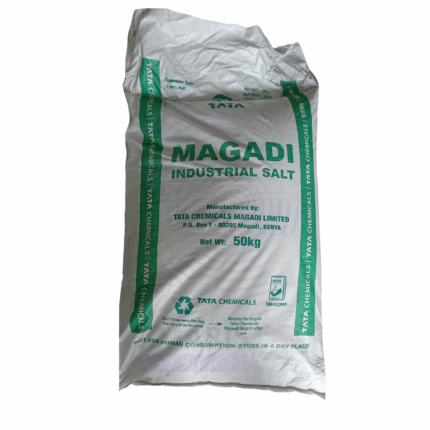
Sodium Chloride (Industrial Salt)
Sodium Chloride (Industrial Salt) is a highly purified, sterile, and non-pyrogenic salt intended for intravenous, intramuscular, and subcutaneous administration. It is commonly used in medical and pharmaceutical settings as a key component of intravenous fluids, for rehydration therapy, electrolyte replenishment, and as a diluent for injectable drugs. This grade meets stringent pharmacopoeial standards (British Pharmacopoeia) ensuring safety and compatibility with parenteral use.
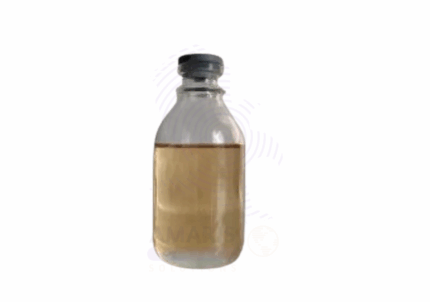
Amphoteric Surfactants
Amphoteric surfactants are unique surface-active agents that can act as either anionic or cationic surfactants depending on the pH of the solution. These molecules contain both acidic (carboxyl or sulfonic) and basic (amine or quaternary ammonium) functional groups, giving them high versatility, mildness, and compatibility with other surfactants. Amphoteric surfactants are widely used in personal care, household cleaning, industrial applications, pharmaceuticals, and specialty formulations where low irritation and effective cleansing are critical. Common examples include Cocamidopropyl Betaine and Lauryl Betaine.
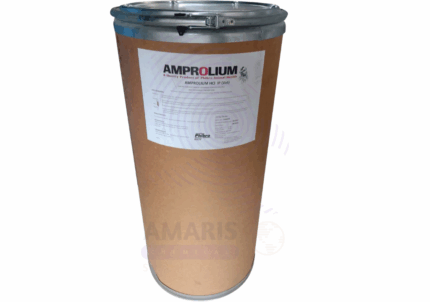
Amprolium Hydrochloride
Amprolium Hydrochloride is a white, odorless, crystalline powder used primarily as a coccidiostat, which means it inhibits the growth of Eimeria species (protozoan parasites) responsible for coccidiosis in poultry and other animals. It works by mimicking thiamine (vitamin B1), thereby competitively inhibiting thiamine uptake by the parasite, disrupting its metabolism, and preventing its proliferation. Amprolium HCl is widely used in veterinary medicine, especially in poultry farming, and is often included in feed or drinking water. It complies with BP 2008 and USP 32 pharmacopeial standards.
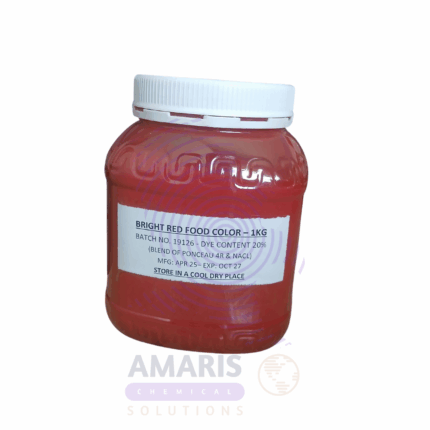
Bright Red Color Water Soluble
Bright Red Color Water Soluble is a synthetic water-soluble dye known for its vivid, intense red hue and excellent clarity in aqueous solutions. It dissolves readily in water, offering uniform dispersion and strong colorfastness across a wide pH range. This dye is widely used in textile dyeing, food and beverage coloring, cosmetics, pharmaceuticals, paints, and laboratory settings. Its chemical stability and bright coloration make it suitable for industrial, research, and commercial applications requiring reliable red pigmentation in water-based systems.
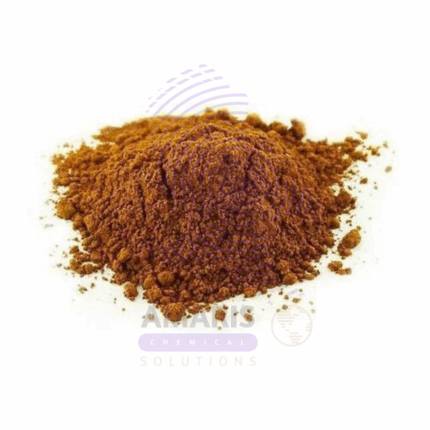
Bismark
Bismark is a synthetic water-soluble dye known for its intense dark blue to black coloration, widely used in textile dyeing, printing, and laboratory applications. It provides excellent colorfastness, brightness, and uniform dispersion in aqueous systems. This dye is favored for its stability across a broad pH range and its strong affinity for protein and synthetic fibers, making it valuable in industrial, cosmetic, pharmaceutical, and research settings.
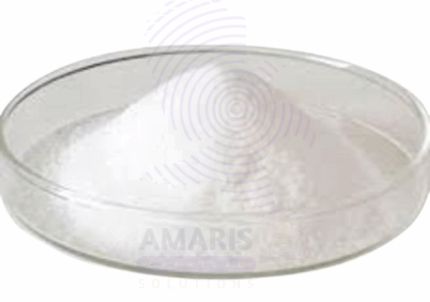
Atropine Sulphate
Atropine Sulphate is a crystalline, water-soluble alkaloid salt derived from the belladonna plant (Atropa belladonna) and other Solanaceae family members. It is a tropane alkaloid with potent anticholinergic properties, widely used in medicine for its ability to block muscarinic acetylcholine receptors. Atropine Sulphate is employed in ophthalmology, emergency medicine, and anesthesia for its effects on the eyes, heart, and smooth muscles. It acts by inhibiting parasympathetic nerve impulses, resulting in pupil dilation, increased heart rate, and reduced gland secretions.
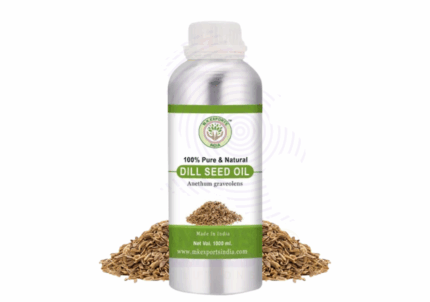
Dill Seed Oil Terpeneless
Dill Seed Oil Terpeneless is a refined essential oil obtained by steam distillation of the seeds of Anethum graveolens, with terpenes removed to reduce its sharpness and volatility. It has a mild, sweet, herbaceous aroma with faint spicy undertones. This oil is prized for its improved stability, softer fragrance profile, and enhanced suitability in cosmetic, pharmaceutical, and cleaning applications. Traditionally used for digestive support and antimicrobial properties, dill seed oil terpeneless is incorporated in natural personal care products, aromatherapy, and household formulations.
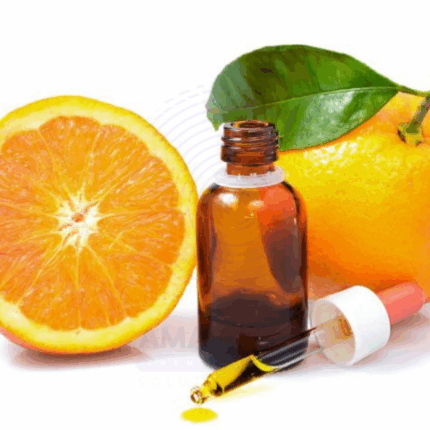
Orange Oil
Orange Oil is a natural essential oil extracted by cold pressing the rind of sweet oranges (Citrus sinensis). It is prized for its fresh, sweet, and citrusy aroma, widely used in aromatherapy, perfumery, flavoring, and cleaning products. Rich in limonene, a powerful antioxidant and natural solvent, Orange Oil offers antimicrobial, anti-inflammatory, and mood-enhancing properties. Its versatility makes it a popular ingredient in cosmetics, personal care, pharmaceuticals, food flavorings, and environmentally friendly cleaning formulations.












