

 Preservatives(food)
 Flavors
 Acidulants
 Sweeteners
 Antioxidants
 Colorants(food)
 Nutraceutical Ingredients (food)
 Nutrient Supplements
 Emulsifiers
 Collectors
 Dust Suppressants
 Explosives and Blasting Agents
 Flocculants and Coagulants
 Frothers
 Leaching Agents
 pH Modifiers
 Precious Metal Extraction Agents
 Antioxidants(plastic)
 Colorants (Pigments, Dyes)
 Fillers and Reinforcements
 Flame Retardants
 Monomers
 Plasticizers
 Polymerization Initiators
 Stabilizers (UV, Heat)
 Antifoaming Agents
 Chelating Agents
 Coagulants and Flocculants
 Corrosion Inhibitors
 Disinfectants and Biocides
 Oxidizing Agents
 pH Adjusters
 Scale Inhibitors( water)
 Antioxidants(cosmetic)
 Emollients
 Oils
Oils Carrier Oills
 Essential Oils
 Humectants
 Preservatives
 Surfactants(cosmetic)
 Thickeners
 UV Filters
 Fragrance (Cosmetics)
 Fertilizers
 Soil Conditioners
 Plant Growth Regulators
 Animal Feed Additives
 Biostimulants
 Pesticides (Herbicides, Insecticides, Fungicides)
 Active Pharmaceutical Ingredients (APIs)
 Excipients
 Solvents(pharmaceutical)
 Antibiotics
 Antiseptics and Disinfectants
 Vaccine Adjuvants
 Nutraceutical Ingredients (pharmaceutical)
 Analgesics & Antipyretics
 Analytical Reagents
 Solvents(lab)
 Chromatography Chemicals
 Spectroscopy Reagents
 microbiology-and-cell-culture-reagents
 Molecular Biology Reagents
 Biochemical Reagents
 Inorganic and Organic Standards
 Laboratory Safety Chemicals
 Specialty Laboratory Chemicals(Special Laboratory Equipment)
 Demulsifiers
 Hydraulic Fracturing Fluids
 Scale Inhibitors(oil)
 Surfactants(oil)
 Drilling Fluids
 Dyes and Pigments
 Bleaching Agents
 Softening Agents
 Finishing Agents
 Antistatic Agents
 Admixtures
 Waterproofing Agents
 Sealants and Adhesives
 Curing Compounds
 Concrete Repair Chemicals
 Anti-Corrosion Coatings
 Surfactants(cleaning)
 Builders
 Enzymes
 Solvents (Cleaning)
 Electronic Chemicals
 Catalysts
 Lubricants
 Photographic Chemicals
 Refrigerants
 Automotive chemicals
 Pyrotechnic Chemicals
 Biodegradable Surfactants
 Bio-based Solvents
 Renewable Polymers
 Carbon Capture Chemicals
 Wastewater Treatment Chemicals
 Pigments
 Solvents(paint)
 Specialty Coatings
 Binders/Resins
 Additives
 Driers
 Anti-Corrosion Agents
 Functional Coatings
 Application-Specific Coatings
 Leavening Agents
 Dough Conditioners
 Flour Treatments
 Fat Replacers
 Decoratives
 Preservatives(baking)
 Plasticizers & Softeners
 Reinforcing Agents
 Adhesion Promoters
 Vulcanizing Agents
 Antidegradants
 Blowing Agents
 Fillers & Extenders
 Accelerators & Retarders
















Cosmetic and personal care chemicals are ingredients used in products like skincare, haircare, makeup, and hygiene items to enhance appearance, cleanse, or protect the body. These include emulsifiers, preservatives, fragrances, surfactants, and active compounds like vitamins or sunscreens. While many are safe, some synthetic chemicals (e.g., parabens, sulfates, or phthalates) have raised health and environmental concerns, leading to a growing demand for natural or organic alternatives. Regulations ensure safety, but ingredient transparency remains a key consumer priority.
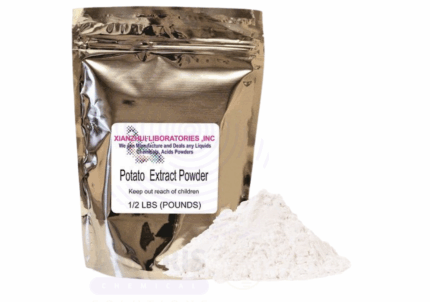
African Potato Extract
African Potato Extract is derived from the plant Hypoxis hemerocallidea, a medicinal plant native to southern Africa. It is commonly used in traditional African medicine for its anti-inflammatory, antioxidant, and immune-boosting properties. The active compound in the extract is hypoxoside, which is converted in the body to rooperol, a potent antioxidant. African Potato Extract is often used as a complementary treatment for conditions like arthritis, prostate issues, and certain infections, though scientific evidence on its effectiveness is still limited.
Almond Wax
Almond Wax is a plant-based wax derived from almond oil, typically used in cosmetics and skincare products. It is known for its emollient (moisturizing) properties, helping to soften and smooth the skin. Almond wax is rich in fatty acids and vitamin E, making it suitable for sensitive or dry skin. It is often used as a natural alternative to synthetic waxes in formulations like lip balms, creams, and lotions. Additionally, it provides a smooth texture and helps to stabilize emulsions in skincare products.
Aloe Vera Fragrance Oil
Aloe Vera Fragrance Oil is a synthetic fragrance blend that captures the fresh, clean, and soothing aroma of natural aloe vera. It is widely used to enhance the sensory appeal of cosmetic, personal care, and household products. The oil is concentrated, stable, and compatible with various formulations such as lotions, creams, soaps, and air fresheners, providing a calming and revitalizing fragrance experience.
Aloe Vera Gel
Aloe Vera Gel is a clear, jelly-like substance extracted from the inner leaf of the Aloe vera plant. It is widely used in skincare for its soothing, hydrating, and healing properties. Rich in vitamins (especially A, C, and E), enzymes, and amino acids, Aloe Vera Gel is commonly applied to treat sunburns, minor cuts, skin irritation, and dryness. It also has mild anti-inflammatory and antibacterial effects, making it a popular natural remedy in both cosmetic and medicinal products.
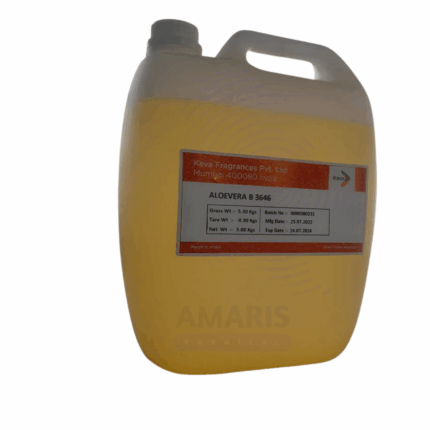
Aloe Vera Water Soluble Fragrance
Aloe Vera Water Soluble Fragrance is a gentle, refreshing aromatic compound designed to replicate the clean, green scent of aloe vera while offering excellent solubility in water-based formulations. It is ideal for use in cosmetic, personal care, household, and industrial applications where a subtle, calming, and naturally-inspired fragrance is desired. This fragrance oil is specifically formulated to maintain clarity and uniformity in water-based systems, ensuring a consistent scent release and superior performance in both rinse-off and leave-on products.
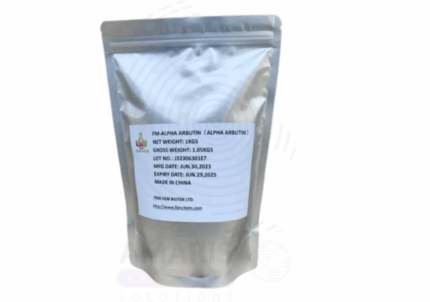
Alpha Arbutin
Alpha Arbutin is a biosynthetic active ingredient derived from hydroquinone and glucose. It is widely used in cosmetic and skincare formulations for its skin-brightening and spot-reducing properties. Alpha Arbutin inhibits tyrosinase, an enzyme involved in melanin production, thereby helping to reduce pigmentation, dark spots, and uneven skin tone. It is more stable and effective than its beta counterpart and is suitable for all skin types, including sensitive skin.
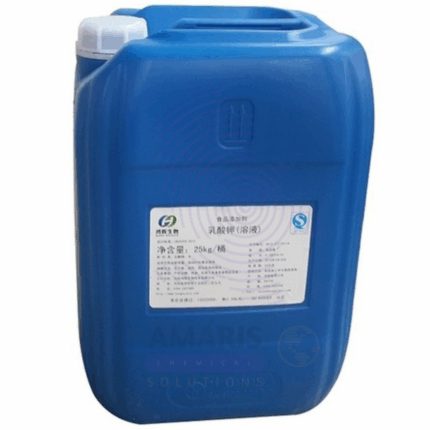
Ammonium Lactate
Ammonium Lactate is the ammonium salt of lactic acid, appearing as a clear, hygroscopic liquid or syrupy solution. It is widely used in pharmaceutical, cosmetic, and food industries primarily for its moisturizing, pH adjusting, and antimicrobial properties. In topical formulations, it acts as a keratolytic agent to help exfoliate and hydrate skin, making it popular in treatments for dry, scaly, or ichthyotic skin conditions. Its biocompatibility and mild acidic nature make it a versatile ingredient in various industrial and personal care products.
Amphoteric Surfactants
Amphoteric surfactants are unique surface-active agents that can act as either anionic or cationic surfactants depending on the pH of the solution. These molecules contain both acidic (carboxyl or sulfonic) and basic (amine or quaternary ammonium) functional groups, giving them high versatility, mildness, and compatibility with other surfactants. Amphoteric surfactants are widely used in personal care, household cleaning, industrial applications, pharmaceuticals, and specialty formulations where low irritation and effective cleansing are critical. Common examples include Cocamidopropyl Betaine and Lauryl Betaine.
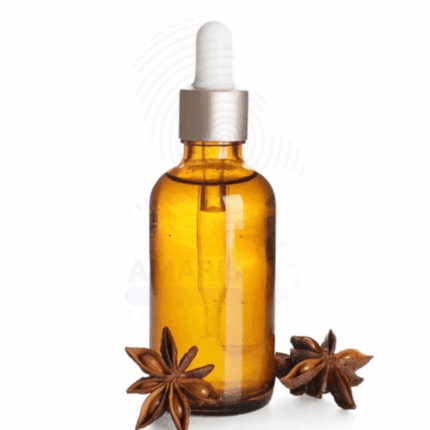
Aniseed Oil
Aniseed Oil is a natural essential oil extracted through steam distillation from the dried seeds of the anise plant (Pimpinella anisum). It is rich in anethole, which imparts a sweet, licorice-like aroma and taste. This oil is widely used in flavoring, perfumery, aromatherapy, and traditional medicine. Aniseed Oil possesses antimicrobial, antifungal, and carminative properties, making it valuable in both personal care and pharmaceutical applications. It blends well with other essential oils like fennel, clove, and cinnamon, and is commonly incorporated into oral care products, cough syrups, and digestive tonics.
Its highly concentrated aromatic profile and volatility make it effective even at low usage rates. With both functional and aromatic benefits, Aniseed Oil remains a versatile and in-demand natural extract across various industries.
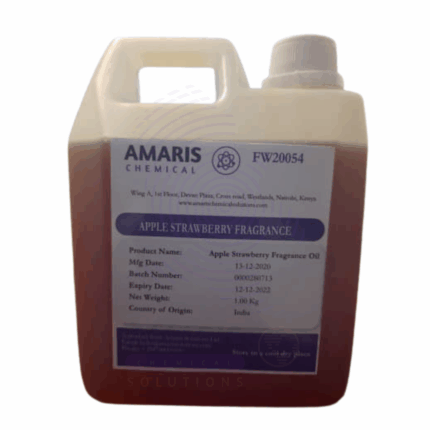
Apple Strawberry Fragrance Oil
Apple Strawberry Fragrance Oil is a concentrated synthetic fragrance blend that combines the fresh, sweet aroma of ripe apples with the juicy, vibrant scent of strawberries. This fragrance oil is designed for use in cosmetic, personal care, and household products, enhancing their sensory appeal. It offers excellent stability and compatibility with various formulations including lotions, soaps, candles, and air fresheners, providing a refreshing and fruity fragrance experience.
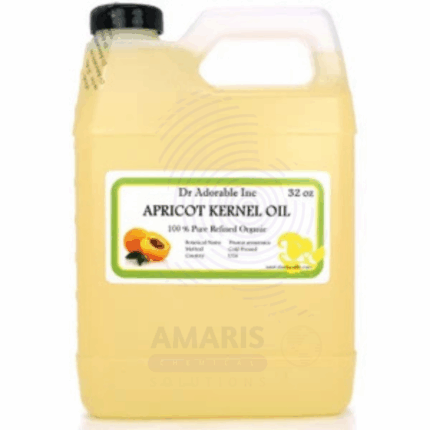
Apricot Fragrance Oil
Apricot Fragrance Oil is a concentrated synthetic blend designed to replicate the sweet, mellow, and slightly tangy scent of fresh apricots. This versatile fragrance oil is widely used in the cosmetic, personal care, and home care industries for its comforting and fruity aroma. It offers excellent scent retention and formulation compatibility across oil- and alcohol-based systems. With its warm, inviting character, Apricot Fragrance Oil enhances the sensory experience in a wide variety of end products, from skin care to environmental fragrance.
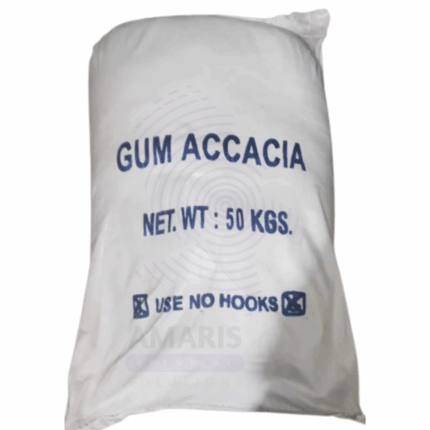
Arabic Gum
Arabic Gum, also known as Gum Acacia, is a natural gum harvested from the sap of Acacia trees, primarily Acacia senegal and Acacia seyal. It is a complex mixture of polysaccharides and glycoproteins, valued for its excellent emulsifying, stabilizing, and thickening properties. Arabic Gum is water-soluble, forms clear solutions, and is widely used in the food industry as a stabilizer and emulsifier. Additionally, it finds applications in pharmaceuticals, cosmetics, and printing industries due to its biodegradability, non-toxicity, and versatility.
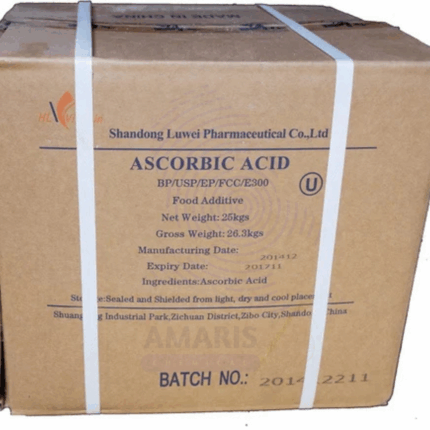
Ascorbic Acid
Ascorbic Acid, commonly known as Vitamin C, is a water-soluble vitamin and potent antioxidant essential for collagen synthesis, immune function, and protection against oxidative stress. It is widely used as a nutritional supplement, food preservative, and additive to enhance shelf life and nutritional value. Naturally present in citrus fruits and various vegetables, ascorbic acid is also important in pharmaceutical, cosmetic, and animal feed industries due to its health benefits and preservative qualities.
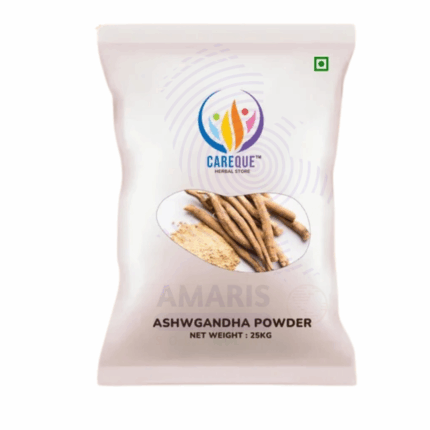
Ashawaganha Powder
Ashawaganha Powder is derived from the dried roots of Withania somnifera, a renowned herb in Ayurvedic and traditional medicine systems. Known as Indian ginseng or winter cherry, Ashwagandha is valued for its adaptogenic properties, helping the body combat stress, enhance vitality, and support overall wellness. The powder is finely ground root material, rich in bioactive compounds such as withanolides, alkaloids, and steroidal lactones. It is widely used as a dietary supplement, in herbal formulations, cosmetics, and traditional medicine.
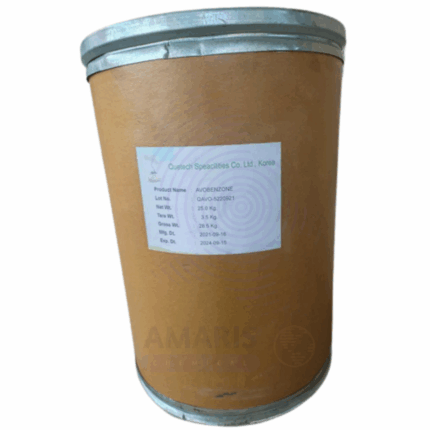
Avobenzone
Avobenzone (chemical name: Butyl Methoxydibenzoylmethane) is an oil-soluble organic compound widely used as a UVA filter in sunscreen formulations. It is valued for its ability to absorb a broad spectrum of ultraviolet A (UVA) rays (320–400 nm), protecting the skin from premature aging and damage caused by sun exposure. Avobenzone is often combined with other UV filters to provide broad-spectrum sun protection. It is a pale yellow liquid or crystalline powder, soluble in oils and alcohols but unstable in sunlight unless stabilized with other agents.
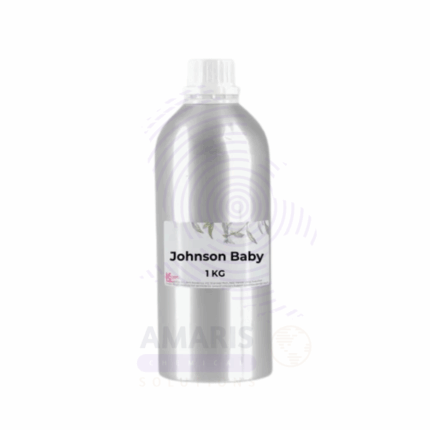
Baby Johnson Fragrance Oil
Baby Johnson Fragrance Oil is a delicate, powdery fragrance blend designed to replicate the soothing and familiar scent associated with traditional baby care products. It features soft floral, musk, and aldehydic notes that evoke a sense of cleanliness and comfort. This fragrance oil is highly stable in a wide range of formulations and offers excellent scent retention, making it ideal for personal care, household, and industrial fragrance applications. Its gentle scent profile is especially favored in products targeting sensitive users and infant care segments.
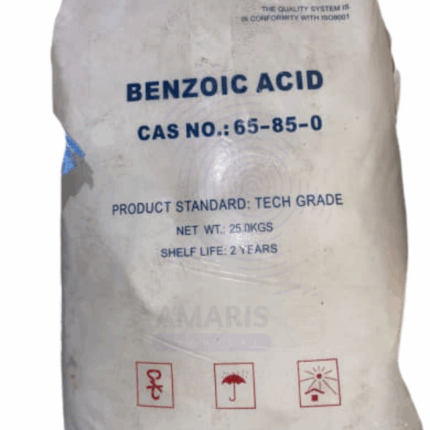
Benzoic Acid
Benzoic Acid is a white crystalline solid with a faint, pleasant odor, classified as a simple aromatic carboxylic acid. It is widely used as a food preservative, antimicrobial agent, and chemical intermediate. Naturally occurring in many plants, it is commercially produced through oxidation of toluene or extraction from natural sources. Benzoic acid is valued for its ability to inhibit the growth of mold, yeast, and certain bacteria, making it essential in food preservation and cosmetic formulations. It also serves as a precursor in the manufacture of various pharmaceuticals, dyes, and plasticizers.
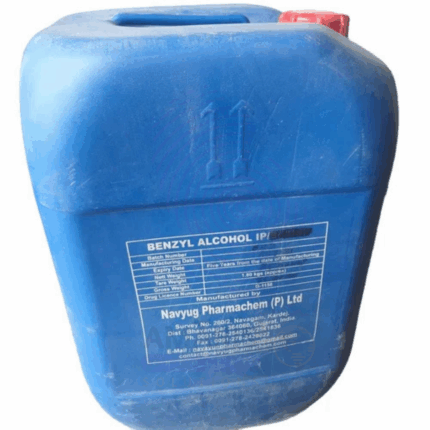
Benzyl Alcohol
Benzyl Alcohol is an aromatic alcohol with a mild pleasant odor and clear, colorless liquid appearance. It serves as a versatile solvent, preservative, and intermediate in chemical synthesis. Benzyl Alcohol is widely used across pharmaceuticals, cosmetics, paints, coatings, and as a bacteriostatic agent in injectable drugs. Its relatively low toxicity and good solvent properties make it valuable in both industrial and consumer products.
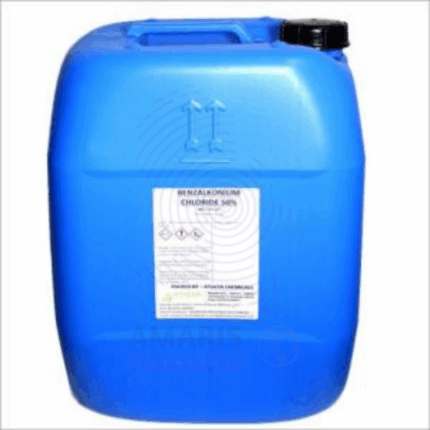
Benzyl Konium Chloride
Benzyl Konium Chloride (BAC) 50% is a quaternary ammonium compound with potent antimicrobial and disinfectant properties. It is a cationic surfactant widely used for its bactericidal, fungicidal, and virucidal effects. This clear to pale yellow liquid concentrate is highly soluble in water and is commonly used in healthcare, sanitation, and industrial hygiene applications. BAC 50% solutions serve as active ingredients in disinfectants, sanitizers, and antiseptics due to their effectiveness against a broad spectrum of microorganisms.
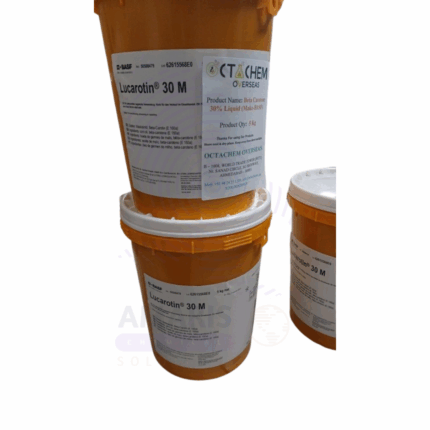
Beta Carotene
Beta Carotene is a concentrated formulation of beta carotene, a naturally occurring red-orange pigment found in plants and fruits. It is a precursor to vitamin A and a potent antioxidant that helps protect cells from oxidative damage. This product, typically suspended in an oil base or suitable carrier, is widely used as a natural colorant, nutritional supplement, and cosmetic ingredient. Beta Carotene 30% SUN offers enhanced stability under sunlight exposure, making it ideal for food, feed, and cosmetic applications where light stability is critical.
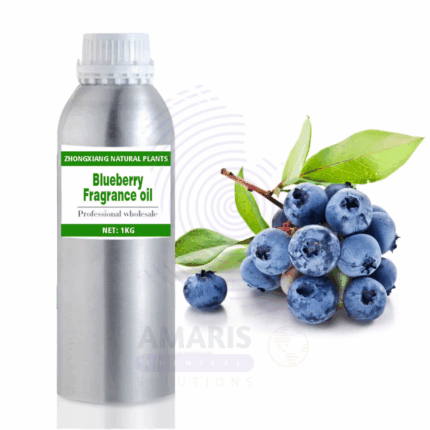
Blue Berry Fragrance Oil
Blue Berry Fragrance Oil is a richly aromatic, sweet, and juicy scent capturing the natural essence of fresh blueberries. This oil-soluble fragrance is designed to bring a vibrant, fruity, and slightly tart aroma to a variety of personal care, cosmetic, and specialty products. It offers excellent stability and diffusion in formulations such as lotions, candles, soaps, and bath products, enhancing them with a fresh and lively blueberry scent that evokes a sense of freshness and vitality.
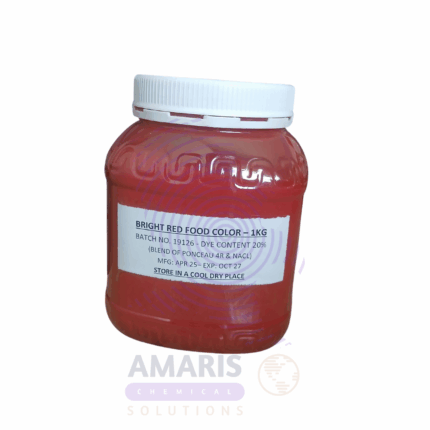
Bright Red Color Water Soluble
Bright Red Color Water Soluble is a synthetic water-soluble dye known for its vivid, intense red hue and excellent clarity in aqueous solutions. It dissolves readily in water, offering uniform dispersion and strong colorfastness across a wide pH range. This dye is widely used in textile dyeing, food and beverage coloring, cosmetics, pharmaceuticals, paints, and laboratory settings. Its chemical stability and bright coloration make it suitable for industrial, research, and commercial applications requiring reliable red pigmentation in water-based systems.
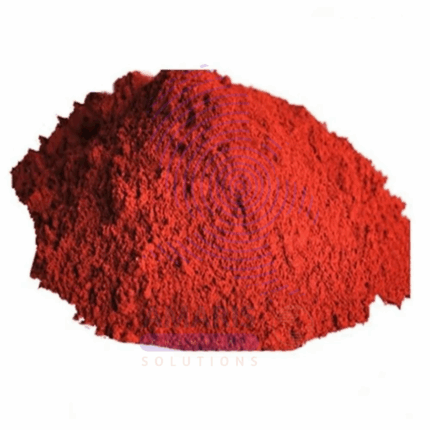
Bright Red Dye
Bright Red Dye is a high-strength, water-soluble synthetic dye solution designed for vibrant red coloration across various industrial and consumer products. With 20% active dye content, it offers excellent color intensity, easy dispersibility, and compatibility with a wide range of aqueous systems. This versatile dye is widely used in textiles, paper, personal care products, and household cleaning formulations.
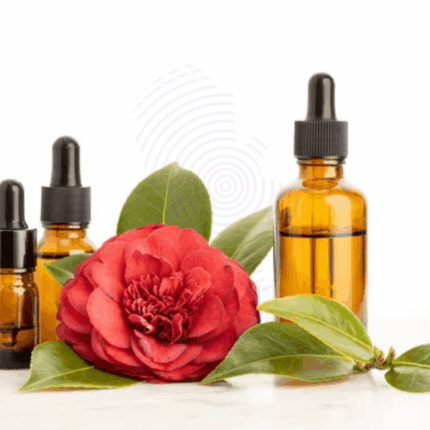
Camelia Oil Infused
Camelia Oil Infused is a gentle, nutrient-rich botanical oil made by infusing the flowers or leaves of the Camellia sinensis or Camellia japonica plant into a carrier oil such as olive, jojoba, or sweet almond oil. Unlike cold-pressed camellia seed oil, this infusion captures a wider spectrum of antioxidant polyphenols, flavonoids, and saponins from the plant material, delivering enhanced skin and hair benefits. Known for its lightweight, non-greasy texture and rapid absorption, Camellia Infused Oil is deeply moisturizing and ideal for sensitive, dry, or aging skin.
Popular in Japanese and Korean beauty traditions, this oil is often used to promote skin elasticity, smoothness, and overall rejuvenation, making it a preferred ingredient in natural cosmetic and personal care products.
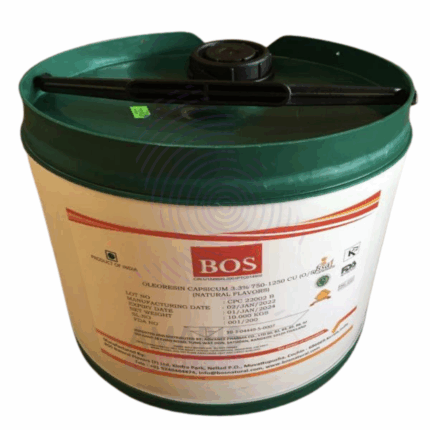
Capsicum Oleoresin Liquid
Capsicum Oleoresin Liquid is a concentrated extract derived from the dried fruits of Capsicum annuum or Capsicum frutescens (chili peppers). It is a dark red to brownish oily liquid containing approximately 8% capsaicinoids—primarily capsaicin and dihydrocapsaicin—which are the primary pungent components. This oleoresin is widely used for its flavoring, coloring, medicinal, and irritant properties in the food, pharmaceutical, veterinary, and defense industries. It is produced by solvent extraction followed by standardization to achieve consistent pungency levels. The product is highly potent and must be handled with care due to its intense irritant nature.
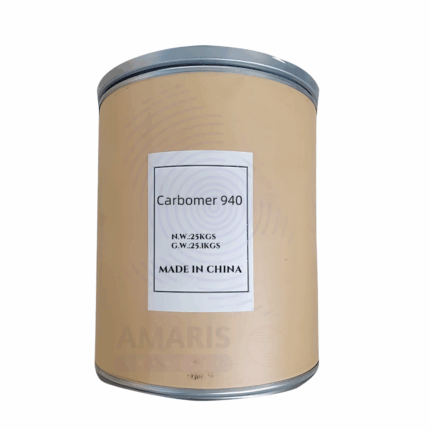
Carbomer
Carbomer is a high molecular weight, crosslinked polyacrylic acid polymer used primarily as a rheology modifier, thickening agent, and suspension stabilizer. Supplied as a fluffy white powder, it exhibits high viscosity and excellent clarity when neutralized and dispersed in water or alcohol-water systems. Carbomer 940 is widely valued for its ability to form clear gels, control flow properties, and stabilize emulsions. It is commonly used in cosmetics, personal care, pharmaceuticals, and household formulations due to its consistency, compatibility, and efficient thickening performance at low concentrations.
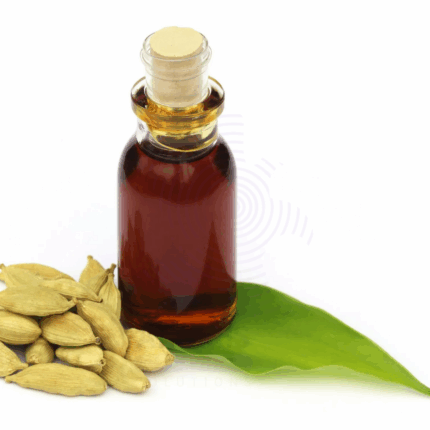
Cardamon Oil
Cardamon Oil is a premium essential oil steam-distilled from the seeds of Elettaria cardamomum, a plant native to India and Sri Lanka and widely cultivated across tropical regions. It carries a warm, spicy-sweet aroma with hints of eucalyptus and citrus, and ranges from colorless to pale yellow in appearance. Known for its digestive, antiseptic, expectorant, and uplifting qualities, it is valued in aromatherapy, perfumery, cosmetics, pharmaceuticals, and food applications.
Rich in compounds like cineole (1,8-cineole), α-terpineol, and linalyl acetate, Cardamom Oil provides both flavor and therapeutic effects, making it a versatile ingredient across several industries.
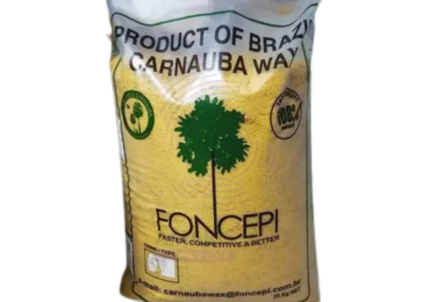
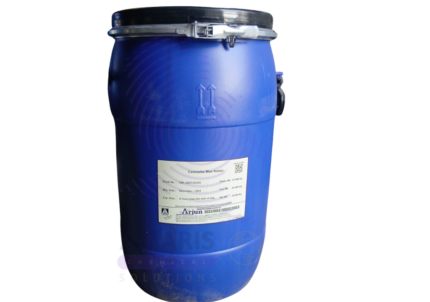
Carnauba Wax Prime Yellow
Carnauba Wax Prime Yellow, also known as Type 1 or Prime Yellow Grade, is the highest quality and purest form of carnauba wax derived from the leaves of the Copernicia cerifera palm tree, native to Brazil. It is a natural, vegetable-based wax prized for its exceptional hardness, high gloss, high melting point, and emulsification properties. Prime Yellow grade represents the finest classification, characterized by its light yellow to pale amber color, low impurities, and superior film-forming characteristics. It is obtained through a meticulous process of harvesting, drying, and processing the palm leaves to extract the waxy coating, which is then refined and graded. Carnauba Wax is often referred to as the "Queen of Waxes" due to its unique combination of properties unmatched by synthetic alternatives. Technical grade Carnauba Wax Prime Yellow is used across numerous industries for its ability to impart gloss, hardness, slip resistance, and moisture barrier properties. It is not intended for direct food consumption but is widely used in food-contact applications such as coatings and packaging.
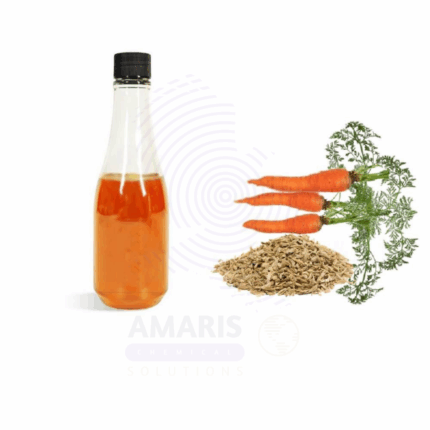
Carrot Seed Oil
Carrot Seed Oil is a highly concentrated essential oil extracted via steam distillation from the dried seeds of the wild carrot plant (Daucus carota). It should not be confused with carrot carrier oil (infused from the root). Carrot Seed Oil is rich in carotol, a key component contributing to its antioxidant, antifungal, and anti-aging effects. The oil is pale yellow to amber-colored and has a warm, earthy, herbaceous aroma.
Widely recognized for its skin-rejuvenating and detoxifying benefits, Carrot Seed Oil is a staple in cosmetic formulations, particularly for mature or sun-damaged skin. It also finds use in pharmaceuticals and aromatherapy, supporting liver function, immunity, and cell regeneration. Due to its potency, it is typically used in diluted concentrations or synergistic blends.
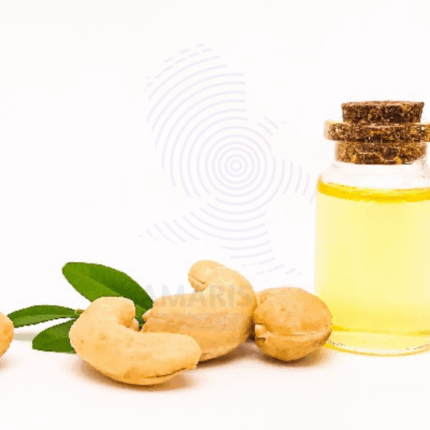
Cashew Nut Oil
Cashew Nut Oil is a light, golden to pale yellow oil extracted from the kernels of the cashew tree (Anacardium occidentale), native to tropical regions such as Brazil, India, and parts of Africa. The oil is obtained through cold-pressing or solvent extraction methods and is known for its emollient, antioxidant, and skin-conditioning properties.
Rich in oleic, linoleic, and palmitic acids, as well as vitamin E, phytosterols, and phenolic compounds, Cashew Nut Oil is used extensively in cosmetic and personal care applications, as well as in certain food and pharmaceutical formulations. Its light texture and high skin compatibility make it ideal for dry and sensitive skin, while its nutritive properties contribute to hair and scalp health.
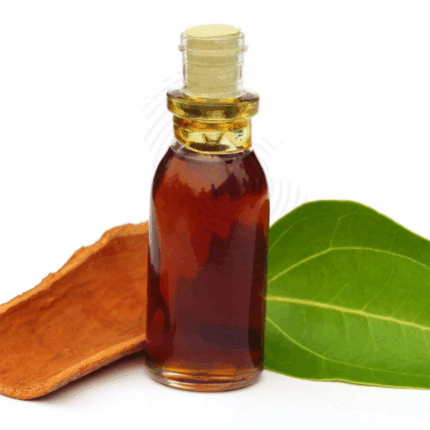
Cassia Oil
Cassia Oil is a potent essential oil steam-distilled from the bark of Cinnamomum cassia, commonly known as Chinese cinnamon. It carries a strong, spicy, and warm aroma similar to true cinnamon but is more pungent and intense. Its reddish-brown to yellow appearance and high cinnamaldehyde content give it powerful antimicrobial, antifungal, and warming properties. Cassia Oil is used across various industries including food flavoring, pharmaceuticals, cosmetics, aromatherapy, and household products. Due to its strength, it is typically used in diluted concentrations.
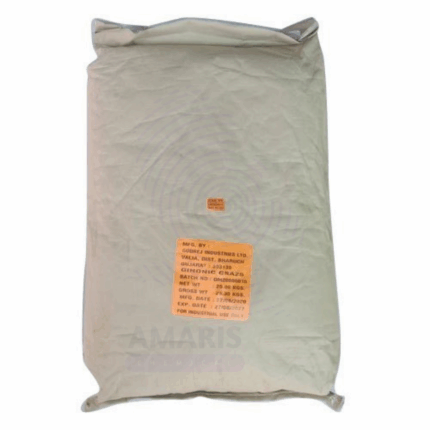
Ceteareth 20 Ginonic
Ceteareth 20 Ginonic CSA 20 is a nonionic surfactant and emulsifier derived from the ethoxylation of cetearyl alcohol, incorporating approximately 20 ethylene oxide units per molecule. It appears as a white to off-white waxy solid or viscous liquid, depending on temperature and formulation. This emulsifier is widely used in cosmetic, pharmaceutical, and industrial formulations for its excellent ability to stabilize oil-in-water emulsions, improve texture, and enhance the sensory properties of finished products. Its high hydrophilic-lipophilic balance (HLB) makes it especially effective in forming stable emulsions and solubilizing lipophilic ingredients in aqueous phases. Ceteareth 20 is valued for its mildness, broad compatibility, and multifunctional performance.
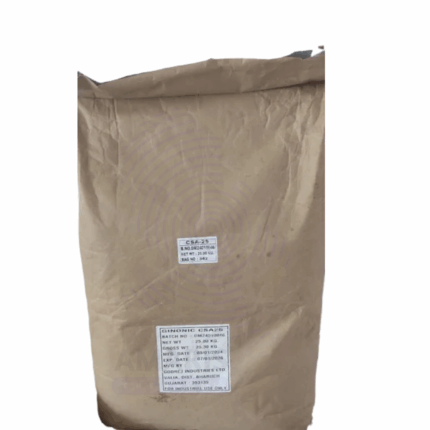
Ceteareth 25 Ginonic
Ceteareth 25 Ginonic CSA 25 is a nonionic surfactant and emulsifier derived from the ethoxylation of cetearyl alcohol, incorporating approximately 20 ethylene oxide units per molecule. It appears as a white to off-white waxy solid or viscous liquid, depending on temperature and formulation. This emulsifier is widely used in cosmetic, pharmaceutical, and industrial formulations for its excellent ability to stabilize oil-in-water emulsions, improve texture, and enhance the sensory properties of finished products. Its high hydrophilic-lipophilic balance (HLB) makes it especially effective in forming stable emulsions and solubilizing lipophilic ingredients in aqueous phases. Ceteareth 20 is valued for its mildness, broad compatibility, and multifunctional performance.
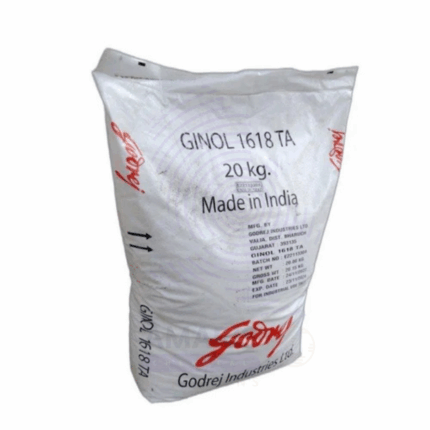
Ceto Stearyl Alcohol
Ceto Stearyl Alcohol 1618TA is a high-quality fatty alcohol blend primarily composed of cetyl (C16) and stearyl (C18) alcohols. It appears as a white, waxy solid or flakes with a mild fatty odor. This blend is widely used as an emollient, thickener, and co-emulsifier in cosmetic, pharmaceutical, and industrial formulations. Ceto Stearyl Alcohol 1618TA offers excellent lubricity, thickening, and stabilizing properties, enhancing the texture, consistency, and moisturizing characteristics of creams, lotions, and hair care products. It serves as a skin conditioning agent and contributes to the structural integrity of emulsions.
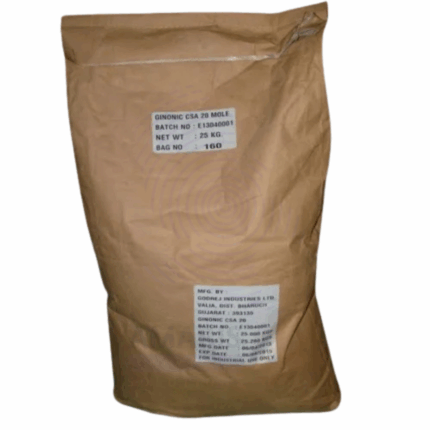
Cetomacrogel 1000BP
Cetomacrogel 1000BP is a high molecular weight polyethylene glycol (PEG) derivative, typically used as a thickening agent, emulsifier, and stabilizer in pharmaceutical and cosmetic formulations. It appears as a white to off-white, waxy solid or flakes with a neutral odor. Known for its excellent water solubility and compatibility with various ingredients, Cetomacrogel 1000BP enhances texture, viscosity, and stability in creams, ointments, and gels. It serves as a hydrophilic vehicle base in topical and oral pharmaceutical preparations and improves product spreadability and skin feel.
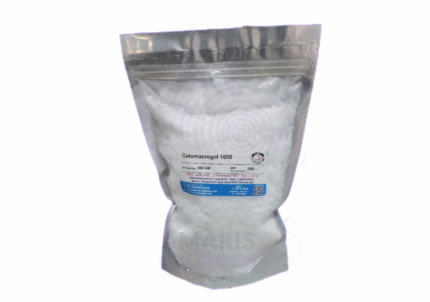
Cetomacrogol PEG1000 (Ginonic CSA 20)
Cetomacrogol PEG (Ginonic CSA) is a polyethylene glycol-based nonionic surfactant and emulsifier with an average molecular weight of approximately 1000 Da. It appears as a white to off-white waxy solid or flakes with a neutral odor. This high-quality grade is widely used in cosmetic, pharmaceutical, and personal care formulations due to its excellent emulsifying, solubilizing, and moisturizing properties. Cetomacrogol PEG1000 (Ginonic CSA 20) facilitates stable oil-in-water emulsions, improves product texture and skin feel, and enhances the bioavailability of active ingredients. Its hydrophilic nature and compatibility with a wide range of ingredients make it a versatile additive in creams, lotions, ointments, and topical gels.
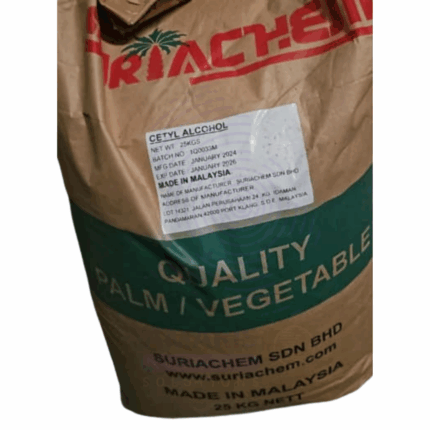
Cetyl Alcohol
Cetyl Alcohol, also known as 1-Hexadecanol or Palmityl Alcohol, is a fatty alcohol derived primarily from natural sources such as palm oil and coconut oil. It appears as a waxy, white to pale yellow solid with a faint fatty odor. Cetyl Alcohol is widely used in cosmetic, pharmaceutical, and industrial formulations due to its emollient, emulsifying, thickening, and stabilizing properties. It helps improve texture, consistency, and moisturizing effects in personal care products. Cetyl Alcohol is compatible with many ingredients, making it a versatile multifunctional ingredient.
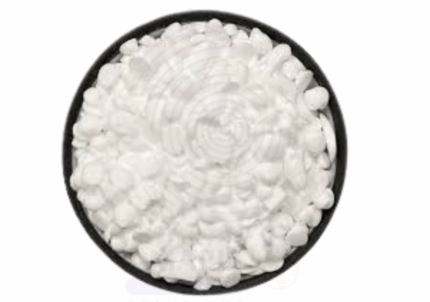
Cetyl Alcohol Flakes
Cetyl Alcohol Flakes is a high-purity fatty alcohol derived mainly from natural sources such as palm oil and coconut oil. Presented as white to off-white waxy flakes, this product contains at least 98% pure cetyl alcohol, ensuring consistent performance and quality. It is valued for its excellent emollient, thickening, and emulsifying properties and is widely used in personal care, pharmaceutical, and industrial formulations. The flake form facilitates easy handling, melting, and dosing in manufacturing processes. Cetyl Alcohol 98% Flakes contributes to the texture, stability, and moisturizing properties of various formulations, providing a non-greasy, smooth finish.
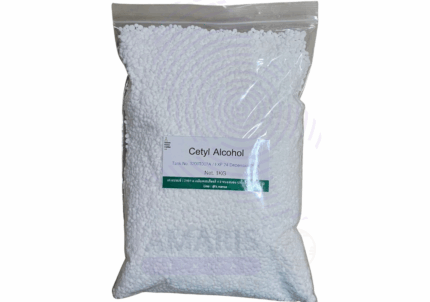
Cetyl Stearyl Alcohol (CSA)
Cetyl Stearyl Alcohol (CSA), also known as Cetearyl Alcohol, is a blended fatty alcohol consisting primarily of cetyl (C16) and stearyl (C18) alcohols. It appears as white to pale yellow waxy flakes or pellets with a mild fatty odor. CSA is widely used in cosmetics, pharmaceuticals, and personal care products as an emollient, thickener, and co-emulsifier. It enhances texture, improves stability, and provides a smooth, velvety skin feel in formulations. Being a non-ionic surfactant, it also aids in stabilizing oil-in-water emulsions and is favored for its gentle nature on the skin and hair.
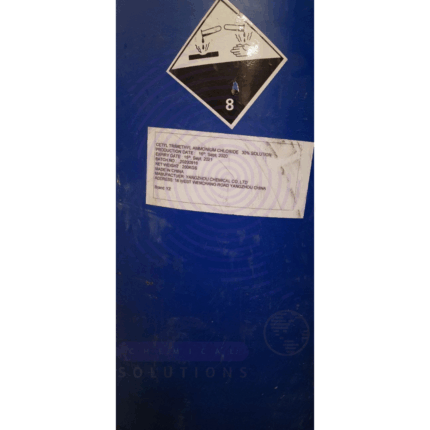
Cetyl Trimethyl Ammonium Chloride
Cetyl Trimethyl Ammonium Chloride (CTAC) is a cationic surfactant and quaternary ammonium compound characterized by a long hydrophobic cetyl (C16) alkyl chain and a positively charged ammonium head group. It appears as a white to pale yellow powder or flakes, soluble in water, and exhibits strong surface-active properties. CTAC is widely used in cosmetics, personal care, and industrial applications for its excellent conditioning, antistatic, emulsifying, and disinfectant capabilities. It functions primarily as a fabric softener, hair conditioner, and antimicrobial agent.
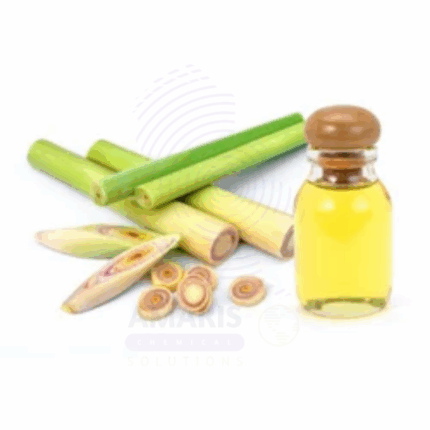
Citronella Oil
Citronella Oil is an essential oil obtained from the leaves and stems of various species of Cymbopogon grass, most commonly Cymbopogon nardus and Cymbopogon winterianus. It is extracted via steam distillation and is known for its fresh, lemony aroma. Citronella Oil is widely recognized for its insect-repelling properties, as well as its use in perfumery, aromatherapy, and natural cleaning products.
Rich in citronellal, geraniol, and citronellol, this oil is highly valued for its antimicrobial, antifungal, and deodorizing effects. It plays a significant role in personal care formulations, environmental hygiene products, and therapeutic applications.
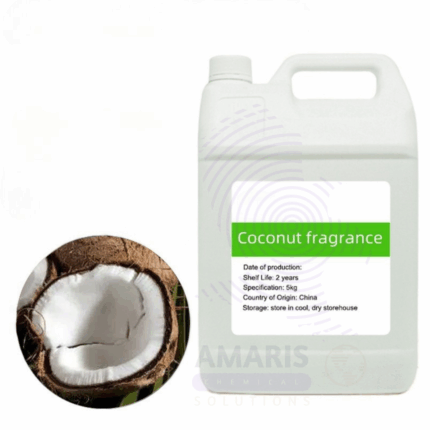
Coconut Water Soluble Fragrance
Coconut Water Soluble Fragrance is a tropical, creamy-sweet scent formulated to blend seamlessly into water-based applications without clouding or separation. Capturing the smooth and comforting aroma of fresh coconut, this fragrance is ideal for personal care, household, and specialty products where a soft and exotic tropical scent is desired. It offers excellent stability in aqueous systems, ensuring long-lasting fragrance performance in everything from mists and cleansers to air fresheners and fabric care products.
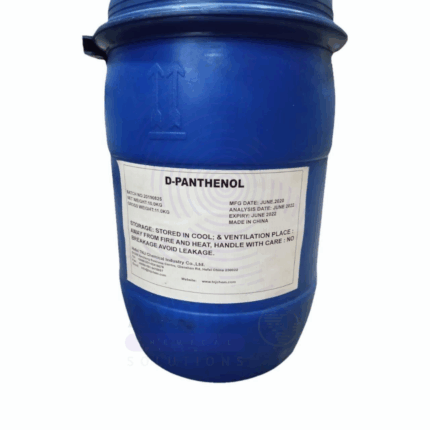
D-Panthenol USP
D-Panthenol USP, also known as Provitamin B5, is the dextrorotatory isomer of panthenol and is biologically active. It is a water-soluble, viscous, clear liquid with a slightly sweet odor and is widely used in pharmaceutical, cosmetic, personal care, and nutraceutical applications. D-Panthenol is the alcohol analog of pantothenic acid (Vitamin B5) and is converted into Vitamin B5 in the skin and body, where it plays a vital role in cellular metabolism and tissue repair. Its moisturizing, anti-inflammatory, and healing properties make it highly valuable across industries.
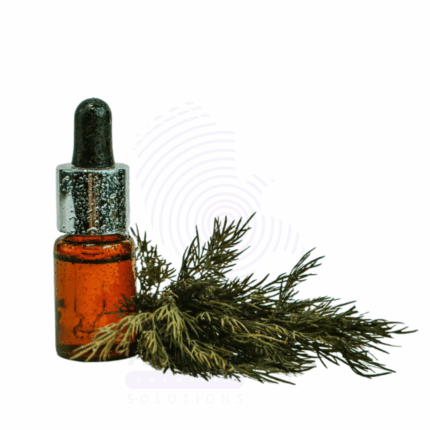
Dill Herb Oil
Dill Herb Oil is a steam-distilled essential oil extracted from the fresh or partially dried herbaceous parts of the Anethum graveolens plant, commonly known as dill. Unlike dill seed oil, which is distilled from the seeds, dill herb oil has a lighter, fresher, and slightly grassy aroma with a faint sweetness and subtle spicy undertones. It is valued for its carminative, digestive, antispasmodic, antimicrobial, and calming properties.
This oil is traditionally used in digestive remedies, culinary formulations, aromatherapy blends, and topical preparations. It’s a common ingredient in natural health products, skincare, and child-friendly wellness products due to its mildness and effectiveness. Dill herb oil is also employed in food and beverage applications and niche perfumery for its green, aromatic character.
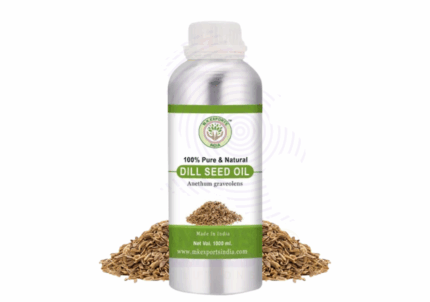
Dill Seed Oil Terpeneless
Dill Seed Oil Terpeneless is a refined essential oil obtained by steam distillation of the seeds of Anethum graveolens, with terpenes removed to reduce its sharpness and volatility. It has a mild, sweet, herbaceous aroma with faint spicy undertones. This oil is prized for its improved stability, softer fragrance profile, and enhanced suitability in cosmetic, pharmaceutical, and cleaning applications. Traditionally used for digestive support and antimicrobial properties, dill seed oil terpeneless is incorporated in natural personal care products, aromatherapy, and household formulations.
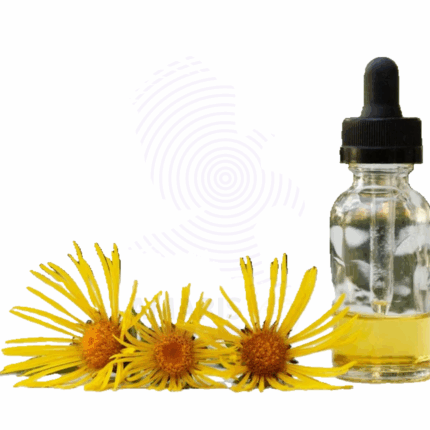
Elecampane Oil
Elecampane Oil is an essential oil extracted by steam distillation from the roots of Inula helenium. It has a warm, sweet, balsamic, and slightly camphoraceous aroma. Traditionally valued for its expectorant, antimicrobial, and anti-inflammatory properties, Elecampane Oil is used in respiratory therapies, digestive health products, and topical applications. It is prized in aromatherapy and herbal medicine for supporting lung and skin health.
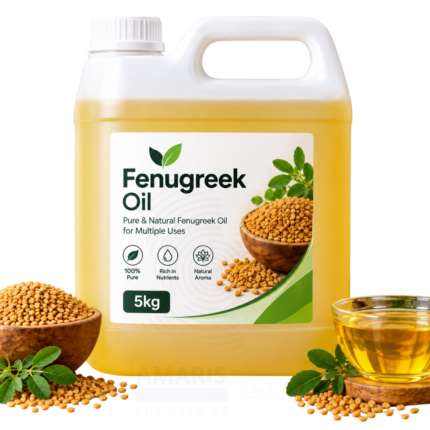
Fenugreek Oil
Fenugreek Oil is a natural, cold-pressed oil extracted from the seeds of Trigonella foenum-graecum. Rich in fatty acids and bioactive compounds, it is traditionally used in hair care to strengthen hair, combat hair loss, and promote growth . In skincare, it offers moisturising, softening, and firming properties . Suitable for use alone or as a carrier for essential oils in hair masks, scalp treatments, massage oils, and DIY cosmetic preparations. Faint or no natural aroma . Not for internal use. Store in a cool, dark place.
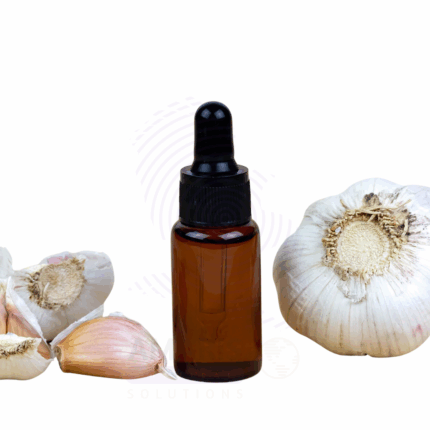
Garlic Oil
Garlic Oil is a potent essential oil extracted from the bulbs of the Allium sativum plant, primarily through steam distillation or solvent extraction. Known for its strong, pungent aroma and rich sulfur-containing compounds such as allicin, diallyl disulfide, and ajoene, Garlic Oil is widely recognized for its antimicrobial, antifungal, antiviral, and antioxidant properties. Traditionally used in herbal medicine, it has applications in pharmaceuticals, natural personal care products, food flavoring, and agricultural pest management. Its therapeutic properties also make it a valuable ingredient in formulations aimed at cardiovascular health and immune system support.


Glycerin
Glycerin, also known as glycerol, is a colorless, odorless, viscous liquid with a sweet taste and hygroscopic properties. It is a trihydroxy alcohol (triol) used extensively across food, pharmaceutical, cosmetic, and industrial applications. Food-grade glycerin is produced through hydrolysis, saponification, or transesterification of fats and oils, ensuring compliance with stringent purity standards. It is supplied in bulk (e.g., 250kg drums) for large-scale applications where non-toxic, biodegradable humectants or solvents are required. Glycerin is widely appreciated for its moisture-retaining ability, solubility, lubricity, and stabilizing properties.












