

 Preservatives(food)
 Flavor Enhancers
 Acidulants
 Sweeteners
 Antioxidants
 Colorants(food)
 Nutraceutical Ingredients (food)
 Nutrient Supplements
 Emulsifiers
 Collectors
 Dust Suppressants
 Explosives and Blasting Agents
 Flocculants and Coagulants
 Frothers
 Leaching Agents
 pH Modifiers
 Precious Metal Extraction Agents
 Antioxidants(plastic)
 Colorants (Pigments, Dyes)
 Fillers and Reinforcements
 Flame Retardants
 Monomers
 Plasticizers
 Polymerization Initiators
 Stabilizers (UV, Heat)
 Antifoaming Agents
 Chelating Agents
 Coagulants and Flocculants
 Corrosion Inhibitors
 Disinfectants and Biocides
 Oxidizing Agents
 pH Adjusters
 Scale Inhibitors( water)
 Antioxidants(cosmetic)
 Emollients
 Fragrances and Essential Oils
 Humectants
 Preservatives
 Surfactants(cosmetic)
 Thickeners
 UV Filters
 Fertilizers
 Soil Conditioners
 Plant Growth Regulators
 Animal Feed Additives
 Biostimulants
 Pesticides (Herbicides, Insecticides, Fungicides)
 Active Pharmaceutical Ingredients (APIs)
 Excipients
 Solvents(pharmaceutical)
 Antibiotics
 Antiseptics and Disinfectants
 Vaccine Adjuvants
 Nutraceutical Ingredients (pharmaceutical)
 Analgesics & Antipyretics
 Analytical Reagents
 Solvents(lab)
 Chromatography Chemicals
 Spectroscopy Reagents
 microbiology-and-cell-culture-reagents
 Molecular Biology Reagents
 Biochemical Reagents
 Inorganic and Organic Standards
 Laboratory Safety Chemicals
 Specialty Laboratory Chemicals(Special Laboratory Equipment)
 Demulsifiers
 Hydraulic Fracturing Fluids
 Scale Inhibitors(oil)
 Surfactants(oil)
 Drilling Fluids
 Dyes and Pigments
 Bleaching Agents
 Softening Agents
 Finishing Agents
 Antistatic Agents
 Admixtures
 Waterproofing Agents
 Sealants and Adhesives
 Curing Compounds
 Concrete Repair Chemicals
 Anti-Corrosion Coatings
 Surfactants(cleaning)
 Builders
 Enzymes
 Solvents (Cleaning)
 Fragrances
 Electronic Chemicals
 Catalysts
 Lubricants
 Photographic Chemicals
 Refrigerants
 Automotive chemicals
 Pyrotechnic Chemicals
 Biodegradable Surfactants
 Bio-based Solvents
 Renewable Polymers
 Carbon Capture Chemicals
 Wastewater Treatment Chemicals
 Pigments
 Solvents(paint)
 Specialty Coatings
 Binders/Resins
 Additives
 Driers
 Anti-Corrosion Agents
 Functional Coatings
 Application-Specific Coatings
 Leavening Agents
 Dough Conditioners
 Flour Treatments
 Fat Replacers
 Decoratives
 Preservatives(baking)
 Plasticizers & Softeners
 Reinforcing Agents
 Adhesion Promoters
 Vulcanizing Agents
 Antidegradants
 Blowing Agents
 Fillers & Extenders
 Accelerators & Retarders
















Food and Beverage Chemicals are specialized ingredients that enhance safety, quality, texture, flavor, and shelf life in consumable products. These include preservatives (e.g., citric acid, sodium benzoate), emulsifiers (e.g., lecithin), stabilizers (e.g., xanthan gum), and acidity regulators (e.g., phosphates). Natural and synthetic options cater to diverse needs—from dairy and baked goods to beverages and packaged foods—while complying with strict food-grade standards (FDA, EFSA).By ensuring product consistency and safety, these chemicals play a vital role in global food supply chains.
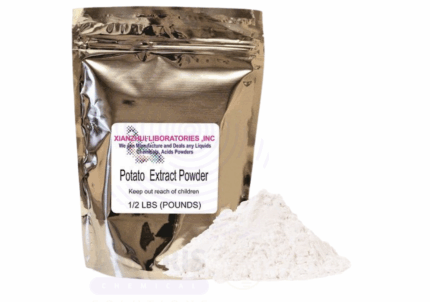
African Potato Extract
African Potato Extract is derived from the plant Hypoxis hemerocallidea, a medicinal plant native to southern Africa. It is commonly used in traditional African medicine for its anti-inflammatory, antioxidant, and immune-boosting properties. The active compound in the extract is hypoxoside, which is converted in the body to rooperol, a potent antioxidant. African Potato Extract is often used as a complementary treatment for conditions like arthritis, prostate issues, and certain infections, though scientific evidence on its effectiveness is still limited.

Almond Oil
Almond oil is a lightweight, nutrient-rich carrier oil extracted from the kernels of sweet almonds (Prunus dulcis). It is obtained through cold-pressing to preserve its natural vitamins, antioxidants, and fatty acids. Known for its mild, slightly nutty aroma and excellent emollient properties, almond oil is widely used in cosmetics, food, and pharmaceutical applications. It is non-irritating, easily absorbed, and offers moisturizing, anti-inflammatory, and skin-repairing benefits.
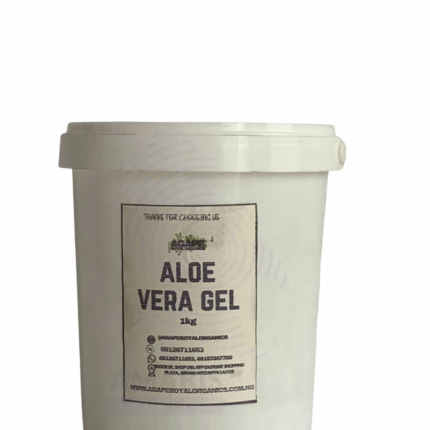
Aloe Vera Gel
Aloe Vera Gel is a clear, jelly-like substance extracted from the inner leaf of the Aloe vera plant. It is widely used in skincare for its soothing, hydrating, and healing properties. Rich in vitamins (especially A, C, and E), enzymes, and amino acids, Aloe Vera Gel is commonly applied to treat sunburns, minor cuts, skin irritation, and dryness. It also has mild anti-inflammatory and antibacterial effects, making it a popular natural remedy in both cosmetic and medicinal products.
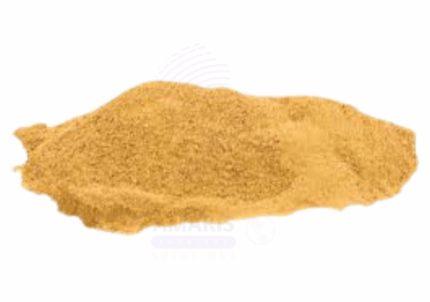
Apricot Powder
Apricot powder is a dehydrated, finely ground form of apricot fruit, retaining much of the natural flavor, aroma, and nutritional properties of fresh apricots. It is typically made by drying fresh apricots through spray drying, freeze drying, or drum drying, then milling into a fine powder. Apricot powder is rich in vitamins, minerals, dietary fiber, and antioxidants such as beta-carotene and vitamin C. It is widely used as a natural flavoring agent, colorant, and nutritional supplement in food and beverage products, as well as in cosmetics and dietary supplements. Its convenient powdered form allows for easy incorporation into dry mixes and processed goods without the perishability of fresh fruit.
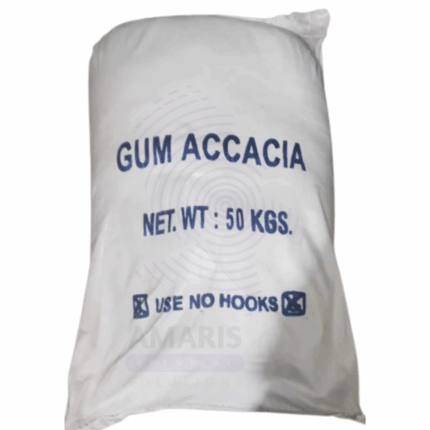
Arabic Gum
Arabic Gum, also known as Gum Acacia, is a natural gum harvested from the sap of Acacia trees, primarily Acacia senegal and Acacia seyal. It is a complex mixture of polysaccharides and glycoproteins, valued for its excellent emulsifying, stabilizing, and thickening properties. Arabic Gum is water-soluble, forms clear solutions, and is widely used in the food industry as a stabilizer and emulsifier. Additionally, it finds applications in pharmaceuticals, cosmetics, and printing industries due to its biodegradability, non-toxicity, and versatility.
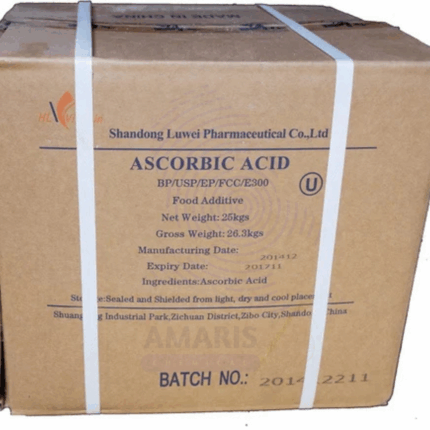
Ascorbic Acid
Ascorbic Acid, commonly known as Vitamin C, is a water-soluble vitamin and potent antioxidant essential for collagen synthesis, immune function, and protection against oxidative stress. It is widely used as a nutritional supplement, food preservative, and additive to enhance shelf life and nutritional value. Naturally present in citrus fruits and various vegetables, ascorbic acid is also important in pharmaceutical, cosmetic, and animal feed industries due to its health benefits and preservative qualities.
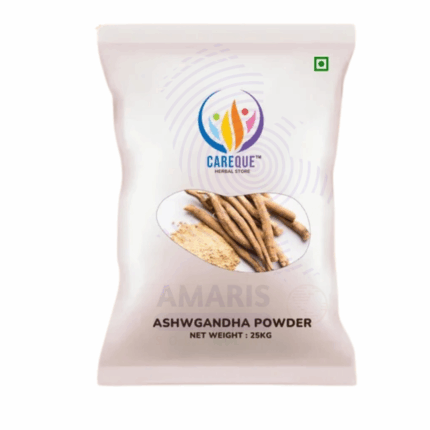
Ashawaganha Powder
Ashawaganha Powder is derived from the dried roots of Withania somnifera, a renowned herb in Ayurvedic and traditional medicine systems. Known as Indian ginseng or winter cherry, Ashwagandha is valued for its adaptogenic properties, helping the body combat stress, enhance vitality, and support overall wellness. The powder is finely ground root material, rich in bioactive compounds such as withanolides, alkaloids, and steroidal lactones. It is widely used as a dietary supplement, in herbal formulations, cosmetics, and traditional medicine.
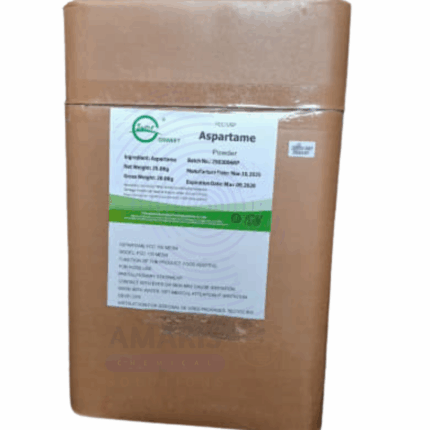
Aspartame
Aspartame is a low-calorie artificial sweetener approximately 200 times sweeter than sucrose (table sugar). It is a methyl ester of the dipeptide composed of aspartic acid and phenylalanine. Due to its intense sweetness and low-calorie nature, aspartame is widely used as a sugar substitute in various food and beverage products. It is popular among consumers seeking to reduce caloric intake, especially diabetics and those on weight management programs. Aspartame breaks down at high temperatures, limiting its use in certain cooking or baking applications. It is approved by numerous global food safety authorities, including the FDA and EFSA.
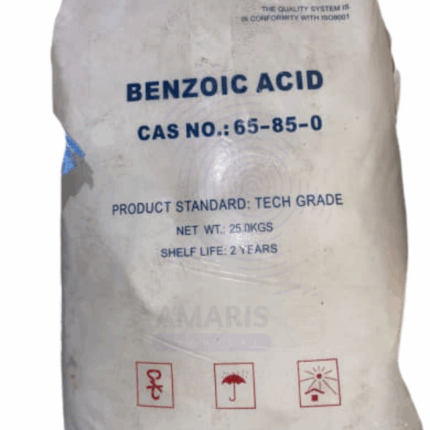
Benzoic Acid
Benzoic Acid is a white crystalline solid with a faint, pleasant odor, classified as a simple aromatic carboxylic acid. It is widely used as a food preservative, antimicrobial agent, and chemical intermediate. Naturally occurring in many plants, it is commercially produced through oxidation of toluene or extraction from natural sources. Benzoic acid is valued for its ability to inhibit the growth of mold, yeast, and certain bacteria, making it essential in food preservation and cosmetic formulations. It also serves as a precursor in the manufacture of various pharmaceuticals, dyes, and plasticizers.
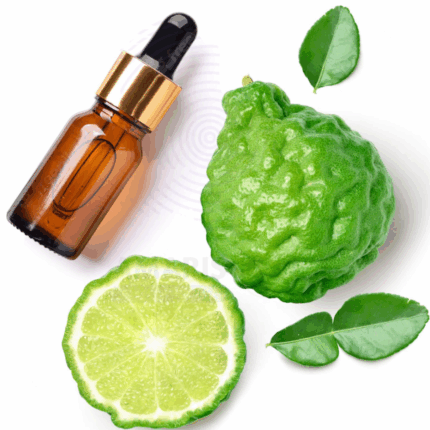
Bergamont oil
Bergamont oil is a cold-pressed essential oil extracted from the rind of the Citrus bergamia fruit. It possesses a fresh, citrusy, and slightly floral aroma with uplifting qualities. The oil is photosensitive due to its furocoumarin content and is widely valued in perfumery, aromatherapy, and flavoring. It is known for its calming effects on the mind, skin-balancing properties, and use as a natural flavor enhancer.
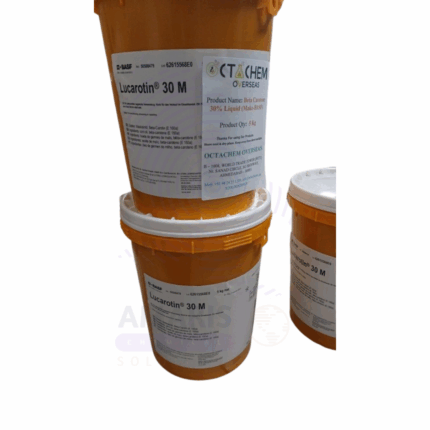
Beta Carotene
Beta Carotene is a concentrated formulation of beta carotene, a naturally occurring red-orange pigment found in plants and fruits. It is a precursor to vitamin A and a potent antioxidant that helps protect cells from oxidative damage. This product, typically suspended in an oil base or suitable carrier, is widely used as a natural colorant, nutritional supplement, and cosmetic ingredient. Beta Carotene 30% SUN offers enhanced stability under sunlight exposure, making it ideal for food, feed, and cosmetic applications where light stability is critical.
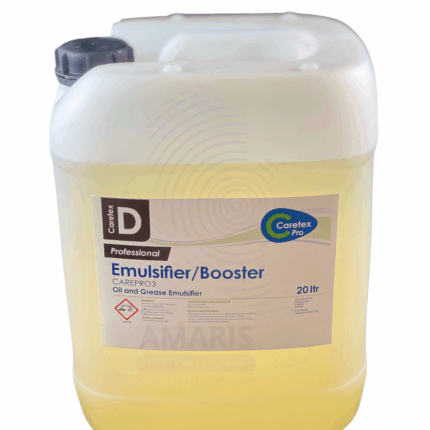
Booster Emulsifier
Booster Emulsifier is a specialized surfactant-based additive formulated to enhance the stability, texture, and uniformity of emulsions in food, cosmetic, and pharmaceutical formulations. It acts by reducing surface tension between immiscible liquids such as oil and water, facilitating the formation of stable, homogeneous emulsions. Booster Emulsifier is valued for its ability to improve product appearance, extend shelf life, and enhance sensory properties such as mouthfeel and creaminess. It is typically available as a liquid or powder and compatible with a wide range of ingredients.
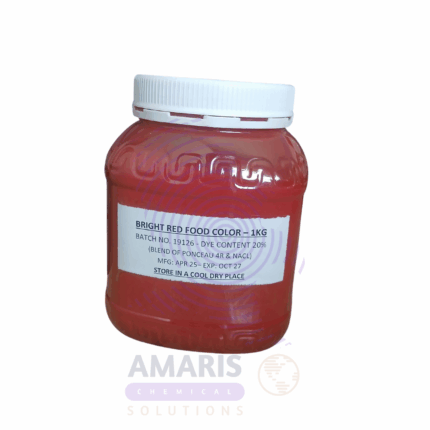
Bright Red Color Water Soluble
Bright Red Color Water Soluble is a synthetic water-soluble dye known for its vivid, intense red hue and excellent clarity in aqueous solutions. It dissolves readily in water, offering uniform dispersion and strong colorfastness across a wide pH range. This dye is widely used in textile dyeing, food and beverage coloring, cosmetics, pharmaceuticals, paints, and laboratory settings. Its chemical stability and bright coloration make it suitable for industrial, research, and commercial applications requiring reliable red pigmentation in water-based systems.
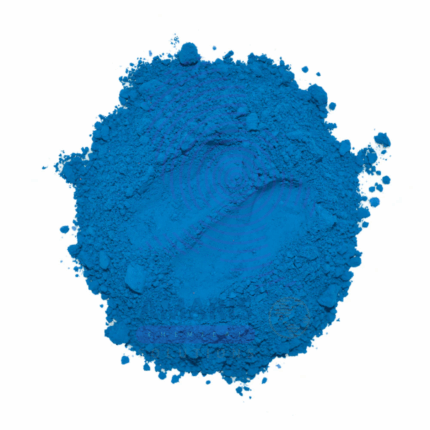
Brilliant Blue water soluble
Calcium D-Panthothenate
Calcium D-Panthothenate is the calcium salt of D-pantothenic acid (vitamin B5), appearing as a white or off-white crystalline powder. It is a stable, water-soluble compound widely used as a dietary supplement and pharmaceutical ingredient to supply vitamin B5, essential for coenzyme A synthesis and normal metabolism of carbohydrates, proteins, and fats. Calcium D-Panthothenate supports adrenal function, wound healing, and nervous system health, and is frequently incorporated into multivitamins, nutritional supplements, fortified foods, and topical formulations.
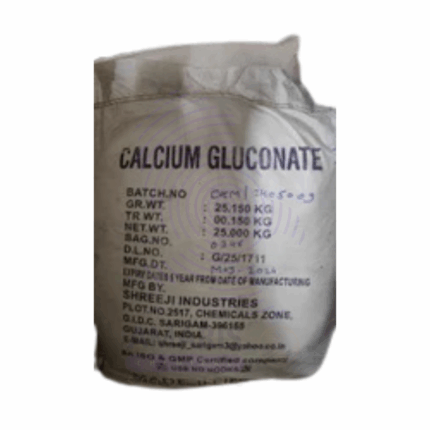
Calcium Gluconate
Calcium Gluconate is a calcium salt of gluconic acid appearing as a white, odorless, crystalline powder or colorless crystals. It is highly soluble in water and commonly used as a calcium supplement in pharmaceuticals and food products. Calcium Gluconate plays a critical role in medicine for treating calcium deficiencies, hypocalcemia, and as an antidote for hydrofluoric acid burns. Its excellent bioavailability makes it a preferred calcium source in oral and intravenous formulations. Additionally, it is utilized in food fortification and cosmetic applications due to its safety and compatibility.
Calcium Lactate Pentahydrate
Calcium Lactate Pentahydrate is a white, crystalline, odorless powder that is the calcium salt of lactic acid with five molecules of water of crystallization. It is moderately soluble in water and has a slightly alkaline pH in solution. Widely used as a calcium supplement in the pharmaceutical and food industries, it is known for its good bioavailability and safety profile. Calcium Lactate Pentahydrate is utilized to prevent and treat calcium deficiencies and plays a role in bone health, muscle function, and enzyme activity. It also finds applications as a food additive and firming agent.
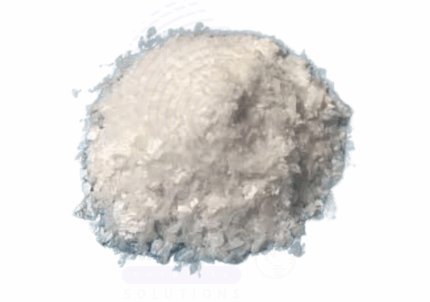
Calcium Saccharin
Calcium Saccharin is the calcium salt form of saccharin, a synthetic sweetener. It appears as a white to off-white crystalline powder with a sweet taste that is several hundred times sweeter than sucrose (table sugar). Calcium Saccharin is water-soluble and widely used as a non-nutritive sweetener in food and beverage products, pharmaceuticals, and oral care formulations. Due to its stability under heat and acidic conditions, it is ideal for baked goods and beverages. It serves as a sugar substitute for diabetic and calorie-restricted diets and is often used in combination with other sweeteners to improve taste profiles.
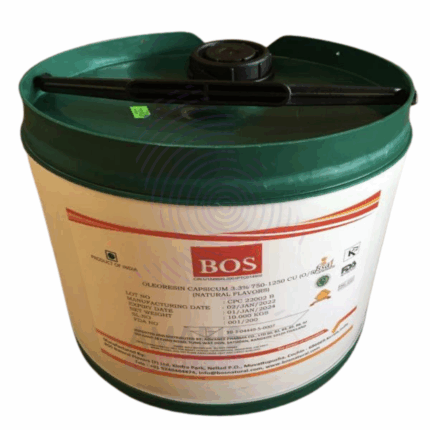
Capsicum Oleoresin
Capsicum Oleoresin is a concentrated extract derived from the dried fruits of Capsicum annuum or Capsicum frutescens (chili peppers). It is a dark red to brownish oily liquid containing approximately 8% capsaicinoids—primarily capsaicin and dihydrocapsaicin—which are the primary pungent components. This oleoresin is widely used for its flavoring, coloring, medicinal, and irritant properties in the food, pharmaceutical, veterinary, and defense industries. It is produced by solvent extraction followed by standardization to achieve consistent pungency levels. The product is highly potent and must be handled with care due to its intense irritant nature.
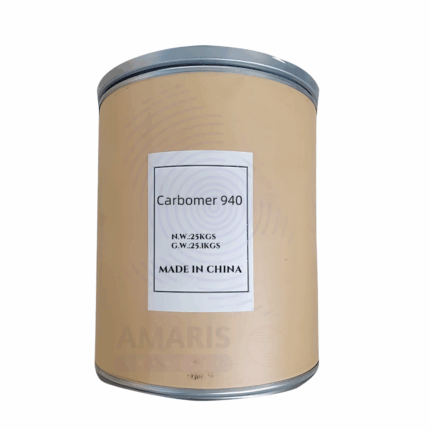
Carbomer
Carbomer is a high molecular weight, crosslinked polyacrylic acid polymer used primarily as a rheology modifier, thickening agent, and suspension stabilizer. Supplied as a fluffy white powder, it exhibits high viscosity and excellent clarity when neutralized and dispersed in water or alcohol-water systems. Carbomer 940 is widely valued for its ability to form clear gels, control flow properties, and stabilize emulsions. It is commonly used in cosmetics, personal care, pharmaceuticals, and household formulations due to its consistency, compatibility, and efficient thickening performance at low concentrations.
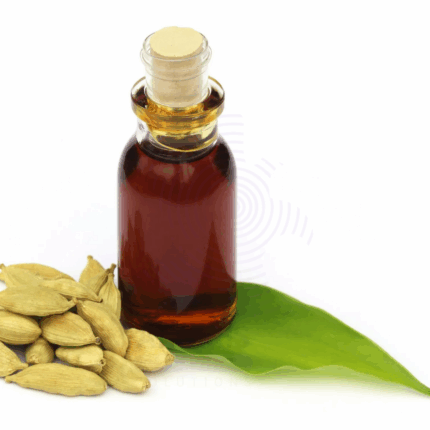
Cardamon Oil
Cardamon Oil is a premium essential oil steam-distilled from the seeds of Elettaria cardamomum, a plant native to India and Sri Lanka and widely cultivated across tropical regions. It carries a warm, spicy-sweet aroma with hints of eucalyptus and citrus, and ranges from colorless to pale yellow in appearance. Known for its digestive, antiseptic, expectorant, and uplifting qualities, it is valued in aromatherapy, perfumery, cosmetics, pharmaceuticals, and food applications.
Rich in compounds like cineole (1,8-cineole), α-terpineol, and linalyl acetate, Cardamom Oil provides both flavor and therapeutic effects, making it a versatile ingredient across several industries.
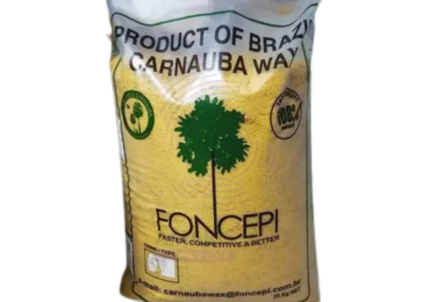
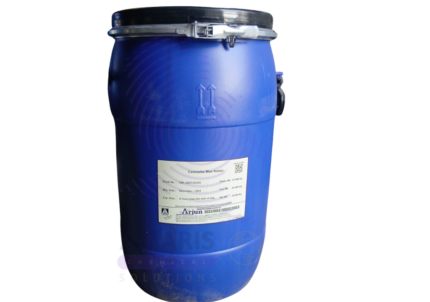
Carnauba Wax Prime Yellow
Carnauba Wax Prime Yellow, also known as Type 1 or Prime Yellow Grade, is the highest quality and purest form of carnauba wax derived from the leaves of the Copernicia cerifera palm tree, native to Brazil. It is a natural, vegetable-based wax prized for its exceptional hardness, high gloss, high melting point, and emulsification properties. Prime Yellow grade represents the finest classification, characterized by its light yellow to pale amber color, low impurities, and superior film-forming characteristics. It is obtained through a meticulous process of harvesting, drying, and processing the palm leaves to extract the waxy coating, which is then refined and graded. Carnauba Wax is often referred to as the "Queen of Waxes" due to its unique combination of properties unmatched by synthetic alternatives. Technical grade Carnauba Wax Prime Yellow is used across numerous industries for its ability to impart gloss, hardness, slip resistance, and moisture barrier properties. It is not intended for direct food consumption but is widely used in food-contact applications such as coatings and packaging.
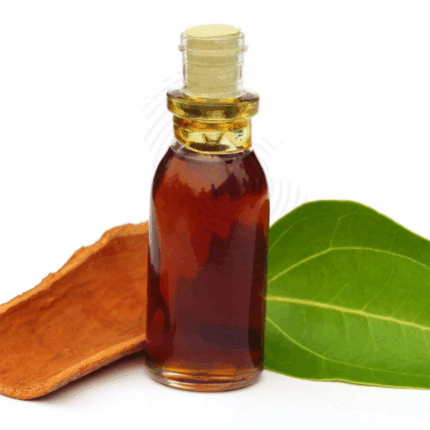
Cassia Oil
Cassia Oil is a potent essential oil steam-distilled from the bark of Cinnamomum cassia, commonly known as Chinese cinnamon. It carries a strong, spicy, and warm aroma similar to true cinnamon but is more pungent and intense. Its reddish-brown to yellow appearance and high cinnamaldehyde content give it powerful antimicrobial, antifungal, and warming properties. Cassia Oil is used across various industries including food flavoring, pharmaceuticals, cosmetics, aromatherapy, and household products. Due to its strength, it is typically used in diluted concentrations.
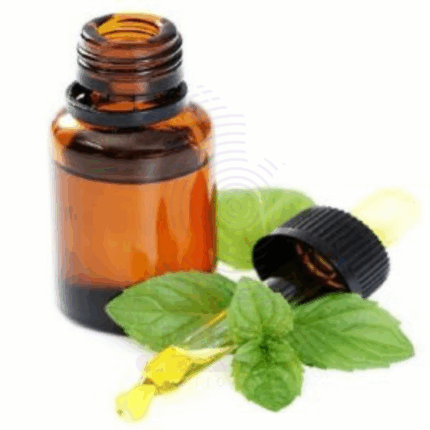
Celery Leaf Oil
Celery Leaf Oil is an essential oil steam-distilled from the fresh leaves of the Apium graveolens plant. It carries a warm, spicy, herbaceous aroma with green, earthy undertones. Unlike celery seed oil, the leaf-derived oil is lighter and fresher in scent, making it suitable for more delicate aromatic blends. Known for its anti-inflammatory, diuretic, and digestive-supportive properties in traditional wellness practices, Celery Leaf Oil is increasingly used in cosmetics, aromatherapy, fragrance, and natural wellness applications. It’s also gaining popularity in functional perfumery and detoxifying skincare products.
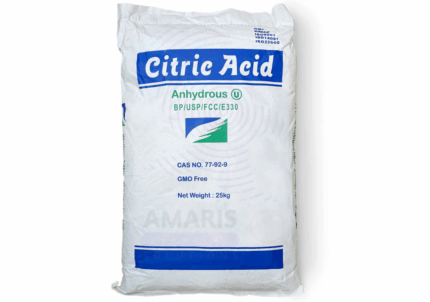
Citric Acid Anhydrous
Citric Acid Anhydrous is a white, crystalline organic acid widely used across food, pharmaceutical, cosmetic, and industrial sectors. It is the anhydrous form of citric acid, meaning it contains no water molecules in its crystal lattice, resulting in higher purity and more concentrated acidic properties compared to its monohydrate form. Derived from natural sources like citrus fruits or produced via microbial fermentation, citric acid anhydrous is valued for its sour taste, excellent chelating ability, and buffering capacity. It serves as a natural preservative, pH adjuster, antioxidant synergist, and cleaning agent, making it a versatile ingredient in many formulations.
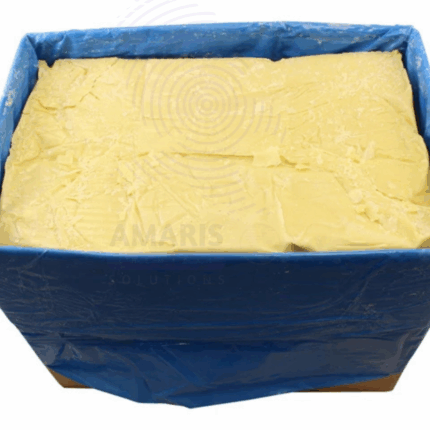
Cocoa Butter
Cocoa Butter, also known as Theobroma oil, is a pale-yellow, edible fat extracted from cocoa beans, primarily from Theobroma cacao. It has a smooth, creamy texture and a mild, characteristic chocolate aroma. Cocoa Butter is solid at room temperature but melts near body temperature, which gives it a luxurious feel when applied to skin or consumed. It is highly valued for its emollient, moisturizing, and protective properties. Cocoa Butter is widely used in cosmetics, pharmaceuticals, food, and confectionery industries. Its stable composition rich in fatty acids such as stearic, palmitic, and oleic acids imparts excellent oxidative stability and a long shelf life.
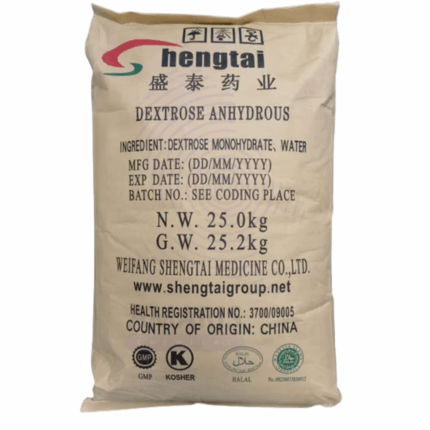
Dextrose Anhydrous BP Injectable
Dextrose Anhydrous BP Injectable is a sterile, highly purified crystalline form of glucose that serves as a critical energy source in intravenous therapy. It is widely used in parenteral nutrition, rehydration, and hypoglycemia management. The anhydrous form contains no water, allowing precise control of concentration in injectable solutions. Meeting British Pharmacopoeia (BP) standards, it ensures pharmaceutical-grade purity and sterility, suitable for direct injection or as a component in compounded IV fluids. It provides readily available carbohydrates metabolized to supply energy, regulate osmolarity, and maintain fluid-electrolyte balance in clinical care.
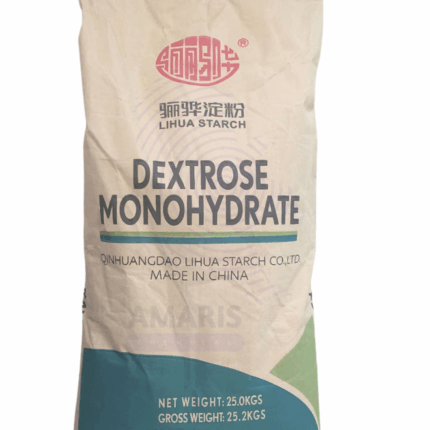
Dextrose Monohydrate
Dextrose Monohydrate is a crystalline form of glucose containing one molecule of water (monohydrate). It is a primary carbohydrate source widely used in pharmaceutical, food, and clinical nutrition applications. It provides readily available energy, serves as a sweetening agent, and acts as an osmotic agent in formulations. Dextrose Monohydrate meets pharmacopoeial standards (such as BP, USP) ensuring high purity, consistency, and safety for use in medical and food-grade products. Its solubility and stable crystalline form make it suitable for intravenous fluids, oral rehydration solutions, and food industry applications.
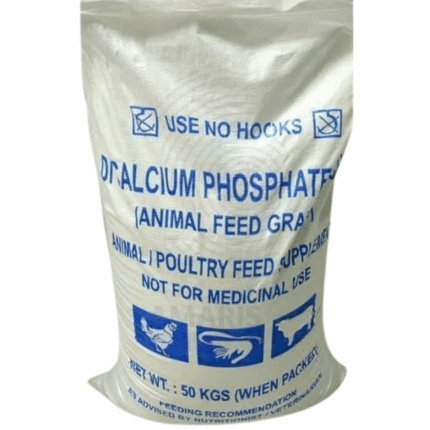
Dicalcium Phosphate
Dicalcium Phosphate (DCP) is an inorganic compound commonly used as a dietary supplement, food additive, and a key raw material in pharmaceuticals and animal nutrition. It appears as a white crystalline powder or granules and provides a highly bioavailable source of calcium and phosphorus, essential minerals for bone health, metabolic functions, and overall growth. DCP is widely used in the feed industry, pharmaceutical manufacturing, food processing, and various industrial applications, appreciated for its purity, stability, and nutritional value.
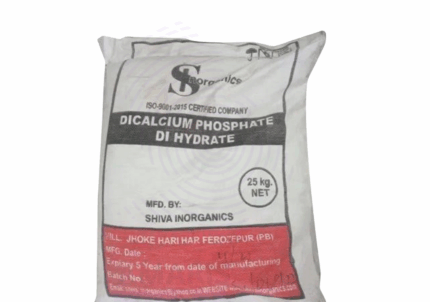
Dicalcium Phosphate Dihydrate
Dicalcium Phosphate Dihydrate (DCP Dihydrate) is an odorless, white crystalline powder or granule composed of calcium and phosphate in a hydrated form. It is widely used in the pharmaceutical, food, animal feed, and industrial sectors. It serves as a calcium and phosphorus supplement, excipient, and abrasive agent, valued for its stability, bioavailability, and neutral taste. DCP Dihydrate complies with various pharmacopeial standards (e.g., USP, BP, FCC) depending on the grade.
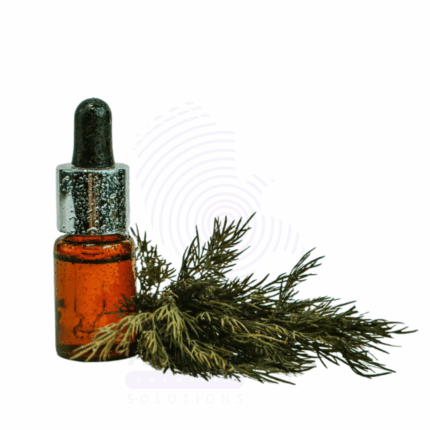
Dill Herb Oil
Dill Herb Oil is a steam-distilled essential oil extracted from the fresh or partially dried herbaceous parts of the Anethum graveolens plant, commonly known as dill. Unlike dill seed oil, which is distilled from the seeds, dill herb oil has a lighter, fresher, and slightly grassy aroma with a faint sweetness and subtle spicy undertones. It is valued for its carminative, digestive, antispasmodic, antimicrobial, and calming properties.
This oil is traditionally used in digestive remedies, culinary formulations, aromatherapy blends, and topical preparations. It’s a common ingredient in natural health products, skincare, and child-friendly wellness products due to its mildness and effectiveness. Dill herb oil is also employed in food and beverage applications and niche perfumery for its green, aromatic character.
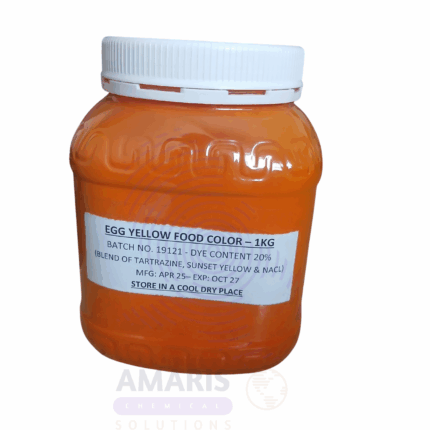
Egg Yellow Color Water Soluble
Egg Yellow Color Water Soluble is a bright synthetic yellow dye with excellent water solubility and color fastness. It is widely used across textile, cosmetic, pharmaceutical, cleaning, and paint industries to provide vibrant yellow coloration with uniform application and stability in aqueous systems.
Ellagic Acid
Ellagic Acid is a naturally occurring polyphenolic compound found in numerous fruits, nuts, and vegetables such as pomegranates, strawberries, raspberries, walnuts, and cranberries. It is a potent antioxidant known for its ability to scavenge free radicals and chelate metal ions. Due to its significant anti-inflammatory, anti-carcinogenic, and anti-viral properties, Ellagic Acid has gained extensive interest in pharmaceutical, nutraceutical, cosmetic, and food industries. It appears as a yellow to light brown crystalline powder, insoluble in water but soluble in organic solvents like ethanol and DMSO.
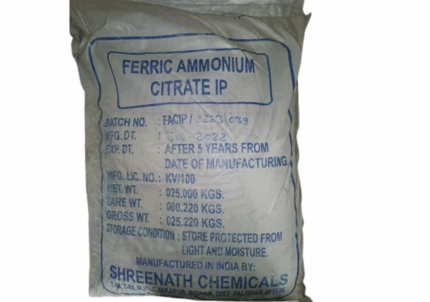
Ferric Ammonium Citrate
Ferric Ammonium Citrate is a dark green to black crystalline or granular inorganic compound composed of iron, ammonium ions, and citrate ions. It is a complex salt of citric acid with ferric iron (Fe³⁺) and ammonium. This compound is highly soluble in water, forming a greenish solution, and is widely utilized as a source of iron in various chemical, pharmaceutical, photographic, and food applications. It acts as a mild oxidizing agent and an iron supplement, valued for its bioavailability and ease of incorporation into formulations. Ferric Ammonium Citrate is typically available in different formulations distinguished by their water and ammonium content, such as green and brown types.
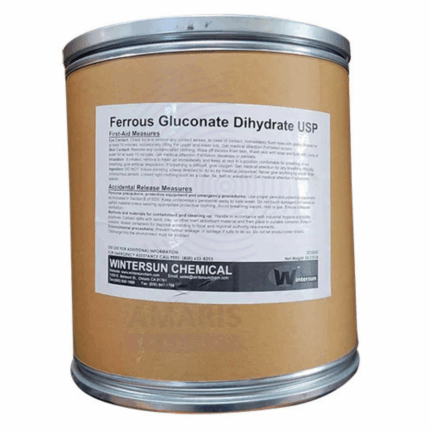
Ferrous Gluconate
Ferrous Gluconate is an iron salt of gluconic acid, appearing as a pale greenish-blue or green crystalline powder or granules. It is widely used as a nutritional iron supplement and food additive due to its good bioavailability and relatively low toxicity compared to other iron salts. Ferrous Gluconate is water-soluble, providing a stable source of ferrous iron (Fe²⁺) that is easily absorbed in the gastrointestinal tract. This compound is commonly employed in pharmaceuticals, food fortification, and medical formulations to treat or prevent iron deficiency anemia. It is also used as a reducing agent and color stabilizer in various industrial applications.

Ferulic Acid
Ferulic Acid is a naturally occurring hydroxycinnamic acid classified as a phenolic compound with potent antioxidant properties. It exists as a pale yellow to light brown crystalline powder with a faint characteristic odor. Ferulic Acid is commonly found in the cell walls of various plants such as rice bran, wheat, oats, coffee, apples, and fruits, where it plays a role in plant structural integrity and defense against environmental stress. It is valued across multiple industries—cosmetics, pharmaceuticals, nutraceuticals, food, and agriculture—due to its ability to neutralize free radicals, absorb UV radiation, and exhibit anti-inflammatory and antimicrobial activities.

Fish Collagen
Fish Collagen is a natural protein derived from the skin, scales, and bones of various fish species through enzymatic hydrolysis or acid extraction. It is predominantly Type I collagen, known for its excellent bioavailability and biocompatibility. Fish Collagen typically appears as a fine white to off-white powder with low odor and high solubility in water and acidic solutions. It is widely prized in cosmetics, nutraceuticals, pharmaceuticals, and food industries due to its superior absorption compared to mammalian collagen, making it highly effective in skin, joint, and bone health applications. Fish Collagen supports the body’s extracellular matrix, promoting skin elasticity, hydration, and tissue repair.
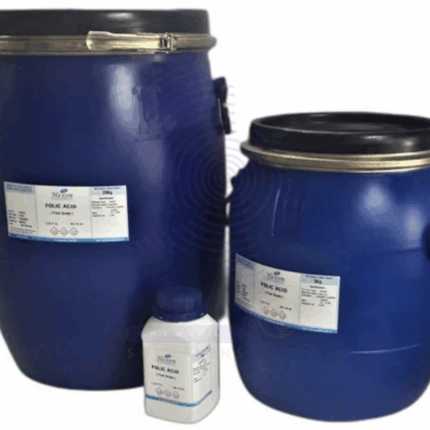
Folic Acid
Folic Acid, also known as Vitamin B9 or pteroylmonoglutamic acid, is a water-soluble vitamin essential for numerous physiological processes including DNA synthesis, repair, and methylation, as well as amino acid metabolism. It appears as a yellow to orange-yellow crystalline powder, odorless or with a faint characteristic odor. Folic Acid is vital for cell division and growth, making it critical during pregnancy and periods of rapid growth. It is widely used in the pharmaceutical, nutraceutical, food fortification, and cosmetic industries due to its role in preventing folate deficiency anemia, neural tube defects in newborns, and supporting overall cellular health.
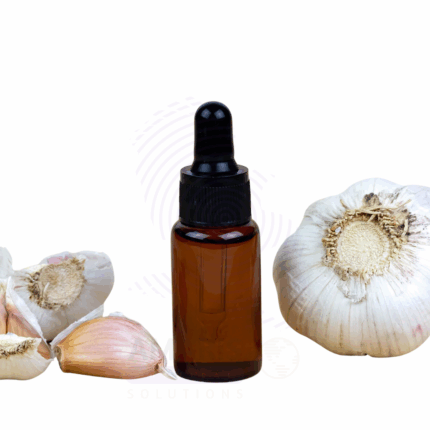
Garlic Oil
Garlic Oil is a potent essential oil extracted from the bulbs of the Allium sativum plant, primarily through steam distillation or solvent extraction. Known for its strong, pungent aroma and rich sulfur-containing compounds such as allicin, diallyl disulfide, and ajoene, Garlic Oil is widely recognized for its antimicrobial, antifungal, antiviral, and antioxidant properties. Traditionally used in herbal medicine, it has applications in pharmaceuticals, natural personal care products, food flavoring, and agricultural pest management. Its therapeutic properties also make it a valuable ingredient in formulations aimed at cardiovascular health and immune system support.


Glycerin
Glycerin, also known as glycerol, is a colorless, odorless, viscous liquid with a sweet taste and hygroscopic properties. It is a trihydroxy alcohol (triol) used extensively across food, pharmaceutical, cosmetic, and industrial applications. Food-grade glycerin is produced through hydrolysis, saponification, or transesterification of fats and oils, ensuring compliance with stringent purity standards. It is supplied in bulk (e.g., 250kg drums) for large-scale applications where non-toxic, biodegradable humectants or solvents are required. Glycerin is widely appreciated for its moisture-retaining ability, solubility, lubricity, and stabilizing properties.
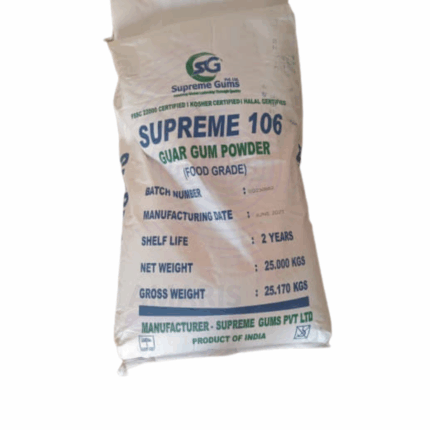
Guar Gum
Guar Gum is a natural polysaccharide extracted from the endosperm of the guar bean (Cyamopsis tetragonoloba). It appears as an off-white to cream-colored powder with a neutral odor and bland taste. Guar Gum is a galactomannan composed mainly of mannose and galactose units, known for its excellent water-binding, thickening, and stabilizing properties. It forms highly viscous solutions even at low concentrations, making it a versatile hydrocolloid used widely across food, pharmaceutical, cosmetic, oilfield, and industrial applications.
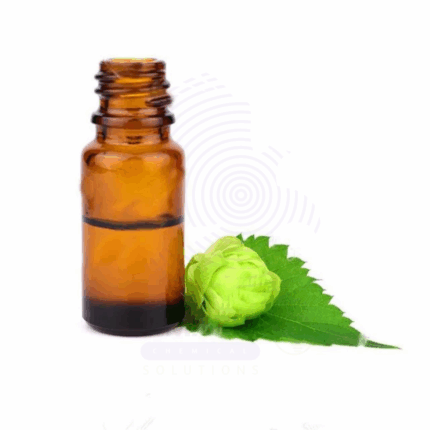
Hop Oil
Hop Oil is a volatile essential oil extracted via steam distillation from the cone-shaped flowers (strobiles) of the hop plant (Humulus lupulus). It has a complex, herbaceous, slightly bitter aroma with earthy, floral, and spicy undertones. Known for its calming, sedative, and antimicrobial effects, Hop Oil is widely used in aromatherapy, cosmetics, herbal formulations, and specialty beverages.
Traditionally linked with beer production, Hop Oil also finds application in natural perfumery, body care, and wellness products aimed at promoting relaxation. Its bioactive compounds such as humulene, myrcene, and caryophyllene contribute to its diverse functional and aromatic value.
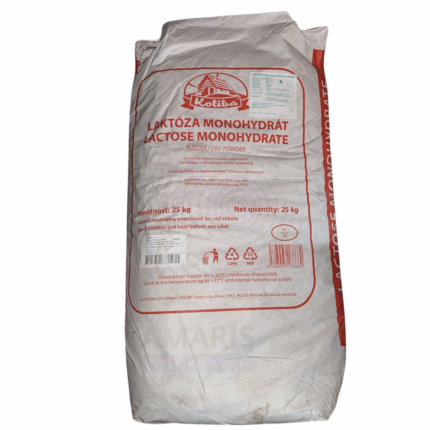
Lactose Monohydrate 200 Mesh
Lactose Monohydrate 200 Mesh is a fine, white, crystalline powder derived from milk sugar with a particle size of 200 mesh, indicating very fine granules. It is widely used in pharmaceutical, food, and confectionery industries as a filler, binder, and stabilizer. Lactose Monohydrate is valued for its excellent compressibility, low hygroscopicity, and compatibility with many active pharmaceutical ingredients (APIs). The monohydrate form contains one molecule of water, enhancing its stability and flow properties.
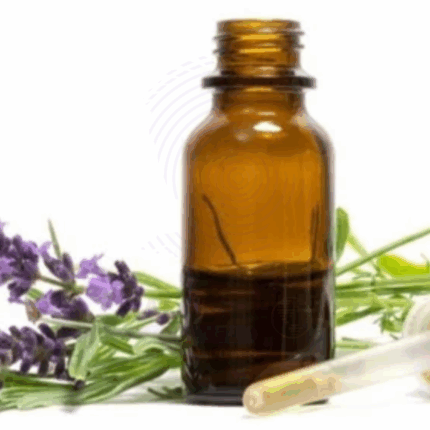
Lavender oil
Lavender oil is a popular essential oil steam-distilled from the fresh flowering tops of the Lavandula angustifolia plant. It has a characteristic floral, herbaceous, and slightly woody aroma with calming and therapeutic properties. Known for its versatility, lavender oil is widely used in aromatherapy, cosmetics, and personal care products for its soothing, anti-inflammatory, and antiseptic qualities. It also serves as a natural fragrance and flavoring agent in various applications.
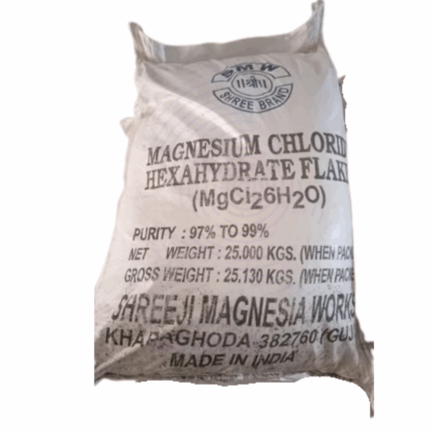
Magnesium Chloride Hexahydrate BP
Magnesium Chloride Hexahydrate BP is a pharmacopeial grade white crystalline solid with the chemical formula MgCl₂·6H₂O. It is highly soluble in water and is used extensively in pharmaceutical, medical, and industrial applications. This grade meets British Pharmacopoeia (BP) standards ensuring high purity and suitability for medical and food-related uses. Magnesium Chloride Hexahydrate BP provides essential magnesium ions which play a critical role in numerous physiological functions.
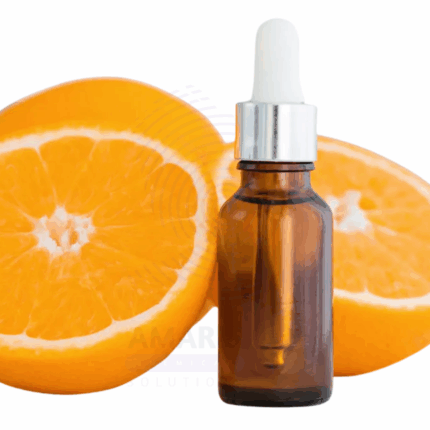
Mandarin Oil
Mandarin Oil is a natural essential oil obtained by cold pressing the rind of the Citrus reticulata fruit. It has a fresh, sweet, citrusy aroma with a slightly fruity and floral note. Mandarin Oil is valued for its calming and uplifting properties and is widely used in aromatherapy, perfumery, and personal care formulations. It also possesses mild antiseptic and digestive benefits.
This oil is popular in skincare for its toning and brightening effects and in household products for its refreshing scent. Mandarin Oil is gentle and suitable for a variety of cosmetic and therapeutic applications.
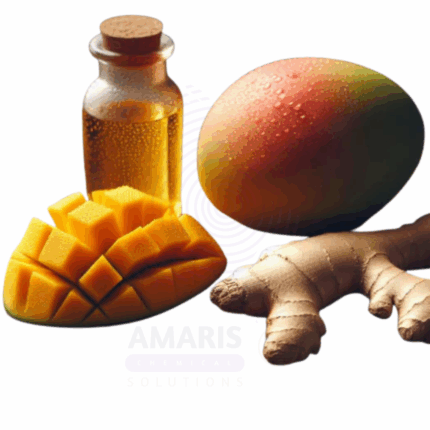
Mango Ginger Oil
Mango Ginger Oil is an essential oil extracted from the rhizomes of Curcuma amada, commonly known as mango ginger. It has a unique, fresh, spicy, and sweet mango-like aroma with warm, earthy undertones. This oil is valued for its anti-inflammatory, antimicrobial, and digestive-supporting properties. Mango Ginger Oil is widely used in aromatherapy, perfumery, personal care, and traditional medicine.
The oil is employed in formulations aimed at soothing skin, easing muscle tension, improving digestion, and enhancing mood. Its exotic scent makes it a sought-after ingredient in fragrance blends and wellness products.
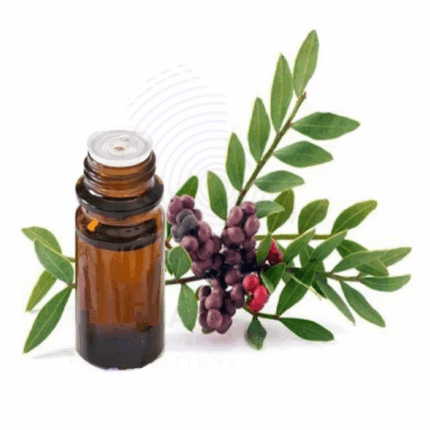
Mastic Oil
Mastic Oil is a precious essential oil derived from the resin of the Pistacia lentiscus tree, predominantly found on the Greek island of Chios. Extracted through steam distillation, this oil possesses a distinctive, fresh, slightly piney and balsamic aroma with subtle woody and spicy undertones. Rich in bioactive compounds such as alpha-pinene, beta-pinene, and myrcene, Mastic Oil is valued for its powerful antimicrobial, anti-inflammatory, and antioxidant properties. Traditionally used in Mediterranean folk medicine for digestive health, oral care, and skin healing, it has gained popularity in modern aromatherapy and personal care for its soothing and cleansing effects. Mastic Oil is commonly incorporated in oral hygiene products, skincare formulations, and wellness blends, making it a versatile and revered natural ingredient.
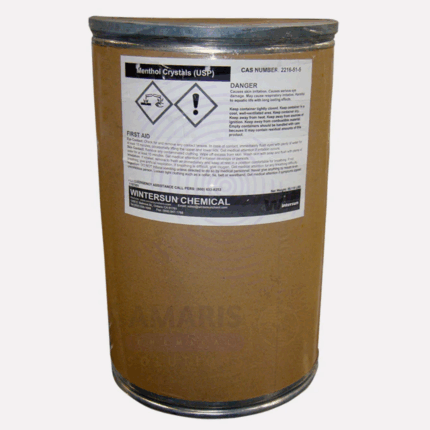
Menthol crystals
Menthol Crystals are natural organic compounds derived from peppermint or other mint oils, presenting as clear or white crystalline solids with a strong, cooling mint aroma. They possess analgesic, antiseptic, and flavoring properties. Widely used in pharmaceuticals, cosmetics, food, and personal care products, menthol crystals provide a refreshing cooling sensation and fragrance, enhancing product efficacy and consumer appeal.
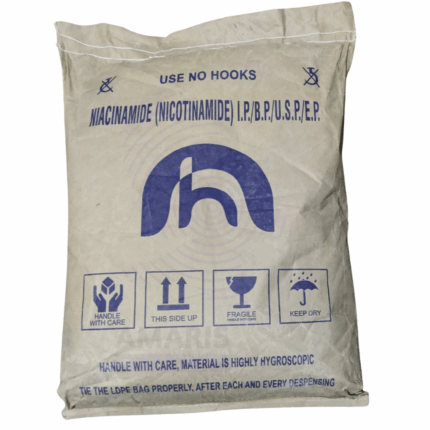
Nicotinamide BP
Nicotinamide BP, also known as niacinamide, is a water-soluble form of vitamin B3 (niacin). It is a vital nutrient involved in numerous cellular processes, including energy metabolism, DNA repair, and antioxidant activity. Widely used in pharmaceutical, cosmetic, and nutritional applications, Nicotinamide supports skin health, improves barrier function, and exhibits anti-inflammatory properties. It is commonly found in dietary supplements, skincare formulations, and medical treatments for various dermatological conditions.












