

 Preservatives(food)
 Flavor Enhancers
 Acidulants
 Sweeteners
 Antioxidants
 Colorants(food)
 Nutraceutical Ingredients (food)
 Nutrient Supplements
 Emulsifiers
 Collectors
 Dust Suppressants
 Explosives and Blasting Agents
 Flocculants and Coagulants
 Frothers
 Leaching Agents
 pH Modifiers
 Precious Metal Extraction Agents
 Antioxidants(plastic)
 Colorants (Pigments, Dyes)
 Fillers and Reinforcements
 Flame Retardants
 Monomers
 Plasticizers
 Polymerization Initiators
 Stabilizers (UV, Heat)
 Antifoaming Agents
 Chelating Agents
 Coagulants and Flocculants
 Corrosion Inhibitors
 Disinfectants and Biocides
 Oxidizing Agents
 pH Adjusters
 Scale Inhibitors( water)
 Antioxidants(cosmetic)
 Emollients
 Fragrances and Essential Oils
 Humectants
 Preservatives
 Surfactants(cosmetic)
 Thickeners
 UV Filters
 Fertilizers
 Soil Conditioners
 Plant Growth Regulators
 Animal Feed Additives
 Biostimulants
 Pesticides (Herbicides, Insecticides, Fungicides)
 Active Pharmaceutical Ingredients (APIs)
 Excipients
 Solvents(pharmaceutical)
 Antibiotics
 Antiseptics and Disinfectants
 Vaccine Adjuvants
 Nutraceutical Ingredients (pharmaceutical)
 Analgesics & Antipyretics
 Analytical Reagents
 Solvents(lab)
 Chromatography Chemicals
 Spectroscopy Reagents
 microbiology-and-cell-culture-reagents
 Molecular Biology Reagents
 Biochemical Reagents
 Inorganic and Organic Standards
 Laboratory Safety Chemicals
 Specialty Laboratory Chemicals(Special Laboratory Equipment)
 Demulsifiers
 Hydraulic Fracturing Fluids
 Scale Inhibitors(oil)
 Surfactants(oil)
 Drilling Fluids
 Dyes and Pigments
 Bleaching Agents
 Softening Agents
 Finishing Agents
 Antistatic Agents
 Admixtures
 Waterproofing Agents
 Sealants and Adhesives
 Curing Compounds
 Concrete Repair Chemicals
 Anti-Corrosion Coatings
 Surfactants(cleaning)
 Builders
 Enzymes
 Solvents (Cleaning)
 Fragrances
 Electronic Chemicals
 Catalysts
 Lubricants
 Photographic Chemicals
 Refrigerants
 Automotive chemicals
 Pyrotechnic Chemicals
 Biodegradable Surfactants
 Bio-based Solvents
 Renewable Polymers
 Carbon Capture Chemicals
 Wastewater Treatment Chemicals
 Pigments
 Solvents(paint)
 Specialty Coatings
 Binders/Resins
 Additives
 Driers
 Anti-Corrosion Agents
 Functional Coatings
 Application-Specific Coatings
 Leavening Agents
 Dough Conditioners
 Flour Treatments
 Fat Replacers
 Decoratives
 Preservatives(baking)
 Plasticizers & Softeners
 Reinforcing Agents
 Adhesion Promoters
 Vulcanizing Agents
 Antidegradants
 Blowing Agents
 Fillers & Extenders
 Accelerators & Retarders

















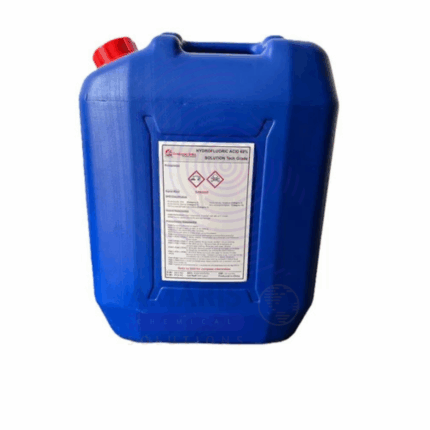
Hydrofluoric Acid
Hydrofluoric Acid is a highly corrosive aqueous solution of hydrogen fluoride gas dissolved in water. It is a colorless to pale yellow fuming liquid with a strong pungent odor. Unlike other mineral acids, HF is a weak acid chemically but uniquely reactive due to its ability to dissolve silica and glass, and penetrate tissues deeply. This makes it invaluable in numerous industrial, laboratory, and specialized applications but also highly hazardous.
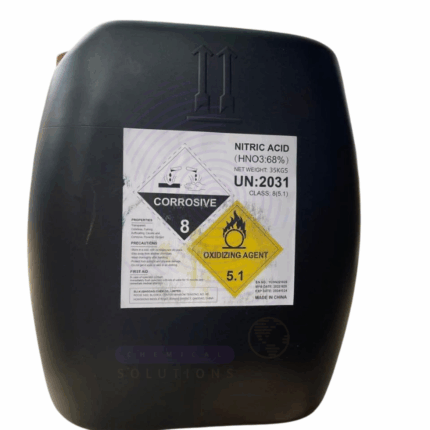
Nitric Acid
Nitric Acid is a concentrated aqueous solution of nitric acid (HNO₃) commonly used as a strong oxidizing acid in numerous industrial, laboratory, and manufacturing processes. It is a highly corrosive, colorless to yellowish liquid with a pungent odor. Nitric Acid 68% is fundamental in the production of fertilizers, explosives, dyes, and pharmaceuticals. It is also widely used in metal treatment, etching, and cleaning applications due to its powerful oxidizing and nitrating properties.

Liquid Chlorine
Liquid Chlorine is a pale yellow-green, highly reactive chemical primarily composed of chlorine dissolved in water or as liquefied chlorine gas under pressure. It is widely used as a powerful disinfectant, bleaching agent, and oxidizer in water treatment, sanitation, and various industrial applications. Due to its strong antimicrobial properties, liquid chlorine effectively controls bacteria, viruses, algae, and other microorganisms, ensuring safe potable water and hygienic conditions.
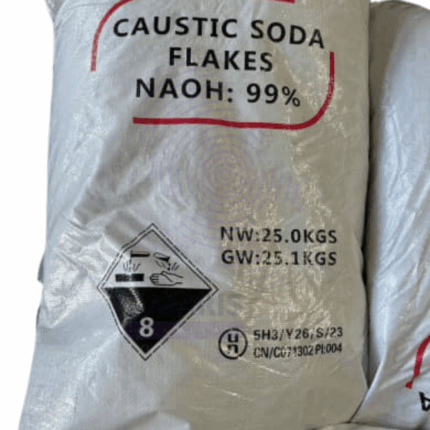
Caustic Soda Flakes (Sodium Hydroxide)
Caustic Soda Flakes, also known as Sodium Hydroxide Flakes (NaOH), are a highly alkaline, white, solid substance that is crystalline and flaky in form. Produced by evaporating aqueous sodium hydroxide solutions, these flakes are highly soluble in water and exhibit strong corrosive properties. Caustic Soda Flakes are widely used in a variety of industrial, chemical, and manufacturing processes due to their strong alkalinity, ability to saponify fats, and effectiveness in pH adjustment. Their high purity and ease of handling in flake form make them suitable for use in chemical synthesis, pulp and paper production, water treatment, and detergent manufacturing.

Talcum Powder (Talc)
Talcum Powder is a naturally occurring mineral composed primarily of hydrated magnesium silicate. It is known for its softness, absorbency, and lubricating properties. Talc is widely used in cosmetic, pharmaceutical, industrial, and consumer products due to its ability to absorb moisture, improve texture, and provide a smooth, silky feel. The powder form allows easy dispersion and application across diverse sectors.
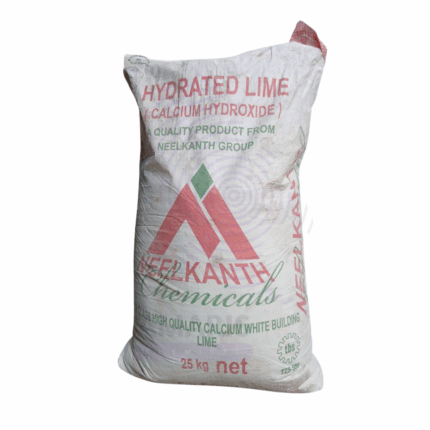
Calcium Hydroxide Hydrated Lime
Calcium Hydroxide Hydrated Lime, commonly known as Hydrated Lime or Slaked Lime, is an inorganic compound with the chemical formula Ca(OH)₂. It appears as a white, odorless, powder or crystalline solid. It is produced by treating quicklime (calcium oxide) with water in a process called slaking. Calcium Hydroxide is moderately soluble in water, forming a strongly alkaline solution known as limewater. It is widely used in construction, environmental, chemical, agricultural, and water treatment applications due to its caustic, neutralizing, and flocculating properties.
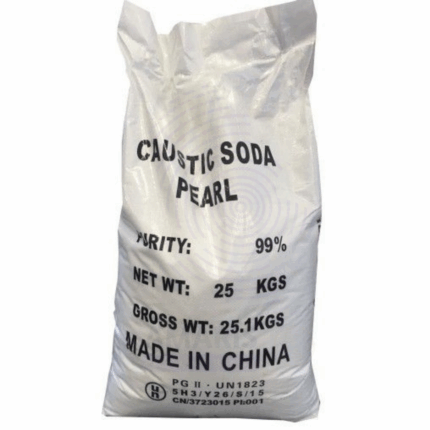
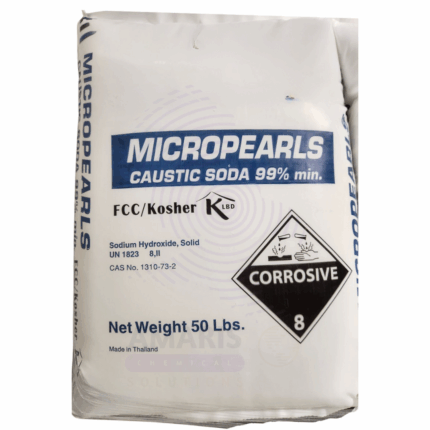
Caustic Soda Pearls
Caustic Soda Pearls are small, solid, spherical particles of sodium hydroxide (NaOH) produced by a controlled cooling and solidification process. These pearls offer superior flowability, uniform size distribution, and reduced dust generation compared to flake or powder forms. They are highly soluble in water, exhibiting a strong alkaline nature with vigorous exothermic dissolution. Caustic Soda Pearls are widely used across industries including chemical manufacturing, water treatment, pulp and paper processing, and detergents due to their purity, ease of handling, and efficient dissolution characteristics.

Sodium Formate Industrial Grade
Sodium Formate Industrial Grade is a white crystalline powder or granules used primarily in industrial applications requiring a buffering agent, de-icing agent, or chemical intermediate. It offers high purity suitable for various manufacturing processes but does not meet food-grade standards. This grade is widely applied in leather tanning, textile dyeing, concrete additives, and as a corrosion inhibitor in oil and gas industries.
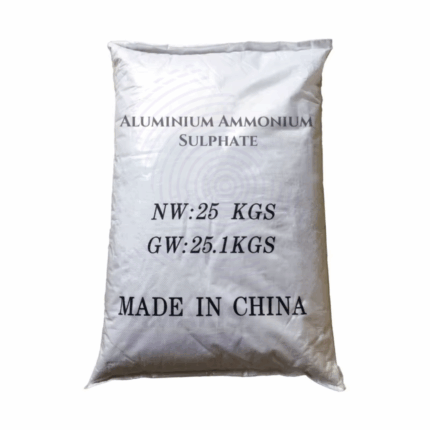
Aluminum Ammonium Sulphate
Aluminum ammonium sulphate, commonly known as ammonium alum or ammonium aluminum sulfate, is a crystalline chemical compound consisting of aluminum, ammonium, and sulfate ions. It typically appears as a colorless or white crystalline solid with astringent properties. It is widely used for its excellent coagulating, clarifying, and antiseptic properties. Aluminum ammonium sulphate finds applications in water purification, cosmetics, food processing, textile dyeing, and pharmaceuticals. Its ability to precipitate impurities and act as a mordant makes it invaluable in industries requiring precise control of chemical reactions, such as in the preparation of baking powder and fireproof textiles.
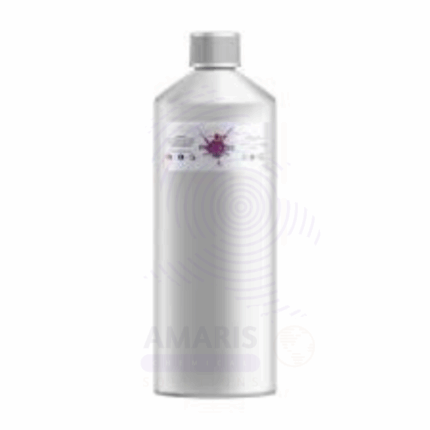
Royal Type Oil Fragrance
Royal Type Oil Fragrance is a luxurious synthetic fragrance oil crafted to provide a rich, elegant, and sophisticated scent profile. This fragrance combines warm, floral, and woody notes that evoke a sense of opulence and grandeur, making it popular for high-end personal care and home fragrance products. The oil-based formulation ensures excellent compatibility with various cosmetic bases and home fragrance mediums. Royal Type Oil Fragrance is stable under a wide range of processing conditions and delivers a long-lasting, refined aroma suited for premium formulations such as perfumes, lotions, candles, and air fresheners.
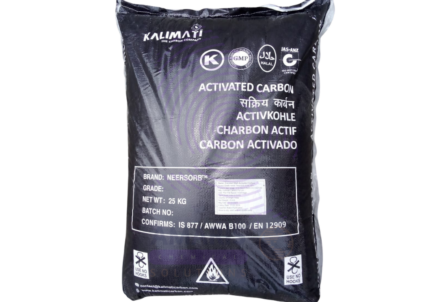
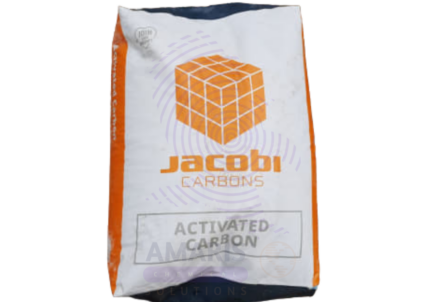
Activated Carbon (Charcoal)
Activated carbon is a highly porous, adsorptive material processed to have an exceptionally large surface area (typically 500-1500 m²/g) through thermal or chemical activation of carbon-rich source materials. This versatile adsorbent exists in powdered (PAC), granular (GAC), pelletized, and extruded forms, with pore structures specifically engineered for different applications ranging from water purification to gas treatment. Its extended surface area and complex pore network (micropores <2nm, mesopores 2-50nm, macropores >50nm) enable superior physical adsorption of contaminants through van der Waals forces, as well as chemical interactions with surface functional groups.
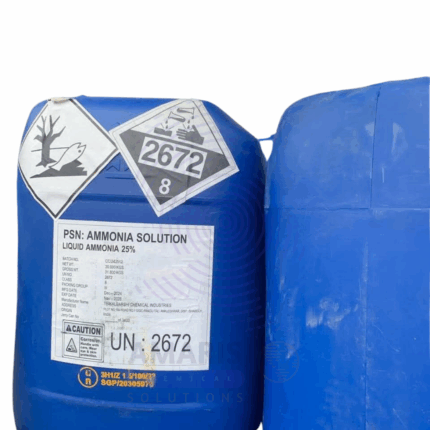
Ammonia solution
Ammonia solutions, often referred to as aqueous ammonia or ammonium hydroxide, are clear, colorless liquids consisting of ammonia gas dissolved in water. The concentration of ammonia in these solutions typically ranges from 5% to 35% by weight. Ammonia solutions possess a pungent odor characteristic of ammonia gas and are alkaline with a pH typically between 11 and 12.5. This solution is widely used across various industries due to its excellent cleaning properties, reactivity, and role as a nitrogen source.
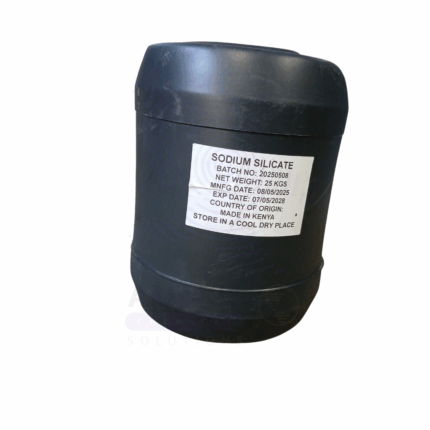
Sodium Silicate
Sodium Silicate is a water-soluble, viscous alkaline liquid with the general formula Na₂SiO₃ (ratios vary). Commonly referred to as water glass or liquid glass, it appears as a clear to slightly cloudy solution. This 20-litre packaged product is known for its excellent adhesive, binding, and sealing properties. It is widely used in industrial, construction, detergent, and water treatment applications. Sodium silicate forms a glassy film upon drying and resists high temperatures and chemical attack, making it extremely versatile across many industries.
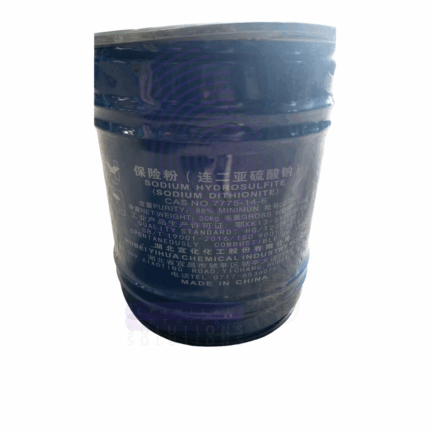
Sodium Hydrosulphite
Sodium Hydrosulphite, also known as sodium dithionite, is a white to yellowish powder with a strong reducing property. It is highly soluble in water and decomposes readily, releasing sulfur dioxide and sulfites. Widely used as a powerful reducing agent and bleaching agent, it finds applications in textile processing, paper and pulp industries, water treatment, and chemical manufacturing. Its ability to break down colored compounds makes it ideal for decolorization and cleaning processes.
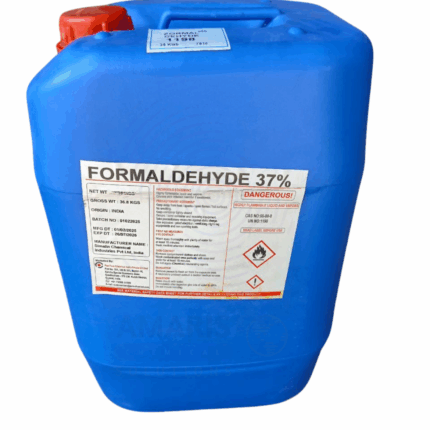
Formaldehyde (Formalin)
Formaldehyde (Formalin) is an aqueous solution containing approximately 37% formaldehyde by weight, stabilized typically with 10-15% methanol to prevent polymerization. It is a clear, colorless liquid with a pungent, penetrating odor. Formaldehyde is a simple aldehyde widely used as a disinfectant, preservative, and chemical intermediate. Formalin’s powerful antimicrobial and tissue-fixation properties make it essential in medical, laboratory, industrial, and manufacturing applications. It is one of the most commonly used chemicals worldwide for sterilization, embalming, and resin production.
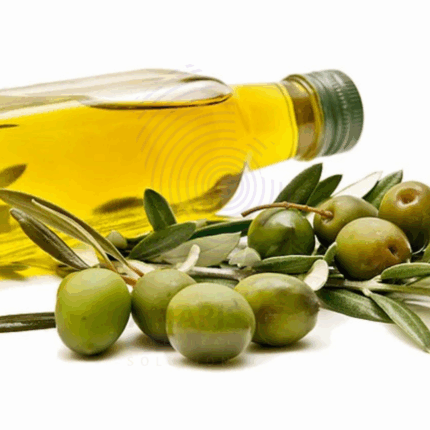
Olive Oil Pomace
Olive Oil Pomace is a refined oil extracted from the olive pulp, skin, and pits after the first pressing. It is a lower-cost olive oil variant with a mild flavor and good stability. Rich in monounsaturated fatty acids, particularly oleic acid, and antioxidants like vitamin E and polyphenols, pomace olive oil offers nutritional benefits and excellent oxidative stability. It is widely used in culinary, cosmetic, pharmaceutical, and industrial applications due to its moisturizing properties and mild aroma. Pomace olive oil is favored in formulations where a lighter olive aroma is desired, and it also serves as a base oil in soap making, skincare, and massage oils.
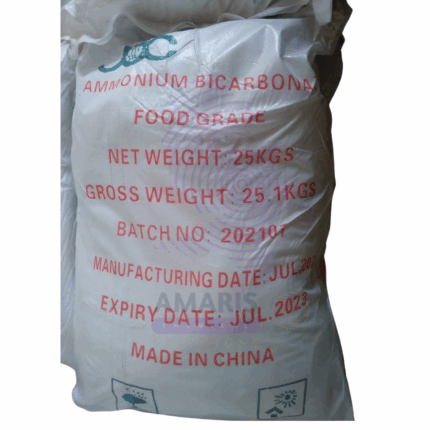
Ammonium Bicarbonate
Ammonium bicarbonate is a white crystalline powder or granules with a slightly alkaline taste and a characteristic ammoniacal odor. It is a white solid that decomposes readily on heating, releasing ammonia, carbon dioxide, and water vapor. It is widely used in the food industry as a leavening agent, in chemical synthesis, and in various industrial applications. Its unique property of decomposing to release gases makes it valuable for baking and other processes where gas release is desired.
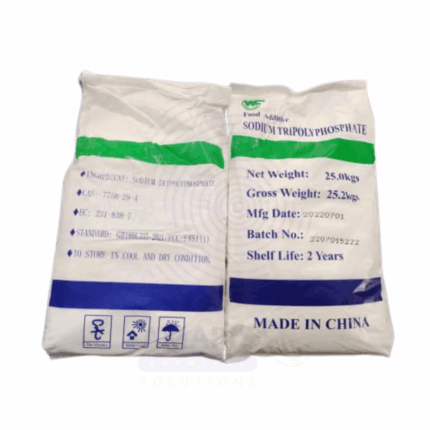
Sodium Tripolyphosphate
Sodium Tripolyphosphate (STPP), chemical formula Na₅P₃O₁₀, is a white, granular or powdery inorganic compound widely used as a sequestrant, dispersant, and detergent builder. This 25kg packaged product is highly soluble in water, forming alkaline solutions that effectively soften water by chelating calcium and magnesium ions. Its excellent emulsifying and dispersing properties make it an essential ingredient in detergents, water treatment, food processing, and industrial cleaning applications.
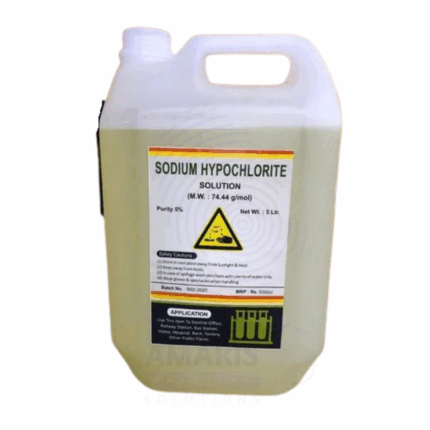
Sodium Hypochlorite
Sodium Hypochlorite 10-12% (commonly known as Jik) is a clear to pale greenish-yellow liquid with a strong chlorine odor. It is a widely used disinfectant and bleaching agent, known for its powerful oxidizing properties. This grade is commonly employed in household cleaning, water treatment, and industrial sanitation processes. It is effective against a broad spectrum of microorganisms, making it a popular choice for disinfection and sterilization.
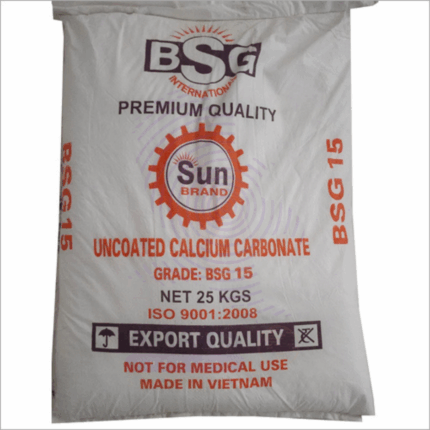
Calcium Carbonate Uncoated
Calcium Carbonate Uncoated is a naturally occurring mineral compound composed primarily of calcium, carbon, and oxygen with the chemical formula CaCO₃. It appears as a fine white powder or granules, widely used as a filler, pigment, and functional additive across various industries. The uncoated form means the calcium carbonate particles are not surface-treated, retaining their natural properties. It is valued for its high brightness, whiteness, and excellent compressibility. Uncoated calcium carbonate is used to enhance opacity, improve processing, and reduce costs in plastics, paints, coatings, adhesives, rubber, paper, and construction materials.
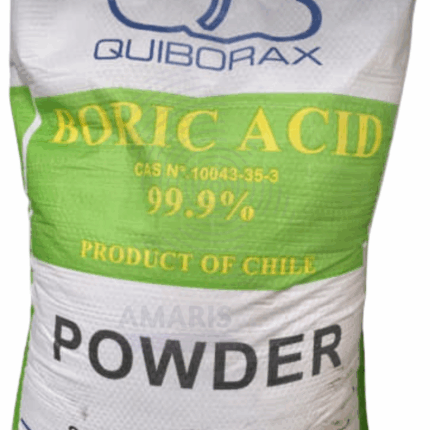
Boric Acid
Boric Acid, chemically known as hydrogen borate or boracic acid, is a weak, monobasic Lewis acid of boron. It appears as a white, crystalline powder or granules that are odorless and slightly soluble in water. Boric Acid is commonly used in antiseptics, insecticides, flame retardants, and as a buffering agent in various industrial and pharmaceutical applications. Due to its mild antiseptic and antifungal properties, it is often used in ophthalmic, dermatologic, and other personal care formulations. It also plays a key role in glass and ceramics manufacturing as well as in agriculture.
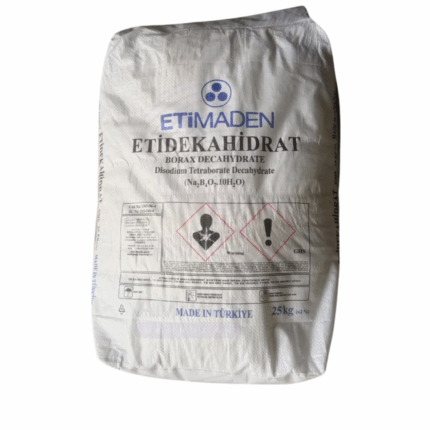
Borax Decahydrate
Borax Decahydrate, also known as sodium tetraborate decahydrate, is a naturally occurring mineral and an important inorganic compound. It appears as colorless or white crystalline granules or powder with a salty, alkaline taste. This compound is widely used in detergents, cosmetics, glass manufacturing, agriculture, and various industrial applications due to its excellent buffering, emulsifying, and antiseptic properties. The “decahydrate” indicates that each molecule of borax contains ten water molecules bound in its crystal structure, contributing to its crystalline appearance and physical properties.
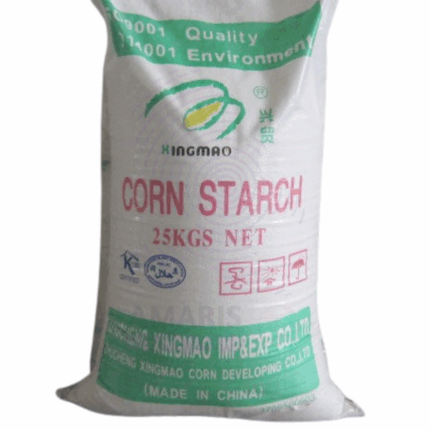
Corn Starch Industrial Grade
Corn Starch Industrial Grade is a finely milled, white powder derived from the endosperm of maize (Zea mays). Unlike food-grade starch, industrial grade is tailored for non-food applications where its thickening, adhesive, and film-forming properties are exploited. It consists primarily of amylose and amylopectin polysaccharides and is valued for its biodegradability, renewability, and cost-effectiveness. Industrial corn starch is used extensively as a raw material or functional additive across a wide variety of manufacturing processes, including paper, textiles, adhesives, and packaging industries.
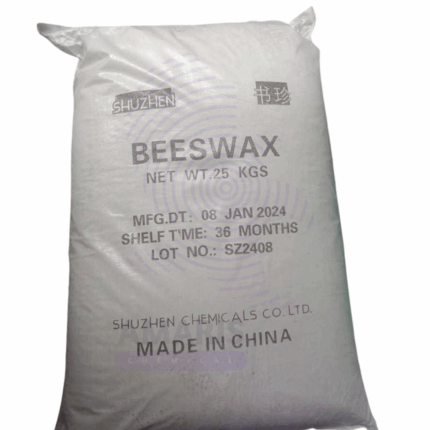
Beeswax
Beeswax is a natural wax produced by honeybees of the genus Apis. It is secreted by worker bees from specialized glands and used to build honeycomb cells. Beeswax is a complex mixture of esters, fatty acids, and hydrocarbons, characterized by a pale yellow to brown color, a pleasant honey-like aroma, and a firm yet pliable texture. It has excellent emulsifying, binding, and protective properties, making it widely used in cosmetics, pharmaceuticals, food, and industrial applications. Beeswax is prized for its natural origin, biodegradability, and skin-friendly characteristics.
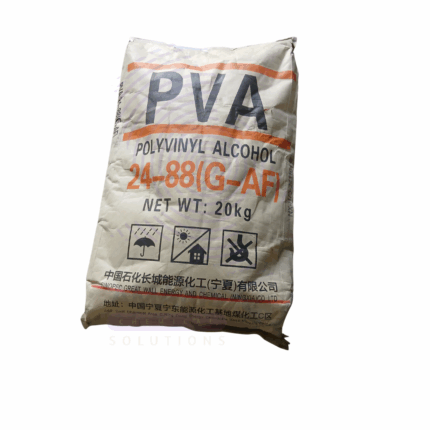
Polyvinyl Alcohol
Polyvinyl Alcohol is a synthetic, water-soluble polymer made by the hydrolysis of polyvinyl acetate. It is known for excellent film-forming, emulsifying, and adhesive properties. PVA is widely used across industries for applications requiring biodegradable, non-toxic, and flexible materials. It offers good chemical resistance, mechanical strength, and compatibility with other polymers and additives.
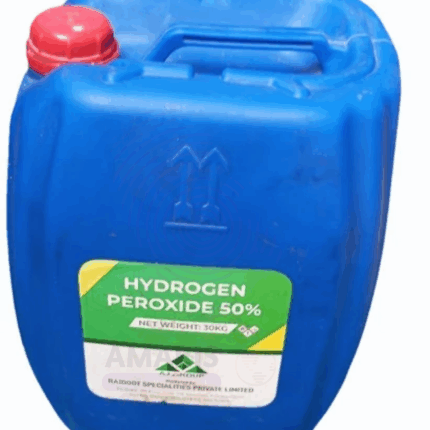
Hydrogen Peroxide Tech Grade
Hydrogen Peroxide Tech Grade is a highly concentrated aqueous solution of hydrogen peroxide (H₂O₂) designed primarily for industrial and technical applications. It is a clear, colorless liquid with a sharp, acrid odor. Known for its strong oxidizing, bleaching, and disinfecting properties, this tech-grade formulation is typically used where high reactivity is required, often in non-food processes. It decomposes into environmentally benign by-products—water and oxygen—making it a preferred agent for sustainable industrial processes.
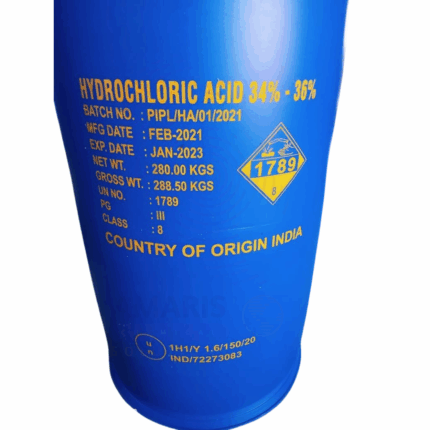
Hydrochloric Acid
Hydrochloric Acid HCL is a highly corrosive, strong mineral acid consisting of hydrogen chloride gas dissolved in water to a concentration of approximately 33% by weight. It appears as a clear, colorless to slightly yellow liquid with a sharp, pungent odor. HCl 33% is widely used in industrial, chemical, and laboratory applications due to its strong acidic properties, high reactivity, and versatility. It plays a crucial role in pH control, metal processing, chemical synthesis, and cleaning processes across numerous sectors.
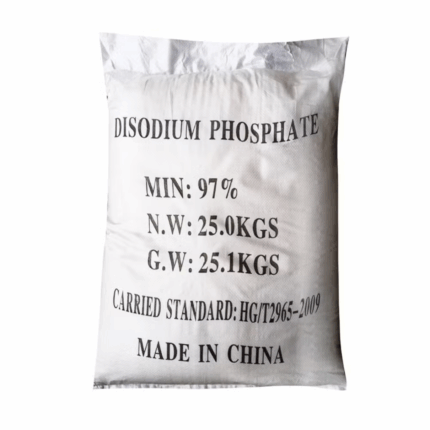
Disodium Phosphate
Disodium Phosphate, also known as sodium phosphate dibasic, is an inorganic compound widely used for its buffering, emulsifying, and chelating properties. It commonly appears as a white, odorless crystalline powder or granules that are highly soluble in water and alkaline in nature. Disodium Phosphate plays a vital role in regulating pH, improving stability in formulations, and providing essential sodium and phosphate ions. It finds extensive use across food processing, pharmaceuticals, water treatment, agriculture, and industrial applications.
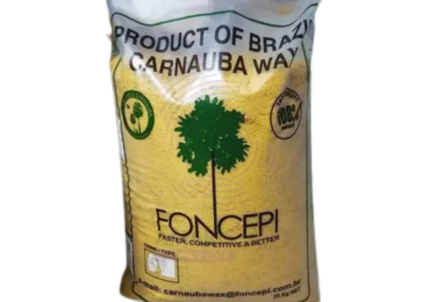
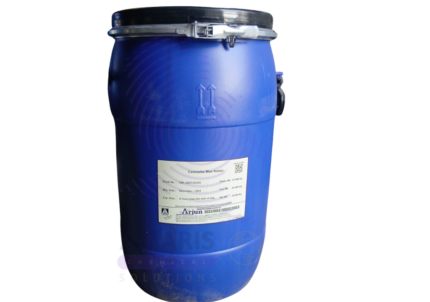
Carnauba Wax Prime Yellow
Carnauba Wax Prime Yellow, also known as Type 1 or Prime Yellow Grade, is the highest quality and purest form of carnauba wax derived from the leaves of the Copernicia cerifera palm tree, native to Brazil. It is a natural, vegetable-based wax prized for its exceptional hardness, high gloss, high melting point, and emulsification properties. Prime Yellow grade represents the finest classification, characterized by its light yellow to pale amber color, low impurities, and superior film-forming characteristics. It is obtained through a meticulous process of harvesting, drying, and processing the palm leaves to extract the waxy coating, which is then refined and graded. Carnauba Wax is often referred to as the "Queen of Waxes" due to its unique combination of properties unmatched by synthetic alternatives. Technical grade Carnauba Wax Prime Yellow is used across numerous industries for its ability to impart gloss, hardness, slip resistance, and moisture barrier properties. It is not intended for direct food consumption but is widely used in food-contact applications such as coatings and packaging.
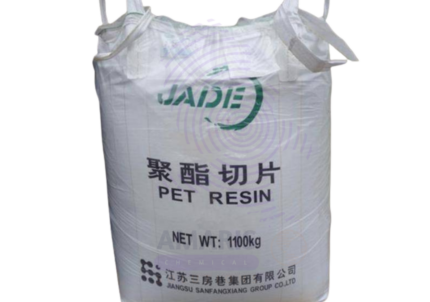
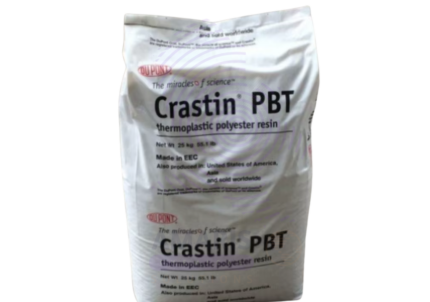
PET Resin (Polyethylene Terephthalate)
PET Resin (Polyethylene Terephthalate) is a thermoplastic polymer resin of the polyester family, produced primarily from purified terephthalic acid (PTA) and monoethylene glycol (MEG). It exists in two main forms: amorphous (transparent) and semi-crystalline (opaque). In its technical/industrial grade, it is a clear, strong, and lightweight plastic material renowned for its excellent barrier properties against moisture and gases, high impact strength, and chemical resistance. It is a key raw material for manufacturing rigid containers and packaging but is not typically used for high-heat applications (like ovenware) or high-purity pharmaceutical uses in this grade. It is 100% recyclable (#1 plastic).
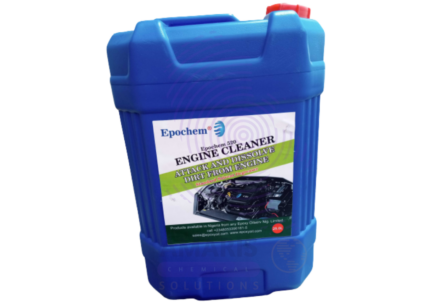
Engine Cleaner
Engine Cleaner (also known as Engine Degreaser) is a heavy-duty, solvent-based or aqueous-based chemical formulation designed to dissolve, emulsify, and remove stubborn petroleum-based contaminants from mechanical assemblies. Its primary function is to cut through and lift accumulated engine oil, grease, grime, carbon deposits, and road tar from internal combustion engines, machinery parts, and automotive components. Technical-grade engine cleaner is engineered for industrial, automotive repair, and fleet maintenance applications. It is not intended for use on active electronic components, certain plastics, or as a general-purpose household cleaner due to its potent chemical strength and potential corrosivity.

Ceramic cleaner
Ceramic Cleaner is a formulated cleaning agent specifically designed to remove dirt, grime, stains, soap scum, hard water deposits, and biological films from ceramic surfaces without causing damage or etching. These surfaces include glazed ceramic tiles, porcelain, sanitaryware (toilets, sinks), and delicate ceramics. Formulations vary from acidic or alkaline heavy-duty cleaners for industrial and bathroom use to pH-neutral, non-abrasive solutions for household and delicate items. The product works through a combination of surfactants, solvents, and sometimes mild acids or abrasives to lift and dissolve contaminants, leaving surfaces clean and often with a polished finish.

Concrete & cabro stain cleaner
Concrete & Cabro Stain Cleaner is a specialized, acidic cleaning formulation designed to remove stubborn stains, discoloration, and mineral deposits from concrete surfaces and cabro paving blocks (interlocking pavers). It is typically a liquid concentrate that works by chemically dissolving and lifting embedded grime, organic growth, and inorganic salts. This product is intended for heavy-duty industrial, commercial, and residential exterior cleaning and is not suitable for use on sensitive surfaces like marble, limestone, or certain metals, or for general household cleaning.
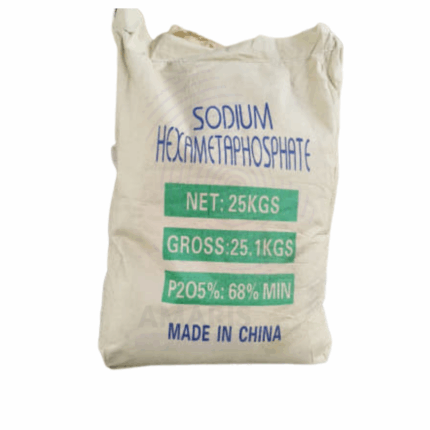
Sodium Hexametaphosphate
Sodium Hexametaphosphate (SHMP) is a high-efficiency sequestrant and dispersing agent widely used across industrial applications. It appears as a white, odorless powder or granule, highly soluble in water, and is valued for its ability to chelate metal ions, soften water, and disperse solids. Its role in preventing scale formation and stabilizing chemical formulations makes it a key ingredient in water treatment, cleaning agents, and textile processing. It is the primary active ingredient in many commercial and industrial water treatment formulations, most notably as the original key component in the Calgon® brand of water softeners and scale inhibitors. While modern "Calgon" products may contain blended formulations, the term has become a common genericized reference for polyphosphate-based scale prevention, rooted in this chemical's function.


Sodium Lauryl Ether Sulphate
Sodium Lauryl Ether Sulphate (SLES) is a versatile anionic surfactant commonly used in personal care, household, and industrial cleaning products. It is a clear to slightly yellow viscous liquid or powder derived from ethoxylated lauryl alcohol and sulfuric acid, neutralized with sodium hydroxide. SLES is valued for its excellent foaming, cleansing, and emulsifying properties. It is biodegradable and widely accepted for use in cosmetic and cleaning formulations, providing mildness and effective removal of dirt and oils.
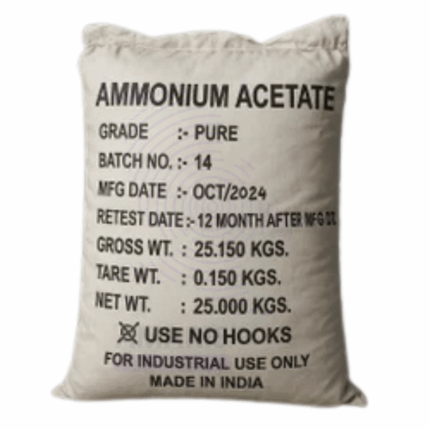
Ammonium Acetate
Ammonium acetate is a white crystalline solid or granular powder that is highly soluble in water. It is the ammonium salt of acetic acid and commonly appears as a colorless, odorless compound. Ammonium acetate is widely used in laboratories, chemical synthesis, food industry, pharmaceuticals, and industrial applications due to its buffering capacity and ability to provide both ammonium and acetate ions in solution. It functions as a neutral salt and is valued for its role as a pH buffer, reagent, and stabilizer.
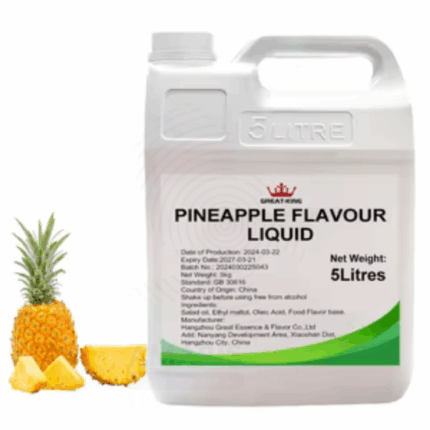
Pineapple Sweet Liquid Flavour
Pineapple Sweet Liquid Flavour is a high-quality synthetic flavour designed to replicate the sweet, tangy, and tropical taste of fresh pineapple. This flavouring is widely used in the food and beverage industry to enhance the sensory appeal of products such as beverages, baked goods, confectionery, and dairy items. It delivers a consistent, natural-like pineapple taste with excellent stability during processing and storage. Pineapple Liquid Flavour is water-soluble and blends well in both liquid and semi-solid food matrices, making it a versatile ingredient for a variety of formulations.
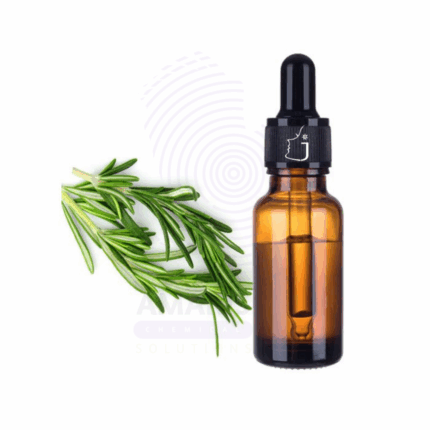
Rosemary Oil
Rosemary Oil is an essential oil extracted through steam distillation from the leaves and flowering tops of the Rosmarinus officinalis plant. It possesses a fresh, herbaceous, and slightly woody aroma. Rich in cineole, camphor, and α-pinene, Rosemary Oil is widely valued for its stimulating, antioxidant, and antimicrobial properties. It is extensively used in aromatherapy, cosmetics, pharmaceuticals, and natural personal care products. Rosemary Oil promotes scalp health, enhances hair growth, supports respiratory function, and is used in massage blends to invigorate the body and mind.
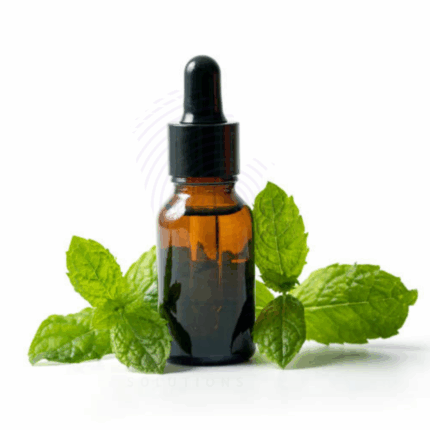
Peppermint Oil
Peppermint Oil is a refreshing essential oil obtained by steam distillation of the leaves and flowering tops of the Mentha × piperita plant. Renowned for its sharp, cool, and invigorating menthol aroma, it contains high levels of menthol and menthone, which contribute to its cooling, analgesic, and antimicrobial effects. Peppermint Oil is widely used across aromatherapy, pharmaceuticals, personal care, food flavoring, and cleaning products. Its stimulating and soothing properties make it popular for relieving headaches, muscle pain, digestive issues, and respiratory problems, while also adding a fresh scent to many formulations.
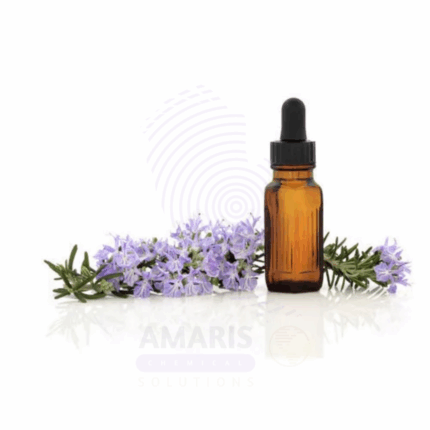
Palmarosa Oil
Palmarosa Oil is a highly valued essential oil obtained through steam distillation of the fresh grass Cymbopogon martinii, native to India. Known for its sweet, floral, and rose-like aroma, it is rich in geraniol, a natural compound with potent antimicrobial and anti-inflammatory properties. Palmarosa Oil is widely used in aromatherapy, natural skincare, and personal care formulations for its hydrating and rejuvenating effects. Its antimicrobial activity makes it popular in therapeutic blends, natural preservatives, and fragrance products. Additionally, it has applications in pharmaceutical, cleaning, and flavoring industries.
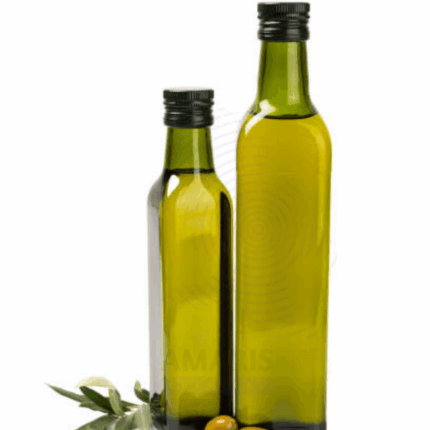
Olive Oil Virgin
Olive Oil Virgin is a natural oil obtained from the first cold pressing of olives without the use of chemicals or excessive heat, preserving its rich flavor and nutritional qualities. It is characterized by a fruity aroma and a balanced taste, containing high levels of monounsaturated fatty acids, particularly oleic acid, as well as antioxidants such as polyphenols and vitamin E. Virgin olive oil is widely valued for its health benefits, culinary versatility, and skin conditioning properties. It is extensively used in food preparation, cosmetic formulations, and pharmaceutical applications, offering moisturizing, antioxidant, and anti-inflammatory effects.
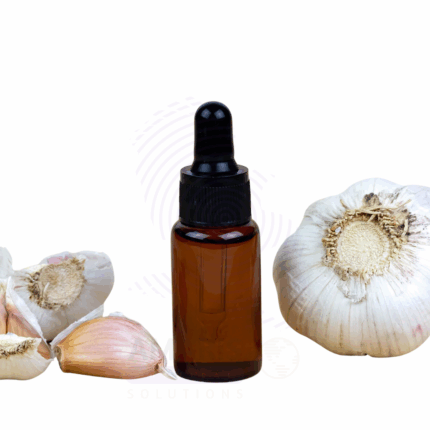
Garlic Oil
Garlic Oil is a potent essential oil extracted from the bulbs of the Allium sativum plant, primarily through steam distillation or solvent extraction. Known for its strong, pungent aroma and rich sulfur-containing compounds such as allicin, diallyl disulfide, and ajoene, Garlic Oil is widely recognized for its antimicrobial, antifungal, antiviral, and antioxidant properties. Traditionally used in herbal medicine, it has applications in pharmaceuticals, natural personal care products, food flavoring, and agricultural pest management. Its therapeutic properties also make it a valuable ingredient in formulations aimed at cardiovascular health and immune system support.
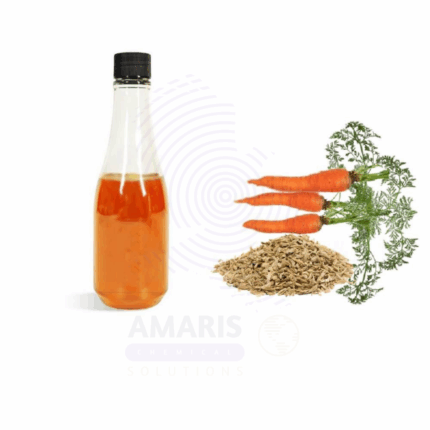
Carrot Seed Oil
Carrot Seed Oil is a highly concentrated essential oil extracted via steam distillation from the dried seeds of the wild carrot plant (Daucus carota). It should not be confused with carrot carrier oil (infused from the root). Carrot Seed Oil is rich in carotol, a key component contributing to its antioxidant, antifungal, and anti-aging effects. The oil is pale yellow to amber-colored and has a warm, earthy, herbaceous aroma.
Widely recognized for its skin-rejuvenating and detoxifying benefits, Carrot Seed Oil is a staple in cosmetic formulations, particularly for mature or sun-damaged skin. It also finds use in pharmaceuticals and aromatherapy, supporting liver function, immunity, and cell regeneration. Due to its potency, it is typically used in diluted concentrations or synergistic blends.
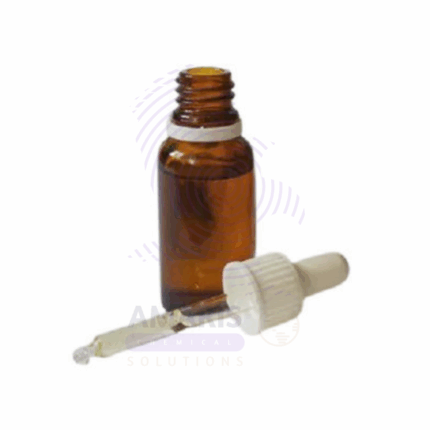
Argan Oil
Argan Oil is a nutrient-rich natural oil derived from the kernels of the Argan tree (Argania spinosa), native to Morocco. Extracted through cold pressing, it is golden-yellow in color and has a mildly nutty aroma. Renowned for its high content of essential fatty acids (oleic and linoleic acid), vitamin E (tocopherol), polyphenols, and antioxidants, Argan Oil is widely used in cosmetic, personal care, pharmaceutical, and nutraceutical formulations.
This oil is a potent emollient, moisturizer, and skin rejuvenator, making it highly effective in skincare and hair care products. Argan Oil also offers anti-inflammatory and wound-healing properties and is commonly used in anti-aging formulations. Its light texture and quick absorption make it ideal for both leave-on and rinse-off applications. Additionally, edible-grade Argan Oil is used in culinary preparations, contributing both flavor and nutritional benefits.
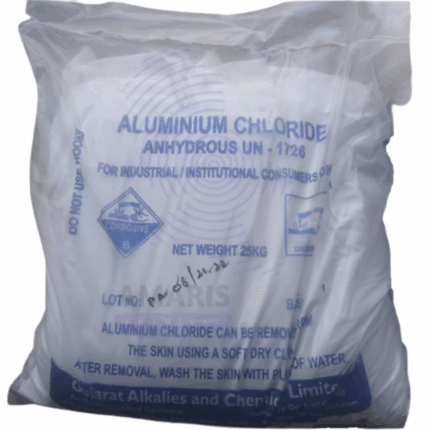
Anhydrous Aluminum Chloride
Anhydrous Aluminum Chloride (AlCl₃) is a white to pale yellow crystalline solid known for its strong Lewis acid properties. It is a key catalyst widely used in organic synthesis, especially in Friedel-Crafts alkylation and acylation reactions. Due to its high reactivity with moisture, it must be stored and handled under strictly anhydrous conditions. Anhydrous Aluminum Chloride also finds applications in polymerization, pharmaceuticals, and the production of dyes, pharmaceuticals, and petrochemicals.


Ammonium Chloride
Ammonium chloride is a white crystalline salt with a salty, slightly acidic taste. It is highly soluble in water and is widely used in various industrial, agricultural, and pharmaceutical applications. It acts as a nitrogen source in fertilizers, a flux in metalworking, and an expectorant in medicine. Its versatility and relatively low toxicity make it an important compound in multiple sectors.

Sodium Bicarbonate
Sodium Bicarbonate, commonly known as Baking Soda, is a white crystalline powder with a mildly alkaline taste. It is widely used across multiple industries for its excellent buffering, neutralizing, and leavening properties. This compound is safe for food applications and also finds uses in pharmaceuticals, cleaning, and industrial processes. Its ability to react with acids releasing carbon dioxide makes it essential for baking and other chemical applications.
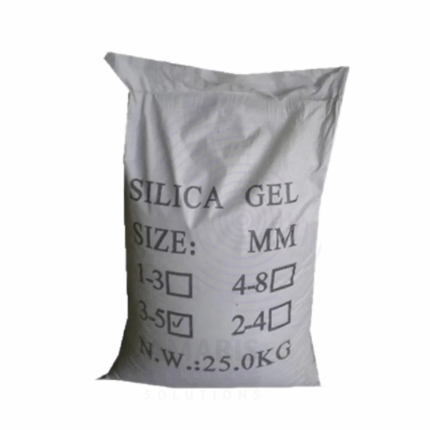
Silica Gel White
Silica Gel White is a non-indicating, amorphous form of silicon dioxide (SiO₂) used primarily as a desiccant to control humidity and prevent moisture damage in a wide range of applications. Unlike blue silica gel, it does not change color when saturated, making it ideal for use where visual indicators are not required. It is chemically inert, odorless, and capable of adsorbing up to 40% of its weight in water vapor. Packaged in 25kg bags or drums, Silica Gel White is used across industries for packaging, preservation, drying, and moisture regulation.
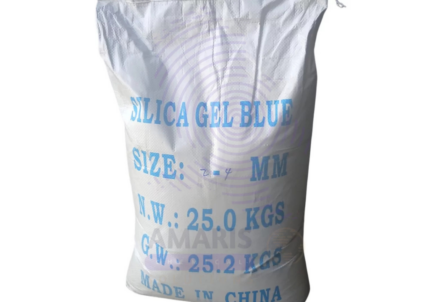
Silica Gel Blue
Silica Gel Blue is a granular, porous form of amorphous silica that contains a moisture-sensitive cobalt compound. The blue color changes to pink as the silica absorbs moisture, providing a visual indication of saturation. Packaged in 25kg quantities, this self-indicating desiccant is widely used in industrial, commercial, and consumer applications for moisture control, preservation, and protection of sensitive materials. Its high surface area, non-corrosive nature, and easy regeneration make it a preferred drying agent across various industries.

Polyvinyl Chloride Tubing
Polyvinyl Chloride Tubing is a flexible, durable tube made from polyvinyl chloride (PVC), commonly used in laboratories for the safe and efficient transfer of gases, liquids, and chemicals. It features excellent chemical resistance, good mechanical strength, and flexibility, making it ideal for a wide range of laboratory applications including fluid transfer, vacuum lines, and connection of various lab apparatus. PVC Tubing is transparent or translucent to allow visual monitoring of fluid flow and is resistant to abrasion, corrosion, and weathering. It is available in various diameters and thicknesses to suit different laboratory requirements.












