

 Preservatives(food)
 Flavor Enhancers
 Acidulants
 Sweeteners
 Antioxidants
 Colorants(food)
 Nutraceutical Ingredients (food)
 Nutrient Supplements
 Emulsifiers
 Collectors
 Dust Suppressants
 Explosives and Blasting Agents
 Flocculants and Coagulants
 Frothers
 Leaching Agents
 pH Modifiers
 Precious Metal Extraction Agents
 Antioxidants(plastic)
 Colorants (Pigments, Dyes)
 Fillers and Reinforcements
 Flame Retardants
 Monomers
 Plasticizers
 Polymerization Initiators
 Stabilizers (UV, Heat)
 Antifoaming Agents
 Chelating Agents
 Coagulants and Flocculants
 Corrosion Inhibitors
 Disinfectants and Biocides
 Oxidizing Agents
 pH Adjusters
 Scale Inhibitors( water)
 Antioxidants(cosmetic)
 Emollients
 Fragrances and Essential Oils
 Humectants
 Preservatives
 Surfactants(cosmetic)
 Thickeners
 UV Filters
 Fertilizers
 Soil Conditioners
 Plant Growth Regulators
 Animal Feed Additives
 Biostimulants
 Pesticides (Herbicides, Insecticides, Fungicides)
 Active Pharmaceutical Ingredients (APIs)
 Excipients
 Solvents(pharmaceutical)
 Antibiotics
 Antiseptics and Disinfectants
 Vaccine Adjuvants
 Nutraceutical Ingredients (pharmaceutical)
 Analgesics & Antipyretics
 Analytical Reagents
 Solvents(lab)
 Chromatography Chemicals
 Spectroscopy Reagents
 microbiology-and-cell-culture-reagents
 Molecular Biology Reagents
 Biochemical Reagents
 Inorganic and Organic Standards
 Laboratory Safety Chemicals
 Specialty Laboratory Chemicals(Special Laboratory Equipment)
 Demulsifiers
 Hydraulic Fracturing Fluids
 Scale Inhibitors(oil)
 Surfactants(oil)
 Drilling Fluids
 Dyes and Pigments
 Bleaching Agents
 Softening Agents
 Finishing Agents
 Antistatic Agents
 Admixtures
 Waterproofing Agents
 Sealants and Adhesives
 Curing Compounds
 Concrete Repair Chemicals
 Anti-Corrosion Coatings
 Surfactants(cleaning)
 Builders
 Enzymes
 Solvents (Cleaning)
 Fragrances
 Electronic Chemicals
 Catalysts
 Lubricants
 Photographic Chemicals
 Refrigerants
 Automotive chemicals
 Pyrotechnic Chemicals
 Biodegradable Surfactants
 Bio-based Solvents
 Renewable Polymers
 Carbon Capture Chemicals
 Wastewater Treatment Chemicals
 Pigments
 Solvents(paint)
 Specialty Coatings
 Binders/Resins
 Additives
 Driers
 Anti-Corrosion Agents
 Functional Coatings
 Application-Specific Coatings
 Leavening Agents
 Dough Conditioners
 Flour Treatments
 Fat Replacers
 Decoratives
 Preservatives(baking)
 Plasticizers & Softeners
 Reinforcing Agents
 Adhesion Promoters
 Vulcanizing Agents
 Antidegradants
 Blowing Agents
 Fillers & Extenders
 Accelerators & Retarders

















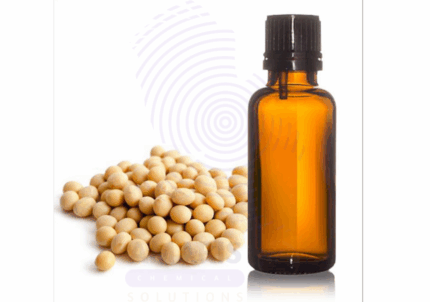
Acid Oil Soya
Acid Oil Soya is a byproduct derived from the refining of soybean oil. It is a dark-colored, free fatty acid-rich liquid containing mainly oleic and linoleic acids. Acid Oil Soya is commonly used in industrial applications such as soap making, animal feed, and as a raw material in the production of biodiesel, lubricants, and other chemicals.

Acticide
Acticide is a brand name for a range of biocides and preservatives used primarily in industrial and commercial products to prevent the growth of bacteria, fungi, algae, and other microorganisms. It is commonly added to paints, coatings, adhesives, plastics, and personal care products to extend their shelf life and maintain product quality.
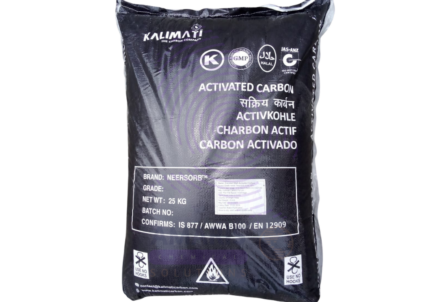
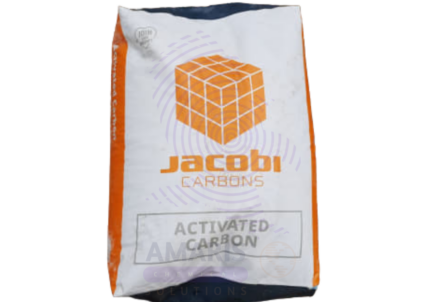
Activated Carbon (Charcoal)
Activated carbon is a highly porous, adsorptive material processed to have an exceptionally large surface area (typically 500-1500 m²/g) through thermal or chemical activation of carbon-rich source materials. This versatile adsorbent exists in powdered (PAC), granular (GAC), pelletized, and extruded forms, with pore structures specifically engineered for different applications ranging from water purification to gas treatment. Its extended surface area and complex pore network (micropores <2nm, mesopores 2-50nm, macropores >50nm) enable superior physical adsorption of contaminants through van der Waals forces, as well as chemical interactions with surface functional groups.
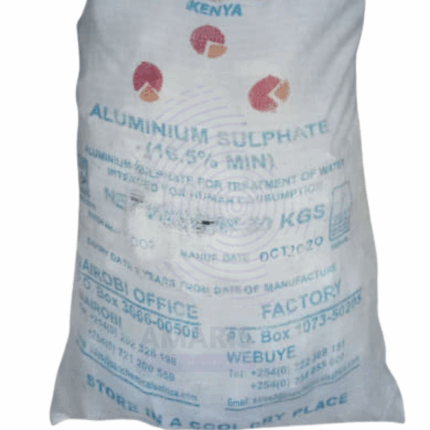
Aluminium Sulphate Alum Rock
Aluminium Sulphate Alum Rock, commonly referred to as simply Aluminum Sulphate or Alum Rock, is a white crystalline solid widely used across various industries. It is primarily known for its strong coagulating properties, making it essential in water purification, wastewater treatment, and paper manufacturing. When dissolved in water, it reacts to form aluminum hydroxide, which binds with impurities and suspended particles, facilitating their removal. In addition, alum rock finds applications in dyeing, tanning, and as a mordant in textile industries. It has astringent and antiseptic properties, making it useful in cosmetics and personal care products such as deodorants and styptic pencils. Its cost-effectiveness and multifunctionality make it a staple chemical in environmental, industrial, and consumer sectors.
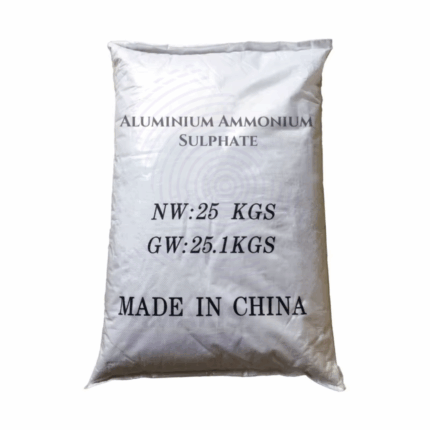
Aluminum Ammonium Sulphate
Aluminum ammonium sulphate, commonly known as ammonium alum or ammonium aluminum sulfate, is a crystalline chemical compound consisting of aluminum, ammonium, and sulfate ions. It typically appears as a colorless or white crystalline solid with astringent properties. It is widely used for its excellent coagulating, clarifying, and antiseptic properties. Aluminum ammonium sulphate finds applications in water purification, cosmetics, food processing, textile dyeing, and pharmaceuticals. Its ability to precipitate impurities and act as a mordant makes it invaluable in industries requiring precise control of chemical reactions, such as in the preparation of baking powder and fireproof textiles.
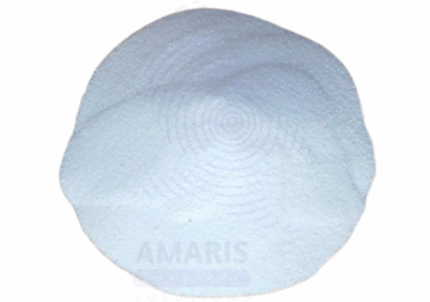
Ammonia Acetate
Ammonia Acetate is a white crystalline solid or granular powder with a mild ammoniacal odor. It is a salt formed from ammonia and acetic acid, widely used in laboratories, industrial processes, and some niche food and pharmaceutical applications. Ammonium Acetate is highly soluble in water and often utilized as a buffer solution in biochemical and analytical chemistry due to its ability to maintain pH. It also serves as a precursor in the synthesis of various chemicals and acts as a neutralizing agent in several industrial applications.
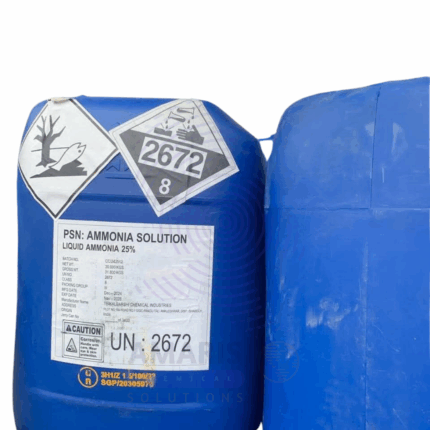
Ammonia solution
Ammonia solutions, often referred to as aqueous ammonia or ammonium hydroxide, are clear, colorless liquids consisting of ammonia gas dissolved in water. The concentration of ammonia in these solutions typically ranges from 5% to 35% by weight. Ammonia solutions possess a pungent odor characteristic of ammonia gas and are alkaline with a pH typically between 11 and 12.5. This solution is widely used across various industries due to its excellent cleaning properties, reactivity, and role as a nitrogen source.


Ammonium Chloride
Ammonium chloride is a white crystalline salt with a salty, slightly acidic taste. It is highly soluble in water and is widely used in various industrial, agricultural, and pharmaceutical applications. It acts as a nitrogen source in fertilizers, a flux in metalworking, and an expectorant in medicine. Its versatility and relatively low toxicity make it an important compound in multiple sectors.
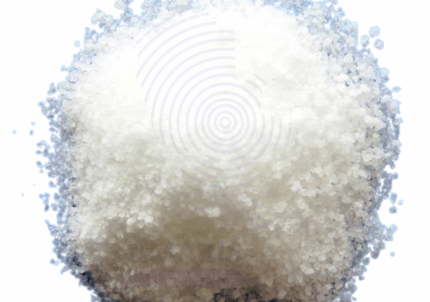
Ammonium Cupric Chloride
Ammonium Cupric Chloride is a blue-green crystalline inorganic compound composed of copper, ammonium, and chloride ions. It is widely used as a source of copper in agricultural fungicides and bactericides, as well as in electroplating, chemical synthesis, and textile dyeing. Its antimicrobial properties make it valuable for controlling fungal and bacterial infections in plants. Additionally, it serves as a precursor in various industrial and laboratory applications.
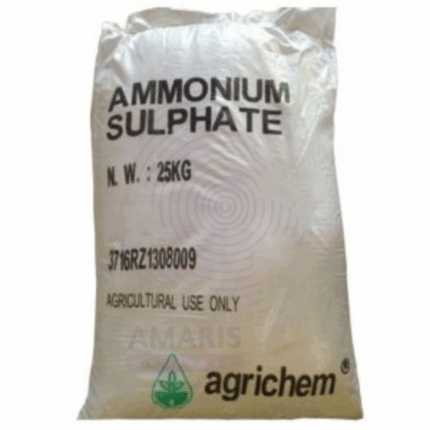
Ammonium Sulphate
Ammonium Sulphate is an inorganic salt with the formula (NH₄)₂SO₄. It appears as a white crystalline solid, highly soluble in water, and is widely used as a fertilizer due to its high nitrogen and sulfur content. Besides agriculture, ammonium sulphate finds extensive use in industrial processes, food additives, pharmaceutical applications, and water treatment. It acts as a soil amendment to improve nitrogen levels and acidity, a flocculating agent in water purification, and a stabilizer or precipitant in biochemical and pharmaceutical formulations.
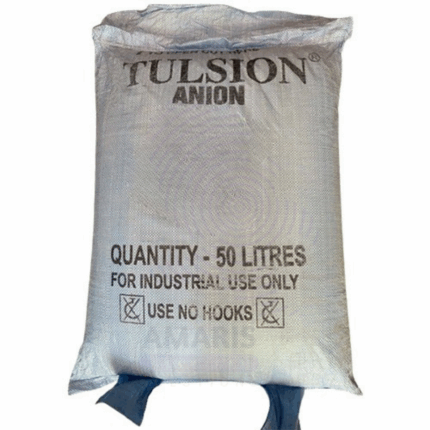
Anion
Anions are negatively charged ions formed when an atom or molecule gains one or more electrons. They play vital roles in chemistry, biology, and industrial processes. Anions are key participants in ionic bonding, acid-base chemistry, and electrochemical reactions. Common anions include chloride (Cl⁻), sulfate (SO₄²⁻), nitrate (NO₃⁻), and phosphate (PO₄³⁻). Their behavior and interaction affect processes ranging from water treatment and agriculture to physiological functions and battery technology.
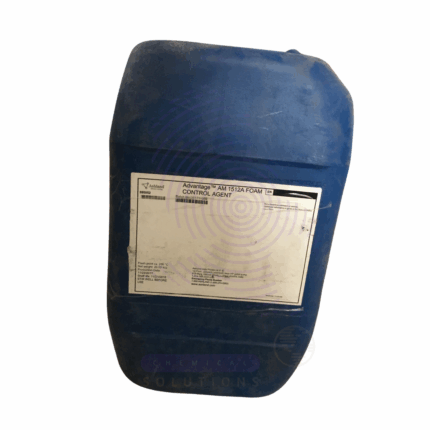
Anti Foam
Anti foams are chemical additives designed to reduce or prevent the formation of foam in industrial processes, manufacturing, and various formulations. Foam can interfere with operations such as mixing, filling, pumping, and heat transfer, leading to reduced efficiency or defects in products. Anti foams work by destabilizing foam bubbles, causing them to coalesce and collapse rapidly. They are widely used in industries including food and beverage, pharmaceuticals, wastewater treatment, paints and coatings, and chemical manufacturing. Different types of anti foams include silicone-based, mineral oil-based, and organic polymer-based formulations, chosen according to the specific application and process conditions.
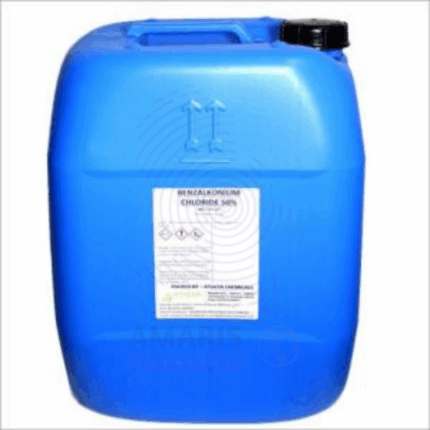
Benzyl Konium Chloride
Benzyl Konium Chloride (BAC) 50% is a quaternary ammonium compound with potent antimicrobial and disinfectant properties. It is a cationic surfactant widely used for its bactericidal, fungicidal, and virucidal effects. This clear to pale yellow liquid concentrate is highly soluble in water and is commonly used in healthcare, sanitation, and industrial hygiene applications. BAC 50% solutions serve as active ingredients in disinfectants, sanitizers, and antiseptics due to their effectiveness against a broad spectrum of microorganisms.
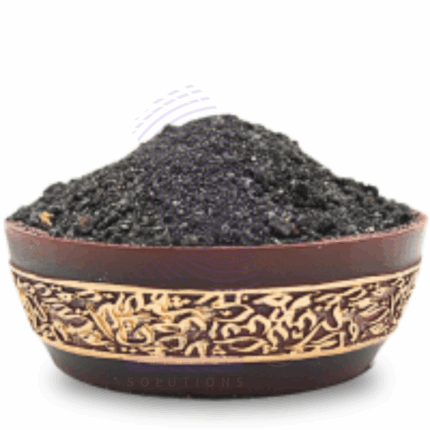
Black Jawi
Black Jawi is a natural, mineral-rich volcanic sand or powder, traditionally harvested from volcanic regions. Its high content of silica, iron oxides, magnesium, and trace minerals makes it a versatile material for agriculture, construction, cosmetics, and industrial applications. Packaged in 30kg bulk quantities, it is ideal for large-scale projects requiring durability, soil enhancement, or therapeutic properties.
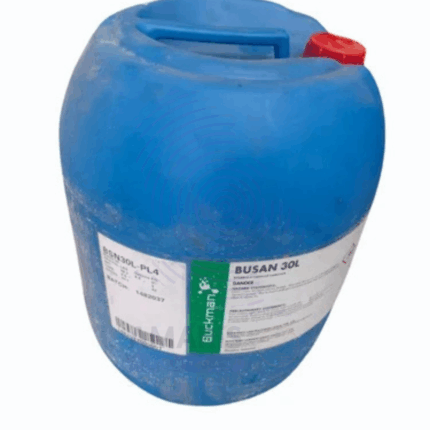
Busan
Busan is a brand name associated with a comprehensive range of specialty chemicals, primarily including surfactants, dispersants, and performance additives. These products are engineered to optimize the properties of coatings, paints, inks, adhesives, and other industrial formulations. Busan specialty chemicals enhance formulation stability, improve pigment dispersion, control rheology, and boost wetting and flow characteristics, leading to superior application and end-use performance. Designed for versatility and efficiency, Busan products are widely used across the coatings, printing, plastics, and chemical manufacturing industries.

Calcium Chloride
Calcium Chloride is an inorganic salt composed of calcium and chlorine with the chemical formula CaCl₂. It typically appears as a white crystalline solid or granular powder, highly soluble in water and exhibiting strong hygroscopic properties. Calcium Chloride is widely used for its moisture-absorbing ability, de-icing, dust control, and as a firming agent in food processing. It finds extensive applications across industrial, pharmaceutical, agricultural, and food sectors due to its efficacy in modifying physical and chemical properties of products and environments.
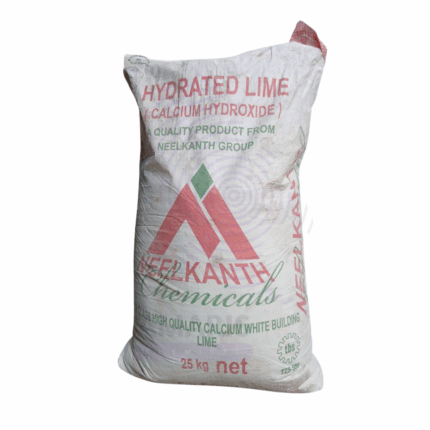
Calcium Hydroxide Hydrated Lime
Calcium Hydroxide Hydrated Lime, commonly known as Hydrated Lime or Slaked Lime, is an inorganic compound with the chemical formula Ca(OH)₂. It appears as a white, odorless, powder or crystalline solid. It is produced by treating quicklime (calcium oxide) with water in a process called slaking. Calcium Hydroxide is moderately soluble in water, forming a strongly alkaline solution known as limewater. It is widely used in construction, environmental, chemical, agricultural, and water treatment applications due to its caustic, neutralizing, and flocculating properties.
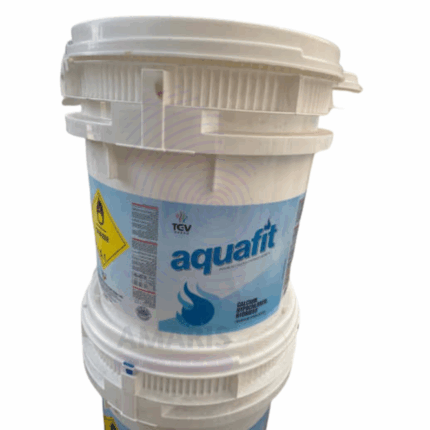
Calcium Hypochlorite
Calcium Hypochlorite Chlorine is a white to slightly yellow crystalline powder or granules known for its strong oxidizing and disinfectant properties. The 65% grade indicates the available chlorine content, making it a powerful bleaching, sanitizing, and oxidizing agent. It is commonly used for water treatment, sanitation, and as a bleaching agent in industrial and household applications. Calcium Hypochlorite dissolves in water to release hypochlorous acid, which effectively kills bacteria, viruses, and fungi.
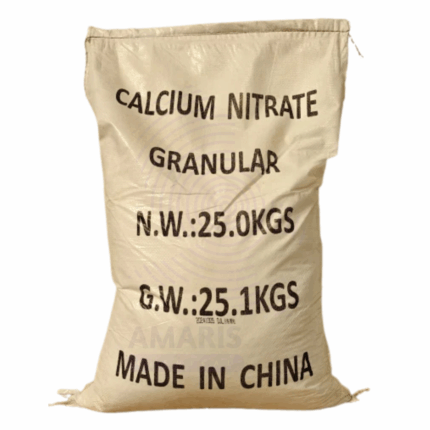
Calcium Nitrate
Calcium Nitrate is a highly soluble, white crystalline salt composed of calcium and nitrate ions. It is commonly available as a tetrahydrate (Ca(NO₃)₂·4H₂O). Known for its excellent solubility in water, calcium nitrate is widely used as a fertilizer providing both calcium and nitrogen to plants. It improves soil structure, enhances nutrient uptake, and prevents disorders such as blossom-end rot in fruits. Beyond agriculture, calcium nitrate serves in wastewater treatment, concrete acceleration, and industrial chemical processes.
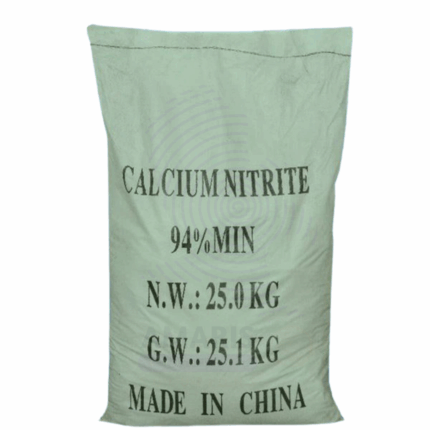
Calcium Nitrite
Calcium Nitrite is an inorganic compound commonly supplied as a white crystalline powder or granules. It serves primarily as a corrosion inhibitor in reinforced concrete structures, protecting steel reinforcement from rust and prolonging structural lifespan. Calcium nitrite is also used in various industrial processes as an oxidizing agent and preservative. Due to its high solubility in water and strong oxidizing properties, it effectively prevents chloride-induced corrosion and improves concrete durability.
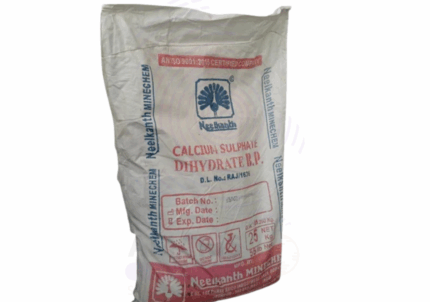
Calcium Sulphate Dihydrate
Calcium Sulphate Dihydrate, commonly known as gypsum, is a naturally occurring mineral widely used in agriculture, construction, and various industrial processes. It appears as a white or slightly translucent crystalline powder with moderate solubility in water. The compound is primarily used as a soil conditioner to improve soil structure and supply calcium and sulfur nutrients essential for plant growth. It also finds applications in the manufacture of plaster, cement, and as a filler in various products.
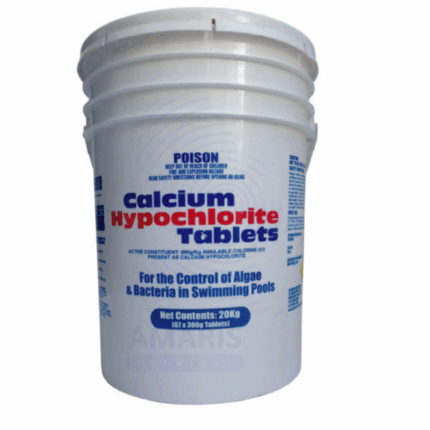
Chlorine Tablets
Chlorine Tablets are solid, compressed forms of chlorine-releasing compounds, typically composed of stabilized trichloroisocyanuric acid (TCCA) or sodium dichloroisocyanurate (SDIC). These tablets are used primarily for water disinfection and sanitation due to their controlled and sustained release of chlorine. They appear as white to off-white, hard tablets with a mild chlorine odor. Chlorine Tablets are widely used in swimming pools, drinking water treatment, wastewater treatment, and industrial sanitization processes. Their slow dissolution ensures prolonged antimicrobial activity, providing effective control against bacteria, viruses, algae, and other pathogens.
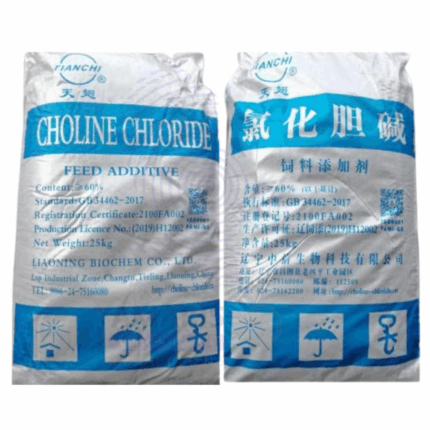
Choline Chloride Powder
Choline Chloride Powder is a white to off-white crystalline powder containing 60% choline chloride, a quaternary ammonium salt essential as a nutrient in animal and poultry feed. It serves as a vital source of choline, an important component in fat metabolism, liver function, and cell membrane integrity. Produced through chemical synthesis, this powder form is highly soluble in water, making it easy to incorporate into feed premixes and supplements. Choline chloride is widely used in the agriculture industry to prevent choline deficiency, enhance growth performance, and improve overall health in livestock. Beyond animal nutrition, it finds applications in chemical manufacturing and pharmaceuticals.
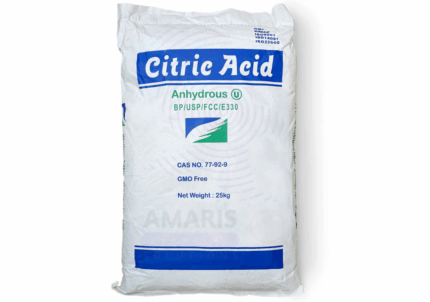
Citric Acid Anhydrous
Citric Acid Anhydrous is a white, crystalline organic acid widely used across food, pharmaceutical, cosmetic, and industrial sectors. It is the anhydrous form of citric acid, meaning it contains no water molecules in its crystal lattice, resulting in higher purity and more concentrated acidic properties compared to its monohydrate form. Derived from natural sources like citrus fruits or produced via microbial fermentation, citric acid anhydrous is valued for its sour taste, excellent chelating ability, and buffering capacity. It serves as a natural preservative, pH adjuster, antioxidant synergist, and cleaning agent, making it a versatile ingredient in many formulations.
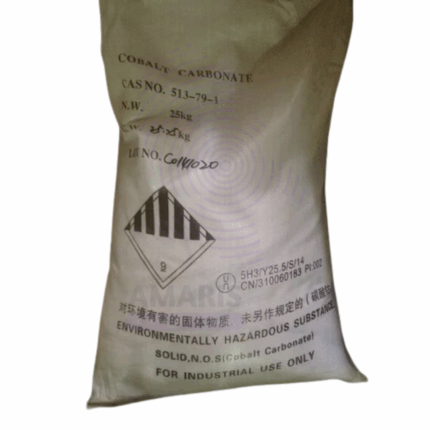
Cobalt Carbonate
Cobalt Carbonate is a rose-red to purplish powder with a metal content of approximately 46% cobalt by weight. It is an inorganic compound primarily used as a source of cobalt, either as a raw material in chemical synthesis or as a micronutrient in various formulations. It is slightly soluble in water and decomposes upon heating, releasing carbon dioxide and leaving cobalt oxide (CoO). Cobalt Carbonate is used in ceramics, catalysts, animal nutrition, batteries, and metal surface treatments. Its controlled release of cobalt makes it useful in both industrial and biological applications.
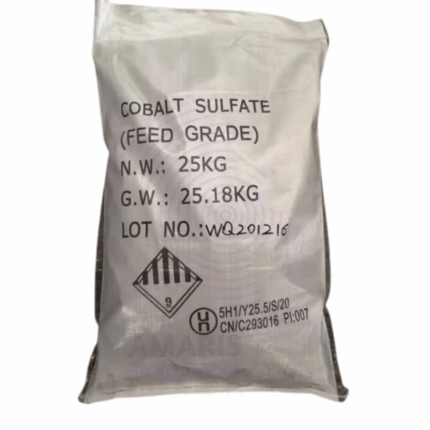
Cobalt Sulphate Feed Grade
Cobalt Sulphate Feed Grade is a cobalt salt of sulfuric acid, typically appearing as a pink to reddish crystalline powder or granules. It is specifically manufactured and purified for use as a trace mineral supplement in animal nutrition. Cobalt is an essential trace element required in small amounts for the synthesis of vitamin B12 (cobalamin) in ruminants, playing a vital role in maintaining proper metabolism, growth, and overall health. Feed grade cobalt sulfate ensures safe, bioavailable cobalt supply to livestock such as cattle, sheep, goats, and poultry, supporting rumen microbial activity, appetite, and red blood cell production.
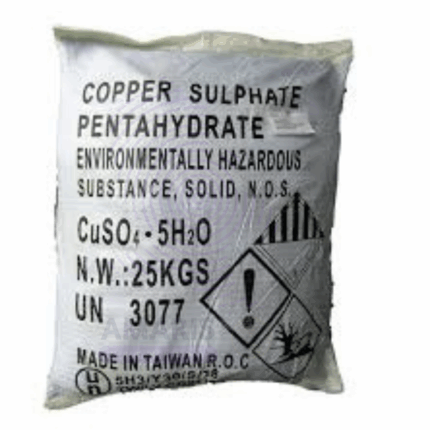
Copper Sulphate Pentahydrate
Copper Sulphate Pentahydrate (CuSO₄·5H₂O) is a bright blue crystalline solid widely used as a chemical reagent, agricultural fungicide, and analytical reagent. It consists of copper, sulfur, oxygen, and water molecules, forming a distinctive pentahydrate structure. This inorganic salt is highly soluble in water, exhibiting antifungal, algaecidal, and bactericidal properties. Copper Sulphate Pentahydrate is extensively employed in agriculture, industry, and laboratory applications due to its effectiveness, affordability, and well-understood chemistry.
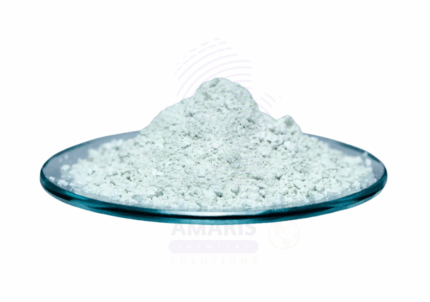
Cupric Sulphate Anhydrous
Cupric Sulphate Anhydrous (Copper(II) sulfate, anhydrous form) is a blue to green crystalline powder that is highly soluble in water. It is an inorganic compound consisting of copper, sulfur, and oxygen with the formula CuSO₄. Unlike its hydrated counterpart (CuSO₄·5H₂O), the anhydrous form contains no water molecules. It is widely used in agriculture, industry, and chemical manufacturing due to its fungicidal, algicidal, and chemical reactivity properties. The compound serves as a precursor to many copper salts and catalysts.
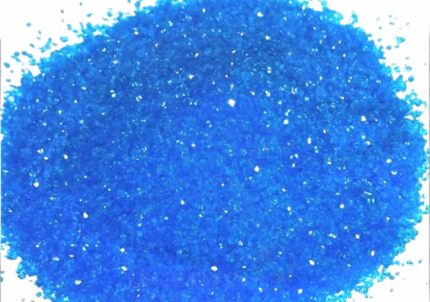
Cupric Sulphate Pentahydrate
Cupric Sulphate Pentahydrate (Copper(II) sulfate pentahydrate) is a bright blue crystalline solid with the chemical formula CuSO₄·5H₂O. It is the hydrated form of copper sulfate and is highly soluble in water. This compound is widely used in agriculture, chemical manufacturing, and laboratory applications due to its fungicidal, algicidal, and micronutrient properties. The pentahydrate form is the most common and commercially available, known for its vivid blue color and versatile reactivity.
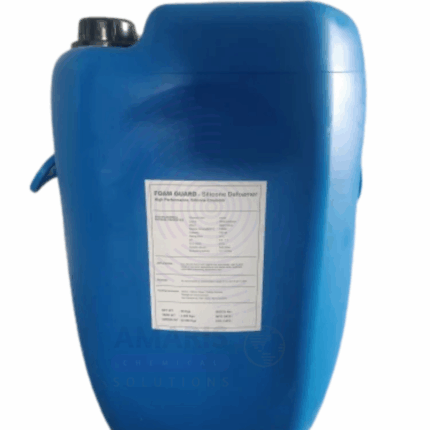
Defoamer
Defoamer is a high-performance, silicone-based antifoaming agent designed to eliminate and prevent foam formation in aqueous and non-aqueous systems. It is typically a milky-white or translucent emulsion composed of modified polydimethylsiloxane, hydrophobic silica, and proprietary surfactants or emulsifiers. Defoamer is known for its immediate foam knockdown, long-lasting suppression, and compatibility across diverse formulations. It is widely used in industrial processes, coatings, adhesives, water treatment, textiles, and more. It is effective at low concentrations, thermally stable, and resistant to shear and pH fluctuations.
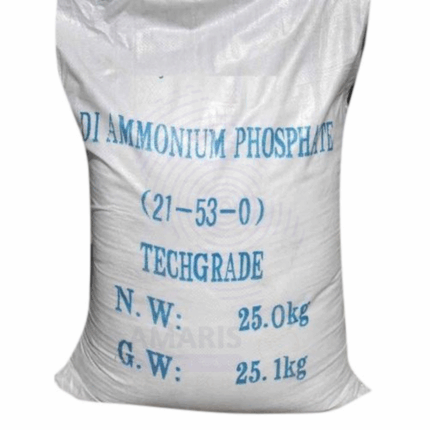
Diammonium Phosphate
Diammonium Phosphate (DAP) is a highly water-soluble, white crystalline fertilizer containing nitrogen and phosphorus. It is one of the most widely used phosphate fertilizers globally, providing a balanced source of nutrients essential for plant growth. DAP supplies ammonium nitrogen (NH₄⁺) and phosphate (PO₄³⁻), which promote vigorous root development, improve soil fertility, and enhance crop yield and quality. Besides agriculture, DAP serves important roles in food additives, fire retardants, and industrial applications. It’s favored for its high nutrient content, ease of application, and compatibility with other fertilizers and soil amendments.
Disodium Hydrogen Phosphate
Disodium Hydrogen Phosphate, also known as sodium phosphate dibasic, is an inorganic salt widely used as a buffering agent, emulsifier, and food additive. It appears as a white, odorless crystalline powder or granules that are highly soluble in water and alkaline in nature. It plays a crucial role in maintaining pH balance, stabilizing formulations, and supplying essential sodium and phosphate ions in various industries including food, pharmaceuticals, water treatment, and agriculture.
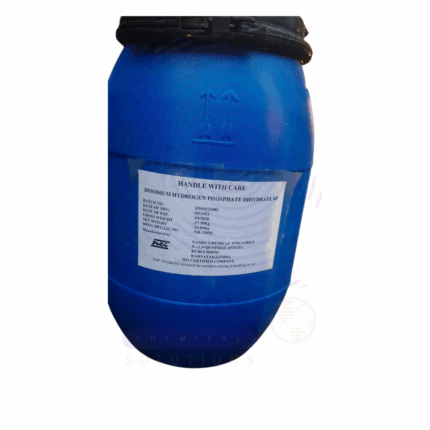
Disodium Hydrogen Phosphate Dihydrate
Disodium Hydrogen Phosphate Dihydrate is the hydrated form of disodium hydrogen phosphate, a white crystalline powder commonly used as a buffering agent, emulsifier, and sequestrant. The dihydrate form contains two water molecules per formula unit, which affects its physical properties such as melting point and solubility. It is widely applied in food, pharmaceutical, water treatment, and industrial processes to maintain pH stability, improve texture, and supply essential sodium and phosphate ions.
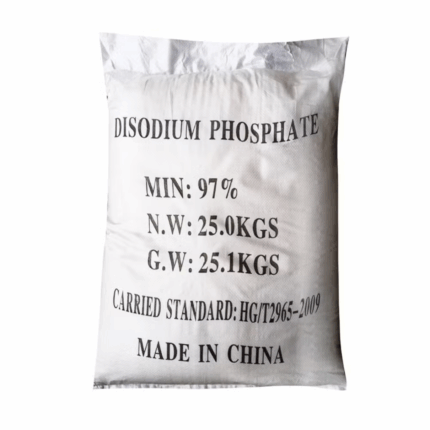
Disodium Phosphate
Disodium Phosphate, also known as sodium phosphate dibasic, is an inorganic compound widely used for its buffering, emulsifying, and chelating properties. It commonly appears as a white, odorless crystalline powder or granules that are highly soluble in water and alkaline in nature. Disodium Phosphate plays a vital role in regulating pH, improving stability in formulations, and providing essential sodium and phosphate ions. It finds extensive use across food processing, pharmaceuticals, water treatment, agriculture, and industrial applications.
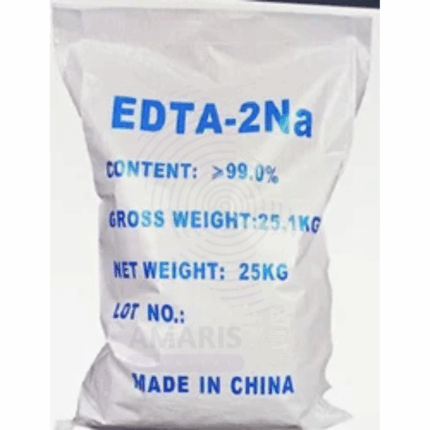
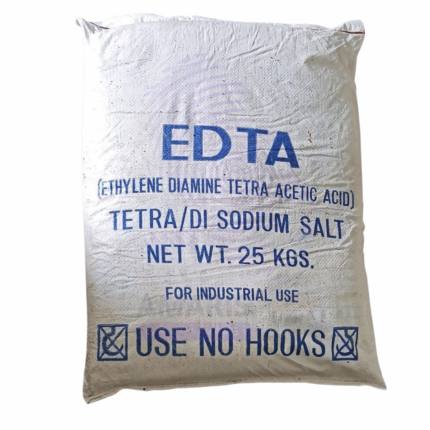
Disodium Salt (EDTA)
Disodium Salt (EDTA), (Ethylenediaminetetraacetic acid disodium salt) is a widely used chelating agent that binds metal ions to form stable complexes. It effectively sequesters divalent and trivalent metal ions such as calcium, magnesium, iron, and heavy metals, preventing their participation in unwanted chemical reactions. This property makes it essential in a wide range of industrial, pharmaceutical, cosmetic, agricultural, and water treatment applications. The disodium salt form offers excellent water solubility and is often used in neutral to slightly alkaline systems.
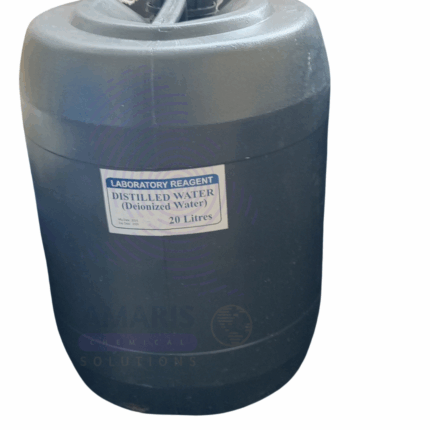
Distilled Water
Distilled Water is purified water that has been processed through distillation, a method involving evaporation and subsequent condensation to remove impurities, salts, minerals, and organic matter. This results in ultra-pure, clear, odorless, and tasteless water free of dissolved solids and contaminants. Distilled water is non-conductive, neutral in pH under ideal storage, and chemically stable. It is widely used across pharmaceutical, laboratory, medical, industrial, and consumer applications where high water purity is critical.
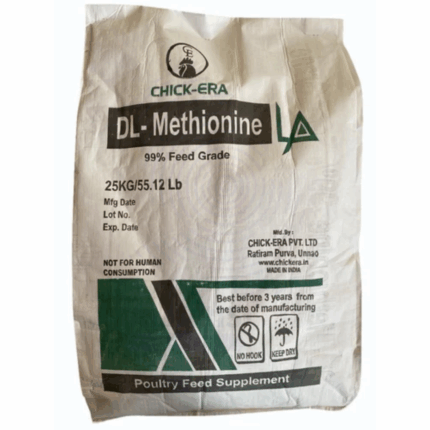
DL-Methionine Feed Grade
DL-Methionine Feed Grade is a synthetic, racemic mixture of the amino acid methionine, consisting of equal parts D- and L-isomers. It is an essential sulfur-containing amino acid widely used as a nutritional supplement in animal feed formulations. DL-Methionine plays a critical role in protein synthesis, growth, and metabolic functions in livestock and poultry. This feed-grade quality ensures high purity (minimum 99%) and suitability for inclusion in feed blends to enhance growth performance, improve feed efficiency, and prevent methionine deficiency-related disorders.
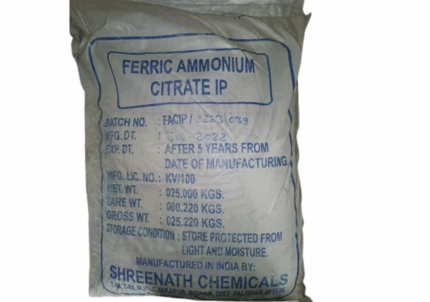
Ferric Ammonium Citrate
Ferric Ammonium Citrate is a dark green to black crystalline or granular inorganic compound composed of iron, ammonium ions, and citrate ions. It is a complex salt of citric acid with ferric iron (Fe³⁺) and ammonium. This compound is highly soluble in water, forming a greenish solution, and is widely utilized as a source of iron in various chemical, pharmaceutical, photographic, and food applications. It acts as a mild oxidizing agent and an iron supplement, valued for its bioavailability and ease of incorporation into formulations. Ferric Ammonium Citrate is typically available in different formulations distinguished by their water and ammonium content, such as green and brown types.
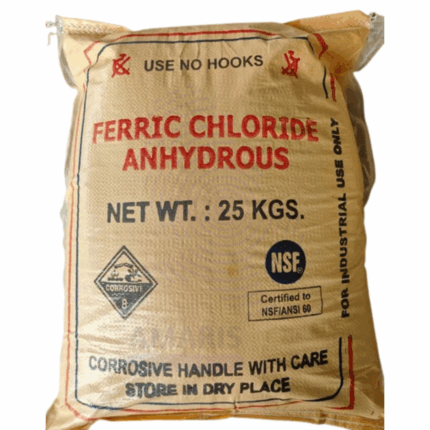
Ferric Chloride Anhydrous
Ferric Chloride Anhydrous (FeCl₃) is a dark brown to black crystalline solid with a metallic luster. It is a highly corrosive, hygroscopic inorganic salt widely used as a chemical reagent, catalyst, and coagulant. In its anhydrous form, ferric chloride is free of water and has a high purity of approximately 98%. It readily dissolves in water, releasing heat and producing acidic solutions. Ferric chloride is valued for its strong Lewis acid properties, making it effective in a variety of industrial, laboratory, and environmental applications. It is commonly supplied as a solid crystalline powder or lumps and should be handled with care due to its corrosive nature.
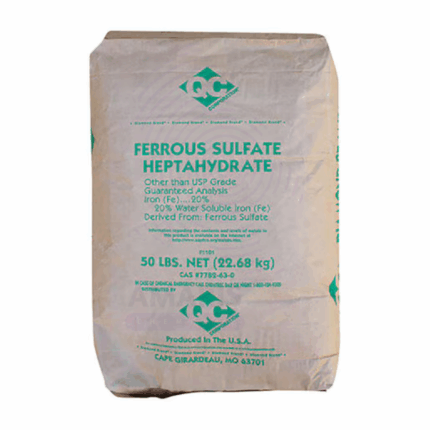
Ferrous Sulphate Heptahydrate
Ferrous Sulphate Heptahydrate, also known as iron(II) sulfate heptahydrate, is a pale green crystalline solid containing seven molecules of water of crystallization (FeSO₄·7H₂O). It is a widely used inorganic iron compound characterized by its high iron content (approximately 20% Fe) and good solubility in water. This hydrated salt is commonly used in agriculture, pharmaceuticals, water treatment, and various industrial processes. The heptahydrate form is preferred for many applications due to its stability, ease of handling, and cost-effectiveness.
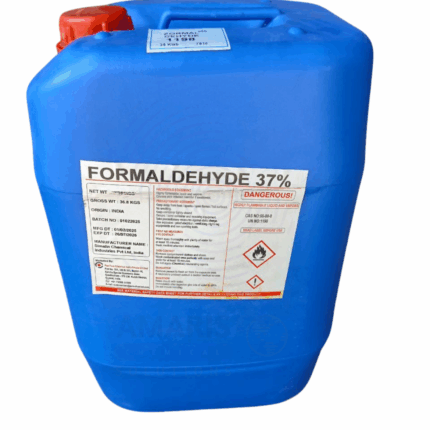
Formaldehyde (Formalin)
Formaldehyde (Formalin) is an aqueous solution containing approximately 37% formaldehyde by weight, stabilized typically with 10-15% methanol to prevent polymerization. It is a clear, colorless liquid with a pungent, penetrating odor. Formaldehyde is a simple aldehyde widely used as a disinfectant, preservative, and chemical intermediate. Formalin’s powerful antimicrobial and tissue-fixation properties make it essential in medical, laboratory, industrial, and manufacturing applications. It is one of the most commonly used chemicals worldwide for sterilization, embalming, and resin production.
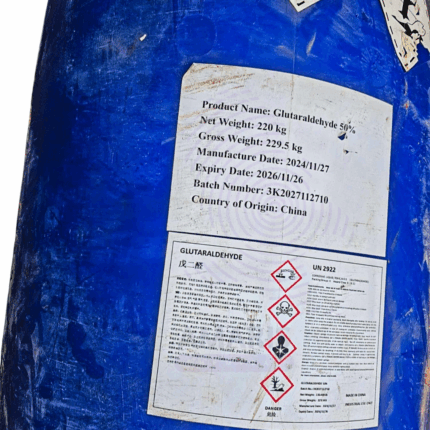
Glutardehyde
Glutardehydeis a potent biocidal agent and chemical sterilant widely used in healthcare, water treatment, and industrial applications. It is a colorless to pale yellow oily liquid with a pungent, sharp odor. Chemically, it is a dialdehyde, primarily valued for its ability to cross-link proteins, making it highly effective as a disinfectant, fixative, and preservative. Typically supplied in concentrations of 25% or 50% aqueous solutions, Glutaraldehyde is used where high-level disinfection is needed—especially against bacteria, viruses, fungi, and spores. Its versatility also extends to tanning, laboratory science, and wastewater treatment.
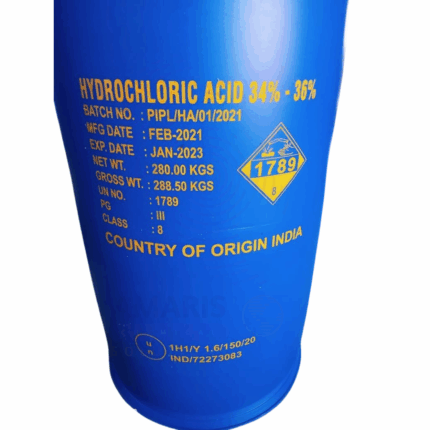
Hydrochloric Acid
Hydrochloric Acid HCL is a highly corrosive, strong mineral acid consisting of hydrogen chloride gas dissolved in water to a concentration of approximately 33% by weight. It appears as a clear, colorless to slightly yellow liquid with a sharp, pungent odor. HCl 33% is widely used in industrial, chemical, and laboratory applications due to its strong acidic properties, high reactivity, and versatility. It plays a crucial role in pH control, metal processing, chemical synthesis, and cleaning processes across numerous sectors.
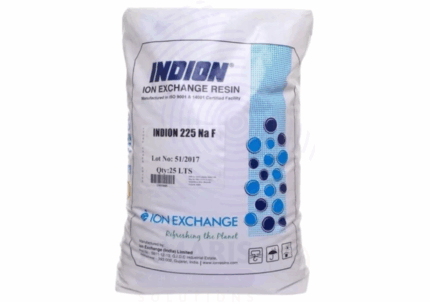
Indion Cation Resin
Indion Cation Resin is a synthetic ion exchange resin designed primarily for the removal of positively charged ions (cations) from water and various liquid streams. Typically composed of a sulfonated polystyrene-divinylbenzene (PS-DVB) copolymer, this resin features a highly porous bead structure with functional groups that exchange hydrogen or sodium ions for calcium, magnesium, iron, and other metallic cations. Available in different forms (strong acid cation, weak acid cation), Indion Cation Resin is widely used in water treatment, industrial processes, and purification systems.
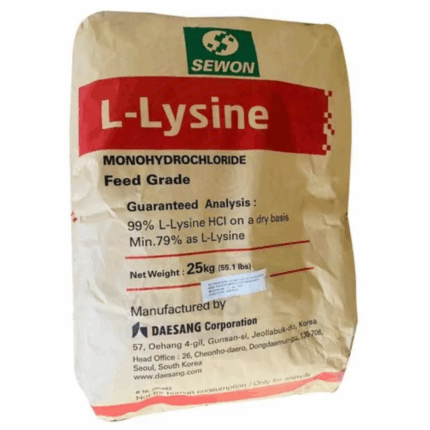
L-Lysine HCL Feed Grade
L-Lysine HCL Feed Grade is a highly pure form of the essential amino acid lysine combined with hydrochloric acid to improve its stability and solubility. It appears as a white crystalline powder and is widely used as a dietary supplement in animal feed to enhance growth, improve feed efficiency, and balance amino acid profiles. L-Lysine HCL is critical in poultry, swine, and aquaculture nutrition, helping to meet animals’ lysine requirements for protein synthesis and overall health.
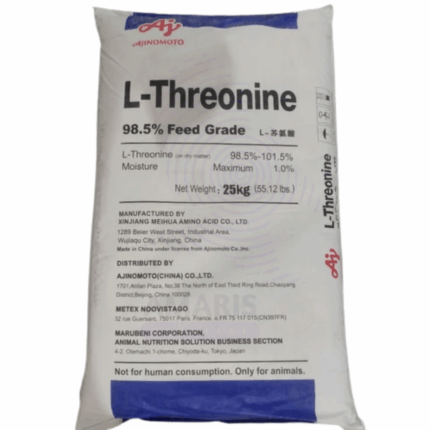
L-Threonine Feed Grade
L-Threonine Feed Grade is a high-purity essential amino acid used primarily as a nutritional supplement in animal feed. It appears as a white crystalline powder and is vital for protein synthesis, growth, and overall health in livestock. This feed-grade form of L-Threonine helps balance amino acid profiles in animal diets, especially in monogastric animals like poultry and swine, improving feed efficiency and production performance.

Liquid Chlorine
Liquid Chlorine is a pale yellow-green, highly reactive chemical primarily composed of chlorine dissolved in water or as liquefied chlorine gas under pressure. It is widely used as a powerful disinfectant, bleaching agent, and oxidizer in water treatment, sanitation, and various industrial applications. Due to its strong antimicrobial properties, liquid chlorine effectively controls bacteria, viruses, algae, and other microorganisms, ensuring safe potable water and hygienic conditions.

Magnesium Chloride
Magnesium Chloride is a white crystalline salt or granular solid composed of magnesium and chloride ions, commonly found as the hexahydrate form (MgCl₂·6H₂O). It is highly soluble in water, forming a clear, colorless solution with a slightly bitter saline taste. Magnesium Chloride is valued for its hygroscopic properties and is widely used across multiple industries including de-icing, chemical manufacturing, agriculture, food, pharmaceutical, and textile applications. It acts as a source of magnesium, a vital mineral for various biological and industrial processes.

Mineral lick ( Rock Salt)
Mineral Lick, commonly known as Rock Salt, is a naturally occurring mineral primarily composed of sodium chloride. It is harvested from salt deposits and widely used as a mineral supplement for livestock and wildlife, providing essential nutrients. Mineral Lick enhances animal health by promoting hydration, digestion, and mineral balance. It also has applications in industry, agriculture, and food processing.
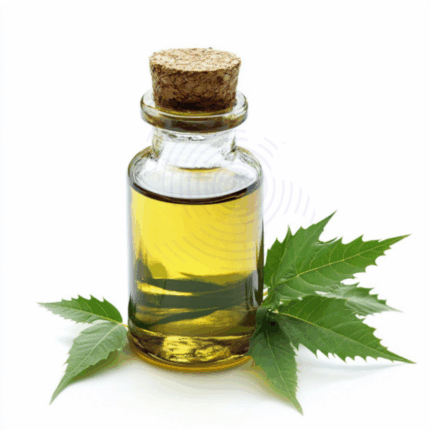
Neem oil
Neem oil is a natural vegetable oil pressed from the fruits and seeds of the neem tree (Azadirachta indica). It is characterized by its strong, pungent odor and dark brown color. Rich in active compounds like azadirachtin, nimbin, and fatty acids, neem oil is renowned for its insecticidal, antifungal, and antibacterial properties. It is widely used in organic farming, cosmetics, and traditional medicine for its therapeutic and protective benefits.












