

 Preservatives(food)
 Flavor Enhancers
 Acidulants
 Sweeteners
 Antioxidants
 Colorants(food)
 Nutraceutical Ingredients (food)
 Nutrient Supplements
 Emulsifiers
 Collectors
 Dust Suppressants
 Explosives and Blasting Agents
 Flocculants and Coagulants
 Frothers
 Leaching Agents
 pH Modifiers
 Precious Metal Extraction Agents
 Antioxidants(plastic)
 Colorants (Pigments, Dyes)
 Fillers and Reinforcements
 Flame Retardants
 Monomers
 Plasticizers
 Polymerization Initiators
 Stabilizers (UV, Heat)
 Antifoaming Agents
 Chelating Agents
 Coagulants and Flocculants
 Corrosion Inhibitors
 Disinfectants and Biocides
 Oxidizing Agents
 pH Adjusters
 Scale Inhibitors( water)
 Antioxidants(cosmetic)
 Emollients
 Fragrances and Essential Oils
 Humectants
 Preservatives
 Surfactants(cosmetic)
 Thickeners
 UV Filters
 Fertilizers
 Soil Conditioners
 Plant Growth Regulators
 Animal Feed Additives
 Biostimulants
 Pesticides (Herbicides, Insecticides, Fungicides)
 Active Pharmaceutical Ingredients (APIs)
 Excipients
 Solvents(pharmaceutical)
 Antibiotics
 Antiseptics and Disinfectants
 Vaccine Adjuvants
 Nutraceutical Ingredients (pharmaceutical)
 Analgesics & Antipyretics
 Analytical Reagents
 Solvents(lab)
 Chromatography Chemicals
 Spectroscopy Reagents
 microbiology-and-cell-culture-reagents
 Molecular Biology Reagents
 Biochemical Reagents
 Inorganic and Organic Standards
 Laboratory Safety Chemicals
 Specialty Laboratory Chemicals(Special Laboratory Equipment)
 Demulsifiers
 Hydraulic Fracturing Fluids
 Scale Inhibitors(oil)
 Surfactants(oil)
 Drilling Fluids
 Dyes and Pigments
 Bleaching Agents
 Softening Agents
 Finishing Agents
 Antistatic Agents
 Admixtures
 Waterproofing Agents
 Sealants and Adhesives
 Curing Compounds
 Concrete Repair Chemicals
 Anti-Corrosion Coatings
 Surfactants(cleaning)
 Builders
 Enzymes
 Solvents (Cleaning)
 Fragrances
 Electronic Chemicals
 Catalysts
 Lubricants
 Photographic Chemicals
 Refrigerants
 Automotive chemicals
 Pyrotechnic Chemicals
 Biodegradable Surfactants
 Bio-based Solvents
 Renewable Polymers
 Carbon Capture Chemicals
 Wastewater Treatment Chemicals
 Pigments
 Solvents(paint)
 Specialty Coatings
 Binders/Resins
 Additives
 Driers
 Anti-Corrosion Agents
 Functional Coatings
 Application-Specific Coatings
 Leavening Agents
 Dough Conditioners
 Flour Treatments
 Fat Replacers
 Decoratives
 Preservatives(baking)
 Plasticizers & Softeners
 Reinforcing Agents
 Adhesion Promoters
 Vulcanizing Agents
 Antidegradants
 Blowing Agents
 Fillers & Extenders
 Accelerators & Retarders


















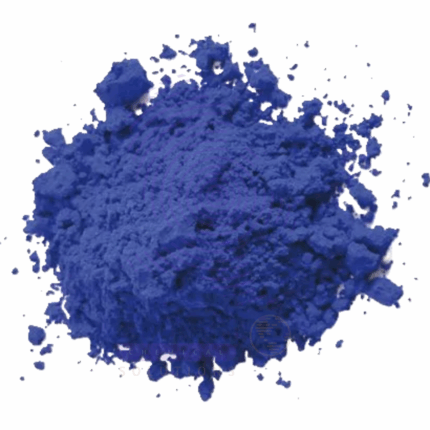
Blue Dye
Blue Dye is a water-soluble synthetic dye solution with 6% active dye content, providing a vivid blue coloration for various industrial applications. It is formulated for easy dispersion in aqueous systems and offers consistent color strength and stability. This dye is widely used in textile dyeing, paper coloring, cosmetics, and cleaning products.

Blueberry Toppings
Blueberry Toppings are sweet, fruit-based condiment preparations made primarily from blueberries, sugar, and thickening agents. They are characterized by a vibrant blue-purple color, fruity aroma, and a sweet-tart flavor profile. Typically semi-viscous with chunks or pureed pieces of blueberry, these toppings are used as finishing ingredients in desserts, breakfast foods, and beverages. Blueberry toppings may be prepared as preserves, syrups, or glazes and often contain natural flavors and preservatives to enhance shelf life and sensory appeal.
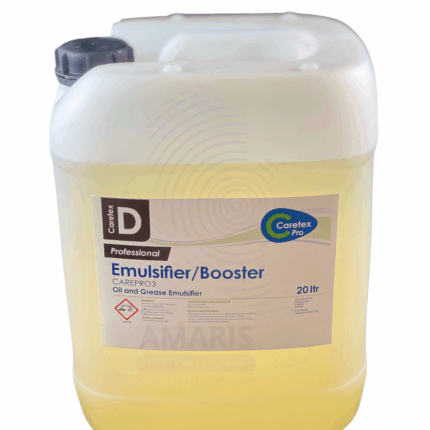
Booster Emulsifier
Booster Emulsifier is a specialized surfactant-based additive formulated to enhance the stability, texture, and uniformity of emulsions in food, cosmetic, and pharmaceutical formulations. It acts by reducing surface tension between immiscible liquids such as oil and water, facilitating the formation of stable, homogeneous emulsions. Booster Emulsifier is valued for its ability to improve product appearance, extend shelf life, and enhance sensory properties such as mouthfeel and creaminess. It is typically available as a liquid or powder and compatible with a wide range of ingredients.
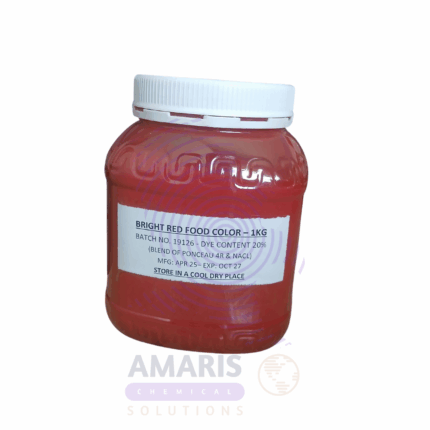
Bright Red Color Water Soluble
Bright Red Color Water Soluble is a synthetic water-soluble dye known for its vivid, intense red hue and excellent clarity in aqueous solutions. It dissolves readily in water, offering uniform dispersion and strong colorfastness across a wide pH range. This dye is widely used in textile dyeing, food and beverage coloring, cosmetics, pharmaceuticals, paints, and laboratory settings. Its chemical stability and bright coloration make it suitable for industrial, research, and commercial applications requiring reliable red pigmentation in water-based systems.
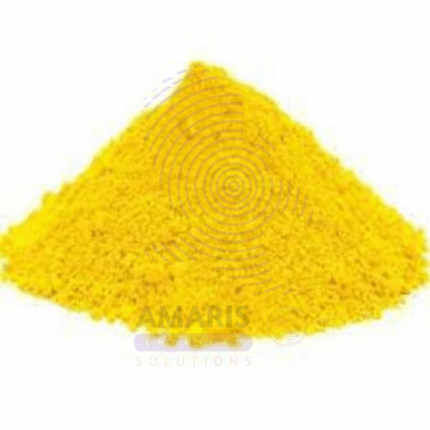
Bright Yellow Dye
Bright Yellow Dye is a high-strength, water-soluble synthetic dye solution designed for vibrant red coloration across various industrial and consumer products. With 20% active dye content, it offers excellent color intensity, easy dispersibility, and compatibility with a wide range of aqueous systems. This versatile dye is widely used in textiles, paper, personal care products, and household cleaning formulations.
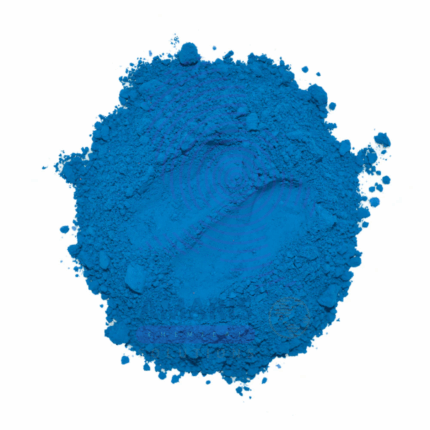
Brilliant Blue water soluble
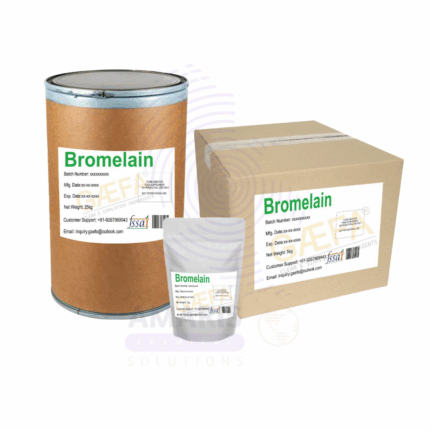
Bromelain
Bromelain is a natural mixture of proteolytic enzymes derived primarily from the stem and fruit of the pineapple plant (Ananas comosus). It appears as a pale yellow to off-white powder with a characteristic mild odor and is water-soluble. Bromelain exhibits protease activity, breaking down proteins into peptides and amino acids, making it valuable in medical, food, and industrial applications. It is widely used as an anti-inflammatory agent, digestive aid, meat tenderizer, and in cosmetic formulations due to its enzymatic and therapeutic properties.
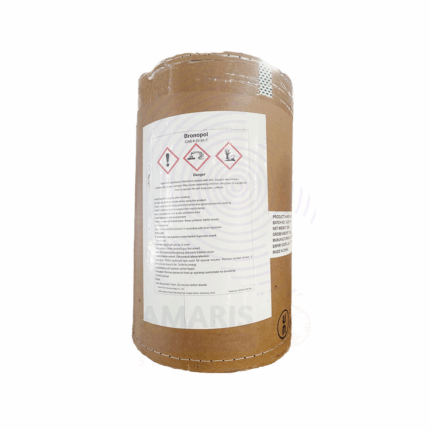
Bronopol
Bronopol (2-Bromo-2-nitropropane-1,3-diol) is a water-soluble, white crystalline powder or granules with a slight odor. It is a synthetic antimicrobial agent widely used as a preservative in personal care products, pharmaceuticals, cosmetics, and industrial applications. Bronopol exhibits broad-spectrum bactericidal and fungicidal activity, making it effective against a wide range of microorganisms. It works by releasing active formaldehyde slowly, which disrupts microbial metabolism and reproduction.

Bubble Gum Fragrance Oil
Bubble Gum Fragrance Oil is a high-quality aromatic oil designed to impart the classic sweet, fruity, and nostalgic scent of bubble gum. This fragrance oil is widely used in a variety of personal care and household products to provide a fun and playful aroma. It is carefully formulated for stability and long-lasting scent performance, making it ideal for use in soaps, candles, air fresheners, and cosmetic formulations.
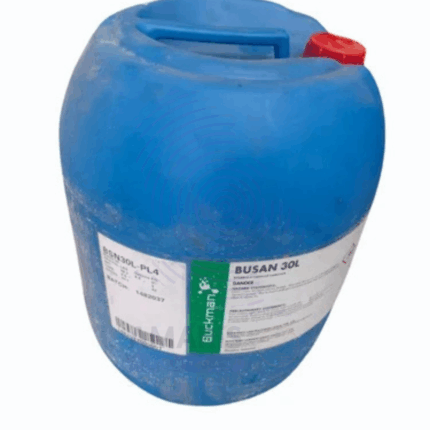
Busan
Busan is a brand name associated with a comprehensive range of specialty chemicals, primarily including surfactants, dispersants, and performance additives. These products are engineered to optimize the properties of coatings, paints, inks, adhesives, and other industrial formulations. Busan specialty chemicals enhance formulation stability, improve pigment dispersion, control rheology, and boost wetting and flow characteristics, leading to superior application and end-use performance. Designed for versatility and efficiency, Busan products are widely used across the coatings, printing, plastics, and chemical manufacturing industries.
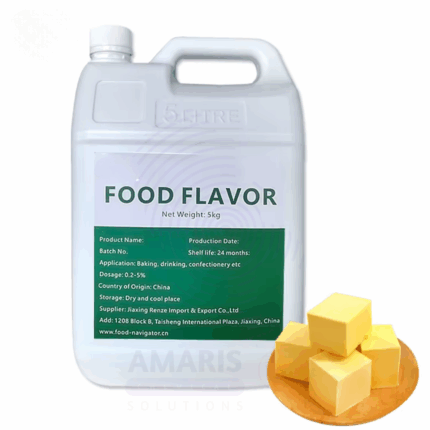
Butter Liquid Flavour
Butter Liquid Flavour is a premium food-grade liquid flavor designed to replicate the rich, creamy, and natural aroma and taste of fresh butter. It is formulated to provide an authentic buttery note with a smooth, rich profile, suitable for enhancing a wide range of food and beverage products. This flavor exhibits excellent stability in various formulations, making it ideal for use in bakery items, dairy products, confectionery, and savory snacks.
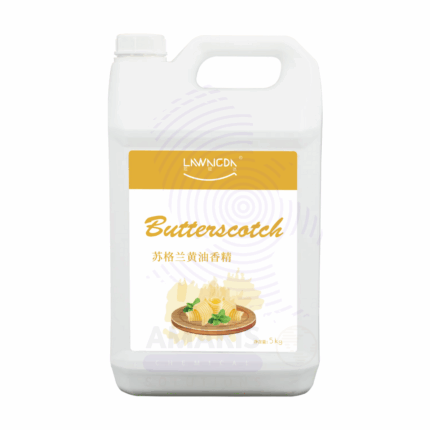
Butterscotch Liquid Flavour
Butterscotch Liquid Flavour is a premium food-grade flavor designed to deliver the rich, buttery, caramelized sweetness characteristic of classic butterscotch. This liquid flavor offers a smooth and creamy aroma with hints of toasted brown sugar and vanilla, making it ideal for a wide range of food and beverage applications. It exhibits excellent stability and blending properties, ensuring consistent flavor performance in various formulations such as bakery, confectionery, dairy, and beverages.
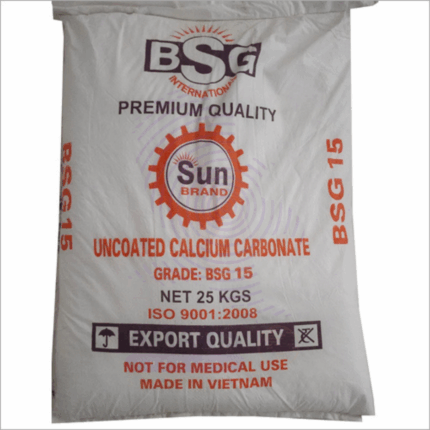
Calcium Carbonate Uncoated
Calcium Carbonate Uncoated is a naturally occurring mineral compound composed primarily of calcium, carbon, and oxygen with the chemical formula CaCO₃. It appears as a fine white powder or granules, widely used as a filler, pigment, and functional additive across various industries. The uncoated form means the calcium carbonate particles are not surface-treated, retaining their natural properties. It is valued for its high brightness, whiteness, and excellent compressibility. Uncoated calcium carbonate is used to enhance opacity, improve processing, and reduce costs in plastics, paints, coatings, adhesives, rubber, paper, and construction materials.

Calcium Chloride
Calcium Chloride is an inorganic salt composed of calcium and chlorine with the chemical formula CaCl₂. It typically appears as a white crystalline solid or granular powder, highly soluble in water and exhibiting strong hygroscopic properties. Calcium Chloride is widely used for its moisture-absorbing ability, de-icing, dust control, and as a firming agent in food processing. It finds extensive applications across industrial, pharmaceutical, agricultural, and food sectors due to its efficacy in modifying physical and chemical properties of products and environments.
Calcium D-Panthothenate
Calcium D-Panthothenate is the calcium salt of D-pantothenic acid (vitamin B5), appearing as a white or off-white crystalline powder. It is a stable, water-soluble compound widely used as a dietary supplement and pharmaceutical ingredient to supply vitamin B5, essential for coenzyme A synthesis and normal metabolism of carbohydrates, proteins, and fats. Calcium D-Panthothenate supports adrenal function, wound healing, and nervous system health, and is frequently incorporated into multivitamins, nutritional supplements, fortified foods, and topical formulations.
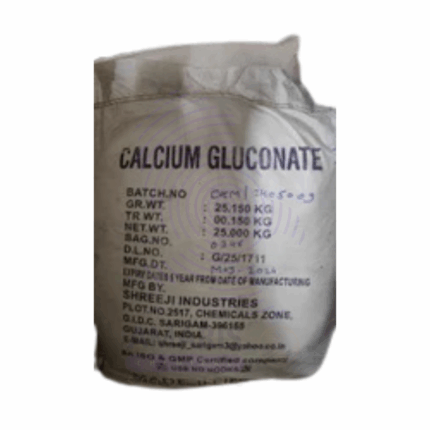
Calcium Gluconate
Calcium Gluconate is a calcium salt of gluconic acid appearing as a white, odorless, crystalline powder or colorless crystals. It is highly soluble in water and commonly used as a calcium supplement in pharmaceuticals and food products. Calcium Gluconate plays a critical role in medicine for treating calcium deficiencies, hypocalcemia, and as an antidote for hydrofluoric acid burns. Its excellent bioavailability makes it a preferred calcium source in oral and intravenous formulations. Additionally, it is utilized in food fortification and cosmetic applications due to its safety and compatibility.
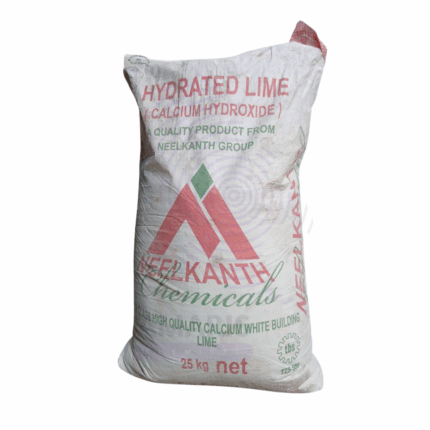
Calcium Hydroxide Hydrated Lime
Calcium Hydroxide Hydrated Lime, commonly known as Hydrated Lime or Slaked Lime, is an inorganic compound with the chemical formula Ca(OH)₂. It appears as a white, odorless, powder or crystalline solid. It is produced by treating quicklime (calcium oxide) with water in a process called slaking. Calcium Hydroxide is moderately soluble in water, forming a strongly alkaline solution known as limewater. It is widely used in construction, environmental, chemical, agricultural, and water treatment applications due to its caustic, neutralizing, and flocculating properties.
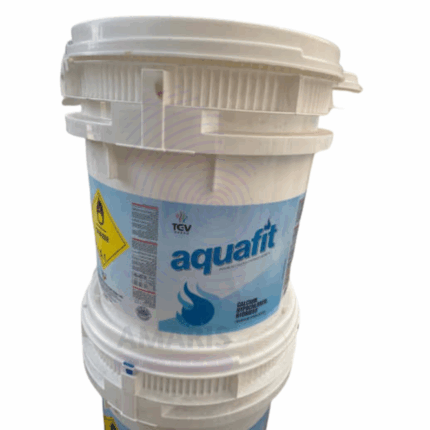
Calcium Hypochlorite
Calcium Hypochlorite Chlorine is a white to slightly yellow crystalline powder or granules known for its strong oxidizing and disinfectant properties. The 65% grade indicates the available chlorine content, making it a powerful bleaching, sanitizing, and oxidizing agent. It is commonly used for water treatment, sanitation, and as a bleaching agent in industrial and household applications. Calcium Hypochlorite dissolves in water to release hypochlorous acid, which effectively kills bacteria, viruses, and fungi.
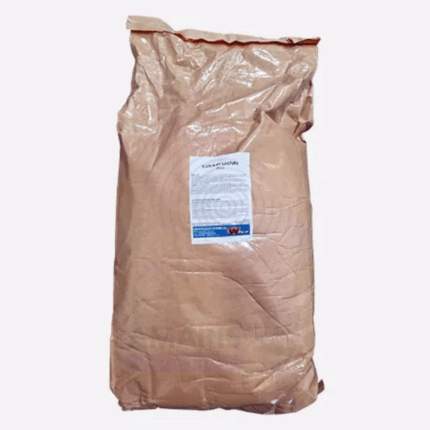
Calcium Lactate Pentahydrate
Calcium Lactate Pentahydrate is a white, crystalline, odorless powder that is the calcium salt of lactic acid with five molecules of water of crystallization. It is moderately soluble in water and has a slightly alkaline pH in solution. Widely used as a calcium supplement in the pharmaceutical and food industries, it is known for its good bioavailability and safety profile. Calcium Lactate Pentahydrate is utilized to prevent and treat calcium deficiencies and plays a role in bone health, muscle function, and enzyme activity. It also finds applications as a food additive and firming agent.
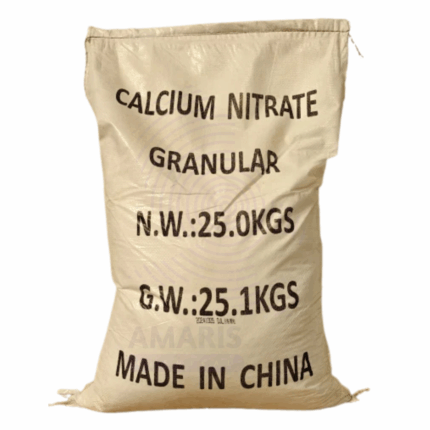
Calcium Nitrate
Calcium Nitrate is a highly soluble, white crystalline salt composed of calcium and nitrate ions. It is commonly available as a tetrahydrate (Ca(NO₃)₂·4H₂O). Known for its excellent solubility in water, calcium nitrate is widely used as a fertilizer providing both calcium and nitrogen to plants. It improves soil structure, enhances nutrient uptake, and prevents disorders such as blossom-end rot in fruits. Beyond agriculture, calcium nitrate serves in wastewater treatment, concrete acceleration, and industrial chemical processes.
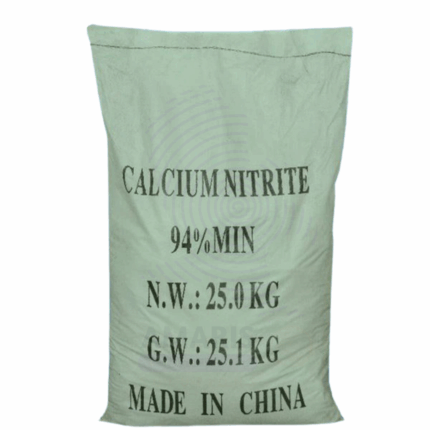
Calcium Nitrite
Calcium Nitrite is an inorganic compound commonly supplied as a white crystalline powder or granules. It serves primarily as a corrosion inhibitor in reinforced concrete structures, protecting steel reinforcement from rust and prolonging structural lifespan. Calcium nitrite is also used in various industrial processes as an oxidizing agent and preservative. Due to its high solubility in water and strong oxidizing properties, it effectively prevents chloride-induced corrosion and improves concrete durability.
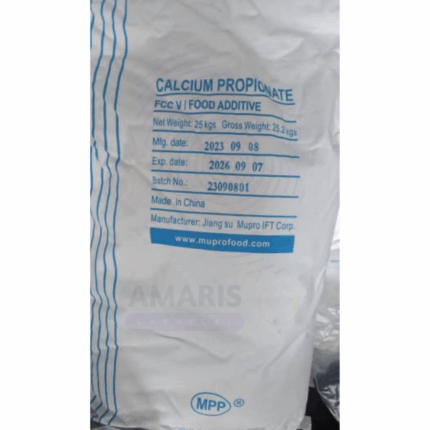
Calcium Propionate
Calcium Propionate is the calcium salt of propionic acid, appearing as a white, crystalline powder or granules with a slightly salty taste and low odor. It is highly soluble in water and used primarily as a food preservative and mold inhibitor. Calcium Propionate inhibits the growth of mold, bacteria, and fungi, making it especially valuable in baked goods, dairy products, and animal feed to extend shelf life and prevent spoilage. It also finds application in pharmaceuticals and cosmetics as a preservative and antimicrobial agent.
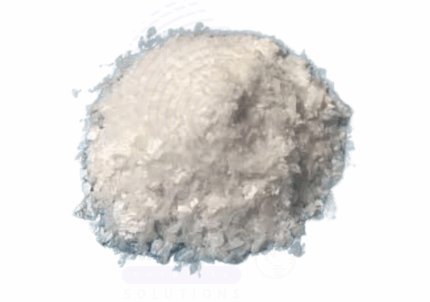
Calcium Saccharin
Calcium Saccharin is the calcium salt form of saccharin, a synthetic sweetener. It appears as a white to off-white crystalline powder with a sweet taste that is several hundred times sweeter than sucrose (table sugar). Calcium Saccharin is water-soluble and widely used as a non-nutritive sweetener in food and beverage products, pharmaceuticals, and oral care formulations. Due to its stability under heat and acidic conditions, it is ideal for baked goods and beverages. It serves as a sugar substitute for diabetic and calorie-restricted diets and is often used in combination with other sweeteners to improve taste profiles.
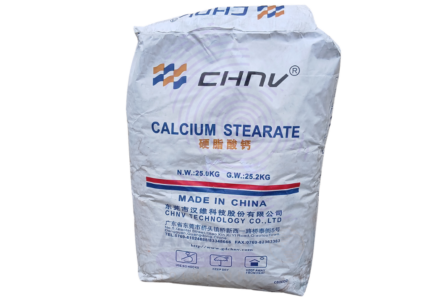
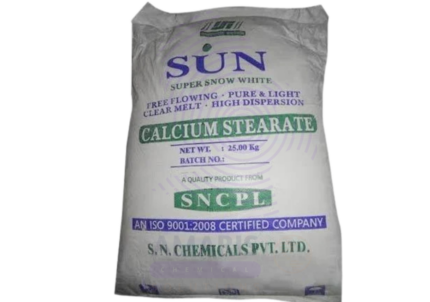
Calcium stearate
Calcium Stearate is a metallic stearate salt, appearing as a fine, white, hydrophobic powder. It is produced through the reaction of stearic acid (a fatty acid derived from natural oils and fats) with calcium oxide or calcium hydroxide. It functions primarily as an acid scavenger, lubricant, release agent, and stabilizer across multiple industrial sectors. Its unique combination of water repellency, low solubility, and high melting point makes it an essential processing additive in plastics, rubber, construction, and paper industries. Technical grade Calcium Stearate is manufactured for industrial performance applications and is not intended for direct food, pharmaceutical, or cosmetic use unless specifically certified and labeled for those applications.
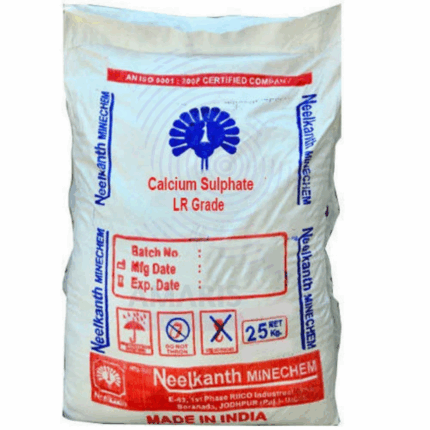
Calcium Sulphate
Calcium Sulphate is an inorganic compound composed of calcium, sulfur, and oxygen, commonly found in two forms: dihydrate (gypsum, CaSO4·2H2O) and anhydrous (CaSO4). It appears as a white or off-white crystalline powder or granules with low solubility in water. Calcium Sulphate is widely used in construction, agriculture, pharmaceuticals, food industry, and various industrial applications. It acts as a filler, hardening agent, and drying agent due to its physical and chemical properties. The dihydrate form (gypsum) is notable for use in plaster and cement, while the anhydrous form is often used as a drying agent and in refractory materials.
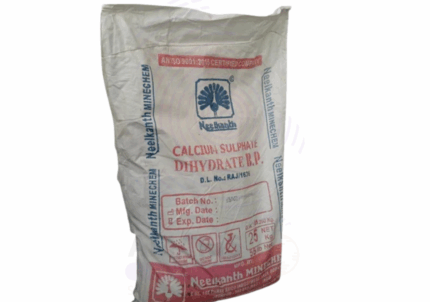
Calcium Sulphate Dihydrate
Calcium Sulphate Dihydrate, commonly known as gypsum, is a naturally occurring mineral widely used in agriculture, construction, and various industrial processes. It appears as a white or slightly translucent crystalline powder with moderate solubility in water. The compound is primarily used as a soil conditioner to improve soil structure and supply calcium and sulfur nutrients essential for plant growth. It also finds applications in the manufacture of plaster, cement, and as a filler in various products.

Camelia Oil Infused
Camelia Oil Infused is a gentle, nutrient-rich botanical oil made by infusing the flowers or leaves of the Camellia sinensis or Camellia japonica plant into a carrier oil such as olive, jojoba, or sweet almond oil. Unlike cold-pressed camellia seed oil, this infusion captures a wider spectrum of antioxidant polyphenols, flavonoids, and saponins from the plant material, delivering enhanced skin and hair benefits. Known for its lightweight, non-greasy texture and rapid absorption, Camellia Infused Oil is deeply moisturizing and ideal for sensitive, dry, or aging skin.
Popular in Japanese and Korean beauty traditions, this oil is often used to promote skin elasticity, smoothness, and overall rejuvenation, making it a preferred ingredient in natural cosmetic and personal care products.
Camelina
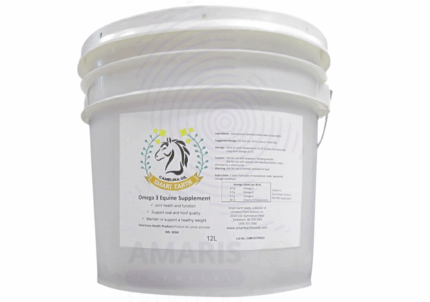
Camelina (Camelina sativa), also known as false flax or gold-of-pleasure, is an ancient oilseed crop belonging to the Brassicaceae family. It produces small, golden-brown seeds that are rich in oil content, typically around 30-40%. The oil extracted from Camelina seeds is prized for its high content of omega-3 fatty acids, antioxidants, and bioactive compounds, making it valuable in food, feed, cosmetic, and industrial applications. Camelina oil has a mild, nutty flavor and a favorable fatty acid profile including linolenic acid, making it a sustainable alternative to traditional vegetable oils. The crop is noted for its short growing season, low input requirements, and adaptability to marginal soils and climates.
Candelilla Wax
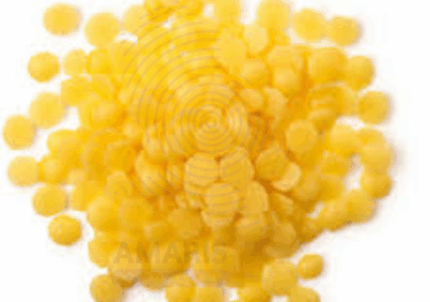
Candelilla Wax is a natural vegetable wax derived from the leaves of the Euphorbia cerifera shrub, native to northern Mexico and the southwestern United States. It appears as a hard, brittle, light yellow to brown wax with a mild, characteristic odor. This wax is valued for its high melting point, gloss-enhancing properties, and excellent binding capabilities. It is widely used in cosmetics, pharmaceuticals, food, and industrial applications as a vegan alternative to beeswax. Its film-forming, emollient, and stabilizing attributes make it a multifunctional ingredient across several industries.
Candy Crush Fragrance Oil
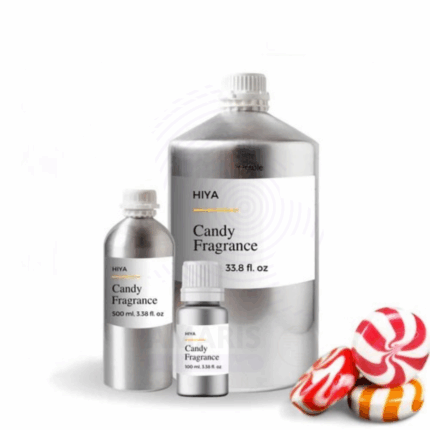
Candy Crush Fragrance Oil is a sweet, gourmand fragrance that captures the irresistible aroma of sugary candy with hints of fruitiness and vanilla undertones. This oil-soluble fragrance is crafted to provide a warm, inviting scent that enhances various personal care and cosmetic products. Known for its excellent stability and strong sillage, Candu Crush is ideal for use in products where a rich, sweet aroma is desired, such as candles, lotions, soaps, and bath essentials.
Capsicum Oleoresin
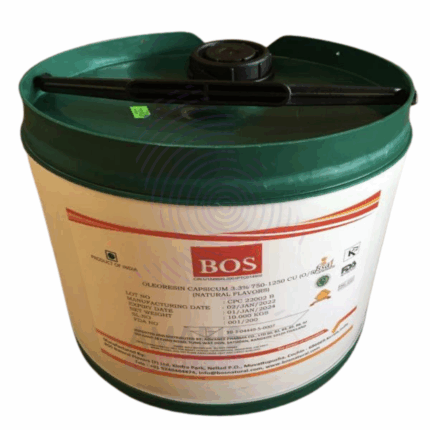
Capsicum Oleoresin is a concentrated extract derived from the dried fruits of Capsicum annuum or Capsicum frutescens (chili peppers). It is a dark red to brownish oily liquid containing approximately 8% capsaicinoids—primarily capsaicin and dihydrocapsaicin—which are the primary pungent components. This oleoresin is widely used for its flavoring, coloring, medicinal, and irritant properties in the food, pharmaceutical, veterinary, and defense industries. It is produced by solvent extraction followed by standardization to achieve consistent pungency levels. The product is highly potent and must be handled with care due to its intense irritant nature.
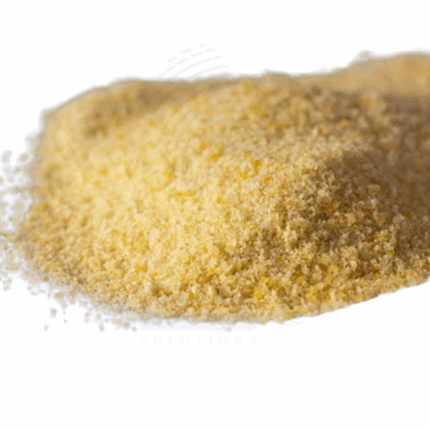
Caramel Powder Flavor
Caramel Powder Flavor is a highly concentrated powdered flavoring agent designed to impart the rich, sweet, and buttery aroma and taste of caramel to a wide range of products. Produced through controlled caramelization of sugars and natural extracts, this flavor powder delivers authentic caramel notes without artificial additives. Its fine powder form ensures easy blending, precise dosing, and extended shelf life. Commonly used in food and beverage manufacturing, it enhances sensory appeal in bakery products, confectionery, dairy items, and beverages. Its versatility also makes it suitable for flavoring applications in personal care and cleaning products.
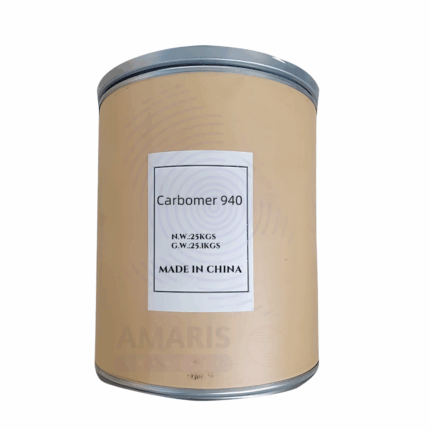
Carbomer
Carbomer is a high molecular weight, crosslinked polyacrylic acid polymer used primarily as a rheology modifier, thickening agent, and suspension stabilizer. Supplied as a fluffy white powder, it exhibits high viscosity and excellent clarity when neutralized and dispersed in water or alcohol-water systems. Carbomer 940 is widely valued for its ability to form clear gels, control flow properties, and stabilize emulsions. It is commonly used in cosmetics, personal care, pharmaceuticals, and household formulations due to its consistency, compatibility, and efficient thickening performance at low concentrations.
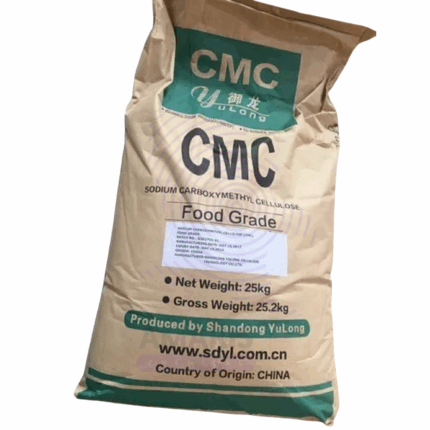
Carboxymethyl Cellulose Food Grade
Carboxymethyl Cellulose Food Grade is a water-soluble cellulose derivative produced by the etherification of cellulose with monochloroacetic acid. It appears as a fine, white to off-white powder with excellent thickening, stabilizing, and water retention properties. Designed specifically for food applications, this grade complies with food safety regulations and is widely used as a texture modifier, stabilizer, and emulsifier in a variety of processed foods. It enhances product consistency, extends shelf life, and improves moisture retention without altering taste or odor. Being non-toxic, biodegradable, and non-caloric, it is considered safe for human consumption and is approved as a food additive in many countries.
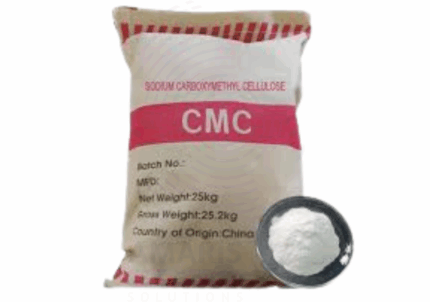
Carboxymethyl Cellulose Sodium
Carboxymethyl Cellulose Sodium, is a water-soluble anionic cellulose ether derived from natural cellulose. It appears as a white to off-white, odorless, tasteless powder or granule. Known for its excellent thickening, stabilizing, emulsifying, and water-retention properties, CMC is widely used in food, pharmaceutical, personal care, industrial, and detergent applications. It functions by modifying the rheological properties of solutions and suspensions, offering control over viscosity and flow. Its biocompatibility, non-toxicity, and biodegradability make it suitable for both human use and environmentally friendly formulations.
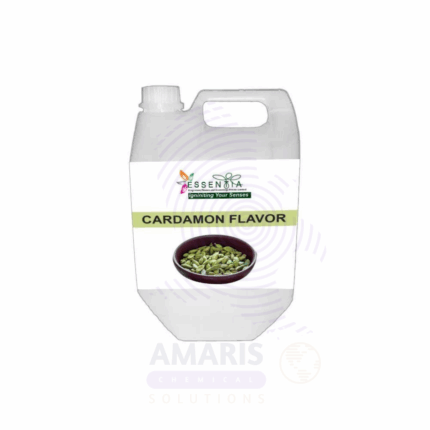
Cardamom Liquid Flavor
Cardamom Liquid Flavor is a high-quality food-grade flavor extract that captures the warm, aromatic, and slightly spicy essence of natural cardamom pods. Known for its unique fragrance and distinct sweet-spicy taste, this liquid flavor is ideal for enhancing the sensory profile of a variety of culinary and beverage products. It offers excellent stability and solubility, making it suitable for use in bakery, confectionery, beverages, dairy, and savory applications.
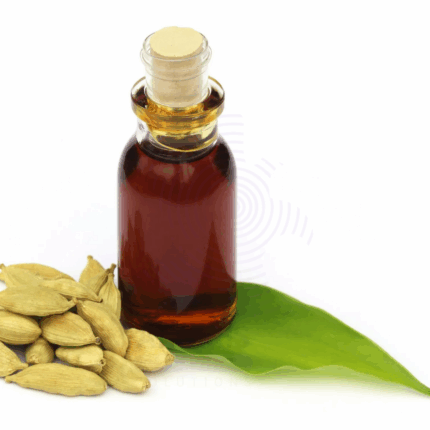
Cardamon Oil
Cardamon Oil is a premium essential oil steam-distilled from the seeds of Elettaria cardamomum, a plant native to India and Sri Lanka and widely cultivated across tropical regions. It carries a warm, spicy-sweet aroma with hints of eucalyptus and citrus, and ranges from colorless to pale yellow in appearance. Known for its digestive, antiseptic, expectorant, and uplifting qualities, it is valued in aromatherapy, perfumery, cosmetics, pharmaceuticals, and food applications.
Rich in compounds like cineole (1,8-cineole), α-terpineol, and linalyl acetate, Cardamom Oil provides both flavor and therapeutic effects, making it a versatile ingredient across several industries.
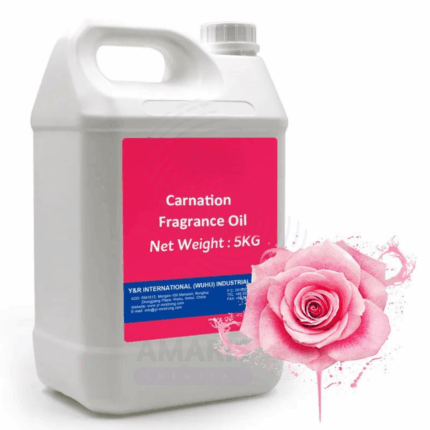
Carnation Fragrance Oil
Carnation Fragrance Oil is a premium-quality aromatic oil that captures the delicate, sweet, and floral scent of fresh carnation blossoms. Renowned for its rich, rosy fragrance with subtle spicy undertones, this fragrance oil is ideal for use in perfumes, personal care products, and home fragrances. Its excellent solubility and long-lasting aroma make it a preferred choice for creating elegant and refreshing scent profiles in a variety of applications.
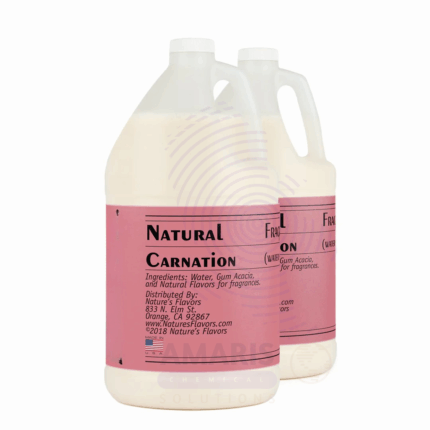
Carnation Fragrance Water Soluble
Carnation Fragrance Water Soluble is a delicately formulated aromatic blend that captures the spicy-floral essence of carnation petals in a water-compatible form. This fragrance is designed to dissolve completely in water-based systems without clouding or separation, making it ideal for use in a variety of personal care, household, and specialty applications. Its classic floral character imparts a soft, comforting scent, perfect for enhancing the sensory appeal of creams, sprays, cleansers, and other aqueous formulations. Known for its elegance and freshness, Carnation Fragrance adds a timeless aroma profile to any product.
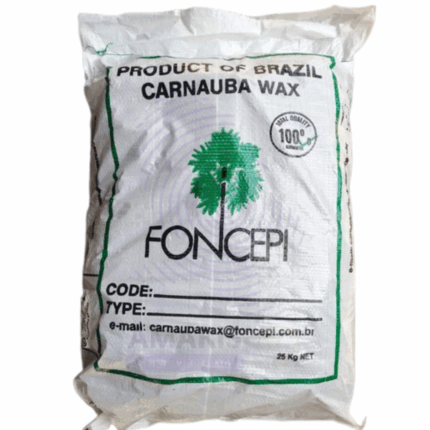
Carnauba Wax
Carnauba Wax is a natural vegetable wax obtained from the leaves of the Copernicia prunifera palm tree, native to northeastern Brazil. It appears as a hard, brittle, yellow to brownish-yellow wax with a faint, characteristic odor. Known as the “queen of waxes,” Carnauba Wax is prized for its exceptionally high melting point, glossy finish, and excellent hardness. It is a premium wax widely used in cosmetics, food, pharmaceuticals, automotive, and industrial applications as a natural, biodegradable alternative to synthetic waxes. Its film-forming, emulsifying, and protective properties make it highly versatile for use in coatings, polishes, and skincare products.

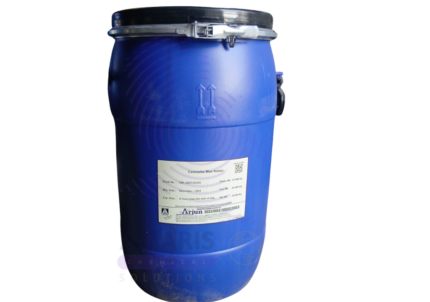
Carnauba Wax Prime Yellow
Carnauba Wax Prime Yellow, also known as Type 1 or Prime Yellow Grade, is the highest quality and purest form of carnauba wax derived from the leaves of the Copernicia cerifera palm tree, native to Brazil. It is a natural, vegetable-based wax prized for its exceptional hardness, high gloss, high melting point, and emulsification properties. Prime Yellow grade represents the finest classification, characterized by its light yellow to pale amber color, low impurities, and superior film-forming characteristics. It is obtained through a meticulous process of harvesting, drying, and processing the palm leaves to extract the waxy coating, which is then refined and graded. Carnauba Wax is often referred to as the "Queen of Waxes" due to its unique combination of properties unmatched by synthetic alternatives. Technical grade Carnauba Wax Prime Yellow is used across numerous industries for its ability to impart gloss, hardness, slip resistance, and moisture barrier properties. It is not intended for direct food consumption but is widely used in food-contact applications such as coatings and packaging.

Carrot Seed Oil
Carrot Seed Oil is a highly concentrated essential oil extracted via steam distillation from the dried seeds of the wild carrot plant (Daucus carota). It should not be confused with carrot carrier oil (infused from the root). Carrot Seed Oil is rich in carotol, a key component contributing to its antioxidant, antifungal, and anti-aging effects. The oil is pale yellow to amber-colored and has a warm, earthy, herbaceous aroma.
Widely recognized for its skin-rejuvenating and detoxifying benefits, Carrot Seed Oil is a staple in cosmetic formulations, particularly for mature or sun-damaged skin. It also finds use in pharmaceuticals and aromatherapy, supporting liver function, immunity, and cell regeneration. Due to its potency, it is typically used in diluted concentrations or synergistic blends.
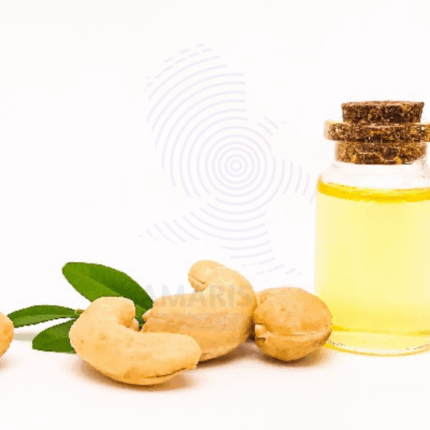
Cashew Nut Oil
Cashew Nut Oil is a light, golden to pale yellow oil extracted from the kernels of the cashew tree (Anacardium occidentale), native to tropical regions such as Brazil, India, and parts of Africa. The oil is obtained through cold-pressing or solvent extraction methods and is known for its emollient, antioxidant, and skin-conditioning properties.
Rich in oleic, linoleic, and palmitic acids, as well as vitamin E, phytosterols, and phenolic compounds, Cashew Nut Oil is used extensively in cosmetic and personal care applications, as well as in certain food and pharmaceutical formulations. Its light texture and high skin compatibility make it ideal for dry and sensitive skin, while its nutritive properties contribute to hair and scalp health.
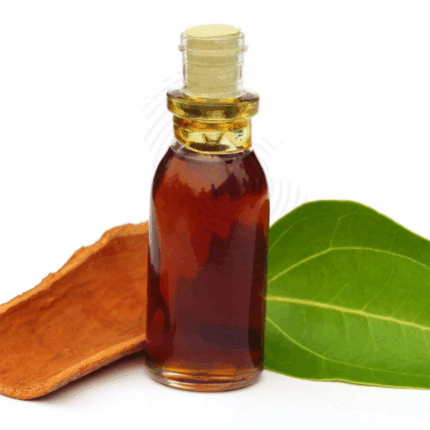
Cassia Oil
Cassia Oil is a potent essential oil steam-distilled from the bark of Cinnamomum cassia, commonly known as Chinese cinnamon. It carries a strong, spicy, and warm aroma similar to true cinnamon but is more pungent and intense. Its reddish-brown to yellow appearance and high cinnamaldehyde content give it powerful antimicrobial, antifungal, and warming properties. Cassia Oil is used across various industries including food flavoring, pharmaceuticals, cosmetics, aromatherapy, and household products. Due to its strength, it is typically used in diluted concentrations.

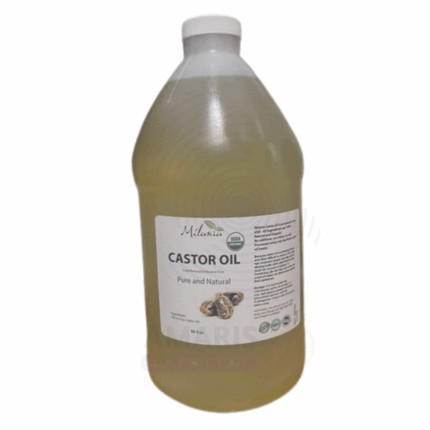
Castor Oil
Castor Oil virgin is a pale yellow vegetable oil obtained through cold-pressing the seeds of the Ricinus communis plant. This method preserves its natural composition of ricinoleic acid, vitamins, and minerals. Known for its thick viscosity and mild, characteristic odor, it is a versatile oil with excellent moisturizing, lubricating, and therapeutic properties. It is widely used in cosmetics, pharmaceuticals, and industrial applications due to its unique chemical structure and beneficial effects.
Castor Oil Food Grade
Castor Oil Food Grade is a pale yellow, viscous vegetable oil derived by cold pressing the seeds of the Ricinus communis plant. Known for its high content of ricinoleic acid, it has a mild flavor and is widely used in the food, pharmaceutical, and nutraceutical industries. As a food-grade oil, it is purified to meet strict quality and safety standards. It serves both as a laxative agent and a food additive, often used in flavor carriers, coatings, and processing aids. The oil’s high stability and low moisture content also make it suitable for specialty industrial applications in food-safe environments.

Celery Leaf Oil
Celery Leaf Oil is an essential oil steam-distilled from the fresh leaves of the Apium graveolens plant. It carries a warm, spicy, herbaceous aroma with green, earthy undertones. Unlike celery seed oil, the leaf-derived oil is lighter and fresher in scent, making it suitable for more delicate aromatic blends. Known for its anti-inflammatory, diuretic, and digestive-supportive properties in traditional wellness practices, Celery Leaf Oil is increasingly used in cosmetics, aromatherapy, fragrance, and natural wellness applications. It’s also gaining popularity in functional perfumery and detoxifying skincare products.
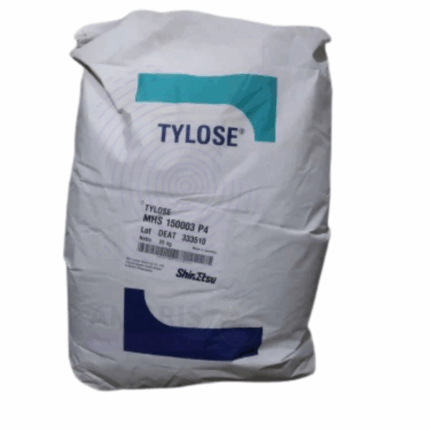
Cellozize Tylose
Cellozize Tylose, commonly known by the trade name Tylose, is a brand of hydroxyethyl cellulose (HEC), a non-ionic, water-soluble cellulose ether derived from natural cellulose. It appears as a white to off-white powder with excellent thickening, binding, and film-forming properties. Tylose is widely used as a rheology modifier, stabilizer, and thickener in various industries including construction, pharmaceuticals, cosmetics, and food. It provides viscosity control, improves texture, and enhances water retention in formulations. Due to its inert, non-toxic, and biodegradable nature, Tylose is favored as a versatile polymer in many applications.

Cellulose Acetate Phthalate (CAP)
Cellulose Acetate Phthalate (CAP) is a cellulose derivative obtained by esterification of cellulose with acetic acid and phthalic anhydride. It appears as a white to off-white, free-flowing powder that is insoluble in water but soluble in alkaline solutions and certain organic solvents. CAP is primarily used as an enteric coating agent in pharmaceutical formulations, providing resistance to acidic gastric fluids and enabling targeted release of drugs in the intestines. Due to its film-forming, pH-sensitive solubility, and protective properties, CAP is also applied in food, cosmetics, and specialty industrial uses.
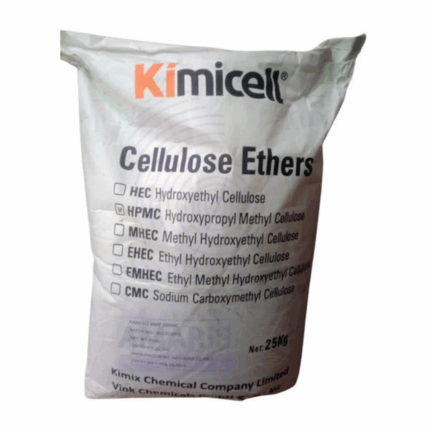
Cellulose Ether
Cellulose ether refers to a group of chemically modified cellulose derivatives where hydroxyl groups on the cellulose backbone are substituted with ether groups such as methyl, hydroxyethyl, or carboxymethyl groups. These modifications improve solubility, viscosity, and film-forming properties while maintaining biodegradability and non-toxicity. Cellulose ethers are white to off-white powders or granules that dissolve in water to form viscous, stable solutions. They are widely used as thickeners, binders, stabilizers, and film formers in industries such as construction, pharmaceuticals, cosmetics, food, and paper.












