

 Preservatives(food)
 Flavor Enhancers
 Acidulants
 Sweeteners
 Antioxidants
 Colorants(food)
 Nutraceutical Ingredients (food)
 Nutrient Supplements
 Emulsifiers
 Collectors
 Dust Suppressants
 Explosives and Blasting Agents
 Flocculants and Coagulants
 Frothers
 Leaching Agents
 pH Modifiers
 Precious Metal Extraction Agents
 Antioxidants(plastic)
 Colorants (Pigments, Dyes)
 Fillers and Reinforcements
 Flame Retardants
 Monomers
 Plasticizers
 Polymerization Initiators
 Stabilizers (UV, Heat)
 Antifoaming Agents
 Chelating Agents
 Coagulants and Flocculants
 Corrosion Inhibitors
 Disinfectants and Biocides
 Oxidizing Agents
 pH Adjusters
 Scale Inhibitors( water)
 Antioxidants(cosmetic)
 Emollients
 Fragrances and Essential Oils
 Humectants
 Preservatives
 Surfactants(cosmetic)
 Thickeners
 UV Filters
 Fertilizers
 Soil Conditioners
 Plant Growth Regulators
 Animal Feed Additives
 Biostimulants
 Pesticides (Herbicides, Insecticides, Fungicides)
 Active Pharmaceutical Ingredients (APIs)
 Excipients
 Solvents(pharmaceutical)
 Antibiotics
 Antiseptics and Disinfectants
 Vaccine Adjuvants
 Nutraceutical Ingredients (pharmaceutical)
 Analgesics & Antipyretics
 Analytical Reagents
 Solvents(lab)
 Chromatography Chemicals
 Spectroscopy Reagents
 microbiology-and-cell-culture-reagents
 Molecular Biology Reagents
 Biochemical Reagents
 Inorganic and Organic Standards
 Laboratory Safety Chemicals
 Specialty Laboratory Chemicals(Special Laboratory Equipment)
 Demulsifiers
 Hydraulic Fracturing Fluids
 Scale Inhibitors(oil)
 Surfactants(oil)
 Drilling Fluids
 Dyes and Pigments
 Bleaching Agents
 Softening Agents
 Finishing Agents
 Antistatic Agents
 Admixtures
 Waterproofing Agents
 Sealants and Adhesives
 Curing Compounds
 Concrete Repair Chemicals
 Anti-Corrosion Coatings
 Surfactants(cleaning)
 Builders
 Enzymes
 Solvents (Cleaning)
 Fragrances
 Electronic Chemicals
 Catalysts
 Lubricants
 Photographic Chemicals
 Refrigerants
 Automotive chemicals
 Pyrotechnic Chemicals
 Biodegradable Surfactants
 Bio-based Solvents
 Renewable Polymers
 Carbon Capture Chemicals
 Wastewater Treatment Chemicals
 Pigments
 Solvents(paint)
 Specialty Coatings
 Binders/Resins
 Additives
 Driers
 Anti-Corrosion Agents
 Functional Coatings
 Application-Specific Coatings
 Leavening Agents
 Dough Conditioners
 Flour Treatments
 Fat Replacers
 Decoratives
 Preservatives(baking)
 Plasticizers & Softeners
 Reinforcing Agents
 Adhesion Promoters
 Vulcanizing Agents
 Antidegradants
 Blowing Agents
 Fillers & Extenders
 Accelerators & Retarders














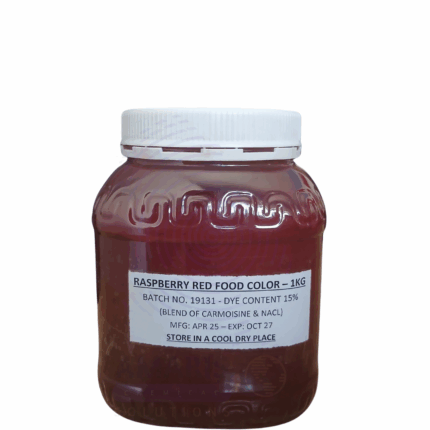
Raspberry Red Color Water Soluble
Raspberry Red Color Water Soluble is a vibrant, synthetic dye designed for use in various industrial and laboratory applications. Known for its excellent solubility in water, it provides bright, consistent raspberry-red hues ideal for textile dyeing, food coloring, and detergent formulations. The dye exhibits good stability in aqueous systems and is compatible with multiple substrates, including fibers and liquid products. Its high coloring strength and uniform dispersion make it suitable for precise color matching in manufacturing and research environments.
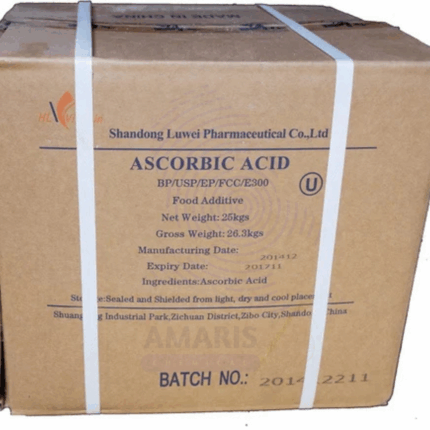
Ascorbic Acid
Ascorbic Acid, commonly known as Vitamin C, is a water-soluble vitamin and potent antioxidant essential for collagen synthesis, immune function, and protection against oxidative stress. It is widely used as a nutritional supplement, food preservative, and additive to enhance shelf life and nutritional value. Naturally present in citrus fruits and various vegetables, ascorbic acid is also important in pharmaceutical, cosmetic, and animal feed industries due to its health benefits and preservative qualities.
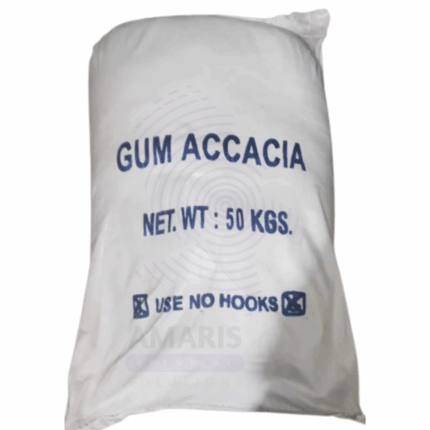
Arabic Gum
Arabic Gum, also known as Gum Acacia, is a natural gum harvested from the sap of Acacia trees, primarily Acacia senegal and Acacia seyal. It is a complex mixture of polysaccharides and glycoproteins, valued for its excellent emulsifying, stabilizing, and thickening properties. Arabic Gum is water-soluble, forms clear solutions, and is widely used in the food industry as a stabilizer and emulsifier. Additionally, it finds applications in pharmaceuticals, cosmetics, and printing industries due to its biodegradability, non-toxicity, and versatility.
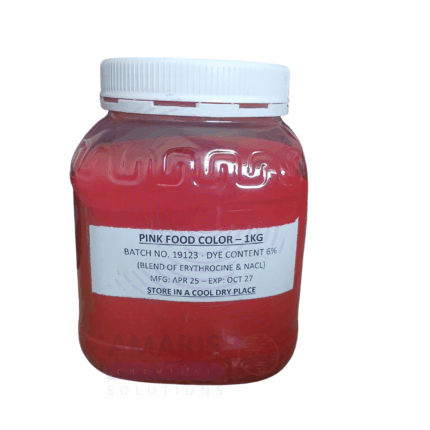
Pink Color Water Soluble
Pink Color Water Soluble is a high-quality synthetic dye known for its brilliant and consistent pink coloration. It is specially formulated to dissolve easily in water, enabling uniform and vibrant dyeing of a wide range of materials. This dye exhibits excellent affinity for natural and synthetic fibers including cotton, wool, silk, and nylon, making it highly versatile in textile applications.
Beyond textiles, Pink Color Water Soluble is widely used in cosmetics, pharmaceutical products, and cleaning formulations where bright, stable pink hues are required. Its good light and wash fastness properties ensure long-lasting coloration in fabrics and finished goods. The dye is supplied as a fine powder or granules with high purity, facilitating easy handling and dispersion in aqueous solutions. Due to its water solubility, it is preferred for applications demanding quick dissolution and minimal residue.
This dye conforms to industry standards for safety and environmental regulations when handled and disposed of properly, making it suitable for industrial and laboratory use across diverse sectors.
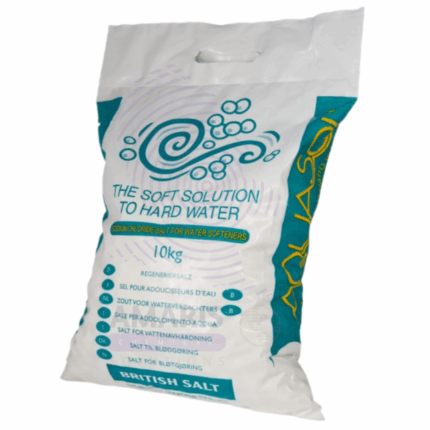
Aquasol
Aquasol is a water-soluble, high-purity soluble powder typically formulated for use as a mineral supplement or a delivery system in various industries. It often contains vitamins, minerals, or other active ingredients in a readily bioavailable aqueous form. Aquasol products are known for their excellent solubility in water, rapid absorption, and versatility in applications ranging from pharmaceuticals to food fortification and animal nutrition. The exact composition can vary depending on the intended use, but the common trait is its ability to dissolve quickly and evenly in aqueous media.
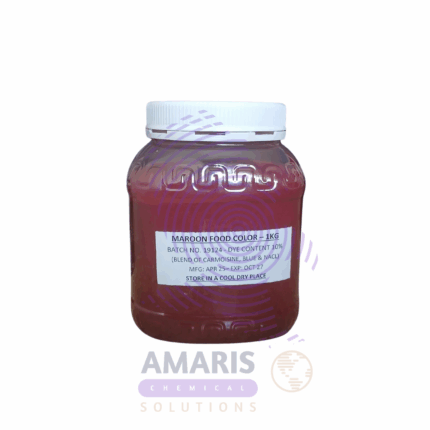
Maroon Color Water Soluble
Maroon Color Water Soluble is a synthetic dye known for its rich, deep maroon hue and excellent water solubility. It is widely used in textile dyeing, cosmetic formulations, food products, and cleaning agents to provide a vibrant and uniform maroon coloration. This dye offers good stability, ease of use, and compatibility with various substrates, making it suitable for a broad range of applications where aqueous dyeing or coloring is required.
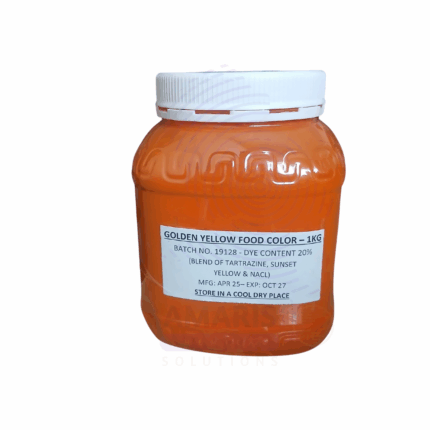
Golden Yellow Color Water Soluble
Golden Yellow Color Water Soluble is a synthetic dye known for its vibrant golden yellow hue and excellent solubility in water. It is widely used across textile, cosmetic, food and beverage, and cleaning industries to impart a bright and consistent yellow coloration. The dye offers good stability, ease of application, and compatibility with various substrates, making it ideal for aqueous dyeing and formulation processes.
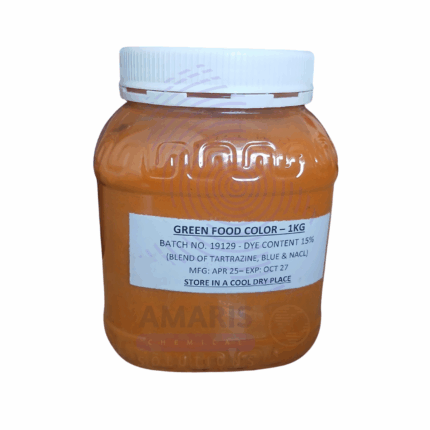
Green Color Water Soluble
Green Color Water Soluble is a synthetic dye characterized by its vibrant green hue and excellent solubility in water. This dye is widely used in various industries including textiles, cosmetics, food and beverage, and cleaning products for imparting a bright, consistent green coloration. It offers good stability, easy application, and compatibility with multiple substrates. Its water solubility makes it ideal for aqueous dyeing processes and formulations.
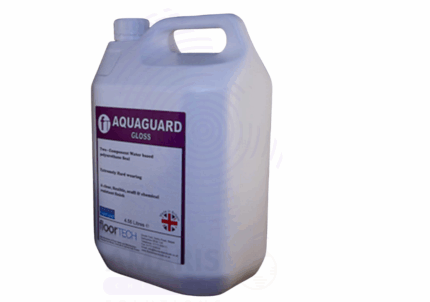
Aquaguard
Aquaguard is a brand name commonly associated with water purification products and filtration systems designed to provide safe, clean drinking water. These systems typically use technologies such as UV purification, RO (reverse osmosis), UF (ultrafiltration), and activated carbon filters to remove contaminants including bacteria, viruses, dissolved salts, heavy metals, and suspended particles. Aquaguard products are widely used in residential, commercial, and industrial settings to improve water quality, taste, and safety. The brand encompasses water purifiers, filters, and treatment units tailored to different water sources and purity requirements.
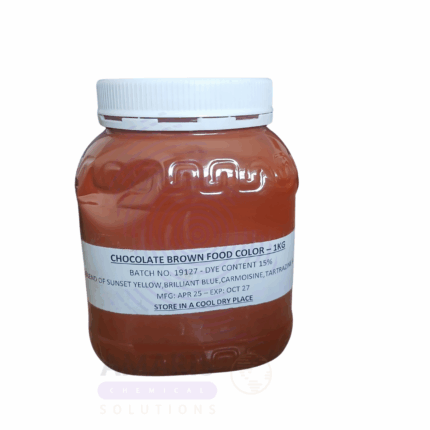
Chocolate Brown Color Water Soluble
Chocolate Brown Color Water Soluble is a synthetic dye that offers a rich, warm brown coloration with excellent solubility in water. It is widely used in textile dyeing, cosmetics, food and beverage products, and pharmaceutical formulations where a natural brown shade is desired. This dye provides good stability in aqueous solutions and yields uniform, vibrant coloring suitable for various industrial and laboratory applications.
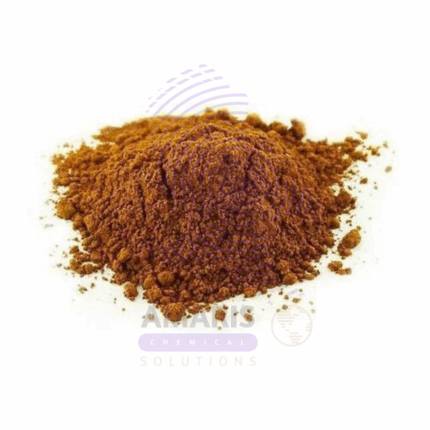
Bismark
Bismark is a synthetic water-soluble dye known for its intense dark blue to black coloration, widely used in textile dyeing, printing, and laboratory applications. It provides excellent colorfastness, brightness, and uniform dispersion in aqueous systems. This dye is favored for its stability across a broad pH range and its strong affinity for protein and synthetic fibers, making it valuable in industrial, cosmetic, pharmaceutical, and research settings.
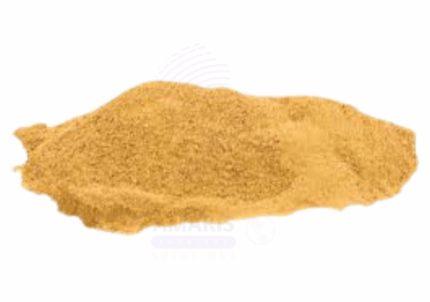
Apricot Powder
Apricot powder is a dehydrated, finely ground form of apricot fruit, retaining much of the natural flavor, aroma, and nutritional properties of fresh apricots. It is typically made by drying fresh apricots through spray drying, freeze drying, or drum drying, then milling into a fine powder. Apricot powder is rich in vitamins, minerals, dietary fiber, and antioxidants such as beta-carotene and vitamin C. It is widely used as a natural flavoring agent, colorant, and nutritional supplement in food and beverage products, as well as in cosmetics and dietary supplements. Its convenient powdered form allows for easy incorporation into dry mixes and processed goods without the perishability of fresh fruit.
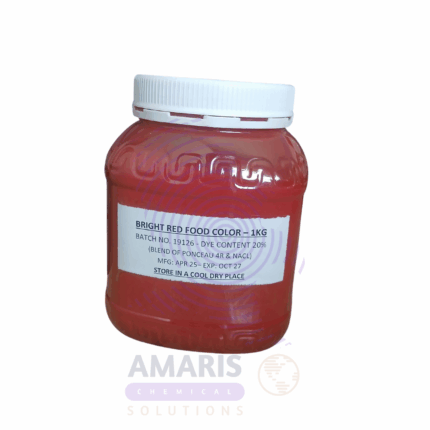
Bright Red Color Water Soluble
Bright Red Color Water Soluble is a synthetic water-soluble dye known for its vivid, intense red hue and excellent clarity in aqueous solutions. It dissolves readily in water, offering uniform dispersion and strong colorfastness across a wide pH range. This dye is widely used in textile dyeing, food and beverage coloring, cosmetics, pharmaceuticals, paints, and laboratory settings. Its chemical stability and bright coloration make it suitable for industrial, research, and commercial applications requiring reliable red pigmentation in water-based systems.
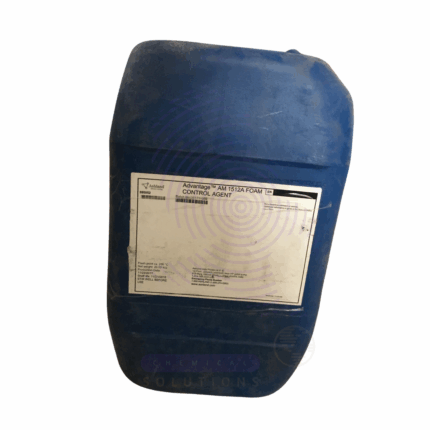
Anti Foam
Anti foams are chemical additives designed to reduce or prevent the formation of foam in industrial processes, manufacturing, and various formulations. Foam can interfere with operations such as mixing, filling, pumping, and heat transfer, leading to reduced efficiency or defects in products. Anti foams work by destabilizing foam bubbles, causing them to coalesce and collapse rapidly. They are widely used in industries including food and beverage, pharmaceuticals, wastewater treatment, paints and coatings, and chemical manufacturing. Different types of anti foams include silicone-based, mineral oil-based, and organic polymer-based formulations, chosen according to the specific application and process conditions.
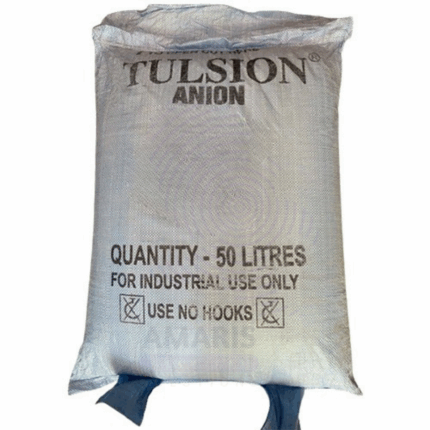
Anion
Anions are negatively charged ions formed when an atom or molecule gains one or more electrons. They play vital roles in chemistry, biology, and industrial processes. Anions are key participants in ionic bonding, acid-base chemistry, and electrochemical reactions. Common anions include chloride (Cl⁻), sulfate (SO₄²⁻), nitrate (NO₃⁻), and phosphate (PO₄³⁻). Their behavior and interaction affect processes ranging from water treatment and agriculture to physiological functions and battery technology.
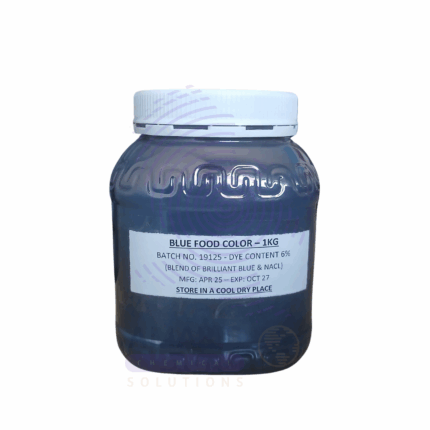
Blue Color Water Soluble
Blue Color Water Soluble is a synthetic dye that dissolves readily in water, producing a vivid blue hue with excellent clarity and uniformity. It is widely used in textile dyeing, food and beverage coloring, cosmetics, pharmaceutical formulations, paints, and laboratory applications. The dye maintains stability across a broad pH range and provides consistent, bright coloration in aqueous systems. Its versatility makes it suitable for industrial, research, and commercial uses requiring a water-soluble blue pigment.
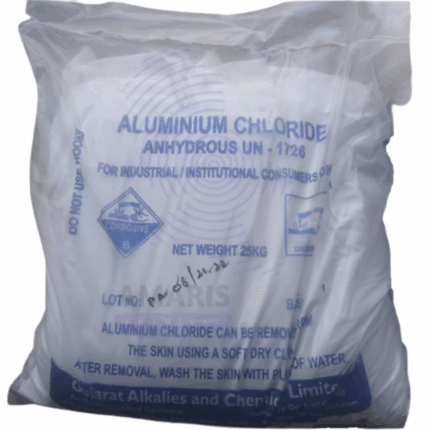
Anhydrous Aluminum Chloride
Anhydrous Aluminum Chloride (AlCl₃) is a white to pale yellow crystalline solid known for its strong Lewis acid properties. It is a key catalyst widely used in organic synthesis, especially in Friedel-Crafts alkylation and acylation reactions. Due to its high reactivity with moisture, it must be stored and handled under strictly anhydrous conditions. Anhydrous Aluminum Chloride also finds applications in polymerization, pharmaceuticals, and the production of dyes, pharmaceuticals, and petrochemicals.
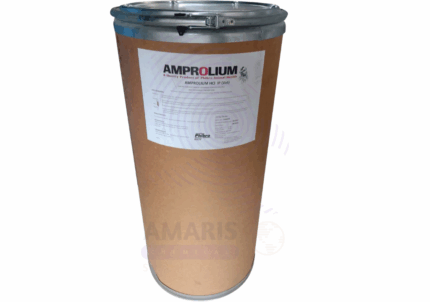
Amprolium Hydrochloride
Amprolium Hydrochloride is a white, odorless, crystalline powder used primarily as a coccidiostat, which means it inhibits the growth of Eimeria species (protozoan parasites) responsible for coccidiosis in poultry and other animals. It works by mimicking thiamine (vitamin B1), thereby competitively inhibiting thiamine uptake by the parasite, disrupting its metabolism, and preventing its proliferation. Amprolium HCl is widely used in veterinary medicine, especially in poultry farming, and is often included in feed or drinking water. It complies with BP 2008 and USP 32 pharmacopeial standards.
Amphoteric Surfactants
Amphoteric surfactants are unique surface-active agents that can act as either anionic or cationic surfactants depending on the pH of the solution. These molecules contain both acidic (carboxyl or sulfonic) and basic (amine or quaternary ammonium) functional groups, giving them high versatility, mildness, and compatibility with other surfactants. Amphoteric surfactants are widely used in personal care, household cleaning, industrial applications, pharmaceuticals, and specialty formulations where low irritation and effective cleansing are critical. Common examples include Cocamidopropyl Betaine and Lauryl Betaine.
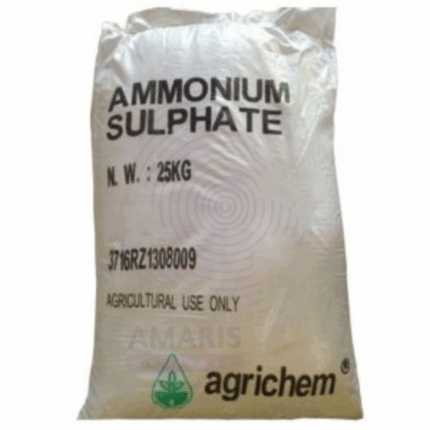
Ammonium Sulphate
Ammonium Sulphate is an inorganic salt with the formula (NH₄)₂SO₄. It appears as a white crystalline solid, highly soluble in water, and is widely used as a fertilizer due to its high nitrogen and sulfur content. Besides agriculture, ammonium sulphate finds extensive use in industrial processes, food additives, pharmaceutical applications, and water treatment. It acts as a soil amendment to improve nitrogen levels and acidity, a flocculating agent in water purification, and a stabilizer or precipitant in biochemical and pharmaceutical formulations.
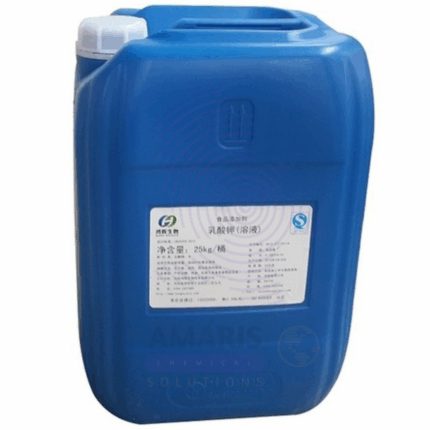
Ammonium Lactate
Ammonium Lactate is the ammonium salt of lactic acid, appearing as a clear, hygroscopic liquid or syrupy solution. It is widely used in pharmaceutical, cosmetic, and food industries primarily for its moisturizing, pH adjusting, and antimicrobial properties. In topical formulations, it acts as a keratolytic agent to help exfoliate and hydrate skin, making it popular in treatments for dry, scaly, or ichthyotic skin conditions. Its biocompatibility and mild acidic nature make it a versatile ingredient in various industrial and personal care products.
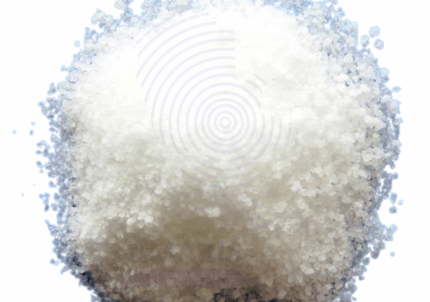
Ammonium Cupric Chloride
Ammonium Cupric Chloride is a blue-green crystalline inorganic compound composed of copper, ammonium, and chloride ions. It is widely used as a source of copper in agricultural fungicides and bactericides, as well as in electroplating, chemical synthesis, and textile dyeing. Its antimicrobial properties make it valuable for controlling fungal and bacterial infections in plants. Additionally, it serves as a precursor in various industrial and laboratory applications.


Ammonium Chloride
Ammonium chloride is a white crystalline salt with a salty, slightly acidic taste. It is highly soluble in water and is widely used in various industrial, agricultural, and pharmaceutical applications. It acts as a nitrogen source in fertilizers, a flux in metalworking, and an expectorant in medicine. Its versatility and relatively low toxicity make it an important compound in multiple sectors.
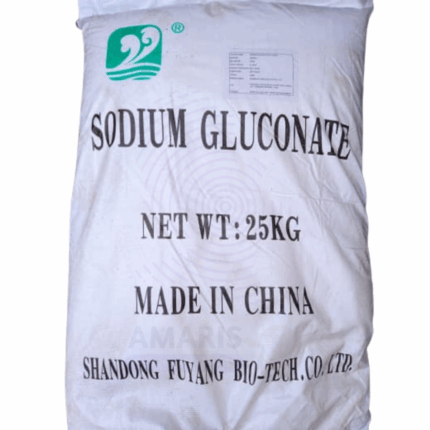
Sodium Gluconate
Sodium Gluconate is a white, crystalline powder derived from gluconic acid and sodium salt. It is highly water-soluble, biodegradable, and non-toxic, widely used as a chelating agent, sequestrant, and buffering agent across various industries. Sodium Gluconate is favored for its excellent ability to bind metal ions, improve cleaning efficiency, and stabilize formulations. It finds extensive applications in construction, water treatment, food, pharmaceuticals, cosmetics, and textiles.
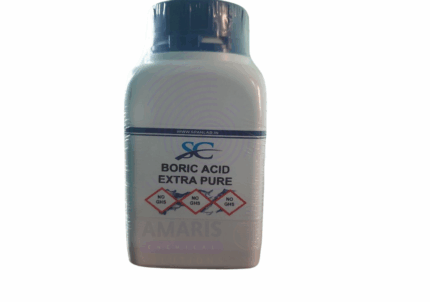
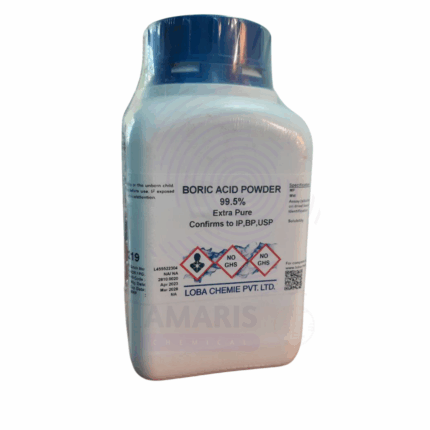
Boric Acid Extra Pure
Boric Acid Extra Pure is a high-purity, white crystalline powder commonly used in laboratory settings for analytical chemistry, buffer preparation, and microbiological applications. It acts as a mild acid and is frequently employed in the formulation of buffer solutions, particularly in electrophoresis and biochemical assays. In coordination chemistry and material science research, it is utilized as a source of boron and as a precursor for borate compounds. Its antifungal and antiseptic properties also make it useful in pharmaceutical and antimicrobial testing. The extra pure grade ensures excellent purity, low moisture content, and consistent performance in sensitive experimental conditions. It should be stored in a cool, dry place in tightly sealed containers, away from incompatible substances such as strong bases.
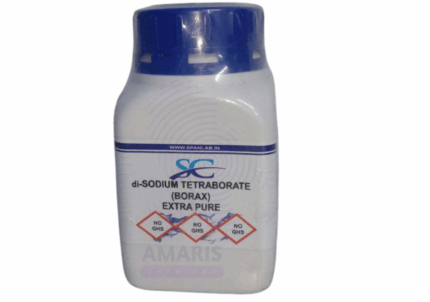
Borax Extra Pure
Borax Extra Pure, also known as sodium tetraborate decahydrate, is a high-purity crystalline compound widely used in laboratory applications involving buffer preparation, flame tests, and qualitative inorganic analysis. It serves as a valuable reagent in analytical chemistry for detecting metal ions, especially in borax bead tests, and is commonly used to prepare borate buffers for biochemical experiments due to its stable pH-regulating properties. Its ability to act as a mild alkali and complexing agent makes it suitable for various titration and solubility studies. The extra pure grade guarantees minimal contamination, ensuring accurate and consistent results in sensitive laboratory work. It should be stored in a tightly sealed container in a cool, dry environment, away from acids and moisture.
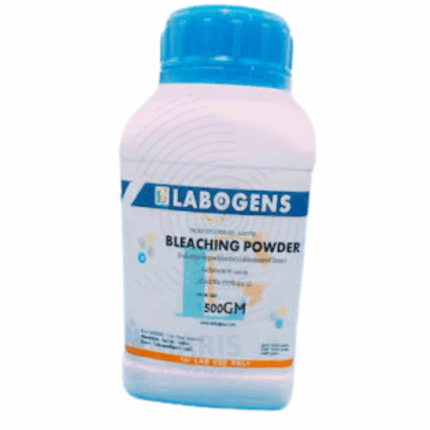
Bleaching Powder Extra Pure
Bleaching Powder Extra Pure is a high-purity, white to slightly yellowish powder composed primarily of calcium hypochlorite, widely used in laboratory settings for disinfection, oxidation, and chemical analysis. It serves as a strong oxidizing agent and is employed in qualitative tests for halogens, water treatment simulations, and preparation of chlorine-based reagents. In microbiology and environmental science labs, it is often used to sterilize surfaces and decontaminate samples. The extra pure grade ensures high available chlorine content and minimal impurities, making it reliable for precision applications. It should be stored in a cool, dry place, in airtight containers, away from moisture, organic substances, and acids to maintain its stability and reactivity.
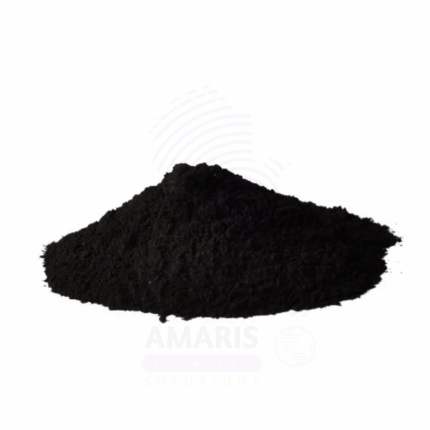
Black 5 Spirit Soluble
Black 5 Spirit Soluble is a synthetic dye known for its excellent solubility in organic solvents, particularly spirits and alcohol-based media. This dye provides deep black coloration with high intensity and uniformity, making it ideal for use in textile dyeing, printing inks, coatings, and various industrial applications. Its spirit solubility allows it to be used in formulations where water solubility is limited or undesirable. Supplied in bulk 25kg packaging, it suits large-scale manufacturing and laboratory uses.

Sodium Formate Food Grade
Sodium Formate Food Grade is the sodium salt of formic acid, typically available as a white crystalline powder or granules. It is widely used in various industrial applications due to its properties as a buffering agent, de-icing agent, and reducing agent. Sodium Formate is valued for its effectiveness in textile dyeing, leather tanning, and as a corrosion inhibitor in oil and gas drilling fluids.
Sodium Disilicate
Sodium Disilicate, commonly supplied in granular or powder form, is an alkaline, water-soluble compound used widely in industrial applications. It functions primarily as a binder, adhesive, and corrosion inhibitor. Its high alkalinity and silicate content make it effective in detergents, water treatment, and cement manufacturing. Sodium Disilicate is valued for its ability to improve strength and durability of materials, as well as its effectiveness in cleaning and stabilizing processes.
Sodium Diphenylamin Sulphonate
Sodium Diphenylamin Sulphonate is a white to light brown crystalline powder used primarily as an antioxidant and stabilizer in various industrial applications. It functions by inhibiting the oxidation of materials such as rubber, lubricants, and fuels, thereby enhancing their shelf life and performance. This chemical is valued for its efficiency in preventing degradation caused by heat, light, and oxygen exposure. It also finds use as a reagent in analytical chemistry and in dye manufacturing processes.
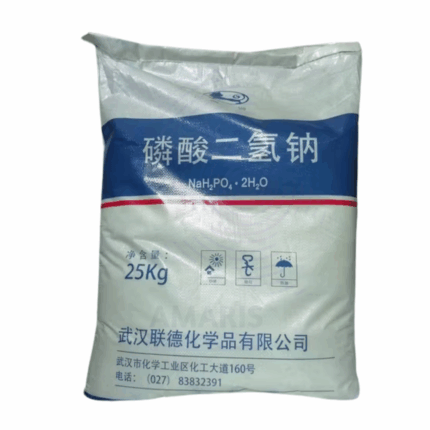
Sodium Dihydrogen Phosphate
Sodium Dihydrogen Phosphate (NaH₂PO₄) is a white crystalline powder or granule, highly soluble in water. It is widely used as a buffering agent, emulsifier, and pH adjuster in various industrial, food, pharmaceutical, and laboratory applications. It acts as a source of phosphate ions and helps maintain the stability and consistency of formulations. This chemical is commonly utilized in food processing, water treatment, detergents, and as a reagent in chemical synthesis.
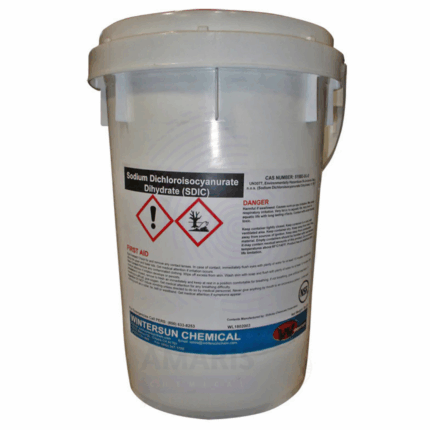
Sodium Dichloroisocyanurate
Sodium Dichloroisocyanurate (NaDCC) is a white crystalline powder used primarily as a disinfectant, sanitizer, and biocide. It is a stable, slow-releasing chlorine compound effective against bacteria, viruses, and fungi. Widely applied in water treatment, swimming pool sanitation, food processing, and healthcare, it provides long-lasting antimicrobial activity. Its high chlorine content and ease of handling make it an essential chemical for hygiene and sterilization applications.
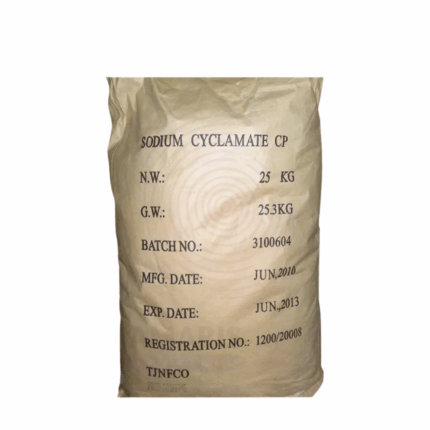
Sodium Cyclamate
Sodium Cyclamate 80 Mesh is a white, crystalline powder used as an artificial sweetener. It is approximately 30 to 50 times sweeter than sucrose (table sugar) and provides a low-calorie sugar substitute. Due to its high sweetness and stability under heat and acidic conditions, it is commonly used in food and beverage formulations, pharmaceuticals, and personal care products as a sugar alternative.
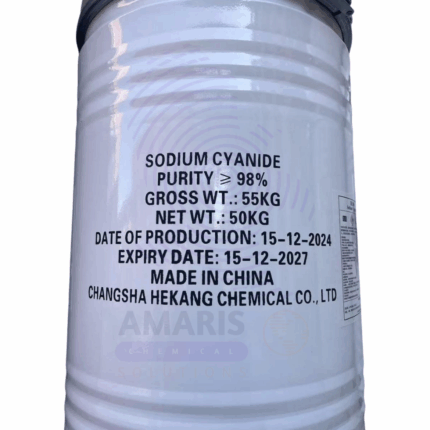
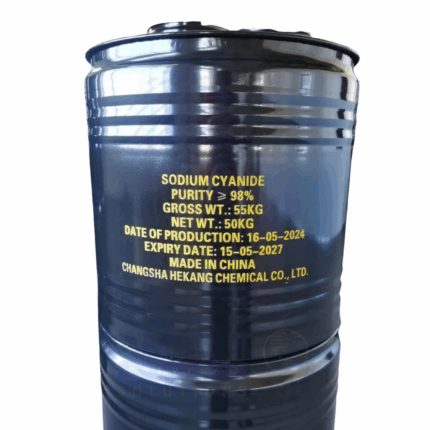
Sodium Cyanide
Sodium Cyanide is a highly toxic, white crystalline compound used primarily in the mining industry for gold and silver extraction via cyanidation. It acts as a powerful chemical reagent and is employed in various industrial processes including metal plating, chemical synthesis, and organic chemistry. Due to its hazardous nature, strict handling and storage protocols are essential.
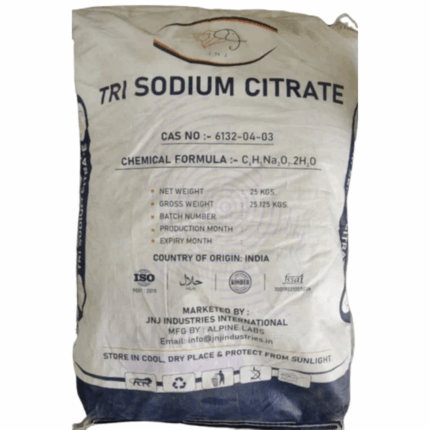
Sodium Citrate
Sodium Citrate is the sodium salt of citric acid, available as a white, crystalline powder or granules. It functions primarily as a buffering agent, acidity regulator, and sequestrant in food, pharmaceutical, and industrial applications. It helps maintain pH stability, enhances flavor, and prevents metal ion-induced spoilage. The 25kg packaging is typical for bulk industrial or food processing use.
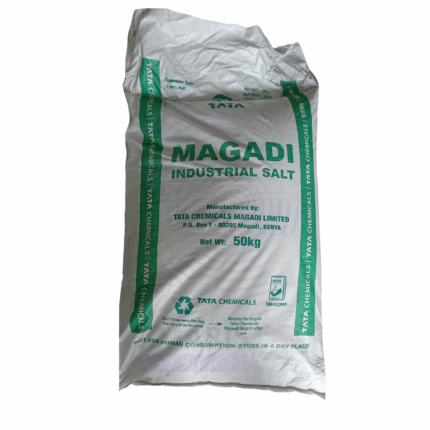
Sodium Chloride (Industrial Salt)
Sodium Chloride (Industrial Salt) is a highly purified, sterile, and non-pyrogenic salt intended for intravenous, intramuscular, and subcutaneous administration. It is commonly used in medical and pharmaceutical settings as a key component of intravenous fluids, for rehydration therapy, electrolyte replenishment, and as a diluent for injectable drugs. This grade meets stringent pharmacopoeial standards (British Pharmacopoeia) ensuring safety and compatibility with parenteral use.
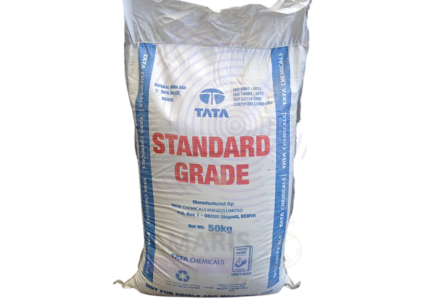
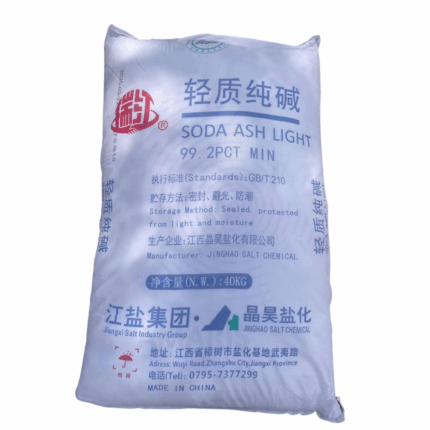
Sodium Carbonate (Magadi Soda)
Sodium Carbonate (Magadi Soda) is an inorganic white powder with the chemical formula Na₂CO₃. It is a key industrial alkali used in glass manufacturing, water treatment, and chemical production. This light-density form is highly soluble and reacts with acids to form salts, making it essential for pH regulation and as a cleaning agent in various industrial processes.

Sodium Bisulphate Monohydrate
Sodium Bisulphate Monohydrate, also known as sodium hydrogen sulphate, is a white crystalline powder or granular solid commonly used as an acidic cleaning agent, pH adjuster, and bleaching accelerator. It is a dry acid that releases sulfur dioxide when dissolved in water, making it effective in various industrial, food, and water treatment applications. This compound is valued for its ability to lower pH safely and is widely used where a controlled acidification is required without handling hazardous liquid acids.

Sodium Bicarbonate
Sodium Bicarbonate, commonly known as Baking Soda, is a white crystalline powder with a mildly alkaline taste. It is widely used across multiple industries for its excellent buffering, neutralizing, and leavening properties. This compound is safe for food applications and also finds uses in pharmaceuticals, cleaning, and industrial processes. Its ability to react with acids releasing carbon dioxide makes it essential for baking and other chemical applications.
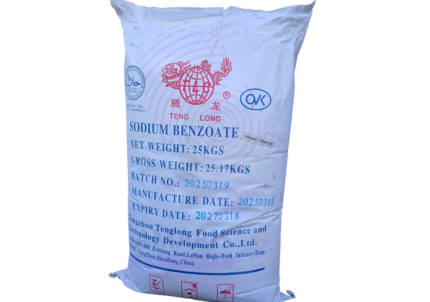
Sodium Benzoate
Sodium Benzoate is the sodium salt of benzoic acid, appearing as a white, crystalline powder that is highly soluble in water. It is widely used as a preservative due to its antimicrobial properties, especially effective against yeast and bacteria in acidic conditions. Sodium Benzoate is commonly employed in the food, beverage, pharmaceutical, and cosmetic industries to extend shelf life and maintain product quality. It meets food-grade and pharmaceutical-grade purity standards, ensuring safety for consumption and topical use.

Sodium Ascorbate USP
Sodium Ascorbate USP is a sodium salt of ascorbic acid (Vitamin C) that appears as a white to slightly yellow crystalline powder. It is widely used as an antioxidant and nutritional supplement due to its excellent water solubility and lower acidity compared to pure ascorbic acid. This compound helps prevent oxidation in food and pharmaceutical products and supports human health by boosting the immune system. It meets USP (United States Pharmacopeia) standards for purity and quality, making it suitable for pharmaceutical, food, and cosmetic applications.
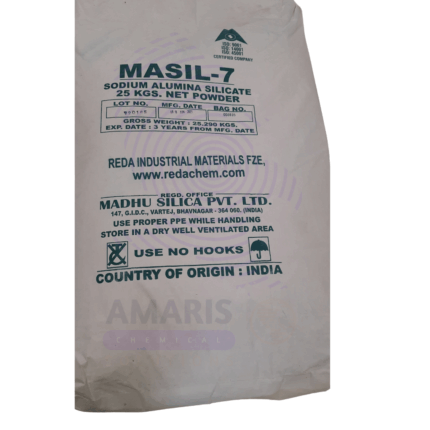
Sodium Alumina Silicate
Sodium Alumina Silicate is an inorganic compound consisting of sodium, aluminum, and silicon oxides. It is typically found as a white, amorphous powder with excellent adsorption and ion-exchange properties. Commonly used as a detergent builder, water softener, and desiccant, sodium alumina silicate improves cleaning efficiency, controls water hardness, and aids moisture absorption. Its thermal stability and chemical inertness make it valuable across detergent manufacturing, water treatment, and various industrial processes.
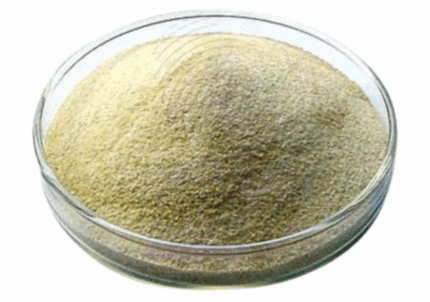
Sodium Aliginate
Sodium Aliginate is a natural polysaccharide extracted from brown seaweed. It appears as a white to yellowish powder that is odorless and tasteless. It is highly soluble in cold water, forming viscous solutions and gels. Sodium alginate is widely used in the food, pharmaceutical, textile, and cosmetic industries due to its excellent thickening, gelling, stabilizing, and film-forming properties. It acts as a natural hydrocolloid and is valued for its biocompatibility and biodegradability.
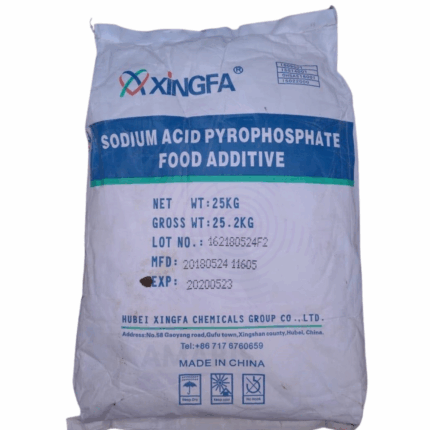
Sodium Acid Pyrophosphate
Sodium Acid Pyrophosphate (SAPP) is an inorganic compound with the chemical formula Na₂H₂P₂O₇. It is a white, crystalline powder or granular solid that serves as a versatile leavening agent, buffering agent, and sequestrant. SAPP is widely used in food processing, water treatment, and industrial applications due to its ability to control pH, chelate metals, and modify texture.
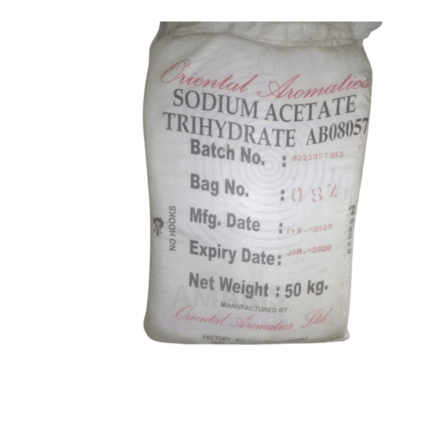
Sodium Acetate Trihydrate
Sodium Acetate Trihydrate is a white crystalline solid that is the hydrated form of sodium acetate. It is highly soluble in water and has a mildly alkaline pH in solution. Widely used in chemical, pharmaceutical, food, and textile industries, sodium acetate trihydrate serves as a buffering agent, pH regulator, and preservative. Its ability to stabilize pH and act as a neutralizing agent makes it valuable in various industrial and laboratory applications. Additionally, it is used for heat packs due to its exothermic crystallization properties.
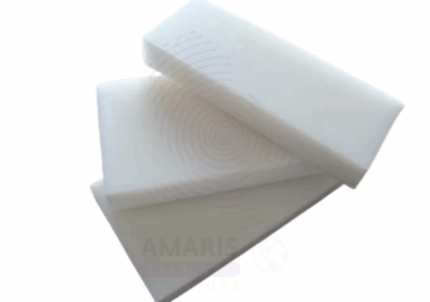
Snow White Microwax
Snow White Microwax is a refined, high-purity microcrystalline wax with a bright white color and fine crystalline structure. It is derived from petroleum and modified to enhance flexibility, adhesion, and water resistance. This wax is widely used in industries requiring a blend of hardness and elasticity, along with excellent binding and coating properties. Its low odor and neutral pH make it suitable for sensitive applications, including cosmetics and food packaging.

Simethicone Emulsion
Simethicone Emulsion is a medical-grade, anti-foaming agent composed of polydimethylsiloxane and silicon dioxide in an emulsified form. Designed to reduce gas bubbles in the gastrointestinal tract, it provides rapid relief from bloating and discomfort. The emulsion formulation enhances bioavailability and mixing with bodily fluids.
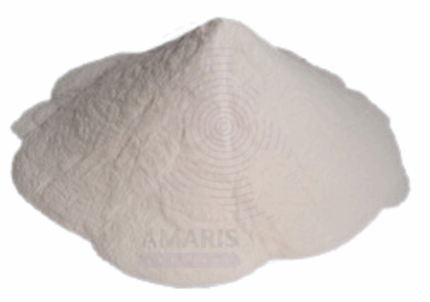
Simethicone USP
Simethicone USP is a silicon-based surfactant used primarily as an anti-foaming and anti-gas agent in pharmaceutical and food industries. It works by reducing the surface tension of gas bubbles, causing them to coalesce and be expelled more easily from the digestive tract. This non-toxic, inert compound is widely used in formulations to relieve bloating, discomfort, and flatulence caused by excess gas. The “USP 28” grade signifies compliance with the United States Pharmacopeia standards, ensuring high purity and quality for medical and food applications.
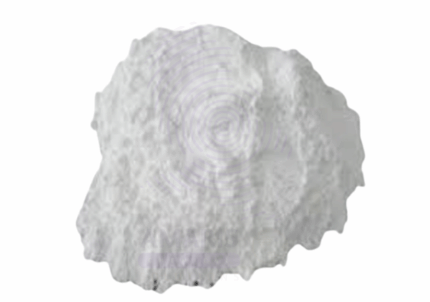
Silver Sulphadiazine USP
Silver Sulphadiazine USP is a topical antimicrobial agent used primarily in the treatment and prevention of infections in burn wounds and other skin injuries. It combines the broad-spectrum antibacterial effects of silver ions with the antimicrobial properties of sulphadiazine, a sulfonamide antibiotic. This combination helps to prevent bacterial colonization and promotes healing by reducing the risk of infection. Silver Sulphadiazine is widely used in clinical and hospital settings and is available as a cream or ointment formulation meeting United States Pharmacopeia (USP) standards for purity and quality.












